

The chemical landscape of your brain operates as a silent architect, shaping the way you perceive every flirtatious glance or lingering touch in the dark corners of a crowded bar. Gay men often find themselves in a whirlwind of fast-paced interactions where the rush of dopamine takes center stage during the initial thrill of a new encounter. However, a different player works behind the scenes to create those lingering feelings of warmth and security after a night spent with someone new. T
his substance, frequently labeled as the love hormone, acts as a chemical bridge between two individuals who seek more than a fleeting moment of heat. You feel its presence when you linger in bed just a bit longer or when a simple touch on the shoulder sends a wave of calm through your nervous system. Science points to this peptide as a primary driver of monogamous behavior and social recognition.
Every time you lock eyes with a partner, your pituitary gland releases this liquid gold into your bloodstream. This discussion looks at how this molecule affects your sex life and your search for a partner.
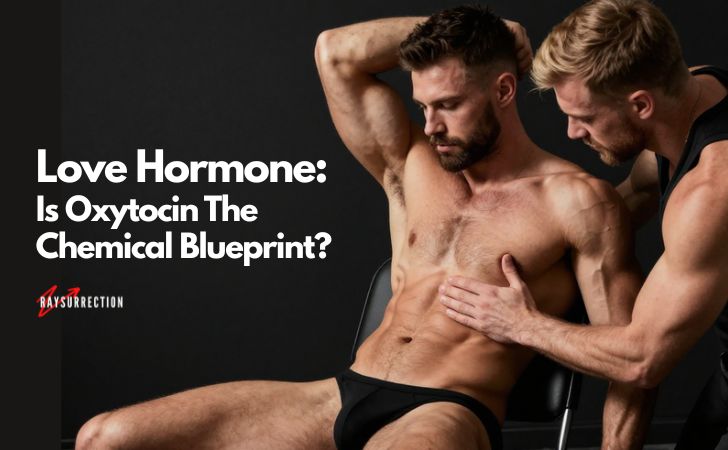
The Biological Blueprint
Oxytocin functions as a neuropeptide that produced in the hypothalamus and secreted by the posterior pituitary gland into your systemic circulation. Your body utilizes this chemical to modulate social behavior, including the development of trust and the reduction of social anxiety. In the context of gay male relationships, this hormone facilitates a sense of safety that allows for deeper emotional vulnerability during sexual performances. You will notice that your heart rate slows and your muscles relax when you are in the presence of someone you have begun to trust. The biological reality of this process remains consistent regardless of the gender of your partner, yet the social scripts of the gay world often influence how you interpret these sensations.
The release of this hormone occurs during various forms of physical contact, ranging from a simple handshake to the most intense forms of sexual activity. You experience a massive surge of this chemical during orgasm, which helps to explain the sudden desire to remain close to a partner afterward. This neurological response serves to counteract the high - energy stress hormones like cortisol that often accumulate during a long day. If you pay close attention, you will find that the quality of your sleep improves significantly after a positive social or physical interaction. Your brain craves this state of homeostasis because it provides a necessary reprieve from the constant vigilance often required.
Small gestures of affection trigger consistent, low - level releases of this hormone that sustain a sense of connection over long periods. You do not need a grand romantic gesture to activate this system within your own physiology. Simple proximity to a person you find comforting will often suffice to keep your levels elevated and your mood stable. The frequency of these interactions dictates the strength of the psychological attachment you feel toward another man. Consistent exposure to these chemical signals helps to solidify a sense of familiarity that makes a partner feel like a sanctuary.
- Prioritize a ten - second hug when you first see your partner after work. Short bursts of contact like this provide a steady stream of oxytocin to keep your mood elevated throughout the evening.
- Maintain eye contact for longer than usual during your conversations. This simple act signals to your brain that you are in a safe environment and encourages the release of bonding chemicals.
- Hold hands while you are walking through the park or sitting on the couch. Continuous skin - to - skin contact ensures that the hormone levels remain high enough to maintain a sense of calm.
- Apply a gentle massage to your partner's neck or shoulders without the expectation of sex. Physical touch that focuses purely on relaxation builds a foundation of trust that is separate from sexual performance.
- Sleep in close physical proximity to your partner whenever the opportunity arises. The warmth of another body throughout the night provides a sustained release of the hormone that aids in deep recovery.
The Post - Coital Dip and Chemical Recovery

The period immediately following sexual activity often involves a rapid shift in your internal chemistry that can leave you feeling unexpectedly vulnerable. You might find that once the dopamine from the climax fades, a sense of melancholy or loneliness creeps into the room. This phenomenon happens because the high levels of oxytocin and prolactin begin to recede, leaving your nervous system in a state of transition. You are more susceptible to negative thoughts during this window if you do not actively manage the environment around you. Recognition of this chemical withdrawal helps you to avoid making impulsive decisions about the future of a relationship.
Communication becomes a pivotal factor in how you handle the sudden drop in these feel - good chemicals after a hookup. You will find that staying for a few minutes of conversation or light touching helps to smooth out the hormonal transition. Men who depart immediately after sex often miss the chance to capitalize on the lingering oxytocin that facilitates emotional openness. You have the ability to turn a casual encounter into a more meaningful interaction simply by acknowledging the person behind the physical act. This brief window of time allows for a level of honesty that is rarely available during the high - stakes environment of the initial pickup.
Recovery from a heavy release of oxytocin requires time and a supportive environment to return to a baseline state. You should be aware that your brain needs a moment to recalibrate before you are ready for another intense social interaction. Drinking water and ensuring you have had enough food will help your body process the metabolic byproducts of a sexual encounter. You ought to treat yourself with kindness if you feel a bit "blue" the morning after a particularly intense date. This is a natural physiological reaction to the sudden absence of the chemical high you just experienced.
- Stay for at least fifteen minutes after sex to engage in light conversation. This prevents the sudden crash of hormones and makes the transition back to reality much smoother for both of you.
- Drink a full glass of water immediately following an intense physical session. Hydration assists your body in processing the chemicals and keeps your energy levels from plummeting too quickly.
- Send a brief text message the following morning to acknowledge the time you spent together. Validating the experience helps to maintain a positive chemical trail in your memory and reduces post - date anxiety.
- Keep a soft blanket or a comfortable robe nearby for the post - sex cooldown. Physical warmth mimics the sensation of closeness and helps to maintain the oxytocin levels in your blood.
- Practice deep breathing for a few minutes if you feel a sense of loneliness after a partner leaves.Oxygenation of the blood helps to stabilize your heart rate and provides a sense of internal security.
Digital Dating and the Depletion of Neuropeptides

Digital Dating
The modern landscape of dating apps creates a problem for the regulation of oxytocin in the gay male brain. You are likely spending hours scrolling through faces, which triggers small hits of dopamine but almost no oxytocin. This imbalance leads to a state of chronic dissatisfaction because you are seeking connection without the physical presence required to trigger the love hormone. You will find that the digital interface keeps you in a state of high alert rather than a state of relaxation. The lack of physical scent, touch, and voice tone means your brain never receives the signal that it is safe to let its guard down.
Frequent switching between potential partners on an app prevents the sustained release of oxytocin that occurs during real - world courtship. You are essentially training your brain to prioritize the hunt over the actual connection. This cycle makes it increasingly difficult to feel a sense of satisfaction even when you finally meet someone in person. You will notice that your attention span for new people has shortened because your reward system is calibrated for the speed of a swipe. The chemical vacuum created by digital interaction often leads to feelings of burnout and isolation within the gay community.
Transitioning from the screen to a physical meeting is the only way to satisfy the biological need for this neuropeptide. You should aim to meet a potential date as soon as a basic level of comfort has been established online. Prolonged digital chatting creates a false sense of intimacy that is not supported by the underlying chemistry of the body. You will often feel a sense of disappointment upon meeting because the physical reality cannot compete with the idealized version your brain created. Real - world interaction provides the sensory data your hypothalamus needs to produce the chemicals that lead to genuine liking.
- Limit your time on dating apps to thirty minutes per day to avoid chemical burnout. Restricting your usage prevents the dopamine system from overriding your need for actual physical connection.
- Move the conversation to a phone call or video chat before meeting in person. Hearing a voice or seeing a face in motion triggers more oxytocin than reading text on a cold screen.
- Choose a meeting spot that allows for easy physical proximity like a quiet booth. Sitting close to your date increases the likelihood of incidental touch which starts the chemical flow.
- Avoid checking your phone while you are physically present with a date. Distraction prevents the synchronization of your brain waves and stunts the release of bonding hormones.
- Focus on the sensory details of your date such as their scent or the sound of their laugh. Engaging your senses directly signals to your brain that a real human connection is taking place.
The Science of Non-Sexual Touch
Physical affection that does not lead to sex remains one of the most underrated ways for gay men to regulate their moods. You might find that a long hug from a close friend provides a similar sense of relief as a romantic encounter. This happens because the oxytocin system does not distinguish between different types of platonic or romantic touch. The gay community often overemphasizes sexual contact while neglecting the fundamental human need for non - sexual skin - to - skin interaction. You have the capacity to improve your mental health significantly by seeking out more of these casual physical moments.

The Science of Non-Sexual Touch
Cuddling with a partner or a friend on the sofa while watching a movie provides a sustained, low - pressure release of this hormone. You will notice that your stress levels drop and your perspective on daily problems becomes more balanced. This type of interaction builds a layer of security that makes your relationship feel more resilient to outside pressures. You are able to foster a sense of belonging that is not dependent on your sexual performance or your physical appearance. The simplicity of just being near someone else provides a powerful antidote to the loneliness that many gay men experience.
Handshakes, high - fives, and pats on the back during social gatherings also contribute to your overall chemical well - being. You should make a conscious effort to be more physically expressive with the men in your social circle. These small gestures help to break down the barriers of isolation and create a sense of group cohesion. You will find that the men you touch in a friendly manner are more likely to trust you and support you in the future. The biological reality is that our bodies are designed to function better when we are physically integrated into a social group.
- Ask a friend for a long hug when you are feeling overwhelmed by your workload. A twenty - second hug is often enough to trigger a significant release of oxytocin and lower your cortisol.
- Sit close enough to your friends that your shoulders or knees occasionally touch. Proximity in social settings reinforces the chemical sense of safety and belonging within your group.
- Offer to give a friend a quick hand massage if they are feeling stressed. Providing touch is just as effective at releasing oxytocin in the giver as it is in the receiver.
- Spend time leaning against a partner while you are both reading or on your phones. This "parallel play" with physical contact maintains a chemical connection without requiring active conversation.
- Practice a firm and warm handshake when meeting new people in the community. Initial physical contact sets a positive tone for the interaction by lowering the recipient's social anxiety.
Building Trust Through Chemical Synchronization
The process of building trust between two men involves a complex interplay of eye contact, vocal mimicry, and hormonal release. You will find that when you spend time with someone you like, your breathing patterns and heart rates begin to align. This synchronization is driven by oxytocin, which acts as a facilitator for social attunement. You are literally getting on the same wavelength as the other person through a biological feedback loop. This state of alignment makes it much easier to communicate your needs and resolve conflicts without becoming defensive.

Chemical Synchronization
Trust is not just a psychological concept but a physiological state that requires consistent chemical reinforcement. You should be aware that every positive interaction adds a small amount of oxytocin to the "bank" of your relationship. Conversely, negative or dismissive interactions trigger the release of stress hormones that can erode this foundation over time. You possess the ability to repair a strained connection by intentionally engaging in activities that trigger the love hormone. Shared meals, long walks, and deep conversations all contribute to this chemical rebuilding process.
Honesty becomes much easier when your brain is flooded with the chemicals that signal safety and security. You will notice that you are more willing to share your secrets and your fears when you feel physically close to someone. This vulnerability is the key to creating a lasting partnership that goes beyond surface - level attraction. You ought to prioritize creating an environment where both you and your partner feel safe enough to let your guards down. The presence of oxytocin reduces the activity of the amygdala, which is the part of the brain responsible for the fear response.
- Schedule a regular "check - in" time where you sit close and talk about your feelings. Regular communication in a physically close environment strengthens the chemical foundation of your trust.
- Cook a meal together and share the task of preparing the ingredients. Working toward a common goal in close proximity encourages the brain to view the partner as a teammate.
- Listen actively by nodding and making eye contact while your partner is speaking. These non - verbal cues trigger the release of oxytocin in the speaker and make them feel heard.
- Share a secret or a personal story that you have not told many other people. Vulnerability is a high - reward activity that can rapidly increase the levels of bonding chemicals in both individuals.
- Apologize sincerely and use a gentle touch when you have made a mistake. Combining a verbal apology with physical contact helps to neutralize the stress hormones associated with conflict.
Group Dynamics and the Biology of Exclusion

Oxytocin has a "dark side" that often goes unmentioned in popular discussions about the love hormone. While it promotes bonding within a group, it can also increase feelings of suspicion or hostility toward those outside the group. You might notice this in the way certain gay cliques operate, where the internal connection is strong but newcomers are treated with coldness. This biological mechanism evolved to protect the tribe from external threats, but in a social setting nowadays, it can lead to unnecessary drama. You should be mindful of how your brain's desire for group cohesion might be influencing your behavior toward others.
The "us versus them" mentality is often fueled by the very same chemical that makes you feel so close to your best friends. You will find that the more tightly knit your social circle is, the harder it can be to welcome a new person into the fold. This chemical bias can lead to the formation of exclusive "echo chambers" where everyone thinks and acts the same way. You have the power to counteract this by intentionally seeking out diverse social experiences and meeting men from different backgrounds. The goal is to expand your "in - group" so that your oxytocin response covers a wider range of people.
Social rejection triggers the same areas of the brain as physical pain, often because of the sudden drop in oxytocin and dopamine. You will experience a sense of literal heartache when you feel excluded from a group or ignored by a peer. This intense reaction is your body's way of telling you that your social survival is at risk. You can mitigate this pain by reaching out to your trusted inner circle for support and physical comfort. The presence of your true friends will help to stabilize your chemistry and remind you that you are still valued.
- Introduce a new person to your friend group by highlighting something you have in common. This helps the group's oxytocin response to include the newcomer rather than seeing them as an outsider.
- Attend a social event where you do not know anyone to practice social flexibility. Putting yourself in new environments prevents your brain from becoming too reliant on a single, exclusive group.
- Volunteer for a cause in the gay community to meet men outside of your usual social circle. Working together for a common good is an excellent way to trigger group - level oxytocin release.
- Refrain from participating in gossip that serves to alienate or mock other men. Negative social behavior toward outsiders might feel like bonding, but it creates a fragile and toxic chemistry.
- Host a dinner party and invite one person who is not part of your regular group. Small, controlled introductions help to expand your social horizons without overwhelming your sense of safety.

Raw
A Pheromone Infused Cologne - with Pheromones for Men
Alcohol Free, Paraben Free, Chemical Free.
With Bergamot, Elemi, Sichuan Pepper, Pink Pepper, Geranium, Vetiver, Lavender, Patchouli, and Ambroxan.
We earn a commission if you click this link and make a purchase at no additional cost to you.
Canine Connections and Hormone Regulation
The presence of a pet, particularly a dog, can have a massive impact on your oxytocin levels and your overall sense of well - being. You will find that gazing into a dog's eyes triggers a reciprocal release of the love hormone in both you and the animal. This inter - species connection provides a reliable source of comfort that is often more stable than human relationships. For gay men living alone, a pet can be a vital partner in maintaining a healthy chemical balance in the brain. The simple act of caring for another living being provides a sense of purpose and a regular source of physical touch.
Playing with a dog or a cat for just fifteen minutes a day can significantly lower your blood pressure and reduce feelings of anxiety. You will notice that the rhythmic petting of an animal has a meditative effect on your nervous system. This interaction provides a "no - strings - attached" form of affection that is purely focused on the present moment. You are able to receive a high dose of oxytocin without the social complexities or potential for rejection found in human dating. This chemical support makes it easier for you to navigate the ups and downs of your romantic life.
Dogs also act as social facilitators that can help you meet other men in a low - pressure environment. You will find that people are much more likely to strike up a conversation with you if you are walking a friendly dog. This incidental social contact provides small hits of oxytocin that add up throughout the day. You are able to build a sense of neighborhood connection that would be much harder to achieve on your own. The presence of your pet acts as a buffer that makes you appear more approachable and trustworthy to others.
- Spend ten minutes every morning playing with your pet before you start your day. This early dose of oxytocin sets a positive tone for your interactions with coworkers and strangers.
- Take your dog to a local park where other gay men are likely to gather. Using your pet as a social bridge makes it easier to start conversations without the pressure of a "date."
- Allow your pet to sleep in your room or on your bed if you feel lonely. The physical presence of another living heart can provide a sense of security and companionship through the night.
- Talk to your pet about your day even if they cannot understand the specific words. The act of vocalizing your thoughts to a sympathetic listener helps to process your emotions.
- Practice mindful petting by focusing entirely on the texture of your pet's fur. Engaging your senses in this way grounds you in the present and maximizes the chemical benefit of the touch.
The Solo Shift and Internal Chemistry

Forming Chemistry Between Men
You do not always need another person to influence your oxytocin levels, as certain self - care practices can also trigger a release. You will find that a warm bath or a heavy blanket can mimic the sensation of being held by another person. These physical sensations trick the brain into producing a small amount of the love hormone, which provides a sense of self - soothing. You have the ability to manage your own chemical state during times when you are not in a relationship. This self - reliance is a key component of emotional resilience for any man in the gay community.
Self - massage and the use of high - quality skincare products can also contribute to a sense of physical well - being. You should treat your own body with the same level of care and affection that you would offer to a partner. The act of touching your own skin with kindness sends a signal to your brain that you are safe and valued. You will notice that your self - esteem improves when you prioritize these small rituals of self - affection. You are essentially building a better relationship with yourself by using the same biological tools that facilitate romantic connection.
Mindfulness and meditation practices can also help to regulate the flow of neuropeptides in your system. You will find that focusing on feelings of compassion toward yourself and others triggers a neurological response similar to a physical hug. This "loving - kindness" meditation has been shown to increase the density of oxytocin receptors in certain parts of the brain. You are able to train your nervous system to be more receptive to positive social signals and less reactive to stress. This internal work provides a stable foundation for all of your external relationships.
- Take a warm shower or bath for twenty minutes to simulate the feeling of physical closeness. The heat on your skin encourages the release of relaxation chemicals and prepares you for a restful night.
- Use a weighted blanket while you are sleeping to provide a sense of gentle pressure. This mimics the sensation of a hug and helps to stabilize your heart rate during the night.
- Practice a brief self - massage on your hands or feet before you go to bed. Focusing on these high - nerve areas provides a direct line to your brain's reward and comfort systems.
- Listen to calming music or nature sounds while you are relaxing at home. Auditory comfort can help to lower your cortisol and create an environment conducive to oxytocin production.
- Spend time in nature and focus on the feeling of the sun or the wind on your skin. Connecting with the physical world provides a sense of belonging to a larger system which is chemically rewarding.
Pharmaceutical Interventions and Future Frontiers
The development of synthetic oxytocin as a medical treatment for social anxiety is an area of ongoing research. You should be aware that while nasal sprays exist, their use should be strictly managed by a healthcare professional. These interventions are not a shortcut to "true love," but they may help men who struggle with severe social barriers. You will find that the effects of synthetic versions are often short - lived and cannot replace the complexity of natural human interaction. The future of this field lies in helping people to naturally optimize their own internal production.

Scientific advancements are also looking at how oxytocin might be used to treat addiction and post - traumatic stress disorder. You might find that the same chemical that helps you bond with a partner also helps to repair the damage from past traumas. This versatility makes it one of the most interesting substances in the human body. You have the opportunity to stay informed about these developments and how they might eventually benefit your life. The intersection of gay mental health and neurochemistry is a rapidly expanding field of study.
Ethical considerations remain a major part of the conversation regarding the manipulation of these hormones. You should think about whether you would really want a "love pill" that could artificially create an attachment to someone. The value of a relationship often comes from the effort and the shared history that leads to the chemical connection. You will likely find that the most rewarding experiences are those that happen organically through mutual care and physical presence. Technology should be a support for our biology, not a replacement for the nuances of human intimacy.
- Discuss any interest in hormonal supplements with a qualified endocrinologist or therapist. Professional guidance ensures that you are not disrupting your body's natural balance with untested substances.
- Read the latest research on neurochemistry to stay informed about how your brain works. Knowledge of your own biology provides you with more agency over your emotional and social life.
- Avoid any "pheromone" products that claim to make you irresistible to other men. Most of these products have little scientific backing and are often just marketing gimmicks.
- Focus on natural ways to boost your hormones before looking for a chemical fix. Your body is remarkably efficient at producing what it needs if you give the right environment.
- Advocate for more research into the specific mental health needs of the gay community. Supporting scientific progress helps to create better resources for future generations of gay men.
Long-Term Maintenance of the Chemical Spark
Maintaining a long - term relationship requires a conscious effort to keep the oxytocin flowing between you and your partner. You will find that the initial rush of excitement eventually transitions into a deeper, more stable form of attachment. This phase of a relationship relies heavily on consistent physical contact and experiences to stay healthy. You should never underestimate the power of a routine that prioritizes closeness and mutual support. You possess the ability to keep the spark alive by being intentional about your physical and emotional habits.

Novelty and shared excitement can also trigger a surge of bonding chemicals even in a relationship that has lasted for decades. You should seek out new activities that you can experience together for the first time. This might involve traveling to a new city, learning a new skill, or simply trying a different style of cooking. You will notice that the "newness" of the situation encourages your brain to release more dopamine and oxytocin. These shared adventures act as a glue that keeps your partnership feeling fresh and vibrant.
The ultimate goal of managing your oxytocin levels is to create a life filled with meaningful and supportive connections. You are able to take charge of your social health by choosing environments and behaviors that support your biology. The gay community offers a wide variety of ways to find connection, from the club scene to quiet hobby groups. You ought to find the balance that works best for your unique personality and your chemical needs. A well - regulated nervous system is the secret to a happy and fulfilled life as a gay man.
- Schedule a "date night" once a week that involves a new activity you both enjoy. Introducing novelty into your routine keeps your brain's reward system engaged and active.
- Practice "active listening" by repeating back what your partner has said to ensure clarity. This simple communication technique reduces misunderstandings and the associated stress hormones.
- Leave small, handwritten notes for your partner in unexpected places like their bag or a drawer. Small surprises create a positive emotional response that reinforces your chemical attachment.
- Go for a walk together every evening without the distraction of your phones. The combination of light exercise and conversation is a powerful recipe for a steady oxytocin release.
- Tell your partner one thing you appreciate about them every single day. Verbalizing gratitude builds a culture of positivity that protects your relationship from the wear and tear of daily life.
The intricate dance of chemicals within your brain provides the invisible foundation for every relationship you will ever have. You now see that oxytocin is more than just a simple hormone; it is a fundamental part of your social and emotional infrastructure. By paying attention to the ways you can naturally boost this chemical, you take control of your well-being and your connections. You have the power to transform your dating life and your friendships by prioritizing physical touch, trust, and vulnerability. The gay experience is often defined by the search for belonging, and your biology is designed to help you find it. You should move forward with the confidence that your body is a willing partner in your quest for intimacy. Every hug, every long gaze, and every moment of shared laughter is a step toward a more chemically balanced and socially satisfying life.
Taking this knowledge into the world allows you to navigate the complexities with more grace and self - awareness. You no longer have to feel like a victim of your emotions or the unpredictable nature of the dating scene. Instead, you can view your social interactions as a way to nourish your nervous system and build a resilient sense of self. You will find that as you become more intentional with your habits, the quality of your relationships will naturally improve. This is not a quick fix, but a lifelong practice of honoring your biological needs for connection and safety. You deserve to feel the warmth and security that a healthy oxytocin system provides to a human heart. The path to a deeper connection with yourself and others starts with the very next person you choose to reach out and touch.
A Weekly Chemical Wellness Plan
Your search for a more fulfilling life often leads you to focus on external achievements or sexual conquests. However, the true source of your emotional well - being lies within the complex neurochemistry of your own brain. This weekly wellness plan gives you a roadmap to use the love hormone to improve your mood and your social connections.
You will see how to trigger the release of oxytocin through simple, everyday actions that ground your nervous system. The objective is to create a consistent flow of this neuropeptide to counteract the isolation that many men in the gay world feel. This discussion avoids common advice and focuses on the biological reality of how your body perceives safety and trust. You have the opportunity to take control of your chemical state and build a life that feels more connected. The following sections give you a structured way to optimize your internal blueprint for intimacy and peace.

Morning Rituals for Neurochemical Activation
The first hour of your day determines the hormonal tone for your entire afternoon and evening. You should start with a sequence of physical sensations that signal a state of total security to your hypothalamus. A warm shower gives you a tactile baseline that mimics the heat of a partner in your bed. Your brain interprets this steady temperature as a sign of safety in your immediate surroundings. This practice prevents the early rise of cortisol from overwhelming your system before you even step outside.
You will find that a few minutes of mindful stretching improves the sensitivity of your skin receptors. These nerves send direct signals to the posterior pituitary gland to begin a slow release of oxytocin. You are essentially preparing your body to be more receptive to social interactions throughout the coming hours. Small movements help to clear the mental fog that often accompanies a low - oxytocin state in the morning. Your focus remains on the physical reality of your limbs rather than the stress of your upcoming work schedule.
Interaction with a pet or a housemate during this time serves as a biological primer for your brain. You should seek out a brief moment of eye contact or a quick pat on the shoulder. These tiny interactions act as a catalyst for a more robust chemical response later in the day. Your system operates on a feedback loop where early positive cues make later connections feel more natural. This early success creates a psychological cushion against the friction of the urban world.
- Pet your dog or cat for five minutes before you make your first cup of coffee.
- Drink your tea while you sit in a chair that allows your feet to touch the floor firmly.
- Stand in front of a mirror and give yourself a brief, supportive nod to start the day.
- Touch the fabric of your favorite shirt to appreciate the texture against your fingertips for a moment.
- Open a window to let the natural breeze brush against your face for a few seconds.
Midday Social Reinforcement and Workplace Buffering
The period from noon to two is a key window for your social neurochemistry. You should move away from digital devices to seek out a more tactile and human environment. Isolation at a desk leads to a gradual depletion of the neuropeptides that keep your mood stable. You will notice that a short conversation with a friendly clerk changes the chemical path of your day. The simple exchange of a smile and a few words triggers a small but helpful release of the hormone.
You are able to use the physical environment of your office to ground your nervous system. A heavy coat or a scarf gives you a sense of enclosure that mimics a protective embrace. You should try to walk to a nearby park where the presence of other people gives you a passive form of social connection. Your brain picks up on the movements and sounds of the group even if you do not speak to anyone. This peripheral social data helps to keep your anxiety levels within a manageable range.

International Networking
Deep breathing exercises during a stressful meeting act as a manual override for your heart rate. You should focus on the sensation of air moving through your lungs to stay grounded in the present moment. This internal awareness prevents your brain from spiraling into a state of high - alert panic. You will find that you remain more composed and articulate when your physiology feels supported. The objective is to maintain a steady baseline of calm despite the pressures of your professional life.
- Walk to a local cafe to order your lunch in person instead of using an app.
- Sit on a park bench where you can feel the sun on your skin for ten minutes.
- Use a high - quality hand cream to provide a brief moment of self - touch and a pleasant scent.
- Hold a warm mug of tea between both hands to soak up the heat during a meeting.
- Contact a friend via a quick voice note to hear a familiar tone during your break.
Physical Fitness and Skin Contact
Exercise is often viewed as a way to burn calories or build muscle, but its role in hormone regulation is far more interesting. You should prioritize activities that involve physical proximity to other men, such as team sports or group classes. The presence of others during a high - energy activity encourages the release of both endorphins and oxytocin. You will find that the link with your teammates becomes stronger when you sweat together. This joint effort creates a chemical sense of belonging that persists long after the workout ends.
Weightlifting and other forms of resistance training also improve your body's sensitivity to hormonal signals. You are able to use the post - workout window to engage in social activities that capitalize on your elevated mood. The rush of dopamine from achieving a personal record makes you more open to new social encounters. You should pay attention to how your body feels after a session at the gym. This physical pride translates into a more relaxed presence in social settings.
Yoga and stretching provide a more meditative way to activate your internal reward systems. You should focus on the feeling of your muscles lengthening and the rhythmic nature of your breath. This practice helps to lower the levels of cortisol that accumulated throughout the week. You will find that a more flexible body is often home to a more flexible and resilient mind. The calm you achieve on the mat stays with you as you enter the busy world outside.
- Join a local gay sports league to meet men in a high - energy environment.
- Attend a group fitness class where the instructor encourages high - fives or light encouragement.
- Use a foam roller after your workout to provide a deep tissue massage to your own muscles.
- Take a cold shower after your gym session to trigger a sharp but healthy hormonal reset.
- Practice a few yoga poses in the evening to help your body release any physical tension.

Digital Detox and Real - World Presence
The digital world often acts as a thief that steals your attention and your chemical stability. You should set aside particular times in your week where all electronic devices are turned off. This absence of blue light and notifications allows your brain to settle into a more natural state. You will notice that your anxiety levels drop when you are not constantly reactive to incoming messages. This silence gives you the space for your internal neurochemistry to recalibrate and find a new baseline.
Real - world presence requires you to be fully available to the people in your physical vicinity. You should make a conscious effort to look people in the eye when you are out in public. These brief connections are the building blocks of a healthy social life in the gay world. You are able to read a wealth of information from a person's facial expressions that a text message cannot convey. This sensory richness is what your brain needs to feel a genuine sense of connection.
Analog hobbies like gardening, cooking, or painting provide a tactile outlet for your energy. You should engage in activities that require the use of your hands and a focus on physical materials. These tasks encourage a state of "flow" where your brain is fully occupied by the present moment. You will find that the satisfaction of creating something tangible is greater than the hit of a digital "like." This creative work helps to maintain a healthy balance of dopamine and oxytocin in your system.
- Turn off your phone two hours before you plan to go to sleep every night.
- Leave your phone in another room when you are having dinner with a friend.
- Go for a walk in a neighborhood you have never visited to engage your curiosity.
- Write a letter to a friend by hand to practice a more slow and deliberate form of communication.
- Attend a live performance where you are required to sit in silence and observe.
Weekend Group Dynamics and Social Safety
Weekends offer the time needed for more extended social interactions that deepen your chemical links to others. You should aim to spend time in groups where you feel a high level of psychological safety. The presence of trusted friends allows your brain to stay in a relaxed and receptive state. You will notice that your conversations become more honest and your laughter more spontaneous in these settings. This collective energy is a useful antidote to the isolation of life.

Group activities such as board games or group hikes encourage a sense of joint purpose. You should look for ways to contribute to the group's success or enjoyment. This active participation triggers a release of the hormone that makes you feel more integrated into the group. You will find that you are more willing to support others when you feel that they are also supporting you. The biology of the group ensures that everyone feels more secure when they are part of a stable whole.
Hosting a small gathering at your home gives you a sense of control and hospitality. You should prepare a space that is welcoming and comfortable for your guests. The act of providing food and drink to others is a primal way to build trust and connection. You will feel a sense of pride as you watch your friends interact and enjoy the environment you created. This social leadership role helps to boost your confidence and your chemical well - being.
- Invite a small group of friends over for a casual game night or a movie marathon.
- Plan a group hike to a local park to get some fresh air and exercise together.
- Bring a small gift or a snack when you are invited to a friend's house.
- Listen more than you speak during a group conversation to pick up on social cues.
- Offer to help clean up after a party to show your appreciation for the host.
Nightly Wind - Down and Sensory Reset
The final hours before sleep are a key time for your hormonal recovery. You should create a ritual that helps your body transition from the busyness of the day to a state of rest. Dimming the lights and using soft blankets provide the physical cues your brain needs to relax. You will notice that your heart rate begins to slow as you distance yourself from your daily concerns. This calm environment is the perfect setting for a final release of the love hormone before bed.
Self - reflection through journaling or meditation helps to process the emotional events of your day. You should write down any moments of connection or kindness that you experienced. This practice reinforces the positive chemical trails in your memory and makes them more accessible in the future. You will find that you are less likely to ruminate on negative thoughts when you focus on these small wins. Your brain needs this positive reinforcement to maintain a healthy and optimistic outlook.
Preparation for the next day during the evening helps to reduce morning anxiety. You should lay out your clothes and pack your bag so that your morning is as smooth as possible. This foresight gives your nervous system a sense of predictability and control. You will wake up with a clearer mind when you know that your basic needs are already handled. This sense of order is a subtle but key component of your overall neurochemical wellness.
- Spend five minutes writing in a gratitude journal before you turn out the lights.
- Stretch your body for ten minutes to release any physical tension from the workday.
- Listen to a calming podcast or an audiobook to help your mind settle into a story.
- Use an essential oil diffuser with lavender to create a relaxing atmosphere in your bedroom.
- Take a few deep breaths and focus on the weight of your body against the mattress.
Culinary Connections and Oral Stimulation

Food is a primary source of pleasure and a key way to stimulate your internal reward systems. You should take the time to prepare meals that are both nutritious and pleasing to your senses. The act of chopping vegetables and stirring a pot provides a rhythmic and grounding experience. You will notice that the aroma of a home - cooked meal begins to lift your mood before you even take a bite. This sensory engagement is a vital part of your daily self - care routine.
Sharing a meal with another man is one of the oldest and most useful ways to build trust. You should invite a friend or a date to join you for dinner at least once a week. The joint activity of eating encourages a sense of relaxation and openness that is hard to find elsewhere. You will find that the conversation flows more easily when you are both focused on a positive sensory experience. This common pleasure helps to solidify your connection and create lasting memories.
Trying new recipes and flavors keeps your brain engaged and prevents a sense of boredom. You should experiment with ingredients that you have never used before to challenge your palate. This novelty triggers a release of dopamine that makes the experience of eating more exciting. You will find that you look forward to your meals when they are a source of discovery and creativity. This positive relationship with food is a cornerstone of your overall physical and mental health.
- Cook a meal from scratch using a recipe that you have never tried before.
- Invite a neighbor or a friend over for a casual Sunday brunch at your place.
- Visit a local farmer's market to pick out fresh and seasonal ingredients for your kitchen.
- Savor each bite of your food by chewing slowly and noticing the different flavors.
- Set the table with a nice cloth and candles to make your meal feel like a special event.
Self-Care and Tactile Sensitivity
Your skin is your largest sensory organ and a primary channel for the release of oxytocin. You should dedicate time each week to practices that improve your tactile sensitivity and comfort. A long bath with salts helps to relax your muscles and soothe your nervous system. You will notice that your body feels lighter and more at ease after this period of quiet immersion. This ritual provides a necessary break from the constant stimulation of the outside world.
Skin care is not just about appearance but about the physical act of caring for your own body. You should apply a rich moisturizer to your limbs with a slow and deliberate touch. This self - massage sends a signal to your brain that you are worthy of care and attention. You will find that your self - esteem improves when you prioritize these moments of physical kindness. This regular maintenance of your physical self is a key part of your hormonal wellness plan.
Wearing clothes made from high - quality and natural fabrics improves your comfort throughout the day. You should choose materials like cotton, silk, or wool that feel good against your skin. These tactile sensations provide a continuous, low - level source of pleasure that supports your mood. You will notice that you are less irritable when you are not bothered by scratchy or restrictive clothing. Your physical environment includes the things you wear, and these choices matter for your well - being.
- Invest in a pair of high - quality pajamas made from a soft and breathable fabric.
- Take a long bath once a week to give your body a chance to fully relax.
- Use a soft towel to pat your skin dry after a shower to be gentle with yourself.
- Wear a favorite sweater or scarf that makes you feel cozy and protected.
- Spend a few minutes each day walking barefoot on a soft carpet or rug at home.
The Impact of Vocal Tone and Auditory Comfort
Sound plays a substantial role in how your brain perceives social safety and intimacy. You should pay attention to the tone of your own voice and the voices of those around you. Low, steady frequencies tend to trigger a relaxation response in the listener's nervous system. You will find that people are more willing to open up to you when you speak with warmth and calmness. This auditory cue acts as a subtle bridge that invites others to feel more secure in your presence.
Music provides a way to regulate your own internal chemical state without the need for another person. You should create playlists that evoke feelings of peace, nostalgia, or happiness. These soundscapes act as a background for your daily activities and help to maintain a positive mood. You will notice that your stress levels decrease when you surround yourself with harmonious sounds. This is a simple yet useful way to use your environment to support your hormonal health.
Silence is just as pivotal as sound for the recovery of your nervous system. You should find moments in your day to experience complete auditory stillness. This break from the noise of the city and digital media allows your brain to settle into a deep state of rest. You will find that you are more sensitive to the positive sounds of life after a period of quiet. Your auditory health is a key part of your overall sensory wellness.
- Listen to a playlist of ambient nature sounds while you are working or relaxing.
- Practice speaking in a lower and slower tone during your next social interaction.
- Spend ten minutes in complete silence every evening to let your brain recalibrate.
- Call an old friend just to hear the sound of a voice that you trust.
- Avoid using headphones for a few hours each day to stay connected to your environment.
Environmental Enrichment and Visual Safety
The visual environment you inhabit has a direct effect on your levels of comfort and stress. You should organize your living space to include colors and objects that you find soothing. Soft lighting and natural materials like wood or stone create a sense of organic safety. You will notice that you feel more relaxed when your home is a reflection of your internal needs for peace. This visual harmony supports the continuous release of bonding chemicals within your own system.
Plants and flowers bring a sense of life and vitality into your personal sanctuary. You should keep a few green plants in the rooms where you spend the most time. The act of caring for them gives you a small but steady source of oxytocin and a sense of purpose. You will find that the presence of nature indoors helps to lower your blood pressure and improve your focus. This simple addition to your home makes a substantial difference in your daily well - being.
Art and personal mementos provide a visual link to the people and places you love. You should display photos and objects that remind you of positive memories and strong connections. These visual cues trigger small hits of the love hormone whenever you look at them. You will feel less alone when you are surrounded by the evidence of your social history. Your home should be a place that constantly reminds you that you are valued and connected.
- Place a few low - maintenance plants like succulents or ferns on your desk or windowsill.
- Frame a photo of a favorite memory with friends and put it where you can see it daily.
- Use warm - toned light bulbs instead of harsh white lights in your living areas.
- Declutter one area of your home to create a more peaceful visual landscape.
- Hang a piece of art that makes you feel a sense of calm or happiness.
The Role of Scent and Pheromones in Daily Life
The sense of smell is the only sensory system with a direct link to the emotional centers of your brain. You should use scents like lavender, sandalwood, or vanilla to create a relaxing atmosphere in your home. These aromas trigger an immediate shift in your neurochemistry toward a state of safety and trust. You will find that your body responds to these smells by lowering its heart rate and muscle tension. This is a powerful way to manage your mood through your physical environment.
Raw
A Pheromone Infused Cologne - with Pheromones for Men
Alcohol Free, Paraben Free, Chemical Free.
With Bergamot, Elemi, Sichuan Pepper, Pink Pepper, Geranium, Vetiver, Lavender, Patchouli, and Ambroxan.
We earn a commission if you click this link and make a purchase at no additional cost to you.
Personal scent also plays a key role in how you connect with other men. You should choose a fragrance that makes you feel confident and comfortable in your own skin. The subtle pheromones you release when you are relaxed are more attractive than any artificial scent. You will notice that others are more drawn to you when you smell like yourself rather than a heavy perfume. This natural chemistry is the foundation of physical attraction and social bonding.
Cleanliness and fresh air are the baselines for a healthy olfactory environment. You should open your windows daily to let the outside air circulate through your home. The smell of fresh rain or a nearby garden provides a sensory link to the natural world. You will feel more refreshed and awake when your living space smells clean and airy. This attention to detail improves your overall quality of life and your hormonal health.
- Use an essential oil diffuser to fill your bedroom with a calming scent before sleep.
- Open the windows for twenty minutes every morning to refresh the air in your home.
- Choose a mild and natural soap that leaves a subtle, clean scent on your skin.
- Keep a bunch of fresh eucalyptus in your shower for a stimulating morning aroma.
- Bake a loaf of bread or a batch of cookies to fill your kitchen with a comforting smell.
Altruism and the Helper's High
Giving to others is one of the most reliable ways to trigger a massive release of oxytocin in your own body. You should look for small ways to be of service to the people in your life and your community. The act of helping a stranger or supporting a friend creates a chemical sense of value and belonging. You will find that you feel a "helper's high" that lasts for several hours after the act of kindness. This altruism is a vital part of a balanced and socially connected life.
Volunteering for a cause you believe in provides a structured way to give back. You should join a local organization that helps other gay men or addresses a particular social issue. This work brings you into contact with other men who have similar values and objectives. You will notice that your sense of isolation decreases when you are part of a larger mission. This collective effort is a powerful source of chemical and emotional support.
Kindness toward yourself is just as pivotal as kindness toward others. You should treat yourself with the same compassion and patience that you would give to a best friend. This self - empathy lowers your stress levels and improves your overall hormonal balance. You will find that you are more capable of helping others when your own needs are met. This cycle of care creates a positive feedback loop for your entire social circle.
- Buy a cup of coffee for a coworker or a friend without expecting anything in return.
- Offer to help a neighbor with their groceries or a small task around their home.
- Donate a few hours of your time each month to a local charity or community center.
- Send a supportive text message to a friend who is going through a difficult time.
- Leave a positive review for a local business that you enjoy visiting.

Nostalgia and the Comfort of the Past
Connecting with your personal history provides a sense of continuity and stability in your life. You should spend time looking through old photos or listening to music from your youth. These activities trigger a release of oxytocin as you remember the people and places that shaped you. You will notice that a sense of warmth and comfort accompanies these trips down memory lane. This nostalgia helps to ground you in your identity and your social history.
Reaching out to old friends can reignite the chemical links that have faded over time. You should make an effort to reconnect with someone you have not spoken to in several years. The shared history between you provides a ready - made foundation for trust and connection. You will find that the conversation often picks up exactly where it left off. This renewal of old bonds is a useful way to expand your social support system.
Visiting places from your past can also provide a sensory reset for your nervous system. You should take a trip to a neighborhood where you used to live or a park where you spent time. The physical cues of the environment will trigger a flood of memories and associated hormones. You will feel a sense of belonging to a larger story that spans across time and space. This connection to your past is a key part of your emotional resilience.
- Look through a physical photo album or a digital folder of old memories.
- Listen to a favorite album from your teenage years to trigger a nostalgic mood.
- Call a family member or a childhood friend to reminisce about the past.
- Visit a restaurant or a shop that you used to frequent many years ago.
- Write down a few favorite stories from your life to preserve them for the future.
Intentional Vulnerability in New Relationships
The early stages of a relationship require a careful balance of self - protection and openness. You should aim to be honest about your feelings and your needs from the very beginning. This vulnerability is the only way to trigger the deep hormonal bonding required for a lasting link. You will notice that your date is more likely to be honest in return when you lead the way. This mutual openness creates a chemical sense of safety that is the foundation of trust.
Sharing your fears and your dreams with a new partner is a high - reward activity. You should choose a quiet and comfortable setting for these deep conversations. The act of revealing your true self encourages a massive release of the love hormone in both individuals. You will find that your connection becomes more substantial and resilient after these moments of honesty. This is how you move beyond surface - level attraction and build a real partnership.
Physical vulnerability also plays a key role in the development of a new relationship. You should be willing to show your partner your true physical self without the need for perfection. This acceptance of your own body encourages a sense of relaxation and trust in the other person. You will notice that your physical interactions become more satisfying when you are not worried about your appearance. This comfort in your own skin is a vital part of your sexual and emotional health.
- Share one personal secret or a fear with your date during your next meeting.
- Ask your partner a deep question about their childhood or their long - term dreams.
- Allow yourself to be physically affectionate in public without worrying about others.
- Express your needs for touch or closeness clearly and without apology.
- Listen with an open heart and without judgment when your partner shares something personal.
The Queer Tarot: An Inclusive Deck and Guidebook
Tarot deck and guidebook set for LGBTQ+, created by queer and trans artist team Ash + Chess.

We earn a commission if you click this link and make a purchase at no additional cost to you.
Maintaining Long - Term Hormonal Health
A healthy neurochemical system requires ongoing maintenance and attention to your daily habits. You should view your wellness plan as a lifelong commitment to your own happiness and stability. The small actions you take each day add up to a substantial shift in your overall quality of life. You will notice that you are better able to handle the challenges of the gay world when your chemistry is balanced. This resilience is the greatest gift you can give to yourself and your partners.
Consistency is the key to maintaining a high level of oxytocin in your system. You should stick to your rituals even on the days when you feel busy or stressed. These are the moments when your nervous system needs the most support and comfort. You will find that your mood remains more stable when you prioritize these small acts of self - care. This discipline is a form of self - love that pays dividends in every area of your life.
Your biology is a fluid and changing system that requires you to stay informed and aware. You should pay attention to how your body responds to different people and environments. This self - awareness allows you to make better choices about who you spend your time with and where you live. You possess the power to shape your own internal world by the way you interact with the external one. Your chemical wellness is the foundation for a life of meaning, connection, and peace.
The integration of these small habits into your weekly routine creates a big shift in your hormonal landscape. You are no longer at the mercy of the highs and lows of the dating world or the stresses of your career. Instead, you have a practical framework to manage your oxytocin levels and improve your emotional stability. The gay experience becomes more grounded when you honor the biological requirements for connection and safety.
You will notice that your relationships become more resilient and your sense of loneliness begins to fade. This is not about a single grand gesture but about the accumulation of tiny, positive physical moments. You possess the capability to reshape your internal world through the way you interact with the physical world. Your body is a sophisticated instrument that responds to the care and attention you give it. You should start this process today by choosing one small habit to implement before the sun sets.
Taking this structured approach to your chemistry allows you to thrive in a world that often feels disconnected and fast - paced. You will find that as your internal state stabilizes, your external life begins to reflect that same sense of harmony. The men you meet will be drawn to your calm and confident energy, and your existing friendships will deepen.
You are the architect of your own well - being, and your neurochemistry is the material you use to build it. Every choice you make to prioritize touch, trust, and vulnerability is a choice for a better future. You deserve to live a life that is rich with the warmth and security of the love hormone. The path forward is simple, physical, and entirely within your control. You should embrace the power of your own biology and watch as your world transforms into a place of deeper connection.
