

Human interaction functions as a silent architect for the internal structures of your brain. Within the gay male social sphere, the lines between platonic affection and erotic attraction often blur into a seamless spectrum of intimacy. Your mind processes these rapid-fire evaluations the moment your eyes lock with a stranger at a bar or a café. Decisions regarding chemistry happen in milliseconds, yet they dictate the trajectory of your psychological growth for years.
If you choose to merge your social circle with your romantic history, you create a complex web of cognitive stimuli. The interplay shapes your identity, your resilience, and your perception of reality itself. Every handshake or flirtatious glance serves as a data point that recalibrates your emotional intelligence.
Your brain thrives on these nuances, evolving through the friction and harmony found in your closest circles. Personal growth stems from the way you handle these overlapping roles. Choices regarding attraction happen in milliseconds as you determine if a man is a potential friend or a sexual partner.

The Cognitive Blueprint of Immediate Attraction
Your brain operates on a high-speed assessment protocol when you encounter a new man in a crowded room where the music is loud and the lights are low. Any amygdala and prefrontal cortex collaboration helps categorize him into a mental box within seconds of your first gaze. Logic often takes a backseat to the chemical rush of dopamine or the comforting warmth of oxytocin during these initial minutes. Patterns from your past interactions dictate how you view this potential addition to your life and whether you see a future together. You find that your pulse quickens or your speech patterns change to match his energy as your nervous system reacts to his presence.
Mental maps form based on how much of yourself you reveal in those first few minutes while you size up his potential role in your life. Personal internal narratives adjust to accommodate the possibility of a new friend or a late-night visitor who might stay until morning. Boundaries shift as you weigh the risks of vulnerability against the rewards of connection if you decide to pursue him further. Each choice you make reinforces neural pathways dedicated to social survival and pleasure within the complex landscape of gay dating. You are constantly building a database of cues that signal safety or excitement in every man you meet.
Neural plasticity ensures that your personality remains fluid during these brief but intense encounters that define your social existence. Your self-image reflects the feedback you receive from the men who populate your world and influence your daily thoughts. Interaction with a variety of temperaments keeps your cognitive functions sharp and adaptable to the ever-changing social environment. Strength comes from the ability to pivot between different modes of social engagement without losing your sense of self. You learn to read the room and your own desires with increasing precision over time as you gain more experience.
Observe the physical cues that your body displays when you feel a sudden spark of attraction for someone new.
Monitor the internal dialogue that labels a person as a potential lover or a confidant based on your first impression.
Track the emotional shifts that occur when a sexual interest transitions into a platonic one over several months of interaction.
Analyze the subconscious patterns that lead you toward a certain type of personality in every social setting you enter.
Note the mental energy required to maintain different levels of intimacy with your peers and how it affects your mood.
The Mental Rewards of Platonic Fluidity
Friendships in the gay world often carry a weight that transcends traditional societal expectations because they are built on a foundation of mutual survival. You find that your closest allies are men who once occupied a romantic space in your life before the nature of your relationship shifted. Such fluidity allows for a deep level of psychological transparency that stays rare in other circles where boundaries are more rigid. Your mind learns to value history and loyalty over the temporary sting of a breakup or a failed romance. Resilience builds a robust emotional foundation that supports your mental health during lean times when you feel isolated or misunderstood.
Intellectual growth flourishes when you surround yourself with people who know your darkest secrets and your brightest dreams without any judgment. You gain a unique perspective on your own behavior through the eyes of those who have seen you at your most vulnerable moments. Feedback from these long-term companions serves as a mirror for your personal evolution and helps you stay grounded. Cognitive flexibility increases as you learn to separate past physical intimacy from current emotional support in a way that many people find difficult. Maturity strengthens the prefrontal cortex, which handles complex social decision-making and helps you stay calm under pressure.
Stable social networks act as a buffer against the stressors of a world that sometimes feels hostile or unwelcoming. Your sense of belonging comes from a patchwork of relationships that defy simple categorization and offer a safe haven for your true self. Mental clarity often follows a long conversation with someone who knows your history and can offer honest advice without any hidden agendas. You develop a sense of security that allows you to take more risks in other areas of your life such as your career or personal hobbies. Every honest conversation adds a layer of protection to your psychological well-being and helps you stay focused on your personal aims.
Prioritize honest communication when you decide to transition from a sexual relationship to a friendship to ensure both parties are on the same page.
Acknowledge the history you share without letting it dictate your future interactions or causing unnecessary tension.
Seek out perspectives from friends who have known you through various stages of your life and can provide a broader context.
Value the consistency of a platonic presence over the thrill of a new conquest that might be fleeting and superficial.
Reflect on the lessons learned from past romances that now function as supportive friendships and how they have shaped you.

Neural Synchrony and the Social Pulse
Brain waves often synchronize when you spend time with men who possess your lived experiences and can relate to your personal struggles. Such a phenomenon creates a sense of harmony that reduces levels of cortisol in your bloodstream and helps you relax. You feel a rhythmic alignment during deep conversations that reinforces your social identity and gives you a sense of belonging. Common laughter triggers the release of endorphins, which act as natural painkillers for the mind and body after a long day. Your nervous system calms down when you are in the presence of someone you trust implicitly and who understands your unique perspective.
Mirrors in your brain - known as mirror neurons - help you mimic the emotions and actions of your peers during social interactions. You develop empathy by observing the triumphs and struggles of the men in your circle and learning from their experiences. Such biological mimicry helps you traverse complex social landscapes with greater ease and confidence as you learn how to react in different situations. Your brain becomes more adept at predicting the needs and reactions of others over time because you have spent countless hours in deep conversation. Social intelligence grows through the constant feedback loop of these interpersonal connections and helps you build stronger relationships.
Frequent interaction with diverse personalities prevents cognitive decline and keeps the mind agile as you age and your social circle expands. You are exposed to new ideas and ways of thinking that expand your intellectual horizons and help you grow as a person. Curiosity remains high when you are constantly meeting new people or deepening existing relationships with the men in your life. The brain loves novelty, and the gay social scene provides an endless supply of fresh experiences that keep you engaged with the world. Every new person you meet adds a new thread to the tapestry of your cognitive world and helps you build a richer life.
Practice active listening to help your brain sync with the person you are talking to and build a deeper connection.
Notice the physical sensations of comfort that arise when you are with a trusted friend and how they affect your mood.
Try new activities with your social group to stimulate different areas of your brain and keep things interesting.
Practice empathy by putting yourself in the shoes of a friend who is going through a hard time and offering your support.
Stay curious about others to keep your mind active and open to new possibilities in every social interaction.

The Chemistry of Choice and Identity
Chemical signals play a massive role in how you define your self-worth within a group of men who are constantly evaluating you. You often find that your mood shifts based on the level of acceptance you feel from other men in your social circle. Serotonin levels rise when you feel respected and valued by your peers for your unique contributions and personality. Confidence grows as you realize that your presence has a positive effect on those around you and helps build a stronger community. Your identity is not a static thing but a collection of moments spent with others who help shape your view of yourself.
Hormones like testosterone and estrogen influence your social drive and your desire for connection with other men in your life. You find that your energy levels fluctuate depending on the social environment you choose and the people you spend time with. High-stress situations cause your brain to go into a defensive mode, limiting your social growth and making you feel isolated. Low-stress, supportive environments allow your mind to expand and explore new ideas without any fear of judgment or rejection. Every interaction is a chance to recalibrate your internal chemical environment and find a sense of peace and belonging.
Memory formation is linked to the emotional intensity of your social interactions and the impact they have on your life.You remember the men who made you feel seen and those who made you feel invisible in a crowded room. Memory patterns shape your future expectations and influence how you treat others in your social and romantic life. Your brain prioritizes information that it deems necessary for social survival and helps you build a stronger sense of self. The byproduct of a lifetime of chemical and social exchanges is your level of emotional intelligence and your ability to connect with others.
- Pay attention to your mood before and after you spend time with a certain group of people and notice any patterns.
- Surround yourself with men who make you feel good about yourself and your choices and who support your personal growth.
- Notice how your body reacts to different social settings and adjust your habits accordingly to find a sense of comfort.
- Keep a journal of your social interactions to see patterns in your emotional health and how they relate to your social life.
- Focus on quality over quantity when it comes to the men you allow into your inner circle and prioritize deep connections.
Psychological Resilience Through Overlapping Circles

Resilience is a mental muscle that you strengthen through complex social links that provide a safety net during difficult times. You learn to handle disappointment and rejection with greater grace when you have a strong support network of friends and family. Overlapping social circles supply a safety net that catches you when one relationship fails or when you feel alone. Your mind becomes more adept at processing loss when it is surrounded by life and laughter from the people you care about. Strength is found in the variety of connections you maintain with other men who understand your history and your values.
Conflict resolution is a skill that you hone through your interactions with friends and lovers who have different perspectives and needs. You learn to express your needs and set boundaries in a way that respects yourself and others in your social circle. Every disagreement is a chance to learn more about your own psychological makeup and how you react to stress. Growth happens when you step outside of your comfort zone and try to see things from a different perspective during a conflict. Your brain rewards you for the effort you put into maintaining healthy relationships and finding a sense of peace.
Loneliness is a state of mind that you combat through active social participation and a commitment to building strong connections. You find that even brief interactions with strangers will boost your mood and mental clarity and help you feel more connected. Long-term connections afford a sense of continuity and stability in an ever-changing world where everything else seems to be shifting. Your mind thrives on the predictable patterns of a loyal friendship that has stood the test of time and many challenges. Every person you know adds a new dimension to your comprehension of the human experience and helps you build a richer life.
- Seek out new social experiences to broaden your horizons and meet different types of men who can offer fresh perspectives.
- Work on your communication skills to ensure that your needs are met in every relationship and that you feel heard.
- Practice self-reflection to know how your past experiences influence your current social behavior and your choices in men.
- Be open to change and willing to adapt to the needs of the men in your life as you grow and evolve.
- Value the diversity of your social circle and the different perspectives it provides to help you grow as a person.
The Neurobiology of Social Trust
Trust is a complex cognitive process that involves several different areas of the brain working together to assess safety.You build trust over time through a series of positive interactions and common experiences that prove a person is reliable. Oxytocin is often called the love hormone because it plays a role in social attachment and helps you feel connected. Such a chemical helps you feel a sense of security and safety with the men in your life who have earned your trust. Your brain is hardwired to seek out and maintain these trusting relationships as a way to ensure your emotional and physical survival.
Betrayal or a breach of trust will have a lasting impact on your mental health and how you view future relationships. You find that it takes time and effort to rebuild trust once it has been broken by someone you care about deeply. Cortisol levels rise when you feel threatened or betrayed by someone you care about, leading to feelings of anxiety and stress. Your brain becomes more cautious and less willing to take social risks in the future to protect itself from more pain.Resilience is the ability to bounce back from these negative experiences and trust again when the right person comes along.
Healthy relationships are built on a foundation of mutual respect and trust that has been earned over many years of interaction. You find that you are more willing to be vulnerable with men who have proven themselves to be trustworthy and supportive. Vulnerability is a key component of deep emotional connection and psychological growth that helps you build a stronger sense of self. Your brain rewards you for honesty with the people in your life and for building strong and lasting connections with others. Every trusting interaction strengthens the neural pathways dedicated to social connection and helps you feel more secure in your world.
- Be honest with yourself and others about your needs and expectations in any relationship to ensure a strong foundation.
- Pay attention to the actions of the men in your life, not just their words, to determine if they are trustworthy.
- Trust your gut instincts when it comes to the people you allow into your inner circle and don't ignore red flags.
- Work on rebuilding trust slowly and carefully if it has been broken in the past and only with those who deserve it.
- Value the men who are consistently there for you and show you that they are trustworthy through their actions and words.

Social Media and the Digital Mind
Technology has changed the way you connect with other men and how your brain processes social information in a digital age. You find that social media often creates a false sense of connection that leaves you feeling lonely and isolated from the world. Dopamine hits from likes and comments will be addictive and influence your self-worth in ways that are not always healthy. Your brain is constantly seeking out new information and stimulation from the digital world, which can lead to feelings of overwhelm. Moderation is necessary for maintaining a healthy relationship with technology and your social life to ensure you stay grounded.
Online interactions lack the nuances and physical cues of face-to-face communication, making it easier to misinterpret messages and feel excluded. You find that it is easier to feel left out or ignored in a digital space where everyone seems to be having a better time. Anxiety and depression are often linked to excessive social media use and a lack of real-world connection with other men. Your brain needs the physical presence of others to feel truly connected and supported in a way that technology cannot replicate. Every digital interaction requires a counterweight of real-world social activities to ensure your mental health remains a top priority.
Use of social media to meet new men is a great way to expand your social circle and find people with common interests. You find that it is easier to find people who hold your values and beliefs online through various groups and apps. Real-world connections are still the gold standard for psychological health and well-being because they offer a deeper level of intimacy. Your brain thrives on the physical and emotional intimacy of face-to-face interactions that help you feel more connected to the world. Every new person you meet online is a potential friend or lover in the real world if you take the time to build a connection.
- Limit your time on social media to ensure that you have enough time for real-world interactions and personal hobbies.
- Use technology as a way to facilitate real-world meetups and social activities with the men in your life.
- Be mindful of the way social media makes you feel and adjust your habits accordingly to find a sense of peace.
- Focus on building deep and meaningful connections in the real world, not just online through likes and comments.
- Notice the difference in your mood when you spend time with people in person versus online and prioritize what feels best.
The Impact of Group Dynamics on the Individual

Groups of men have a potent influence on your behavior and your sense of self within a complex social hierarchy. You find that you often adopt the values and beliefs of the group you spend the most time with during your life. Social pressure will lead to positive or negative changes in your personality and choices depending on the nature of the group.Your brain is constantly scanning the group for cues on how to act and what to believe to ensure you fit in. Membership in a supportive and healthy group will boost your mental health and well-being and help you feel more connected.
Conflict within a group will be stressful and have a negative impact on your mental health if it is not managed correctly. You find that it is difficult to maintain your individuality within a large and dominant group that values conformity over diversity. Discovery of a group that values and respects your personal perspective is necessary for growth and finding a sense of belonging. Every group has its own set of rules and expectations that you must learn to traverse with confidence and grace. Your brain is hardwired to seek out the safety and security of a group to protect itself from the dangers of isolation.
Healthy groups are built on a foundation of mutual respect and a sense of belonging that helps everyone feel valued. You find that you are more willing to take risks and try new things when you have the support of a loyal group. Group activities yield a sense of purpose and a way to connect with others on a deeper level through common interests. Your mind thrives on the variety and excitement of group interactions that help you build a richer and more fulfilled life. Every group you belong to adds a new layer to your social identity and your perception of the world and your place in it.
- Choose your social groups carefully and ensure that they align with your values and beliefs to find a sense of peace.
- Be aware of the influence that a group has on your behavior and your sense of self in every social interaction.
- Speak up and share your perspective even if it differs from the rest of the group to maintain your individuality.
- Look for groups that encourage growth and support your individual choices and aims for the future of your life.
- Value the sense of belonging and support that a healthy group affords and prioritize those who treat you with respect.
Emotional Intelligence and Social Success
Emotional intelligence is the ability to recognize and manage your own emotions and the emotions of others in every social setting. You find that people with high emotional intelligence are more successful in their social and personal lives because they communicate better. Development of this skill takes time and effort but is well worth the investment in your mental health and future happiness. Your brain is constantly learning and adapting to the emotional cues of the people around you to find a sense of harmony. Every interaction is a chance to practice and improve your emotional intelligence and build stronger connections with other men.
Empathy is a key component of emotional intelligence and allows you to connect with others on a deeper level through common experiences. You find that you are more likely to build strong and lasting relationships when you are empathetic toward the needs of others. Attentive focus on others and trying to see things from their perspective will help you develop this skill over time. Your brain rewards you for kindness and compassion towards others, leading to feelings of happiness and a sense of belonging. Emotional intelligence helps you traverse the complexities of the gay social scene with greater ease and confidence in every social interaction.

Self-awareness is another necessary component of emotional intelligence and social success that helps you make better choices in your life. You find that it is easier to manage your reactions and make better choices when you are self-aware and know your own needs. Deliberate thought about your thoughts and feelings will help you know yourself and your social interactions better and find a sense of peace. Your brain is a complex organ that possesses the ability to be trained and improved through conscious effort and personal reflection. Every step you take towards greater emotional intelligence is a step towards a healthier and happier life with the men you care about.
- Practice active listening and try to see things from the other person's perspective to build a deeper connection and rapport.
- Be aware of your own emotions and how they influence your behavior and choices in every social and personal interaction.
- Work on developing empathy and compassion towards the men in your life and notice how it changes your relationships.
- Reflect on your social interactions and look for ways to improve your emotional intelligence and find a sense of harmony.
- Seek out feedback from trusted friends to help you grow and develop as a person and build a stronger sense of self.
Loneliness, Isolation, and the Aging Mind
Loneliness is a major risk factor for mental health issues and cognitive decline as you get older and your life changes.You find that it is harder to maintain social connections as you get older and your priorities shift toward different goals. Active involvement in your social circle is necessary for maintaining your mental health and finding a sense of purpose in your life. Your brain needs regular stimulation and social interaction to stay sharp and healthy as you traverse the challenges of aging. Every effort you make to stay connected with others is an investment in your future well-being and happiness in the long run.
Isolation will lead to feelings of depression and anxiety and a lack of purpose in life if you don't take action. You find that it is advantageous to have a variety of connections with people of all ages who can offer different perspectives. Intergenerational friendships supply a fresh perspective and a sense of continuity and history that helps you stay grounded in your world. Your brain thrives on the variety and excitement of meeting new people and learning new things from the men in your circle. Every new friendship you form encourages a chance to expand your world and stay mentally active and engaged with the people around you.
Creation of a strong support network takes time and effort but is well worth it in the long run for your health. You find that you are more resilient and better able to handle the difficulties of aging when you have friends you trust. Persistent connection with others will help you maintain your sense of identity and purpose in life as you grow and change. Your mind is a social organ that thrives on the connections you make with other men who share your history and values. Every person you know adds a new layer to your life and your knowledge of the world and your place in it.
- Make an effort to stay active and involved in your social circle as you get older to ensure you stay connected.
- Look for ways to connect with people of all ages and backgrounds to find a variety of perspectives and experiences.
- Be open to new friendships and willing to put in the effort to maintain existing ones as your life changes over time.
- Value the sense of history and continuity that long-term friendships supply and prioritize those who have been there for you.
- Focus on the quality of your connections and the positive impact they have on your life and your mental health.
The Psychology of Evolving Desires
Desires change as you gain more experience and your brain matures through the various stages of your social and personal life. You find that what once seemed attractive is now less appealing than a deep emotional connection with someone you trust and respect. Neural pathways for pleasure and satisfaction shift as you prioritize long-term happiness over short-term thrills that often leave you feeling empty. Your mind is a landscape that is constantly being reshaped by the people you choose to spend time with and learn from. Every new experience adds a new layer of complexity to your desires and your sense of self as you grow and evolve.

The Psychology of Evolving Desires
Maturity brings a sense of clarity that helps you make better choices in your personal life and your social interactions with others. You find that you are more likely to seek out men who hold your values and your vision for the future. Emotional maturity is the result of years of social interaction and personal reflection on your thoughts and feelings over the years. Your brain rewards you for making choices that align with your long-term aims and help you build a stronger sense of self. Every decision you make is a chance to grow and develop as a person and find a sense of peace and belonging.
Life is a series of changes that you must learn to accept and welcome as you grow and evolve into your true self. You find that your relationships evolve and change as you and the men in your life grow older and your priorities shift. Acceptance of these changes is necessary for maintaining your mental health and well-being in an ever-changing world where everything seems to move. Your mind thrives on the growth and development that comes from deep and meaningful connections with the people you care about most. Every person you know is a part of your story and your evolution as a human being who is constantly learning and growing.
- Reflect on your desires and how they have changed over the years and what that means for your future choices and relationships.
- Be open to the possibility of your relationships evolving into something new and different as you and your friends grow and change.
- Value the maturity and clarity that comes with age and experience and use it to make better choices in your life.
- Focus on the long-term rewards of deep and meaningful connections that offer a sense of security and belonging in your world.
- Notice the way your brain rewards you for making healthy and positive choices that support your mental health and well-being.
The Neuroscience of Social Mirroring
Mental mirroring is a natural and automatic process that happens when you spend time with others and absorb their energy and attitudes. You find that you often mimic the body language and speech patterns of the men you are with in any social setting. Such a biological process helps you feel a sense of connection and rapport with others and builds a stronger sense of community. Your brain is hardwired to seek out these moments of synchrony and harmony that help you feel safe and secure in your group. Every social interaction is a chance to mirror the positive qualities of the people you admire and want to be more like.
Positive mirroring will help you build confidence and a stronger sense of self as you adopt the healthy habits of your peers. You find that you are more likely to adopt the healthy habits and attitudes of your peers when you spend time together. Choice of positive and supportive men is necessary for your mental health and for building a strong and lasting support network. Your brain reflects the energy and attitudes of the people in your inner circle and helps you stay focused on your aims. Every friend you have is a mirror that reflects a different part of your personality and helps you see yourself more clearly.
Negative mirroring will have a detrimental impact on your mental health and well-being if you are not careful about who you follow. You find that you are more likely to adopt the negative habits and attitudes of a toxic group that values conformity. Awareness of this process is the first step towards making better choices in your social life and finding a sense of peace. Your brain possesses the ability to choose which mirrors it wants to reflect and which ones it wants to ignore for your health. Every interaction is a chance to choose positivity and growth over negativity and stagnation as you build a life you can be proud of.
- Pay attention to the qualities of the men you spend the most time with and notice how they influence your behavior.
- Look for friends who mirror the values and attitudes you want to adopt and who support your personal growth and development.
- Be aware of the way your body naturally mimics the actions of others and use it to build a sense of connection.
- Focus on mirroring positive and healthy behaviors in your social circle to find a sense of peace and belonging in your life.
- Notice the way your mood changes when you are around people who reflect positivity and adjust your social life accordingly to stay happy.
The Queer Tarot: An Inclusive Deck and Guidebook
Tarot deck and guidebook set for LGBTQ+, created by queer and trans artist team Ash + Chess.
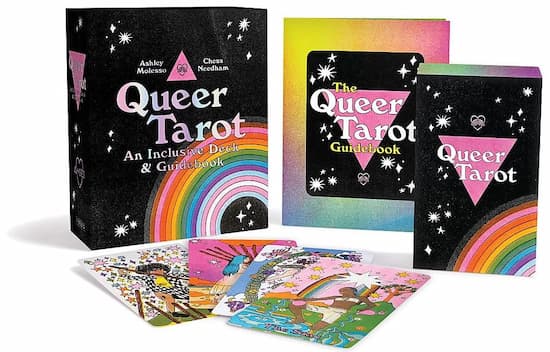
We earn a commission if you click this link and make a purchase at no additional cost to you.
Can Social Connection Shape Your Mind?
Social evolution continues as you grow older and your priorities change within the gay world where everything seems to be in flux. Your mind remains a flexible vessel that adapts to the shifting landscapes of your friendships and romances as you gain more experience. Stability and mental health are the rewards for a life spent in the company of men who value your presence and history.
You learn to appreciate the complexity of your past and the potential of your future as you build a stronger sense of self. Every interaction leaves a mark on your cognitive map, guiding you toward a more fulfilled and connected existence with the people you care about. Resilience and emotional intelligence are the fruits of these labor-intensive but rewarding relationships that help you grow and evolve into your true self.
You possess the ability to shape your own mental health through the choices you make every day and the people you keep close. Strength comes from the men you choose to keep close and the love you choose to share with others. Knowledge of your own mind is the ultimate aim of a life well-lived.