

Conscious control over nasal airflow alters brainwave activity and resets internal nervous system responses immediately. Blood pressure drops when carbon dioxide levels equalize inside pulmonary tissue during measured inhalation cycles. Oxygen distribution improves as deep diaphragmatic movement pulls incoming air toward lower lung chambers consistently.
Ancient practitioners mapped specific nasal passages to target distinct cranial nerve pathways with deliberate airflow speeds. Direct manipulation of the phrenic nerve calms involuntary muscle spasms across your entire upper torso rapidly. Systematic breath control alters systemic inflammation markers without requiring external pharmaceutical interventions or complex equipment.
Daily practice of structured air retention strengthens respiratory muscles while expanding baseline lung capacity over time. Steady nasal resistance alters heart rate variability, bringing subtle mental focus into high-stress daily situations. Directing physical focus toward subtle throat contractions unlocks steady emotional control whenever unexpected external pressure arises.
Fundamentals of Autonomic Breath Regulation
Nasal airflow directly influences autonomic nervous system shifts through specialized chemoreceptors located in arterial walls. Air passing through left nostril channels activates parasympathetic pathways, lowering baseline heart rates within seconds. Right nostril airflow stimulates sympathetic ganglia along your spinal cord, elevating alertness without causing mental agitation. Carbon dioxide retention inside blood vessels relaxes smooth muscle tissue, improving overall arterial elasticity throughout your body. Controlled respiratory rates prevent hyperventilation syndromes by stabilizing blood plasma alkalinity levels during stressful events.
Diaphragmatic excursion forces venous blood out of abdominal organs, returning rich oxygenated fluid back toward your heart. Shallow chest breathing starves lower lung tissue of optimal gas exchange, raising systemic cortisol output unnecessarily. Slow expiration patterns extend vagal nerve activation, sending calming signals straight to your brainstem nuclei. Intercostal muscle extension expands rib cage flexibility, allowing greater air volume per breath cycle without straining chest wall tissues. Systematic practice alters arterial baroreceptor sensitivity, creating long-term stability in daily blood pressure readings.
Nitric oxide production increases significantly inside paranasal sinuses during slow, steady nasal inhalations. Gas molecules travel down bronchial tubes, dilating blood vessels to maximize cellular oxygen absorption rates. Chemoreceptors adjust your respiratory drive when breath cycles stay rhythmic, reducing panic responses during high exertion. Steady expansion of lung tissue stimulates stretch receptors, triggering immediate neural relaxation loops across your chest cavity. Regular practice trains pulmonary baroreceptors to tolerate higher arterial carbon dioxide concentrations comfortably.
Inhale through your left nostril while closing the right channel with your thumb. Airflow travels exclusively through parasympathetic pathways to reduce acute anxiety within minutes. Repeat for ten full cycles to lower elevated pulse rates.
Extend your exhalation duration to double the length of your inhalation phase. Extended expiration stimulates vagal nerve reflexes that slow rapid heartbeat patterns automatically. Keep your throat muscles relaxed throughout the entire process.
Press your abdomen outward during every inhalation to engage the lower diaphragm fully. Deep abdominal movement draws fresh oxygen into highly vascularized lower lung zones. Avoid moving your chest or shoulders while filling your lungs.
Maintain a four-second pause after every breath out to build carbon dioxide tolerance. Internal gas balance stabilizes when you refrain from rushing the next breath cycle. Practice this quiet pause during calm morning hours.
Hum softly during exhalation to boost nasal nitric oxide synthesis tenfold. Sound vibrations inside your nasal passages dilate bronchial pathways instantly. Keep your lips gently closed to direct air through nasal passages.
Contract your lower abdominal wall gently at the end of each exhalation. Complete air evacuation removes stagnant gas reserves trapped inside alveolar sacs. Follow every contraction with a smooth, unhurried inhalation.

Let's Find Out About Yourself First
Questions
1. How often do you feel stressed?
- A) Rarely
- B) Sometimes
- C) Often
- D) Almost always
2. Do you have trouble sleeping?
- A) Never
- B) Occasionally
- C) Frequently
- D) Every night
3. How would you describe your energy levels?
- A) Always high
- B) Generally okay
- C) Often low
- D) Always tired
4. How often do you practice mindfulness or meditation?
- A) Daily
- B) A few times a week
- C) Rarely
- D) Never
5. Do you experience difficulty concentrating?
- A) Never
- B) Sometimes
- C) Often
- D) All the time
6. How do you rate your physical fitness?
- A) Excellent
- B) Good
- C) Fair
- D) Poor
7. How often do you feel overwhelmed by emotions?
- A) Rarely
- B) Occasionally
- C) Frequently
- D) Constantly
8. Do you suffer from any respiratory conditions?
- A) No
- B) Mild
- C) Moderate
- D) Severe
9. How would you describe your ability to relax?
- A) No trouble at all
- B) Somewhat easy
- C) Difficult
- D) What's relaxation?
10. How often do you take time for breathing exercises or pranayama?
- A) Every day
- B) Now and then
- C) Rarely
- D) Never
What Were Your Answers?
For A Answers:
You seem to have a good handle on stress, sleep, and fitness. Keep up your great work! Pranayama can enhance your existing practices, bringing new depths to your wellness and mindfulness routines.
For B Answers:
You're doing well but might face occasional challenges. Pranayama can help smooth out those bumps, improving your focus, sleep, and stress management. Try incorporating it a few times a week.
For C Answers:
You often encounter obstacles to your well-being. Pranayama can be a powerful tool for you. Regular practice could significantly boost your energy levels, concentration, and emotional equilibrium. Start with simple exercises and gradually increase your practice.
For D Answers:
You might feel like you're constantly battling stress, fatigue, and other issues. Pranayama could be a game-changer for you, offering a way to find calm, improve sleep, and manage emotions. Begin with gentle practices and consider seeking guidance from a pranayama instructor.
Pranayama offers a wide range of benefits, from enhancing lung function and improving sleep to reducing stress and increasing concentration. Regardless of where you find yourself on this spectrum, incorporating pranayama into your life can offer meaningful improvements to your overall well-being.
The Science of Breathing
The diaphragm, a dome-shaped muscle located at the base of the lungs, plays a pivotal role in this process. When the diaphragm contracts, it flattens and moves downward, creating a vacuum in the chest cavity, which causes air to rush into the lungs. Conversely, when the diaphragm relaxes, it returns to its dome shape, pushing air out of the lungs.
The Role of Oxygen and Carbon Dioxide
Air inhaled through the nose or mouth travels down the trachea and into the lungs, where it is distributed to millions of tiny air sacs called alveoli. These alveoli are surrounded by a network of capillaries, small blood vessels that allow the exchange of oxygen and carbon dioxide between the blood and the lungs.
Oxygen from the air we breathe passes through the walls of the alveoli and enters the bloodstream, where it binds to hemoglobin in red blood cells and is transported to the tissues and organs of the body. Simultaneously, carbon dioxide, a waste product of metabolism, is transported from the tissues and organs back to the lungs, where it is expelled from the body during exhalation.
Did You Know?
- Stress Reduction: Around 70% of individuals practicing Pranayama report significant reductions in stress levels.
- Improved Lung Function: Regular Pranayama can improve lung capacity by up to 40% in healthy adults.
- Blood Pressure Control: About 60% of practitioners see a reduction in blood pressure after consistent Pranayama practice.
- Sleep Quality: Approximately 65% of people practicing Pranayama experience improved sleep quality.
- Concentration and Focus: 80% of individuals practicing Pranayama report enhanced concentration and mental focus.
The Nervous System and Breathing
The autonomic nervous system regulates the rate and depth of breathing, adjusting it according to the body’s needs.
For example, during physical exertion, the body requires more oxygen and needs to expel more carbon dioxide, so the rate and depth of breathing increase.
Conversely, when the body is at rest, the rate and depth of breathing decrease. The brainstem, specifically the medulla oblongata and the pons, contains the respiratory centers that control this automatic regulation of breathing.
The Benefits of Controlled Breathing
While breathing is typically an automatic process, we also have the ability to consciously control our breath. Controlled breathing exercises, such as those practiced in yoga and meditation, have been shown to have numerous benefits for both the body and mind.
For example, slow, deep breathing can help to lower blood pressure, reduce stress, and improve mental clarity.
Pranayama: The Art of Breath Control
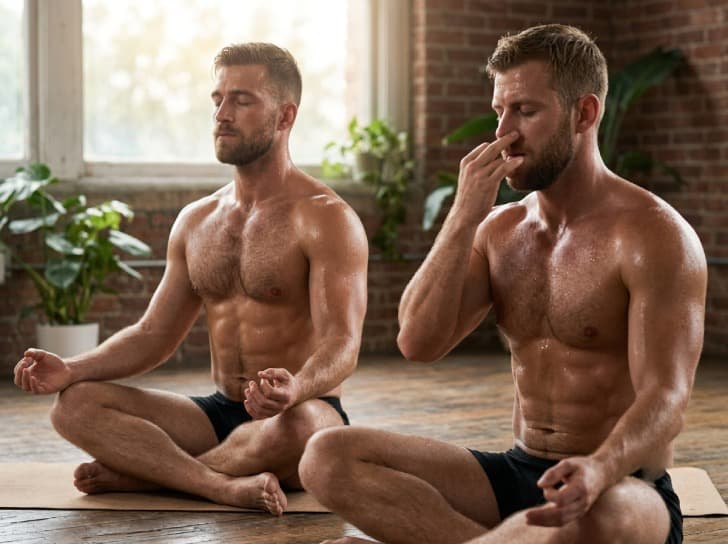
Pranayama is a Sanskrit word that combines 'Prana' meaning life force or breath, and 'Ayama' meaning control or regulation. It is a crucial component of yoga, a practice that goes beyond the physical postures most are familiar with.
This ancient technique involves controlling and regulating the breath to enhance physical and mental well-being. In this article, we will explore the fundamentals of Pranayama, its various techniques, and the potential benefits it offers.
Techniques of Pranayama
There are several different techniques of Pranayama, each with its own set of benefits. Some common ones include:
- Anulom Vilom: Also known as alternate nostril breathing, this technique involves inhaling through one nostril, holding the breath, and then exhaling through the other nostril. It is said to balance the two hemispheres of the brain and create a sense of calm.
- Kapalbhati: This technique involves short, forceful exhalations followed by passive inhalations. It is said to cleanse the lungs and boost oxygen supply to the body.
- Bhramari: Also known as bee breath, this technique involves inhaling deeply and then exhaling while making a humming sound. It is said to calm the mind and reduce stress.
I'll come back to you with these 3 techniques in a little while.
Steps To Practicing Pranayama
Here are the general steps to get you started with this practice:
Step 1: Find a Quiet Space
Choose a quiet and comfortable space where you won’t be disturbed. It could be a corner of your room, a park, or any place where you feel relaxed and at ease.
Step 2: Sit Comfortably
Sit comfortably with your back straight, either on a chair or on the floor with a cushion. Place your hands on your knees, palms facing upward. Close your eyes and try to relax your body and mind.
Step 3: Focus on Your Breath
Before you start with any Pranayama technique, it is essential to become aware of your natural breathing. Pay attention to your inhalation and exhalation without trying to change anything.
Step 4: Choose a Pranayama Technique
As a beginner, you might want to start with simple techniques. Here are 3 of them; Anulom Vilom, Kapalbhat, and Bhramari.
Did You Know?
- Anxiety Relief: Around 55% of people using Pranayama techniques report a decrease in symptoms of anxiety.
- Heart Health: Regular Pranayama can lead to a 10% reduction in resting heart rate, indicating improved heart health.
- Mood Improvement: 75% of Pranayama practitioners experience an uplift in their mood and general well-being.
- Chronic Pain Management: About 50% of individuals practicing Pranayama report relief from chronic pain symptoms.
- Digestive Function: Around 30% notice improvements in digestive functions after adopting Pranayama.
Anulom Vilom (Alternate Nostril Breathing)
This technique involves inhaling through one nostril, holding the breath, and then exhaling through the other nostril. Practicing Anulom Vilom can balance the two hemispheres of the brain and create a sense of calm.
How to do it
- Sit comfortably with your back straight.
- Close your right nostril with your right thumb and inhale slowly through your left nostril.
- Close your left nostril with your ring finger, hold your breath for a few seconds.
- Release your thumb and exhale through your right nostril.
- Inhale through your right nostril, then close it, hold your breath for a few seconds, and exhale through your left nostril.
- This completes one round.
- Duration and Repetitions: Start with 5 rounds and gradually increase to up to 10-15 rounds. Each inhalation and exhalation should last around 4-5 seconds, but listen to your body and adjust as needed.
- What not to do: Avoid straining your breath. If holding your breath causes discomfort, simply skip that part and focus on alternate nostril breathing.
Kapalbhati (Shining Skull Technique)
Kapalbhati involves short, forceful exhalations followed by passive inhalations. It is said to cleanse the lungs and boost the oxygen supply to the body.
How to do it:
- Sit comfortably with your back straight.
- Take a deep breath in and then exhale forcefully through both nostrils, contracting your abdominal muscles.
- Let the inhalation happen naturally and passively.
- Repeat the forceful exhalation and passive inhalation cycle.
- Duration and Repetitions: Start with 30 seconds and gradually increase up to 5 minutes. Aim for 60-120 exhalations per minute, but start slower if needed and gradually increase the speed.
- What not to do: Avoid practicing Kapalbhati if you have high blood pressure, heart issues, or any respiratory issues. Also, avoid straining your breath or body.
Bhramari (Bee Breath)
Bhramari involves inhaling deeply and then exhaling while making a humming sound. It is said to calm the mind and reduce stress.
How to do it:
- Sit comfortably with your back straight.
- Close your ears with your thumbs and place your fingers on your forehead.
- Take a deep breath in.
- Exhale slowly while making a humming sound like a bee.
- Duration and Repetitions: Practice 5-10 repetitions. Each exhalation should last as long as comfortably possible.
- What not to do: Avoid practicing Bhramari if you have ear issues or infections. Also, avoid straining your breath or making the humming sound too forcefully.
Always listen to your body and adjust your practice accordingly. If you feel dizzy or uncomfortable at any point, stop and resume normal breathing. It is always advisable to learn and practice Pranayama under the guidance of a qualified instructor, especially if you are a beginner.
Be Mindful
Pay attention to how your body and mind feel during and after the practice. If you feel dizzy or uncomfortable at any point, stop and resume normal breathing.
Practice Regularly
To experience the full benefits of Pranayama, it is recommended to practice regularly. Start with 5-10 minutes daily and gradually increase your practice time as you feel comfortable.
Benefits of Pranayama

Practicing Pranayama regularly can offer a host of benefits for both the body and the mind. Some potential benefits include:
- Reduced Stress and Anxiety: One of the most immediate effects often reported is a reduction in stress and anxiety levels. Controlled, slow breathing helps activate the parasympathetic nervous system, which counters the body's stress response.
- Improved Focus and Clarity: By giving your mind a single point of focus—your breath—you can cultivate a greater sense of mental clarity and concentration over time.
- Better Lung Capacity: With techniques that involve deep breathing, such as Anulom Vilom, you can improve lung function and capacity. This may help if you have minor respiratory issues or simply want to optimize your breathing.
- Enhanced Energy: Improved oxygen flow to the body's cells can result in increased energy levels, making you feel more awake and alert throughout the day.
- Improved Sleep Quality: Many people find that regular Pranayama practice helps them sleep more soundly, falling asleep more quickly and waking less frequently during the night.
- Emotional Stability: Practices like Bhramari and Anulom Vilom are known to balance the emotional state, making you less susceptible to mood swings or emotional outbursts.
- Lower Blood Pressure: Deep breathing exercises can help lower blood pressure by relaxing blood vessels and reducing stress hormones, thus improving cardiovascular health.
- Better Digestion: The act of deep breathing can stimulate the digestive organs, leading to better digestion over time.
- Increased Mindfulness: As you become more aware of your breath, you may also become more aware of your thoughts, emotions, and actions, contributing to an overall sense of mindfulness.
Did You Know?
- Immune System Boost: Consistent practice of Pranayama can enhance the immune system’s effectiveness by up to 35%.
- Energy Levels: 70% of practitioners feel more energetic throughout the day after regular Pranayama sessions.
- Reduction in Depression Symptoms: Nearly 40% of those who practice Pranayama report a reduction in symptoms of depression.
- Detoxification: Pranayama aids in the body’s detoxification process, as reported by 50% of practitioners.
- Ageing Process: Regular Pranayama practice can slow down the ageing process, as noticed by 25% of older practitioners.
Practicing Pranayama with Your Partner
Sharing this practice allows you both to support and motivate each other, creating a sense of togetherness that can strengthen your bond and enhance your practice.
Practicing together doesn't necessarily mean you'll be doing the same exercises at the same time, although that is one option. Instead, consider using your shared practice time as an opportunity to support each other through your respective exercises.
For example, one partner can observe and offer gentle feedback on the other's technique, helping to correct posture, breathing rhythm, or any other aspect of the practice. This can be particularly helpful for beginners or those looking to refine their technique.

How To Practice Pranayama with Your Partner
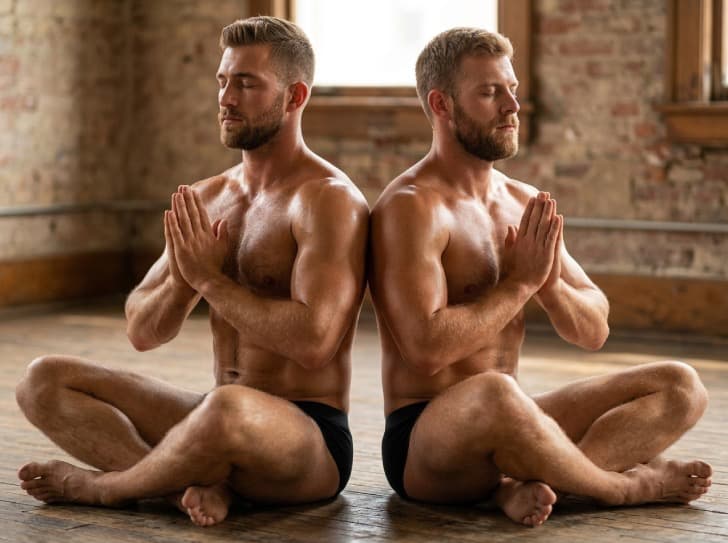
Start by sitting back-to-back in a comfortable seated position. This physical contact will help you feel each other’s breath and establish a rhythm together.
Decide which technique you both feel comfortable with and agree on the duration of practice.
Close your eyes, start your practice, and try to sync your breath with your partner’s as closely as possible. If one partner has a shorter breath cycle, try to find a middle ground that is comfortable for both.
Coordinated Breathing
Practice coordinated breathing. This involves synchronizing your breaths so that you're inhaling and exhaling at the same time. This can create a powerful sense of connection and harmony, making your practice feel more meaningful and profound.
The Affirmations
Use your shared practice as an opportunity to set intentions or affirmations for each other. For example, as you breathe deeply, you might silently wish your partner happiness, health, or peace. This can be a powerful way to infuse your practice with a sense of purpose and positive energy.
It's not only a wonderful way to enhance your practice but also a meaningful way to spend time together. It will bring a new dimension to your practice and your relationship for sure. So why not invite your partner to join you for a session of Pranayama and discover the benefits of shared breath together?
Physiological Mechanics of Kumbhaka and Retention
Internal breath retention forces cellular metabolic waste out of arterial blood vessels and into excretion channels. Spleen contractions release stored red blood cells during prolonged air retention pauses, increasing oxygen carrying capacity. Intermittent hypoxia triggers cellular survival pathways that generate fresh mitochondria within skeletal muscle tissue. Brain tissue responds to elevated carbon dioxide levels by expanding cranial capillaries, improving cerebral blood flow. Sustained practice strengthens your psychological threshold against breathlessness during sudden physical strain.
External retention allows systemic carbon dioxide to accumulate safely without causing respiratory muscle panic. Abdominal organs experience gentle compression during retention phases, clearing stagnant fluids from liver tissue. Neural firing patterns slow down across your cerebral cortex when breath movement stops completely. Systemic vascular resistance drops following controlled breath pauses, alleviating chronic strain on your heart muscle. Pulmonary stretch receptors send continuous calming signals to your brain while air remains trapped inside lung tissue.
Cellular adaptation to temporary breath pauses builds metabolic flexibility across every major organ system. Plasma bicarbonate levels adjust upward to buffer metabolic acid production during intense daily activity. Diaphragmatic tone increases as you hold air against a sealed glottis during structured practice sessions. Autonomic nerve reflex loops reset their baseline sensitivity after repeated cycles of controlled retention. Mental clarity sharpens when cranial blood flow increases in response to rising arterial gas pressures.
Inhale fully into your lower lungs and seal your throat glottis gently. Retaining air inside your lungs elevates cellular oxygen transfer into surrounding tissue. Hold the breath comfortably for eight seconds before releasing.
Exhale completely and hold your lungs empty for four brief seconds. Empty air retention stimulates spleen contraction to release oxygen-carrying red blood cells into circulation. Repeat this empty hold three times per session.
Focus your attention on the space between your eyebrows during retention. Mental concentration reduces unnecessary muscular oxygen consumption while air remains held inside. Keep your face and shoulders completely soft.
Release held air through your nose in a slow controlled stream. Abrupt air release causes sudden blood pressure spikes that disrupt nervous system stability. Take twice as long to exhale as you did to hold.
Engage your throat latch by lowering your chin toward your sternum. Chin lock prevents excessive blood pressure shifts from reaching your delicate brain tissue during long air holds. Keep your spine straight throughout the latch posture.
Rest comfortably for two minutes between retention sets to restore gas ratios. Allowing gas levels to equalize prevents dizziness and maintains steady heart rhythm patterns. Breathe naturally through your nose during rest intervals.

Nadi Shodhana and Hemispheric Brain Synchronization
Alternate nostril airflow alternates blood flow speed between left and right cerebral hemispheres predictably. Left nostril dominance correlates with parasympathetic nervous system activity, lowering muscle tension and spatial alertness. Right nostril dominance stimulates sympathetic drive, increasing analytical processing speeds and physical core temperature. Rhythmic switching between nostrils synchronizes electrical brainwaves across frontal lobes, sharpening overall focus. Systematic practice balances autonomic tone, keeping your mental state steady through sudden emotional shifts.
Nasal erectile tissue swells periodically in response to autonomic nervous system signals throughout your day. Forced balance of nasal airflow overrides abnormal nasal cycles caused by chronic psychological stress. Olfactory nerve endings inside upper nasal cavities transmit signals straight into limbic emotional centers. Balanced nasal ventilation clears paranasal mucus accumulations, reducing sinus pressure behind facial bones. Cardiac vagal tone increases steadily after ten minutes of alternate nostril breathing.
Cerebral glucose metabolism stabilizes as airflow balances between left and right nasal chambers equally. Electroencephalogram readings show increased alpha wave power during structured alternate nostril practice. Mental fatigue disappears as oxygen distribution equalizes across both sides of your brain tissue. Stress hormones drop rapidly when you regulate incoming air streams with subtle finger placement. Daily repetition builds neural flexibility, helping you switch between creative and analytical tasks effortlessly.
Close your right nostril with your right thumb and inhale left. Left nostril air entry calms overactive mental processing by stimulating parasympathetic pathways directly. Fill your lungs to maximum capacity smoothly.
Seal your left nostril with your ring finger and exhale right. Right nostril exhalation releases excess heat and metabolic waste from your systemic circulation. Keep the air movement silent and steady throughout.
Inhale through your right nostril while keeping your left nostril sealed. Right nostril inhalation brings fresh mental clarity and elevates metabolic fire safely. Inhale over a four-second count without rushing.
Seal both nostrils gently for two seconds before changing airflow directions. Brief pauses equalize cranial pressure and enhance neural synchronization across both hemispheres. Maintain a relaxed jaw during the pause.
Practice alternate nostril cycles for ten minutes every morning before breakfast. Morning sessions establish steady autonomic nervous system equilibrium for your entire day. Sit upright with your spine unsupported.
Keep your inhalation and exhalation durations perfectly equal during practice. Equal ratio breath patterns optimize cardiac variability and calm erratic thought loops. Use a steady mental pulse count to track timing.
Did You Know?
- Hormonal Balance: About 45% of women practicing Pranayama report better hormonal balance.
- Asthma Relief: 30% of asthma patients practicing Pranayama report reduced asthma attacks and improved breathing.
- Flexibility and Posture: 40% of yoga practitioners find that Pranayama enhances their flexibility and posture.
- Mindfulness and Awareness: 85% of Pranayama practitioners report an increased sense of mindfulness and awareness.
- Skin Health: Around 20% of practitioners notice improvements in skin health and tone after regular Pranayama practice.
Kapalabhati and Metabolic Cleansing Protocols
Rapid abdominal contractions force air out of pulmonary reserves, purging stagnant carbon dioxide deposits quickly. Passive inhalations follow forceful exhalations automatically as your abdominal wall rebounds outward naturally. Diaphragmatic snapping massages abdominal visceral organs, stimulating peristalsis and gastrointestinal blood circulation. Metabolic waste evacuation accelerates when high-velocity air movement sweeps through bronchial branches repeatedly. Rapid respiratory cycles activate your sympathetic nervous system briefly, boosting morning energy without caffeine.
Abdominal muscle tone improves significantly through repeated high-speed muscular contractions during practice. Cranial CSF fluid movement increases with every sudden burst of abdominal pressure, clearing mental sluggishness. Oxygen saturation levels remain high while arterial carbon dioxide drops temporary during fast breathing sets. Systematic cleansing clears accumulated mucus lining from upper respiratory tracts, improving baseline ventilation quality. Core temperature rises slightly as metabolic activity accelerates inside working abdominal muscles.
Rapid abdominal recoil strengthens deep transverse abdominis muscles without straining lower back spinal discs. Pulmonary dead space air evacuates completely during repeated rapid exhalation pulses. Lymphatic drainage speeds up across your chest cavity as chest pressure fluctuates dynamically. Mental focus sharpens instantly as oxygenated blood floods frontal brain regions following practice sets. Regular morning sets clear sluggish digestive energy, preparing your body for optimal nutritional absorption.
Pull your naval inward toward your spine with a quick exhalation burst. Sharp abdominal contractions force stale air out of lower lung chambers instantly. Keep your chest and shoulders motionless while snapping your belly.
Allow your belly to relax completely so air flows back in naturally. Inhalation happens passively without conscious effort as your core wall rebounds outward. Avoid gasping or pulling air forcibly through your nose.
Perform twenty rapid exhalation snaps in a single continuous set. High-speed air bursts sweep stagnant particulate matter out of upper respiratory passages. Maintain a steady rhythmic speed throughout the set.
Rest quietly after each set of twenty exhalations to observe the mental stillness. Blood gas ratios shift temporarily, creating a natural pause in your mental chatter. Breathe softly through your nose during this observation rest.
Engage your abdominal wall firmly without tensing your facial muscles. Facial tension wastes physical energy and disrupts clean respiratory mechanics during speed sets. Relax your jaw and forehead completely while pumping your abdomen.
Limit rapid cleansing practice to three sets per session to prevent lightheadedness. Controlled practice volume ensures safe metabolic activation without triggering hyperventilation symptoms. Stop immediately if sudden dizziness occurs.
Bhramari Resonance and Vagus Nerve Stimulation
Auditory vibrations created by soft humming resonate through skull bones, stimulating inner ear neural pathways. Vagus nerve fibers responding to acoustic frequencies send immediate inhibitory signals straight to your heart pace centers. Nitric oxide gas accumulates inside nasal cavities during steady humming exhalations, improving airway dilation. Anxiety levels plummet as acoustic resonance lowers activity inside hyperactive amygdala emotional centers. Systematic practice calms vocal cord tension, restoring smooth speech tone during high-stress social interactions.
Cranial vibrations ease facial muscle tightness caused by chronic jaw clenching or eye strain. Humming exhalations prolong the expiratory phase, maximizing parasympathetic nerve output across your entire torso. Brainwave frequencies shift toward calm alpha and theta patterns during sustained auditory resonance. Salivary gland secretion increases as vagal tone elevates during repeated humming breath cycles. Heart rate variability improves noticeably after five minutes of continuous humming practice.
Sinus pressure dissipates rapidly as acoustic waves dislodge trapped mucus inside facial bone cavities. Melatonin release increases when evening practice calms pineal gland neural inputs before bedtime. Mental tranquility deepens as internal humming sounds block out distracting external environmental noise. Throat muscle relaxation clears vocal hoarseness, improving baseline breathing quality throughout your day. Regular practice trains your nervous system to recover quickly from sudden emotional triggers or shock.
Close your ears gently with your thumbs while resting your fingers over your eyes. Blocking external sights and sounds amplifies internal acoustic vibrations inside your skull. Keep your elbows raised parallel to the floor.
Inhale deeply through both nostrils without forcing air into your upper chest. Deep low-lung filling prepares your diaphragm for sustained smooth sound production. Keep your neck long and spine straight.
Create a low-pitched humming sound like a bee during a slow exhalation. Low acoustic frequencies stimulate vagus nerve branches around your larynx and heart. Keep your teeth slightly separated beneath closed lips.
Extend the humming sound for as long as your air reserves permit comfortably. Prolonged exhalation maximizes parasympathetic nervous system activation across your entire body. Release the sound smoothly without sputtering at the end.
Feel the gentle physical vibration echoing through your jaw and forehead bones. Skull resonance dislodges facial tension and relaxes overactive cranial nerves instantly. Focus your mental awareness entirely on the vibration sensation.
Repeat the humming breath for ten continuous cycles during stressful work breaks. Short acoustic practice sessions reset baseline anxiety levels without requiring special athletic equipment. Rest quietly for one minute after finishing the final cycle.
Sitali and Sitkari Hyperthermia Reduction
Inhaling air across a rolled tongue cools blood circulating through parotid salivary glands and tongue tissues. Thermal energy dissipates from oral blood vessels, lowering core body temperature during hot weather. Moisture evaporation off wet tongue surfaces humifies incoming air before gas reaches lung tissue. Autonomic cooling reflexes reduce excessive sweating while stabilizing internal metabolic heat production. Systematic cooling practice calms irritability and emotional frustration associated with physical overheating.
Sitkari practice offers an effective alternative when genetic traits prevent rolling your tongue laterally. Drawing air across flat teeth surfaces creates a cooling breeze that lowers oral tissue temperatures. Salivary flow increases during cooling practices, protecting teeth enamel from acid dryness issues. Heart rate drops as incoming cooled air calms temperature-sensitive nerve receptors inside your throat. Excessive hunger cravings diminish when cooling breath techniques calm hyperactive stomach acid production.
Blood pressure drops steadily as systemic blood vessel walls dilate during cooling breath practices. Mental agitation softens into quiet focus as thermal stress releases from your central nervous system. Heat rash and skin inflammation clear up as baseline metabolic heat decreases over weeks of practice. Dehydration risks diminish when cooling breath reduces unnecessary moisture loss through heavy sweating. Evening practice lowers body temperature naturally, preparing your brain for deep restorative sleep cycles.
Extend your tongue past your lips and roll the sides upward into a tube. Shaping your tongue creates a narrow funnel that accelerates incoming air velocity for maximum cooling. Inhale slowly through this tongue tube.
Draw cool air across your rolled tongue over a smooth six-second count. Evaporative cooling lowers oral tissue temperature, chilling arterial blood heading toward your brain. Feel the chill spread across your palate.
Withdraw your tongue, close your mouth, and exhale slowly through your nose. Nasal exhalation preserves moisture while releasing warm air from deep pulmonary chambers. Keep the exhalation silent and unhurried.
Clench your teeth gently together and part your lips if tongue rolling proves difficult. Air passing through narrow teeth gaps produces identical cooling effects for individuals lacking tongue-rolling traits. Inhale smoothly through your teeth.
Practice fifteen cooling cycles during hot afternoon hours to reduce systemic heat. Midday practice prevents heat exhaustion and keeps your mental focus sharp despite high ambient temperatures. Sit in a shaded spot while practicing.
Pause briefly at the top of each inhalation to absorb the cooling sensation. Short retention allows thermal energy exchange to occur across oral mucosal membranes. Keep your neck and jaw completely un-clenched.
Integration of Mula Bandha with Prana Flow
Contracting pelvic floor muscles prevents subtle energetic force from leaking downward out of your torso. Pelvic contraction forces venous blood out of deep pelvic plexuses, returning oxygenated fluid toward your spine. Sacral nerve plexus stimulation alters bladder and bowel autonomic control, improving pelvic organ tone. Upward energy redirection elevates mood while sharpening mental clarity during prolonged meditation sits. Systematic pelvic locks stabilize spinal alignment, protecting lower lumbar discs from postural slumping.
Coordinating pelvic contractions with exhalation phases maximizes abdominal pressure dynamics safely. Pressure shifts along your spinal column stimulate cerebrospinal fluid movement upward toward cranial cavities. Pelvic floor engagement stabilizes core trunk muscles, providing a solid base for deep diaphragmatic movement. Root lock activation calms hyperactive elimination reflexes, stabilizing digestive tract transit times. Kundalini energy ascends along central subtle channels when pelvic and throat locks engage simultaneously.
Perineal muscle awareness improves sexual function and prostate health through enhanced localized circulation. Core stability increases as deep pelvic floor tissues integrate with transverse abdominal muscle layers. Subconscious anxiety releases when chronic tension unlocks from deep pelvic holding patterns. Practice transforms passive breathwork into an active energetic circulation exercise throughout your torso. Daily engagement builds lower body awareness, grounding your emotional state during chaotic life events.
Exhale fully and lift your perineum upward toward your belly button. Contracting pelvic floor muscles redirects internal pressure upward along your central spinal column. Hold the lift firmly without straining leg muscles.
Maintain pelvic floor engagement while inhaling smoothly into your upper chest. Retaining root contraction directs incoming breath force into your central core channel. Keep your thigh and gluteal muscles completely relaxed.
Release the pelvic floor contraction completely upon completing your exhalation. Muscle relaxation between sets prevents chronic pelvic hypertonicity and maintains healthy tissue elasticity. Rest for two seconds before repeating.
Combine root lock engagement with chin lock during air retention phases. Dual energy locks trap pressure inside your torso cavity, stimulating central neural pathways. Ensure your spine remains long and straight.
Practice pelvic locks for five minutes during morning breathwork routines. Regular core engagement strengthens pelvic floor support for internal organs across your lifespan. Sit on a firm cushion for optimal pelvic posture.
Focus your attention on the base of your spine during lock engagement. Concentrated awareness enhances neuromuscular coordination across deep pelvic floor layers. Keep your facial muscles soft throughout the lock.
Ujjayi Pressure Dynamics and Respiratory Resistance
Partial glottis constriction creates slight friction against incoming air, warming atmosphere before it reaches lung tissue. Resistance breathing expands alveoli fully, maximizing surface area available for cellular gas exchange. Soft oceanic sound production provides a steady auditory focus anchor that calms wandering mental thoughts. Intrathoracic pressure adjustments regulate venous blood flow back into heart chambers with absolute precision. Systematic resistance breath practice trains intercostal muscles to handle heavy physical exertion comfortably.
Glottal constriction slows air velocity, allowing longer contact time between oxygen molecules and lung capillaries. Vagus nerve stimulation increases as acoustic air friction resonates against larynx wall receptors. Arterial carbon dioxide levels stabilize when exhalations extend through narrow throat passages. Pulmonary air distribution improves across upper lobe segments that usually remain under-ventilated. Muscle strain drops during physical yoga postures when supported by steady ocean breath cycles.
Throat friction warms chilly morning air, preventing exercise-induced asthma flares in sensitive lungs. Diaphragmatic recruitment increases as your body works against mild airway resistance consistently. Internal body heat accumulates gently, sweating out metabolic impurities without exhausting core energy reserves. Mental stamina expands as steady throat whisper sounds drown out distracting external environmental noises. Daily resistance practice builds lung reserve capacity that preserves athletic stamina as years pass.
Contract your glottis slightly to produce a soft whispering sound in your throat. Glottal friction adds mild resistance that slows airflow speed and expands lower alveoli. Keep the sound smooth and continuous throughout.
Inhale through your nose while maintaining subtle throat constriction. Resistance warming protects lung tissue from sudden temperature shocks during cold weather practice. Fill your lungs from bottom to top smoothly.
Exhale completely with the same whispering throat sound maintained. Slow exhalation through throat resistance maximizes carbon dioxide stabilization inside arterial blood. Keep your mouth gently closed during exhalation.
Match the volume and pitch of your inhalation sound to your exhalation sound. Equal sound qualities ensure balanced pressure dynamics inside your chest cavity during movement. Adjust throat tension until sounds match.
Maintain ocean breath friction during strenuous physical exercise or movement. Resistance breathing prevents rapid fatigue by maintaining steady oxygenation during heavy muscular exertion. Keep your jaw unclenched while moving.
Discontinue throat constriction if coughing or throat dryness occurs during practice. Forcing friction causes vocal cord irritation and disrupts smooth breathing mechanics unnecessarily. Take a sip of warm water to soothe your throat.
Neurological Adaptations from Breathwork Practice
Consistent breath practice restructures gray matter density inside brain regions responsible for emotional control. Prefrontal cortex connectivity strengthens, improving executive decision-making under high-stress conditions. Amygdala size decreases over months of practice, reducing baseline panic responses to daily life triggers. Hippocampal volume increases, enhancing memory consolidation and spatial awareness across aging processes. Systematic breath training builds neural resilience that buffers your brain against chronic psychological fatigue.
Insular cortex thickness increases as internal bodily awareness sharpens through daily breath observation. Default mode network activity quietens down, reducing repetitive rumination and self-critical thought loops. Synaptic plasticity improves as regular oxygenation supports neurotrophic factor production in brain tissue. Stress-induced neuroinflammation drops significantly following structured respiratory practice routines. Cortisol receptor sensitivity resets across hypothalamic pathways, restoring normal hormonal sleep rhythms.
Central nervous system efficiency increases as autonomic tone favors parasympathetic recovery modes. Reaction times speed up because mental clarity improves without increasing muscle motor tension. Alpha brainwave frequency power dominates daily waking hours, fostering relaxed creative mental states. Serotonin and dopamine receptor availability improves, lifting mood stability across long seasonal changes. Daily respiratory training slows cognitive decline by maintaining healthy cerebral micro-vascular circulation.
Observe your natural breath rhythm for five minutes without trying to alter it. Passive breath awareness strengthens insular cortex gray matter responsible for internal body perception. Sit comfortably with eyes closed during observation.
Practice structured breathwork at the same hour every single day. Consistency strengthens synaptic pathways that make stress recovery automatic during unexpected life crises. Morning hours offer optimal quiet conditions.
Combine slow breathing routines with quiet mindfulness focus on your nostrils. Dual awareness calms default mode network activity, stopping obsessive worrying patterns instantly. Refocus attention whenever thoughts wander away.
Track your daily breath practices in a personal progress journal. Documenting practice duration reinforces long-term habit formation and highlights subtle mood improvements. Note how your mind responds after sets.
Extend breath sessions to twenty minutes for maximum neuroplastic brain changes. Longer practice durations trigger sustained neurotrophic factor release that restructures brain connections. Build up practice length gradually over weeks.
Rest in silence for three minutes immediately after finishing your practice. Silent assimilation allows new neural firing patterns to consolidate securely in your central nervous system. Keep your body motionless during rest.
Electric Pulse Machines
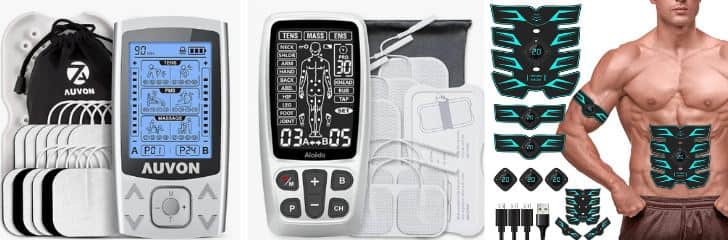
We earn a commission if you click this link and make a purchase at no additional cost to you.
Advanced Diaphragmatic Excursion and Pulmonary Reserve
Diaphragmatic excursion distance expands with dedicated practice, pulling greater air volume into lower lobes. Intercostal muscular flexibility allows total lung capacity to expand beyond baseline resting limits. Residual volume decreases as expiration muscles strengthen, leaving less stale gas inside pulmonary sacs. Abdominal organ mobility improves as your diaphragm pushes downward up to ten centimeters during deep inhalation. Systematic diaphragmatic training improves postural core support, eliminating chronic lower back discomfort.
Pulmonary capillary recruitment increases as full lung inflation opens collapsed micro-vessels in outer lobes. Oxygen diffusion capacity rises because larger surface areas become available for gas transfer into blood. Chest wall compliance improves, reducing physical effort needed to take deep satisfying breaths during work. Phrenic nerve tone enhances, providing smooth motor control over diaphragmatic movement throughout your sleep. Chronic shoulder elevation decreases as deep belly mechanics replace inefficient upper chest breathing habits.
Thoracic lymph pump activity accelerates, clearing cellular metabolic waste out of chest cavity tissue. Core trunk stability improves, backing up heavy lifting activities with solid internal pressure support. Vital capacity measurements increase steadily over months of structured diaphragmatic training exercises. Respiratory fatigue vanishes during aerobic sports because diaphragmatic endurance supports heavy athletic workloads. Daily practice builds pulmonary reserve capacity that protects health during sudden respiratory infections.
Place a light sandbag on your abdomen while lying flat on your back. External resistance strengthens your diaphragm muscle as it pushes upward against the weight. Inhale deeply to lift the weight five inches.
Expand your lower ribs laterally outward like a bucket handle during inhalation. Side rib movement engages intercostal muscles fully and expands middle lung lobe capacity. Keep your shoulders down and completely relaxed.
Exhale completely while pulling your navel inward to empty your lungs. Complete exhalation cleans out residual air reserves trapped inside lower pulmonary sacs. Take six seconds to complete the exhalation.
Practice diaphragmatic weight training for ten minutes three times per week. Resistance exercises build diaphragmatic muscle fibers that expand vital lung capacity over time. Rest for thirty seconds between sets.
Maintain upright sitting posture to allow unhindered downward diaphragmatic travel. Slouching compresses abdominal organs, blocking your diaphragm from descending fully during inhalation. Sit on the edge of a firm chair.
Measure your chest expansion circumference monthly using a flexible tape measure. Tracking physical rib cage movement provides objective proof of expanding pulmonary flexibility. Record measurements after full inhalations.
