

Life often throws a curveball, but a neurological diagnosis feels like the pitcher hit you in the ribs with a lead pipe. You spent years building a version of yourself that relies on a sharp mind and a steady hand. Suddenly, the hardware begins to malfunction without a clear manual for repairs.
Men usually get told to keep a stiff upper lip and carry on with their business. This silence creates a vacuum where confusion and frustration grow into a massive burden. You need help beyond just medical jargon or vague platitudes about staying positive.
Real life with a nervous system that skips beats requires a tactical shift in how you view your daily routine. So lets now look at the grit required to move through the world when your internal wiring sparks. Let us talk about the messy bits that doctors often skip over in the clinic.

The Mists of Cognitive Static
Your head feels like a room filled with heavy smoke on the worst days. This sensation disrupts the way you process basic data from your environment. You find yourself staring at a toaster without any memory of why you stood up. Men frequently try to muscle through this mental haze with sheer willpower alone. This strategy often backfires when the fog refuses to lift despite your best efforts.
Mental fatigue is not just a need for a quick nap in the afternoon. It feels like a physical weight pressing down on your eyelids and your thoughts. You try to find a word that is on the tip of your tongue but it stays hidden. Small talk becomes a marathon of effort that leaves you drained after ten minutes. People around you often assume you are being distant or cold during these episodes.
The brain requires a massive amount of energy to filter out the background noise of life. When your neural pathways are under stress, this filter fails to function. Every sound and every bright light hits your consciousness with the force of a hammer. You lose the ability to multitask even the simplest chores in the kitchen. Recovery from these moments takes a lot more than just a quiet five minutes.
Keep a small physical notebook in your pocket. Paper and pen remain the most reliable way to capture a thought before it vanishes into the ether.
A high-quality noise-canceling headset helps during grocery trips. Reducing the auditory input preserves your mental battery for actual decisions.
Schedule a "nothing hour" in the middle of your afternoon. You sit in a dark room with zero screens to allow the neural static to settle down.
The Physical Rebellion of Limbs

Your limbs sometimes refuse to follow the commands sent from the central command center. You drop a glass and feel like a toddler in a grown man's suit for a moment. Muscle spasms or tremors disrupt your ability to perform tasks that used to be easy. Friends notice the twitch and you feel a strange sense of shame creep in. This physical betrayal creates a rift between your mind and your physical form.
Coordination is a complex symphony that you used to play without any thought at all. Now, the rhythm is off and you find yourself tripping over flat surfaces. Your gait changes and people ask if you have an injury from the gym. It is hard to explain that your brain simply forgot the map of your legs. You start to look at stairs like they are a mountain range to conquer.
Hand strength fluctuates based on the weather or your stress levels that day. You struggle with buttons on a shirt while your wife waits by the door. Frustration boils over when your fingers feel like thick sausages instead of instruments. You often avoid certain social situations because you fear a public display of this clumsiness. Acceptance of these glitches is a slow process that happens one day at a time.
Switch your dress shirts to ones with magnetic closures. These garments allow you to look sharp without the dexterity battle of tiny plastic buttons.
Apply grip tape to your most used household items. Adding texture to pens, remotes, and mugs prevents them from slipping out of your grasp.
Install a sturdy grab bar in the shower before a fall occurs. Safety in wet environments is a priority that outweighs any concerns about home decor.
Professional Survival and the Desk

Career stability feels precarious when your internal hardware skips a beat regularly. Deadlines loom like predators while your focus scatters in every direction without warning. Your boss expects high performance but your synapses have other plans for the morning. Disclosure of your status feels like a high-stakes gamble with your livelihood and reputation. You worry that colleagues see you as a liability instead of a valuable asset.
Adaptation is the only way to stay in the game when things get difficult. You learn to front-load your hardest tasks during the hours when your brain is clearest. Most offices are not designed for people with sensory sensitivities or cognitive fluctuations. You often need to request a desk in a quiet corner away from the coffee machine. Professionalism often means hiding the struggle behind a mask of competence until you get home.
Stress acts as a catalyst for every neurological symptom in your repertoire. A tense meeting will leave your hands shaking or your speech slightly slurred. You need to develop a "poker face" for the moments when your brain decides to reboot. Frequent breaks are a requirement for maintaining any level of consistent output. Success looks different now, but it is still attainable with the right adjustments.
Record all your meetings on a digital device. This record ensures you do not miss a single detail when your memory decides to take a break.
Dictate your emails using voice-to-text software. Typing becomes a chore, so let the computer do the heavy lifting for your correspondence.
Block out "deep work" periods on your public calendar. You prevent interruptions that would otherwise shatter your fragile concentration for the rest of the day.
Social Stamina and the Exit Strategy
Social gatherings transform into a gauntlet of sensory input and rapid-fire conversation. You want to be the life of the party but your energy reserves are low. Background music competes with the voice of the person standing right in front of you. You find it hard to track the thread of a story when multiple people talk at once. The urge to leave early becomes a physical ache in your chest.
Friends often fail to perceive the invisible toll that a simple dinner takes on you. They see a man who looks healthy but acts distracted or slightly annoyed. You do not want to be the "sick guy" in the group who ruins the mood. This leads to a cycle of overexertion followed by a massive crash the next morning. You need to set boundaries that protect your peace without isolating yourself completely.

Social Stamina
Strategy is your best ally when you decide to head out for the evening. You look for the quietest corner of the bar or restaurant before you sit down. Limiting your time at an event prevents the total meltdown of your nervous system. It is okay to say no to invitations that feel like too much of a hurdle. True mates will wait for the days when you have the capacity to hang out.
Drive your own vehicle to every social function. This independence allows you to depart the moment your battery hits the red zone.
Pick venues with soft lighting and acoustic tiles. These environments reduce the neurological load and make conversation much easier to handle.
Text your friends ahead of time about your energy levels. Honesty prevents confusion when you suddenly need to go home after thirty minutes.
Medical Advocacy and the White Coat
Doctors often speak a language that feels foreign and cold to the patient. You sit in a cramped exam room while a person in a white coat looks at a screen. They often dismiss your symptoms as stress or a lack of proper sleep. You feel the need to prove your own reality to a professional with a clipboard. This power dynamic leaves you feeling small and unheard in your own care.
Preparation is the key to a successful visit with any specialist you see. You must walk in with a list of hard data regarding your symptoms and timing. Subjective feelings often get ignored, so you focus on how the condition affects your function. If a doctor refuses to listen, you have the right to find a new one. Your health is a partnership, not a one-way street where you just take orders.
Medical gaslighting is a real phenomenon that many men face in the clinic. You are told that your tremors are just "nerves" or "getting older." This dismissal delays the treatments that would actually help your quality of life. You should bring a trusted person with you to act as a second pair of ears. Documentation of every flare-up creates a paper trail that no one easily ignores.
Keep a digital log of your symptoms in a dedicated app. Hard data is much harder for a physician to brush off during a quick appointment.
Ask for a written summary of the visit before you leave the office. You avoid the confusion of trying to remember complex medical instructions later that day.
Request copies of all your lab results and imaging reports. You should have your own file so you are able to seek a second opinion easily.
The Intimacy Shift and New Connections

Relationships face a particular set of hurdles when a neurological condition enters the bedroom. Your partner feels the change in your energy and your physical presence. You worry about your ability to perform or stay present during close moments. Physical touch sometimes feels overwhelming instead of comforting during a sensory flare. Communication becomes a lifeline that keeps the relationship from drifting into the dark.
Sex is a way to stay connected to your spouse. Neurological issues interfere with nerve endings and your perception of pleasure. You feel frustrated when your body does not respond the way it did five years ago. This frustration often results in a withdrawal from all types of affection. You must find new ways to show love that do not drain your limited energy.
Vulnerability is a strength that men often try to avoid at all costs. You need to tell your partner exactly what you feel and what hurts. Patience is a requirement for both of you as you find a new normal. Some days, a simple hug is all the intimacy you are able to manage. Other days, you feel like your old self and you should lean into that feeling.
Schedule intimate time for the hours when you feel most rested. Spontaneity is great, but a planned encounter ensures you have the physical resources to enjoy it.
Discuss sensory triggers with your partner during a calm moment. Knowledge of what feels good versus what feels painful prevents accidental discomfort.
Focus on closeness rather than a specific physical outcome. Pressure to perform only adds to the neural stress and ruins the mood.
Memory Retrieval and the Mental Filing Cabinet
Names and dates slip through the cracks of your mind like sand through a sieve. You meet a neighbor you have known for years and their name is just gone. This memory loss feels like a personal failure of your character or intelligence. It creates a sense of anxiety every time you enter a conversation with an acquaintance. You start to rely on vague greetings to hide the blank spots.
Short-term memory is often the first thing to go during a neurological flare-up. You walk into a room and the purpose of your trip evaporates instantly. This loop of forgetfulness adds a layer of irritation to your daily chores. You feel like you are losing the narrative of your own life story. Your brain is not broken; it is simply overwhelmed by the amount of data it must process.
External storage for your thoughts is a necessity in this new reality you face. You are unable to trust your internal hard drive for the small stuff anymore. Use technology to fill in the gaps that your synapses leave behind. This allows you to focus your energy on the things that actually matter to you. Relief comes when you stop fighting the memory loss and start working around it.
Label the cabinets and drawers in your kitchen or workshop. Visual cues take the load off your brain and speed up your daily routine.
Use a tile tracker or similar device on your keys and wallet. You save hours of frantic searching by using a simple app to find lost items.
Take a photo of where you parked your car in a large lot. A quick image provides a foolproof map back to your vehicle after a long day.
Sleep Architecture and the Nighttime Grind

Night brings a different kind of struggle for a man with a glitchy brain. You lie in bed while your legs twitch or your mind races at high speed. Sleep is supposed to be a time of repair, but for you, it is a battleground. You wake up feeling like you spent the night moving heavy furniture instead of resting. This chronic exhaustion colors every interaction you have the following day.
Circadian rhythms get disrupted by the chemical imbalances in your nervous system. You are wide awake at three in the morning but a zombie at noon. Standard advice about blue light and warm milk often fails to move the needle. You need a more robust routine to coax your body into a state of repose. Dark rooms and heavy blankets sometimes provide the sensory input your brain needs to shut down.
Medications for neurological issues frequently mess with your dream cycles and rest quality. You have vivid nightmares or wake up in a cold sweat for no reason. This lack of deep rest makes your symptoms much worse the next morning. It is a vicious cycle that requires careful management with your medical team. You have to prioritize your sleep environment above almost everything else in your house.
Invest in a high-quality weighted blanket for your bed. The deep pressure helps calm a restless nervous system and promotes longer sleep periods.
Maintain a strict schedule for waking up and going to bed. Consistency helps your internal clock find a rhythm despite the neurological noise.
Keep the bedroom temperature cooler than the rest of the house. A drop in body temperature signals to your brain that it is time for deep rest.
Sensory Overload and the Volume Knob
The world is too loud, too bright, and way too fast for comfort. A trip to the mall feels like a physical assault on your five senses. Fluorescent lights flicker at a frequency that only you seem to notice or feel. The hum of a refrigerator becomes a roar that drowns out your own internal monologue. You feel a desperate need to escape to a place with zero stimulation.
Sensory processing issues turn ordinary days into a series of endurance tests. You find yourself snapping at your kids because their laughter feels like a siren. It is hard to be a "cool dad" when you are on the verge of a meltdown. Your brain is simply unable to filter the incoming data. This overload leads to a state of shut down where you simply stop responding to people.
Management of your environment is the only way to prevent this sensory burnout. You should identify your triggers and avoid them when your battery is low. This often means wearing sunglasses indoors or using earplugs at a sporting event. People will judge you, but their opinion does not matter compared to your sanity. You have to be the architect of your own peace in a chaotic world.
Carry high-fidelity earplugs on your keychain at all times. These devices lower the decibel level without muffling the clarity of voices around you.
Choose clothing with soft, natural fibers and no itchy tags. Reducing skin irritation lowers the overall load on your sensory processing system.
Install dimmer switches in every room of your home. You are able to control the visual intensity of your environment based on your current needs.

Emotional Volatility and the Internal Thermostat
Your fuse is shorter than it used to be and it catches fire easily. Small inconveniences trigger a wave of anger that feels out of proportion to the event. This emotional instability is a direct result of a tired and stressed nervous system. You feel like a stranger to yourself when you lose your cool over a dropped pen. Men are often taught to suppress these feelings, which only makes the explosion worse.
Sadness also hits harder when your brain is struggling to maintain its chemical balance. You feel a heavy cloud of grief for the version of yourself that no longer exists. This is a normal part of living with a chronic condition. You are allowed to mourn the things you are no longer able to do with ease. The key is to avoid staying in that dark place for too long at a time.
Regulation of these moods requires a lot of self-awareness and constant practice. You learn to spot the physical signs of an emotional spike before it fully arrives. A tight chest or a clench in your jaw serves as an early warning system. Step away from the situation the moment you feel the heat start to rise. Your family and friends will appreciate your effort to stay in control of your reactions.
Practice a simple box-breathing technique when you feel a spike of anger. This physical act forces your nervous system to exit the fight-or-flight mode.
Inform your loved ones when you are having a high-symptom day. They will know to give you space and avoid sensitive topics until the fog clears.
Write down your frustrations in a private journal every single night. Putting words on paper prevents the emotional build-up from turning into a physical outburst.
Physical Activity and the New Baseline
Exercise looks a lot different when your balance and coordination are under siege. You used to hit the gym for heavy lifts or long runs on the pavement. Now, a walk around the block feels like a major accomplishment for the day. You must adjust your expectations to match the current reality of your physical form. There is no shame in moving slower or using equipment to help you stay active.
Movement is still a key part of maintaining your health and your spirits. It helps keep your joints loose and your circulation moving at a healthy pace. You should find activities that do not put you at a high risk for a fall. Swimming or seated yoga are excellent options for men with neurological issues. You get the advantages of activity without the fear of a sudden loss of balance.
Recovery time after a workout is much longer than it was in your younger years. One day of heavy activity often requires two days of complete rest to bounce back. Listen to the signals your body sends you instead of trying to follow a generic plan. Excessive effort will only trigger a flare-up that sets you back for a week. Consistency is more valuable than intensity when your brain is in the driver's seat.
Use a trekking pole or a cane during outdoor walks. This extra point of contact with the ground provides the stability you need to stay safe.
Switch to resistance bands instead of heavy free weights. These items allow for a full workout without the risk of dropping a heavy plate on your foot.
Track your activity levels to find your personal "sweet spot." You learn exactly how much movement you are able to handle before the symptoms start to spike.
Future Planning and the Horizon
A look toward the future feels scary when your health is a giant question mark. You worry about how you will look and feel ten or twenty years from now. This uncertainty makes it hard to commit to long-term plans or financial investments. You feel like you are walking on thin ice while everyone else is on solid ground. Focus on the next few months rather than the next few decades to stay sane.
Resilience is built in the small moments of choice you make every single morning. You choose to get up and face the glitches with a sense of grim humor. This attitude does more for your quality of life than any pill or supplement. You are more than a collection of symptoms or a diagnosis in a medical folder. Your value as a man comes from how you handle the hand you were dealt.
Support from other men who are in the same boat is a game-changer for your outlook. You find out that you are not the only one struggling with these invisible demons. Honesty about the weird stuff takes the power away from the condition and gives control back to you. You are part of a quiet brotherhood of guys who are all just trying to stay upright. Keep moving forward, even if your steps are small and a bit shaky.
Review your long-term disability insurance and legal documents. Peace of mind comes from knowing that your family is protected regardless of your health status.
Join an online group for men with your particular neurological diagnosis. You find practical tips and a place to vent without the need for explanations.
Set small, achievable rewards for yourself every single week. A new book or a favorite meal serves as a marker of your perseverance through the hard days.
Electric Pulse Machines
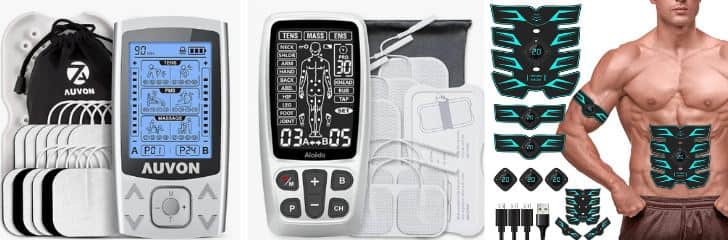
We earn a commission if you click this link and make a purchase at no additional cost to you.
Life with a Neurological Condition: A Man's Perspective
Living with a neurological condition is a test of character that you never asked to take. You face a daily grind that most people will never see or truly appreciate. This path requires a level of grit and adaptability that would break a lesser person. You have learned to find the gaps in the system and the tricks to stay functional.
Remember that your worth is not tied to your productivity or your physical perfection. You are a man who is moving through a complex reality with grace and determination. Every day that you stay in the fight is a victory that outweighs any trophy. Your story is still being written, and the glitches are just a part of the plot. Stay steady, stay focused, and keep pushing against the static of your own mind.