

You're about to enter a world where two seemingly contradictory identities collide in the most beautiful way possible. The hardcore punk scene, historically dominated by aggressive masculinity and heteronormative attitudes, doesn't exactly scream "welcoming space for queers." Yet within this testosterone-fueled environment, gay men have carved out their own spaces, claiming the straight edge lifestyle as their own while refusing to compromise their sexual identity. This intersection represents rebellion squared - abstaining from substances while living openly as queer men in a subculture that wasn't always ready to accept them.
The straight edge gay experience adds layers of complexity to an already countercultural movement. While your straight peers might choose sobriety as their primary form of resistance, you're simultaneously fighting against homophobia within punk scenes and heteronormative assumptions about gay nightlife culture.

Mainstream gay culture often centers around bars, clubs, and party scenes where alcohol and substances flow freely, making the choice to remain sober feel like rejecting your own tribe. Straight edge offers an alternative path - one where queerness and clean living coexist without apology.
The Double Outsider Experience
Let's get real about what it feels like to be gay and straight edge in hardcore punk. You walk into a basement show and immediately scan the room, looking for any sign that you're not the only queer person there. The band screams about loyalty and staying true while the crowd pushes forward, and you're wondering if anyone would have your back if someone started throwing slurs. Being gay in hardcore already makes you an outsider in many scenes, and then you add sobriety on top of that, which sets you apart from the party culture that dominates both punk and gay worlds.
Your straight edge friends don't always get the gay thing, and your gay friends don't always get the sober thing.
When you tell other gay guys that you don't drink or do drugs, they look at you like you've sprouted a second head. "How do you have fun?" they ask, as if the only way to connect with other men is through shared cocktails at a bar. Meanwhile, some straight edge dudes at shows still haven't unlearned their homophobia, even though they're supposedly part of a countercultural movement.
You end up educating people constantly, explaining that yes, you can be gay without needing substances, and yes, you can be straight edge without being a judgmental heteronormative stereotype.
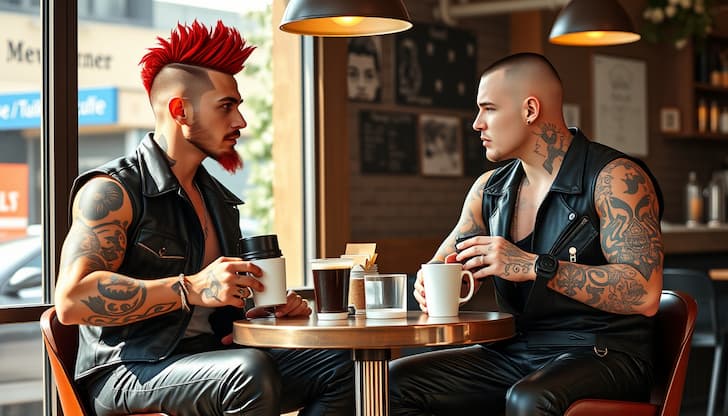
The exhaustion of existing in this intersection hits differently on tough days. You love hardcore music with every fiber of your being - the aggression, the honesty, the refusal to compromise. But sometimes you just want to show up and mosh without having to prove you belong there.
You want to talk about bands and records without someone making assumptions about your lifestyle based on your sexuality, or making assumptions about your sexuality based on your X'd-up hands. The double outsider status builds thick skin, but it also builds a hunger for spaces where you don't have to explain yourself constantly.
Here's what nobody tells you though - being doubly outside the mainstream gives you a clarity that others don't have. You've already rejected so many societal expectations that adding more rejections to the list feels natural.
While other people are busy trying to fit into one box or another, you've realized that boxes are bullshit anyway. The freedom that comes from living authentically on your own terms, even when it's hard, becomes addictive in the best way possible.
How Hardcore Punk Became Your Unlikely Home
The first hardcore show you attended probably changed something in you. Maybe it was the raw energy, the way the music felt like controlled chaos, or the sense that everyone there was rejecting the same fake mainstream culture you'd been suffocating under. Hardcore punk doesn't lie to you - it screams its truth directly into your face and demands you deal with it. For a gay kid who'd spent years hiding parts of himself, that honesty felt like oxygen.
Straight edge spoke to something deeper than just sobriety. The philosophy gave you a framework for taking control of your life when so much felt out of control. Society already told you that being gay was wrong, that you'd never fit in, that your desires were shameful. Straight edge said you could reject all of that by maintaining clarity, by refusing to numb yourself, by staying present in your own life even when it hurt. The sXe on your hand became armor against a world that wanted you either drunk and compliant or invisible and silent.

The DIY ethos of hardcore also resonated with your queer experience. Punk taught you that if the mainstream won't make space for you, you build your own space. You organize shows in basements, you photocopy zines at 2 AM, you start bands with your friends even if you barely know how to play your instruments. This same energy applies to being gay and sober - if gay bars don't work for you, you create alternative ways to meet people. If straight edge scenes aren't welcoming, you make them better by showing up authentically and refusing to leave.
Let's be honest though - hardcore punk hasn't always deserved your loyalty. The scene has a complicated history with queer people, and pretending otherwise does nobody any favors. Early hardcore often reeked of toxic masculinity, with violence and aggression sometimes directed at anyone who didn't fit a narrow definition of what punk should look like. Gay men at shows risked harassment, physical violence, or just being constantly othered by people who claimed to reject mainstream values while clinging to mainstream homophobia.
Breaking the Bar Scene Stereotype
You know that look people give you when you say you don't drink. Their eyes glaze over with confusion, then pity, like you've just announced you have a tragic medical condition. When you add that you're gay, the confusion intensifies. "But where do you hang out?" they ask, genuinely baffled that gay social life could exist outside of bars and clubs. The assumption that being gay automatically means you're part of nightlife culture runs deep, even among queer people themselves.
Gay bars have historically served a vital function - they were often the only safe spaces where queer people could be themselves without fear. Before widespread acceptance, before dating apps, before Pride parades in every city, gay bars were where you found your people. They were social hubs, political organizing spaces, and sanctuaries from a hostile world. Nobody's denying that history or that importance. But times have changed, and not everyone needs alcohol to feel connected to queer culture anymore.
The pressure to participate in bar culture as a gay man gets intense sometimes. Friends organize their entire social calendars around happy hours, club nights, and bar crawls. When you consistently decline these invitations, some people take it personally, like you're rejecting them rather than just the venue. Others worry you're judging them for drinking, even though you've never said anything critical. The defensiveness reveals how deeply alcohol is embedded in gay social structures.
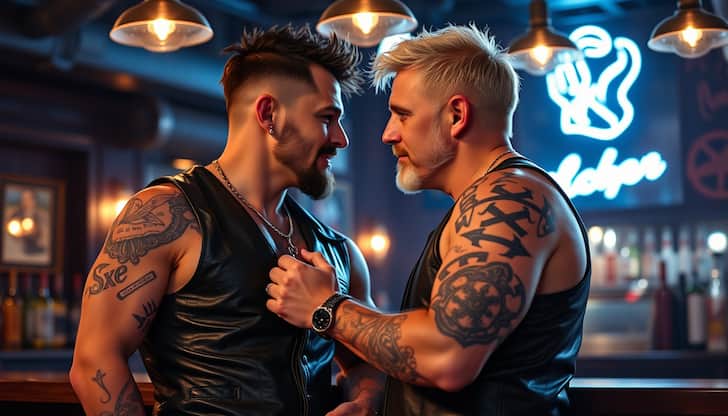
Straight edge gives you permission to opt out without guilt. You're not avoiding bars because of internalized homophobia or because you think you're better than everyone else. You've made a deliberate choice about how you want to live, and that choice happens to conflict with bar-based socializing. Having a whole subculture behind you - even if most of that subculture is straight - validates that your choice is legitimate and part of a larger movement.
Building a social life outside bars requires creativity and effort. Here's how you make it work:
- Find your local music venues - Look for all-ages spaces that host punk and hardcore shows where sobriety is normalized
- Organize alternative hangouts - Suggest coffee shops, parks, record stores, or house shows when friends want to meet up
- Use social media strategically - Search hashtags like #straightedge, #queerpunk, or #sobercurious to find like-minded people
- Start your own events - Host substance-free game nights, movie marathons, or listening parties at your place
- Connect through hobbies - Join sports leagues, book clubs, or volunteer organizations where alcohol isn't the focus
The gay men you meet through these alternative channels often turn out to be higher quality friendships. When you bond over shared interests rather than shared drinks, the connections go deeper. You actually remember your conversations instead of having them disappear into alcohol-induced fog. People show up as their real selves rather than their drunk personas, which means you know who you're actually befriending.
The Health Factor Nobody Talks About
Let's talk about something uncomfortable - the gay male relationship with substances goes beyond just social drinking. Statistics show that LGBTQ+ people have higher rates of substance use and addiction than the general population. This isn't because being gay makes you an addict. It's because growing up queer in a hostile world creates trauma, and people use substances to cope with that trauma. Minority stress, internalized homophobia, discrimination, and rejection all pile up and need somewhere to go.
Gay bars and club culture have sometimes enabled unhealthy relationships with alcohol and drugs. When your main social venues revolve around substances, it becomes easy to slide from social use into dependence without really noticing. The normalization of heavy drinking in gay spaces means that problematic consumption often goes unchallenged. Friends might joke about your hangover rather than expressing concern about how often you're getting that drunk.
Straight edge offers a preventative approach to these issues. By committing to sobriety from the start, you avoid the slow slide into dependency that catches so many people off guard. You deal with your feelings sober, process your experiences without chemical interference, and build coping mechanisms that actually work long-term. The mental clarity that comes from sobriety helps you address root causes of pain rather than just numbing symptoms.
Your physical health benefits in obvious ways too. You wake up without hangovers, your liver isn't processing toxins constantly, and you avoid the risky situations that often accompany heavy drinking or drug use. For gay men specifically, staying sober reduces risks associated with impaired judgment around sexual health decisions. You're present and clear-headed when making choices about your body and your safety.
The mental health benefits might matter even more than the physical ones. Alcohol is a depressant, and many gay men already struggle with depression and anxiety due to minority stress. Removing substances from the equation means your brain chemistry isn't being artificially manipulated. You can actually assess your mental health accurately instead of wondering if you're depressed or just hungover half the time.
Straight edge philosophy also extends beyond substances for many people. Some adherents adopt vegetarian or vegan diets, seeing the treatment of their bodies as connected to how they treat all living things. Others avoid prescription drug misuse or refuse to take anything that alters their mental state, including excessive caffeine. You get to decide where your boundaries are, but the core principle remains - your body and mind deserve respect and care.
Finding Your People in the Scene
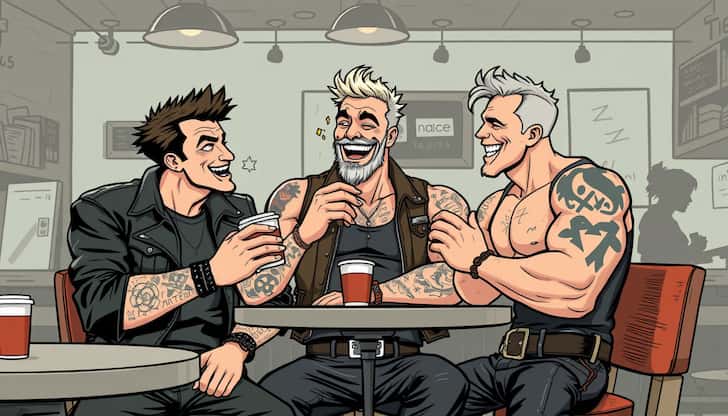
The first time you meet another gay straight edge person at a show feels like finding a unicorn. You're standing near the merch table, and you notice someone's jacket covered in band patches you recognize. You strike up a conversation about music, and somehow the topic shifts to being sober. Then he mentions his boyfriend, and suddenly you're both grinning because you've found each other. These moments are rare enough to feel like fate, common enough to remind you that you're not alone.
Local scenes vary wildly in their acceptance of queer people. Some cities have progressive hardcore communities where being gay is no big deal, and the focus stays on music and shared values. Other places still cling to outdated masculinity standards and make you feel unsafe. You learn to read rooms quickly, to gauge whether a new venue or band will be hostile or welcoming. This survival skill carries over from other aspects of being gay - you've been assessing safety your whole life.
Online spaces have become lifelines for gay straight edge people who don't have local scenes or whose local scenes aren't welcoming. Facebook groups, Discord servers, and Instagram accounts dedicated to queer punk culture let you connect with people worldwide. You share band recommendations, discuss dealing with homophobia in scenes, and support each other through the challenges of maintaining sobriety. These digital connections sometimes feel more real than face-to-face interactions with people who don't get your dual identity.
Building your crew takes time and intention. You can't just show up to one show and expect to find your people immediately. You need to become a regular, to prove you're committed to the scene, to show that you're not just a tourist checking out the punk aesthetic. Other regulars start recognizing you, nodding when you arrive, eventually striking up conversations. Trust builds slowly in hardcore scenes, but once you're in, you're in.
Here's how to integrate yourself into a straight edge hardcore scene as a gay man:
- Show up consistently - Attend local shows regularly so people recognize you as part of the scene
- Support bands directly - Buy merch, share their music online, and bring friends to shows
- Learn the music history - Research the bands and movements that shaped straight edge culture
- Contribute somehow - Help set up shows, take photos, write reviews, or volunteer at venues
- Be yourself unapologetically - Don't hide your sexuality or try to butch it up to fit in
- Call out homophobia - Address slurs and discrimination when you encounter them, even if it's uncomfortable
- Connect with other queer punks - Seek out LGBTQ+-specific punk events and groups in your area
The straight edge community, at its best, operates on principles of loyalty, honesty, and mutual respect. When someone claims edge, they're making a public commitment that others in the scene take seriously. Your sexuality shouldn't matter in this context - what matters is whether you honor your commitment and show up for the scene. Good scenes operate this way. Bad scenes still cling to prejudice and need people like you to push them forward.
Creating Spaces That Didn't Exist Before
You get tired of waiting for someone else to create the queer straight edge spaces you need, so you decide to build them yourself. This is peak punk rock - identifying a gap and filling it through sheer determination and DIY spirit. Maybe you start small, organizing a monthly meetup at a coffee shop for sober queer people who like punk music. Five people show up the first time, which feels disappointing until you remember that five is infinitely more than zero.
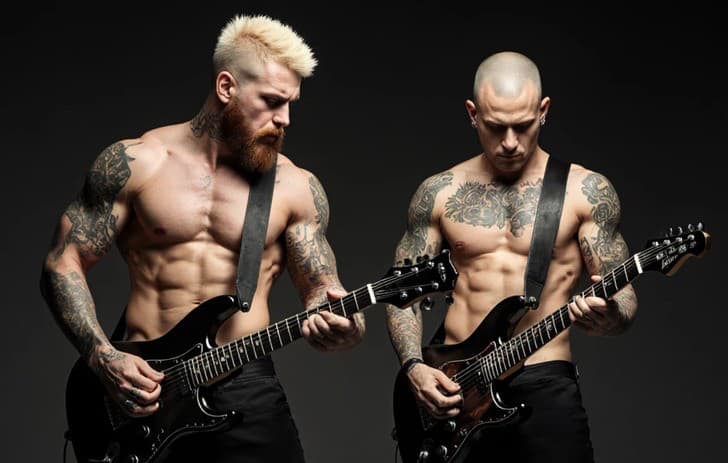
The spaces you create don't need to be perfect or professional. They just need to exist and be genuinely welcoming. You make a group chat for gay straight edge people in your city. You organize trips to shows so nobody has to walk into hostile venues alone. You start a zine that features interviews with queer people in punk scenes, photocopying it at the library and distributing it for free. Each of these small actions chips away at the isolation that comes from existing at this intersection.
Some people will criticize you for separating yourself, for creating "exclusive" spaces when punk is supposed to be for everyone. These critics usually aren't living your experience. They don't know what it's like to scan every room for threats, to constantly calculate whether speaking up about homophobia is worth the potential backlash. Queer-specific spaces aren't about excluding others - they're about creating breathing room where you don't have to be on guard every second.
The younger generation desperately needs what you're building. Think about the 16-year-old gay kid who just discovered hardcore punk and is trying to figure out if there's space for him there. He's googling "gay straight edge" late at night, hoping to find proof that he's not the only one. When he finds your zine, your social media posts, or hears about your meetups, it changes everything for him. You become the representation that didn't exist when you needed it.
Your spaces also educate straight people in the scene. When you organize events that explicitly welcome queer people, you're making a statement about what straight edge values actually mean. Sobriety and clarity should go hand-in-hand with rejecting all forms of oppression, including homophobia. By living openly and creating visible queer straight edge spaces, you challenge others to examine their own prejudices and do better.
The Dating Reality Check
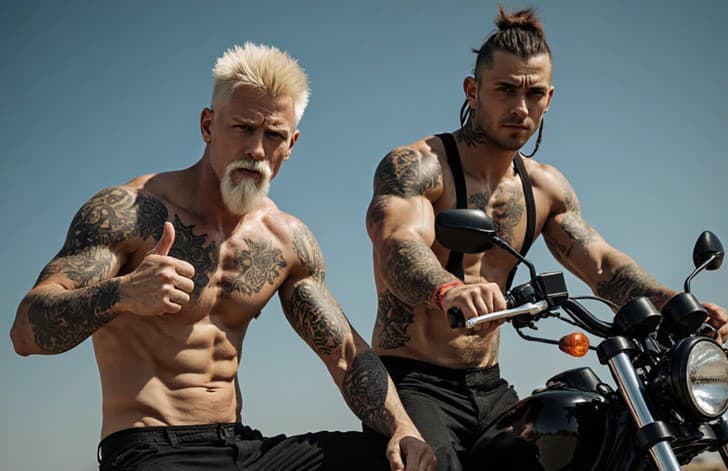
Let's be brutally honest - dating as a gay straight edge person is hard as hell. You're working with a tiny pool to begin with. The percentage of the population that's gay is small, the percentage that's straight edge is smaller, and the overlap is microscopic. Add in normal compatibility factors like personality, interests, and attraction, and you're looking for a needle in a haystack while wearing a blindfold.
Most gay dating apps are alcohol-soaked wastelands where every profile mentions favorite drinks or weekend club plans. You write "straight edge" in your bio, and half your matches don't know what it means. The other half unmatch when they figure it out, unwilling to date someone who won't share a bottle of wine at dinner. The rejections pile up, and sometimes you wonder if you're being too rigid, if maybe you should compromise on this one thing. Then you remember that your sobriety isn't negotiable, and anyone who thinks it is isn't right for you anyway.
You face skepticism from potential partners who assume straight edge is a phase or a control issue. They ask if you're in recovery, and when you say no, they look even more confused. "So you could drink but you just choose not to?" they ask, like voluntary sobriety is incomprehensible. Some guys fetishize your lifestyle, treating you like a pure innocent object rather than a whole person. Others see you as a project, someone they can eventually convince to loosen up and have a drink.
The few dates you do go on often reveal incompatibility quickly. He suggests meeting at a bar, and you counter with a coffee shop. He's confused about what you'll do on Friday nights together, and you're confused about why every activity needs to revolve around alcohol. You watch him drink at dinner and wonder if this is sustainable long-term - can you really build a life with someone whose social world is entirely separate from yours?
Here's what works better for finding compatible partners:
- Be explicit about being straight edge upfront - Put it in your profile first paragraph so nobody's surprised
- Seek out sober-specific events - Look for LGBTQ+ sober socials, recovery meetups that welcome all sober people, or substance-free Pride events
- Connect through hardcore scenes - Attend shows and punk events where you might meet other straight edge people
- Try niche dating apps - Some apps cater specifically to sober people or let you filter for lifestyle factors
- Expand your geographic range - Be willing to date long-distance initially to find someone compatible
- Focus on friendship first - Build connections with other sober queer people without pressure, and see if romance develops
The truth is that you might end up dating someone who's not straight edge but respects your choices. The key word there is "respects" - they don't try to change you, don't pressure you to drink, and don't build your entire social life around substances. They understand that your sobriety is part of who you are, not a temporary inconvenience they need to tolerate. These relationships take work, but they're possible when both people have empathy and flexibility.
Sometimes you meet someone perfect who checks every box except the sobriety one. He drinks socially, nothing excessive, but he enjoys wine with dinner or beers with friends. You have to decide if that's a dealbreaker or something you can accommodate. There's no universal answer here - some straight edge people only date other sober guys, while others are fine with partners who drink responsibly. You get to set your own boundaries based on what feels right for your life.
The Music That Moves You
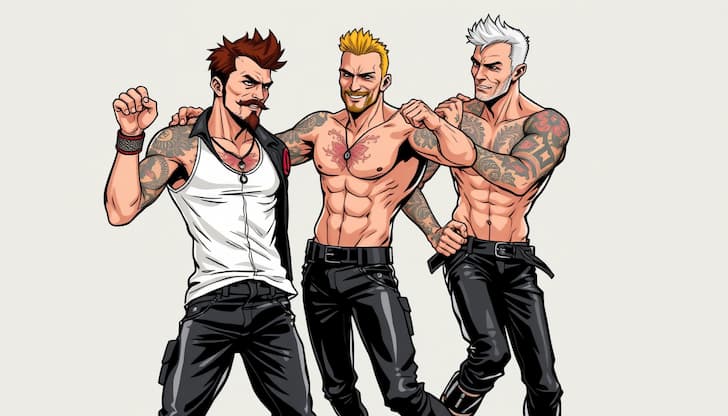
The bands matter more than you probably realized when you first discovered hardcore. The music you listen to shapes how you think about your identity, your values, and your place in the world. Straight edge bands have been screaming about clarity, commitment, and resistance since the early 1980s. When you're gay and sober, those messages hit different - they become personal anthems about staying true to yourself when everyone else wants you to compromise.
Minor Threat basically invented straight edge with their 1981 song of the same name. Ian MacKaye screamed "I don't drink, I don't smoke, I don't fuck, at least I can fucking think," and a movement was born. That line about thinking clearly resonates when you're navigating the world as a queer person. You need every brain cell functioning to deal with discrimination, to calculate safety, to build a life that works for you. Substances would just cloud that clarity you desperately need.
Youth of Today, Gorilla Biscuits, Earth Crisis, and countless other bands carried the straight edge torch through different eras and regional scenes. Each band brought their own flavor to the philosophy - some focused purely on substance abstinence, others connected it to vegetarianism and animal rights, some tied it to political movements. You pick and choose what resonates with your own values, building a personal version of straight edge that fits your life.
Finding queer-friendly bands within hardcore and punk takes more work. Some musicians have been outspoken allies, others have stayed silent, and a few have actively perpetuated homophobia. You learn to research before you buy merch or attend shows. When a band speaks up against discrimination, supports LGBTQ+ causes, or includes queer members, they earn your loyalty. When bands tolerate homophobia at their shows or stay silent when fans act like assholes, you stop supporting them.
Queercore emerged as a subgenre specifically addressing LGBTQ+ experiences in punk, though not all queercore bands are straight edge. Artists like Pansy Division, God Is My Co-Pilot, and Tribe 8 created space for explicit queerness in punk music. These bands might not fit the traditional straight edge hardcore sound, but they prove that punk belongs to queer people too. You can love both the aggression of straight edge hardcore and the unapologetic queerness of these artists.
Music becomes your therapy in ways that surprise you. When you're frustrated with dating, you blast Youth of Today and remember that commitment to values matters more than instant gratification. When someone at a show says something homophobic, you channel that anger into the pit, using physical movement to process emotions that have nowhere else to go. The music validates your rage, your isolation, and your determination to live authentically no matter how hard it gets.
Straight Edge Beyond Substances
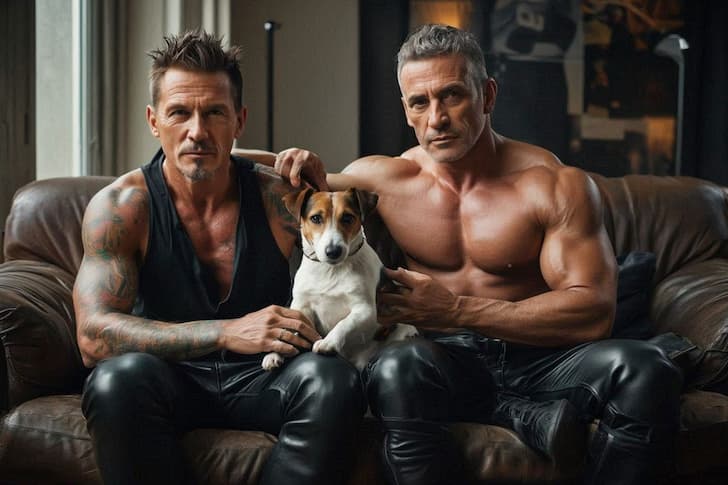
The philosophy extends into other areas of life once you start thinking critically about what it means to live with clarity and intention. Many straight edge people adopt vegetarian or vegan diets, seeing animal exploitation as another form of unnecessary harm that contradicts their values. If you're committed to not putting destructive substances in your body, why would you consume products that harm other beings? The logic flows naturally for people already inclined toward ethical consistency.
You start examining all your consumption habits through this lens. Fast fashion relies on exploitation, so you buy secondhand or from ethical brands. Your coffee gets sourced from fair trade suppliers because you care about the workers who grew those beans. Porn consumption comes under scrutiny - are you supporting ethical creators or an industry that exploits vulnerable people? Every choice becomes an opportunity to live your values rather than just talking about them.
The "no casual sex" aspect of straight edge has always been controversial and isn't universally accepted. Some early definitions included abstaining from promiscuity as part of maintaining control and clarity. For gay men, this tenet gets complicated fast. The queer community has fought hard for sexual liberation, for the right to express desire without shame. Adopting a philosophy that polices sexual choices feels potentially sex-negative or rooted in religious morality that's been used against gay people for centuries.
You have to decide for yourself where you stand on this. Some gay straight edge men interpret it as avoiding sex that's purely physical with no emotional connection. Others reject this tenet entirely, arguing that consensual sexual expression between adults has nothing to do with substance abstinence. Still others adopt it fully, choosing celibacy or committed relationships only. There's no straight edge police coming to check your bedroom activities - you define your own boundaries.
We earn a commission if you click this link and make a purchase at no additional cost to you.
The core principle remains constant regardless of how you apply it - living intentionally rather than reactively. Substances, food choices, sexual behavior, consumer habits, and media consumption all affect your mental state and your impact on the world. Straight edge asks you to think about these effects and make conscious choices rather than just going along with what everyone else does. For gay men who've already spent years thinking critically about identity and social norms, this philosophy often feels like a natural extension of existing thought patterns.
Dealing With Judgment From All Sides
Gay people will judge you for being straight edge. They'll call you boring, uptight, or secretly conservative. They'll suggest you have intimacy issues or trauma around substances. They'll make jokes about you being the designated driver while everyone else has fun. The judgment stings worse coming from your own community because you expected better from people who know what marginalization feels like.
Straight edge people will judge you for being gay. Some still cling to outdated ideas about sexuality, linking promiscuity accusations to queer identity regardless of your actual behavior. Others might accept you reluctantly but never fully embrace you as part of the scene. You'll overhear comments about how gay culture glorifies substance use, as if your mere presence proves their stereotypes rather than challenges them.
Straight people who drink will judge you for both identities. They don't get the gay thing or the sober thing, and combining them makes you seem like an alien from another planet. Family gatherings become minefields where relatives ask why you're not drinking and why you're still single, and you have to decide which explanation will cause less drama. Sometimes you just say you're driving and change the subject rather than opening either can of worms.
Learning to not give a fuck what anyone thinks becomes a survival skill. You can't spend your entire life defending your choices to people who aren't living in your body or your brain. Some people will never understand, and that's their problem, not yours. You stop explaining yourself to anyone who isn't genuinely curious or asking from a place of respect. Your life, your rules - end of discussion.
The judgment also teaches you who's worth keeping in your life. Real friends respect your boundaries even if they don't share them. They suggest activities that don't revolve around drinking, they defend you when others make stupid comments, and they accept all parts of your identity without requiring you to minimize any aspect. The people who can't do that reveal themselves quickly, and you let them go without guilt.
The Physical Expression of Straight Edge Identity
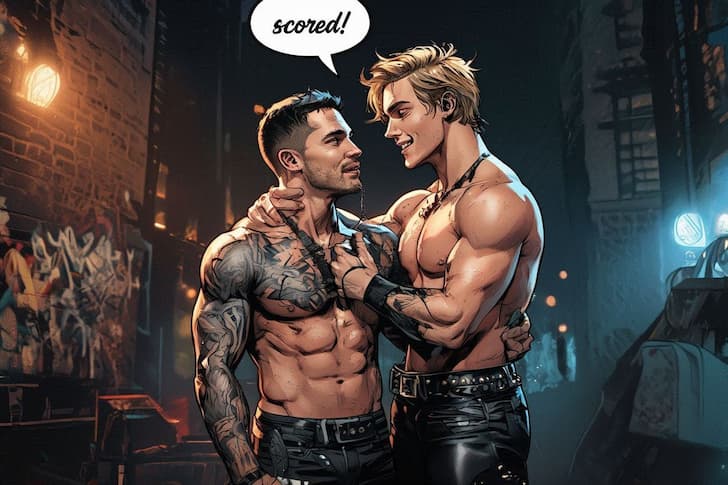
The sXe symbol becomes your calling card, your instant identifier to others who know what it means. You draw black X's on the backs of your hands before shows with permanent marker, the ink slightly smudged by the time the night ends. Some guys get sXe tattoos on their hands, forearms, or other visible locations - a permanent commitment that matches the supposed permanence of their sobriety pledge. The symbol carries weight in hardcore scenes, signaling your values before you say a word.
Your wardrobe becomes a statement piece. Band t-shirts cover your torso at shows, featuring logos from your favorite straight edge and hardcore bands. The shirts get worn and faded from countless washes, the fabric soft and comfortable like old friends. You might add studs to a denim jacket, collect pins and patches, or wear boots that have seen a thousand pits. The aesthetic is aggressive, masculine, and unapologetic - though how you personally style it might subvert or embrace those traditional masculine coded elements.
Some gay straight edge guys play with gender presentation within this framework. You might wear your band shirts cropped or fitted differently than traditional hardcore style dictates. Maybe you paint your nails black while wearing your most aggressive outfit. Perhaps you pair combat boots with skinny jeans that hug every curve. These small adjustments signal queerness while staying rooted in punk aesthetic, creating a visual identity that represents all parts of yourself simultaneously.
The physicality of hardcore shows gives you an outlet that gay spaces often lack. Moshing, stage diving, and singing along at maximum volume let you channel aggression and energy that has nowhere else to go. Your body becomes a tool for expression and release rather than just an object to be looked at or judged. The pit doesn't care about your sexuality - it cares about whether you respect the unspoken rules and help people up when they fall.
Fitness and physical health often become priorities for straight edge guys. Without substances impairing your body, you notice how food, exercise, and sleep affect your wellbeing. Some guys get seriously into weight lifting, running, or martial arts. Others adopt yoga or climbing. The focus shifts to what your body can do rather than how it looks, though aesthetic results often follow. For gay men who've dealt with body image issues or objectification, this functional approach to fitness can feel liberating.
Building a Legacy for Future Generations
Every time you show up authentically as both gay and straight edge, you're leaving breadcrumbs for the kids coming up behind you. The teenager at his first show who's scared about being queer in hardcore spaces needs to see you. He needs proof that he can love this music, claim this lifestyle, and still be himself. Your visible presence matters more than you probably realize in the moment.
The documentation of queer straight edge experiences remains sparse. Music journalism has largely ignored this intersection, focusing on more mainstream-accessible narratives about punk culture. You can change that by telling your own story however you're comfortable - through zines, blogs, social media posts, or conversations at shows. Each story adds to the historical record, proving that gay men have always been part of straight edge even when we weren't visible.
Mentorship happens formally and informally in scenes. The younger queer kids gravitate toward you at shows because they recognize something familiar. You become the person they ask questions about being out in hardcore spaces, about staying sober when everyone else is drinking, about building a life that honors all parts of who they are. You remember being that scared kid, and you give them the guidance you wish you'd received.
The scene you help build now determines what future generations inherit. If you call out homophobia when you hear it, future shows become safer. If you organize queer-inclusive events, you normalize LGBTQ+ participation in straight edge culture. If you support bands that explicitly welcome all people, you shift economic power toward inclusive artists. Your actions combine with others' to create lasting change.
Think about what you want straight edge hardcore culture to look like in ten years. Do you want the same hostile, homophobic energy that dominated early scenes? Or do you want spaces where all people can participate fully regardless of sexuality, gender, race, or any other identity? The future gets built through daily choices - who you support, what behavior you tolerate, where you put your energy and money.

We earn a commission if you click this link and make a purchase at no additional cost to you.
Why This All Matters
Living as a gay straight edge person in hardcore punk scenes isn't easy. You face rejection from multiple directions, navigate spaces that weren't designed for you, and constantly educate people who should know better. The exhaustion is real, and sometimes you wonder if it's worth the effort. Then you go to a show, the music hits, and you remember exactly why you do this.
The lifestyle gives you clarity that substances would cloud. You process your experiences fully, feeling all the emotions without chemical interference. When discrimination happens, you face it head-on rather than drinking it away. When joy arrives, you experience it completely. The intensity of sober living isn't always comfortable, but it's authentic in ways that numbed living never achieves.
Your presence in straight edge scenes challenges everyone to be better. You force the movement to examine whether it truly rejects all oppression or just the harms of substance use. You demonstrate that sobriety and queerness coexist naturally, contradicting stereotypes about both identities. You expand what straight edge looks like, making space for people who come after you.
The gay men who maintain this lifestyle deserve recognition and respect. They've stayed true to themselves in scenes that often made that extremely difficult. They've built alternative social structures when existing ones excluded them. They've created art, organized shows, started bands, and kept the DIY spirit alive. Their contributions to hardcore punk culture matter, even if mainstream music history hasn't documented them properly.
You're part of something larger than yourself, even when it feels isolating. Across cities and countries, other gay men are marking X's on their hands, showing up to hardcore shows, and living sober lives. You're connected through shared values and experiences, part of an unofficial network of people committed to clarity and authenticity. The movement continues because queers choose it daily, and your choice adds to that collective momentum forward.