

Stepping out without a stitch on might sound liberating, but going naked is not always the best idea in certain situations. While there are times when stripping down just feels right—maybe at home after a long day or during a swim in a private pool—there are also many daily activities where clothes are more than just a matter of style. Wearing clothes is about practicality, comfort, safety, and, honestly, following some really basic social rules.
If you sometimes find yourself tempted to skip getting dressed for awhile, I totally get it. Privacy can make us feel bold, but there are a lot of scenarios where being dressed is really important. Some things are simply unsafe, others are uncomfortable, and a bunch of them can get you into trouble you really don’t want. Even if you love lounging around au naturel, certain routines just work out better with a comfy pair of sweats or your usual threads.
This list breaks down 20 things I never do naked—and just about nobody should. My reasons blend safety, hygiene, and a pretty strong sense of not wanting to be embarrassed. If you’ve ever wondered where to draw the line, these examples should make it crystal clear. In fact, you might find a few you hadn’t even considered. Let’s check out the situations where clothes really earn their keep.

1. Attempting to Free-Climb a Cliff
Cliffs are unforgiving, and scaling one without gear is already bold. Doing it naked takes it to a new level of insanity. Your skin’s exposed to every jagged edge and rough surface. This is about avoiding a painful disaster.
The human body isn’t built for unprotected rock climbing. Every slip could mean scrapes, cuts, or worse on sensitive areas. Seasoned climbers use harnesses and padding for a reason. Naked, you’re asking for a brutal lesson in physics.
Mental focus is key in climbing, but being exposed can throw you off. Cold wind, sun, or a rogue insect could break your concentration. The risk of injury skyrockets without protection. Save the birthday suit for safer ground.
- Tackling a sheer granite face in Yosemite feels like a thrill worth chasing. The rock’s texture tears at your skin with every grip, leaving abrasions that sting for days. No harness means no safety net, and a fall could mean serious damage. You’ll regret not wearing shorts when nursing those wounds.
- Scrambling up a boulder in Joshua Tree sounds like a quick adventure. Loose pebbles and sharp edges dig into your palms and knees without mercy. A sudden slip could send you sliding, scraping every inch of bare skin. Healing from that kind of rash is no picnic.
2. Wrestling with a Live Alligator
Alligators are primal beasts, and wrestling one is best left to pros. Doing it naked is a recipe for catastrophe. Their rough scales and thrashing tails can tear skin to shreds. You’re risking serious injury here.
The swampy environment where gators thrive is already a hazard. Mud, water, and unpredictable terrain make footing tricky. Without clothes, you’ve got no barrier against bites or scratches. Even a glancing blow from those jaws could be a game-ender.
Mental toughness won’t save you. Gators don’t care about bravado - they’re built to dominate. Exposed skin gives them an easy target, and infection from swamp water is a real threat. Keep your clothes on and leave wrestling to reality TV.
- Trying to pin a gator in the Everglades seems like a bold flex. Its thrashing tail whips across your bare chest, leaving welts that burn instantly. Sharp teeth graze your arm, and the risk of infection looms large. You’ll wish you’d stayed on the boat.
- Taking on a juvenile gator in a Louisiana bayou feels manageable. Its rough scales scrape your thighs as you grapple, causing raw, painful abrasions. One wrong move, and its jaws clamp down, leaving you vulnerable. Clothes might’ve saved you from that hospital trip.
3. Sprinting Through a Cactus Field
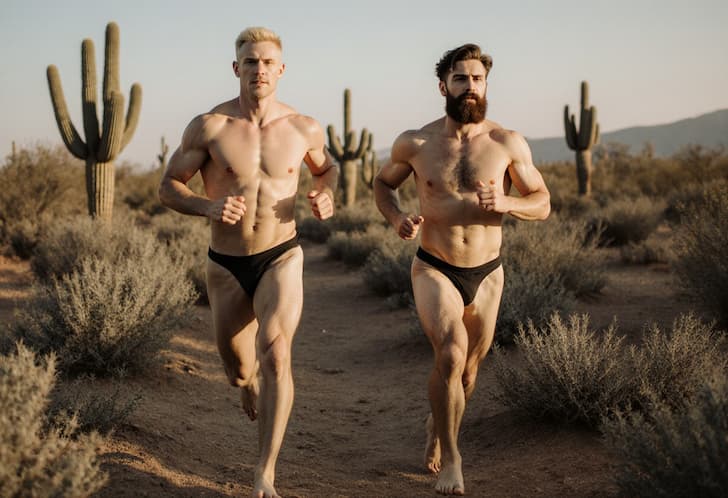
Cacti are nature’s spiked traps, and running through them is a terrible idea. Naked, it’s a nightmare waiting to happen. Those spines don’t discriminate, and they’ll lodge into any exposed skin. This is pain you didn’t know you could feel.
Deserts are harsh enough with their heat and sand. Without clothes, every step risks a new puncture or scrape. Spines can embed deep, and pulling them out is a slow, agonizing process. You’re not outrunning the pain here.
Focus is tough when every plant is a potential hazard. A moment’s distraction could land you face-first in a prickly pear. Infection from embedded spines is a real concern, especially in remote areas. Stay clothed and stick to the trail.
- Bolting through a saguaro patch in Arizona sounds like a dare. Spines pierce your legs with every stride, embedding deep and causing searing pain. Removing them takes hours, and some break off under the skin. You’ll curse that reckless sprint for weeks.
- Racing across a cholla field in Nevada feels like a test of grit. Tiny barbed spines latch onto your arms, each one a needle of torture. Yanking them out risks infection, and the pain lingers long after. Pants would’ve been your best friend here.
4. Handling Liquid Nitrogen
Liquid nitrogen is brutally cold, hitting -196°C. Bare skin contact is a one-way ticket to frostbite or worse. Even a brief splash can cause severe tissue damage. This isn’t a stunt to try without serious protection.
Labs use strict protocols for a reason. Spills or splashes are unpredictable, and naked skin has no defense against cryogenic burns. The pain is immediate, and the damage can be permanent. Clothes are your first line of defense.
Distraction in a lab setting is deadly. Naked, you’re hyper-aware of the cold, which can throw off your focus. One wrong move, and you’re dealing with blisters or worse. Keep the gear on and the nitrogen at arm’s length.
- Pouring liquid nitrogen in a science lab feels like a cool trick. A stray splash hits your hand, instantly freezing the skin and causing intense pain. Blisters form within minutes, and tissue damage could be permanent. Gloves and a jacket would’ve saved you.
- Transferring nitrogen for a cryo demo seems straightforward. A small leak sprays your arm, leaving a frostbitten patch that stings for hours. Medical attention is unavoidable, and scarring is likely. Proper gear isn’t optional here.
5. Crawling Through a Narrow Cave
Tight caves are claustrophobic and unforgiving. Going in naked is a brutal mistake. Sharp rocks and jagged edges will scrape every inch of exposed skin. You’re not exploring - you’re shredding yourself.
Caves are cold, damp, and full of surprises. Without clothes, you’re vulnerable to hypothermia and cuts that can easily get infected. Every twist and turn risks new abrasions. Gear up or stay out.
Mental strain in tight spaces is real. Naked, the constant scrapes and cold make panic more likely. Losing focus could trap you in a bad spot. Clothes provide both protection and peace of mind.
- Squeezing through a limestone cave in Kentucky sounds adventurous. Jagged edges tear at your back, leaving raw scrapes that sting with every move. Cold rock saps your body heat, risking hypothermia. A jumpsuit would’ve made this bearable.
- Navigating a tight passage in a New Mexico cave feels thrilling. Sharp stalactites graze your shoulders, drawing blood that mixes with cave mud. Infection is a real risk, and the cold is relentless. Layers would’ve kept you intact.
6. Swimming in a Piranha-Infested River
Piranhas aren’t always the frenzy-feeders of movies, but they’re still dangerous. Swimming naked in their territory is asking for trouble. Their sharp teeth can slice through unprotected skin. This is a gamble you don’t want to take.
Rivers with piranhas are often murky, hiding their presence. Without clothes, every nibble or bite is a direct hit. Even a small wound can lead to infection in tropical waters. Stay covered and stay safe.
Focus is hard when you’re worried about what’s below. Naked, every brush of a fish sends your heart racing. Panic can lead to bad decisions, like thrashing around. Clothes give you a slight edge in a risky situation.
- Diving into an Amazon tributary feels like a bold move. A piranha’s teeth graze your leg, leaving a clean, painful cut. Blood in the water attracts more, and infection sets in fast. A wetsuit could’ve kept you safer.
- Wading in a piranha-heavy stream seems manageable. A quick nip on your ankle draws blood, and the pain is sharp and immediate. Tropical infections are no joke, and you’re exposed. Even thin shorts would’ve helped.
7. Operating a Chainsaw
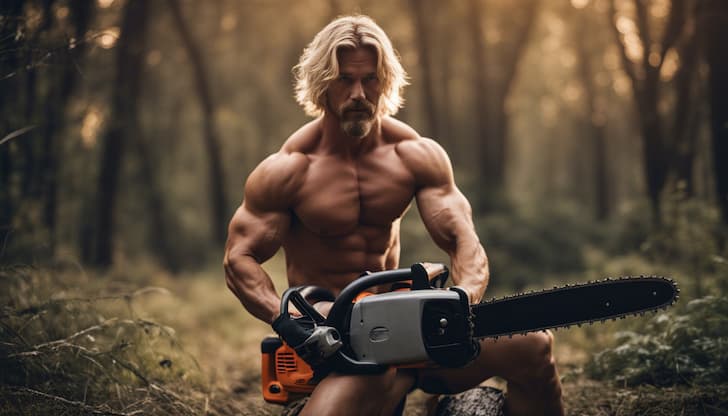
Chainsaws are beasts of raw power, and they demand respect. Using one naked is a reckless move that risks catastrophic injury. A single slip can lead to deep, life-altering cuts. This isn’t a tool to mess with unprotected.
Wood chips and debris fly everywhere when you’re cutting. Bare skin takes the full brunt, from splinters to burns from hot metal. Kickback is a real danger, and without clothes, you’re defenseless. Gear up or step back.
Concentration is critical with chainsaws. Naked, you’re distracted by flying debris and the constant risk of injury. One wrong move, and you’re in serious trouble. Protective clothing isn’t just smart - it’s non-negotiable.
- Cutting logs in your backyard with a chainsaw feels rugged. Kickback sends the blade toward your thigh, slicing deep into unprotected skin. Blood loss is immediate, and the wound is severe. Chaps and gloves could’ve saved you.
- Trimming branches with a chainsaw seems routine. Wood chips pelt your chest, embedding splinters that sting and fester. A sudden slip grazes your arm, leaving a jagged cut. Proper gear would’ve kept you whole.
8. Walking Across Hot Coals
Fire-walking is a mental challenge, but doing it naked is plain foolish. Hot coals can burn bare skin in seconds, leaving painful blisters. Your feet are especially vulnerable without any protection. This is a stunt that demands caution.
Coal beds vary in temperature, and even a brief misstep can cause serious burns. Naked, your entire body is at risk if you fall. Scarring and infection are real possibilities. Shoes and clothes are your best bet.
Focus is everything in fire-walking. Naked, the fear of burns can break your concentration, leading to hesitation. A stumble could mean full-body contact with glowing coals. Stay covered and keep your cool.
- Stepping onto a coal bed at a retreat feels daring. A single misstep burns your foot, causing blisters that throb for days. Pain makes you stumble, risking more burns. Thick socks would’ve been a game-changer.
- Crossing a fire pit at a festival seems intense. Embers stick to your skin, leaving red, painful welts. A fall could mean burns across your legs and arms. Protective layers would’ve spared you the agony.
9. Handling Venomous Snakes
Venomous snakes are unpredictable, and handling them is risky even with gear. Naked, you’re begging for a bite in the worst possible places. A single strike can lead to serious injury or worse. This is no time to go bare.
Snake venom can cause swelling, tissue damage, or systemic failure. Without clothes, a bite has no barrier, and the venom hits harder. Even non-lethal bites can lead to infection. Gloves and thick clothing are critical.
Distraction around snakes is dangerous. Naked, you’re hyper-aware of your vulnerability, which can lead to shaky hands or poor judgment. One wrong move, and you’re in a world of hurt. Keep covered and stay sharp.
- Grabbing a rattlesnake in the desert feels like a bold test. Its fangs sink into your hand, injecting venom that swells painfully within minutes. Medical help is hours away, and the risk is high. Thick gloves could’ve prevented this.
- Holding a viper during a demo seems manageable. A quick strike hits your arm, and the venom burns as it spreads. Pain and panic set in, and infection is a risk. Long sleeves would’ve given you a fighting chance.
10. Surfing in a Lightning Storm

Surfing is a rush, but doing it naked during a lightning storm is insanity. Lightning can strike water, and bare skin offers no protection from burns or shock. Waves and weather already make surfing tough - this is overkill. You’re daring fate here.
Storms bring unpredictable currents and rough seas. Naked, you’re exposed to abrasions from the board and hypothermia from cold water. Lightning is the real killer, though, with no clothes to even slightly insulate. Stay on shore when thunder rolls.
Focus is critical in rough surf. Naked, the sting of saltwater and fear of lightning mess with your head. Panic can lead to wipeouts, and a strike could be fatal. Wetsuits and common sense keep you alive.
- Paddling out during a coastal storm feels thrilling. A lightning bolt hits nearby, shocking your bare skin and leaving burns. The board slips, scraping your chest raw. A wetsuit could’ve cushioned the blow.
- Riding waves in a squall seems like a test of nerve. Cold water numbs your body, and a close lightning strike jolts you. Abrasions from the board sting in saltwater. Protective gear would’ve made this safer.
11. Sandblasting Metal
Sandblasting is a gritty job that shoots abrasive particles at high speed. Doing it naked is a surefire way to shred your skin. The high-pressure blast can cause serious abrasions or worse. This is no place to go without cover.
The process kicks up dust and debris that sting on contact. Naked, you’re vulnerable to tiny cuts and embedded particles that can infect easily. Protective suits exist for a reason. You need them to walk away unscathed.
Focus is key when handling heavy equipment. Naked, the constant sting of stray particles distracts you, increasing the chance of a misstep. One wrong move could mean a blast to a sensitive area. Gear up and keep your skin intact.
- Blasting rust off a car frame in a garage feels productive. The high-pressure sand rips into your arms, leaving red, raw patches. Tiny particles embed in your skin, risking infection. A full-body suit would’ve spared you the pain.
- Cleaning metal beams in a workshop seems straightforward. Abrasive grit pelts your chest, causing micro-cuts that burn for hours. A misaimed blast hits your leg, and the damage is immediate. Proper coveralls would’ve saved you.
12. Taming a Wild Mustang
Wild mustangs are powerful and unpredictable. Trying to tame one naked is asking for disaster. A kick or fall can leave you battered and bruised. You’re not proving anything by going bare here.
Horses have raw strength, and their hooves can cause serious damage. Without clothes, every scrape, kick, or rope burn hits harder. Dust and sweat in open wounds raise infection risks. Stay clothed and stay safe.
Mental clarity is vital when dealing with a wild animal. Naked, you’re distracted by the risk of injury, which can spook the horse further. One bad reaction, and you’re on the ground. Gear gives you confidence and protection.
- Roping a mustang in Montana feels like a cowboy dream. A sudden kick grazes your thigh, leaving a deep bruise that throbs for days. Rope burns sting your hands, and dirt grinds into the wounds. Jeans and gloves would’ve helped.
- Breaking a horse in a Nevada corral seems epic. A quick buck throws you into the dirt, scraping your back raw. The horse’s hoof clips your arm, causing a painful welt. A jacket could’ve softened the blow.
13. Welding Without a Shield
Welding throws off intense light and molten sparks. Doing it naked is a fast track to burns and eye damage. The UV rays from the arc can burn skin like a bad sunburn. This is a job that demands full coverage.
Sparks fly unpredictably, and they’re hot enough to sear flesh on contact. Naked, you’ve got no defense against metal shards or radiant heat. Even a small mistake can lead to serious injury. Protective gear isn’t optional.
Concentration is everything in welding. Naked, the fear of burns and flying sparks pulls your focus. One slip, and you’re dealing with a molten metal burn. Stay covered and keep your eyes on the job.
- Welding a steel frame in a shop feels like a solid day’s work. A stray spark lands on your arm, causing a sharp, blistering burn. The arc’s UV light reddens your chest like a sunburn. A welding jacket would’ve been a lifesaver.
- Joining pipes in a garage seems routine. Molten metal spits onto your leg, leaving a painful welt that festers. The bright arc strains your eyes without a shield. Proper gear would’ve kept you safe.
14. Exploring an Active Volcano
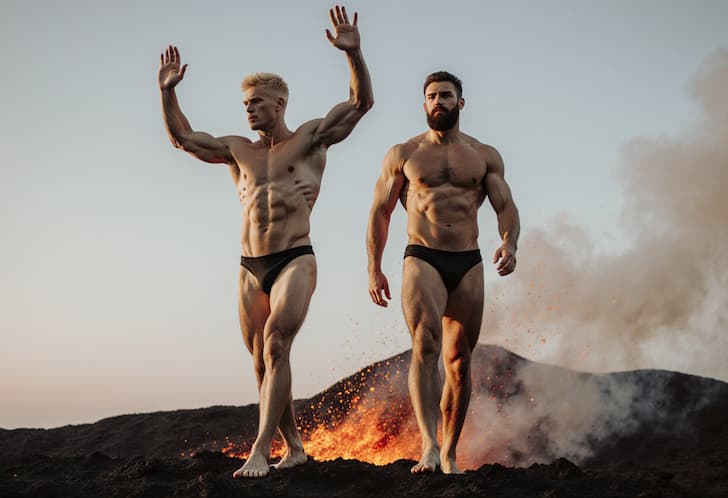
Active volcanoes are extreme environments with heat, ash, and sharp rocks. Going in naked is a reckless move. Even minor lava flows or hot gases can burn exposed skin. This is no place to test your limits unprotected.
Volcanic terrain is jagged and unstable. Without clothes, every step risks cuts, burns, or abrasions from rough lava rock. Toxic gases can irritate skin, and there’s no barrier. Protective gear is your only shield.
Mental focus is critical near a volcano. Naked, the heat and rough ground distract you, increasing the chance of a misstep. A fall could mean serious burns or injury. Stay covered and stay sharp.
- Trekking near a Hawaiian lava flow feels adventurous. Hot ash singes your feet, causing painful blisters. Sharp volcanic rock cuts your legs, and the heat is relentless. Boots and pants would’ve made this safer.
- Hiking a smoldering crater in Iceland seems thrilling. Toxic gas irritates your bare skin, leaving red patches. A misstep on jagged rock gashes your arm, risking infection. Protective layers could’ve saved you.
15. Competing in a Bare-Knuckle Fight
Bare-knuckle fighting is brutal even with wraps and gear. Doing it naked is a step too far. Every punch, block, or fall leaves you open to cuts and bruises. This is a sport that demands protection.
Fists and elbows can split skin on impact. Without clothes, you’re vulnerable to abrasions from the ring or an opponent’s grip. Blood and sweat in open wounds raise infection risks. Gear up or stay out.
Focus is everything in a fight. Naked, the sting of every hit and the fear of injury mess with your head. Distraction leads to mistakes, and you’re exposed to every blow. Clothes give you a slight edge.
- Stepping into a backroom fight club feels intense. A jab splits your lip, and the blood mixes with sweat on your bare chest. A rough takedown scrapes your back raw. Even a rash guard would’ve helped.
- Throwing punches in an underground bout seems gritty. A hook grazes your ribs, leaving a red welt that burns. The mat’s friction tears at your knees, and infection is a risk. Basic gear could’ve softened the damage.
16. Harvesting Stinging Nettles
Stinging nettles are covered in tiny, irritating hairs. Handling them naked is a fast way to regret your choices. The sting causes burning, itching pain that lasts for hours. This is a plant you don’t mess with bare.
Nettles grow in dense patches, and contact is unavoidable when harvesting. Without clothes, every brush leaves a rash that’s hard to soothe. Secondary infections from scratching are a real threat. Gloves and long sleeves are a must.
Concentration is tough when your skin’s on fire. Naked, the constant stinging distracts you, making you careless. One wrong grab, and you’re covered in welts. Stay covered and keep your focus.
- Gathering nettles in a forest feels like a bold forage. The hairs sting your hands, causing red, burning patches that itch for hours. Scratching makes it worse, risking infection. Gloves would’ve spared you the misery.
- Picking nettles for tea in a meadow seems simple. A brush against your arm leaves a fiery rash that throbs all day. The pain distracts you, and you grab more by mistake. Long sleeves could’ve saved you.
17. Rollerblading on a Gravel Path
Rollerblading is tough enough on smooth pavement. Doing it naked on gravel is a disaster waiting to happen. Every pebble is a potential fall, and bare skin takes the full hit. This is a stunt that’ll leave you battered.
Gravel paths are uneven and unpredictable. Without clothes, a fall means deep scrapes and embedded stones. Infection from dirty wounds is a real concern. Protective gear is your best friend here.
Focus is key when skating on rough terrain. Naked, the fear of crashing distracts you, making falls more likely. A wipeout can mean serious road rash. Stay padded and keep rolling.
- Skating down a gravel trail feels like a wild ride. A pebble jams your wheel, sending you crashing onto sharp stones. The scrapes on your knees bleed and sting for days. Pads and pants would’ve cushioned the fall.
- Gliding along a rocky path seems like a fun challenge. A sudden skid rips your elbow raw, embedding gravel in the wound. Cleaning it out is painful, and infection looms. Gear could’ve made this smoother.
18. Cleaning a Shark Tank
Sharks are apex predators, and cleaning their tank is risky even with gear. Doing it naked is a bold move that could cost you dearly. Their rough skin and sharp teeth can tear unprotected flesh. This is no place to go bare.
Tanks are slippery, and water distorts visibility. Without clothes, you’re vulnerable to scrapes from tank walls or a shark’s rough hide. Even a minor bite can lead to serious infection. A wetsuit is your best defense.
Mental clarity is vital around sharks. Naked, the fear of a brush or bite throws off your focus. Panic can lead to bad decisions, like sudden movements. Stay covered and stay calm.
- Scrubbing algae in a shark tank feels like a bold job. A shark’s tail grazes your leg, leaving a rough, painful scrape. The wound stings in saltwater, and infection is a risk. A wetsuit would’ve protected you.
- Cleaning glass in an aquarium seems manageable. A shark bumps your arm, its sandpaper-like skin tearing yours. The cut bleeds heavily, and bacteria in the water threaten infection. Gear could’ve saved you.
19. Climbing a Frozen Waterfall
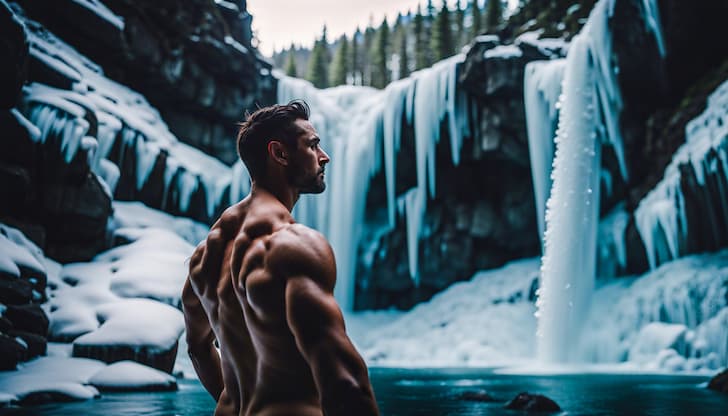
Ice climbing is a test of skill and nerve. Doing it naked is a freezing, dangerous mistake. Sharp ice and cold temperatures can cause frostbite and cuts. This is a challenge that demands full coverage.
Frozen waterfalls are slick and unpredictable. Without clothes, every slip risks deep gashes or hypothermia. Ice tools can also nick unprotected skin. Warm layers and gear are non-negotiable.
Focus is critical on ice. Naked, the biting cold and sharp edges distract you, increasing the chance of a fall. One mistake could mean serious injury. Stay bundled and climb smart.
- Scaling a frozen cascade in Colorado feels epic. Sharp ice cuts your hand, and the cold numbs your fingers fast. A slip gashes your leg, and frostbite sets in. Gloves and layers would’ve kept you safer.
- Climbing an icy fall in Alaska seems thrilling. The cold saps your body heat, and a jagged edge scrapes your arm raw. Hypothermia is a real risk, and the wound stings. Proper gear could’ve made this doable.
20. Handling a Blowtorch
Blowtorches are intense tools that spit fire and heat. Using one naked is a fast way to get burned. The flame can sear skin in seconds, and stray sparks are no joke. This is a job for heavy-duty protection.
Torches throw off radiant heat that can redden skin even without direct contact. Naked, you’re vulnerable to accidental burns or flying sparks. Even a small mistake can lead to serious pain. Gear up or step away.
Concentration is everything with a blowtorch. Naked, the fear of burns and the heat’s intensity pull your focus. One slip, and you’re dealing with a blistering injury. Stay covered and keep your cool.
- Cutting metal with a blowtorch feels like a pro move. A stray spark lands on your arm, causing a sharp, blistering burn. The heat reddens your chest, and pain distracts you. A welding jacket would’ve saved you.
- Heating a pipe with a torch seems simple. The flame brushes your hand, leaving a red welt that throbs for hours. Radiant heat irritates your skin, and focus slips. Proper gear could’ve prevented this.
20 Things You Should Never Do Naked: Final Thoughts
Getting comfy at home is great, but some boundaries are worth sticking to for safety, hygiene, and keeping life simple. These 20 situations are on my never-to-do-naked list for good reason. Clothes might not solve every problem, but they help dodge a bunch of awkward moments and real hazards. No matter how tempting it is to ditch the laundry pile, I’ll keep grabbing that T-shirt. Stay sharp, stay covered, and avoid these bizarre risks. You’ve got better ways to test your limits. Your future self will thank you!