

Hearty Fried Green Tomato and Pepper Jack Stacks for a Bold Vegetarian Plate
Green tomatoes represent the peak of summer gardening for anyone who values a tart crunch. Most people wait for red fruit, but the firm texture of the unripe version holds up perfectly in a hot skillet. Your kitchen will soon smell like a classic roadside diner once the oil starts to shimmer.
Melted pepper jack cheese adds a creamy kick that cuts through the acidic bite of the fruit. You should check out other Southern comfort food recipes on this site to build a full menu. Cornmeal coatings ensure the exterior stays crispy enough to support the weight of the cheese. Guests will appreciate the effort put into every golden, stacked layer of this savory dish.
Building these stacks doesn't take special equipment, just a bit of patience at the frying pan and a willingness to bring some southern comfort to the table. Using simple pantry ingredients, you end up with a main that delivers on texture, boldness, and plenty of heat. If you enjoy strong flavors, this is a dish that won’t disappoint. Plus, these stacks make for a stunning centerpiece at parties, a crowd pleaser sure to bring a little flair to your table.
What Makes Fried Green Tomato and Pepper Jack Stacks Worth Your Time
- Thick, bold layers. Crispy fried tomato rounds and spicy pepper jack come together for a dish that really satisfies.
- Straightforward prep. Basic kitchen tools and common ingredients make it easy to pull off restaurant quality results at home.
- Vegetarian, but far from dainty. Hearty enough to fill up anyone, no matter how big the appetite.
- Customizable spice. Homemade hot sauce or a Tabasco loaded remoulade lets you bring as much heat as you want.
- Eye catching presentation. These beautiful stacks liven up any table and are sure to draw compliments from guests who want something a little special in a meatless main.

Ingredients
Here’s what I reach for whenever I’m in the mood for these stacked fried green tomatoes:
- 3 to 4 large green tomatoes (unripe, firm)
- 1 cup buttermilk (or unsweetened plantbased milk with 1 tablespoon lemon juice)
- 2 large eggs
- 1 1/2 cups cornmeal (fine or medium grind)
- 1/2 cup all purpose flour
- 1 teaspoon smoked paprika
- 1 teaspoon garlic powder
- 1/2 teaspoon onion powder
- 1/2 teaspoon salt
- 1/2 teaspoon freshly ground black pepper
- 1/4 teaspoon cayenne pepper (optional)
- 8 thick slices pepper jack cheese (dairy or vegan as needed)
- Vegetable oil for frying
- Fresh chives or scallions for garnish (optional)
For Spicy Remoulade Sauce
- 1/2 cup mayonnaise (or vegan mayo)
- 2 tablespoons Dijon mustard
- 1 tablespoon prepared horseradish
- 2 teaspoons hot sauce or Tabasco, plus more to taste
- 1 teaspoon smoked paprika
- 1 garlic clove, finely minced
- 1 tablespoon minced dill pickle or relish
- Salt and black pepper to taste
Step by Step Instructions
Slice and Prep the Tomatoes
Start by washing and drying your green tomatoes. Slice them into rounds about half an inch thick. Getting the thickness right really matters. Thin slices break apart during frying, while thicker ones keep that satisfying bite and structure. Discard the very ends and work with the plumpest center slices for best results.
Set Up the Breading Station
Lay out three wide bowls. In the first, blend flour, smoked paprika, garlic powder, onion powder, salt, pepper, and cayenne. In the second, whisk buttermilk (or substitute) and eggs until well combined. The third bowl gets the cornmeal. Setting up this station helps you work efficiently and keeps the mess contained.
Bread the Tomato Slices
Take each tomato slice through the process: first, dredge in the seasoned flour to help the next layer stick; then dip into the buttermilk egg mixture, and finally press into the cornmeal for the crunch. Make sure you press gently in the last bowl so the crust adheres evenly. Lining them up on a rack before frying lets you establish a rhythm and keeps everything organized.
Fry Until Deep Golden
Heat a heavy skillet (cast iron is great) with about half an inch of vegetable oil over medium high until a small sprinkle of flour sizzles upon contact. Fry the tomatoes in batches, giving them room so they crisp up nicely. Each batch takes around 3 to 4 minutes per side for a deep golden, crunchy crust. Turn them gently with a spatula, then let them drain on paper towels or a wire rack. Avoid overcrowding, or they'll steam and lose their crunch.
Layer with Pepper Jack
When the fried tomatoes are fresh and hot, lay a slice of pepper jack on top of half the rounds and set another tomato on top to create a delicious stack. The heat will start melting the cheese naturally. For a meltier experience, you can stick the stacks under a broiler for half a minute, but the residual heat is usually enough. If serving to a larger group, assemble all on a sheet pan and warm gently in a low oven for several minutes. This keeps everything gooey and irresistible.
Mix the Remoulade Sauce
While your stacks work their cheesy magic, mix up the sauce. Combine mayo, Dijon, horseradish, hot sauce, smoked paprika, garlic, pickle or relish, plus salt and pepper. Stir until smooth and uniform. Adjust the hot sauce to your preferred spice level. The sauce needs to be thick but pourable, with a nice tingle and bold tang to cut through the fried richness.
Serve the Stacks
Pile the fried tomato and cheese sandwiches two or three layers high on each plate. Drizzle with remoulade or offer it on the side for dipping, depending on how messy you want to get. An extra sprinkle of chives or scallions adds freshness and color, taking the look up a notch.

Tips for the Best Fried Green Tomato and Pepper Jack Stacks
- Pick tomatoes that are totally green. Slightly ripe or pinkish ones will turn soft and lose their shape when fried. Look for bright green, very firm tomatoes for best results.
- Double up on the breading for extra crunch. Dip them back into the buttermilk and cornmeal for a second coat, and you’ll get an even crunchier crust if you crave it.
- For vegan stacks, use unsweetened soymilk with lemon juice, your favorite egg replacer, and a quality vegan pepper jack. You'll still get hearty and flavor packed results.
- Let the stacks rest after assembly. Allowing them to sit for a minute or two before serving helps the cheese settle and the flavors meld.
- Add extra spice to the cornmeal mixture. Kick it up with some crushed red pepper or chipotle powder if you want even more heat and character.
- Make it a meal. These stacks pair well with garlicky greens, creamy grits, or even a fresh corn salad. The contrast in textures and temperatures pulls everything together for a more satisfying vegetarian plate.
- Easy leftovers. Fried tomato stacks can be quickly reheated in a toaster oven or under a hot broiler for a couple of minutes. They crisp right back up and taste just as good, if not better, the next day.
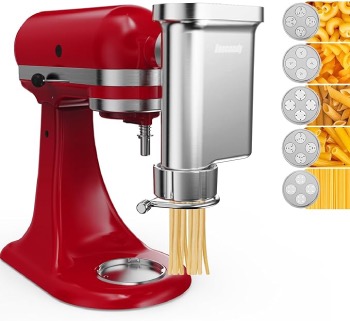
Metal Gourmet Pasta Maker
KitchenAid Stand Mixer – Durable Pasta Maker Attachment with 5 Interchangeable Plates
We earn a commission if you click these images and make a purchase at no additional cost to you.
FAQs About Fried Green Tomato and Pepper Jack Stacks
Q: Can these be made ahead of time?
A: Fried green tomatoes taste best fresh and hot. If you need to prep ahead, slice, bread, and chill the tomatoes for up to four hours before frying. Assembled stacks will stay warm in a low oven for about 20 minutes without losing texture.
Q: What other sauces go with these stacks?
A: Sometimes I'll use plain hot sauce, sriracha mayo, or a smoky chipotle aioli. Anything creamy and spicy goes perfectly with the crisp tomatoes and melting cheese inside each stack.
Q: Is there a gluten free option?
A: Absolutely! Swap out the all purpose flour for a gluten free blend or straight rice flour. Double check your cornmeal label to be sure it's processed in a gluten free facility.
Q: What can I use instead of pepper jack cheese?
A: Monterey Jack, mild cheddar, or even a spicy vegan cheese all work. If you really want to fire things up, try a habanero or ghost pepper cheese in the same sandwich style.
Perfecting the Green Tomato Selection
Hard fruit feels heavy in your hand and resists pressure when you squeeze. You must avoid any soft spots or signs of pink skin. Unripe tomatoes supply the structural integrity required for a tall stack. Firm slices won't fall apart when they hit the hot oil. Your search should focus on the largest green globes available at the market.
Local farmers often sell these before the heat of August turns them red. You should ask for fruit that is still solid to the core. Slicing through a firm tomato creates clean edges for the batter to cling to. Thick rounds work best for maintaining a juicy interior during the fry. Your results will improve if you use tomatoes of uniform size.
Green tomatoes stay fresh in the crisper drawer for about a week. You should keep them away from bananas or apples that release ripening gas. Cold temperatures help the fruit maintain its crunch until you are ready to cook. Most grocery stores stock these near the specialty produce section. Your kitchen prep becomes much easier when the fruit is chilled and solid.
Select tomatoes that have a matte finish rather than a shiny skin. Shiny surfaces often indicate the fruit has started the ripening process already.
Weight provides a good indicator of moisture content within the tomato. Heavy fruit stays succulent while the exterior becomes crisp in the pan.
Check the stem end for any signs of mold or dark bruising. Clean stems mean the tomato was harvested recently and will taste fresh.
Buy more fruit than the recipe requires to account for uneven slices. Slicing the ends off a tomato often leaves you with fewer usable rounds.
Use a serrated knife to ensure the skin does not tear during prep. Sharp teeth on the blade move through the firm flesh without crushing the shape.
Coating Methods for Maximum Crunch
Flour creates a soft barrier that protects the delicate fruit from direct heat. You should mix it with salt and black pepper for a basic flavor. Cornmeal adds the grit and crunch that most people expect from a southern dish. Your choice depends on how much texture you want in each bite. Heavy coatings will require a longer time in the oil to brown properly.
Panko crumbs offer a modern twist for an even louder crunch. You should press the crumbs firmly into the wet tomato slices. Dry ingredients stay attached better if the tomato has a light coating of starch first. Some cooks prefer a double dip to ensure total coverage. Your stacks will look more impressive with a thick and rugged exterior.
Breadcrumbs from a stale loaf of sourdough add a tangy note to the meal. You should pulse them in a blender until they reach a medium consistency. Larger chunks will fall off in the pan and burn quickly. Small particles create a seal that traps the juices inside the tomato. Your guests will notice the difference that high quality bread makes.
Mix the dry ingredients in a shallow bowl for easier access. Wide containers allow you to flip the tomato slices without making a mess.
Sift the flour to remove any clumps before you start the dredging. Smooth powder sticks to the fruit more evenly and prevents gummy spots.
Season the coating heavily because the tomato will absorb a lot of salt. Unripe fruit has a neutral flavor that needs help from the exterior.
Add a pinch of cayenne pepper to the flour for a hidden heat. Spices in the breading work well with the pepper jack cheese later.
Press the coating onto the tomato with the palm of your hand. Firm pressure ensures the breading doesn't slide off when the tomato softens.
Pepper Jack and Alternative Cheese Stacks
Pepper jack cheese melts quickly and stays soft at room temperature. You should look for blocks that contain real bits of jalapeño. Spice levels vary between brands, so a quick taste test is required. Fat from the dairy coats the tongue and balances the acidity of the tomato. Your meal gains a creamy element that bridges the gap between the crunch and the fruit.
Slices should be thick enough to stand up to the heat of the fried tomato. You should place the cheese on the hot fruit immediately after it leaves the pan. Residual heat will soften the dairy without making it oily or runny. Some people prefer to pop the stack under a broiler for a few seconds. Your kitchen will fill with the scent of toasted cheese and peppers.
Habanero jack offers a more intense experience for those who love fire. You should handle this cheese with care to avoid getting oils on your skin. Heat from the peppers pairs well with the tartness of the green tomato. Most grocery stores carry a variety of spiced Monterey Jack options. Your stacks will become a topic of conversation with a bold cheese choice.
Cut the cheese into rounds that match the diameter of the tomato. Symmetry helps the stack stay upright and makes the presentation look clean.
Keep the cheese cold until the very moment you need to stack it. Firm slices are easier to handle and won't melt too fast in your hands.
Place two slices between the tomatoes for an extra gooey center. Doubling the dairy makes the meal feel more like a substantial entree.
Grate the cheese if you want it to melt into every crevice. Shredded bits fill the gaps in the cornmeal crust and act like glue.
Use a kitchen torch to brown the edges of the cheese quickly. Intense heat creates a caramelized flavor that a standard pan cannot reach.
Oil Selection and Heat Management
Peanut oil handles high temperatures without smoking or breaking down. You should fill your skillet about halfway to allow for displacement. Neutral flavors allow the taste of the tomato and cheese to stand out. High smoke points are required for achieving a golden brown crust. Your stovetop stays cleaner when the oil remains stable during the process.
Lard supply a traditional flavor that vegetable oils simply cannot match. You should melt it slowly until it reaches a shimmering state. Savory notes from the animal fat soak into the cornmeal coating. Old recipes often call for this for a reason. Your fried stacks will have a richer mouthfeel with this classic choice.
Avocado oil serves as a modern alternative with a very high smoke point. You should use it if you plan to sear the tomatoes over intense heat. Price points are higher, but the health benefits attract many home cooks. Green tints in the oil won't affect the final color of the food. Your kitchen will remain free of heavy smoke even during long cooking sessions.
Test the oil temperature by dropping a small pinch of flour in. Bubbles should form immediately if the liquid is ready for the tomatoes.
Keep the oil at a steady temperature to avoid greasy results. Cold oil soaks into the breading and makes the fruit feel heavy.
Refrain from overcrowding the pan with too many slices at once. Temperatures drop quickly when cold food enters the hot fat.
Discard the oil if it becomes dark or starts to smell bitter. Burnt particles in the bottom of the pan will ruin the next batch.
Use a thermometer to maintain a range between three hundred and fifty degrees. Consistency is the secret to a perfect fry every single time.
Cast Iron Cookery for Southern Texture
Cast iron pans retain heat better than thin aluminum or stainless steel. You should preheat the skillet for at least five minutes. Even heat distribution prevents hot spots that burn the cornmeal. Heavy metal allows for a consistent sear across all the tomato slices. Your cooking experience will feel more authentic with a seasoned iron pan.
Seasoned surfaces provide a natural non-stick layer that improves over time. You should wipe the pan with a light coat of oil after every use. Soap is usually unnecessary if the pan is well maintained. A dark patina on the metal reflects a history of good meals. Your fried tomatoes will release easily from the surface without tearing the crust.
Shallow frying requires less oil and allows for better control of the stack. You should use just enough fat to reach halfway up the side of the tomato. Flipping the fruit halfway through ensures both sides get equal attention. Spatulas made of metal work best for getting under the crispy edges. Your technique will improve as you learn the quirks of your favorite skillet.
Place the skillet on the largest burner to ensure the edges stay hot. Small flames cause the center to burn while the outside remains pale.
Dry the pan immediately after washing to prevent rust from forming. Moisture is the enemy of iron and will ruin the finish over time.
Use a splatter guard to keep your stove free of oil droplets. High heat causes popping that can be messy and dangerous for your skin.
Let the pan cool down naturally before you attempt to clean it. Sudden temperature changes can cause the metal to warp or crack.
Scrub away any stuck bits with a stiff brush and coarse salt. Salt acts as an abrasive that cleans the pan without stripping the seasoning.
Spicy Remoulade and Dipping Sauces
Mayonnaise serves as the creamy base for a traditional southern remoulade. You should add a spoonful of Dijon mustard for a sharp tang. Hot sauce and paprika provide the color and the heat you desire. Minced pickles or capers add a salty crunch to the liquid. Your fried stacks will benefit from a cool sauce that counters the hot oil.
Greek yogurt offers a lighter alternative for those watching their calories. You should mix it with fresh dill and lemon juice. Tartness from the yogurt mimics the acidity of the green tomato. A pinch of garlic powder rounds out the flavor profile perfectly. Your guests will enjoy the refreshing contrast during a hot summer meal.
Buttermilk ranch remains a crowd favorite for any fried vegetable. You should make it from scratch using fresh herbs and peppercorns. Thin consistency allows the sauce to seep into the nooks of the cornmeal. Black pepper adds a bite that complements the pepper jack cheese. Your dipping station will be the most popular part of the dinner.
Whisk the sauce ingredients together a few hours before serving. Flavors need time to meld together in the refrigerator for the best result.
Add a dash of Worcestershire sauce for a savory umami boost. Complex flavors in the sauce make the simple tomato feel like a gourmet dish.
Store any leftover remoulade in a glass jar for up to one week. Glass keeps the odors from spreading to other items in your fridge.
Garnish the sauce with chopped parsley for a fresh look. Green herbs make the orange remoulade pop on the serving platter.
Adjust the heat level by adding more or less cayenne pepper. You should cater the spice to the preferences of your specific guests.
Breakfast Stack Variations with Eggs
Poached eggs perched on top of a tomato stack create a decadent brunch. You should aim for a runny yolk that acts as a natural sauce. Rich yellow liquid soaks into the fried coating and softens the cheese. Salt and pepper are the only seasonings required for the egg. Your breakfast will feel like a fancy restaurant meal at home.
Fried eggs with crispy edges match the texture of the cornmeal perfectly. You should cook them in the same pan as the tomatoes for extra flavor. Pepper jack cheese melts into the egg whites as they set. A stack of two tomatoes and one egg is a filling portion. Your energy levels will stay high after such a protein-heavy start to the day.
Scrambled eggs with diced green tomatoes offer a different way to use the fruit. You should sauté the tomato bits first to remove some of the moisture. Fold the cheese in at the last second for a gooey consistency. This method works well if you have tomatoes that are too small to slice. Your morning routine will gain a boost from the spicy and tart combination.
Use the freshest eggs possible to ensure the yolks stay centered. Fresh whites hold their shape better in boiling water during poaching.
Season the eggs with a pinch of smoked salt for a rustic flavor. Smoke pairs beautifully with the charred peppers in the jack cheese.
Place a slice of Canadian bacon between the tomato and the egg. Extra layers of meat make the stack feel like a southern Benedict.
Top the entire stack with a spoonful of hollandaise sauce. Butter and lemon in the sauce highlight the tartness of the green fruit.
Serve the dish with a side of hot grits for a complete meal. Grits absorb any extra egg yolk or melted cheese that falls off the stack.
Bacon and Pork Additions for Saltiness
Crispy bacon strips add a smoky crunch that elevates the entire stack. You should fry the bacon until it is stiff enough to hold its own weight. Salty pork fat improves the flavor of the neutral green tomato. One strip broken in half fits perfectly between the layers of cheese. Your taste buds will appreciate the mix of salt, fat, and acid.
Pulled pork leftovers can be piled high on a fried tomato base. You should warm the meat in a skillet with a little barbecue sauce. Tangy vinegar-based sauces work best with the pepper jack cheese. The soft texture of the meat contrasts the crispy exterior of the fruit. Your dinner guests will find this combination incredibly satisfying and unique.
Prosciutto wrapped around the tomato before frying adds a salty crust. You should secure the meat with a toothpick to keep it in place. Thin ham crisps up quickly in the hot peanut oil. This Italian twist on a southern classic creates a sophisticated appetizer. Your party will be a success with such a creative and tasty snack.
Drain the bacon on paper towels to remove excess grease. Too much oil will make the tomato stack feel heavy and soggy.
Choose thick-cut bacon for a more substantial bite in each layer. Thin bacon can get lost behind the bold flavors of the pepper jack.
Brush the bacon with maple syrup for a sweet and spicy mix. Sugar caramelizes in the pan and adds a new dimension to the heat.
Dice the ham and mix it directly into the cornmeal batter. Small bits of meat ensure every bite has a savory pork flavor.
Use pancetta if you want a more concentrated saltiness. Italian cured pork adds a different fat profile than traditional American bacon.
Herb Infusions for Aromatic Flour
Fresh thyme leaves mixed into the flour add an earthy scent to the crust. You should strip the leaves from the woody stems before chopping. Herbs release their oils as soon as they hit the hot frying pan. Subtle floral notes balance the sharp heat of the pepper jack. Your kitchen will smell like a professional herb garden during the process.
Dried oregano provides a Mediterranean flair to your southern fried stacks. You should crush the leaves between your palms to awaken the flavor. A little bit goes a long way in a large bowl of cornmeal. This herb pairs surprisingly well with the tartness of an unripe tomato. Your stacks will have a complex aroma that keeps people guessing the ingredients.
Chopped chives added to the egg wash distribute flavor evenly. You should slice them thin so they stick to the wet surface of the fruit. Mild onion notes enhance the savory qualities of the cheese and the batter. Chives also add a bright green color to the finished golden crust. Your presentation will look much more professional with these small green flecks.
Store your fresh herbs in a damp paper towel in the fridge. Moisture keeps the leaves from wilting before you are ready to cook.
Mince the herbs finely to ensure they don't burn in the oil. Large leaves can turn bitter if they spend too much time in high heat.
Substitute dried herbs if fresh ones are not available at the market. Use one-third of the amount since dried versions are more concentrated.
Rub the herbs into the salt before mixing them with the flour. Infusing the salt helps the flavor spread through the entire coating.
Experiment with rosemary for a bold and pine-like flavor profile. Rosemary is strong, so use it sparingly to avoid overwhelming the tomato.
Vinegar Drizzles and Acidic Balances
Balsamic glaze provides a sweet and thick finish for a tomato stack. You should drizzle it in a zig-zag pattern over the final product. Dark vinegar adds a visual contrast to the yellow cornmeal and white cheese. Sugars in the glaze help tame the heat of the peppers. Your guests will love the gourmet look of a professional drizzle.
Apple cider vinegar can be used to quick-pickle the tomatoes before frying. You should soak the slices for ten minutes in a mixture of vinegar and salt. This process softens the fruit slightly and adds a deep tang. Pat the slices dry before dredging them in the flour mixture. Your fried tomatoes will have an extra punch of acidity in the center.
Red wine vinegar mixed with olive oil makes a simple side dressing. You should toss some fresh greens in this mixture to serve with the stacks. Acid helps clean the palate after a heavy and greasy fried meal. A few drops of vinegar on the cheese itself can also brighten the flavor. Your meal will feel more balanced with these sharp additions.
Reduce balsamic vinegar in a small saucepan to make your own glaze. Simmer it on low heat until the liquid coats the back of a spoon.
Add a pinch of sugar to the vinegar to balance the sour notes. Sweetness helps the acid play well with the spicy pepper jack cheese.
Sprinkle a few drops of hot vinegar over the stack just before eating. Heat and acid combined create a mouth-watering sensation that lingers.
Use a spray bottle to apply a fine mist of vinegar to the crust. Even coverage prevents any single spot from becoming too soggy.
Infuse your vinegar with garlic or peppers for even more flavor. Store the mixture in a cool place for a few weeks before using it.
Pickled Onion Toppings for Sharpness
Red onions sliced paper thin turn a vibrant pink in a vinegar bath. You should let them sit for at least thirty hours for the best color. Crunch from the raw onion disappears, leaving behind a soft and tangy garnish. These onions look beautiful sitting on top of a melted cheese stack. Your fried tomatoes will gain a visual and flavorful upgrade with this step.
White onions provide a sharper bite if you prefer a more intense flavor. You should soak them in lime juice and salt for a Mexican-inspired twist. This method pairs perfectly with the jalapeños found in the pepper jack. Acid from the lime cuts through the heavy oil used for frying. Your stacks will taste fresh and bright even after being deep fried.
Shallots offer a milder and sweeter alternative to traditional large onions. You should fry them quickly until they turn golden and crispy. Mixing pickled shallots with fresh ones creates a variety of textures on top. The sweetness of the shallot complements the tartness of the green tomato. Your guests will appreciate the sophisticated choice of aromatics.
Slice the onions as thin as possible using a sharp mandoline. Thin pieces absorb the pickling liquid faster and are easier to eat.
Add a few peppercorns to the pickling jar for a subtle spice. Black pepper adds a classic touch to the tangy vinegar liquid.
Keep the pickled onions in the fridge for up to two weeks. They actually taste better after a few days of sitting in the brine.
Use the leftover pickling liquid as a base for a salad dressing. Waste is reduced and you get a flavorful ingredient for another meal.
Drain the onions thoroughly before placing them on the hot cheese. Excess liquid can make the crispy cornmeal coating go soft too quickly.
Storing and Reheating Your Fried Goods
Leftover fried tomatoes should be kept in a single layer in the fridge. You should avoid stacking them while they are still warm to prevent steam. Moisture is the enemy of a crispy crust and will make the batter fall off. Cover the container loosely with a paper towel to absorb any extra oil. Your second meal will be much better if the tomatoes stay dry.
Reheating in an air fryer restores the original crunch in just a few minutes. You should set the temperature to three hundred and fifty degrees. High speed air circulates around the stack and crisps the cornmeal again. The cheese will melt perfectly without becoming rubbery like in a microwave. Your leftovers will taste almost as good as the fresh batch.
Oven reheating works well if you have a large number of stacks to warm. You should place them on a wire rack over a baking sheet. Airflow underneath the tomatoes prevents the bottom from getting soggy. Heat them for about ten minutes until the cheese starts to bubble. Your patience will be rewarded with a texture that is worth the wait.
Avoid using the microwave to reheat any fried food items. Microwaves trap steam and turn the crispy coating into a mushy mess.
Let the tomatoes come to room temperature before putting them in the fridge. Sudden cooling can cause the cheese to separate from the fruit.
Place a piece of parchment paper between layers if you must stack them. Paper helps prevent the coating from sticking to the cheese of the layer below.
Eat the leftovers within two days for the best safety and flavor. Fried vegetables lose their appeal quickly as the moisture migrates outward.
Add a fresh sprinkle of salt after reheating to revive the taste. Salt can lose its intensity after being chilled in the refrigerator.
Seafood Toppings for Luxury Stacks
Lump crab meat sautéed in butter makes a world-class topping for your stack. You should season the crab with lemon juice and a dash of old bay. Sweet meat from the sea contrasts the spicy peppers in the cheese. This addition turns a simple side dish into a main course for a dinner party. Your reputation as a cook will grow with such an impressive combination.
Small shrimp seasoned with cayenne pepper add a firm snap to the stack. You should peel and devein them before a quick sear in the skillet. Pink tails look striking against the green tomato and white cheese. Shrimp absorb the flavors of the oil and the cornmeal perfectly. Your meal will feel like a trip to a high-end coastal restaurant.
Smoked salmon provides a cold and salty contrast to the hot fried tomato. You should layer thin slices on top of the melted pepper jack. Capers and red onions finish the dish with a classic bagel-inspired flavor. This version works exceptionally well for a sophisticated brunch or lunch. Your guests will be surprised by how well salmon pairs with southern fruit.
Buy fresh seafood on the day you plan to serve the meal. Quality drops quickly, and you want the brightest flavors for your stacks.
Pat the seafood dry before cooking to ensure a good sear. Moisture creates steam which prevents the shrimp from browning properly.
Avoid overcooking the crab as it can become tough and stringy. Gentle heat is all that is required to warm the meat through.
Garnish the seafood stacks with a wedge of fresh lemon. Acid from the citrus highlights the delicate flavors of the fish and the tomato.
Use a toothpick to hold the tall seafood stacks together. Tall presentations look great but can be unstable on the serving platter.
Cornbread Crumbs as a Coating Option
Leftover cornbread can be crumbled and used as a rugged breading. You should toast the crumbs in the oven until they are very dry. This method provides a much thicker and crunchier layer than standard cornmeal. Sweetness from the bread balances the spicy jack cheese in a new way. Your fried tomatoes will have a rustic and homemade appearance.
Blending the cornbread crumbs with spicy flour creates a balanced mix. You should pulse the crumbs until they are roughly the size of peas. Large chunks will fall off, so a fine consistency is necessary for success. The oil soaks into the crumbs and creates a rich and buttery flavor. Your kitchen will smell like a southern bakery during the frying process.
Adding honey to the egg wash helps the cornbread crumbs stick better. You should whisk the honey into the milk until it is fully dissolved. A hint of sugar on the exterior caramelizes and browns beautifully in the pan. This sweet and savory profile is a hallmark of high-quality comfort food. Your family will ask for this specific coating every time you make the recipe.
Dry the cornbread crumbs thoroughly to ensure they don't turn to paste. Wet crumbs will not crisp up and will ruin the texture of the fry.
Use a spicy variety of cornbread for an extra layer of heat. Jalapeño cornbread crumbs match the pepper jack cheese perfectly.
Press the crumbs into the tomato with significant force. A tight bond between the fruit and the breading is necessary for a tall stack.
Fry at a slightly lower temperature to prevent the crumbs from burning. Sugars in the cornbread can turn dark more quickly than plain flour.
Store any extra crumbs in the freezer for future use. Frozen crumbs stay fresh and are ready for your next batch of fried vegetables.
Vegetable Sides to Complete the Meal
Creamy coleslaw provides a cold and crunchy side that balances the heat. You should use a vinegar-based dressing to keep the meal from feeling too heavy. Cabbage and carrots add a much-needed serving of fresh vegetables to the plate. The crunch of the raw greens matches the snap of the fried tomato. Your dinner will feel more like a complete and thoughtful menu.
Grilled corn on the cob seasoned with chili lime salt is a perfect partner. You should char the corn until the kernels are dark and sweet. Butter and spice on the corn mimic the flavors found in the pepper jack. This side dish keeps the summer theme going throughout the entire meal. Your guests will enjoy the rustic feel of eating with their hands.
Black-eyed pea salad offers a protein-rich and earthy addition to the plate. You should mix the beans with bell peppers, onions, and a light vinaigrette. Earthy notes from the peas ground the sharp and acidic flavors of the tomato. This dish can be made ahead of time and served cold or at room temperature. Your meal will be a hit with such a variety of southern staples.
Season the side dishes with the same herbs used in the tomato batter. Consistency in seasoning helps the entire plate feel unified and planned.
Keep the sides light to account for the richness of the fried food. Heavy sides can make the meal feel overwhelming and difficult to finish.
Use seasonal produce from the same market where you found the tomatoes. Local vegetables often have a similar flavor profile that works well together.
Garnish the entire plate with a sprinkle of fresh green onions. Small details like fresh greens make the homemade meal look professional.
Serve the stacks in the center of the plate with sides surrounding them. Plating matters for the experience and makes the food look more appetizing.
Share Your Stacks and Stories
Whenever I serve these stacks, they spark conversation and plenty of recipe requests. If you end up making a batch, I’d love to hear about your tweaks—whether you play around with different spices, substitute the cheese, or come up with a new dipping sauce. Tag your stacks on social media or share your feedback wherever you like to connect. Here’s to bold, tasty vegetarian eating that brings real flavor and excitement to every meal.
