

Slippery substances often seem like a luxury rather than a necessity when you lie down on a massage table. Many people suspect that the liquid serves only to prevent skin from burning under the pressure of a therapist's palms. You hear conflicting reports about whether expensive blends actually penetrate the skin or simply sit on the surface like a layer of wax.
Scientific study of dermal absorption suggests that certain lipids do more than just sit there. Molecules from plant oils interact with your own biological structures in ways that water-based lotions never manage. Your skin acts as a selective gatekeeper, allowing some nutrients through while blocking others.
Every choice of lubricant alters the friction, the temperature, and the chemical environment of your muscles. You deserve to know if your energy goes toward actual physical change or just a pleasant smell. Let us examine the mechanics of these fluids without the usual marketing fluff.
Molecular Penetration and Dermal Barriers
Small lipid molecules find their way through the outer layers of your epidermis quite easily. The structure of your skin allows for the passage of certain oil-soluble compounds into deeper tissues. Researchers often find traces of topically applied oils in the bloodstream within minutes of a vigorous rub. Such penetration ensures that the fatty acids reach the areas where cell regeneration occurs most frequently. You feel the difference when the dryness disappears from the inside out rather than just on the surface.

Carrier oils like jojoba or almond possess a molecular weight that fits through the gaps in your skin's armor. These fats do not merely coat the exterior but actually merge with the intercellular cement of the stratum corneum. The presence of these lipids helps to patch up any microscopic holes in your defensive barrier. You notice that your skin stays hydrated for much longer after a session involving high-quality oils. The cellular architecture remains supple because the oil prevents water from escaping the lower layers.
Botanical oils carry phytochemicals that interact with the live cells beneath the dead surface. Such compounds influence how your skin responds to inflammation and environmental stress throughout the day. You receive a dose of antioxidants directly where the damage from light or pollution occurs. The speed of absorption depends heavily on the heat of your body and the speed of the strokes. Every drop contributes to a chemical environment that supports the repair of your largest organ.
Select cold-pressed oils to ensure the nutrients remain intact for your skin to absorb. You will notice a richer texture and a more noticeable effect on your skin's elasticity over several weeks.
Massage the oil for at least ten minutes to encourage deeper movement into the dermal layers. The friction warms the fluid and helps it slip past the initial resistance of the skin.
Check the molecular weight of your chosen lubricant to predict how fast it will disappear. Lighter oils like grape seed vanish quickly while heavier ones like avocado stay present for the entire hour.
Apply heat to the area before the oil to open up the pores and facilitate easier passage. Warmth relaxes the skin and makes the lipid molecules much more mobile as they move downward.
Friction Dynamics and Tissue Integrity
Friction creates heat that often irritates the delicate surface of your skin if you are not careful. A proper lubricant reduces the drag that results in painful hair pulling or skin abrasions. Smooth movements allow the therapist to apply deeper pressure without causing superficial trauma to the nerves. Muscles relax more readily when the tactile sensation feels fluid and continuous rather than choppy. The lack of oil frequently results in a stressful experience that hinders the relaxation process.
Tissue manipulation requires a fine balance between grip and glide to be successful. You need enough traction to move the muscle fibers but enough slip to avoid tearing the skin. High-viscosity oils allow for a firm hold that is necessary for myofascial release techniques. Lighter oils facilitate the long, flowing strokes typical of Swedish styles that prioritize circulation. The physical state of the oil dictates how much energy reaches the deeper layers of your body.
Muscle fibers often stick together when you experience chronic stress or repetitive strain. Oil acts as a mechanical buffer that helps the hands of a professional separate these adhesions. You find that the range of motion in your joints improves when the surrounding tissue moves without resistance. The lubrication reduces the metabolic cost of the massage for both the giver and the receiver. Consistent use of oil prevents the development of new tension by keeping the fascia slick and mobile.
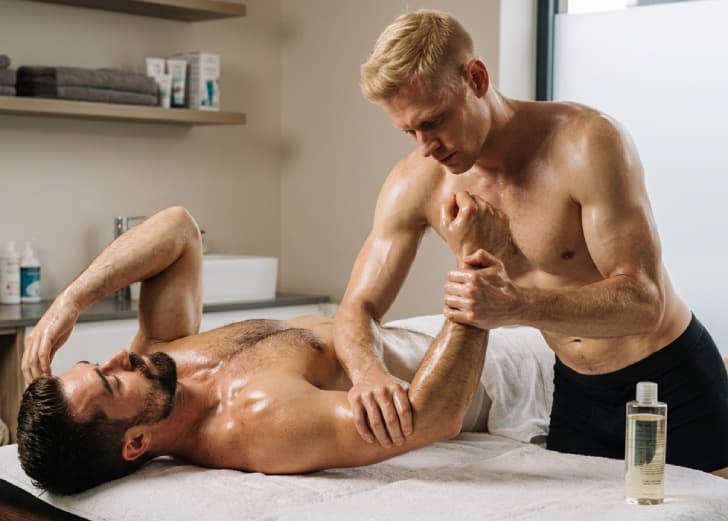
Use a generous amount of oil when you perform deep tissue work to prevent bruising. You protect the small blood vessels from bursting under the weight of heavy pressure.
Switch to a thicker oil like castor or olive if you notice the skin turning red too quickly. Heavy fluids provide a sturdier cushion between the hand and the sensitive nerves of the back.
Keep a bottle of lubricant nearby so you never have to break contact with the body. Continuous touch keeps the nervous system in a state of calm and prevents the muscles from tensing up.
Warm the oil in your hands before it touches the back to avoid a cold shock. Sudden temperature changes cause the blood vessels to constrict and the client to jump in surprise.
Volatile Compounds and Limbic Response
Scented oils deliver more than a pleasant aroma to your nose during a session. Volatile organic compounds travel through the olfactory bulb and reach the limbic system of your brain. Such area controls your emotions, your memory, and your unconscious physical responses to the world. You find that your heart rate slows down as soon as the scent of lavender or cedar hits your senses. The brain receives a signal that the environment is safe and that the time for rest has arrived.
The chemistry of essential oils allows them to bypass the digestive system and enter the lungs. You inhale these tiny molecules, which then cross into the bloodstream through the thin walls of the alveoli. This delivery method is remarkably fast and bypasses the liver's initial filtration process. You feel a change in your mood or your mental clarity almost instantly after the first breath. The oil serves as a direct line to your internal pharmacy of neurochemicals.
Aromatherapy influences the production of hormones like cortisol and serotonin within your body. High levels of stress often drop when the right combination of botanical extracts is present in the air. You notice a sense of calm that lingers long after the oil has been wiped away from your skin. The memory of the scent becomes a trigger that helps you return to a relaxed state later on. Your mind associates the particular smell with the safety and comfort of the massage table.
Choose lavender or chamomile oils when you need to silence a racing mind at night. These scents interact with neurotransmitters to encourage a deep and restful sleep for several hours.
Select citrus or peppermint blends to sharpen your focus before a big meeting or a test. The bright notes stimulate the frontal lobe and help you feel more alert and prepared for work.
Mix a few drops of essential oil into a carrier base to avoid skin irritation from the concentrated extract. You get the benefits of the scent without the risk of a chemical burn or a rash.
Breathe deeply and slowly throughout the application to maximize the intake of the volatile molecules. Slow breaths ensure that the compounds reach the lowest parts of your lungs for better absorption.
Thermal Thermodynamics in Muscle Relaxation
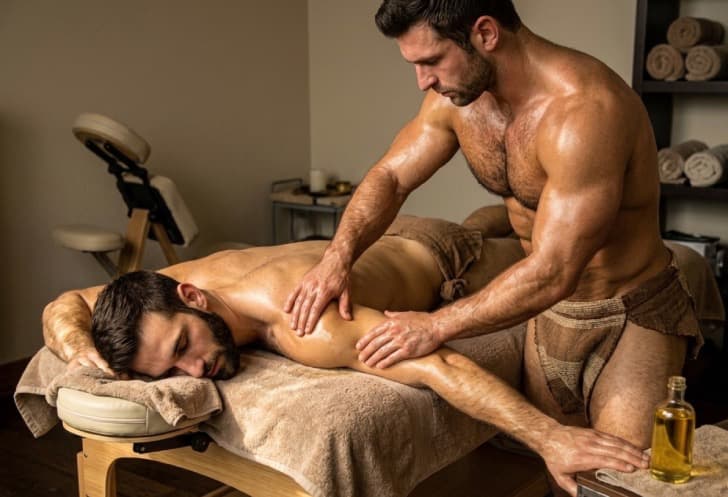
Heat retention is a physical property of oils that changes the way your muscles react to touch. Liquid fats hold onto thermal energy much longer than water-based creams or gels. You will find that a warm oil helps to liquefy the fascia, which is the connective tissue around your muscles. This softening effect makes it much easier to stretch and realign the fibers of your body. Warmth also increases the local blood flow, which brings more oxygen to the tired areas.
Oils act as an insulator that prevents your body heat from escaping into the room during a session. You stay comfortable even in a cool environment because the thin layer of oil traps your natural warmth. This steady temperature helps to prevent muscle spasms that occur when the body feels a sudden chill. You notice that your limbs feel heavier and more relaxed when they are kept at a consistent heat. The oil facilitates a state of deep hyperthermia in the localized area of the massage.
Cold-pressed oils also possess a high heat capacity that allows them to absorb the energy from a therapist's hands. This transfer of heat is necessary for the relaxation of the parasympathetic nervous system. You feel a sense of spreading warmth that moves from the surface into the core of your being. Such thermal interaction reduces the perceived level of pain in stiff or injured areas. The oil is the medium that makes this energy transfer efficient and pleasant.
Heat your oil in a dedicated warmer to maintain a constant temperature of forty degrees. Consistent warmth ensures that the client never feels a sudden drop in comfort during the treatment.
Use basalt stones alongside the oil to drive the heat even deeper into the muscle tissue. Stones hold more energy than hands and work perfectly with a slick surface to glide across the back.
Cover the body parts not being worked on with a towel to trap the oil-warmed air. You maximize the thermal effect and keep the client in a state of total relaxation.
Rub the oil quickly between your palms to generate friction heat before you start the session. This manual heating is a quick way to prepare the lubricant if you lack a mechanical warmer.
Fatty Acid Ratios and Skin Barrier Repair
Every plant oil contains a different ratio of oleic and linoleic acids that affects your skin differently. Oleic acid is a heavy monounsaturated fat that helps to penetrate the skin and deliver other ingredients. Linoleic acid is an omega-6 fatty acid that stays closer to the surface to repair the protective barrier. You should choose an oil high in linoleic acid if you suffer from acne or oily skin. The right balance ensures that your skin remains healthy and clear after the massage is over.
Dry skin usually lacks the oleic acid needed to stay soft and flexible throughout the day. Oils like olive or marula provide a rich source of this fat to help rebuild the lipid layer. You find that flaky patches disappear when you use a lubricant that mimics your natural oils. Such treatment prevents the itchy, tight feeling that often follows a hot shower or a dry day. Your skin looks more radiant because the light reflects off a smooth, well-oiled surface.

Chronic inflammation often stems from a lack of essential fatty acids in the dermal layers. You supply these necessary building blocks when you use a botanical oil as a massage medium. The skin cells use these fats to create prostaglandins, which help to regulate the inflammatory response. You notice less redness and irritation when your skin is properly nourished from the outside. The oil acts as a topical supplement that supports the overall health of your body.
Opt for sunflower or safflower oils if you have sensitive skin that reacts to heavy scents. These oils are high in linoleic acid and help to soothe irritation without clogging your pores.
Apply shea butter or cocoa butter to the elbows and knees where the skin is thickest. Solid fats stay on the surface longer to provide a protective shield against the elements.
Mix rosehip oil into your base to address sun damage and fine lines on the chest. The high vitamin content helps to brighten the skin and improve the overall texture of the area.
Check the label for the term "non-comedogenic" to ensure the oil won't cause breakouts. You save yourself the trouble of cleaning up skin issues later by picking the right product now.
Viscosity and the Precision of Pressure
Viscosity refers to the thickness of the oil and how much resistance it offers to movement. High-viscosity oils like castor or heavy olive oil provide a lot of grip for slow, deep work. You will feel every knot and every tight spot because the oil doesn't let the hand slip away too fast. This precision is necessary for sports massage or clinical work where accuracy is paramount. The oil serves as a magnifying glass for the therapist's sense of touch.
Low-viscosity oils like fractionated coconut or apricot kernel allow for rapid, sweeping motions. You find that these fluids are perfect for lymphatic drainage where the pressure should be very light. The hand glides over the skin with almost zero resistance, which is ideal for a gentle relaxation session. Such oils also wash off the skin easily and don't leave a greasy residue on your clothes. You notice that your skin feels silky and dry within minutes of the session ending.
Medium-viscosity blends offer the best of both worlds for a standard full-body massage. You get enough glide for the long strokes but enough grip to work on a stubborn shoulder. The oil stays on the skin longer than a lotion, meaning you use less product overall. You save time because you don't have to keep stopping to reapply more lubricant to the body. The consistency of the oil dictates the rhythm and the flow of the entire experience.
Combine a light oil with a small amount of beeswax to create a custom massage salve. Salves offer the highest level of grip and are perfect for detailed work on the neck or feet.
Add a splash of mineral oil to a plant base to increase the glide without adding more fat. Mineral oil is biologically inert and provides a very consistent surface for long sessions.
Use a spray bottle to apply light oils evenly across a large area like the back or legs. You avoid using too much product and ensure a thin, even layer for the best results.
Test the viscosity on your own forearm before you begin a session with a new client. You need to know how the oil behaves so you can adjust your technique accordingly.
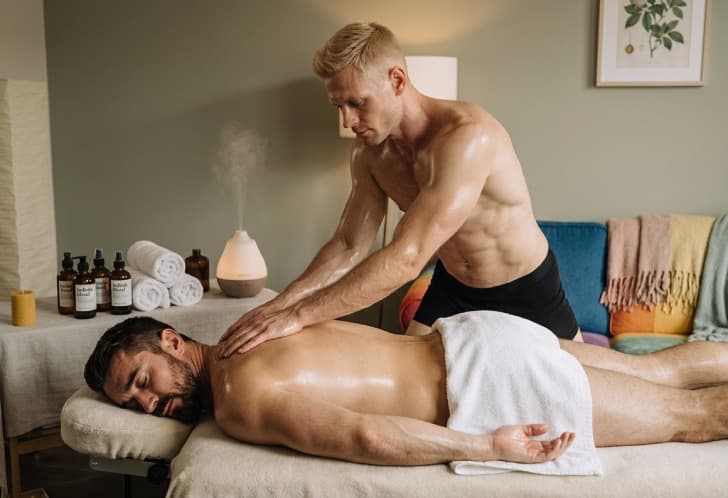
Oxidative Stability and Skin Health
Oils go rancid when they are exposed to light, heat, and oxygen over a long period. This process of oxidation creates free radicals that can actually damage your skin instead of helping it. You should always check the smell of your oil to ensure it hasn't turned sour or metallic. Fresh oil contains the full potency of its vitamins and antioxidants to protect your cells. Using old oil results in a sticky feeling and a lingering, unpleasant odor on your skin.
Vitamin E is often added to massage blends to act as a natural preservative and an antioxidant. It helps to stabilize the other oils and prevents them from breaking down in the bottle. You receive the benefits of this vitamin as it helps to neutralize free radicals on your skin's surface. Such protection is vital if you spend a lot of time in the sun or in polluted urban areas. The oil serves as a shield that keeps your skin looking young and healthy.
Storage conditions play a massive role in how long your massage oil remains effective and safe. Dark glass bottles are better than clear plastic because they block out the harmful ultraviolet rays. You should keep your lubricants in a cool, dry place away from the steam of the bathroom. Heat speeds up the chemical reactions that lead to spoilage and loss of nutritional value. You ensure the quality of your treatments by respecting the shelf life of your ingredients.
Purchase smaller bottles of oil to ensure you use the product before it starts to oxidize. Freshness is more important than the savings you get from buying in bulk.
Add a few drops of rosemary antioxidant to your blends to extend their life naturally. This extract is much more effective than synthetic preservatives and smells wonderful as well.
Wipe the neck of the bottle after every use to prevent the oil from gumming up. Dried oil around the cap will go rancid faster and contaminate the rest of the bottle.
Look for oils that are high in saturated fats if you need a long shelf life. Coconut and jojoba oils stay stable for years because they do not have the double bonds that attract oxygen.
Comedogenic Ratings and Pore Blockage
Pores on your back and shoulders can become blocked if you use the wrong type of oil for your skin. The comedogenic scale ranks oils from zero to five based on how likely they are to cause a breakout. You should look for a rating of zero or one if you have skin that is prone to acne. High-rated oils like wheat germ or coconut might cause issues for people with larger pores. Choosing the right rating ensures that your massage doesn't result in a trip to the dermatologist.
Jojoba oil is technically a liquid wax that closely resembles the sebum produced by your own skin. It often tricks the skin into thinking it has enough oil, which can actually reduce the production of grease. You find that jojoba is one of the safest choices for a wide variety of skin types and conditions. Such oil rarely causes any irritation or blockages even after a long and heavy session. Your skin feels balanced and clean rather than oily or suffocated.
Sweat and dead skin cells get trapped under a layer of heavy oil during a vigorous massage. You must ensure that the skin is properly cleansed after the session to prevent any inflammation. A warm towel is usually enough to remove the excess oil and open up the pores again. You will notice that your skin feels much fresher if you take the time to wipe away the residue. The oil does its job during the rub, but it shouldn't stay there forever.
Select hemp seed oil for its zero-comedogenic rating and its ability to soothe redness. This oil is perfect for athletes who sweat a lot and don't want to deal with clogged pores.
Avoid using thick body butters on the face or the upper back where breakouts are common. Save the heavy stuff for the feet and the shins where the skin is much less reactive.
Clean the skin with a gentle toner or a damp cloth immediately after the massage ends. You remove the old oil along with the dirt and debris that was loosened during the session.
Check your skin the next day to see how it reacted to a new type of lubricant. Everyone is different, and your body will tell you very quickly if an oil is a good match.

Lymphatic Transport and Fluid Mobility
The lymphatic system relies on external pressure and movement to keep the fluid flowing through your body. Oil allows for the specific, rhythmic strokes that are necessary to move this liquid toward the lymph nodes. You notice a reduction in swelling and puffiness after a session that focuses on these pathways. The lubricant ensures that the skin doesn't stretch or tear as the therapist moves the fluid. This process helps to clear out the metabolic waste that builds up in your tissues.
Circulation improves as the hands glide over the veins and arteries with the help of a good oil. You feel a sense of lightness and energy as the blood moves more freely through your limbs. The warmth from the oil and the friction helps to dilate the vessels and lower your blood pressure. Such physical response is a natural result of the body being treated with care and attention. You find that your recovery time after a hard workout is much shorter when you use oil.
Detoxification is a popular term, but the real work happens in the liver and the kidneys after a massage. The oil facilitates the movement of toxins from the interstitial spaces into the circulatory system. You should drink plenty of water after a session to help your body flush out these waste products. The oil is simply the medium that makes this internal cleaning process more efficient and effective. Your body feels rejuvenated because the internal traffic is moving smoothly once again.
Use very light pressure and long strokes to encourage the flow of lymph toward the heart. You will see the best results by following the natural pathways of the circulatory system.
Apply a blend with cypress or juniper berries to further support the drainage of fluids. These botanical extracts are known for their ability to help reduce water retention in the legs.
Elevate the limbs slightly while you work on them to use gravity to your advantage. Gravity helps the fluid move along the path you are creating with your hands and the oil.
Avoid deep pressure in areas with swollen lymph nodes to prevent any pain or damage. You must be gentle with these sensitive parts of the body to ensure a safe and healthy outcome.

Mineral Oil vs. Botanical Triglycerides
Mineral oil is a byproduct of petroleum that has been used in massage for over a hundred years. It is completely odorless, colorless, and very unlikely to cause an allergic reaction in most people. You find that it stays on the surface of the skin and provides a very high level of glide for a low price. However, it does not supply any vitamins or nutrients to the skin like plant-based oils do. Such oil is a mechanical solution rather than a nutritional one for your body.
Botanical oils are made from seeds, nuts, and fruits that are packed with life-giving compounds. You receive a dose of vitamin A, C, and E along with various minerals and fatty acids. These oils are biodegradable and much better for the environment than petroleum products. You will notice that plant oils feel "alive" on your skin and interact with your biology in a deeper way. The choice between the two depends on whether you want a simple lubricant or a skin treatment.
Triglycerides in plant oils are broken down by the enzymes on your skin as you move and breathe. This means the oil changes its character during the session, often becoming more absorbed as time goes on. Mineral oil remains exactly the same from the first minute to the last, which some therapists prefer for consistency. You should experiment with both to see which one your skin prefers for a long-term habit. Your body has its own preference for the source of its lubrication.
Read the ingredient list to ensure your "natural" oil isn't just mineral oil with a scent. Many cheap brands use petroleum as a base because it reduces the cost of production significantly.
Select sweet almond oil for a classic botanical experience that works for almost everyone. It has a beautiful, light scent and a medium weight that is perfect for a full-body rub.
Use mineral oil if you are working with a client who has severe nut allergies. You eliminate the risk of a dangerous reaction by using a substance that has no biological origin.
Mix a small amount of expensive argan oil into a cheaper base to get the benefits without the cost. A little bit goes a long way when it comes to the high-potency nutrients found in luxury oils.
Elasticity and Connective Tissue Hydration
Connective tissue, also known as fascia, requires a lot of hydration to stay flexible and strong. Oil helps to lock in moisture and provides the fats that keep these tissues from becoming brittle. You will find that you are much less prone to injury when your fascia is supple and well-maintained. The oil acts as a deep conditioner for the internal structures that hold your body together. This leads to a more graceful way of moving and a better posture overall.
Ageing often results in the loss of elasticity in the skin and the underlying muscle layers. Regular massage with the right oils can slow down this process by stimulating collagen production. You notice that your skin looks firmer and more resilient after a few months of consistent treatment. Such effect is due to the combination of physical stimulation and the delivery of fatty acids. Your body responds to the care by staying more youthful and mobile for longer.
Stretch marks and scars can also benefit from the regular application of high-quality massage oils. The oil helps to soften the scar tissue and makes it more pliable over time with steady pressure. You will find that the appearance of these marks fades as the skin becomes more hydrated and healthy. Consistent work is the key to seeing any real change in the texture of damaged skin. The oil provides the necessary environment for the body to repair itself slowly.

Apply oils high in vitamin A, like rosehip or carrot seed, to areas with stretch marks. This vitamin is a natural form of retinol that helps to speed up cell turnover and repair.
Massage the abdominal area gently to help with digestive issues and skin tightness. You improve the blood flow to the internal organs while keeping the skin of the belly soft.
Focus on the joints where the skin is constantly stretching and folding during movement. Extra oil in these areas prevents the skin from becoming dry and prone to cracking or irritation.
Use a firm, circular motion when working on scar tissue to help break up the fibers. The oil ensures that you don't irritate the surface while you work on the deeper layers of the scar.
Allergic Histamine Responses and Safety
Allergies are a real concern when you use oils derived from nuts, seeds, or flowers. You should always perform a patch test on a small area of skin before you do a full-body massage. A histamine response can cause redness, itching, or even hives in people who are sensitive to certain plants. You must be especially careful with nut oils like peanut, walnut, or even almond if you have a history of reactions. Safety is more paramount than any potential benefit from a particular oil blend.
Fragrances and essential oils are the most common cause of skin irritation in the massage world. You might love the smell of cinnamon or clove, but these "hot" oils can cause a burning sensation on the skin. You should always use a very low concentration of these powerful extracts to avoid any problems. If you notice a rash developing, you should wash the area immediately with cold water and a gentle soap. Your skin will tell you very quickly if it doesn't like a particular chemical compound.
Cross-contamination is another risk if you use the same bottles and tools for different types of oil. You must keep your equipment clean and clearly labeled to avoid any accidental exposure to allergens. Professional therapists usually have a dedicated set of oils for clients with sensitive skin or known allergies. You should always inform your therapist about any sensitivities you have before the session begins. A little bit of communication prevents a lot of discomfort and potential danger later on.
Apply a drop of oil to the inside of your wrist and wait twenty minutes for a reaction. You will know for sure if the oil is safe for your body before you commit to a full session.
Stick to hypoallergenic oils like rice bran or fractionated coconut if you have very reactive skin. These oils are processed to remove the proteins that usually cause an allergic response.
Keep a bottle of plain, unscented oil on hand to dilute any essential oils that feel too strong. You can quickly lower the concentration and stop the irritation by adding more base oil to the skin.
Read the labels of premixed blends carefully to find any hidden ingredients or preservatives. Some companies add synthetic dyes or perfumes that are not necessary for a good massage.
Stress Modulation and Cortisol Levels
Cortisol is the hormone that your body produces when you are under pressure or in a state of fear. High levels of this chemical can lead to weight gain, sleep issues, and a weakened immune system. You find that a massage with the right oil can drop your cortisol levels by as much as thirty percent in a single hour. The physical touch combined with the soothing properties of the oil tells your brain to stop the stress response. This leads to a profound sense of peace and a better outlook on your daily life.
Serotonin and dopamine are the "feel-good" chemicals that your brain releases during a pleasant experience. You notice an increase in these hormones when you receive a massage that feels safe and comfortable. The oil makes the touch more enjoyable and reduces any pain that might trigger a negative response. You walk away from the table feeling a "massage high" that can last for several days. This biochemical shift is a powerful result of the interaction between the oil and your nervous system.
Relaxation is not just a mental state but a physical reality that involves every cell in your body. You should view your massage time as a necessary investment in your long-term health and well-being. The oil is the key that unlocks the door to this deep state of rest and recovery. You find that you are more resilient and more capable of handling the difficulties of life when you take this time for yourself. Every drop of oil contributes to a more balanced and happy version of you.
Schedule your massage for the late afternoon to help you transition from work to rest. You will find it much easier to let go of the day's stress and prepare for a good night's sleep.
Combine your favorite scent with a warm bath after the massage to keep the relaxation going. The warm water helps the oil stay on the skin and keeps the scent in the air for longer.
Focus on your breath and try to clear your mind as the oil is applied to your body. You maximize the mental benefits of the treatment by staying present in the moment.
Keep a small bottle of your massage oil at your desk to smell during a stressful workday. The scent will trigger the relaxation response you felt during your session and help you stay calm.

Dermal Conductivity and Nerve Signaling
Nerves in your skin are constantly sending signals to your brain about temperature, pressure, and pain. Oil changes the way these signals are transmitted by altering the conductivity of the skin's surface. You find that certain oils can actually dull the sensation of pain by coating the nerve endings. This allows the therapist to work on deep injuries without causing an overwhelming amount of distress. The oil acts as a filter that makes the physical input more manageable for your mind.
Electrolytes found in some natural oils can help with the electrical signaling between your cells. You notice that your muscles feel more responsive and less fatigued when these minerals are present. The oil delivers these elements directly to the area where they are needed most during the rub. Such chemical interaction helps to restore the balance of ions in your muscle tissue. Your body feels more "connected" and unified after a session that uses a mineral-rich lubricant.
Reflexology and acupressure rely on the stimulation of specific points on the body to influence distant organs. Oil allows the therapist to slide from one point to another without losing the energetic connection. You find that the flow of the session is much better when the hands move like a continuous circuit. The lubricant is the conductor that allows this subtle energy to move through your body. You walk away feeling a sense of harmony that is hard to achieve through other methods.
Use magnesium oil on your legs if you suffer from frequent muscle cramps or restless legs. This mineral is absorbed through the skin and helps to relax the muscles almost immediately.
Apply a light pressure to the soles of the feet using a thick, grounding oil like sesame. The feet have thousands of nerve endings that respond very well to a firm and steady touch.
Focus on the spine where the main nerve pathways of the body are located. A slow application of oil along the back can calm the entire nervous system in a matter of minutes.
Notice how different oils change the way you feel the pressure of the hands on your skin. You will find that some oils make the touch feel "sharper" while others make it feel "softer" and more diffused.
Evaporation Rates and Session Continuity
Water-based lotions evaporate very quickly, which can leave the skin feeling cold and tacky during a massage. Oil stays liquid for much longer, ensuring that the therapist never has to stop to get more product. You will notice that the flow of the massage is much better when there are fewer interruptions. This continuity is necessary for a deep state of relaxation and a sense of being well-cared for. The oil allows the session to feel like one long, unbroken movement from start to finish.
Different climates and humidity levels affect how fast a lubricant will disappear from your skin. You should choose a heavier oil if you live in a dry, desert environment where moisture is lost quickly. In a humid place, a lighter oil will stay on the skin for a long time without feeling heavy or sticky. You find that your choice of oil must adapt to the world around you to be effective. Every environment requires a particular approach to the science of lubrication.
Reapplication of oil can be a distracting moment that breaks the trance-like state of a good massage. You want a product that has enough "staying power" to last for at least twenty minutes of continuous work. Some synthetic blends are designed specifically to have a very slow evaporation rate for long clinical sessions. You should look for these professional-grade products if you are doing a lot of work on yourself at home. The right oil makes the job much easier and more effective for everyone involved.
Test the evaporation rate of your oil by putting a drop on the back of your hand and waiting. You will see how long it takes to disappear and how it feels as it dries on your skin.
Mix a small amount of lanolin or glycerin into your oil to slow down the drying process. These ingredients are very effective at holding onto moisture and keeping the oil slick.
Use a warming bowl to keep the oil at a steady temperature, which also helps with the flow. Warm oil spreads more easily and covers a larger area with less product.
Store your oil in a bottle with a pump to make reapplication as quiet and fast as possible. You avoid the clinking of glass or the sound of a cap being unscrewed during a quiet moment.
pH Levels and Acid Mantle Protection
Your skin has a natural layer of acidity called the acid mantle that protects you from bacteria and viruses. Many soaps and lotions are too alkaline and can strip away this defensive barrier, leaving you vulnerable. High-quality massage oils usually have a pH level that is very close to that of human skin. You find that your skin feels more balanced and less irritated when you use a pH-neutral lubricant. Such care ensures that your skin remains a strong and effective shield for your internal health.
Botanical oils help to restore the acid mantle after it has been damaged by harsh chemicals or environmental stress. You notice that redness and dry patches disappear when the pH of your skin returns to its natural state. The oil provides the fats that the skin needs to rebuild its defensive layer. This process is necessary for people with conditions like eczema or psoriasis where the barrier is compromised. You are doing more than just relaxing your muscles; you are healing your outer shell.
Microbiome health is a new and exciting field that looks at the beneficial bacteria living on your skin. Harsh chemicals can kill these "good" bugs, but natural oils usually support their growth and diversity. You find that your skin is more resilient and less prone to infections when your microbiome is healthy. The oil serves as a food source for some of these helpful microbes, which in turn protect you from harm. Every massage is a chance to support the invisible ecosystem that lives on your body.
Choose oils that are organic and free from synthetic fragrances to protect your skin's pH. Natural ingredients are much less likely to cause a shift in the acidity of your dermal layers.
Apply a gentle apple cider vinegar rinse before your massage if you suspect your skin is too alkaline. This helps to reset the pH and prepares the skin to receive the benefits of the oil.
Look for "cold-pressed" and "unrefined" on the label to get the most natural version of the oil. These products retain their biological activity and are much better for your acid mantle.
Notice how your skin feels a few hours after the oil has been washed away. Healthy skin should feel soft and neutral, not tight, itchy, or overly greasy to the touch.
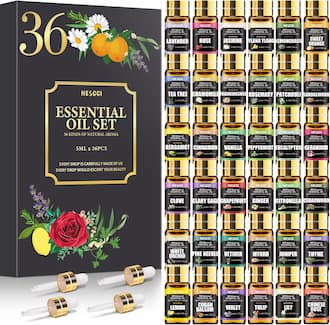
Essential Oils Set - Chosen For You
We earn a commission if you click this link and make a purchase at no additional cost to you.
Do Massage Oils Really Make a Difference?
The question of whether massage oils make a difference has a very clear and scientific answer. These fluids are far more than just a way to make the hands slide across the back without friction. You have seen how they penetrate the skin, deliver vital nutrients, and even change the chemistry of your brain.
Every choice you make regarding the type, the scent, and the quality of the oil has a direct impact on your physical and mental health. A good oil turns a simple rub into a therapeutic treatment that addresses your body on a cellular level. You deserve to use the best possible ingredients when you take the time to care for yourself. The world of massage oils is rich with variety and potential for those who are willing to look beyond the surface.
Stay curious about the science of touch and the power of the natural world to heal and restore your spirit. Your body will thank you for the extra attention and the high-quality care you supply. Use these insights to transform your next session into a truly life-changing experience for your skin and your soul.