

Medical science advanced a lot recently regarding HIV prevention strategies for people across the globe. You probably heard the term PrEP tossed around in conversations or on medical posters lately. It refers to pre-exposure prophylaxis, which stays a mouthful to say in casual settings.
Most people just stick to the four-letter acronym because it feels less clinical during a Friday night out. You find yourself looking at a pill or an injection that keeps HIV from taking hold in your system. Science fiction writers failed to predict how simple a habit makes staying healthy.
Every person deserves a clear explanation of how medicine works inside their veins. No one should feel confused by jargon when their health sits on the line. You want facts without the fluff of a pharmaceutical brochure. Let's look at the mechanics of this medication and why it changed the way people live.
How Medicine Blocks Viral Replication
Proteins within the virus need to link up with your DNA to cause a permanent infection. You introduce a decoy into your bloodstream when you swallow that small pill every morning. Your body absorbs the active ingredients and distributes them to the areas where exposure usually occurs. Viral enzymes mistake the drug molecules for the building blocks they need to build new versions of themselves. Your cellular integrity remains intact because the virus finds itself unable to complete its life cycle.

Such a process relies on a steady presence of the medication within your various tissues. You need a consistent level of the drug to ensure no gaps in your shield exist during an encounter. Researchers found that consistency allows the chemical concentrations to reach a point of maximum effectiveness. Cells in the rectum or vagina absorb these compounds at different rates depending on your biological makeup. You will find that regular doses keep the protective wall strong enough to repel accidental intruders.
Infection requires a series of successful chemical reactions that the medicine effectively sabotages at the start. You prevent the virus from ever gaining a foothold in your immune system through this clever biochemical trick. Doctors describe the method as pre-exposure because the defense exists before any risk actually appears. You essentially prep your body to fight off a threat before that threat even knocks on the door. Every dose builds upon the last one to maintain a high level of security throughout your week.
- Keep your prescription filled to ensure you never miss a day of protection. You will maintain a steady state of the drug in your system if you take it at the same time daily.
- Set an alarm on your phone to remind you to take the medication without delay. You find that routines help you stay consistent even when your life gets busy or hectic.
- Store your bottle in a visible place like near your toothbrush or coffee maker. You are less likely to forget a dose when the physical reminder sits right in front of your face.
- Talk to a pharmacist about how to handle a missed dose as soon as you realize it happened. You will learn that catching up quickly keeps your protection levels from dropping too low for safety.
Choosing Between Daily Pills and Long Acting Injections
Pills represent the most common way to take this medication currently. You choose between two main brands that both contain tenofovir, which is a powerful antiviral agent. One version uses an older formula that works for everyone regardless of their anatomy. Another version uses a newer formula that is easier on the kidneys but only studied for certain groups. You will need to discuss with a doctor which pill fits your medical profile best.
Injectable options appeared on the market recently for those who hate swallowing pills. You receive a shot in your glute muscle every two months from a healthcare professional. Such a method removes the need to remember a daily habit entirely. Your body stores the medication in the muscle tissue and slowly releases it into your blood. Most people enjoy the freedom of not carrying a pill bottle around while they travel.
Preferences vary based on your daily schedule and your comfort with needles. You might find a daily pill easier if you already take other medications or vitamins. Some individuals prefer the injection because it offers a layer of privacy that a pill bottle lacks. Doctors will check your medical history to see if your body tolerates one method over the other. You have the freedom to switch between these options if your lifestyle requirements change later on.
Schedule your injection appointments in advance to avoid any gaps in coverage. You need to arrive at the clinic on time to keep the drug levels at their peak in your body.
Ask your doctor about the differences between the two main pill brands available. You will find that some formulations are better for bone density than others over a long period.
Carry a small pill case if you choose the daily oral route for your medication. You are able to keep your doses discreet while you are away from home for the night.
Maintain a calendar of your medical visits to ensure you receive your shots regularly. You will stay protected as long as you follow the timeline set by your healthcare provider.

Screening and Initial Testing Requirements
Testing for HIV remains the first mandatory step before you start any prevention program. You must confirm a negative status because taking these drugs while positive leads to medication resistance. Doctors perform a blood draw to check for the virus and other markers of health. Such a test ensures that the medicine will work as intended without causing complications. You will repeat this test every few months to stay on the program safely.
Kidney function also gets a thorough look before you receive your first prescription. Your organs process these medications, so they need to be in good working order. A simple blood test measures your creatinine levels to see how well your kidneys filter waste. Doctors use this data to decide if the older or newer pill formula is safer for you. You will feel better knowing your whole body is being watched carefully by experts.
Screening for other sexually transmitted infections usually happens during the same appointment. You get a full picture of your sexual health which helps you make informed decisions. Many clinics offer these tests for free or at a reduced cost to encourage regular checkups. Such a routine creates a habit of wellness that goes beyond just HIV prevention. You are taking charge of your biology in a proactive and responsible way.
Visit a clinic for a full blood panel before you take your first dose. You will confirm your status and ensure your organs are ready for the medication.
Wait for the official lab results instead of relying on a home test kit. You need the accuracy of a clinical laboratory to verify that you are truly negative for the virus.
Discuss any past medical issues with your provider during the initial screening process. You will give the doctor the information they need to select the right dosage for your needs.
Ask for a copy of your lab results to keep for your own personal records. You are able to track your health trends over time and see how your body responds to the meds.

Potential Side Effects and Physical Adjustment
Starting a new medication often causes a brief period of adjustment for your digestive system. You might feel a bit of nausea or a headache during the first week of use. Doctors call this the start - up syndrome because it usually fades away as your body adapts. Most people find these symptoms mild enough to ignore after a few days. You will likely feel completely back to normal after your system gets used to the new chemicals.
Long - term effects are rare but require regular monitoring by a healthcare team. You might experience a small decrease in bone mineral density over several years of use. Some individuals see changes in their kidney markers on lab reports after many months. Such changes are usually reversible if you stop the medication or switch to a different type. Your doctor will watch these numbers like a hawk to keep you out of harm's way.
Weight changes are another topic that comes up in discussions about the newer pill formula. You might notice a slight increase in your body mass index after starting the treatment. Researchers are still looking into why this happens to some people and not others. You will want to maintain a healthy diet and exercise routine to offset any potential shifts. Most users feel the trade - off is worth the protection they receive from the medication.
Take your pill with food to reduce the chance of an upset stomach. You will find that a full belly helps your body absorb the medicine more comfortably.
Drink plenty of water throughout the day to support your kidney function. You stay hydrated while the drug moves through your system and out through your waste.
Keep track of any unusual symptoms you notice during the first month of use. You will be able to tell your doctor exactly how you feel during your follow - up visit.
Allow your body time to rest if you feel fatigued after your first few doses. You are giving your cells a chance to adjust to the presence of the antiviral compounds.
The Logistics of Cost and Insurance Coverage
Affording modern medicine often feels like a full - time job for many people. You will be happy to know that most insurance plans cover the cost of prevention drugs. Laws in many regions require insurers to provide these services without a copay for the patient. Such a policy makes it easier for everyone to access the care they need to stay safe. You should check with your provider to see how your specific plan handles these claims.
Patient assistance programs exist for those who do not have traditional health insurance. You can apply for help directly through the pharmaceutical companies that manufacture the drugs. Many state and local governments also offer grants to cover the cost of pills and clinic visits. Such programs ensure that financial status never becomes a barrier to staying healthy. You will find that many resources are available if you know where to look.
Pharmacy benefits often include mail - order options that deliver the medicine to your door. You save time by not having to visit a physical store every month for a refill. Some services even include the necessary lab tests as part of a bundle package. Such a streamlined system keeps your routine simple and stress - free. You are able to focus on your life while the logistics of healthcare happen in the background.
Call your insurance company to verify that your prescription is covered at no cost. You will avoid surprise bills by knowing your benefits before you head to the pharmacy.
Search for manufacturer coupons online to help cover any remaining out - of - pocket expenses. You find that these cards can significantly lower the price of your monthly supply.
Inquire about state - funded programs if you are currently without health insurance coverage. You will find that many locations have funds set aside to help you get the medicine for free.
Look for clinics that specialize in sexual health for the most affordable testing options. You are able to get your labs done in a place that understands the paperwork for prevention drugs.

Interactions with Other Medications and Substances
Mixing different drugs requires caution to ensure that everything works correctly in your body. You should tell your doctor about any vitamins or supplements you take on a regular basis. Most common medications do not interfere with the effectiveness of HIV prevention pills. Such a high level of compatibility makes it easy for people with various health needs to use it. You will find that your daily routine remains largely unchanged.
Hormone therapy is a concern for many individuals in the transgender group. You will be relieved to know that there are no known negative interactions between these medications and hormones. Studies show that the prevention drugs do not lower the levels of estrogen or testosterone in your blood. Such information is vital for people who want to maintain their transition goals while staying safe. You can move forward with confidence in your medical plan.
Alcohol and recreational substances are another common topic of concern for new users. You do not need to change your social habits just because you started a prevention regimen. No evidence suggests that occasional drinking makes the medication less effective at blocking the virus. Such a fact allows you to enjoy your life without feeling restricted by your healthcare choices. You should always aim for moderation to keep your overall health in check.
List all your current medications for your doctor before you start your first prescription. You will ensure that no secret interactions cause problems with your treatment plan.
Ask your pharmacist if your new pills are safe to take with over - the - counter pain relievers. You find that most common drugs like ibuprofen are perfectly fine to use.
Continue your hormone replacement therapy as prescribed while you are on the prevention drug. You will stay on track with your transition while adding a layer of viral protection.
Maintain an honest dialogue with your healthcare provider about your substance use. You receive the best advice when your doctor has a full picture of your daily habits.

"Mary, it's my husband... No, he's not dead. I just found a whole stash of Viagra in his drawers! All these years I thought he was enjoying the working men's club... He's having an affair with another woman! No, the pills are not diamond shape, Mary. It says P.R.E... P. I don't know who the hell she is. He's just gone out with his new friends Troy and Carlo. I should have asked them if they knew something!"
Starting and Stopping the Prevention Routine
Starting the medication requires a lead time before you reach full protection levels. You need about seven days of daily pills for the drug to saturate rectal tissues. Vaginal tissues take longer, often requiring about 21 days of consistent doses. Such a timeline is necessary to ensure the chemical shield is thick enough to work. You should use other methods of protection until you reach that window of safety.
Stopping the medication is also a process that requires some thought and planning. You should talk to your doctor before you decide to quit the daily routine. Most experts recommend taking the pills for a few days after your last potential exposure. Such a buffer ensures that any lingering viral particles are dealt with before the drug leaves your system. You can always restart the program later if your risk factors change again.
On - demand dosing is an alternative method for some individuals who have sex less frequently. You take a double dose before sex and then follow up with pills for two days after. Such a schedule is only studied and recommended for certain populations using specific pill types. You should only try this method if your doctor explicitly says it is safe for you. Most people find the daily habit easier to manage than calculating doses on the fly.
- Wait the full recommended time before you rely solely on the medicine for protection. You will stay safe by giving the drug enough time to build up in your body.
- Discuss your lifestyle changes with your doctor if you feel you no longer need the medication. You will get a professional opinion on how to transition off the drug safely.
- Follow the "2 - 1 - 1" schedule exactly if you and your doctor choose the on - demand method. You need to be precise with the timing to ensure the chemicals are present when needed.
- Keep a few extra pills in your bag in case you stay away from home longer than expected. You are prepared for any situation and won't have to miss a dose of your medicine.
Effectiveness Rates and Reality Checks
Data shows that the medication is incredibly effective when taken exactly as directed. You reduce your risk of getting HIV through sex by about 99 percent. Such a high number makes it one of the most reliable forms of prevention in medical history. Most infections that happen while on the drug are due to missed doses or late injections. You hold a lot of power over your health just by staying consistent with your routine.
Risk never drops to zero in any medical scenario, but this gets very close. You might still be at risk for other infections that the medicine does not cover. Syphilis, gonorrhea, and chlamydia are still things you need to watch out for during your checkups. Such a reality means that many people still choose to use barriers like condoms for extra safety. You get to decide what level of risk feels acceptable in your personal life.

Resistance to the medication only occurs if you take it while you already have the virus. You must be diligent about your testing schedule to prevent this from happening. If a person stays negative, the virus has no chance to learn how to beat the drug. Such a biological fact is why the three - month checkup is so mandatory for everyone. You are protecting the effectiveness of the medicine for yourself and the rest of the world.
Trust the statistics but remain aware that consistency is the key to your safety. You will have peace of mind knowing that the numbers are heavily in your favor.
Combine the medication with other prevention methods if you want the highest level of security. You are able to layer your defenses to fit your comfort level and your partner's needs.
Attend every follow - up appointment to verify that the medicine is still working for you. You will catch any potential issues early and keep your protection status active.
Educate your partners about how the medicine works to reduce stigma and confusion. You find that sharing facts helps everyone feel more comfortable and informed about sexual health.
The Mental Impact and Peace of Mind
Anxiety often surrounds sexual health for people in high - risk groups or those with multiple partners. You might find that taking a prevention drug lowers your stress levels significantly. Knowing that a biological barrier exists allows you to focus on the connection rather than the fear. Such a shift in mindset improves your overall quality of life and your mental well - being. You are able to enjoy your experiences without a cloud of worry hanging over your head.
Empowerment comes from taking an active role in your own healthcare decisions. You are no longer relying solely on a partner to keep you safe during an encounter. Such a sense of agency is life - changing for many individuals who felt vulnerable in the past. You have a secret weapon that stays in your system regardless of what happens in the heat of the moment. Every pill you swallow is an investment in your future and your personal freedom.
Communication with partners becomes easier when you are confident in your health status. You can have open discussions about safety without feeling like you are accusing anyone of anything. Such a transparent way of living builds trust and honesty in your relationships. Many people find that their sex lives improve because they feel more relaxed and secure. You are creating a space where health and pleasure coexist without conflict or fear.
Notice how your stress levels change after you establish a solid prevention routine. You will likely feel a sense of relief once the medicine becomes a normal part of your life.
Take pride in the fact that you are looking out for your own health and safety. You are making a responsible choice that has a positive impact on your entire life.
Talk to a counselor if you still feel anxious about your health despite taking the medication. You might need a little extra support to move past old fears and embrace your new status.
Share your positive experiences with friends who might be considering the medication themselves. You will help others feel less alone in their quest for a healthier and safer lifestyle.

Long Term Health and Future Innovations
Researchers continue to look for ways to make prevention even more convenient for everyone. You might see new options like implants that last for a year appearing on the market soon. Such a device would work similarly to birth control implants that sit under the skin of the arm. Scientists are also working on a vaccine that would provide permanent protection without a daily pill. You are living in a time of rapid advancement that promises a future free of HIV.
Generic versions of the pills made the medication much more affordable in recent years. You can now find the same active ingredients for a fraction of the original price. Such a change allowed global health organizations to distribute the drug to millions of more people. You will find that the stigma of the "expensive drug" is fading away as it becomes more common. Every year, the barriers to accessing this life - saving technology continue to crumble.
Studies on the long - term effects of these drugs now span more than a decade of data. You can feel confident that doctors know what to expect after years of continuous use. No evidence suggests that taking these pills for a long time leads to major health crises for most people. Such a track record is reassuring for anyone who plans to stay on the program for the foreseeable future. You are part of a global movement that is effectively changing the course of history.
Stay informed about new medical trials and upcoming prevention technologies in the news. You will be the first to know when a more convenient option becomes available for you.
Support organizations that work to make these medications accessible in developing nations. You are helping to end the epidemic on a global scale by advocating for equal access.
Maintain your routine checkups even if you have been on the medication for many years. You will ensure that your body continues to handle the drug well as you get older.
Ask your doctor about any new research that might affect your specific health profile. You find that keeping an open dialogue with your provider keeps your care plan up to date.

Common Myths and Misconceptions
People often confuse this prevention medication with emergency treatments that you take after exposure. You should know that this is a proactive measure, not a reactive one for one-time mistakes. Emergency PEP is a different regimen that you must start within 72 hours of a potential risk. Such a distinction is vital for ensuring you get the right help at the right time. You are building a permanent defense rather than calling for a temporary rescue.
Another myth suggests that only certain types of people need to be on this medication. You will find that anyone who is sexually active can benefit from the added layer of security. Risk is not a fixed trait but a changing set of circumstances based on your life choices. Such a modern view of health encourages everyone to take responsibility for their own safety. You do not have to fit a specific stereotype to ask your doctor for a prescription.
Some worry that taking the pill will make them "slacking" on other forms of safety. You will find that most users actually become more aware of their health after starting the program. Regular doctor visits and testing keep your sexual health at the front of your mind. Such an increased focus often leads to better overall choices and more frequent screenings for other issues. You are becoming a more informed and careful version of yourself through this process.
- Clarify the difference between PrEP and PEP with your friends and sexual partners. You will ensure that everyone knows which medication to seek in different types of situations.
- Ignore the social stigma that sometimes surrounds people who choose to use prevention drugs. You are making a smart decision for your health that should be respected by everyone.
- Look for credible sources of information like the CDC or major health departments online. You will find the most accurate facts to counter any myths you hear in your social circles.
- Remind yourself that your health choices are personal and do not define your character. You are using modern science to live your life on your own terms and in your own way.
Navigating the Clinic Visit Experience
Talking to a doctor about your sex life can feel awkward or intimidating at first. You should remember that medical professionals have heard it all before and are there to help. Answering questions honestly ensures that you get the right dose and the right type of medication. Such a conversation is the gateway to a lifetime of better health and less worry. You will feel a sense of accomplishment after you walk out with your first prescription in hand.
Preparation is the key to having a successful and productive appointment with your provider. You should write down any questions you have about side effects or costs before you go. Many people bring a friend or a partner for support during their first few visits to the clinic. Such a strategy helps you feel more comfortable and ensures you don't forget any important details. You are taking a big step, and it is okay to ask for a little help along the way.

Following up after your first few weeks on the medication is a necessary part of the process. You will need to check in with your doctor to discuss how your body is reacting to the pills. Most clinics set up a schedule for blood work and consultations every three to six months. Such a routine ensures that your prescription remains active and your health remains at its peak. You are building a relationship with your medical team that will serve you well for years.
- Be honest about your sexual history so your doctor can assess your risk level accurately. You will receive the most appropriate care when your provider knows the truth about your life.
- Ask for a written summary of your visit and any instructions for your new medication. You find that having a physical reminder helps you stay on track during the first few weeks.
- Inquire about telehealth options if you have a busy schedule or live far from a clinic. You might be able to do some of your follow - up visits from the comfort of your own home.
- Find a doctor who makes you feel respected and heard during your medical consultations. You deserve to have a healthcare provider who understands your needs and supports your choices.
The Role of Partners and Support Systems
Sharing your prevention status with a partner can strengthen the bond between you both. You are showing that you value your health and the safety of the people you care about. Most partners will appreciate your transparency and your commitment to a responsible lifestyle. Such a discussion can lead to a more open and honest relationship regarding all aspects of health. You are leading by example and encouraging others to do the same for themselves.
Support groups exist for people who are navigating the world of HIV prevention for the first time. You can find online forums and local meetups where people share their stories and tips. Hearing from others who have been on the medication for years provides a lot of perspective and comfort. Such a network of peers makes the journey feel less lonely and more like a collective effort. You are part of a growing group of people who are taking control of their biological destiny.
Education is the best way to fight the fear and misinformation that still exists in some circles. You can be an advocate for science by sharing what you have learned with your social network. Helping a friend get on the medication could literally change the entire course of their life for the better. Such a ripple effect of knowledge is how we will eventually end the spread of the virus for good. You have the power to make a difference just by being open and informed about your choices.
- Discuss your prevention routine with your primary partner to ensure you are both on the same page. You will find that being open about your health leads to more trust and less conflict.
- Join an online community of users to stay updated on the latest news and personal tips. You get to learn from the experiences of others and share your own wisdom as you go.
- Volunteer for local health organizations that promote awareness and access to prevention drugs. You are contributing to a cause that helps thousands of people in your local area stay safe.
- Encourage your friends to get tested and learn about their own prevention options today. You are helping to create a culture of health and responsibility within your own social circle.
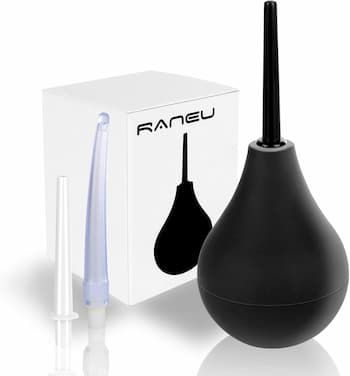
RANEU Enema Bulb Silicone Anal Douche Enema Kit
- Reusable, non-toxic, and odorless green device. It's a perfect douche.
- The douche kit includes three nozzles. These can be used with most lubricants for anal cleansing.
- To clean, separate the nozzle from the bulb. Rinse it with warm water or soap, then dry all components with a clean cloth.
We earn a commission if you click this link and make a purchase at no additional cost to you.
Tell Me All About PrEP
Taking charge of your health through modern medicine is one of the smartest moves you can make. You have learned how these drugs work to block the virus and why consistency is the most necessary part of the routine. The world changed a lot since the early days of the epidemic, and you are living in a time of incredible hope and safety.
Choosing to use these resources shows that you value your future and your peace of mind. Every pill or injection is a step toward a world where HIV no longer poses a threat to our lives. You should feel confident and proud of the choices you are making for your body and your partners.
Science gave us the tools to stay safe, and you are wise enough to use them effectively. Stay consistent, stay informed, and enjoy the freedom that comes with knowing you are protected.
Hey, I really appreciate this post. I've had some pretty intense experiences myself with some men for the past few years, so I'm eager to take prep regularly. Can you let me know where I can grab it without speaking to a doctor? Looking forward to reading your blog daily.
Hi Sam, thanks for your comment. Is there any reason that you don’t want to speak to your doctor about it? We’ve seen some fake versions and online scammers selling counterfeit or overcharging, you’d better be careful. We wish you all the best.
My ex was hiV+, as soon as prep came out in. the market he started to have affairs with other guys. For years I took care of it destroyed our relationship because of prep. Just saying.
Sorry to hear that Jonnie, I wouldn’t say because of PrEP, the problem was with him entirely. You know that, don’t you?
if prep hadn't existed things would have been different between us. I still can't help but feel prep played a part in our relationship's demise