

Waking up multiple times to use the bathroom ruins your sleep cycle. Most people blame their bladder or aging, yet the real culprit often hides in your lower legs. Gravity pulls fluid down into your calves during the day. Once you lie down, your body pushes that liquid back toward your heart and kidneys. Your kidneys then work overtime to produce urine while you attempt to rest. You feel exhausted every morning because your sleep is constantly interrupted.
Focusing on your calf muscles changes the way your body manages this fluid shift. Stronger calves act like a second heart to pump blood and water upward before you even hit the pillow. You will notice a shift in your sleep quality once you address the physical mechanics of fluid retention. Small adjustments to your daily movement routine lead to fewer bathroom trips. You deserve a full night of restorative rest without constant interruptions.
The Science of Fluid Redistribution and Nightly Urination
Your body maintains a delicate balance of water across various tissues throughout the day. Gravity creates a constant downward pressure on your circulatory system when you stand or sit. Liquid often settles in the spaces around your ankles and lower legs. Veins struggle to fight this pressure without consistent muscle activation. Your circulation depends on the movement of your limbs to return fluid to your core.
Horizontal positions allow the accumulated fluid to re-enter your bloodstream more easily. Your heart receives an influx of volume once your legs are level with your torso. Kidneys perceive this extra volume as a signal to start filtration immediately. High urine production follows as a direct result of this sudden fluid shift. You wake up with a full bladder because your system is finally processing the day's buildup.
Weak calf muscles fail to move fluid effectively before you go to bed. Proper movement patterns ensure the liquid returns to your upper body while you are still active. You want to trigger this filtration process during the evening hours rather than during deep sleep. Efficient venous return prevents the kidneys from working during your prime resting hours. Your sleep remains undisturbed when your legs are already clear of excess water.
Walking for ten minutes after dinner helps move pooled liquid back into circulation. Your movement activates the muscular pump required for upward fluid flow.
Elevation of your feet above your heart level for twenty minutes encourages drainage. Gravity assists the veins in transporting water away from the ankles.
Hydration should happen mostly in the early hours of your day. Large amounts of water late at night increase the load on your filtration system.
Low-impact movements like ankle circles prevent fluid from stagnating. Consistent motion keeps the pressure in your lower limbs manageable.
Compression socks worn during long periods of sitting reduce the initial buildup. Pressure from the fabric supports the vein walls against gravitational pull.

The Connection Between Nocturia and Calf Muscles
Leg muscles do more than just support movement. They help pump blood back up to the heart, preventing fluid from pooling in the lower body. Weakened calves slow down circulation, allowing excess fluid to settle in the legs. At night, this trapped fluid shifts and increases urine production, leading to frequent bathroom trips.
- Blood circulation slows when the calves weaken. Less muscle movement means blood struggles to return to the heart efficiently. Instead of being reabsorbed, excess fluid lingers in the lower legs.
- Leg swelling happens by the end of the day. Gravity pulls fluid downward, which explains why feet and ankles may look puffier at night. That same fluid shifts when lying down, increasing the urge to urinate.
- The body gets rid of excess fluid through urination. As soon as the body is horizontal, the fluid that was stuck in the legs re-enters circulation. The kidneys then work to eliminate it, leading to nighttime urination.
- Colder feet and hands signal poor circulation. When blood flow slows down, extremities receive less warmth. Cold hands and feet may be an early warning sign of circulation problems.
Simple Exercises That Help Reduce Nighttime Urination
Calf muscles need regular movement to stay strong. Strengthening them keeps circulation flowing, reducing the buildup of fluid in the legs. Making small changes throughout the day improves blood flow and limits unnecessary bathroom visits at night.
- Walking activates the calf muscles and boosts circulation. Taking short walks, even for ten minutes, gets the blood moving. A quick lap around the house or a stroll outside helps prevent fluid from settling in the legs.
- Calf raises strengthen the lower leg muscles. Standing on tiptoes, holding for a few seconds, and lowering back down works the calves. Doing this a few times during the day improves circulation and reduces swelling.
- Stretching keeps the calves flexible and prevents tightness. Tight muscles restrict blood flow, making it harder for fluid to move efficiently. Placing the ball of the foot on a step and gently pressing down stretches the calves effectively.
- Massaging the calves encourages better circulation. A quick self-massage in the evening relaxes the muscles and helps move fluid out of the legs. Using firm but gentle pressure improves blood flow and relieves tension.
Other Tricks to Keep Fluid From Building Up in the Legs
Exercise plays a big role in reducing nocturia, but a few other small changes help speed up progress. Preventing fluid from pooling in the legs during the day reduces the amount that needs to be eliminated at night.
- Cutting back on salty foods reduces water retention. High salt intake encourages the body to hold onto excess fluid. Swapping processed snacks for fresh, whole foods helps keep swelling under control.
- Elevating the legs before bed helps drain excess fluid. Propping feet up on pillows for 15 minutes before sleeping allows gravity to move fluid upward. Less fluid in the legs means fewer trips to the bathroom at night.
- Wearing compression socks prevents fluid buildup. These socks apply gentle pressure to the legs, keeping circulation steady. Putting them on in the morning stops fluid from settling in the lower legs throughout the day.
- Drinking fluids earlier in the day helps control nighttime urination. Staying hydrated is important, but drinking too much before bed leads to unnecessary bathroom trips. Spacing fluid intake evenly throughout the day prevents overloading the bladder at night.

Why a Stronger Calf Pump Means Better Sleep
Stronger leg muscles don’t just help with circulation—they improve overall sleep quality. A little movement during the day makes a big difference in reducing interruptions at night. Fewer bathroom trips allow for longer, more restful sleep.
- Uninterrupted sleep leads to more energy during the day. Fewer wake-ups mean deeper sleep cycles. Waking up feeling refreshed becomes the norm instead of an exception.
- Better circulation keeps the entire body functioning properly. Stronger calf muscles don’t just affect the legs—they improve blood flow everywhere. Good circulation supports heart health, brain function, and overall well-being.
- Less swelling means less discomfort when trying to sleep. Fluid buildup in the legs can cause aching and restlessness. Strengthening the calves prevents this, making it easier to relax at night.
- Stronger circulation reduces the risk of other health conditions. High blood pressure, diabetes, and heart problems often tie back to circulation issues. Keeping the calves active lowers the chances of these problems developing.
Make It a Habit: A Few Simple Daily Changes
Getting rid of nocturia doesn’t mean overhauling an entire lifestyle. A few small adjustments help keep circulation steady and limit fluid buildup in the legs. The more consistent these habits become, the fewer nighttime interruptions occur.
- Adding a short walk to the daily routine keeps the legs engaged. Taking the stairs instead of the elevator or walking during phone calls activates the calf muscles. Even brief movement throughout the day prevents fluid from settling.
- Stretching before bed reduces nighttime fluid shifts. A simple calf stretch before lying down keeps circulation steady. Muscles that stay loose and flexible allow for better blood flow.
- Using a foam roller on the calves relieves tension and boosts circulation. Rolling over tight spots helps break up stiffness and keeps blood moving. A quick session after sitting for long periods prevents sluggish circulation.
- Setting reminders to stand and move throughout the day makes a difference. Long hours of sitting allow fluid to collect in the legs. Standing up and walking for a minute every hour keeps things flowing properly.
Test Your Testosterone

We earn a commission if you click this link and make a purchase at no additional cost to you.
The Impact of Dietary Sodium on Leg Edema
Sodium acts as a magnet for water within your tissues. High salt intake forces your body to hold onto extra fluid to maintain correct concentrations. Much of this extra volume ends up in your lower extremities due to the pull of gravity. You will see swelling around your sock line when salt levels are too high. Reduction of processed foods limits the amount of water your legs store during the day.
Processed snacks often contain hidden salts that trigger immediate water retention. Your kidneys must work much harder to flush out the excess sodium and its associated water. Nighttime becomes the primary window for this filtration if your legs are full of salty fluid. You should monitor your evening meals to avoid heavy sodium loads. Simple dietary changes reduce the volume of urine your body produces overnight.
Salt sensitivity varies from person to person but always affects vascular pressure. Excessive sodium intake weakens the efficiency of your natural calf pump. Your veins find it harder to push thick, salt-heavy blood back up to the heart. You will experience less pressure in your legs by choosing fresh whole foods over canned options. Balanced electrolyte levels ensure your body handles fluid shifts without interrupting your rest.
Switching to potassium-rich snacks like bananas helps balance your salt levels. Potassium encourages the kidneys to release excess sodium through the skin and urine.
Reading labels on bread and sauces reveals hidden sodium sources. Many everyday items contain enough salt to cause noticeable leg swelling.
Flavoring your food with herbs instead of table salt reduces water weight. Fresh cilantro or parsley adds taste without forcing the body to retain liquid.
Cooking at home gives you total control over the mineral content of your meals. Restaurant dishes typically feature high salt levels to enhance flavor at the cost of your sleep.
Drinking extra water early in the day flushes out existing salt deposits. Proper hydration prevents the body from entering a defensive water-retention mode.
Magnesium and Potassium for Muscle Pumping Efficiency
Magnesium serves as the spark for every muscle contraction in your calves. Your legs require this mineral to fire the veins' surrounding muscles properly. Low levels of magnesium result in sluggish circulation and poor fluid return. You will find that your calf pump works with much less effort when your mineral stores are full. Muscle cramps at night often signal a lack of this vital nutrient.
Potassium works alongside magnesium to regulate the electrical signals in your heart and limbs. Your cells use potassium to pump out waste and pull in nutrients. Fluid balance remains stable only when potassium levels stay within a healthy range. You will notice that your legs feel lighter when you prioritize these minerals. Proper supplementation or food choices keep the venous valves functioning as they should.
Circulation is a mechanical process that relies on chemical triggers. Your body needs these minerals to maintain the tension in your blood vessel walls. Weak vessels allow fluid to leak into the surrounding tissues of your ankles. You will prevent this leakage by ensuring your diet supports vascular integrity. Healthy veins move fluid upward long before you lie down for the night.
Taking a magnesium glycinate supplement before bed relaxes your vascular system. Softened vessels allow for smoother blood flow and reduced pressure.
Adding spinach to your smoothies increases your daily potassium intake. Leafy greens provide a concentrated source of the minerals needed for muscle function.
Soaking in an Epsom salt bath allows magnesium to absorb through your skin. Warm water also encourages the blood vessels in your legs to dilate.
Eating avocados provides a healthy dose of both potassium and healthy fats. These nutrients support the overall health of your circulatory system.
Avoiding excessive caffeine prevents the depletion of your mineral reserves. Stimulants often force the kidneys to flush out magnesium before the body uses it.
The Relationship Between Sleep Apnea and Bladder Signals

Sleep apnea creates a physical stress response that affects your kidneys directly. Your heart struggles to pump against the pressure of a closed airway during an apnea event. The heart then releases a protein that tells the kidneys to produce more urine. You wake up with an urgent need to go because your heart thinks you are overloaded with fluid. Proper breathing is therefore a key component of bladder control.
Oxygen levels drop when your breathing stops momentarily during the night. Your body views this drop as an emergency and shifts into a high-alert state. Stress hormones released during these episodes stimulate the bladder muscles. You will find that treating snoring or breathing issues reduces the frequency of your nighttime trips. Silence in the bedroom often leads to a drier night for your bladder.
Fragmented sleep prevents your brain from reaching the deep stages of rest. Deep sleep is when your body naturally suppresses urine production through hormone regulation. You will produce more urine if you stay in the lighter stages of the sleep cycle. Addressing your breathing patterns allows the brain to signal the kidneys to slow down. You will finally achieve the deep, uninterrupted rest your body requires.
Sleeping on your side keeps your airway open and reduces heart strain. Gravity is less likely to pull your tongue back when you avoid lying on your back.
Using a humidifier in your bedroom prevents throat irritation and snoring. Moist air keeps the respiratory tissues flexible and less prone to collapse.
Nasal strips improve your intake of oxygen through the nose. Better airflow reduces the likelihood of the heart signaling the kidneys for fluid release.
Weight management reduces the pressure on your chest and throat muscles. Leaner tissues around the neck allow for effortless breathing throughout the night.
Avoiding alcohol before bed prevents the throat muscles from over-relaxing. Firmer muscle tone in the airway leads to more stable oxygen levels.
Temperature Regulation and Vascular Tone
Cold temperatures cause your blood vessels to constrict and push fluid toward your core. Your body attempts to keep your internal organs warm by moving blood away from the skin. The kidneys process this central fluid shift by increasing urine output. You will notice a higher urge to urinate if your bedroom is uncomfortably chilly. Keeping your legs warm maintains a balanced distribution of blood.
Heat causes the veins in your legs to expand and hold more liquid. Swelling increases during the summer months or in overly heated environments. You will find that your calves feel heavier after a long day in the sun. The fluid trapped in these dilated veins must be processed once you lie down. Finding a middle ground in temperature helps your vascular system remain stable.
Thermal comfort plays a massive role in how your body manages its water content. Your sweat glands and kidneys work together to regulate your internal thermostat. You will lose fluid through skin evaporation if your environment is slightly warm. Balancing the room temperature prevents the kidneys from taking on the full load of fluid regulation. Your bladder stays quiet when your body is thermally satisfied.
Wearing warm socks to bed keeps the blood vessels in your feet open. Open vessels prevent the sudden rush of fluid to the heart upon lying down.
Setting your thermostat to a cool but comfortable sixty-eight degrees is ideal. Extreme cold triggers the body to centralize fluid and fill the bladder.
Taking a warm shower before bed encourages blood to flow to the skin. This shift reduces the volume of blood the kidneys must filter immediately.
Using a weighted blanket provides warmth while applying gentle pressure to the legs. Soft pressure mimics the effects of light compression therapy.
Adjusting your bedding to include breathable layers prevents overheating. Excessive heat leads to vein dilation and subsequent fluid pooling.
Lymphatic Drainage Techniques for Better Rest
The lymphatic system acts as a secondary drainage network for your body. Your lymph nodes filter out waste products that the veins might miss. Fluid stays trapped in your legs if the lymphatic channels are blocked or sluggish. You will feel a significant difference in leg volume by stimulating these clear pathways. Movement is the only way to keep the lymph fluid flowing upward.
Manual stimulation of the lymph nodes in your groin and behind your knees helps. Light pressure encourages the fluid to move toward the central drainage points. You will find that these techniques work best when performed just before bed. Clearing the pathways allows the body to process excess water while you are still awake. Your night will be much calmer once the "trash" has been taken out.
Deep breathing exercises create a vacuum effect in your chest that pulls lymph fluid upward. The diaphragm acts as a pump for the largest lymphatic vessel in your body. You will improve your overall drainage by taking slow, deliberate breaths in the evening. Proper posture also ensures that these channels remain uncompressed and functional. You will experience less nighttime urgency by simply breathing correctly.
Massaging your legs in an upward direction toward the heart assists drainage. Light, rhythmic strokes are more effective than deep tissue pressure for lymph.
Performing "legs up the wall" for ten minutes clears the lower channels. This inversion uses gravity to move stagnant fluid out of the ankles.
Dry brushing your skin toward your torso stimulates the superficial lymphatics. This practice increases circulation and helps reduce evening swelling.
Jumping gently on a mini-trampoline or doing calf raises activates the pump. Vertical movement is the most efficient way to clear the lymphatic system.
Wearing loose clothing in the evening prevents the restriction of lymph flow. Tight waistbands or elastic cuffs block the natural return of fluids.
Footwear Choices and Calf Muscle Activation

The shoes you wear throughout the day dictate how your calf muscles function. Flat shoes with no support force the calves to work in an unnatural range of motion. High heels keep the calf muscle in a shortened, tight state that prevents pumping. You will notice that your legs swell more when your footwear restricts movement. Choosing shoes that allow your toes to spread and your heel to drop is vital.
Arch support is necessary for maintaining the alignment of your lower legs. Misalignment leads to muscle fatigue and inefficient blood return. You will find that your veins work better when your feet are properly positioned. Supportive footwear reduces the strain on your vascular system during long hours of standing. Your sleep quality starts with the foundation you provide for your feet.
Barefoot movement strengthens the small muscles that support the larger calf pump. Spending time without shoes allows your feet to regain their natural shape and strength. You will improve your balance and your circulation by walking on varied surfaces. Stronger feet lead to more powerful calf contractions and better fluid management. Your bathroom trips will decrease as your lower body becomes more resilient.
Selecting shoes with a wide toe box allows for better foot mechanics. Proper toe splay increases the stability and power of every step you take.
Rotating your footwear daily prevents the repetitive strain of one specific shoe. Different heights and shapes engage various parts of the calf muscle.
Inserting orthotic supports corrects imbalances that lead to fluid pooling. Proper alignment ensures the calf pump operates at peak efficiency.
Walking barefoot on grass or sand stimulates the nerves in your soles. Increased nerve activity translates to better muscle coordination in the legs.
Replacing worn-out shoes ensures you always have adequate shock absorption. Old soles lose their ability to support the foot and the vascular system.
The Circadian Rhythm of Your Kidneys
Your kidneys follow a natural clock that dictates their activity levels. Filtration rates typically slow down during the night to allow for rest. You will find that disruptions to your internal clock lead to increased nighttime urination. Exposure to bright light late at night can confuse your body's hormonal signals. Maintaining a consistent schedule helps your kidneys stay on a predictable path.
Melatonin is the hormone that signals your body to prepare for sleep. High melatonin levels also tell the kidneys to decrease their production of urine. You will produce more urine if your melatonin production is suppressed by blue light. Protecting your evening environment ensures your hormones work in your favor. Your bladder will remain quiet when your brain knows it is time to sleep.
Consistent wake and sleep times regulate the release of antidiuretic hormones. These hormones are responsible for concentrating your urine so you can sleep longer. You will notice a decline in sleep quality if your schedule is erratic. Your body thrives on routine and uses it to manage fluid balance efficiently. A steady rhythm is the best defense against a frequent need to go.
Dimming the lights in your home two hours before bed boosts melatonin. Natural hormone production is the key to slowing down kidney activity.
Avoiding screens or using blue light filters protects your internal clock. Short-wave light tells the brain to stay awake and keep the kidneys active.
Taking a walk in the morning sunlight sets your circadian rhythm for the day. Early light exposure regulates the hormones that control nighttime urination.
Keeping your bedroom pitch black prevents light from interrupting your rest. Even small amounts of light can trigger a physical alert response.
Establishing a relaxing pre-sleep routine signals the body to wind down. Calm activities lower your heart rate and reduce the filtration signals to the kidneys.
Alcohol and Caffeine Impacts on Leg Edema
Caffeine is a well-known diuretic that forces the kidneys to work faster. It also irritates the lining of the bladder, making you feel like you need to go. You will experience a more urgent need to urinate even if your bladder is not full. The timing of your coffee or tea significantly impacts your night. Limiting these stimulants to the morning hours is a wise choice for your rest.

Alcohol suppresses the antidiuretic hormone that keeps your urine concentrated. You will produce a larger volume of diluted urine after consuming alcoholic drinks. Dehydration follows, which ironically leads the body to store more water in the legs later. You will see more swelling the day after drinking as your body rebounds. Avoiding alcohol in the evening ensures your hormones stay balanced.
Both substances affect the tone of your blood vessels and your heart rate. Increased heart rates lead to higher filtration pressure in the kidneys. You will find that your sleep is lighter and more prone to interruptions. Your bladder is often the first thing to wake you up when your system is overstimulated. Choosing water or herbal tea in the evening supports a peaceful night.
Ending your caffeine intake by noon gives your body time to process it. The effects of stimulants last much longer than most people realize.
Replacing your evening cocktail with a tart cherry juice supports sleep. Natural juices provide antioxidants without the hormonal disruption of alcohol.
Drinking a glass of water for every caffeinated beverage prevents dehydration. Proper hydration keeps your urine concentration at a healthy level.
Opting for decaffeinated versions of your favorite teas reduces bladder irritation. You can still enjoy a warm drink without the diuretic side effects.
Monitoring how different types of alcohol affect your leg swelling is helpful. Some drinks cause more inflammation and water retention than others.
Chronic Venous Insufficiency and the Aging Bladder
Aging often leads to a weakening of the valves within your leg veins. These valves are responsible for preventing blood from flowing backward toward the feet. You will notice more persistent swelling as these valves become less efficient over time. This condition is a primary driver of increased nighttime urination in older adults. Strengthening the calf muscles provides the extra pressure needed to help these valves.
Bladder capacity can also decrease as the years pass by. The muscles of the bladder wall become less flexible and more sensitive to volume. You will feel the urge to go sooner than you did in your younger years. Combining this with increased fluid return from the legs creates a difficult situation. Managing the fluid before it reaches the bladder is the most effective strategy.
Medical checkups ensure that your vascular health is being monitored correctly. You should discuss any persistent leg swelling with a professional. You will find that managing your circulation has a direct impact on your urological health. Proactive care keeps your systems running smoothly as you age. Your comfort and your sleep are worth the extra attention to detail.
Checking your legs daily for signs of redness or skin changes is important. Early detection of vascular issues prevents long-term complications.
Performing regular calf exercises maintains the strength of your venous pump. Strong muscles compensate for the natural aging of your vein valves.
Eating a diet rich in vitamin C and flavonoids supports vein wall strength. These nutrients are the building blocks of healthy vascular tissue.
Maintaining a healthy weight reduces the total pressure on your lower limbs. Less weight makes it easier for the heart to pull fluid back from the legs.
Using a footstool while sitting prevents the backs of your thighs from being compressed. Keeping the blood flowing freely avoids the buildup of fluid in the calves.
Breathing Mechanics and Torso Pressure
Your breath is the engine that drives the pressure changes in your body. Inhaling deeply creates a negative pressure in the chest cavity. This vacuum effect literally sucks blood and lymph upward from your abdomen and legs. You will notice a feeling of lightness when you practice deep, diaphragmatic breathing. Shallow breathing, on the other hand, allows fluid to stagnate in the lower half of your body.
Posture affects how well your diaphragm can move during each breath. Slouching compresses your internal organs and restricts the flow of large blood vessels. You will improve your circulation by sitting and standing tall throughout the day. Proper alignment ensures that the "pipework" of your body remains open and clear. Your legs will benefit from the increased efficiency of your central pump.
Stress leads to rapid, shallow breathing that keeps your body in a state of tension. This tension restricts the veins and makes fluid return much more difficult. You will find that taking five minutes to breathe deeply before bed calms your system. This practice lowers your heart rate and prepares your kidneys for a slow night. Your bladder will respond to the overall calm of your nervous system.
Inhaling for four seconds and exhaling for six seconds improves drainage. The longer exhale maximizes the pressure shift that pulls fluid upward.
Practicing "belly breathing" ensures your diaphragm is doing the work. Place a hand on your stomach to feel it rise and fall with each breath.
Stretching your hip flexors opens up the pathway for the large femoral veins. Tight hips can act like a kink in a hose for your leg circulation.
Taking a few deep breaths every time you stand up resets your internal pressure. This habit prevents fluid from immediately rushing to your ankles.
Singing or humming actually stimulates the vagus nerve and improves breathing. A relaxed nervous system is essential for proper fluid regulation.
Morning Rituals to Offset Nighttime Accumulation
The way you start your day sets the tone for your fluid balance. Waking up often involves a quick trip to the bathroom to clear the night's work. You should follow this by moving your legs immediately to get the blood flowing. You will find that a brisk walk in the morning prevents early-day pooling. Starting your circulation early makes the evening's task much easier.
Hydration should be front-loaded into the first half of your day. Drinking a large glass of water upon waking flushes out the concentrated toxins from the night. You will notice that your energy levels stay higher when you hydrate early. This strategy allows your kidneys to process the majority of your fluid while you are active. You are essentially "training" your bladder to be active during the day.
Stretching your calves in the morning releases the tension built up during sleep. Tight muscles are less effective at pumping fluid once you start moving. You will find that flexible calves are much more resilient to the pull of gravity. Simple stretches against a wall or on a step are all that is required. Your legs will stay lighter and more energized throughout the entire day.
Drinking sixteen ounces of water before your morning coffee starts your filtration. Pure water is easier for the kidneys to handle than caffeinated drinks.
Doing twenty calf raises while you brush your teeth activates the pump. This small habit ensures your veins are ready for the day's gravity.
Walking for fifteen minutes in the fresh air stimulates both lungs and legs. The combination of movement and deep breathing is the ultimate circulation booster.
Stretching your hamstrings and calves improves the overall flow of your legs. Flexible tissues allow the blood vessels to expand and contract without restriction.
Eating a breakfast that includes natural electrolytes prevents early swelling. A pinch of sea salt or a piece of fruit keeps your minerals in balance.
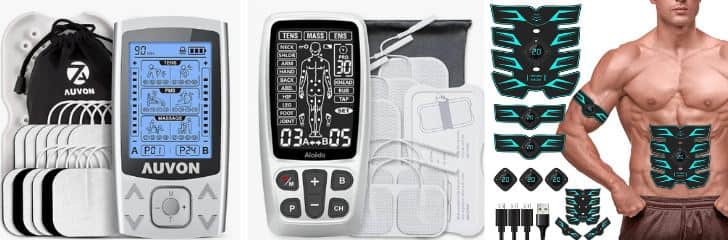
Electric Pulse Machines
We earn a commission if you click this link and make a purchase at no additional cost to you.
The Role of Potassium in Fluid Balance
Potassium is the direct antagonist to sodium in your body's fluid management system. It works within the cells to push out excess water and salt. You will find that a diet high in potassium naturally reduces the swelling in your ankles. Most people do not get enough of this mineral to counteract their salt intake. Focusing on whole, plant-based foods is the best way to fix this imbalance.
Low potassium levels lead to muscle weakness and an inefficient calf pump. Your heart also requires potassium to maintain a steady and strong beat. You will notice that your circulation feels more robust when your levels are optimal. The kidneys use potassium to determine how much water to keep or release. Your nighttime bathroom trips are often a sign of a mineral tug-of-war.
Balancing your minerals is a daily task that requires consistency. You do not need expensive supplements to get what your body needs. You will find that simple additions like potatoes or beans make a large difference. These foods provide the steady energy and minerals required for vascular health. Your body will reward your efforts with deeper and more restful sleep.
Adding a baked potato to your dinner provides a massive dose of potassium. Keep the skin on for the maximum mineral and fiber content.
Snacking on dried apricots or raisins gives you a quick potassium boost. These portable snacks are great for keeping your levels up during a busy day.
Mixing coconut water into your hydration routine adds natural electrolytes. It is a much healthier alternative to sugary sports drinks.
Using a salt substitute that contains potassium chloride can help reduce sodium. Always check with a doctor before making significant changes to your mineral intake.
Consuming beans and lentils provides a steady source of both protein and potassium. These hearty foods support muscle strength and fluid regulation.
Bookmark This Page and Keep Your Sleep on Track
Fewer nighttime bathroom trips lead to better sleep and more energy during the day. Strengthening the calves prevents excess fluid from pooling in the legs, making nighttime urination less of a problem. Simple daily movements keep circulation steady, reducing the need for unnecessary wake-ups.
Bookmark this page as a reminder to stay consistent with these habits. Better calf strength leads to better circulation, better sleep, and fewer bathroom trips at night. Small changes add up, making a noticeable difference in how the body functions.