

Pavement pounding often feels like the ultimate freedom for any fitness seeker. Your sneakers hit the asphalt while the world stays quiet in the early morning hours. Most runners believe they will stay on the trails forever without any physical cost. Real life eventually interferes with even the most dedicated exercise routines. Your cartilage wears down while your recovery periods grow longer each year.
Small aches in the ankles or hips signal a need for a change in habits. The neglect of these signs often results in long-term damage that keeps you on the sidelines. Movement should make you feel better rather than broken and exhausted. Your heart needs a workout, but your skeleton requires a break from the constant impact. A shift away from a running-only lifestyle ensures you stay active well into your later decades.
The discovery of new methods will keep your fitness levels high without the pain. Every step towards a more level-headed routine is a victory for your future self. Health is a long-distance race where the finish line keeps moving. You deserve a body that functions without the constant threat of a stress fracture.
Structural Realities of Constant Pavement Impact
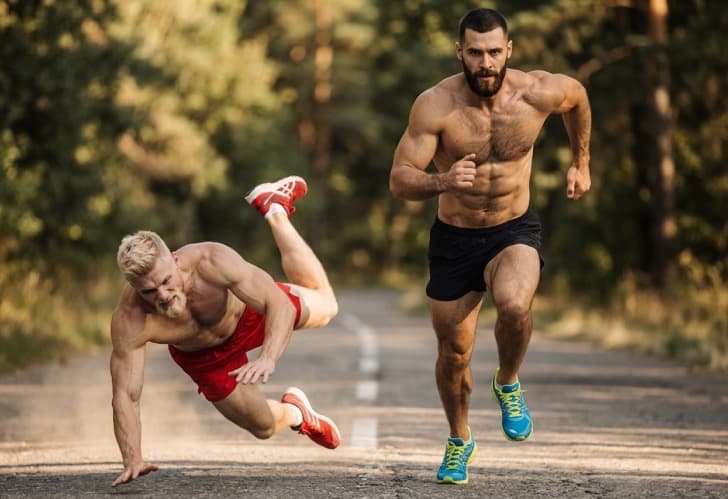
Bones absorb a massive amount of force during every single stride you take. Your joints take a beating that accumulates over thousands of miles on the road. Gravity never takes a day off when you are airborne during a sprint. Every landing sends a shockwave through your shins and up into your spine. Your frame eventually shows signs of wear from the repetitive motion of the jog.
Tendons lose their elasticity as you age past your peak athletic years. Your Achilles heel becomes a literal point of failure after too much mileage. Stiffness greets you every morning before your feet even touch the floor. Cartilage does not grow back once it disappears from your knee capsules. Your body sends clear signals through sharp stabs of pain or dull throbs.
Micro-tears in the muscle tissue require more time to heal than they once did. Your lungs feel strong, but your calves feel like lead after a long run. Rest days become more frequent just to maintain a basic level of activity. Long-term health depends on your ability to listen to your anatomy. Your future self will appreciate a switch to lower-impact alternatives for your heart.
Switch your route to grass or dirt trails to reduce the shock. Soft surfaces give your ankles a much-needed break from the unforgiving concrete paths.
Buy shoes with maximum cushioning to protect your sensitive arches. Specialized foam or air pockets help dissipate the energy of each foot strike.
Shorten your stride length to keep your feet closer to the ground. Lower heights mean less downward force when you land on the heel or midfoot.
Joint Stress and Strain
As you age, the impact running has on your joints becomes more noticeable. The repeated pounding on hard surfaces like asphalt can start to wear down your joints over time. Knees, hips, and ankles bear the brunt of this impact, and eventually, they might start to protest.
The wear on your joints builds up gradually. Each time your foot hits the ground, the force travels through your legs, impacting your joints. When you’re younger, your body handles this stress better. But with age, the cartilage that cushions your joints begins to wear down. What once felt comfortable might now start to cause discomfort or pain.
Muscles and tendons that support these joints also weaken or lose flexibility with age. This can make running more uncomfortable and increase the likelihood of injuries. You might notice that after a run, your knees ache or your hips feel stiffer. These signs from your body are worth noting.
Slower Recovery
Another thing that changes with age is recovery time after a run. In your twenties or thirties, bouncing back quickly after a run is easier. You might feel ready to run again the next day. But as the years pass, recovery takes longer.
Your body doesn’t repair itself as quickly as it once did. The same run that left you feeling invigorated might now leave you feeling worn out for days afterward. Muscles stay sore longer, and fatigue lingers.
This extended recovery can make it harder to keep up a regular running routine. If you need several days to recover after each run, maintaining a consistent schedule becomes more difficult. It’s natural to start questioning whether running is worth the effort when you know it will leave you sore and exhausted.
Higher Risk of Injury
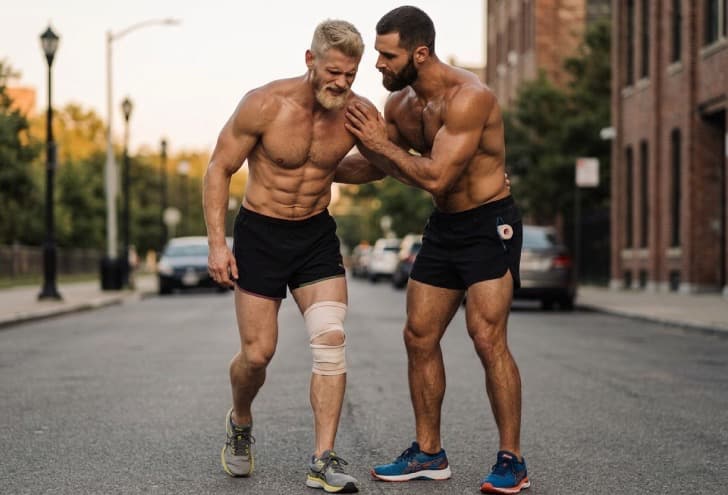
As you get older, the risk of injury while running increases. The body isn’t as resilient as it once was. The likelihood of sprains, strains, or even stress fractures rises.
Tissues like muscles, tendons, and ligaments lose some of their elasticity with age. This makes them more prone to injury. The same activity that kept you fit when you were younger might now feel risky. A simple misstep that might have been nothing in your younger years could now result in an injury.
Even minor injuries like shin splints or plantar fasciitis might become more common. While these might not be severe enough to stop you from running completely, they can certainly make the experience less enjoyable. Over time, these small injuries accumulate and might make you question whether running is still the right exercise for you.
Changes in Cardiovascular Health
As you age, your heart starts to pump blood less efficiently, and the blod vessels become less flexible. This means your body might struggle to deliver oxygen to your muscles as effectively, making running feel more strenuous. Your endurance declines despite regular running.
You may also notice that your maximum heart rate decreases as you get older. Even if you’re pushing yourself as hard as before, you might not reach the same intensity level. It's frustrating if you're no longer able to measure your running success by hitting a particular distance in the way you used to.
Running’s Impact on Bone Health
Another factor to consider as you age is the effect running has on your bones. While running is often recommended for maintaining bone density, it also places stress on your bones, especially if they aren’t as strong as they once were.
With age, bone density naturally decreases. While running does stimulate bone growth, it also subjects your bones to repetitive stress, particularly in your feet, legs, and hips. If your bone density has dropped significantly, this stress might lead to small fractures or other injuries.
This doesn’t mean running is bad for your bones, but it’s something to be aware of, especially if you have a history of bone issues. You might want to consider exercises that are gentler on your bones while still offering similar benefits.
Stability and Equilibrium Without Impact
Muscles around the joints act as a secondary defense system for your bones. Your routine should include movements that strengthen these tiny stabilizers. Equilibrium remains a requirement for any person who wants to avoid a nasty fall. Static holds and slow motions build the control that fast runs often ignore. Your physical base becomes more reliable when you train for steadiness.
One-leg stands are a simple way to test your current level of control. Your ankles and feet work hard to keep you upright and centered. The core engages automatically as you fight to maintain a neutral posture. Regular practice reduces the wobble that occurs on uneven outdoor terrain. Your confidence in your movement will grow as you master these small tasks.
Yoga poses offer a way to combine strength with a deep stretch. Your body becomes more pliable and less prone to sudden muscle pulls. Equilibrium develops as you move through positions that require total focus and calm. Stress disappears from your mind as you concentrate on your breathing patterns. Your joints stay healthy as they move through their full range of motion.
Stand on one foot while you brush your teeth every morning. This habit builds ankle strength without taking any extra time from your day.
Try a basic plank to strengthen the muscles around your spine. A solid middle prevents your lower back from taking the brunt of your weight.
Move slowly through your stretches to avoid any sudden muscle tears. Control is more necessary than depth when you are working on your flexibility.
Mental Adjustments to Slowing Down

Something that often goes unspoken is the mental adjustment that comes with slowing down in your running routine. If running has been a big part of your life for years, it can be hard to accept that your body doesn’t respond to it the way it once did.
You might find yourself feeling frustrated when you can’t run as fast or as far as before. It’s natural to compare yourself to your younger self and feel disappointed when you don’t measure up to those old standards. This mental shift can be just as difficult as the physical changes.
It’s also easy to feel like you’re losing a part of your identity if running has been central to your routine. If you’ve always thought of yourself as a runner, it can be hard to consider that running might not be the best choice for your body anymore. But this is a common experience as people age, and it’s normal to go through this adjustment.
Aquatic Alternatives for Total Body Fitness
Pool laps offer a reprieve for every joint in your skeletal system. Your body weight disappears as you float in the cool water. Resistance from the liquid forces your muscles to work in every direction. Heart health improves without any of the jarring found on the street. Your lungs develop a new capacity as you time your breaths with your strokes.
Water aerobics classes involve a group of people working together for health. You move your limbs against the heavy pressure of the pool. Equilibrium stays a focus as you move through the artificial currents. Low-impact nature ensures that even those with injuries stay active. Your energy levels stay high as you finish each session feeling refreshed and cool.
Deep-water running utilizes a flotation belt to simulate the jog. Your feet never touch the bottom of the pool during the exercise. The strategy keeps your running form active without any of the actual impact. Cardiovascular strain remains high as you fight the resistance of the water. Your recovery will be much faster than it would be on the hard asphalt.
Wear a pair of swim goggles to protect your eyes from chlorine. Clear vision helps you stay in your lane and avoid hitting the walls.
Use a kickboard to focus purely on your lower body strength. Isolating your legs helps build the power needed for other sports.
Add a pair of hand fins to increase the resistance for your arms. Heavier loads in the water build lean muscle in your shoulders and chest.
Cycling for Low Stress Endurance

Road bikes allow you to cover vast distances without a single foot strike. Your heart rate stays elevated as you pedal through the countryside. Wind resistance acts as a natural weight to keep your legs working. Smooth tires roll over the asphalt with minimal friction or noise. Your cardiovascular fitness stays at a peak level with this method.
Indoor cycling classes offer a high-energy environment with loud music. You sweat profusely as the instructor pushes the group to move faster. Standing up on the pedals works your core and upper body muscles. Resistance knobs allow you to customize the difficulty of the ride. Your endurance will rival that of any marathon runner on the street.
Mountain biking adds a level of excitement and technical skill to the mix. Your reflexes sharpen as you steer through tight turns and over logs. Dirt paths provide a more forgiving surface if you happen to fall. Climbing steep hills builds explosive power in your quadriceps and calves. Your adventure spirit stays alive while your knees stay perfectly safe.
Wear padded shorts to increase your comfort during long rides. Extra cushioning prevents soreness in the areas that touch the saddle.
Adjust your handlebars to prevent strain on your wrists and neck. Neutral positioning ensures you stay comfortable for several hours of pedaling.
Keep a steady cadence to maximize the efficiency of your workout. Fast revolutions of the pedals are easier on the joints than slow grinding.
Rowing for Explosive Strength and Cardio
Rowing engages nearly every major muscle in the human frame. You push with your legs and pull with your arms in one motion. Smooth transitions between the catch and the finish are necessary for speed. Your heart pumps blood to all four limbs simultaneously during the effort. Low-impact nature makes this a favorite for injured athletes.
Technique remains the key to a successful session on the water or machine. Your core must stay engaged to protect your spine from the load. Every stroke should be a fluid movement without any jerky or sharp stops. Power comes from the hips rather than just the upper back. Your stamina increases as you find a rhythm that feels sustainable.
Water rowers simulate the sound and feel of a real boat. You hear the splash of the tank as you pull against the resistance. Wood frames look great and dampen the vibrations of the workout. Intensity levels change based on how hard you choose to pull. Your grip strength improves as you hold the handle for long durations.
Focus on the sixty-twenty-twenty rule for your rowing power distribution. Legs should do most of the work before the back and arms finish.
Keep your heels pressed into the footplates for maximum drive. Solid contact allows you to transfer all your energy into the machine.
Avoid rounding your shoulders as you reach forward for the catch. A tall posture prevents injury and allows for a deeper breath.

Walking and Rucking as a Daily Foundation
Walking represents the most natural form of human locomotion on earth. Your body is designed to cover miles of terrain at a steady pace. Low stress on the heart allows for long sessions without exhaustion. Sunshine and fresh air improve your mood and mental clarity instantly. Your joints remain lubricated and mobile without the pain of running.
Rucking involves carrying a weighted pack during your regular walk. Heavy loads increase the calorie burn and build a strong upper back. Endurance athletes use this method to prepare for the most grueling trials. Stability in the core is necessary to keep the pack from swaying. Your bones become stronger as they adapt to the extra weight on your frame.
Treadmills at a steep incline offer a way to ruck in any weather. You keep the speed low while the work level stays incredibly high. Sweat will pour off your skin as you fight the uphill battle. The strategy gives you the gains of a run without the impact. Your cardiovascular health will reach new heights with consistent uphill effort.
Wrap your weights in a towel to prevent them from shifting. A stable load is much easier on your shoulders and lower spine.
Choose a backpack with a waist strap to distribute the pressure. Weight should sit on your hips rather than just pulling on your neck.
Wear wool socks to prevent blisters during your long-distance walks. Moisture management is the secret to keeping your feet in great condition.

Resistance Training to Protect the Skeleton
Weights act as an insurance policy for your future physical health. Your muscles become a protective layer for the vulnerable joints below. Heavy lifts increase the production of hormones that help you stay young. Metabolic efficiency improves as your body carries more lean tissue. Your clothes fit better as your frame becomes more defined and solid.
Functional movements like the deadlift prepare you for the demands of life. You learn to lift heavy objects with a flat and safe back. Hamstrings and glutes get the attention they deserve after years of neglect. Stability in the core prevents common injuries like herniated discs or strains. Your overall power increases as you move through a full range of motion.
Gym sessions do not need to take hours out of your busy day. High-intensity intervals with weights provide a massive boost to your fitness. Quality of movement remains more imperative than the total amount of weight moved. Proper form ensures you stay in the game for several more decades. Your confidence grows as you see the numbers on the bar go up.
Hire a coach to check your form on the complex lifts. Expert eyes prevent you from developing habits that could hurt you later.
Use a mirror to monitor your alignment during every single set. Visual feedback helps you make small adjustments to your posture in real time.
Include unilateral exercises to fix any muscle imbalances in your legs. Single-leg squats reveal which side is weaker and needs more work.
Elliptical and Vertical Climbing Machines
Elliptical machines provide a fluid motion that saves your ankles and knees. Your feet never leave the pedals, which eliminates the shock of impact. Resistance can be increased to simulate a heavy run in the sand. Moving your arms at the same time keeps your whole body involved. Your heart rate will climb steadily as you find your perfect rhythm.
Vertical climbers offer a hard task for your lungs and your legs. Every limb moves in sync as you reach for the imaginary summit. Calorie burn is higher on this machine than almost any other gym equipment. Short sessions are often enough to leave you completely spent and satisfied. Your endurance will improve faster than you ever thought possible.
Stair climbers build massive strength in your glutes and your quadriceps. You lift your entire body weight with every single step you take. Handrails are there for safety, but you should try not to lean. Keeping an upright posture ensures your core does the work of stabilization. Your lower body will become incredibly powerful after a few months of climbing.
Keep your heels down on the elliptical pedals for better engagement. Pushing through the whole foot works the hamstrings and glutes more effectively.
Vary your speed during the session to create an interval workout. Fast bursts followed by slow recovery will skyrocket your fitness levels.
Avoid leaning on the console of the stair climber for support. Standing tall forces your legs to carry the full weight of your body.
Signs of Physical Overuse and Fatigue

Pain that persists for several days is a clear sign of overuse. Your body uses discomfort to tell you that something is wrong. Swelling in the joints indicates that the tissues are under too much stress. Movement should not feel like a punishment for your previous athletic life. Your health depends on your ability to pivot when the current path fails.
Cracking sounds in the knees often signal a loss of protective cartilage. Your frame is not meant to take the same abuse forever and always. Sharp stabs of pain during a run should never be pushed through. Rest is a requirement for anyone who wants to stay active for life. Your recovery abilities decline as the years add up on your calendar.
Fatigue that lasts into the next morning is a warning from your brain. Your central nervous system can only handle a certain amount of stress. Overtraining often leads to a weakened immune system and frequent illnesses. Mood swings or irritability are common signs of physical burnout and exhaustion. Your fitness path must adapt to your current reality.
Monitor your resting heart rate every morning before you get up. A sudden spike in the beats per minute suggests you need a break.
Perform a daily body scan to find any hidden areas of tension. Awareness allows you to address small issues before they become major injuries.
Take an entire week off to see if the symptoms disappear. Rest often reveals whether the issue is temporary or a sign of overuse.
Items for Muscle Repair and Recovery
Compression gear helps move blood back toward your heart after a workout. Your legs feel lighter and less swollen when you wear specialized socks. Increased circulation speeds up the removal of waste products from the muscles. Many athletes wear these items during and after their training sessions. Your recovery starts the moment you finish your last rep or mile.
Percussion massagers use rapid vibrations to loosen tight muscle fibers in seconds. Your quads and calves will thank you for the extra attention and care. Deep-tissue work can be done in the comfort of your own living room. Specialized devices help break up scar tissue from years of high-impact running. Your mobility will improve as your muscles become more supple and relaxed.
Contrast baths use heat and cold to stimulate the vascular system of the body. Your blood vessels dilate and constrict in a pump-like motion during the soak. Reduced inflammation is the primary advantage of this old-school method. Ten minutes of switching between temperatures can work wonders for your joints. Your body feels refreshed and ready for the next day of light activity.
Use a tennis ball to roll out the fascia on the bottom of your feet. Foot health is necessary for every other movement you perform in life.
Try a weighted blanket to improve the quality of your deep sleep. Pressure helps the nervous system switch into a state of rest and repair.
Drink a glass of water with electrolytes before you go to bed. Proper hydration ensures your cells have the resources they need to fix themselves.

Psychology of Changing a Long-Term Routine
Personal identity often gets wrapped up in the label of being a runner. Your ego has the potential to struggle when the GPS watch shows zero miles for the week. Numbers on a screen do not define your worth as an athlete in the real world. Physical activity should serve your health rather than a set of arbitrary statistics. Your mind needs to accept that different forms of movement are equally valid.
New tasks keep the mind sharp and focused on growth. Learning the mechanics of a new sport provides a fresh mental stimulus. Your brain creates new pathways as you master the coordination of a different move. Success in a pool or on a bike feels just as good as a personal record. Your competitive nature will find a home in any physical discipline.
The focus on longevity allows you to see the big picture of health. You want to be moving well when you are eighty years old and beyond. Running has the potential to damage that long-term aim. Wisdom comes from knowing when to change your methods for better results. Your future self is the most imperative person to please.
Find a new group of athletes who share your new interests. Social support makes the transition feel like an exciting new chapter.
Focus on how your body feels rather than what the watch says. Satisfaction comes from a good sweat and a healthy heart rate.
Mark the small wins as you learn a new physical skill. Mastering a swim stroke or a heavy lift is a huge achievement.
Modern Electronics for Performance Monitoring
Smart watches monitor your heart rate and sleep patterns throughout the day and night. Your data provides a clear picture of how your body responds to stress. Algorithms calculate your readiness for a workout based on your previous rest. Sudden changes in these numbers act as a warning for potential illness. Your health becomes a series of metrics you are able to manage and improve.
GPS tracking allows you to see the distance and elevation of your new routes. You find new paths through the woods or around the local lake easily. Seeing your progress on a map provides a sense of accomplishment and pride. Apps allow you to share your results with friends for a bit of competition. Your motivation stays high as you see the miles accumulate over the year.
Bio-feedback devices help you learn to control your breathing and stress levels. You see your heart rate variability change in real time on your phone. Calming the nervous system is a skill that helps both inside and outside the gym. Lower stress means better recovery and more energy for the things you love. Your overall well-being is the ultimate prize for all this digital tracking.
Sync your watch with a heart rate strap for the most accurate data. Straps around the chest pick up the electrical signals of the heart better than wrist sensors.
Check your sleep scores to see if you are actually getting enough rest. Deep sleep is the time when your muscles and brain do the most repair work.
Use a foot pod to track your cadence on the bike or treadmill. Maintaining a steady rhythm prevents fatigue and keeps your joints moving smoothly.
Electric Pulse Machines
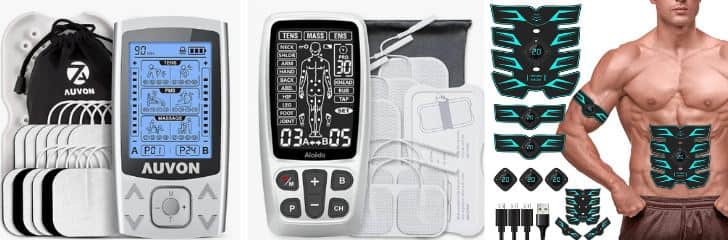
We earn a commission if you click this link and make a purchase at no additional cost to you.
Outdoor Variety Beyond the Hard Road
Kayaking offers a peaceful way to explore the local rivers and lakes. Your upper body does all the work while your legs rest in the hull. Paddling against the current builds strength in your back and your shoulders. Nature surrounds you as you glide silently through the water and reeds. Your mind relaxes in the quiet environment far away from the noisy streets.
Hiking on soft dirt trails provides a different kind of endurance task. You move over hills and through valleys at a steady and safe pace. Equilibrium improves as you step over roots and through loose rocks. The air in the forest is cleaner and fresher than the smog of the city. Your legs stay strong without the constant jarring of the hard concrete.
Snowshoeing turns a winter wonderland into a high-intensity gym for your legs. You stay on top of the powder while your heart rate climbs to the sky. Every step requires effort and coordination in the cold and crisp air. Calories disappear quickly as your body fights to stay warm and move forward. Your fitness levels stay high even when the trails are covered in white.
Pack a dry bag for your electronics when you head out on the water. Protection from moisture ensures your phone and keys stay safe while you paddle.
Wear layers of synthetic clothing to manage your body temperature in the woods. Sweating in cotton often results in chills when you stop moving for a break.
Bring a physical map of the area in case your phone battery dies. Finding your way the old-fashioned way is a key skill for any outdoor enthusiast.
Core Strength for Spinal Support
Core strength acts as the anchor for every other movement in your body. Your spine relies on the surrounding muscles to stay in a safe position. Power is transferred from your legs through your torso and into your arms. A weak middle often results in lower back pain and poor athletic performance. Your stability depends on a solid foundation of abdominal and back muscle.
Planks and side bridges build the endurance needed for long days on your feet. You hold a static position while your muscles scream for a quick break. Breathing stays steady as you fight the urge to drop to the floor. The strategy prepares you for the unexpected twists of daily life. Your posture improves as your core becomes a rigid and reliable pillar.
Rotational exercises help your body handle the forces of turning and twisting. You use medicine balls or cables to build strength in the oblique muscles. Most injuries occur during a sudden change in direction or a slip. Training for these moments keeps you safe on the trail or the bike. Your overall athleticism will reach a new level with a focus on the core.
Activate your glutes during a plank to protect your lower back. Squeezing the backside keeps the pelvis in a neutral and healthy alignment.
Add a bird-dog exercise to your morning routine for better coordination. Moving opposite limbs at the same time builds a deep connection in the nervous system.
Keep your movements slow and controlled when working with heavy cables. Control is more necessary than speed when building a stable middle.
Foot Health and Lower Body Mobility
Feet serve as the only point of contact between you and the earth. Your arches need to be strong and flexible to absorb the shock of movement. Shoes often cramp your toes and weaken the muscles of the foot. Walking barefoot on soft grass helps restore the natural function of your feet. Your foundation must be solid for the rest of your body to stay healthy.
Ankle mobility determines how well you move through a full squat or lunge. Stiffness in this joint often results in knee pain or lower back issues. Simple circles and stretches keep the connective tissue loose and pliable. You should spend a few minutes each day focusing on your lower limbs. Your movement will feel more fluid and natural as you improve your range.
Calf stretches are a requirement for anyone who has spent years running. Tight muscles in the back of the leg pull on the heel and the knee. Long holds allow the fascia to release and the blood to flow more freely. You will notice a difference in your walking gait after a few weeks of practice. Your lower body deserves the same attention as your heart and lungs.
Roll a lacrosse ball under your foot to break up tight tissue. Deep pressure helps release the tension that builds up after a long day of standing.
Try to pick up a towel with your toes to strengthen the arch. This small exercise builds the intrinsic muscles that support your weight.
Perform calf raises on the edge of a step for a deeper stretch. Gravity helps you reach a range of motion that flat ground cannot provide.

Long-Term Planning for the Aging Athlete
Aging is a reality that every athlete must eventually face and accept. Your peak performance will not stay at the same level for several decades. The adaptation of your routine is the only way to stay active for life. Low-impact exercises become the foundation of a healthy and energetic lifestyle. Your wisdom grows as you learn to work with your body instead of against it.
Strength becomes more imperative than endurance as you get older. Muscle loss is a natural part of the aging process that you must fight. Keeping your frame solid prevents falls and fractures in the later years. Weights provide the stimulus your bones need to stay dense and strong. Your independence depends on your ability to move your own body weight easily.
Consistency remains the most major factor in long-term health and fitness. Small efforts every day add up to a life of mobility and energy. You do not need to win races to be a successful and healthy person. Movement is a gift that should be protected with smart choices and care. Your legacy will be a body that functions well until the very end.
Schedule regular checkups with a doctor to monitor your heart health. Professional advice keeps you safe while you push your physical limits.
Focus on mobility exercises every single morning before you start your day. Moving your joints through their full range keeps the "rust" away.
Adjust your intensity based on how much sleep you had the night before. Listening to your energy levels prevents burnout and keeps you motivated.
Adjusting Intensity Levels for Health
High-intensity training provides a massive boost to your metabolism and heart. You should not perform these sessions every single day of the week. Recovery is the time when your body actually becomes stronger and faster. Alternating hard days with light walks ensures you do not break down. Your heart rate should reach a peak only when you feel fully recovered.
Zone two training involves a steady pace where you are able to hold a conversation. Your body learns to burn fat as a primary source of fuel. This level of effort is sustainable for long periods without causing excessive fatigue. Most of your weekly movement should fall into this comfortable category. Your endurance will improve steadily without the risk of a sudden burnout.

Intervals allow you to get a lot of work done in a very short time. You push hard for a minute and then rest for the same duration. The strategy keeps the heart healthy without the need for hours of boring cardio. Your power output will skyrocket as you learn to work at your maximum capacity. Quality is always more necessary than the quantity of the minutes spent.
Use a heart rate monitor to stay within your target zones. Numerical feedback prevents you from working too hard on your easy days.
Rest as long as you need to between your high-intensity intervals. Full recovery allows you to give maximum effort on the next hard rep.
Limit your peak-intensity sessions to twice a week for safety. Your nervous system needs time to reset after a truly grueling workout.
Environmental Factors and Joint Safety
Hard concrete is the least forgiving surface for any type of physical activity. Your joints will feel the difference when you switch to rubber or grass. Most modern gyms feature specialized flooring to absorb the shock of a jump. Outdoor parks often have paths made of recycled tires for better safety. Your choice of environment dictates the level of wear on your frame.
Cold weather makes your muscles and tendons more brittle and prone to injury. You must spend more time warming up when the temperature drops. Heat from your blood helps the tissues become pliable and ready for work. Layers of clothing keep your joints warm and protected from the winter chill. Your safety depends on your ability to adjust to the current season.
Air quality affects your ability to breathe deeply during a hard session. Smog and pollen often make outdoor exercise a task for your lungs. Indoor facilities with filtered air provide a safer option during high-pollution days. Your health remains the priority regardless of where you choose to train. Smart choices about your surroundings will keep you in the game for longer.
Look for parks with wood chip trails for a natural and soft surface. Wood chips give more than dirt and provide a great workout for the feet.
Wear a windbreaker to keep your core temperature stable during a breeze. Protection from the elements prevents your muscles from tightening up mid-workout.
Avoid training near busy roads to reduce your intake of exhaust fumes. Cleaner air results in better performance and a healthier respiratory system.

Ultimate Home Gym
Multi-Functional 20 in 1 Push Up Bar with Resistance Bands
- Portable Home Gym
- Strength Training Equipment
- Push Up Handles for Perfect Pushups
We earn a commission if you click this link and make a purchase at no additional cost to you.
Don't Hurt Your Body Anymore
In the end, the most important thing is paying attention to your body’s signals. It’s easy to get caught up in what you think you should be doing, but your body often knows what it needs - if you’re willing to listen.
If running starts to feel more like a strain than a pleasure, it might be time to rethink your routine. This doesn’t mean you have to stop running altogether, but it might mean adjusting how often you run, mixing in other activities, or giving yourself more time to recover.
You know your body changes as you get older, and you also know you'll need to be more careful with all the health aspects, right? Don't hurt your body any more. Running might have been your go-to exercise for years, but it’s okay if it doesn’t fit quite the same way anymore.
Your future involves a variety of low-impact activities that keep you strong and mobile. Strength training and aquatic sports provide the stimulus your body requires now. Equilibrium and core stability ensure you remain independent for many more years. Your dedication to a healthy lifestyle will carry you through every single season. New routines will eventually feel as familiar as your old morning jog once did. You are the master of your own physical destiny and longevity.
If you keep trying to stay moderately active and eat well, then you'll naturally find what works best for you at this stage of life. Keep moving in a way that feels good for your body - whatever that looks like for you.