

Nighttime brings an absolute lack of helpful clear room light. Shadows look completely strange after the late sunset occurs tonight. A racing heart happens quite often in your lonely bed. People laugh off this extreme nighttime panic very easily always. Adult brains frequently hold onto this terrible bedroom dread forever.
Wild thoughts grow when your eyes fail to see clearly. Spooky monsters seem real when the closet area looks dim. Panic hits when you walk down the dark hallway alone. Creaky floorboards sound incredibly loud during midnight bathroom trips now. Heavy breathing fills the quiet room under your thick blankets.
Different medical labels exist for your scary low-light fears. Doctors name phobias based on tiny details of panic. You will discover four distinct types of darkness panic today. Daily life becomes simpler once you discover the exact problem. Let us explore the world of night panic right now.
Nyctophobia Characteristics and Mental Symptoms
Nyctophobia represents a classic and deeply distressing type of anxiety that targets your body whenever night arrives or when you switch off the bright overhead illumination inside a quiet house. Your pulse begins to race at an incredibly rapid speed because your brain instantly associates the total lack of light with an immediate physical threat that could harm you while you rest. Sweat often pours down your cold forehead while you lie wide awake in the absolute middle of the night, staring directly into the dark corners of your familiar bedroom space. Fear takes complete control of your tight muscles, making you feel completely frozen under the heavy winter blankets while you pray for the morning sun to rise over the horizon very soon. Daylight feels like the only true shield against this terrifying nighttime experience, which makes every single evening feel like a massive struggle against your own anxious thoughts and uncomfortable physical feelings.
Shadows on the wall look like real intruders who are waiting to attack your body the moment you close your eyes to get some much-needed sleep after a long day. Every small sound inside the house becomes a major source of terror because you suspect a thief or a monster is sneaking up to your bed in the pitch-black environment. Your breathing turns shallow and rapid as you try to listen carefully for any signs of movement around the room, which only increases the panic inside your tight chest. A simple click of the hallway lamp switch requires a huge amount of mental bravery because you dread the sudden darkness that follows the loud noise in the evening. You feel like a helpless child again when the dark shadows surround your bed, stripping away your adult confidence and leaving you feeling totally exposed to unseen nighttime dangers.
Bedtime becomes an event that you avoid for as long as humanly possible because you prefer to stay awake in a brightly lit living room instead of facing the bedroom. Exhaustion ruins your daytime productivity since you spent the whole night fighting off panic attacks and checking the locks on your front door multiple times in the dark. A deep sense of frustration builds up over time because you feel like your own mind is playing cruel tricks on you every single night without any mercy. Friends frequently do not realize how much you suffer because people rarely talk about being afraid of the dark when they reach their adult years. Relief arrives only when the first birds start chirping outside and the black sky turns into a gentle shade of pale morning blue.
You leave every single light bulb burning bright until morning arrives. Heavy illumination keeps your bedroom completely free from the scary shapes that cause your heart to race.
Your heart beats like a bass drum when the power drops out. A sudden blackout forces you to scramble for your phone screen to get immediate comfort.
You sprint from the light switch to your bed in three seconds. Quick movement ensures that the surrounding blackness cannot catch your ankles before you hide under blankets.

Nyctophobia Real-World Behavioral Habits
Daily routines change drastically when you live with a constant fear of the nighttime hours because you plan every single activity around the availability of bright overhead lights. You refuse to go outside after dusk because the open air feels unsafe without walls and lamps to protect you. Social invitations get rejected if an event requires you to drive home down dark country roads where streetlights do not exist. Your friends start to wonder why you always leave the party early before the sun completely goes down. Shame prevents you from explaining the true reason for your early departures, making you feel isolated from your peer group.
Your bedroom looks more like a commercial store than a sleeping area because you installed multiple backup lighting systems everywhere. Anxiety peaks during winter months because the days are much shorter and the darkness lasts for a painful number of hours. You watch the clock constantly during the late afternoon, feeling a sense of oncoming doom as the hands tick closer to five o'clock. Peace becomes completely impossible when the hot sun starts to dip below the green trees outside your bedroom window. Your mind automatically prepares for a long night of stress, turning a time of rest into a period of high alertness.
Sleep deprivation causes you to feel grumpy and tired during your morning work shifts or weekend activities. Coffee becomes a daily necessity to keep your eyes open after spending the night staring at the ceiling fan. You find yourself snapping at family members because your nerves are completely fried from a lack of peaceful rest. A bright sunlit room is the only place where you feel relaxed enough to take a quick afternoon nap. Life feels like a constant cycle of dreading the night and worshiping the day, which drains your energy over time.
You cancel evening plans with your boyfriend because the venue lacks proper lighting. Home feels much safer than sitting in a dark corner of a nightclub.
Your eyes constantly look for the exit signs in dark movie theaters. Quick escapes are necessary if the theater screen goes completely black during the film.
You keep a heavy flashlight next to your bathroom sink for late night trips. A bright beam of light ready prevents you from panicking during a sudden power loss.
Scotophobia Characteristics and Visual Triggers
Scotophobia delivers a slightly different kind of mental stress because it focuses directly on the actual quality of heavy blackness rather than the particular time of day. You feel a creeping sense of dread whenever you enter an area that completely lacks color, contrast, or clear visual definition for your eyes to track properly. The heavy darkness feels like an active entity that is trying to suffocate your body or completely erase your presence from the quiet room around you. Sensory deprivation triggers a quick panic response because your working brain demands constant visual feedback to feel completely safe and secure in any indoor environment. Blank space becomes a giant canvas for your worst anxieties, which makes a simple unlit room feel like an incredibly dangerous trap with no clear escape.
Steps into an unlit basement cause an immediate wave of intense nausea and terror that forces you to retreat backward quickly. Your hands will shake uncontrollably as you grope along the cold painted drywall to find the plastic light switch that restores your clear vision immediately. The total lack of visibility makes you feel like you are falling through empty space, destroying your physical balance and causing your head to spin rapidly. Fear of the unknown dominates your thoughts during these anxious moments because you cannot tell where the carpeted floor ends and the flat walls begin. Safety seems like a distant luxury when the black atmosphere coats everything in sight, leaving you feeling completely alone and unprotected from unseen malicious forces.
Daylight acts like a protective shield against the scary void, giving you the confidence to move around without fear. You actively avoid windowless rooms during the bright afternoon hours because you dread the thought of being trapped in blackness. A simple bedroom closet door left slightly ajar becomes a source of deep unease because the black interior looks completely bottomless and incredibly creepy tonight. Daylight brings a welcome return of bright colors and sharp borders, allowing your brain to calm down after a long period of heavy stress. You constantly seek high-contrast spaces where your eyes are able to confirm your absolute physical safety without any lingering doubt or hesitation.
You sprint up the wooden basement stairs after turning off the bottom light switch. The dark space behind your back feels like an open mouth ready to swallow you.
Your car keys drop because your hands shake terribly in a dim parking lot. Black pavement makes you feel unsafe until you safely enter the vehicle cabin.
You pull the heavy covers completely over your face to block out the dark. Soft fabric acts like a barrier against the spooky black air in the room.
Scotophobia Real-World Behavioral Habits
Life with Scotophobia requires constant vigilance because darkness tends to hide in many unexpected public places throughout your neighborhood. You avoid automatic car washes because the interior of the tunnel gets incredibly dim and tight during the cleaning cycle. Public restrooms without windows cause a sudden spike in your heart rate before you even touch the door handle. Your mind constantly creates backup plans in case the building lights fail while you are inside a public stall. Safety becomes your main priority, overshadowing your ability to enjoy normal daily activities with your friends or family.
Your friends think you are picky about venues because you refuse to visit underground bars or secret speakeasy lounges. A simple night out turns into a stressful scouting mission where you check for emergency lights before sitting down. You prefer large grocery stores with bright white lighting over small, cozy boutiques that use moody illumination styles. Bright environments give you a sense of control over your surroundings, which helps keep your anxiety at bay. Anxiety drops a great deal when you see clear emergency exit signs glowing green against the wall.
Winter storms cause extreme worry because you dread the thought of a long blackout lasting through the cold night. You stock up on glow sticks and battery-operated lanterns, keeping them in every single room of your house. Family members joke about your large collection of flashlights, but the tools are necessary for your mental peace. A power outage represents your worst nightmare, so you prepare for it like a survivalist facing a disaster. Confidence returns only when the power grid remains stable and the lights stay on without flickering at all.
You refuse to enter an old storage shed during the daytime hours. The deep black corners inside the wooden structure trigger an instant panic attack.
Your eyes scan the ceiling of every restaurant for emergency backup bulbs. A clear view of a backup system helps you relax while eating dinner.
You buy a bright screen smartphone specifically to use as an emergency lantern. Extra screen brightness gives you a quick light source if a room goes dark.
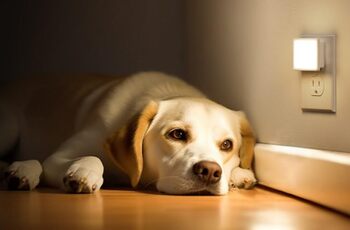
L LOHAS LED Night Lights Plug into Wall 2-Pack
Achluophobia Characteristics and Physical Symptoms
Achluophobia brings a distinct focus on the utter emptiness and complete lack of light that leaves your body feeling totally disoriented inside any quiet room. Your sense of physical balance wobbles quite a bit when you cannot see the flat floor beneath your feet or the drywall next to your shaky shoulders. Dizziness often follows the sudden loss of bedroom light because your inner ear struggles to maintain proper orientation without any help from your open eyes. You feel like the whole room is spinning around your body while you stand completely still, desperately trying to locate a single source of bright illumination. Darkness feels like a heavy weight that alters your physical coordination, turning a simple short walk into an incredibly terrifying and stressful obstacle course.
Panic attacks hit your body with immense force when a sudden lightning storm knocks out the local electrical power grid during the late evening. You feel a choking sensation in your throat as the thick black air seemingly fills your lungs and restricts your basic ability to breathe normally. Shadows do not just look scary, but they actually feel dangerous to your warm skin as you reach out blindly into the empty void. Your pulse spikes past a hundred beats per minute while you wait patiently for your wet eyes to adapt to the dark conditions. Escape becomes your immediate priority, forcing you to move quickly toward any exit sign or bedroom window that shows a hint of bright dawn.
Night-lights are an absolute necessity for your personal sanity because they prevent the room from falling into complete and total blackness every evening. You keep multiple fresh backup batteries in your nightstand drawer so you never have to experience a sudden, terrifying loss of light. The grim thought of being stuck in a dark elevator during a power failure causes a cold sweat to break out across your skin. Sunlight completely restores your confidence and allows you to move freely without the constant fear of losing your physical footing on the ground. Peace of mind depends entirely on having a reliable light source close to your body at all times of the day and night.
You plug in three glowing night-lights along your bedroom hallway. Soft illumination prevents the carpeted floor from becoming a completely invisible black void at midnight.
Your hands grab the wooden bedposts tightly when the lamps turn off. Solid wood gives your body a sense of balance when your eyes see nothing.
You buy heavy curtains to block the moon but keep indoor lamps burning. Control over the brightness allows you to sleep without fearing a pitch-black room.

Achluophobia Real-World Behavioral Habits
Life with Achluophobia means your home is filled with glowing devices that keep the absolute dark away from your sight. You refuse to sleep in hotel rooms unless you are able to bring your own portable night-light along. A simple trip to a friend's house for an overnight stay requires careful packing of extra flashlights and extension cords. Your friends could think you are high-maintenance because you demand a lamp on during sleep. Embarrassment makes you hide the true reason for your behavior, creating a wall between you and your loved ones.
Your house stays brightly illuminated throughout the entire night because you keep several lamps burning in every room. You check the light bulbs weekly to ensure that none of them are about to burn out unexpectedly. A burnt-out bulb causes an immediate trip to the hardware store, regardless of how busy your day looks. Safety means having a backup bulb for every single light fixture in your entire living space. Anxiety rises if you visit a home with dim lighting choices, making you want to leave immediately.
Camping trips are completely out of the question for you because a tent leaves you exposed to the absolute blackness of the woods. You prefer hotel rooms in the center of the city where streetlights shine through the window glass all night long. The glow of the city gives you a sense of comfort that nature fails to give you. You feel a deep connection to bright spaces, avoiding the countryside where the night sky feels too big and empty. Morning hours bring a massive sense of relief as the daylight floods your rooms and ends your nightly vigil.
You pack two extra clip-on reading lights whenever you travel out of town. Portable illumination ensures that an unfamiliar hotel room never becomes pitch-black.
Your phone charger stays right next to your pillow for quick access. The bright screen acts as an immediate shield if the hotel loses power.
You leave the bathroom door wide open with the light switch turned on. A steady beam of light cuts across your bedroom floor to give you comfort.
Lygophobia Characteristics and Twilight Triggers
Lygophobia targets the uncomfortable twilight hours when the hot sun starts to dip below the horizon and dark shadows grow longer across your backyard. You feel a wave of melancholy and anxiety during dusk because the dim ambient light signals the slow approach of the scary night. Gray afternoons under heavy winter cloud cover trigger a similar sense of panic because the outdoor world looks washed out and gloomy. The gradual loss of visual clarity makes you feel like you are losing your grip on your immediate home surroundings every afternoon. Dim lighting feels depressing and dangerous, forcing your body to retreat quickly into the brightest rooms of your house for safety.
Lounges with soft, low lighting make you feel deeply uneasy instead of relaxed during a social night out with your close friends. You prefer harsh fluorescent bulbs over romantic wax candles because bright illumination keeps the creepy twilight feelings far away from your mind. Foggy mornings cause a sudden drop in your mood because the thick white mist mimics the gloomy afternoon twilight that you dread. Shadows on the white wall seem to stretch and twist into menacing figures during the late hours of the afternoon. Your chest tightens as the daylight fades, forcing you to run around the house turning on every available brass light switch.

High anxiety levels follow you into any building that relies on dim, ambient lighting instead of bright, clear ceiling bulbs. You avoid romantic dinners or dark pubs because the gloomy atmosphere triggers an immediate fight-or-flight response in your nervous system. Rainy days feel like a personal threat because the low ambient light reminds you of the oncoming evening darkness you hate. Safety returns only when the clouds clear and the bright sun fills your entire living space with warmth and clarity. Constant alertness dominates your afternoons as you monitor the sunset, ensuring that you are never caught unprepared by the gloom.
You sit directly under the brightest lamp in a dim restaurant lounge. Extra light helps you see your surroundings clearly without feeling panicked or trapped.
Your house blinds stay wide open until the sun drops completely down. Maximum daylight keeps the gloomy gray shadows from creeping into your favorite living room.
You turn on the light fixtures before the afternoon dusk begins to form. Early action prevents the transition from daylight to twilight from triggering your anxiety.
Lygophobia Real-World Behavioral Habits
Evening events cause a lot of stress because you hate the transition period between daytime and nighttime hours. You plan your grocery trips for the middle of the morning when the sun is highest in the clear sky. A car ride during sunset feels incredibly dangerous to your nervous system because the changing light creates weird optical illusions on the asphalt road. Your eyes strain to see the lines on the pavement, causing your shoulders to tighten up with heavy muscle tension. Peace arrives only when you pull into your garage and turn on the bright overhead lights inside your house.
Wintertime brings a lot of dread because the gloomy afternoons start much earlier in the day than during the summer. You buy high-wattage light bulbs for every single lamp to combat the dark winter weather completely. Dim lamps are banned from your household because they remind you of the creepy twilight hours you try to avoid. Your family members know to keep the curtains open during cloudy days to let in every bit of gray light. Anxiety starts to fade when the indoor spaces look as bright as a sunny day at the beach.
Rainy seasons feel like a long period of emotional torture because the constant gray skies trigger your fear of twilight. You find yourself checking the weather forecast multiple times a day, hoping for a clear sky tomorrow morning. A simple cloud moving across the sun causes a quick flash of panic inside your chest until the light returns. Your daily comfort depends entirely on the brightness of the sky, making you feel like a prisoner to the weather. Daylight remains your best ally, so you cherish every single bright hour before the afternoon gloom sets in again.
You leave the office early if you see storm clouds gathering outside your window. A quick drive home before the sky gets too dark prevents a panic attack on the highway.
Your desk lamp stays turned on even during the middle of a sunny day. Extra illumination guarantees that no dark shadows form under your workspace table.
You install bright fluorescent tubes in your basement to eliminate all gloom. High illumination turns a dark storage space into a comfortable room where you feel safe.

What You Should Do Tonight
Action steps are available right now to help you manage the fear of the dark before you go to bed. You begin by turning on a small, comforting lamp in the corner of your bedroom to keep shadows away. A steady glow gives your eyes a point of focus when you feel panic starting to build up. Your breathing should remain slow and deep as you lie down on your soft mattress for the night ahead. Slow breaths through your nose and out through your mouth help quiet the alarm bells ringing inside your anxious brain.
Objects in your room do not change their shape or position simply because the overhead lights are switched off. You tell yourself that the closet door is just wood and the clothes inside are just fabric on hangers. Logic acts like a strong shield against the scary scenarios that your mind creates during the quiet hours. Your phone screen is a quick source of light if you ever feel completely overwhelmed by the blackness. A smartphone within arm's reach gives you a great sense of control over your immediate sleeping environment.
Calm music or a soft audio book distracts your ears from the normal creaks and groans of your house. You focus on the words or the melody instead of hunting for weird noises in the dark corners. A quiet background sound prevents your mind from creating scary stories about thieves or monsters hiding nearby. Your body relaxes when your senses are occupied by pleasant and predictable information from your stereo speakers. Sleep arrives much easier when you stop fighting the dark and focus on a relaxing audio track instead.
You place a small flashlight directly on your bedside table before sleeping. A reliable device nearby gives you immediate peace of mind during the dark night.
Your eyes close before you flip the final light switch on the wall. A quick eyelid closure first allows you to transition into sleep without seeing the room go dark.
You repeat a simple reassuring phrase to yourself when the room goes black. Positive words help drown out the anxious thoughts that keep your heart racing fast.
Practical Ways to Overcome Your Darkness Fear
Small modifications in your daily routine help reduce the nighttime panic that keeps you awake for hours every single week of the year. You are able to train your brain to accept low-light conditions by practicing inside a comfortable and safe home environment during the day. Consistency serves as your secret weapon when you try to calm your jumpy nerves and reduce your rapid nighttime heart rate. Fear weakens a lot when you face the gloom in tiny, manageable steps instead of forcing your body into total blackness immediately. Success happens over a long period through regular and steady practice that builds up your personal confidence night after night.
Flashlights give you a reliable safety net during your initial practice sessions in the quiet comfort of your own home. Dimmer switches allow you to lower the bedroom light very gradually over several weeks without shocking your sensitive nervous system. Control stays entirely in your hands throughout the entire process, which always helps reduce the awful feeling of helplessness you dread. Deep breaths steady your racing heart when the room gets dark, sending a clear signal of safety to your anxious brain. A mental count of numbers distracts your mind from spooky thoughts, keeping your thoughts focused on reality instead of fiction.
Daytime preparation makes the upcoming night feel much safer because you know exactly where everything sits in your bedroom. You check your room layout before the sun goes down to ensure that no stray jackets look like scary monsters. Familiar objects stay in the exact same place at midnight, meaning that the dark does not alter your safe home. Logic replaces the creepy scenarios hiding in the dark corners once you realize that shadows are just empty gray space. Confidence grows as you survive each shadow-filled evening successfully, proving to your mind that the dark holds no real power.
You turn down the lamp brightness by a tiny bit every week. Gradual adjustments give your eyes plenty of time to get used to the lower light.
Your hands touch the bedroom walls to ground your physical body. Physical contact with familiar drywall reminds your brain that your surroundings remain completely safe and unchanged.
You play soft audio tracks to block out the house creaks. Steady background noise keeps your ears from hunting for scary sounds in the quiet night.

Summary of the Four Darkness Phobias
Four distinct names describe the intense panic caused by low light, and each term points to a different mental trigger. Nyctophobia stands as the general dread of the nighttime hours when the sun disappears and leaves you alone in bed. Scotophobia deals directly with the scary quality of heavy blackness itself rather than the actual time on the clock. Achluophobia means panicking over a complete lack of visual sights, which quickly destroys your basic sense of physical balance. Lygophobia targets the gloomy twilight spaces of the world where daylight fades and dark shadows begin to creep around.
Every single type creates a rapid heartbeat, heavy breathing, and sweaty palms whenever you encounter low-light environments inside your house. The human body reacts with intense terror to the missing light because your brain suspects that danger hides nearby in dark shadows. Your mind populates the dark corners with terrible threats that keep you awake and alert for hours every single night. You feel completely helpless when clear vision disappears completely, leaving you vulnerable to your own racing thoughts in your bed. Grown adults struggle with dark phobias way more than people care to admit during regular daytime conversations with friends.
Solutions exist to help you reclaim your peaceful evening rest without feeling constant dread about the setting sun every day. Gradual exposure reduces the regular panic of the dark by training your mind to accept lower light levels slowly. Logic defeats the scary scenarios hiding near the curtains once you realize the room remains completely unchanged at night. Your bedroom becomes a safe space once again over time as you practice sitting quietly in the dimness. Peace of mind returns when you actively address the fear instead of avoiding the dark corners forever.
You identify the exact type of darkness fear that affects your life. Clear knowledge helps you choose the right path toward conquering your nighttime anxiety.
Your body learns that shadows are harmless through daily exposure practice. Repeated success builds up your confidence until the bedroom feels perfectly safe again.
You choose to face the gloom instead of running away from it. Strong determination leads to peaceful nights of uninterrupted sleep for your tired mind.
Flashlights From Amazon

We earn a commission if you click this link and make a purchase at no additional cost to you.
Fear Of Darkness - Am I Nyctophobia Or Scotophobia?
Darkness loses its great power when you face it directly. You are fully capable of beating this intense nighttime anxiety. Tomorrow brings another excellent chance to sit in the dimness. Small steps create massive personal relief over several short weeks. Clear skies and quiet nights will feel peaceful very soon.
Shadows are just shapes without any actual power to harm. Your cozy home belongs to you during the late hours. The mind adapts to low light with steady bedtime practice. Bedtime will become a relaxing routine instead of a battle. You deserve to sleep soundly through the entire night ahead.
Knowledge helps dismantle the old panic of the deep dark. You now know the names of common low-light phobias. Simple actions replace the dread with an absolute control today. Sunlight will always return to chase away the thickest gloom. Stay patient with your progress as you reclaim the night.