

Sexual frequency is a topic that grabs a lot of attention, especially when people compare gay men and straight couples. There are plenty of stereotypes out there, but having clear and honest information helps everyone understand the facts, without confusion or judgment. I’ve often seen these questions pop up in conversations, social media feeds, and even in jokes, so I wanted to dig into the research and personal stories to see what’s really going on.
Understanding the truth about sexual frequency in different relationships is about more than curiosity. It shapes how people view themselves and each other, and for anyone in a relationship—or thinking about getting into one—these details can help put things in perspective. So, I looked at studies, talked with friends, and checked reputable sources to see what really happens in the bedrooms of gay men and straight couples. Plus, understanding these patterns can give a boost to communication and happiness in any partnership.

1. Research on Sexual Frequency: What Studies Actually Say
Studies on sexual frequency don’t always agree, and they often depend on how researchers ask the questions. When people ask, “Do gay men have more sex than straight couples?” there’s no single number that tells the whole story. Still, some trends come up again and again.
Research published in journals like the Archives of Sexual Behavior and data collected by organizations like the Kinsey Institute show that, on average, gay men in longterm relationships may report having sex more often than straight couples. For example, the National Survey of Sexual Health and Behavior found gay men in relationships report sexual activity several times a week, while straight couples most often report once a week or less. However, researchers also point out there’s huge overlap between the groups. Some straight couples have sex more often than the average gay couple, and the reverse is true too.
In my own conversations with friends and reading online communities, I notice that experiences really vary. Some gay men mention highfrequency phases early in a relationship, but things slow down over time, which is very similar to what my straight friends describe.
Why Results Vary
- Selfreporting means people might exaggerate or downplay their answers.
- Definitions of "sex" differ. Some count only intercourse, some include other sexual activities.
- Relationship stage, age, health, and stress play huge roles for everyone, no matter their orientation.
2. Common Myths and Stereotypes
This topic is full of myths. One of the biggest beliefs is that gay men always have more sex, and that heterosexual couples lose interest faster. Both ideas miss the real complexity of relationships and attraction.
In popular media, gay men are often described as "hypersexual," while straight couples, especially after marriage, are presented as "settling down" and having less sex. From my experience and what I see around me, neither stereotype covers everyone’s experience. Many gay men value emotional intimacy and longterm commitment, while some straight couples keep a very lively sex life for decades. Studies like those found in The Journal of Sex Research clearly explain that focusing only on numbers ignores other important factors, like communication, affection, and lifestyle.
To really check out how these myths spread, think about how TV shows and movies often shine a light on extreme or nextlevel cool lifestyles. These images shape our ideas about "normal" when, in reality, relationships are all about variety.

Relationship Length
3. Factors That Influence Sexual Frequency
The idea that one group "has more sex" than another misses a lot of important details. Several things affect how often people have sex. Orientation is just one of them.
Relationship Length
I notice that most couples, no matter their orientation, start out having more sex and then settle into a routine over time. The so-called honeymoon phase is real for gay and straight partners alike, bringing bursts of passion that often mellow out as time goes by.
Communication and Desire
Open communication about sex is super important. Research from the Kinsey Institute and my own experience show that couples who talk about their needs and comfort zones have sex more regularly and enjoy it more. Sharing fantasies, being honest about changes in desire, and checking in frequently help couples keep that spark alive.
Age and Health
As people get older or face health changes, sexual frequency can fade. Both gay and straight couples deal with these changes, and adapting can take effort and understanding from both sides. Sometimes, new health conditions or stress from work and family can affect desire, so making adjustments together is key.
Social and Cultural Pressures
Expectations from friends, community, or even online trends can shape how people think about sex. Some gay men feel pressure to keep up an active sex life because of expectations in certain circles, while straight couples sometimes face pressure to be "normal," which might mean different things to different people.
Social media can turn up the volume on these pressures, often showcasing idealized relationships that don’t reflect real life. Being aware of these influences can help people set their own standards rather than chasing someone else’s idea of happiness.
4. Relationship Satisfaction: Quality vs. Quantity
Focusing only on "how much" ignores the quality of sex and feelings of satisfaction. Many couples find that, over time, having less sex doesn't mean they feel less happy or close. I’ve met couples—gay and straight—who are perfectly content with less frequent sex because their emotional connection is strong.
A study in the journal Social Psychological and Personality Science found that happiness didn’t increase for couples who had sex more than once a week. For many, regular communication, shared life goals, and other ways of showing affection matter just as much as the actual number of times they’re physically intimate. It’s about sharing laughter, cuddles, and small acts of kindness, not just counting the times you hit the sheets.
Keeping things fresh in a relationship is another key factor. Some couples mix in some variety by planning spontaneous date nights, trying new things together, and discussing what excites them. This can give a boost to connection, creating memories that go beyond physical intimacy.

Monogamy or Open Relationship?
5. The Role of Monogamy, Open Relationships, and Dating Apps
One reason people believe gay men have more sex is that gay dating culture, especially with the popularity of apps like Grindr, supports quick and easy connections. Some gay men do have more casual sexual partners, especially when they’re single. More gay men, compared to straight couples, are open to consensual nonmonogamy or open relationships, according to the Archives of Sexual Behavior.
From what I’ve seen and what researchers agree on, not all gay men prefer open relationships, and not all straight people are monogamous. These arrangements play a role in sexual frequency. People who are single or in open relationships often report more frequent sex compared to those who are monogamous, regardless of being gay or straight.
Dating apps play a role for everyone, though. Many straight couples meet online, and apps like Tinder, Bumble, and OkCupid have made it easy for people to find sexual or romantic partners quickly. The ability to connect with others in just a few clicks breaks down previous barriers, changing how people explore their options. A lot of people—gay, straight, or otherwise—feel the impact of this switch up in the dating world.
6. Variations Across Age and Life Stages
Sexual frequency also shifts during different phases of life. Younger adults, regardless of orientation, tend to have more sex, especially if they’re single or in new relationships. As people settle into longterm partnerships, focus on careers, or raise families, priorities and energy shift.
Talking with older adults in my life, I find that a lot of couples—again, regardless of orientation—revisit or adjust their sex lives to fit changes in health and routine. Society sometimes forgets about older LGBTQ+ people entirely in these discussions, but many maintain active, happy sexual lives well into their later years.
Different life events, such as having kids, starting a new job, or relocating, can prompt people to mix it up in their romantic routines. Even menopause and andropause have unique effects on libido and frequency across all couples. Being there for each other through these stages can actually help couples grow stronger and deepen intimacy, no matter how often sex occurs.

7. Challenges With Measuring Sexual Frequency
Getting a clear answer to this question isn’t easy because of how researchers collect data. Surveys depend on people being honest, remembering details correctly, and interpreting the same questions in the same way. Social stigma sometimes causes underreporting, especially from straight people who feel shy or uncomfortable.
I’ve also learned that the idea of "having sex" covers a whole range of activities, and different people define it in different ways. For some, it’s just intercourse. For others, behaviors like oral sex or mutual masturbation count too. Some researchers are trying to update their questions to include these differences, but results from older studies might not be directly comparable.
Plus, technology changes how we record and talk about our lives. Online surveys, social apps, and digital diaries help researchers reach more people, but they also introduce new challenges—like privacy worries and different interpretations of questions. Keeping an eye out for how data is collected helps us better understand trends and avoid drawing wrong conclusions.
8. Communication and Sexual Health in All Relationships
I always remind myself—and anyone who asks—that communication is at the heart of a happy sex life. Whether a couple is gay or straight, talking openly about lust, concerns, and boundaries makes things a lot easier. Sexual health checkups, safe sex practices, and honest conversations help everyone enjoy a satisfying and safe relationship.
Community organizations and online resources offer support and advice for all couples seeking information—hey, even reading articles like this is a great start! For reputable guidance, the Kinsey Institute (https://kinseyinstitute.org/) and Planned Parenthood are reliable places to get more information.
If you’re ever unsure or want clarification, don’t hesitate to ask medical professionals or counselors. They can help break down common concerns, suggest ways to keep things safe and exciting, and support couples through any rough patches.

9. The Bigger Picture: Judgment, Shame, and Respect
It’s easy to get caught up comparing numbers, but I find that focusing on the "winner" of this debate ignores the bigger point. Respect is what really matters in any relationship. Many gay men feel unfairly judged or stigmatized because of assumptions about their sex lives, and some straight couples feel selfconscious if their frequency doesn’t match up to what they see on TV or online.
Judgment and shame have real consequences, so I believe every couple deserves to decide what works for them without worrying about outside opinions. The healthiest relationships are the ones where both people support each other and feel good about the life they build together, sexually and otherwise. It pays to check in regularly, keeping the focus on connection instead of competition.
Giving a boost to empathy and understanding in discussions about sex can help everyone. Instead of focusing on stereotypes or what's "normal," let’s encourage open, honest dialogue and remember that every relationship is different—and that's more than okay.
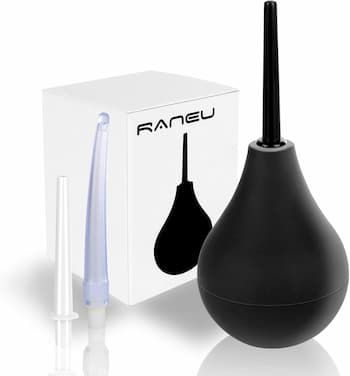
RANEU Enema Bulb Silicone Anal Douche Enema Kit
- Reusable, non-toxic, and odorless green device. It's a perfect douche.
- The douche kit includes three nozzles. These can be used with most lubricants for anal cleansing.
- To clean, separate the nozzle from the bulb. Rinse it with warm water or soap, then dry all components with a clean cloth.
We earn a commission if you click this link and make a purchase at no additional cost to you.
Do Gay Men Really Have More Sex Than Straight Couples?
So, do gay men have more sex than straight couples? The answer is probably yes, but of course, it depends on their relationship style, age, health, and what they want from their connection. Some studies show gay men might have more frequent sex, especially early in relationships or when single, but there’s so much variety within every group that sweeping statements fall short. The most important thing for any couple—gay, straight, or anywhere in between—is open communication, mutual respect, and focusing on what brings them joy and satisfaction.
What matters most is finding the right balance that works for you and your partner, not matching anyone else’s numbers or expectations. If you’ve got questions, want more resources, or want to share your own thoughts, don’t be shy about reaching out. Honest conversations help everyone feel more confident, happier, and better informed.
