

Life gets awkward when your feet do not seem to follow your thoughts. You trip over flat surfaces or drop your phone constantly during normal activities. Clumsy moments happen to everyone, but sometimes the clumsiness feels permanent. Fellas notice these physical slips and wonder why their bodies refuse to cooperate. You feel embarrassed when simple movements become a daily struggle.
Physical coordination relies on a complex network inside your head. Minor disruptions along the pathway cause your limbs to misbehave unexpectedly. You look at other guys who move smoothly and feel completely left behind. Frustration grows when you spill drinks at a social event or fumble your keys. Your self-confidence takes a hit when you feel out of sync.
A clear explanation for your clumsy habits is the first step toward relief. Medical reasons or lifestyle choices often explain why your body feels disconnected. Let us explore the reasons behind your shaky steadiness and awkward movements today. Clear descriptions will shed light on what occurs beneath your skin. Active steps will help you regain control over your physical frame.
Clumsiness and Your Daily Routine
Daily activities require your brain to send lightning-fast signals to your muscles. You expect your feet to move precisely when you walk down the sidewalk. A small delay in those signals causes a sudden stumble or a twisted ankle. Your hands need perfect timing to grab objects without fumbling them completely. Routine tasks turn into stressful events when your body acts clumsy.

Feeling Clumsy
A walk through a crowded bar becomes stressful when your legs feel shaky. You bump into tables or accidentally jostle guys standing nearby. People assume you had too much alcohol when you are completely sober. Mild coordination issues affect your social confidence over a long period. You start to avoid busy places because you fear another awkward moment.
Frequent item dropping is another clear sign that your motor control is slightly off. Your fingers release their grip before your brain intends to let go. Cell phones, glasses, and keys slip away from your palms regularly. Practice exercises will train your hands to hold objects more securely. Small changes in your routine will help protect your breakable belongings.
Reduce your speed when you move through tight spaces. A deliberate pace prevents accidental collisions with furniture or people around you.
Keep your eyes focused on the path directly ahead of your steps. Visual attention helps your brain calculate distances and avoid hidden trip hazards.
Brain and Muscle Communication
Motor pathways control every single twitch and slide of your physical frame. Neurons fire inside your head to tell your arm to reach out. Damage or fatigue along those pathways slows down your physical reaction times. Your body feels heavy and uncooperative when communication links break down. You notice a lag between your mental command and your actual movement.
The cerebellum regulates your steadiness and the smoothness of your physical actions. Problems in this particular brain region cause jerky motions and unstable steps. You shuffle your feet instead of taking clean, confident strides forward. Muscle memory fails to kick in when the cerebellum is tired. Your limbs operate like separate pieces instead of a unified team.

Neurotransmitters carry the necessary chemical messages that allow you to move normally. Low levels of these chemicals disrupt the flow of information down your spine. Stress and poor health deplete these messengers before they reach your muscles. Proper care and rest will replenish your system over several weeks. Your body will communicate better when your nervous system recovers fully.
Perform basic coordination drills to strengthen your neural connections. Repetitive motions build stronger pathways between your mind and your limbs.
Squeeze a rubber ball to improve your manual dexterity daily. Regular hand exercises keep your finger nerves active and highly responsive.
Inner Ear and Fluid Problems
Your inner ear contains a delicate fluid system that tracks your position. Fluid shifts when you tilt your head to signal your exact location. Vestibular system errors cause the world to spin around you without warning. You feel dizzy or light-headed when you stand up too quickly. Your feet struggle to find a solid grip on the floor.
A severe infection in the ear canal disrupts your sense of spatial orientation completely. Viruses cause inflammation that scrambles the positioning data sent to your brain. You tilt toward one side while you attempt to walk straight. Vertigo makes simple tasks like fastening your shoes feel incredibly difficult. Your eyes try to compensate for the bad data from your ears.
Age affects the delicate hairs inside your ear canal over time. Fewer hairs mean your brain receives less data about your physical movements. You lose your footing more easily compared to your younger years. Medical treatments resolve ear fluid issues and restore your steadiness safely. Your doctor will examine your ears to rule out structural blockages.
Utilize gentle head movements to recalibrate your internal stability system. Slow rotations help your inner ear adjust to changes in orientation.
Stand on one foot while you brush your teeth tonight. Static stability exercises train your brain to rely on backup physical cues.

Anxiety and Motor Skills
High stress levels ruin your physical coordination before you even move. Anxiety triggers a flood of adrenaline that makes your muscles shake. Your hands tremble when you try to perform delicate tasks under pressure. Nervous energy disrupts the smooth execution of normal habits. You look clumsy because your body is locked in survival mode.
Deep self-consciousness worsens your coordination when you are around attractive guys. You overthink every step and freeze up during casual social interactions. Brain power splits between social fear and basic motor control functions. Your legs refuse to move naturally when you feel watched. Excessive worry turns a simple walk into an awkward physical performance.
Panic attacks cause immediate weakness in your knees and your hands. Hyperventilation lowers the carbon dioxide in your blood very rapidly. Your muscles stiffen and refuse to follow your mental instructions correctly. Relaxation methods restore normal oxygen flow to your tense muscle groups. A calm mind allows your body to regain its natural fluid motion.
Inhale deep belly breaths before you enter a busy social venue. Oxygen calms your nervous system and stops your hands from trembling.
Shift your attention away from your own body during conversations. A clear focus on the other person stops overthinking your physical posture.
Sleep Deprivation and Clumsy Movements
A lack of sleep acts like alcohol on your motor skills. Exhaustion slows down your brain functions and delays your physical reactions. You misjudge distances and bump your shoulders against door frames frequently. Your fingers lose their grip on small objects during long days. Sleep loss ensures you feel clumsy from morning until late night.
Deep rest allows your brain to repair damaged motor pathways overnight. A missed recovery window leaves your nervous system completely frayed and slow. Your eyes fail to track moving objects accurately when you are tired. Reaction times drop by half after a night of poor sleep. You blunder through your day with zero precision or physical control.

Sleep Apnea
Fatigue alters your perception of where your body exists in space. Proprioception is the sense that tells you where your limbs are. Sleepy brains fail to process this spatial information correctly or quickly. You trip over rugs because your feet do not lift high enough. A commitment to rest will instantly improve how smoothly you move every day.
Establish a strict bedtime to give your brain eight hours of rest. Consistent sleep restores your physical reaction speeds to normal levels.
Turn off electronic screens for one hour before you sleep. Dim lights help your brain enter the deep stages of physical recovery.
Alcohol Impacts on Physical Stability
Heavy drinking damages the brain tissue responsible for a steady physical stance. Alcohol harms the cerebellum over years of continuous substance abuse. You develop a permanent stagger even when you are completely sober. Muscle coordination degrades when alcohol destroys your nerve cells permanently. Your body pays a high price for long nights at the club.
Hangovers cause temporary shakiness that ruins your manual dexterity for days. Dehydration starves your muscles of the water needed for smooth contractions. Your hands shake when you try to hold a pen or cup. Weakness spreads through your limbs as your body purges the toxins. Recovery requires time and plenty of fluids to reset your system.
Sobriety allows your nervous system to heal from past chemical damage. Nerve cells slowly rebuild connections once alcohol leaves your system completely. You will notice steadier hands after a few weeks of clean living. Steadiness returns when your brain stops fighting the depressive effects of liquor. Your physical movements will regain their old precision and reliable strength.
Choose sparkling water instead of liquor during night outings. Staying sober protects your brain from chemical coordination damage over time.
Drink extra fluids to flush out toxins after a heavy night. Hydration reduces the physical tremors associated with severe morning hangovers.

Developmental Coordination Issues from Childhood
Dyspraxia is a lifelong condition that affects physical coordination from birth. Your brain struggles to plan and organize basic muscular movements correctly. You grew up as the clumsy kid who stumbled during sports. Adult dyspraxia continues to cause slips and dropped items every week. A medical evaluation clarifies that your clumsiness is a structural brain trait.
Sensory integration issues make it hard to process physical feedback smoothly. Your brain receives messy data from your eyes, ears, and muscles. You miscalculate how much force is needed to lift an object. A sudden tilt causes you to knock over glasses accidentally. Long-term management of this condition requires patience and specific coping strategies.
Occupational therapists help adults manage developmental motor issues with great success. Training exercises teach your body new ways to handle daily tasks. You are able to retrain your brain to execute complex physical movements. Confidence builds when you realize clumsiness is a medical condition, not a flaw. Your history does not prevent you from improving your current mobility.
Separate complex physical tasks into smaller individual steps. Handling one motion at a time prevents your brain from getting overwhelmed.
Select shoes with rubber soles to increase your grip on slick floors. Solid footwear provides extra stability if you suffer from developmental clumsiness.
Nerve Issues and Physical Weakness
Peripheral neuropathy causes numbness and tingling in your feet and hands. Damaged nerves fail to send accurate position data back to your brain. You cannot feel the ground properly when you take a step. A simple walk in the dark becomes incredibly dangerous when your feet are numb. Your footing disappears because your sensory feedback loop is broken completely.
Pinched nerves in your spine cause sudden weakness in your legs. A slipped disc presses against the cords that control your motor function. You experience a sudden drop in strength that causes your knee to give out. A fall to the floor happens without any warning or physical pain. Medical imaging reveals the exact location of the spinal pressure source.

Vitamin deficiencies sometimes cause nerve damage that alters your steady stride. Low B12 levels destroy the protective coating around your delicate nerve fibers. You develop a clumsy walk and feel weak throughout your entire frame. Supplements reverse the damage if you catch the deficiency early enough. Your doctor will check your blood to ensure your nerves stay healthy.
Check your feet daily for injuries if you experience numbness. A total lack of feeling hides small cuts that could worsen without treatment.
Stretch your lower back to relieve pressure on compressed spinal nerves. Gentle flexibility routines keep your nerve pathways open and fully functional.
Gym Workouts and Muscle Adaptation
Heavy weights help build the strength required for steady physical positioning. Weak muscles struggle to keep your joints stable during sudden movements. You wobble when you change directions quickly on the gym floor. Regular workouts force your nervous system to adapt to heavy loads. Your coordination improves as your muscles grow stronger over several weeks.
Excessive exercise causes severe muscle fatigue that ruins your natural coordination completely. Exhausted fibers shake and refuse to support your weight during simple exercises. You drop dumbbells or trip over gym equipment when you push too hard. Rest days are necessary to allow your motor system to recover. Your body needs downtime to repair the tiny tears in your muscles.
Proper form matters more than the amount of weight you lift each session. Faulty movements train your brain to repeat awkward and dangerous patterns. You create imbalances that cause future clumsiness and severe physical injuries. Regular mirror checks help you verify that your posture remains straight and correct. Expert trainers give valuable feedback to keep your movements clean and safe.
Execute your gym exercises slowly to focus on perfect physical control. Deliberate movements teach your brain to coordinate your muscles efficiently.
Plan two full rest days between heavy weightlifting sessions. Recovery time prevents the deep muscular exhaustion that causes accidental stumbles.
Stress Hormones and Muscle Stiffness
Sudden adrenaline spikes cause your muscles to tighten up without your conscious consent. High anxiety keeps your body in a constant state of physical readiness. Stiff muscles lose their flexibility and react poorly to sudden positioning shifts. You move like a robot instead of a loose, fluid human being. A reduction in your stress levels will relax your tight frame almost instantly.
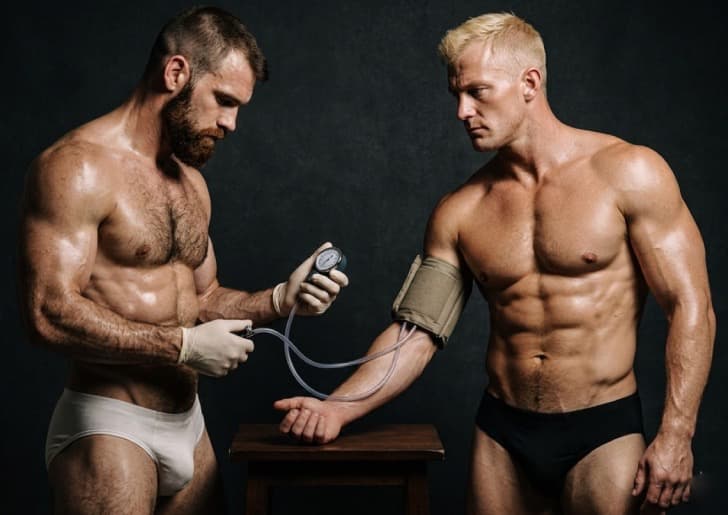
Endothelial Oxidative Stress - What The Heck Is It?
Excessive cortisol ruins your sleep quality and slowly degrades your physical coordination. High levels of this hormone prevent deep tissue repair during the night. You wake up feeling stiff and clumsy before your day even begins. Chronic worry creates a cycle of physical tension that is hard to break. Your nervous system stays exhausted from fighting imaginary threats all day long.
Deep breathing exercises help lower the hormone levels that cause physical stiffness. Inhalations trigger the relaxation response inside your frantic autonomic nervous system. Your muscles loosen up and allow for smoother, more precise movements. You will notice better stability when you let go of mental burdens. Peace of mind directly correlates with how well your body functions.
Relax with a warm bath to loosen your tense muscle fibers. Heat reduces the physical stiffness caused by high daily stress hormones.
Allot ten minutes stretching your limbs before you leave home. Lengthening your muscles prevents the robotic movements that cause clumsy trips.
Vision and Spatial Awareness
Your eyes give the primary data your brain needs to map surroundings. Poor vision makes it difficult to judge the height of curbs accurately. You trip because your foot hits an obstacle you did not see clearly. Distance perception errors cause you to reach past objects and knock them over. Regular eye exams ensure your brain receives crisp, accurate visual information.
Special bifocal lenses change how the ground looks when you glance downward quickly. The line in your glasses distorts distances and confuses your internal equilibrium center. You must look through the correct part of the lens to avoid missteps. A trip down stairs requires extra caution when you wear these specialized glasses. Time spent adapting to new lenses takes a few weeks of careful practice.
Dim lighting reduces your spatial awareness and increases your clumsiness significantly. Dark hallways hide small hazards like rugs, pets, or discarded shoes. Your brain struggles to walk through rooms when visual cues disappear entirely. A bright nightlight protects you from accidental falls during midnight bathroom trips. Good lighting keeps your living space safe and easy to traverse.
Renew your prescription lenses every year to maintain sharp depth perception. Clear vision allows your brain to plan your foot placement accurately.
Stop at the top of staircases to scan the steps visually. A visual scan prevents the missteps that happen when you rush into dark areas.

"Every day, I wake up dreaming of being somebody, you know? Someone who stands out, gets recognized for something amazing. But I know I'm the queen of clumsy. Tripping over flat surfaces, spilling coffee on important papers, you name it. It's like my own body is sabotaging me. How am I supposed to make my mark when I can't even walk across a room without causing a scene?"
Fatigue and Brain Fog Impacts
Thick brain fog slows your mental processing speed down to a crawl. You feel disconnected from your limbs as you move through your day. Simple choices like avoiding an open cabinet door take too long to execute. Your body collides with objects because your brain reacts too slowly to hazards. Clear thinking is required to move through your environment with perfect precision.
Severe fatigue drains the physical energy needed for muscle control. Your legs feel like lead weights when you try to walk upstairs. Weak muscles fail to lift your feet high enough to clear small bumps. You stumble frequently because your body lacks the power to stay upright. Careful management of your energy levels is critical to prevent severe coordination drops.
Dehydration worsens brain fog and makes your movements feel incredibly awkward. Low water levels shrink your blood volume and reduce oxygen to your brain. You experience dizziness and a general lack of physical stability on hot days. Regular water intake restores your mental clarity and sharpens your motor skills. Your body functions best when your cells are fully hydrated and refreshed.
Carry a refillable water bottle to stay hydrated during your day. Constant fluid intake keeps your brain sharp and your muscles fully functional.
Take a short nap when mental fog begins to ruin your stability. Rest resets your processing speeds and reduces clumsy physical mistakes.
Medication Side Effects on Stability
Prescription drugs often list dizziness and coordination loss as common side effects. Allergy pills cause drowsiness that slows down your natural physical reflexes. Muscle relaxers loosen your fibers too much and make your legs feel rubbery. Anti-anxiety medications dull your nervous system and disrupt your steady stability pathways. You should read the warning labels on every bottle in your cabinet.
A combination of multiple medications increases the risk of experiencing severe coordination difficulties. Different chemical compounds interact inside your body to create unexpected physical confusion. You feel unsteady on your feet shortly after taking your daily doses. Sudden blood pressure drops cause light-headedness when you stand up from a chair. Your pharmacist will help you identify dangerous interactions between your prescriptions.

Medication Side Effects
A minor adjustment to your medication schedule could resolve your stability issues without health risks. Safe timing prevents daytime clumsiness from ruining your normal routine. Doctors are able to lower your dosage to minimize unwanted physical side effects. Never stop taking your necessary prescriptions without explicit medical guidance first. Alternative options exist to keep you healthy and steady on your feet.
Consult your physician about your stability issues at your next visit. Doctors alter your medication list to eliminate side effects that cause clumsiness.
Sit on the edge of your bed before you stand up. A brief pause allows your blood pressure to stabilize after you take morning pills.
Environmental Obstacles and Safety
Unsafe environments turn minor coordination issues into major physical dangers. Slippery bathroom floors cause severe falls when your stability is slightly off. Loose rugs slide across hardwood floors and take your feet right out. Cluttered pathways block your steps and force you into awkward twisting movements. Basic alterations to your surroundings ensure you stay upright and completely safe from harm.
Public spaces present unique hazards like broken sidewalks and steep escalators. A hurried pace through transit stations increases the chance of a nasty trip or fall. You must watch the ground to spot hidden holes and uneven pavement. Wet weather makes metal grates and marble floors incredibly slick to walk on. Sensible footwear choices protect your stability when the environment turns hostile.
Home modifications create a secure space where clumsiness cannot hurt you. Heavy non-slip mats inside the shower provide excellent traction for your wet feet. Sturdy handrails on staircases offer reliable support when your legs feel weak. Clear paths through hallways open up wide spaces for your daily movements. Your home should protect your body from accidental slips and bruises.
Secure all loose carpets with heavy-duty double-sided rug tape. Sticky tape prevents carpets from bunching up and tripping your feet.
Install bright motion-sensor lights in your dark hallway paths. Automatic lighting ensures you see every single obstacle during late-night walks.
Aging and Natural Muscle Loss
Sarcopenia is the natural loss of muscle mass as you grow older. Fewer muscle fibers mean you possess less strength to correct sudden slips. Your reaction time slows down because your muscles take longer to contract. You feel less steady on your feet compared to your younger years. Active resistance training helps you fight this process to preserve your physical strength.
Severe joint stiffness accompanies muscle loss and reduces your overall range of motion. Tight hips shorten your stride and make your walk look stiff and awkward. You struggle to clear obstacles because your legs do not bend easily anymore. Regular flexibility exercises keep your joints loose and ready for unexpected stability challenges. A loose frame helps you move through life with much greater physical ease.
Bone density decreases alongside muscle mass during the normal aging process. Weak bones make falls much more dangerous for your long-term health. Regular weight-bearing activities like walking help protect your skeleton over time. Good posture distributes your body weight evenly across your aging joints. You are able to slow down physical decline with consistent daily effort.
Join a local strength class to build up your leg muscles. Heavy leg exercises give you the power to recover from a sudden loss of footing.
Stretch your hip flexors daily to maintain a wide, natural stride. Loose joints prevent the short, shuffling steps that cause tripping.
We earn a commission if you click any of these links and make a purchase at no additional cost to you.
Harry Styles on Amazon


Harry’s House
[2022- Harry Styles]

Kiss All The Time. Disco, Occasionally
[2026 - Harry Styles]
Neurological Conditions and Reflexes
Serious neurological issues sometimes manifest as simple coordination difficulties at first. Severe conditions like multiple sclerosis damage the protective myelin coating around your nerves. Your brain struggles to send clear signals to your limbs through damaged cords. You notice a persistent weakness or a strange numbness in one leg. An early medical evaluation detects these nervous system changes before they progress.
Parkinson's disease alters your movement pathways and causes involuntary muscle tremors. You experience stiffness that makes it hard to start walking from a stop. Your stability degrades because your brain produces less dopamine over time. Sluggish steps and a hunched posture are common signs of this condition. Neurologists have successful treatments to manage these specific movement symptoms safely.
Reflex tests help doctors evaluate the health of your nervous system pathways. Hyperactive or sluggish reflexes point toward specific areas of spinal cord trouble. Your physician uses a small rubber hammer to check your nerve responses. A clear identification of your reflex changes guides the treatment plan. Medical science possesses excellent methods to support your neurological health today.
Schedule an appointment with a neurologist if your clumsiness worsens. Specialists perform advanced tests to check the health of your brain pathways.
Monitor your hands for resting tremors that disrupt your daily tasks. Careful observation helps your doctor identify early signs of nerve conditions.
Mental Focus and Distraction Limits
Simultaneous tasks divide your brain power and ruin your physical coordination instantly. A habit like phone use while walking forces your mind to ignore the ground ahead. You stumble because your attention is trapped inside your digital screen. Your body needs your full awareness to handle physical obstacles safely. A singular focus on one action keeps your feet steady and reliable.

Loud environments overload your sensory system and cause physical movement confusion. Excessive noise distracts your brain from processing stability data from your ears. You feel disoriented and clumsy when entering a chaotic street festival or club. A quiet spot allows your nervous system to calm down completely. Your coordination improves when your mind stops fighting intense external stimuli.
A wandering mind pulls your mental focus away from your immediate physical surroundings. You bump into walls because your thoughts drift through old memories or future plans. Awareness of your body is a skill that requires conscious daily practice. A mindful attitude protects you from silly, preventable injuries at home. Your limbs will follow instructions better when your mind stays fully alert.
Put away your smartphone completely while you walk down public stairs. Full attention prevents dangerous missteps on steep or uneven concrete steps.
Practice grounding techniques to bring your awareness back to your body. Conscious attention to your feet stops the mental wandering that causes clumsiness.
Posture and Core Strength Stability
A weak core leaves your upper body unstable during normal daily movements. Your abdominal muscles act as the anchor for your entire physical frame. Your limbs wobble and move without proper control when your center lacks strength. You lose your footing easily when reaching for items on high shelves. A strong core gives a solid foundation for every single step you take.
A slouched posture shifts your center of gravity forward and ruins your natural stability. Poor posture puts extra strain on your lower back and neck muscles continuously. You become clumsy because your body constantly fights to keep from falling forward. An aligned spine allows your nervous system to function without painful muscular compression. A straight spine helps your brain calculate spatial distances with much greater accuracy.
Gentle exercise forms like pilates focus heavily on improving your posture and core strength. Controlled movements teach you how to coordinate small muscle groups efficiently. You will notice a major improvement in your daily stability after a month. Smooth movements replace the awkward stumbles that used to frustrate your routine. A commitment to your posture transforms how you carry yourself through life.
Tighten your abdominal muscles slightly while you stand in line today. A firm core stabilizes your torso and improves your overall standing stability.
Align your shoulders over your hips to correct a slouching posture. Vertical alignment takes pressure off your back and prevents clumsy forward stumbles.

Blood Pressure and Sudden Light-Headedness
Low blood pressure causes temporary dizziness that ruins your physical coordination. Your brain starves for oxygen when your circulatory system slows down too much. You experience a sudden swimming sensation in your head during rapid movements. A quick rise from a chair triggers a sharp drop in blood flow to your eyes. Your body stumbles as you wait for your pressure to normalize.
Dehydration plays a massive role in causing sudden drops in your blood pressure. A lack of fluids shrinks your blood volume and makes your heart work harder. You feel faint and clumsy when you skip water during a busy afternoon. Hot environments worsen this physical effect by causing excessive sweating. Your stability returns once you consume enough fluids to refill your system.
Medical checkups help track your vascular health and identify potential circulatory issues. Doctors evaluate your resting numbers to see if medication adjustments are required. You are able to manage mild pressure drops through simple lifestyle choices. Extra salt or compression socks sometimes help guys who suffer from frequent dizziness. Your physician will guide you toward a safe strategy to maintain your physical steadiness.
Rise slowly from a sitting or lying position every single time. A deliberate transition gives your blood pressure time to adjust to gravity.
Drink a large glass of water right after you wake up. Early hydration prevents the morning dizziness that causes clumsy bedroom stumbles.
Footwear Choices and Ground Traction
The shoes you wear dictate how safely you interact with the ground. Slick leather soles give zero grip on wet city streets or polished floors. You glide and slide instead of walking with a firm, confident stride. Bad footwear turns a minor coordination dip into a total physical disaster. Your closet probably holds a few pairs that compromise your daily stability.
High heels or heavy boots alter your center of gravity in a negative way. Your ankles wobble when your shoes lack proper heel and arch support. You misjudge step heights because your feet are elevated artificially off the floor. Movement feels awkward when your footwear restricts natural joint flexibility. A switch to supportive athletic shoes will instantly improve your physical stance.
Worn out soles lose their tread and increase your risk of slipping significantly. Smooth bottoms fail to catch the floor when your weight shifts unexpectedly. You stumble because your foot slides out from under your torso during a turn. Inspection of your shoe collection helps you throw away dangerous footwear early. Your safety depends on a solid connection between your feet and the earth.
Select footwear with deep rubber treads for your daily outdoor walks. Textured soles deliver reliable traction on uneven or slippery concrete pathways.
Replace old sneakers once the heel support breaks down completely. Fresh shoes give the structural stability your ankles need to stay upright.

Coordination Difficulties: Why Me?
Coordination difficulties are a common issue that you are able to overcome with patience. Your body goes through shifts that require careful attention and smart lifestyle modifications. Clumsiness does not define your future or prevent you from living an active life. You have the ability to strengthen your nervous system through deliberate daily habits. A positive attitude will help you work through these minor physical speed bumps.
Doctors and therapists give excellent support when you need help with your stability. Clear testing uncovers the root cause of your awkward movements without any shame. Your partner and friends will understand when you speak openly about your physical struggles. Physical steadiness returns when you address your sleep, stress, and medical health with care. You deserve to feel confident and secure within your own physical frame.
Take the first step toward a steadier lifestyle by tracking your daily symptoms. Small adjustments to your environment will protect your safety while you recover. Your body responds well to consistent care and proper rest over time. Look forward to brighter days with smoother movements and renewed confidence in your stride. Your health is worth every bit of effort you invest starting today.