

A strong heart serves as the central hub of your entire existence, pumping life through your veins every second of every day without pause. You likely hear a lot of noise about what to eat and how to move, but much of that talk feels like a chore rather than a choice for a better life. Your cardiovascular system is a masterpiece of biology that deserves a high-performance maintenance plan to keep it running at its peak efficiency for decades.
Small shifts in your daily habits create a massive wave of positive outcomes for your blood pressure, your energy, and your overall longevity. Instead of viewing health as a series of denials, you should look at it as a way to fuel your future adventures and your daily activities with vitality.
A resilient heart allows you to pursue your interests with a clear head and a body that feels capable of handling any physical demand. Your ticker is your most loyal companion, and a little bit of care today ensures a long and vibrant life tomorrow.
1. Balanced Nutrition
Your diet functions as a chemical blueprint for the health of your veins and the strength of your heart muscle. Every morsel of food you consume sends a signal to your cardiovascular system that either repairs or degrades your arterial walls over time.
Focus on vegetables, fruits, whole grains, and legumes
Leafy greens contain high levels of nitrates that assist your blood vessels in staying wide and relaxed for better flow. Fiber from beans and lentils acts as a biological filter to pull excess cholesterol out of your gut. Antioxidants found in colorful berries shield your heart tissues from the oxidative stress of daily living. Whole grains deliver a slow release of energy that prevents the sudden glucose spikes that harden your veins. Your internal systems thrive when you prioritize produce that comes directly from the earth rather than a factory.
Fresh produce contains potassium which helps your kidneys flush out extra sodium to keep your pressure levels in a safe range. Legumes serve as a dense source of protein that leaves out the harmful saturated fats found in animal products. Whole grains like barley and oats contain specialized fibers that directly lower the presence of low-density lipoproteins in your blood. Your body processes these natural carbohydrates much more efficiently than the refined sugars found in white bread or pastries. A diet rich in plant matter ensures that your ticker has the raw materials necessary for constant self-repair.
Vitamin K in spinach helps prevent the buildup of calcium in your arteries which otherwise leads to dangerous blockages. Pears and apples supply pectin which is a type of fiber that improves your overall cholesterol profile after every meal. Chickpeas and black beans help stabilize your sugar levels throughout the long afternoon so you do not feel a crash. Quinoa and brown rice deliver magnesium which is a mineral required for a steady and healthy heart rhythm. Your plate should look like a rainbow of colors to ensure you get every single micronutrient your cardiovascular system demands.
Choose lean proteins (fish, poultry, plant-based options)
Salmon and mackerel supply the omega-3 fatty acids that lower inflammation in your heart and your brain. Chicken breast delivers the necessary amino acids for muscle maintenance without the heavy burden of greasy fats. Tofu and tempeh serve as excellent plant alternatives that keep your arteries clear of the gunk associated with red meat. Your system requires protein to fix the tiny tears in your vessel walls that occur during strenuous activity. A shift toward lighter protein sources prevents the sluggish feeling that often follows a heavy and fatty steak dinner.
Fish consumption twice a week has been linked to a much lower risk of sudden cardiovascular events in many adults. Poultry remains a versatile option that supplies high-quality nutrition when you remove the skin before cooking it. Lentils and peas are fantastic for your heart because they supply protein alongside a massive dose of helpful fiber. Your body uses these lean fuels to build a stronger heart muscle that can pump blood with less overall effort. Every choice to swap beef for beans reduces the amount of saturated fat that enters your system and causes trouble.
Plant-based proteins contain zero cholesterol which makes them a superior choice for anyone worried about their arterial health. Turkey and lean cuts of pork supply B vitamins that help your body convert food into usable energy for your heart. Soy products contain isoflavones that help maintain the elasticity of your blood vessels as you get older. Your heart thrives when you limit the intake of processed deli meats that are loaded with nitrates and salt. Lean sources of protein ensure that your body has the building blocks for health without the side effects of heavy grease.
Use healthy fats like olive oil, nuts, and seeds
Olive oil contains monounsaturated fats that act as a lubricant for your circulatory system and your joints. Walnuts supply a particular type of acid that helps your heart rhythm stay steady during times of high stress. Seeds like chia or flax add a crunch to your meals while delivering a heavy dose of fiber and healthy oils. Your arteries remain supple when you choose these liquid fats over the solid fats found in butter or lard. A handful of almonds every day helps keep your cholesterol levels in a range that makes your doctor very happy.
Monounsaturated fats help to reduce the level of bad cholesterol while maintaining the level of good cholesterol in your blood. Avocados are another great source of these fats and also supply a large amount of heart-healthy potassium. Pumpkin seeds and sunflower seeds contain phytosterols that block the absorption of cholesterol in your digestive tract. Your heart prefers these clean-burning fats because they do not leave behind the sticky residue that causes arterial plaque. Replacing butter with olive oil is one of the simplest ways to protect your long-term cardiovascular health.
Hemp seeds provide a complete source of protein along with the healthy fats your heart needs to function well. Macadamia nuts and pecans offer a delicious way to get more unsaturated fats into your daily routine. Flaxseed oil is highly concentrated and helps to thin the blood slightly to prevent dangerous clots from forming. Your brain also benefits from these fats because they keep your neural membranes flexible and responsive to signals. Consistent use of plant-based fats keeps your entire system running like a well-oiled machine for many years.
Cut back on ultra-processed foods
Packaged snacks often contain hidden chemicals that cause your blood pressure to rise and your arteries to stiffen. Refined flours and artificial additives create a state of chronic inflammation that wears down your heart over time. Your body struggles to recognize the synthetic ingredients found in most frozen dinners and boxed treats. Every meal made from scratch at home is a victory for your health and your internal stability. A reduction in processed food intake leads to an immediate improvement in how you feel and how your heart performs.
Manufacturers add high amounts of salt to processed items to make them last longer on the store shelves. Such high sodium levels force your heart to pump harder to move the extra fluid through your veins. Artificial trans fats hide in many baked goods and lead to a rapid increase in your risk of heart disease. Your system was never designed to handle the chemical complexity of modern industrial food production. Natural ingredients are the only way to ensure your heart receives the high-quality fuel it truly deserves.
Soda and sweetened drinks are some of the most processed items in the modern diet and they ruin your metabolism. Excessive intake of these liquids leads to weight gain and a much higher chance of developing heart failure. Your heart prefers water or herbal teas that do not contain the dyes and syrups of commercial beverages. Frozen pizzas and salty canned soups should be replaced with fresh alternatives to lower your total intake of preservatives. Small changes in your shopping habits will yield massive results for the health of your entire cardiovascular system.
Keep added sugars low to avoid strain on metabolism
Sugar causes a rapid spike in insulin that eventually leads to the storage of fat around your vital organs. Visceral fat is the most dangerous kind because it releases inflammatory chemicals directly into your bloodstream. Your heart has to work much harder to pump blood when your metabolism is sluggish from too much sugar. Refined sweets offer zero nutritional value and only serve to damage your arterial lining over the years. A low-sugar lifestyle ensures that your energy levels stay steady and your heart stays strong.
Cakes and cookies are obvious sources of sugar but many condiments also contain surprising amounts of the sweet stuff. Salad dressings and pasta sauces often hide sugar to enhance the flavor of cheap and low-quality ingredients. Your body converts excess sugar into triglycerides which are a type of fat that clogs your arteries. Keeping your sugar intake low helps to prevent the onset of Type 2 Diabetes and the heart problems that follow. Every dessert you skip is an investment in a future where you remain mobile and active without heart trouble.
Natural sugars in fruit come with fiber that slows down the absorption and protects your internal systems. Processed sugars hit your bloodstream like a tidal wave and cause your heart rate to jump for no reason. Your taste buds will eventually adapt to a less sweet diet and you will find fresh foods more satisfying. High-sugar diets are linked to a much higher rate of obesity and chronic heart conditions in the modern population. Choosing a piece of fruit over a candy bar is a simple way to show your heart some much-needed respect.
Fill half your plate with colorful plants to get natural vitamins.
Swap red meat for fish or beans to protect your arteries.
Drizzle olive oil on your meals for better vessel health.
Avoid packaged snacks that contain hidden sugars and chemicals.
Drink water instead of sugary juices to keep your metabolism stable.
2. Heart-Healthy Fats
Fats are a requirement for life but the type of fat you choose determines the longevity of your internal pipes. Your body uses these lipids to build cell walls and manage the electrical signals that keep your heart beating in a steady rhythm.
Prioritise unsaturated fats (olive oil, avocados)
Liquid fats at room temperature are generally much better for your heart than the solid fats found in meat. Olive oil serves as a fantastic source of antioxidants that shield your blood vessels from the damage of daily life. Avocados contain monounsaturated fats that help lower your bad cholesterol while providing a creamy and satisfying texture. Your system uses these oils to maintain the flexibility of your arteries so they do not crack or harden. A diet rich in plant oils is a major factor in the health of the longest-living populations on earth.
Adding a splash of olive oil to your cooked vegetables helps your body absorb the fat-soluble vitamins they contain. Almonds and cashews are packed with these healthy fats and serve as a perfect snack for a busy day. Your heart prefers these clean fats because they do not contribute to the buildup of plaque in your vessel walls. Every time you choose a plant-based oil you are helping your heart pump blood with less overall pressure. Consistency with these healthy fats will keep your skin glowing and your heart beating strong for many years.
Nuts like hazelnuts and pistachios are also great sources of unsaturated fats that keep your cholesterol in check. Your body requires these oils to manufacture the hormones that regulate your blood pressure and your stress response. Avocado oil is excellent for high-heat cooking and remains stable enough to protect your cardiovascular health during the meal. Replacing creamy dressings with oil and vinegar is a simple way to improve your daily nutrient intake. Your ticker thrives on the smooth flow that these healthy fats provide to your entire circulatory system.
Eat omega-3 rich foods like salmon and mackerel
Cold-water fish contain high levels of fatty acids that act as a natural anti-inflammatory for your entire body. Salmon is a famous source of these nutrients and should be on your menu at least twice every week. Mackerel and sardines are also excellent choices that deliver a massive dose of heart-healthy oils in every bite. Your heart rhythm stays more regular when you have a steady supply of these marine-based fatty acids. A diet rich in fish is one of the most effective ways to lower your risk of a sudden heart event.
Omega-3 fats help to lower the level of triglycerides in your blood which prevents your arteries from getting clogged. Such fats also help to thin the blood slightly so that it moves through your veins without forming dangerous clots. Your brain needs these fats to stay sharp and to prevent the cognitive decline that often comes with age. Sardines are a budget-friendly way to get these nutrients without spending a lot of money at the seafood counter. Every serving of fish is a powerful boost to the overall resilience of your cardiovascular system and your mind.
Walnuts and chia seeds supply a plant-based version of these fats for those who do not eat seafood. While the animal version is more potent the plant version still helps to lower your overall inflammation levels daily. Your heart uses these acids to repair the damage caused by high blood pressure and environmental toxins in the air. Mackerel is especially high in these fats and should be grilled or baked for the best nutritional results. A steady intake of these oils ensures that your heart stays calm and your blood moves freely through your body.

Reduce saturated fats (fatty meats, butter)
Saturated fats are usually solid at room temperature and they tend to gum up your internal works over time. Fatty cuts of beef and pork contain high levels of these lipids that raise your bad cholesterol and cause trouble. Butter and cream are delicious but they should be used sparingly to avoid the stiffening of your arterial walls. Your heart has a harder time pushing blood through pipes that are coated with the residue of a greasy diet. A reduction in these fats leads to a notable improvement in your cardiovascular test results at the doctor.
Lard and palm oil are common in processed foods and they contribute to the development of chronic heart conditions. Your system struggles to process large amounts of these heavy fats and they often end up stored as belly fat. Red meat consumption should be limited to a few times a month to protect the health of your veins. Every time you choose a lean protein over a fatty one you are giving your heart a much-needed break. A shift toward lighter fats will leave you feeling more energetic and less weighed down after your meals.
Coconut oil is high in saturated fat and should not be seen as a health food for your heart. High-fat dairy products like cheese and whole milk also contribute to the total amount of saturated fat in your day. Your arteries stay clearer when you limit these foods and focus on the plant-based alternatives that are available. Small portions of these treats are fine for special occasions but they should not be a daily habit for you. Your ticker will be much more resilient if you avoid the heavy burden of a diet high in solid animal fats.
Avoid trans fats often found in packaged snacks
Trans fats are man-made chemicals that the body does not know how to handle or process in any way. These oils are created through an industrial process that turns liquid vegetable oil into a solid fat. Manufacturers use them in cookies and crackers because they have a very long shelf life and they are cheap. Your heart health takes a massive hit whenever you consume even a small amount of these dangerous substances. Avoiding them entirely is the only safe way to protect your cardiovascular system from their harmful effects.
Check the labels for the words "hydrogenated" or "partially hydrogenated" to find these hidden killers in your food. These fats lower your good cholesterol while simultaneously raising your bad cholesterol to dangerous levels. Your arteries become inflamed and stiff after you eat foods that contain these artificial and chemical oils. Fried foods at fast-food restaurants are often cooked in these fats to save money and improve the crunch. Every bite of a trans-fat-filled snack is a step toward a much higher risk of a future heart attack.
Processed pastries and frozen pies are some of the biggest sources of these fats in the modern world today. Your body has no biological use for these chemicals and they serve only to ruin your health and your veins. Most countries have started to ban these fats but they still hide in some imported goods and local bakeries. You must be vigilant and read every package to ensure you are not feeding your heart these toxic substances. A clean diet is one that is free from the interference of man-made and harmful industrial fats.
Check labels for hidden unhealthy fats
Many food companies use clever names to hide the presence of low-quality fats in their various products. You should look for palm oil and vegetable shortening which are often used to keep costs low and flavors high. Reading the nutritional panel is the only way to be sure that your snacks are actually healthy for you. Your heart relies on you to be a detective in the grocery store to avoid the trap of clever marketing. A few extra seconds spent reading a label can save you years of health trouble down the road.
Nutritional labels show the breakdown of fats so you can see exactly how much saturated fat is in a serving. You should compare different brands to find the one with the lowest amount of solid fats and chemicals. Some products claim to be "low fat" but they replace the fat with sugar which is just as bad. Your internal systems need real food rather than a list of scientific names that you cannot even pronounce. Every choice to pick the more natural option is a victory for your long-term cardiovascular stability and health.
Manufacturers often hide the serving size to make the fat content look much lower than it actually is for the user. You must multiply the numbers by the total amount you plan to eat to get the real picture. Your heart will thank you for the extra effort you put into selecting high-quality and natural ingredients. Avoid any product that lists "fat" as one of the first three ingredients on the back of the package. A careful approach to shopping will ensure that your pantry is filled with items that help rather than hurt your heart.
- Choose liquid plant oils like olive or avocado for all your home cooking.
- Eat grilled salmon or sardines twice a week for high omega-3 intake.
- Limit your intake of butter and fatty red meats to protect your veins.
- Read labels carefully to avoid any partially hydrogenated oils in your snacks.
- Replace heavy cream with nut milks or light alternatives in your coffee.
3. Physical Activities
Movement is the primary way that you train your heart to be strong and resilient against the stresses of life. Your circulatory system relies on the contraction of your muscles to help push blood back to your heart for more oxygen.

Aim for at least 150 minutes of moderate activity weekly
Brisk walking for thirty minutes a day five times a week meets this minimum requirement for most healthy adults. Your heart rate should rise enough that you can still talk but you cannot sing a song. Consistent movement helps to lower your resting heart rate because the muscle becomes more efficient at pumping blood. Every minute of exercise is a deposit into your longevity bank that pays off with more energy daily. A total of 150 minutes might seem like a lot but it is only a small fraction of your week.
Biking to the store or swimming in a pool are great ways to get your heart pumping without hurting your joints. Your body thrives on the regular rhythm of physical exertion followed by a period of restful recovery. Exercise helps to keep your blood vessels clear of debris and lowers your overall blood pressure levels. Every step you take contributes to a stronger cardiovascular system that can handle any surprise or physical demand. You will find that your mood improves alongside your fitness as your brain releases happy chemicals during your walk.
Breaking the 150 minutes into smaller ten-minute chunks is just as effective for your heart health as one long session. You could take a quick walk after every meal to help your digestion and get your heart rate up. Your ticker loves the variety of different movements that keep your whole body engaged and alert throughout the day. Consistency is far more important than intensity when you are starting out on a new fitness plan for yourself. A steady habit of movement will keep your heart beating strong for as many years as you need it.
Mix cardio (walking, cycling) with strength training
Cardiovascular exercise trains your heart to pump more blood with every single beat that it makes during the day. Strength training builds muscle that helps your body process sugar and fat much more efficiently than a sedentary frame. Your metabolic health relies on the combination of these two different types of physical activity for the best results. Lifting weights or using resistance bands twice a week will keep your bones strong and your heart resilient. A varied routine prevents boredom and ensures that every part of your body stays in top shape for you.
Jogging or swimming gets your lungs working and improves the oxygen delivery to all of your vital internal organs. Resistance training increases your muscle mass which raises your resting metabolic rate and helps with weight control over time. Your heart is a muscle too and it responds to the demand of heavy work by becoming thicker and stronger. Every time you push yourself a little harder you are teaching your heart how to handle stress with ease. A balanced mix of cardio and weights is the gold standard for a long and healthy life with a strong heart.
Bodyweight exercises like squats and push-ups can be done in your living room without any expensive gym equipment at all. Your heart will pump harder to supply your large muscle groups with the fuel they need during these movements. Strength work also helps to prevent the loss of muscle that naturally occurs as you get older and less active. Your cardiovascular system benefits from the increased circulation that happens when you use your muscles to move heavy objects. A commitment to both types of exercise will yield the best outcomes for your blood pressure and your heart.
Break up long periods of sitting
Sitting for several hours at a time is linked to a much higher risk of developing chronic heart conditions and weight gain. Your blood flow slows down when you are sedentary and it can pool in your legs and cause swelling. You should stand up and move around every hour to keep your circulation active and your heart happy. A standing desk or a quick walk to the water cooler can make a massive difference in your health. Your body was built for motion and it begins to stiffen when it is kept in a chair for too long.
Setting an alarm on your phone or your watch is a great way to remember to stand up during the day. Stretching your legs and reaching for the ceiling helps to reset your posture and improve your overall blood flow. Your heart has a harder time pumping blood against gravity when you are slumped over a computer for many hours. Every little movement counts toward your daily goal of staying active and keeping your ticker in top condition. A habit of regular movement breaks will leave you feeling more alert and less tired by the end of the day.
Taking your phone calls while standing or walking is a simple way to add more motion to your busy workday. You could also try some calf raises while you wait for your coffee to brew in the office kitchen. Your circulatory system thrives on the frequent activation of your muscles that happens when you move around your space. Such small bursts of activity keep your metabolism running and prevent your blood sugar from spiking too high after a meal. A life spent in motion is a life that supports a healthy and vibrant heart for many years to come.
Add light movement like stretching or short walks during the day
Stretching helps to keep your blood vessels flexible and prevents the hardening of the arteries that often comes with aging. Short walks in the morning or the evening help to clear your mind and get your blood moving without any stress. Your heart appreciates the gentle increase in demand that comes with a casual stroll through your local neighborhood. Every bit of motion helps to burn extra calories and keep your weight in a range that is healthy. A daily routine of light movement is an easy way to stay consistent with your cardiovascular health goals.
Yoga or pilates can improve your flexibility and your core strength while also helping you to relax your mind and heart. These activities focus on the breath which helps to lower your heart rate and your overall blood pressure levels. Short walks to the park or the store are better for your heart than sitting on the couch and watching the news. Your ticker loves the steady and predictable rhythm of a body that stays active throughout the morning and the afternoon. A little bit of light work every day adds up to a much stronger and more resilient system over time.
Walking your dog or playing with your kids in the yard is a fantastic way to sneak in some extra exercise. Your heart does not know if you are in a gym or just having fun in the sun with your loved ones. Such light activities keep your joints moving and prevent the stiffness that makes exercise feel like a difficult chore later. Your circulatory system is always working and it rewards you for any help you give it through physical activity. A commitment to daily movement will ensure that your heart stays in peak condition for all of your future plans.
Gradually increase intensity if you’re starting out
Starting a new exercise plan too quickly can put a lot of strain on a heart that is not used to the work. You should begin with slow walks and gradually add more speed or distance as your fitness level improves over time. Your heart muscle needs time to adapt to the new demands you are placing on it every single day. Listening to your body is the most important part of any new fitness routine for your long-term health. A slow and steady approach will prevent injuries and keep you motivated to continue your journey toward a healthy heart.
Check your pulse to see how your heart is responding to the new physical work you are giving it during the week. You will notice that you can do more with less effort as your cardiovascular system becomes more efficient and strong. Adding one extra minute of exercise each day is a great way to build up your stamina without feeling overwhelmed. Your heart thrives on the gradual challenge of slowly increasing the workload as you become more fit and capable. Every small victory in your fitness plan is a reason to keep moving forward toward your health targets.
Pushing too hard in the beginning often leads to burnout and a return to sedentary habits that hurt your heart. You should aim for progress rather than perfection as you work on improving your cardiovascular health and your strength. Your ticker will become more resilient with every week of consistent and moderate activity that you give it in your life. A slow build-up ensures that your blood vessels and your heart valves can handle the increased pressure of a workout. A long-term commitment to movement is the best gift you can give to your heart and your future self.
- Walk for thirty minutes five days a week to meet your minimum movement needs.
- Lift light weights twice a week to build muscle and support your metabolism.
- Stand up every hour to keep your blood flowing through your legs and heart.
- Choose the stairs instead of the elevator to get a quick burst of activity.
- Start with slow walks if you are new to exercise and build up slowly.
4. Weight Management
The size of your frame directly impacts how much work your heart has to do to keep you alive and moving. Every extra pound requires more blood vessels and more pressure to ensure that oxygen reaches every single part of your body.

Balance calorie intake with activity levels
Energy in must equal energy out if you want to maintain a steady weight that does not stress your heart muscle. You should eat for the activity you have planned for the day rather than eating out of habit or boredom. Your heart works best when it is not burdened by the extra weight of fat that it has to pump blood through. Every meal should be an intentional choice to provide the fuel your body needs for its daily tasks and no more. A simple way to manage this is to keep track of how much you move versus how much you eat.
Metabolism slows down as you get older which means you need fewer calories to maintain the same weight as before. Your heart has a harder time managing the extra load if you continue to eat like a teenager in your adult years. Activity helps to burn off the extra energy that would otherwise be stored as fat around your waist and heart. Every walk you take allows you to eat a little more while keeping your weight in a range that is healthy. A steady equilibrium between food and motion is the secret to a long life with a strong and happy heart.
Portion sizes in restaurants are often much larger than what your body actually needs to function at its peak level. You should consider sharing a meal or taking half of it home to avoid overeating and stressing your system. Your heart will thank you for the lighter load that comes with a body that is fueled correctly and moved regularly. Every choice to eat a smaller portion is a victory for your long-term cardiovascular health and your waistline. A mindful approach to eating will ensure that you stay at a weight that allows your heart to rest often.
Focus on long-term habits rather than quick fixes
Crash diets might help you lose weight fast but they often cause your heart rate to become irregular and weak. Your body needs a steady supply of nutrients rather than a cycle of starvation and binge eating that ruins your health. Sustainable habits like eating more vegetables and walking every day are much better for your heart in the long run. Your cardiovascular system thrives on the predictability of a healthy lifestyle that does not change every few weeks. A commitment to small and permanent changes will yield the best results for your heart and your mind.
Fast weight loss often results in the loss of muscle tissue including the muscle that makes up your hardworking heart. You want to lose fat slowly to ensure that your metabolic health remains stable and your heart stays strong. Your body is a biological machine that responds best to consistent care and high-quality fuel over a very long time. Every habit you form today will determine how you feel in ten or twenty years as you age and your body changes. A slow and steady approach to weight management is the only way to protect your heart from the dangers of yo-yo dieting.
Finding activities you enjoy will make it much easier to stick to your new lifestyle without feeling like you are suffering. Your heart loves the joy of a body that is moving and eating well because it feels good to be alive. Sustainable health is built on the daily choices you make when no one is watching and you are just living your life. Every healthy meal and every long walk adds a brick to the foundation of a resilient and powerful cardiovascular system. A focus on the future will keep you motivated to maintain your habits for as long as you live.
Monitor waist size as well as body weight
Fat stored around your middle is far more dangerous for your heart than fat stored in your legs or your arms. Visceral fat wraps around your internal organs and releases chemicals that cause inflammation and high blood pressure levels. You should use a tape measure to keep track of your waist size as a more accurate measure of your heart risk. Your ticker is under constant stress when it has to push through the resistance of abdominal fat every single day. A smaller waist usually means a much healthier heart and a much lower risk of developing chronic diseases.
The scale does not always tell the whole story because muscle weighs more than fat and can hide your true progress. You might stay the same weight but lose several inches off your waist as you become more fit and active. Your heart cares more about the composition of your body than the total number of pounds you carry around. Every inch you lose from your middle is a massive relief for your cardiovascular system and your arterial health. A focus on your waistline will help you stay on track with your health targets even when the scale is not moving.
Women should aim for a waist size below 35 inches while men should try to stay below 40 inches for the best health. These numbers are a clear indicator of whether you are at risk for heart disease or metabolic conditions like diabetes. Your heart will beat more easily when there is less fat crowding your chest and your abdominal cavity during the day. Every choice to eat better and move more helps to shrink this dangerous fat and protect your internal organs from harm. A regular check of your waist size is a simple and effective way to monitor your long-term heart health status.
Avoid crash dieting
Starving yourself leads to a drop in your metabolic rate and can cause your heart muscle to become thin and weak over time. Your body enters a state of stress when it does not receive enough calories which raises your blood pressure and your heart rate. Crash diets often lack the vitamins and minerals that are necessary for the electrical signals that keep your heart beating correctly. You will likely gain all the weight back plus more as soon as you stop the restrictive and difficult eating plan. Your heart needs a steady and reliable flow of energy to keep you moving and breathing without any interruptions.
Dehydration is a common side effect of extreme diets and it makes your blood thicker and harder to pump through your veins. Your cardiovascular system has to work twice as hard to move sticky blood through your body which puts a lot of strain on your heart valves. Rapid weight loss can also cause electrolyte imbalances that lead to dangerous and irregular heart rhythms for the user. Your ticker thrives on a consistent supply of nutrients from a variety of whole foods rather than a liquid diet or a pill. A healthy heart is built on a foundation of real food and regular movement rather than extreme and temporary measures.
The stress of a crash diet can trigger the release of cortisol which causes your body to hold onto fat and increases inflammation. You will find that you feel tired and irritable because your heart is struggling to keep up with the demands of a starved body. Sustainable weight loss of one to two pounds a week is much safer for your heart and much easier to maintain over time. Your body is not a project to be finished but a living system that needs constant and gentle care to function at its best. A commitment to slow and steady progress will ensure that your heart remains strong for the rest of your long life.
Combine nutrition and exercise for steady progress
Eating well helps you lose weight while exercise ensures that you keep your muscle mass and your heart strength during the process. Your cardiovascular system benefits from both the reduction in load and the increase in physical power that comes with a fit body. Trying to lose weight through diet alone often leads to a sluggish metabolism that makes it very hard to stay healthy. Exercise acts as a catalyst that speeds up the positive changes in your blood pressure and your cholesterol levels daily. Every walk you take makes your healthy meals more effective at protecting your heart from future disease.
Muscle tissue burns more calories at rest which helps you manage your weight with less effort as you become more active. Your heart is the engine that drives your muscles and it becomes more powerful as you challenge it with physical movement and work. Nutrition provides the building blocks for your muscles to repair and grow after a workout in the gym or the park. Your ticker loves the synergy of a body that is being fed high-quality fuel and being moved through space regularly. A combined strategy is the most effective way to ensure that your heart stays in peak condition for many years to come.
Tracking your progress in both areas will help you see the connection between what you eat and how you move every day. You will notice that you have more energy for your workouts when you eat a diet rich in plants and lean proteins. Your heart rate will drop and your breathing will become easier as your body becomes lighter and more efficient at moving. Every small step toward a healthier lifestyle is a victory for your cardiovascular system and your overall sense of well-being. A commitment to both nutrition and exercise is the ultimate plan for a long and vibrant life with a strong heart.
- Eat only when you are hungry to keep your calorie intake in line with your daily needs.
- Focus on building habits like daily walking that you can maintain for the rest of your life.
- Measure your waist once a month to ensure you are not carrying dangerous belly fat.
- Avoid any diet that promises rapid weight loss through starvation or extreme restrictions.
- Walk for twenty minutes after your largest meal to help your body process the calories.
5. Blood Pressure Control
Blood pressure is the force of your blood pushing against the walls of your arteries as your heart pumps it through your body. High pressure causes micro-tears in these walls which eventually lead to the buildup of plaque and the hardening of your veins.
Reduce salt intake
Sodium causes your body to hold onto extra water which increases the total volume of your blood and raises the pressure. Your heart has to work much harder to push this extra fluid through your system every single second of the day. Most of the salt in the modern diet comes from processed foods and restaurant meals rather than the salt shaker at home. You should aim for less than 2,300 milligrams of sodium a day to keep your pressure in a safe and healthy range. A reduction in salt is one of the fastest ways to lower your blood pressure and protect your heart valves.
Seasoning your food with lemon juice or fresh herbs is a great way to add flavor without the harmful effects of salt. Your taste buds will adapt to a lower-sodium diet within a few weeks and you will find that you prefer the taste of real food. Reading labels for sodium content is a requirement if you want to stay in control of your cardiovascular health and your future. Every time you skip a salty snack you are giving your heart a much-needed break from the pressure of extra fluid. A low-salt lifestyle is a foundational part of any heart-healthy plan for a long and active life for you.
Potassium-rich foods like bananas and sweet potatoes help to counter the effects of salt by relaxing your blood vessel walls. Your kidneys use potassium to flush out the extra sodium that causes your pressure to rise after a salty meal at a restaurant. A diet that is high in potassium and low in sodium is the perfect formula for a healthy and stable blood pressure level. Your ticker loves the ease of pumping through relaxed and wide arteries that are not under the stress of high salt intake. Every choice to eat more plants and less processed food helps to keep your pressure in the perfect range for health.
Stay physically active
Regular exercise helps to keep your blood vessels flexible so that they can expand and contract with the rhythm of your heart. Your pressure will naturally drop after a workout as your arteries relax and your blood flow becomes more efficient through your limbs. Walking or cycling for thirty minutes a day is enough to see a meaningful reduction in your average blood pressure readings. Every bit of motion helps to strengthen the heart muscle so it can pump more blood with less force against your veins. A life spent in motion is a life that protects your cardiovascular system from the dangers of hypertension.
Strength training also helps with pressure control by building muscle that improves your overall metabolic health and circulation. Your body becomes better at managing stress and adrenaline when you are physically fit and active in your daily life. Exercise helps to clear the stress hormones out of your system that otherwise cause your blood vessels to constrict and your pressure to spike. Every time you move your body you are sending a signal to your heart that it is time to get stronger and more resilient. A commitment to daily movement is the best medicine for anyone worried about their blood pressure levels and heart health.
Yoga and deep breathing exercises can lower your pressure in the moment by activating your body's natural relaxation response. Your heart rate will slow down and your arteries will open up as you focus on your breath and your physical presence. Such gentle activities are a great way to end a busy day and prepare your heart for a restful night of repair and sleep. Your ticker thrives on the combination of vigorous activity and peaceful rest that a healthy lifestyle provides for your body. A steady routine of movement will ensure that your blood pressure remains in a range that supports a long and vibrant life.
Manage stress levels
Stress triggers the release of hormones that cause your heart to beat faster and your blood vessels to narrow for a short time. If you are constantly stressed your heart remains in this high-alert state which eventually leads to chronic high blood pressure. You must find ways to disconnect from the pressures of work and modern life to give your cardiovascular system a chance to rest. Meditation or a quiet walk in nature can help to lower your cortisol levels and protect your arterial walls from damage. Every moment of peace is a victory for your heart and your overall mental well-being as you age and grow.
Taking breaks throughout the day to breathe deeply can help to reset your nervous system and lower your pressure in the afternoon. Your heart responds to the state of your mind and it becomes much calmer when you are not constantly rushing from one task to another. Finding a hobby that you enjoy can provide a mental escape from the worries of the world and the stress of your career. Your ticker thrives in an environment of calm and stability rather than the chaos of a frantic and overworked life today. A commitment to stress management is a commitment to a longer and healthier life with a strong heart for you.
Social support from friends and family can act as a buffer against the negative effects of stress on your cardiovascular system and your health. Laughing with loved ones releases chemicals that naturally lower your blood pressure and make you feel more relaxed and happy. Your heart is a sensitive organ that feels the weight of your emotions and your mental state every single day of the year. Every time you choose to relax and let go of a worry you are doing something wonderful for your long-term heart health status. A peaceful life is one that supports a healthy heart and a steady blood pressure level for many decades to come.
Limit alcohol intake
Alcohol acts as a toxin that can damage your heart muscle and lead to a significant increase in your blood pressure levels over time. Even a few drinks a day can cause your pressure to rise and stay high long after the buzz has faded from your system. You should limit yourself to one small drink per day or cut it out entirely if you are struggling with hypertension in your life. Your heart has to work much harder to filter the alcohol out of your blood which puts a lot of strain on your system. A sober or low-alcohol lifestyle is a great way to ensure that your heart remains in peak condition for many years.
Excessive drinking is linked to a much higher risk of stroke and heart failure because of the damage it does to your arterial walls. Your body becomes dehydrated when you drink which makes your blood thicker and much harder for your heart to pump through your veins. Alcohol also contains many empty calories that lead to weight gain and the associated stress of a larger frame on your heart valves. Every drink you skip is a gift to your liver and your cardiovascular system as they work together to keep you alive. A commitment to moderation will help you stay in control of your blood pressure and your overall health as you get older.
Many people use alcohol to cope with stress but it actually makes your body more sensitive to the negative effects of stress hormones later. Your heart rate can become irregular after a night of heavy drinking which is a dangerous sign for your long-term health and safety. You will find that you sleep much better and your pressure readings are lower when you avoid the bottle and focus on water. Your ticker loves the clarity and the stability of a body that is not being poisoned by the regular intake of toxic chemicals. A healthy heart is one that is protected from the harmful effects of excessive alcohol consumption every single day.
Check readings regularly, especially if at risk
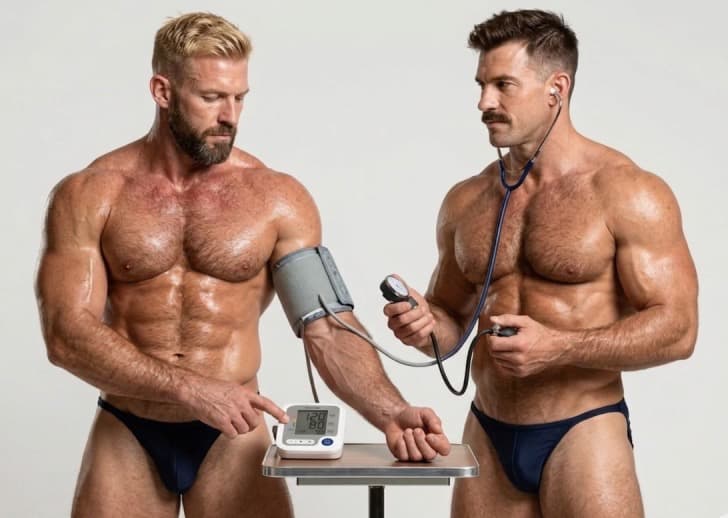
High blood pressure is often a silent condition that has no symptoms until it causes a major medical event like a heart attack. You should check your pressure at least once a month if you have a family history of heart disease or if you are over forty. A home monitor is a great investment that allows you to keep an eye on your numbers without needing to visit a doctor. Your heart relies on you to be aware of the pressure it is under so you can make changes to your lifestyle before it is too late. A little bit of vigilance today can prevent a massive catastrophe in the future and save your life.
Keep a log of your readings so you can see how your lifestyle choices are affecting your pressure over the weeks and months of the year. You will notice that your numbers go down when you eat more vegetables and get more exercise in your daily routine at home. Sharing these numbers with a professional will help them provide you with the best guidance for your heart health and your safety. Your ticker is a precious organ and it deserves the highest level of care and attention that you can give it every single day. A regular check of your blood pressure is a simple and effective way to monitor your long-term cardiovascular health status.
If your readings are consistently high you must follow the advice of a medical professional to get them back into a safe and healthy range. Sometimes medication is necessary alongside lifestyle changes to protect your arteries from the damage of high pressure over the years. Your heart will thank you for the lower workload that comes with keeping your pressure at a steady and manageable level for health. Every choice to be proactive about your blood pressure is a victory for your future self and your long-term survival in this world. A commitment to awareness is the first step toward a long and vibrant life with a strong heart and clear veins.
- Read the labels on every package to keep your daily salt intake below 2,300 milligrams.
- Exercise for thirty minutes a day to naturally lower your blood pressure and strengthen your heart.
- Practice deep breathing for five minutes every morning to help manage your stress and pressure.
- Limit your alcohol intake to one drink per day to protect your heart muscle from toxic damage.
- Buy a home blood pressure monitor and check your numbers once a week for safety.
6. Cholesterol & Blood Sugar Control
Cholesterol and blood sugar are the two main factors that determine how much plaque builds up inside your arteries over the course of your life. Keeping these numbers in a healthy range is like keeping the pipes in your house clean and clear of any unwanted and dangerous blockages.
Eat more fibre (oats, beans, vegetables)
Soluble fiber acts like a sponge that binds to cholesterol in your digestive tract and carries it out of your body before it enters your blood. Oats are a famous source of this fiber and a bowl of oatmeal every morning is a great way to start your heart-healthy day. Beans and lentils also deliver a massive amount of fiber that helps to stabilize your blood sugar and lower your bad cholesterol. Your heart loves the regular intake of fiber because it keeps your arteries smooth and clear of the sticky gunk that causes disease. A high-fiber diet is one of the most effective ways to protect your cardiovascular system from the damage of a modern diet.
Vegetables like broccoli and carrots also supply a lot of fiber along with the vitamins and minerals your ticker needs to stay strong. Every serving of plants helps to lower the overall glycemic load of your meal which prevents dangerous spikes in your blood sugar levels. Your body processes fiber slowly which keeps you feeling full and helps you manage your weight with less effort and hunger. Your heart will pump blood more easily when your cholesterol is low and your arteries are wide and flexible for your long-term health. A commitment to eating more fiber is a simple and delicious way to ensure your heart stays in peak condition for many years.
Pectin found in fruits like apples and citrus also helps to lower your cholesterol by binding to bile acids in your gut during the digestion process. Your system uses these fibers to maintain a healthy balance of bacteria in your microbiome which also affects your heart health and inflammation. A variety of fiber sources will give your heart the best protection against the buildup of plaque in your veins and arteries daily. Every choice to eat a whole piece of fruit instead of a glass of juice is a victory for your fiber intake and your heart. A fiber-rich lifestyle is a foundational part of any long and vibrant life with a strong and healthy cardiovascular system for you.
Limit refined carbohydrates and sugary drinks
White bread and pasta are quickly broken down into sugar which causes a rapid spike in your insulin and your blood glucose levels. These spikes cause inflammation in your arterial walls and lead to the development of plaque over the many years of your life. Sugary drinks are even worse because the liquid sugar hits your system all at once and overwhelms your metabolism and your heart. Your heart thrives when you choose complex carbohydrates like sweet potatoes or brown rice that provide a slow and steady release of energy. A reduction in refined carbs is a major step toward protecting your ticker from the dangers of the modern world today.

Manufacturers often add sugar to low-fat products to make them taste better which is a trap for the unwary heart-health seeker in the store. You should avoid any food that lists sugar or corn syrup as one of the first few ingredients on the back of the package for safety. Your body is not designed to handle the massive amounts of refined sugar that are present in the typical modern diet and lifestyle. Every time you choose a savory snack over a sweet one you are doing something wonderful for your blood sugar and your heart. A low-sugar diet is a requirement if you want to avoid the onset of diabetes and the heart problems that always follow it.
Choosing water or unsweetened tea instead of soda will save you hundreds of calories and grams of sugar every single week of your life. Your heart rate will stay more stable when you are not constantly dealing with the highs and lows of a high-sugar diet and metabolism. Refined grains also lack the fiber that is necessary for a healthy cardiovascular system and a clean set of arteries for your future. Your ticker loves the consistency of a body that is fueled by whole foods rather than the quick fixes of the industrial food industry. A commitment to whole grains and natural drinks will ensure that your blood sugar remains in a range that supports a long life.
Include healthy fats to improve cholesterol balance
Unsaturated fats from olive oil and nuts help to raise your good cholesterol which acts as a cleanup crew for your arterial walls and veins. Your system uses these fats to transport the bad cholesterol back to the liver where it can be processed and removed from your body. A handful of walnuts or a drizzle of olive oil can make a significant difference in your overall lipid profile and your heart risk. Your ticker loves the presence of these healthy oils because they keep your blood vessels supple and responsive to the needs of your body. A balanced intake of healthy fats is a key part of any heart-healthy lifestyle for a long and vibrant life for you.
Replacing the saturated fats in your diet with unsaturated ones is one of the best ways to improve your heart health status quickly. Avocadoes and seeds are great sources of these fats and they also supply a lot of fiber and minerals for your cardiovascular system daily. Your heart will beat more easily when your blood is thin and your cholesterol ratio is in the perfect range for a healthy human being. Every choice to use oil instead of butter is a victory for your arteries and your long-term survival in this busy and stressful world. A steady intake of these healthy fats will ensure that your cholesterol remains in check for the rest of your long and happy life.
Omega-3 fatty acids from fish also help to improve your cholesterol balance by lowering the level of triglycerides in your blood every single day. These fats are especially effective at reducing inflammation in the heart and the brain which keeps you feeling sharp and active as you age. Your cardiovascular system relies on these fats to repair the damage caused by high blood pressure and the toxins in our modern environment today. Every serving of salmon or mackerel is a powerful boost to your heart health and your overall sense of well-being and vitality for the future. A commitment to healthy fats is the ultimate plan for anyone worried about their cholesterol levels and their long-term heart health status.
Monitor levels through regular check-ups
You cannot feel high cholesterol or high blood sugar until they have already caused a major problem for your cardiovascular system and your health. Regular blood work is the only way to know what is happening inside your veins and to catch any issues before they become a crisis for you. You should have your levels checked at least once a year by a medical professional to ensure everything is in the perfect range for safety. Your heart relies on you to be proactive about these numbers so you can make adjustments to your lifestyle as needed for your future. A little bit of knowledge today can prevent a massive medical event in the future and save your life and your happiness.
Keep a record of your test results so you can see the trends over time and how your diet and exercise are affecting your internal chemistry. You will be more motivated to stay on track with your healthy habits when you see your numbers improving with every visit to the clinic or doctor. Sharing your goals with your doctor will help them provide you with the best advice and support for your heart health and your longevity for the future. Your ticker is the most important organ in your body and it deserves the highest level of care and attention that you can give it daily. A regular check of your cholesterol and blood sugar is a simple and effective way to monitor your long-term cardiovascular health and safety.
If your numbers are not in the healthy range you must work with a professional to find a plan that works for your unique body and your lifestyle. Sometimes a small adjustment to your diet or a new exercise routine is all that is needed to get things back on track for your heart health. Your ticker will be much more resilient when your blood is clean and your sugar levels are stable throughout the morning and the afternoon hours. Every choice to be aware of your internal health is a victory for your future self and your long-term survival in this busy and stressful world. A commitment to regular monitoring is the first step toward a long and vibrant life with a strong heart and clear arteries.
Follow guidance if diagnosed with conditions like Type 2 Diabetes
Diabetes is a major risk factor for heart disease because high blood sugar damages the blood vessels and the nerves that control your heart muscle. You must follow your treatment plan carefully to ensure that your sugar levels stay in a safe and healthy range for your heart and your body. This often involves a combination of a low-carb diet regular exercise and sometimes medication as prescribed by a medical professional for your safety. Your ticker is under extra stress when you have diabetes so you must be even more vigilant about your other heart health habits and your daily routine. A commitment to managing your condition is a commitment to protecting your heart from the dangers of high blood sugar and inflammation.
Monitoring your blood glucose levels daily will help you see how different foods and activities affect your body and your cardiovascular system every single day. You will learn to identify the patterns that lead to spikes and crashes so you can avoid them and keep your heart rate steady and healthy for you. Your heart thrives in an environment of stability and consistency rather than the highs and lows of uncontrolled blood sugar levels and insulin spikes. Every healthy choice you make is a victory for your long-term survival and your overall quality of life as you age and grow with your family. A steady routine of management will ensure that your diabetes does not lead to the development of chronic heart conditions and future health problems.
Working closely with a healthcare team will give you the support and the information you need to live a long and healthy life with diabetes and a strong heart. They can help you adjust your plan as your needs change and provide you with the latest tools and strategies for managing your health and your safety. Your ticker is a resilient organ but it needs your help to stay strong in the face of the challenges that come with a chronic health condition. Every step you take toward better sugar control is a step toward a much lower risk of heart attack and stroke for your future self and your life. A commitment to your health is the best way to ensure that you stay active and vibrant for as many years as you possibly can.
Eat a bowl of oatmeal every morning to get the soluble fiber your heart needs to lower cholesterol.
Swap white bread for whole-grain versions to keep your blood sugar levels stable throughout the day.
Drizzle olive oil on your salad to improve your good cholesterol levels and protect your veins.
Request a full blood panel from your doctor once a year to monitor your internal heart health numbers.
Follow your diabetes management plan strictly to prevent high blood sugar from damaging your heart valves.
7. Sleep Quality
Nightly rest is the time when the body performs maintenance on the circulatory system. During these hours, the heart rate slows and blood pressure drops, allowing the pump and the vessels a necessary period of recovery from the day's activity.

Aim for 7–9 hours per night
Scientific data shows that adults who secure less than seven hours of rest face a higher risk of calcium buildup in the arteries. This accumulation creates stiff vessels that force the pump to work harder to move blood. Long-term deprivation results in a strained system that wears down faster over the years, making a full night of sleep a non-negotiable requirement for health.
High-quality rest regulates the hormones that control hunger and metabolism. When the body remains awake for too many hours, it produces more ghrelin, which increases the desire for salty and sweet foods. This hormonal shift often results in weight gain and increased pressure on the cardiovascular frame, which is why skipping sleep is a recipe for internal stress.
The heart muscle itself requires these hours to lower its overall workload. Constant wakefulness keeps the body in a state of high alert, which prevents the arterial walls from relaxing as they should. Consistent rest over eight hours ensures the system stays supple and ready for physical exertion, giving you the stamina needed for the following day.
Keep a consistent sleep schedule
The internal biological clock thrives on a regular routine for waking and resting. Going to bed at the same time every night helps the heart maintain a steady rhythm throughout the 24-hour cycle. Erratic hours confuse the nervous system and lead to spikes in stress hormones during the day, which keeps the vessels in a state of unnecessary tension.
Stability in timing allows the body to anticipate rest and begin lowering the heart rate before the head hits the pillow. This preparation makes the transition into deep rest much smoother and more restorative for the circulatory system. A steady schedule prevents the "social jetlag" that often harms the health of the veins and keeps your energy levels predictable.
Even on weekends, staying close to the weekday routine is a smart move for long-term health. Drastic changes in timing force the heart to adjust to new signals, which creates a form of internal friction that wears you out. Keeping a firm schedule ensures that every night of rest is as productive as possible for the body’s repair mechanisms.
Avoid caffeine late in the day
Caffeine is a stimulant that stays in the bloodstream for several hours after consumption. It works by blocking the signals that tell the brain it is time to rest, which keeps the heart rate elevated. Drinking coffee or energy drinks in the afternoon prevents the cardiovascular system from slowing down as evening approaches, leading to a restless night.
The presence of stimulants in the system during the night reduces the amount of deep rest the heart receives. Even if one falls asleep, the quality of that rest is diminished because the nervous system remains partially active and alert. This lack of deep recovery results in higher blood pressure readings the following morning, which is a sign the heart did not get its break.
Switching to water or herbal options after noon is a simple way to protect the nighttime repair phase. This habit gives the liver enough time to filter out the caffeine before the body needs to shut down for the evening. A clear system allows the heart to enter a truly restful state that supports overall longevity and keeps your pump running smoothly.
Reduce screen time before bed
Electronic devices emit a blue light that mimics the signals of the morning sun. This light tells the brain to stop producing the chemicals needed for rest, which keeps the heart in a daytime state when it should be winding down. Turning off phones and tablets an hour before bed is a key strategy for protecting the circulatory system from artificial light stress.
Scrolling through news or social media often triggers a mental response that raises the heart rate. The excitement or worry from digital content keeps the body in a state of alertness that is the opposite of what is needed for a peaceful night. Physical relaxation is much harder to achieve when the mind is racing from screen-based stimuli that the heart translates as a reason to stay active.
Replacing a screen with a physical book or a relaxing hobby helps the body transition into a peaceful mode. The eyes and the brain need this gap to signal to the heart that the day is over and maintenance can begin. Lowering the light levels in the room further supports the drop in pressure required for a healthy night and a strong heart.
Address issues like snoring or insomnia
Loud snoring is frequently a sign of a condition where breathing stops and starts throughout the night. This interruption causes oxygen levels to drop, which sends a panic signal to the heart and raises the pressure instantly. Over time, this repetitive stress damages the lining of the vessels and the heart muscle, leading to chronic cardiovascular problems.
Insomnia keeps the body in a state of chronic stress that prevents the heart from ever fully recovering. If a person struggles to fall asleep or stay asleep, their heart rate remains higher than it should be during the night hours. This persistent alert status is a known contributor to long-term issues that can be avoided with proper medical attention and care.
Talking to a medical professional about these problems is a necessary step for anyone worried about their heart. Resolving a breathing issue or finding a way to fix insomnia will improve the oxygen supply to the entire body. A healthy airway and a calm mind are the foundations of a resilient pump that will serve you well for decades.
Get seven to nine hours of rest to allow the heart to perform daily repairs.
Go to bed and wake up at the same time to keep the internal clock steady.
Stop drinking caffeine in the afternoon so the heart can slow down at night.
Turn off screens an hour before bed to prevent blue light from blocking rest.
Consult a doctor if snoring or insomnia prevents a peaceful night of recovery.
8. Stress Management & Mental Health
The mind and the heart are linked through a complex network of nerves and hormones. Chronic worry or anger keeps the body in a state of high tension, which physically wears down the arteries and keeps the blood pressure at a level that is too high for your long-term health.
Practice relaxation techniques (deep breathing, meditation)
Slowing the breath sends a direct signal to the brain to quiet the "fight or flight" response. This action results in a lower heart rate and a drop in the pressure against the vessel walls almost immediately. Using these methods for just a few minutes every day gives the cardiovascular system a break from the constant noise and pressure of modern life.
Meditation helps the individual stay calm in the face of difficult tasks and unexpected events. Regular practice lowers the amount of cortisol in the blood, which is a hormone that causes inflammation when present in high amounts over time. A calm mind is a fundamental requirement for a heart that stays healthy and strong through the years.
Focusing on the sensation of the breath prevents the mind from wandering toward stressful thoughts that trigger a heart response. This mental focus creates a physical state of equilibrium where the heart beats with a steady and predictable rhythm. Small sessions of stillness throughout the day add up to a much more resilient nervous system and a happier heart.

Spend time on hobbies or activities you enjoy
Engaging in a favorite activity provides a mental escape that lowers the overall stress load on the heart. If it is reading, gardening, or building things, the pleasure found in these tasks lowers the heart rate. A life filled with interests is a life that supports a healthy and vibrant cardiovascular frame without the need for intense effort.
These activities often result in a state where the passage of time is forgotten and the body is at total ease. This state is highly restorative for the heart because it stops the constant production of stress chemicals that ruin your mood and your health. Pursuing a hobby is not a waste of time but a key method for maintaining a healthy and efficient pump.
Choosing tasks that do not involve a screen or a deadline is especially helpful for mental health. The simplicity of a manual task like knitting or cooking for fun allows the mind to rest while the hands are busy. This physical and mental calm is a great way to protect the arteries from the damage caused by chronic tension and worry.
Stay socially connected
Spending time with friends and family provides a sense of security that lowers the body's alert level. Humans are social creatures, and a lack of connection often results in higher levels of inflammation and increased heart risk. Strong relationships act as a shield against the pressures of the outside world, helping you stay grounded and calm.
Talking through a problem with a trusted person often lowers the physical response to that stress. When the mind feels supported, the heart does not have to work as hard to manage the "fight or flight" signals sent by the brain. A quick phone call or a meal with a friend is a simple way to improve heart health and lower your pressure.
Participating in groups or local gatherings keeps the mind active and the heart stable. These connections offer a sense of belonging that is a necessary element of a long and healthy life. A wide social circle helps to maintain a positive outlook, which is good for the entire circulatory system and your overall sense of well-being.
Take breaks during busy days
Working for hours without a pause keeps the body in a state of constant tension that harms the vessels. Stepping away from the desk or the task for five minutes allows the heart rate to return to a baseline level. These short intervals of rest are required to prevent the buildup of fatigue and high blood pressure during a difficult day.
A quick walk or a moment of quiet reflection helps the brain reset and lowers the amount of adrenaline in the blood. When the body is allowed to pause, it can recover from the immediate demands of the workday. These small victories over the clock are a key part of a heart-healthy routine for busy people who want to stay productive.
Scheduling breaks ensures that they actually happen rather than being forgotten in the rush of the afternoon. A routine that includes rest is much more sustainable than one that demands constant performance without a break. Protecting the heart means knowing when to stop and breathe before starting the next difficult task on your list.
Seek professional help if stress becomes overwhelming
Sometimes the weight of life is too heavy to carry alone, and it begins to manifest as physical heart trouble. Talking to a therapist or a counselor helps the individual find ways to manage the emotions that are straining the system. Professional guidance is a smart move for anyone who feels their mental health is starting to hurt their body.
A professional can teach new ways to handle anxiety or anger that protect the cardiovascular system from sudden spikes in pressure. Resolving deep-seated issues lowers the chronic stress load that ruins the vessels over time. Mental health care is a physical necessity for a heart that needs to last a lifetime and function at its peak.
There is no reason to suffer in silence when help is available to improve the quality of your life. Improving the state of the mind results in a direct gain for the heart and the rest of the body as inflammation levels drop. A commitment to mental well-being is one of the most proactive things a person can do for their long-term heart health.
Use deep breathing to signal the heart to slow down and relax.
Pursue hobbies that offer a mental break from daily pressures.
Connect with others to lower the physical response to stress.
Step away from work frequently to give the cardiovascular system a pause.
Consult a professional if worry or anger begins to harm physical health.
9. Avoiding Harmful Substances
Certain chemicals and habits have a direct and immediate negative impact on the health of the heart and the integrity of the blood vessels. Removing these toxins from the daily routine is a major step toward preventing heart disease and ensuring the pump stays strong for many decades.
Avoid smoking and secondhand smoke
Tobacco smoke contains thousands of chemicals that damage the lining of the arteries and lead to the buildup of plaque. This damage makes the vessel walls sticky, which allows cholesterol to accumulate more easily and create dangerous blockages. Smoking is the most direct way to ruin the health of the entire cardiovascular system and shorten your life.
Nicotine raises the heart rate and the blood pressure immediately upon inhalation, forcing the pump to work under extreme stress. Carbon monoxide in the smoke replaces the oxygen in the blood, which starves the heart muscle of the fuel it needs to function. Quitting smoking is the single most helpful thing a person can do for their long-term survival and health.
Even being around others who smoke is dangerous because secondhand smoke contains the same harmful toxins that damage the veins. Staying in smoke-free environments protects the heart from the inflammation and the arterial stiffening caused by these chemicals. A clean air environment is required for a heart that wants to beat without interference or toxic damage.

Limit alcohol intake
High amounts of alcohol act as a poison to the heart muscle and can result in a condition where the pump becomes weak and thin. Excessive drinking also raises the level of fats in the blood, which increases the risk of clogs in the arteries over time. Moderation is the key for anyone who chooses to include these drinks in their life while protecting their heart.
Alcohol is a known cause of irregular heartbeats and sudden spikes in blood pressure that can lead to a stroke. The body has to work hard to filter these toxins, which diverts energy away from the repair of the circulatory system. Cutting back on the number of drinks per week will yield a noticeable improvement in your heart health and your energy.
Many people do not realize that alcohol is high in calories that often result in weight gain around the middle. This extra weight puts a constant strain on the heart and raises the risk of metabolic conditions like diabetes. Choosing water or non-alcoholic options is a simple way to keep the heart in peak condition for all your future plans.
Stay away from recreational drugs
Many illegal substances put an extreme and sudden demand on the heart that can result in permanent damage or a sudden event. These chemicals force the pump to beat at dangerous speeds and cause the blood vessels to constrict tightly, cutting off flow. Avoiding these substances is a fundamental requirement for protecting the cardiovascular frame from avoidable harm.
The use of stimulants often leads to a rise in body temperature and a massive increase in blood pressure that the heart is not built to handle. Over time, this repetitive stress causes the heart muscle to thicken in a way that makes it less efficient at moving blood. A drug-free lifestyle ensures the heart remains a reliable and strong engine for your body as you get older.
Even occasional use can have long-lasting effects on the rhythm and the electrical signals that control your heart. The risk of a serious medical crisis is much higher when these unpredictable chemicals are introduced into the system. Protecting the heart means keeping the internal environment free of these dangerous and unregulated toxins at all times.
Be cautious with excessive caffeine or stimulants
While a small amount of caffeine is usually fine, taking in too much will keep the heart in a state of agitation and stress. High doses of stimulants from energy drinks or pills cause the heart to race and can lead to feelings of anxiety and chest tightness. Moderation is necessary to ensure the pump is not being pushed past its safe limits during your daily tasks.
Stimulants force the adrenal glands to release hormones that keep the blood pressure high for long periods of time. This constant pressure wears down the delicate lining of the arteries and makes them more prone to damage and plaque. Being mindful of the total intake of these substances is a key part of a heart-healthy daily routine for everyone.
Some over-the-counter medications also contain stimulants that can affect heart rate and pressure without you realizing it. Reading the labels on cold medicines or weight-loss supplements is a required step for anyone with a history of heart trouble. Keeping the heart calm and steady is the best way to support a long and active life for the user and their family.
Quit smoking and avoid smoky areas to protect the lining of the arteries.
Keep alcohol intake low to prevent the heart muscle from becoming weak.
Avoid all recreational drugs to stay clear of sudden and dangerous heart stress.
Monitor caffeine and stimulant intake to keep the heart rate in a safe range.
Read the labels on all supplements to ensure they do not contain hidden stimulants.
10. Preventive Care & Daily Habits
Maintaining a strong heart is a lifelong task that relies on regular monitoring and the formation of simple, healthy routines. Catching a problem in the early stages makes it much easier to resolve before it causes lasting damage to the cardiovascular system or the vessels.
Get routine health check-ups
Visiting a doctor once a year allows for a professional assessment of the heart's performance and the health of the veins. These visits are the time to run blood tests and check the physical signs of any developing conditions that you cannot feel. A regular check-up is the best way to stay ahead of any issues that may be hiding in your system.
A professional will listen to the heart's rhythm and check for any unusual sounds that might indicate a valve problem. Early detection of a murmur or an irregular beat allows for a plan to be made before a crisis occurs in your life. These appointments yield the data needed to make smart decisions about your lifestyle, diet, and overall activity levels.
Routine care also includes keeping track of weight and waist size as part of a total health profile for the future. A doctor can offer personalized advice based on your age and your particular physical needs for the years ahead. Staying in touch with a healthcare team is a key part of a long-term strategy for heart health and longevity.
Monitor blood pressure, cholesterol, and blood sugar
Knowing these three numbers is a requirement for anyone who wants to protect their heart from a silent disease. High pressure and high cholesterol often show no symptoms, but they are the main causes of arterial damage over many years. Regular monitoring at home or at a clinic ensures that these levels stay in a safe and healthy range for your body.
Blood sugar levels are also key because high glucose damages the vessels and leads to inflammation throughout the body. Keeping a log of these numbers helps to identify how different foods and activities are affecting your heart and your energy. A proactive strategy for monitoring is much better than waiting for a problem to arise on its own when it is harder to fix.
If the numbers begin to climb, it is time to adjust your daily habits or seek medical guidance to bring them back down. Small shifts in diet or activity will often fix a rising number before it becomes a chronic condition like diabetes. Awareness of these levels is the first line of defense against cardiovascular disease and the risk of a stroke.
Maintain good dental hygiene (linked to heart health)
Research has shown a strong link between the health of the gums and the health of the heart muscle itself. Bacteria from the mouth can enter the bloodstream and cause inflammation in the valves and the lining of the arteries. Brushing and flossing daily is a simple but required task for protecting the entire circulatory system from infection.
Chronic gum disease is a sign of persistent inflammation that can contribute to the hardening of the arteries over time. Keeping the mouth clean lowers the overall bacterial load on the body and keeps the immune system from being overworked. A visit to the dentist is a necessary part of a total plan for a healthy heart and a long life.
Many people forget the mouth when thinking about their heart, but the two are more connected than one might think. Taking care of the teeth and gums is an easy daily habit that yields a massive gain for the rest of your body's health. A clean smile is a sign of a person who is taking their internal health seriously every single day of the year.
Stay up to date with vaccinations
Certain illnesses like the flu or other viruses put a massive strain on the heart and can lead to inflammation of the heart muscle. Getting vaccinated helps to prevent these infections and protects the cardiovascular system from the stress of a high fever and fast pulse. Staying current with shots is a smart way to keep the body's defenses strong and your heart safe from illness.
A severe illness forces the heart to beat faster for long periods as the body fights the virus, which can be dangerous for many people. Vaccinations reduce the risk of these complications and ensure that the pump does not have to work under extreme conditions. This preventive measure is a key part of maintaining health during the colder months of the year when viruses spread.
Protecting the lungs through vaccination also helps the heart because the two organs work together to supply oxygen to the body. When the lungs are healthy, the heart does not have to struggle as much to move oxygen-rich blood through the vessels. A commitment to preventive medicine is a commitment to a longer and more active life for the user and their loved ones.
Choose active habits daily (stairs, walking, home cooking)
Simple choices like taking the stairs instead of the elevator add up to a significant amount of movement over a week. These small bursts of activity keep the blood flowing and prevent the stiffness that comes with sitting for too long at a desk. A lifestyle that prioritizes motion is the best way to keep the heart muscle strong and efficient for the rest of your life.
Cooking at home allows for total control over the ingredients, which means less salt and fewer processed fats in your diet. This daily habit ensures that the heart receives high-quality fuel without the hidden chemicals found in most takeout food. A focus on fresh ingredients and home-made meals is a foundational part of a heart-healthy and vibrant life.
Walking to a nearby store or parking further away are easy ways to increase the daily step count without needing a gym. These habits become second nature over time and provide a constant source of low-intensity exercise for the heart. Consistency in these small actions is the secret to a resilient and powerful cardiovascular system for many years to come.
Best Seller: Xtend BCAA + Recovery

We earn a commission if you click this link and make a purchase at no additional cost to you.
Be aware of family history of heart disease
Genetics play a part in a person's risk for heart trouble, and knowing the family history is a required step for prevention. If a close relative had a heart attack at a young age, it is a signal to be even more vigilant with your own daily habits. This knowledge allows a person to work with a doctor on a plan that is particular to their specific genetic needs.
While one cannot change their genes, knowing the risks allows for earlier screenings and more aggressive lifestyle changes to stay safe. Being proactive with diet and exercise will often offset a genetic tendency toward high cholesterol or blood pressure. Awareness is a powerful way to stay in control of your own health and your future longevity in this busy world.
Sharing this history with a medical professional ensures that they can look for the right signs during a routine check-up for you. It helps in deciding when to start certain tests or medications to keep the heart in the best possible shape for the long term. A clear comprehension of the past is the best way to build a healthy future for the heart and the rest of the body.
Visit a doctor every year to check the rhythm and the sounds of the heart.
Keep a log of blood pressure and cholesterol to catch rising levels early.
Brush and floss every day to prevent mouth bacteria from harming the vessels.
Get seasonal vaccinations to protect the heart from the stress of severe illness.
Look into family history to identify genetic risks and plan for earlier screenings.
Cardiovascular Health: 10 Things To Do To Maintain a Healthy Heart
The long-term health of your heart is the result of the thousands of small choices you make every single day of your life as you move through the world. Every walk you take every healthy meal you eat and every hour of restful sleep you get adds a layer of protection to your most vital organ and your health.
You do not need to be perfect but you do need to be consistent in your efforts to give your cardiovascular system the best environment to thrive and grow strong. Your ticker is a loyal worker that never stops for a single second so it deserves your highest level of respect and care in every moment you are alive. By following these ten strategies you are building a foundation for a life filled with energy vitality and the strength to pursue everything you love for decades.
Your future self will thank you for the extra effort you put in today to ensure that your heart beats strong and steady for as long as you live. A healthy heart is the greatest gift you can give to yourself and to the people who love you and want to see you happy and well.