

Hormones rule your entire physical body every single day now. Men talk about testosterone during fitness chats very often lately. A different chemical actually handles the major changes down inside. Doctors call the biological substance DHT for short reasons usually. Your systems create the hormone from normal male testosterone daily.
Hair follicles on your head notice the strong chemical quickly. Sexual desire drops or spikes based on your current levels. Gay culture focuses on masculine traits like thick body hair. Members of our group love to look very manly always. Correct facts fix many common fears right away without drama.
Medical choices require good data before you pick a plan. False rumors spread through local bars and online applications easily. Secrets regarding your physical health deserve some clear answers tonight. Every man deserves to know about his personal chemical setup. Read the following points to discover your true biological self.
The Basic Science Behind DHT

Hormones control how your male features develop over the course of your life. Testosterone gets the most attention when guys talk about masculinity in the gym or at the local bar. Scientists know that dihydrotestosterone is actually much stronger than regular testosterone when it hits your tissues. Your cells rely on the chemical for many distinct functions that keep you feeling like a man. Knowledge about the hormone helps you make better health decisions as you grow older.
Receptors in your tissues grab onto the strong androgen tightly during the day. The chemical fit resembles a shiny key sliding into a heavy steel lock perfectly. Stronger attachments create a much bigger impact on your physical tissue than weaker options. Male bodies require the process to look and feel masculine throughout adulthood. Genetic factors dictate how your receptors behave every day of your life.
Blood tests show your current levels very clearly so you are able to take action. Doctors look at the numbers to find any hidden imbalances in your system. Low levels create certain issues with your energy levels during work hours. High levels cause different reactions in your skin and hair that you will notice in the mirror. You will get better results when you track the numbers with a professional medical expert.
- Track your lab results by asking for a full hormone panel during your next physical exam. Medical clinics will give you the paperwork after a quick blood draw so you know your baseline.
- Check your family history to see how your male relatives aged over the past decades. Relatives give you a clear hint about your own genetic future and what to expect with your hairline.
- Read medical journals to find accurate facts about your body instead of trusting random internet forums.Clear facts give you peace of mind when you talk to experts about your physical health.
- Monitor your daily energy levels to see if your hormones fluctuate throughout the week. A simple log helps you notice patterns before they cause major trouble.
How Your Body Makes DHT
Enzymes in your liver and skin convert regular testosterone into dihydrotestosterone constantly. A special enzyme called 5-alpha-reductase handles this chemical conversion process behind the scenes. Your genetics determine how much of this enzyme your body produces naturally. High levels of the enzyme mean you will have more DHT circulating through your veins. Regular checks help you track how quickly your body alters its hormone levels.

Testosterone serves as the raw material for this entire biological transformation. Your testicles produce the majority of your base testosterone every single day. A small portion of that base hormone undergoes the change into the stronger androgen. Certain areas of your body contain higher concentrations of the necessary enzymes. Tissues in your scalp and groin hold the highest numbers of these conversion zones.
Lifestyle choices also influence how your body handles hormone creation over time. Stress levels alter your chemical output by changing your internal systems. Sleep quality affects how your glands release testosterone during the night hours. You will notice better physical health when you support your body with proper rest. Healthier habits create a steadier hormone production cycle throughout your life.
- Get enough sleep every night to keep your baseline testosterone production stable. Deep rest ensures your body creates hormones at a natural, healthy pace.
- Reduce daily stress by practicing relaxation techniques after your work shifts. Lower cortisol levels help your body maintain a steady chemical production schedule.
- Avoid synthetic chemicals that disrupt your endocrine system during daily activities. Cleaner products protect your organs from unwanted hormonal spikes and drops.
- Track your lifestyle habits to see how they affect your physical well-being. A consistent routine gives your body the stability it needs for hormone regulation.
Hair Loss and the DHT Connection
Scalp hair follicles often shrink when they come into contact with dihydrotestosterone. You often notice your hairline moving backward after you hit your twenties. Genetic sensitivity determines how quickly your hair reacts to the chemical presence. Male pattern baldness affects many guys in the gay scene today. You will find many treatments that target this scalp issue directly.
Hairs become thinner and shorter during each growth cycle when DHT dominates. The follicles eventually close completely and stop producing new strands of hair. You will see more skin on your crown as the process moves forward. Early intervention helps you save the hair you currently have on your head. Many men choose to accept the change and shave their heads completely.
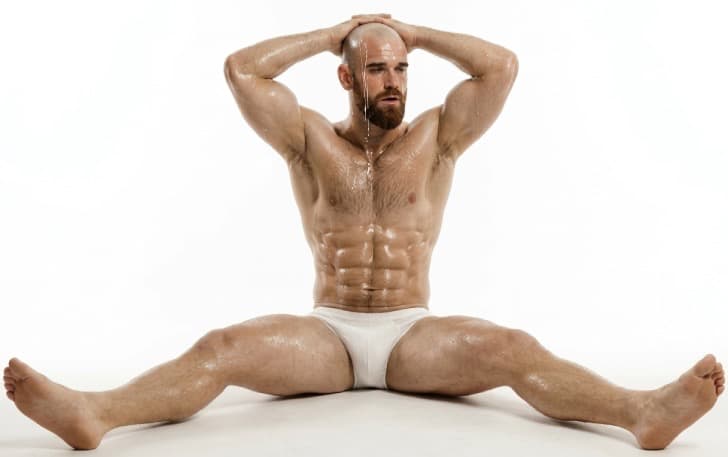
I'm Going Bald and I'm Only 30. What Should I Do?
Gay social spaces place a high value on youthful looks and full heads of hair. You could feel anxious when you notice your first signs of thinning. Hair loss impacts self-esteem for many guys who enjoy styling their hair. Solutions exist to help you slow down or stop the thinning process. You should explore your options early to get the best possible results.
- Check your crown regularly using a hand mirror to spot thinning early. Early detection allows you to take action before the follicles close forever.
- Apply topical solutions to your scalp to block the hormone locally. Direct application protects your hair without affecting the rest of your body.
- Wash your hair with specialized cleansers that remove surface buildup. Clean follicles receive more oxygen and nutrients from your blood flow.
- Consult a dermatologist to discuss advanced prescription options for hair retention. Professional advice protects you from wasting money on fake internet cures.
Body Hair Growth and Masculine Features
Dihydrotestosterone drives the growth of thick hair on your chest and face. Testosterone starts the process during puberty, but DHT finishes the work later. You will notice your beard getting thicker well into your thirties and forties. Gay men often prize a hairy chest as a sign of top masculinity. Your genetics dictate exactly where the hair will grow on your body.
Follicles on your body react differently to the hormone than follicles on your head. High levels of the androgen cause body hair to grow longer and coarser. You could develop a hairy back or shoulders due to this chemical message. Many guys love the look of a furry body in the current dating scene. Your physical appearance reflects the internal chemical messages your cells receive.
Facial hair density depends heavily on the amount of DHT in your skin. Patchy beards often mean your skin receptors have low sensitivity to the androgen. You will see changes in your facial hair pattern as you age. Grooming choices help you make the most of your natural hair patterns. You should accept whatever pattern your genetics gave you over the years.
- Use quality trimmers to keep your body hair looking neat and clean. Regular grooming highlights your masculine features without making you look messy.
- Apply beard oils to moisturize the skin beneath your thick facial hair. Healthy skin supports better hair growth and prevents annoying winter itchiness.
- Shave carefully to avoid ingrown hairs in areas with dense growth. Good technique protects your skin from redness and painful bumps.
- Observe how your body hair changes as your hormone levels shift. Tracked changes give you clues about your internal chemical health.

Prostate Health for Gay Men
The prostate gland relies on dihydrotestosterone for its normal growth and development. High levels of the hormone cause the prostate to grow too large over time. Doctors call the condition benign prostatic hyperplasia or BPH for short. Gay men need to pay attention to this organ as they age. Regular checkups protect your health and prevent serious urinary issues later.
An enlarged prostate presses against your bladder and causes bathroom troubles. You could notice a weak stream when you try to urinate at night. Frequent trips to the restroom disrupt your sleep and lower your life quality. Doctors often check DHT levels when treating guys with these exact symptoms. Control of your hormones protects your prostate from excessive growth.
Increased size in this gland makes certain activities painful or uncomfortable during sex. Bottoms and tops both need a healthy prostate for comfortable sexual activity. Swelling in this organ causes trouble that interferes with your pleasure. You will feel more confident when you know your prostate is healthy. Regular medical screenings keep you safe from long-term complications.
- Visit a urologist every year once you reach your fortieth birthday. Regular screenings catch prostate changes before they cause major blockages.
- Track your urinary flow to notice any sudden drops in speed. Decreased stream strength often signals that your prostate is growing.
- Discuss prostate size with your doctor during your annual physical exam. Open conversations ensure you receive the right tests at the right time.
- Avoid holding your urine for long periods during busy workdays. Prompt restroom visits reduce strain on your bladder and prostate gland.
Sexual Drive and Performance Levels
Libido depends on a complex mixture of male hormones working together. Dihydrotestosterone plays a massive role in triggering your sexual desire daily. High levels of the chemical often match with a very high sex drive. You could notice a drop in desire when your levels fall too low. Gay men often discuss libido as a key part of their relationships.

Sexual Functionality
Erectile function also relies on the presence of strong male hormones. DHT helps maintain the tissues responsible for getting and keeping erections. Low levels cause difficulties in the bedroom that frustrate you and your partner. Medical treatments for hair loss sometimes lower this hormone and hurt performance. You should watch for these changes if you start new medications.
Sexual satisfaction requires your physical systems to work at their best. Energy levels and mental drive come from healthy hormone counts. You will feel a greater urge for intimacy when your chemistry is right. Communication with partners helps you manage expectations during hormonal shifts. You will enjoy a better sex life by keeping your hormones stable.
- Talk to your partner about any changes in your sexual desire. Clear communication reduces worry and strengthens your connection during health shifts.
- Review medication side effects with your doctor before starting hair treatments. Alternate options protect your sex drive while addressing hair loss.
- Check your morning erections to monitor your vascular and hormonal health. Natural responses give you a sign that things work correctly.
- Maintain a healthy weight to support natural male hormone production. Excess fat alters your hormone conversion rates in negative ways.
Muscle Mass Myths and Realities
Testosterone builds muscle tissue, while dihydrotestosterone has a different primary role. Many guys think high DHT will make them huge in the gym. Research shows that this hormone does not build mass directly like testosterone. Your muscles lack the enzymes needed to use the chemical for growth. Regular strength training remains the best way to grow your muscles.
The androgen still affects your workouts by influencing your nervous system. Higher levels boost your strength and aggression during heavy lifting sessions. You will feel more power when you lift weights with optimal hormone levels. Recovery times improve when your body chemistry functions at its absolute peak. You will see better gym results when your overall hormones stay high.
Body composition depends on the ratio between different male chemicals. A reduction of DHT to save hair does not usually destroy your muscle mass. You are able to get ripped while taking blocks for hair loss. Your workouts matter more than minor shifts in this single hormone. Focus on your diet and lifting routine for the best physical changes.
- Focus on heavy compound lifts to boost your natural testosterone production. Exercises like squats and deadlifts recruit large muscle groups effectively.
- Track your strength gains to see how your nervous system responds. Consistent progress shows that your training method works well for you.
- Keep your protein intake steady to support muscle tissue repair. Amino acids supply the building blocks for recovery after hard workouts.
- Rest your muscles for forty-eight hours before training them again. Proper recovery prevents injuries and allows for continuous strength gains.

Mood Shifts and Mental Focus
Brain function responds directly to the levels of hormones in your blood. Dihydrotestosterone affects your mood, confidence, and mental clarity every day. Low levels sometimes cause feelings of sadness or unexplained brain fog. You could feel less confident in social settings when your chemistry drops. Gay men face enough stress without adding hormonal imbalances to the mix.
Anxiety levels often rise when your hormones fluctuate wildly. High levels of the androgen sometimes trigger irritability or quick tempers. You will notice a steadier mood when your chemical counts remain stable. Mental focus depends on a steady environment inside your head and body. You will handle daily stress better when your biology works smoothly.
Depression symptoms sometimes link back to low male hormone levels. Doctors look at hormone panels when guys complain about chronic fatigue. You will feel more motivated when your endocrine system runs correctly. Therapy and lifestyle changes work best alongside balanced physical health. You should address mood changes with a professional right away.
- Write down your mood changes in a daily journal for a month. Pattern tracking helps you see if your emotions match physical changes.
- Exercise regularly to release endorphins and stabilize your mental state. Physical activity lifts your mood and clears your mind quickly.
- Talk to a therapist if you experience lasting feelings of sadness. Professional mental support helps you cope with life while checking your biology.
- Get your blood tested if you feel sudden, unexplainable fatigue. Physical causes often explain mental slumps that seem to appear out of nowhere.
Blocking DHT with Medical Options
Finasteride is a common medication that blocks the 5-alpha-reductase enzyme. The drug drops your DHT levels by about seventy percent quickly. Many gay men use this pill to save their scalp hair. You will see a reduction in hair loss within a few months. Medical oversight ensures you stay safe while using this strong treatment.
Dutasteride is another option that blocks even more of the hormone. The stronger medication shuts down both types of the conversion enzyme completely. Your DHT levels will drop by over ninety percent with this drug. Side effects occur more frequently with this stronger medical option. You should discuss the risks with an experienced doctor before starting.

Side effects from these blocks include lower sex drive and erectile issues. A small percentage of men experience these problems during their treatment. You will sometimes notice changes in your semen volume or nipple sensitivity. Discontinuing the medication usually reverses these unwanted physical side effects. You should weigh the hair gains against the potential bedroom risks.
- Start with a lower dose to see how your body reacts. Smaller amounts give your system time to adjust to the chemical shift.
- Monitor your sexual performance closely after starting any blocker. Immediate tracking allows you to stop the drug if issues arise.
- Ask for topical versions of the drug to reduce internal exposure. Scalp applications limit the amount of medicine entering your bloodstream.
- Give the medication six months to show real results on your hair. Patience is necessary because hair growth cycles take a long time.
Natural Ways to Manage Levels
Saw palmetto is a popular herbal supplement used to block the hormone. Research suggests this plant extract works similarly to mild prescription drugs. You will find it in many health stores without a prescription. Many guys prefer natural options to avoid harsh medical side effects. Your results will vary based on the quality of the supplement.
Pumpkin seed oil also shows promise for reducing hormone conversion rates. Regular use helps protect hair follicles from the damaging androgen. You are able to get this oil in capsule form every morning. Zinc supplements also help regulate your overall male hormone production. Green tea contains compounds that alter how your body handles testosterone.
Lifestyle adjustments support your efforts to keep your system healthy. Regular exercise helps clear out excess hormones through sweat and metabolism. You will feel better when you avoid smoking and heavy drinking. Stress reduction techniques prevent cortisol from messing with your male chemistry. You should combine these methods for the best possible outcome.
- Take a high-quality saw palmetto supplement every single day. Consistent usage gives the herb time to build up in your system.
- Drink green tea instead of sugary sodas during your breaks. Antioxidants in the tea support healthy hormone metabolism naturally.
- Add zinc supplements to your routine to support your endocrine system. Correct mineral levels ensure your body produces the right amount of testosterone.
- Exercise four times a week to burn off excess internal stress. Activity keeps your metabolic pathways running at top speed.
Skin Health and Acne Issues

Sebum production in your skin increases when dihydrotestosterone levels rise. Excess oily substance clogs your pores and causes breakouts. You could struggle with severe acne on your face and back. Gay men often worry about skin flaws affecting their appearance. Clear skin helps you feel more attractive in the dating world.
Adult acne often links directly to high androgen levels in men. Receptors in your oil glands react strongly to the chemical messages. You will notice more pimples during times of high stress or hormonal spikes. Regular face washing twice a day helps remove the excess oil. Treatment strategies should target the oil production at the root level.
Dermatologists use various tools to help you manage oily skin issues. Topical creams reduce the sensitivity of your skin to male hormones. You will see clearer skin after a few weeks of consistent care. Proper hygiene keeps your pores open and free from infection. You should talk to a skin expert if over-the-counter products fail.
- Wash your face with a gentle cleanser every morning and night. Clean skin prevents oil from building up and clogging your pores.
- Use oil-free moisturizers to keep your skin hydrated without breakouts. Heavy creams block your pores and cause painful blemishes.
- Avoid touching your face throughout the day to prevent spreading bacteria. Dirty hands transfer oil and grime directly to your skin pores.
- See a dermatologist for prescription creams if your acne gets worse. Professional treatments handle deep hormonal pimples effectively.
Aging and Changing Hormone Scales
Hormone production shifts quite a bit as you cross into older age brackets. Testosterone levels drop, which alters the amount of DHT your body makes. You will notice changes in your body hair, skin, and energy levels. Gay seniors face distinct health situations as their chemistry changes over time. Your body requires different care as you move through your fifties and sixties.
The ratio between your different male hormones changes as you get older. You could develop a larger prostate even as your scalp hair thins. Biological effects like these come from the same underlying chemical process. Your body becomes more sensitive to minor hormone shifts over the years. Regular blood tests help you track these alterations as you grow.

Healthy aging requires you to adapt your lifestyle to your changing chemistry. You will need to focus more on rest, nutrition, and regular exercise. Medical interventions help you maintain a high quality of life during your retirement. Gay men should stay proactive about their health during every decade. Your doctor is able to help you manage these shifts safely and well.
- Schedule regular hormone checks with your physician after turning fifty. Consistent tracking reveals shifts before they alter your health.
- Adjust your exercise routine to include more recovery time between workouts. Older muscles need extra rest to repair and grow stronger.
- Monitor your prostate health through annual blood tests and exams. Early detection of enlargement prevents serious bladder blockages later.
- Stay active in social groups to protect your mental health as you age. Good friendships keep your mind sharp and your mood elevated.
Conversations with Your Doctor
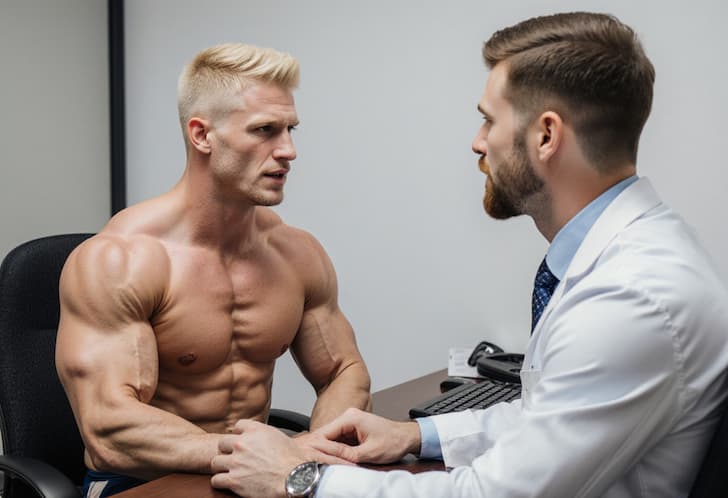
Conversations with a medical professional give the best path to hormonal health. You could feel embarrassed to discuss hair loss or bedroom issues openly. Doctors hear these concerns every day and will not judge you. Open honesty ensures you get the correct treatment for your personal situation. Your health provider needs accurate details to help you safely.
Prepare for your appointment by writing down your symptoms beforehand. You should list every change you noticed in your hair, skin, and sex drive. A written list helps your doctor see the full picture clearly. Bring your current medications and supplements to the clinic with you. Clear information prevents dangerous drug interactions during your treatment.
Ask for exact blood tests that measure free and total testosterone. You should also request a direct measurement of your dihydrotestosterone levels. Having these numbers gives you a baseline for all future medical choices. Your doctor will interpret the results based on your age and health history. Follow up with the clinic if you experience any strange side effects.
- Write down your questions before walking into the examination room. A list ensures you remember to discuss every single health concern.
- Request copies of your lab results for your personal records. Keeping your own files allows you to track trends over several years.
- Be honest about your sexual performance and any recent changes. Doctors need the truth to prescribe the correct remedies for you.
- Inquire about the long-term impacts of any hormone-blocking drugs. Knowing the risks helps you make informed choices about your body.
Physical Standards in the Gay Scene
Gay culture places intense focus on physical appearance and masculine traits. You often feel pressure to look a certain way at clubs or events. Hair patterns and muscle mass dominate conversations within our social circles. DHT drives many of the physical features that guys find attractive. Knowledge of how this chemical works helps you handle these social pressures.
Body modification is very common among men in the gay scene today. You will see guys using supplements, blockers, or therapies constantly. Everyone wants to maximize their looks while avoiding the signs of aging. Decisions regarding hair retention and sexual health require careful thought and planning. Your choices should reflect your personal values rather than scene trends.
Self-acceptance plays a huge role in your overall mental well-being. You will face changes in your hair and body as time passes. A shaved head or a thick beard alters your entire look. Confidence comes from how you carry yourself, not just your hormone levels. You should define your own version of masculinity on your own terms.
- Focus on your personal health targets instead of comparing yourself to others. Scene standards change constantly while your health remains yours forever.
- Join supportive social circles that value you beyond your physical looks. Good friends reduce the pressure to maintain an impossible physical standard.
- Experiment with different styles if your hair begins to thin. New haircuts or facial hair patterns often look fantastic on you.
- Accept that aging is a natural process that happens to every man. Maturation brings a different kind of attractiveness and wisdom to your life.
Genetic Variables and Family History
Your DNA holds the master blueprint for how your body responds to hormones. Some men inherit highly sensitive receptors that react strongly to small amounts of DHT. You are able to look at your maternal grandfather to get a hint about your hair future. Genetics also determine how much 5-alpha-reductase enzyme your liver creates naturally. Every family passes down a different set of physical traits through generations.

Gay men often look to their older relatives to predict their own physical aging process. You will see patterns of baldness or heavy chest hair among your uncles and brothers. Observations like these give you a realistic view of what your body will do. Your genetic code remains the single biggest factor in male pattern hair loss. Medical treatments work by fighting against these natural genetic inclinations.
Acceptance of your genetic reality reduces the stress of trying to change your biology. You will save a lot of money by avoiding useless miracle cures that promise impossible results. Focus your energy on proven treatments that science actually supports. Your genetic traits do not define your worth or your attractiveness in the present world. You should work with your genetics instead of fighting them constantly.
- Map your family hair patterns by looking at old photographs of relatives. Family albums show how previous generations handled hair loss over time.
- Discuss hereditary health conditions with your parents to learn your risks. Open family talks prepare you for potential future medical needs.
- Accept your genetic traits as a permanent part of your physical identity. Self-worth increases when you stop fighting things you cannot change.
- Adjust your grooming habits to match your natural hair density. Right styling choices highlight your best features regardless of your genetics.
Long-Term Health Strategies
Consistency - you will not see results from treatments if you skip doses or ignore routines. Longevity requires a steady dedication to your daily health choices. Your body responds best to a predictable environment over many years. Planning ahead keeps you healthy and strong as you advance in age.
Regular blood monitoring ensures your hormone levels remain within safe boundaries. You should visit your clinic twice a year to check your numbers accurately. Small adjustments to your routine prevent major health issues from developing. Your physician is able to guide you through the process of tracking long-term trends. Health choices become clearer when you have data to back them up.
Holistic habits protect your entire body from the side effects of hormone shifts. You should combine medical treatments with clean living and regular physical activity. Mental health support keeps your confidence high during times of physical change. Gay men deserve to live long, vibrant lives with healthy bodies and minds. Your future health depends on the actions you choose to take today.
- Create a daily checklist to ensure you never miss your health routines. Visual reminders keep you on track during busy or stressful weeks.
- Review your health strategies every year with a trusted medical professional. Annual updates ensure your treatments match your changing physical needs.
- Invest time in physical fitness to support your metabolic systems. Regular exercise keeps your organs functioning at peak performance levels.
- Stay educated on new scientific updates regarding male hormone treatments. New discoveries give better options for managing your health over time.
Electric Pulse Machines

We earn a commission if you click this link and make a purchase at no additional cost to you.
Dihydrotestosterone (DHT) and Gay Men: A Comprehensive Guide
Hormones shape your daily reality as a gay man completely. Regular tracking of chemical levels gives you power over health. Medical treatments give clear choices for hair and skin care. Knowledge protects you from making bad mistakes with your body. Every guy should learn the facts about dihydrotestosterone right now.
Talk to your primary doctor before you start blocking hormones. Choices regarding your physical appearance belong to you alone always. Hair loss does not change your true value as a person. Healthy habits support your internal systems through every single decade. Fitness routines improve your mood and boost your natural strength.
Gay culture changes its look but your health remains primary. Stay informed about new research regarding male hormone treatments weekly. Listen to your body when changes happen down inside you. Actions you take today build your physical future for tomorrow. Live your life with confidence and enjoy your masculine growth.