

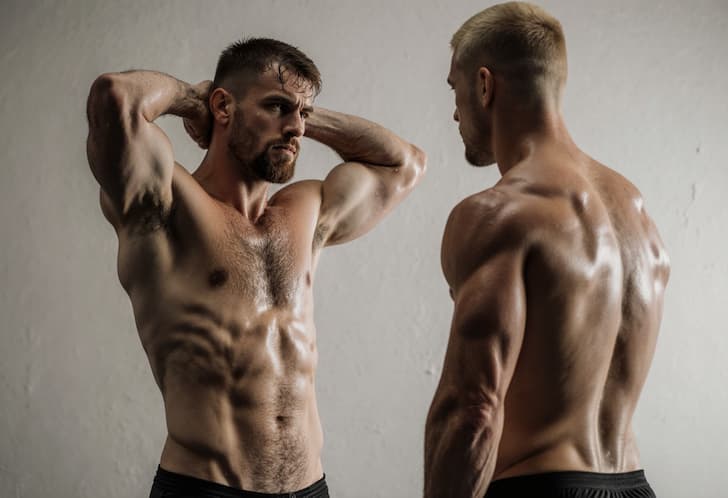
Moisture on the skin tells a story that words often fail to capture within the realm of queer creativity. You see a glisten on a forehead or a damp shirt and immediately recognize the exertion behind the image. Perspiration served as a secret code during eras when overt sexuality faced heavy censorship from the state. Salt and water combined to create a mask of athleticism that hid deeper desires from the prying eyes of the law.
History remembers the heat of the darkroom and the steam of the bathhouse as much as the finished canvas. You find yourself looking at a reflection of hard work that doubles as a beacon of attraction. Such a simple biological function transformed into a high-grade aesthetic choice for painters and photographers alike.
Literature and early films used it to paint men as vital, grounded, and undeniably physical, slipping past moral gatekeepers while still sparking desire. Every drop functions as a testament to the physical presence of a body in a space that once forbade its existence. You feel the humidity of the past radiating from every glossy print and charcoal sketch. Queer creators utilized this biological reality to ground their subjects in a world of labor and lust.
The Secret Language of the Physique Magazines
Censorship forced early photographers to find clever ways to signal desire without triggering the vice squad. You notice how the models in 1950s catalogs always appear to have just finished a grueling set of repetitions with heavy weights. Glycerin often replaced actual perspiration to ensure the lights caught every ripple of muscle with surgical precision. Law enforcement viewed a dry body as a pin-up, but a damp body looked like a health-conscious athlete. You observe the transition from sterile portraiture to a more visceral, wet aesthetic that defied the rigid standards of the time.
Photographers like Bob Mizer knew exactly how to manipulate the appearance of effort to bypass strict postal regulations. You see a model drenched in oil and water, posing as a Greek wrestler or a weary construction worker. Legal defenses rested on the idea that these images promoted physical fitness and clean living. You realize the moisture served as a protective layer against the cold hand of the law. Every bead of liquid on the page signaled a high-volume intensity that justified the nudity to conservative judges.
You feel the tension between the overt performance of health and the hidden layer of homoerotic subtext in these prints. Models often spent hours under hot studio lamps to achieve the perfect amount of shine for the camera. You recognize that the shine emphasized the three-dimensional quality of the male form in a way that flat, dry skin never could. Such visual tactics created a new standard for how the male body should look in the queer imagination. You see the roots of modern fitness culture in these early attempts to weaponize the appearance of physical toil.
You should look for the subtle use of sheen in vintage black-and-white photography. Glossy finishes on the paper often worked in tandem with the oiled skin of the model to create a sense of depth.
Search for the term "physique" to see how sweat acted as a legal loophole for eroticism. Judges frequently dismissed obscenity charges if the subject appeared to be a serious athlete in training.
Notice the difference between natural perspiration and the heavy use of baby oil in studio settings. Oil stayed put under the heat of the lights while water evaporated too quickly for long sessions.
Observe the props used in these photos like barbells or medicine balls. Muscle fatigue needed a visible marker, and the glisten provided that necessary proof of exertion.
Compare the lighting setups that favor a wet surface versus a dry one. Hard lighting creates sharp highlights on a damp shoulder, which makes the muscles pop for the viewer.
Tom of Finland and the Hyper-Real Glisten
Tom of Finland redefined the male silhouette by adding a layer of hyper-masculine sheen to every drawing. You see leather jackets and boots that reflect light as if they were made of liquid metal. Characters in these works appear to exist in a state of perpetual heat and physical readiness. Every muscle fiber stands out because the artist used shading to mimic the way moisture clings to the skin. You notice a level of detail that makes the air in the drawings feel thick with the scent of man.
Hyper-masculinity required a visible sign of effort to remain believable to the viewer. You find that the presence of a few drops on a brow adds a sense of urgency and life to a static image. Artists used this technique to move away from the soft, airbrushed look of mainstream 1940s art. You witness a shift toward a more aggressive and unapologetic portrayal of gay desire. Leather and skin merge into a single, shining surface that demands your full attention.
Heavy ink work and careful highlights allowed for a sense of tactile reality that feels almost dangerous. You look at a biker or a sailor and feel the literal warmth coming off the paper. Such illustrations paved the way for a world where gay men saw their own strength reflected in a gloriously messy way. You perceive the sweat not as a mess, but as a badge of honor for the hyper-masculine ideal. Every stroke of the pen honors the physical reality of a body that works and plays with equal intensity.
Study the way light hits the curved surfaces of black leather in these drawings. Reflections often follow the lines of the body to emphasize the sheer size of the muscles beneath the gear.
Look for the small droplets on the upper lip or neck of the characters. These tiny details add a layer of realism that makes the fantasy feel grounded in a physical space.
Notice the contrast between the dark ink and the white space used to represent highlights. White gaps on the page mimic the glare of a sun or a spotlight hitting a wet forehead.
Analyze the texture of the skin compared to the texture of the fabric. Sweat bridges the gap between the two, making everything appear as part of one cohesive, living organism.
Observe how the artist uses moisture to direct your eyes toward specific parts of the anatomy. High-contrast shines act as visual guides that pull your focus to the areas of highest tension.

The Steam of the Bathhouse Culture
Bathhouses became a central hub for the creation of a distinct queer sensory experience during the 1970s. You enter a world where the air stays saturated with humidity and the smell of cedar wood. Walls drip with condensation that mirrors the moisture on the skin of every person in the room. Such an environment creates a soft-focus effect that blurs the lines between individual bodies. You find that the haze acts as a veil of privacy in a crowded, public space.
Visibility in a steam-filled room relies on the play of dim lights against wet surfaces. You feel the heat pressing against your chest as you move through the narrow corridors. Such spaces encouraged a tactile way of being that relied on touch rather than sight. You notice how the moisture makes every encounter feel more immediate and physical. History records these venues as places where the hierarchy of the outside world melted away in the heat.
Artists often captured the aftermath of these nights in blurry, grainy photographs that felt like memories. You see figures emerging from the mist like ghosts in a dream of liberation. Moisture on the lens often created halos around the light bulbs, adding a mystical quality to the scene. You recognize the bathhouse as a place where the body became a liquid entity, free from the rigid structures of society. Every surface tells a story of a culture that thrived in the shadows and the steam.
Pay attention to the way photographers used natural steam to create depth in a flat image. Foggy backgrounds allow the person in the foreground to stand out with striking clarity.
Notice the use of towels as the only prop in these historical images. Damp fabric clings to the hips in a way that suggests the weight of the water absorbed from the air.
Look for the reflections in the tiled walls or the metal lockers. Wet tiles act as mirrors that double the presence of the subjects within the frame.
Observe the physical posture of the men as they lean against the walls. Gravity seems to pull harder on a body that is slick with the weight of the atmosphere.
Identify the way the camera captures the literal air as a thick, visible substance. Humidity transforms a vacant space into a dense medium that the subjects must push through.
The Rhythmic Heat of the Underground Club
Clubs functioned as a laboratory for the intersection of sound, light, and physical exertion. You stand on a floor where the temperature rises with every beat of the music. Humidity levels in these basement rooms often reached the point of saturation, causing a literal rain of condensation from the ceiling. You feel the collective warmth of the crowd as a single, pulsing organism. Such an intense environment required the body to release heat through a constant glisten.
Clothing became a burden in the stifling heat of the late-night sessions. You watch as shirts come off and reveal skin that shines under the colored strobes. Such a transition from a dressed-up look to a stripped-down reality signaled a break from social norms. You find that the moisture acts as a lubricant for the movement of bodies in a cramped space. Every drop of sweat becomes a marker of the time spent in the pursuit of a collective rhythm.
Photographers in the 1980s aimed to capture this fleeting energy in high-contrast frames. You see the grit and the grime of the club culture etched into the wet faces of the patrons. Such an aesthetic moved away from the polished look of the studio and toward a more visceral truth. You perceive the club as a place where the physical reality of the body could not be ignored. Heat and sound merged to create a world where the only thing that mattered was the present moment.
Look for the way sweat darkens the collars and backs of shirts in club photography. Dark patches indicate the level of intensity and the duration of the physical activity.
Notice the interaction between cigarette smoke and the humid air. Light beams become visible as they pass through the mixture of moisture and haze.
Observe the way hair clings to the forehead after hours of movement. Disheveled appearances serve as a visual shorthand for a night spent in total immersion.
Check the reflections of neon lights on the damp skin of the patrons. Colors like pink and blue take on a metallic quality when they hit a wet surface.
Identify the sense of motion blur that often accompanies these images. High humidity and low light force the camera to slow down, capturing the flow of the night.

The Gym Obsession and the Hard Body
The 1980s introduced a version of the gay male body that looked like a temple of steel and stone. You walk into a weight room and see the deliberate construction of a physique that screams for attention. Perspiration in this context serves as the evidence of a disciplined life spent under the iron. This glisten acts as a highlight that proves the muscle is real and active. You find that the gym became a stage where the body performed its own strength through every pore.
Health crises in the mid-eighties forced a new focus on the appearance of vitality and resilience. You see images of men with massive chests and arms, coated in a layer of shine that suggests invulnerability. Such an aesthetic offered a visual counter to the frailty that haunted the nightmares of the era. You notice how the sweat makes the veins and tendons look like parts of a complex machine. Every workout session became a ritual of survival that left its mark on the surface of the skin.
Media from this era favored the "cloned" look, where short hair and a mustache paired with a ripped torso. You find that the shine was a key part of this uniform, making the man look like a bronze statue. Photographers used oil to mimic the appearance of a heavy lift, even in a quiet studio setting. You recognize the gym body as a fortress built to withstand the pressures of a hostile world. Every drop of moisture represents a brick in that wall of physical defense.
Observe the use of high-angle lighting to emphasize the depth of the abdominal muscles. Sweat pools in the grooves of the torso, creating shadows that make the muscles look even larger.
Notice the focus on the bicep as the model performs a curl. Veins pop under a layer of moisture, signaling a high level of blood flow and effort.
Look for the heavy use of chalk on the hands as a contrast to the wet skin. White powder provides a matte texture that breaks up the continuous shine of the rest of the body.
Identify the gym attire that allows for maximum visibility of the sweating torso. Tank tops with deep armholes ensure that the lats and ribs remain part of the visual narrative.
Check the background for heavy machinery and metal plates. The industrial setting reinforces the idea of the body as a product of hard labor and mechanical precision.

Leather Subculture and the Sensory Glisten
Leather gear creates a micro-climate against the skin that prevents the evaporation of heat. You feel the temperature rise the moment you zip up a heavy cowhide jacket. This trapped warmth leads to a layer of moisture that lubricates the movement between the body and the material. You find that the scent of tanned hide mixes with the salt of the skin to create a heady atmosphere. Such a sensory experience defines the leather scene as a realm of intense physical presence.
Photographers of the leather scene often highlight the way moisture makes the hide look even blacker and deeper. You see a glisten on a leather cap or a harness that matches the shine on the wearer's shoulder. Such a visual harmony suggests a total union between the man and his second skin. You notice how the sweat acts as a bridge between the organic and the inorganic parts of the outfit. Every crease in the leather becomes a valley where the heat of the body leaves its mark.
Cinema often uses this imagery to signal a transition into a more primal state of being. You watch as a character in a leather bar wipes a hand across a damp brow in a slow, deliberate motion. This gesture communicates a sense of endurance and readiness for whatever the night holds. You recognize that the leather scene prizes the visceral reality of a body that does not shy away from its own heat. Every drop of liquid under the gear serves as a secret between the skin and the suit.
Search for images of the San Francisco Folsom Street Fair to see this aesthetic in action. Sunlight on black leather and damp skin creates a high-contrast environment that is a dream for street photographers.
Notice the way moisture causes the leather to cling to the contours of the body. A tight fit becomes even more pronounced when a layer of liquid removes the air between the man and the gear.
Observe the use of red or blue backlighting in leather-themed art. These colors catch the wet surfaces of both the skin and the hide, creating a neon-noir feel.
Look for the presence of boots and the way they shine from a distance. Polished leather and sweat work together to project an image of military-grade discipline and heat.
Identify the way the sweat marks appear on the lining of a jacket. These salt stains are the history of the garment and the man who wore it through the heat of the night.

Sports as a Canvas for Homoerotic Heat
Athletic competition offers a socially acceptable venue for the display of extreme physical intimacy and heat. You see a rugby scrum or a wrestling match and realize the sheer volume of sweat exchanged between the players. This fluid exchange acts as a silent dialogue of strength and endurance on the field. You find that the moisture makes the bodies look more heroic and larger than life in the eyes of the camera. Such images often find their way into the queer gaze because they bypass the usual filters of the mainstream.
Wrestling especially emphasizes the slickness of the skin as a functional element of the sport. You watch as two men struggle for a grip on a surface that has become as slippery as ice. This struggle creates a visual drama that is both aggressive and strangely tender. You notice how the sweat flys off the players during a sudden movement, caught by the high-speed shutter of the sports photographer. Every drop is a pixel of effort in a picture of total commitment to the game.
Queer artists often re-contextualize these sports images to highlight the underlying desire. You see a painting of a boxer in his corner, his chest heaving and his skin drenched in the light of the arena. Such a focus on the recovery and the fatigue turns the athlete into a figure of vulnerability and beauty. You recognize that the sweat in sports is the ultimate marker of a body that has given everything it has. Every glistening limb tells a story of a struggle that is as much about the self as it is about the opponent.
Observe the way the jerseys stick to the torsos of the athletes. Wet fabric becomes translucent, revealing the musculature underneath without the need for nudity.
Look for the clouds of steam rising from a player's head during a cold-weather game. This visual proof of internal heat highlights the intensity of the metabolic fire within the body.
Notice the use of slow-motion in sports broadcasts to show the spray of moisture. A hit or a jump becomes a liquid event that takes on a sculptural quality in mid-air.
Check the way the dirt and the grass stick to the wet skin of the players. This mixture of elements grounds the hero in the physical world of the earth and the field.
Identify the moments of physical contact where the sweat of one man transfers to the other. This bridge of fluid creates a temporary connection that the camera loves to focus on for dramatic effect.

The Erotics of the Locker Room
The locker room functions as a liminal space where the heat of the game meets the cooling spray of the shower. You hear the echo of voices against the tile and the constant hiss of the water heaters. Steam fills the air, creating a soft-focus world that feels separate from the rest of the school or the stadium. You find that the sweat on the skin begins to wash away, replaced by the clean shine of the shower. Such a transition represents a moment of total relaxation after a period of high tension.
Historical photography often uses the locker room to capture the male form in a state of unhurried repose. You see men sitting on wooden benches, their hair damp and their shoulders glistening with the last of the workout's heat. Such an environment allows for a gaze that is both admiring and respectful of the labor performed. You notice how the moisture on the walls mirrors the moisture on the skin, creating a unified sensory field. Every locker and every tile contributes to a sense of a secret world of men.
Modern media often plays with the tension of the locker room as a site of potential discovery and desire. You watch a scene where the steam becomes a character of its own, hiding and revealing the subjects in turns. Such a use of atmosphere builds a sense of anticipation that a clear room never could. You recognize the locker room as a place where the physical reality of the body is accepted without question. Every drop of water on the floor is a reminder of the heat that came before.
Look for the use of natural light from small, high windows in locker room scenes. This lighting creates long shadows and sharp highlights on the wet surfaces of the skin and the benches.
Notice the textures of the old wooden benches versus the cold metal of the lockers. Sweat acts as a mediator between these different surfaces, making the whole room feel lived-in.
Observe the way the men wrap themselves in white towels. The bright white of the fabric contrasts with the tanned, wet skin to create a classic aesthetic.
Check for the presence of steam rising from the shower area. This background element adds a sense of depth and a layer of atmospheric mystery to the image.
Identify the focus on the feet and the wet floor tiles. The puddle of water around the drain tells its own story of the cleansing process after a hard day.
Contemporary Photography and the Glisten of Reality
Modern photographers often reject the polished look of the past in favor of a more visceral and honest aesthetic. You see images where the sweat looks like real labor rather than a studio effect. Such a shift moves the focus from the ideal body to the real body in all its messy glory. You find that the moisture on the skin often mixes with grease, glitter, or grime to create a new kind of beauty. Every frame serves as a rejection of the airbrushed standards of the mainstream media.
Artists often use the glisten to ground their subjects in a world of subversion and rebellion. You see a punk or a street kid with a damp forehead, looking directly into the lens with a sense of defiance. Such a use of moisture adds a layer of intensity that feels immediate and lived-in. You notice how the sweat emphasizes the scars, tattoos, and imperfections that make each person a real human. Every drop becomes a political statement about the right to exist in a body that is not perfect.
Digital high-definition cameras capture the texture of the skin with a level of detail that was impossible in the past. You see every individual pore and the way the liquid beads up on the fine hairs of the arm. Such hyper-reality creates a sense of proximity that makes you feel like you are standing right next to the subject. You recognize that modern queer art uses the glisten to bridge the gap between the viewer and the viewed. Every shimmering surface invites a closer look at the reality of the human form.
Analyze the use of harsh, direct flash in contemporary queer photography. A direct flash creates a "deer in the headlights" look where the sweat shines with a white-hot intensity.
Look for the incorporation of non-traditional elements like oil or neon paint. These substances change the way the light reflects off the wet skin, creating an otherworldly glow.
Notice the focus on the "aftermath" of an event rather than the event itself. A subject sitting alone after a protest or a party tells a story through the salt on their skin.
Observe the way the background is often left messy or chaotic. This lack of polish in the surroundings reinforces the visceral nature of the sweating body in the center.
Identify the use of macro-photography to show the structure of a single drop of sweat. This scientific level of detail turns the biological function into a piece of abstract art.

The Cinematic Heat of the Queer Gaze
Cinema has a long history of using the appearance of heat to build a sense of atmosphere and desire. You watch a film like Querelle and notice the orange light that makes every actor look like they are in a furnace. Such a constant glisten creates a world where the air is thick with the potential for action. You find that the sweat acts as a visual substitute for the words that the characters cannot speak. Every frame of a humid scene carries a weight that a dry, air-conditioned set lacks.
Director Claire Denis used the movement of soldiers in the sun to create a ballet of sweat and muscle in Beau Travail. You see the rhythmic repetition of exercises under a desert sun that leaves the skin soaked and shining. Such a focus on the physical toll of the labor turns the military life into a work of art. You notice how the sweat becomes a uniform of its own, marking the men as part of a single unit. Every drop on a shoulder is a testament to the endurance of the body in an unforgiving environment.
Modern queer cinema often uses the absence of clothes and the presence of moisture to ground the story in a natural world. You see characters in a lake or a forest, their skin reflecting the water and the sun in equal measure. Such an aesthetic favors a sense of freedom and a break from the rigid structures of city life. You recognize that the heat in these films is a symbol of the internal state of the characters. Every glistening brow is a window into a world where the physical and the emotional are one.
Pay attention to the color grading of the film to see how it affects the look of the sweat. Warm tones like amber and red make the moisture look like it is coming from a deep, internal fire.
Notice the sound design that often accompanies the visual of a sweating body. The sound of a heavy breath or the rustle of a damp shirt adds a layer of sensory reality to the scene.
Look for the way the actors use their hands to wipe away the moisture. This natural gesture grounds the performance and makes the character feel like a living person.
Observe the use of close-ups on the neck and the collarbone. These areas are where the sweat pools first, making them a natural focus for the camera's gaze.
Identify the transition from a dry state to a wet state as the plot moves toward a climax. Increased perspiration signals a rise in the emotional and physical stakes of the story.
The Digital Glisten and the New Media
Social media has created a new standard for the way the body looks in the digital age. You scroll through an app and see high-definition images of fitness models who look like they are made of glass. Such a digital glisten is often a combination of real effort and careful post-production. You find that the sheen is now a requirement for a successful post in the world of online gay media. Every pixel of shine is a way to grab the attention of a fast-moving crowd.
Filters and editing software allow for the improvement of the natural glisten to an almost supernatural degree. You see skin that looks smoother and wetter than anything possible in the physical world. Such an aesthetic moves away from the grit of the past and toward a clean, futuristic version of the human form. You notice how the moisture creates a sense of depth even on the flat screen of a phone. Every highlight is a deliberate choice made to emphasize the work that went into the physique.
The "wet look" has become a staple of modern queer fashion and grooming. You find products like hair gels and skin oils that are designed to maintain a glisten for hours on end. Such a choice allows a person to carry the look of the gym or the club into their everyday life. You recognize that the digital age has turned a biological byproduct into a high-grade fashion accessory. Every drop of synthetic shine is a way to signal a commitment to a certain lifestyle and aesthetic.
Observe the use of ring lights in digital photography to create a circular highlight on the skin. This lighting setup makes the moisture look uniform and professional.
Look for the way digital artists use "dodge and burn" techniques to emphasize the sweat. Lightening the highlights and darkening the shadows makes the wet skin pop with a 3-D effect.
Notice the focus on the skin texture in "no-filter" posts. Real sweat and real pores are now a way to signal honesty in a world of high-edit photography.
Check the use of slow-motion video in social media stories. Seeing the way the light moves over a damp shoulder adds a sense of life that a static image lacks.
Identify the rise of "wet look" styling in high-fashion gay magazines. Models often appear as if they have just stepped out of a pool, even when wearing expensive suits.
The Politics of the Unwashed Body

Unwashed Body
Recent shifts in queer media have begun to favor a more natural and less sanitized version of the body. You see a move away from the heavy oils of the past toward the actual salt and pheromones of the skin. Such an aesthetic values the scent and the texture of a body that has lived and breathed without interference. You find that this naturalism acts as a critique of the hyper-polished standards of the 1980s and 1990s. Every drop of natural moisture is a celebration of the human animal in its truest form.
Artists now explore the idea of sweat as a social byproduct rather than just an individual one. You see images of protest and collective action where the heat of the crowd becomes the main subject. Such work highlights the way bodies heat up each other when they stand together for a cause. You notice how the moisture on a face in a crowd signals a different kind of intensity than the moisture of a solo athlete. Every glistening limb is part of a larger story of resistance and physical presence.
History shows that the body remains a site of struggle and beauty in equal measure. You look at the evolution of the glisten and see the changing values of the queer world reflected back at you. Such a simple detail as a drop of water carries the weight of decades of artistic and social change. You recognize that the future of queer art will continue to find new ways to honor the heat of the human form. Every pore on the skin is a gateway to a deeper understanding of the physical life.
Look for the use of natural, ambient light in modern portraiture. This lighting avoids the artificial shine of the studio and highlights the natural texture of the skin.
Notice the inclusion of "sweat stains" as a deliberate fashion choice in some queer zines. These marks on the clothing signal a life lived with intensity and a lack of concern for mainstream polish.
Observe the way the camera captures the breath as well as the sweat. The combination of these two elements creates a sense of total physical immersion in the moment.
Check for the presence of natural body hair in modern "wet" photography. Hair traps moisture in a way that creates a different visual texture than shaved skin.
Identify the focus on the "ordinary" body in a state of exertion. Seeing a person who is not a model sweating through a task adds a layer of relatability and truth to the art.
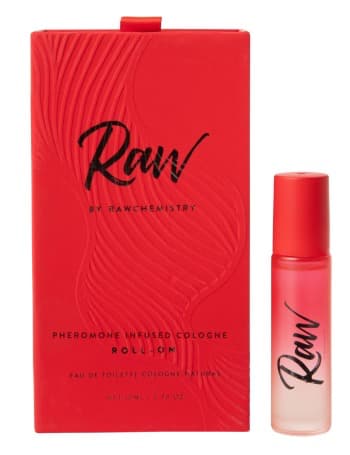
Raw
A Pheromone Infused Cologne - with Pheromones for Men
Alcohol Free, Paraben Free, Chemical Free.
With Bergamot, Elemi, Sichuan Pepper, Pink Pepper, Geranium, Vetiver, Lavender, Patchouli, and Ambroxan.
We earn a commission if you click this link and make a purchase at no additional cost to you.
A History of Sweat in Gay Art and Media: The Lasting Mark
History shows that the appearance of sweat in queer art is far from a simple biological accident. You see it as a device of survival, a signal of desire, and a badge of hard labor across the decades. From the oiled models of the fifties to the digital glisten of today, moisture on the skin remains a constant. Such a sheen honors the physical presence of the body in a world that often tries to ignore it.
You recognize that the salt and the water are the traces of a life lived with intensity and purpose. Such a visceral detail bridges the gap between the creator and the viewer through a shared physical reality. Every drop of perspiration is a mark of the heat that drives the creative spirit forward. You find that the history of gay art is a history of the body in its most active and honest state. The glisten remains a beacon of the strength and the persistence of the queer form.
Wow, Max, this piece is a total knockout! Your deep dive into sweat as a symbol in gay art and media is both enlightening and thrilling. I love how you trace its evolution from subtle masculinity in Baldwin to raw desire in modern works like Alejandro's SWEAT. The examples, especially Tom of Finland and Mapplethorpe, hit hard, showing sweat's power to convey strength and lust. Thanks for this vivid, well-researched exploration – it's a fantastic tribute to gay culture's unapologetic physicality. Keep shining a light on these bold narratives!
Cheers for the enthusiastic words! I’m thrilled you connected with the journey of sweat in gay art. Highlighting icons like Tom of Finland and Mapplethorpe was a joy – their work pulses with raw energy. Your support fuels my passion to keep exploring these vibrant stories. Stay tuned for more!
Great images, graphics, and your article is a thoughtful gem. Tracing sweat's role in gay art, from Brando's primal allure to Vuong's tender prose, shows its depth beyond mere physicality. It's a lens into desire, identity, and resilience. I appreciated the nod to Cruising and Cassils – both so raw yet complex. Thank you for crafting such a nuanced look at this overlooked symbol in our culture. It really resonates.
Thanks Gen, your reflective take means a lot! I’m glad the piece resonated, especially with the complexity of works like Cruising and Cassils. Sweat’s role in our stories is so layered, and I’m honored to unpack it. Thanks for your kind words – they inspire me to keep digging into these meaningful narratives!
Hi, this is a post that gives us a solid overview of sweat's significance in gay art and media. The progression from coded masculinity in early works to explicit desire in modern pieces is well-documented, with clear examples like Vidal and Schorr. The structure is logical, though some sections could delve deeper into cultural context. Thanks for providing a concise yet informative analysis of this unique theme.
Thanks for the thoughtful feedback! I appreciate your analytical perspective and note on cultural context – I’ll consider diving deeper in future pieces. I’m glad the examples and structure worked for you. Your input keeps me sharp, and I’m excited to continue exploring these themes. Thanks for engaging with the work.