

Uzbekistan presents a complex reality for men who seek love with other men within its borders. State laws still classify certain private acts between males as illegal offenses under the national criminal code. You face a world where ancient silk road traditions meet rigid modern policies and social expectations. Secrecy becomes a second skin as you move through the bustling streets of Tashkent or the historical alleys of Samarkand. Families often place pressure on sons to marry women and continue the lineage at any cost.
Online spaces act as the only real refuge for meeting like-minded individuals in such a closed environment. Silence is often a survival mechanism rather than a choice in the Central Asian nation. Fear of police harassment or social shaming keeps many identities hidden deep beneath the surface. Your existence is a quiet rebellion against a system that refuses to see your truth. Survival requires vigilance.
The Particular Legal Status of Gay Men
The penal code in Uzbekistan contains a particular section known as Article 120 that directly criminalizes consensual relations between males. Politicians in the capital city refuse to remove this outdated law despite ongoing pressure from international human rights organizations and activists. You live with the constant knowledge that a private encounter has the potential to cause a long-term in a state prison. Police officers often use the existence of this law to justify the surveillance of any location suspected of hosting underground meetings. Every man in the local scene must be extremely careful to avoid any legal trouble that will result in a permanent criminal record.
Judges and prosecutors follow a very traditional interpretation of the laws regarding public morality and social behavior. Defense lawyers who are willing to take on sodomy cases are very difficult to find and often face their own set of professional risks. You are living in a system where the burden of proof is often secondary to the moral judgment of the court. Arrests for these offenses are rare but the threat of them is a constant part of your daily life. A conviction is able to ruin your chances of ever finding high-quality employment or maintaining a stable social standing.
International observers continue to list Uzbekistan as one of the few countries in the region that still maintains such discriminatory statutes. Reform is slow because the government views any change as a concession to Western values and foreign interference. You see activists working in the shadows to document the abuses that happen behind the closed doors of police stations. Silence from the general public ensures that the political cost of keeping the law remains very low for the ruling elite. Progress is only possible if the state decides to modernize its legal framework in line with global standards.
Check the current wording of the criminal statutes to stay informed about your legal rights. Knowledge of the law is a potent shield when you are dealing with officers who are overstepping their bounds.
Keep the phone number of a reliable lawyer saved under a fake name in your contacts. Legal help is your only defense if you are taken into custody for any reason.
Avoid carrying any materials that will be used as evidence of a non-traditional lifestyle. Minimalism in your pockets reduces the risk of being targeted during a random stop by a patrol.
Verify the identity of any person who claims to be a legal advocate for the gay community. Scammers often pretend to be activists to gain access to sensitive information about the local underground scene.
Stay updated on the latest news from international human rights groups regarding regional laws. Global pressure is the only force that has any impact on the internal policies of the government.

Household Dynamics and Family Pressure
Marriage is the ultimate milestone for a young man in an Uzbek household. Parents start to arrange matches as soon as a son finishes his university studies. You feel the weight of centuries of tradition every time the topic of a wedding arises in conversation. Refusal to marry a woman often leads to suspicion and intense conflict within the family circle. Most men choose to live a double life to keep the peace at home and avoid the shame of discovery.
Family honor is a concept that dominates every part of life in Central Asia. Shame brought upon a household affects the marriage prospects of siblings and even distant cousins. You are expected to play the role of the dutiful son without any complaint or deviation from the norm. Secrets are buried deep to protect the reputation of the entire family tree from public ridicule. Discovery of your orientation often results in total banishment or forced attempts to change your behavior.
Cultural norms dictate that a man must be a provider and a father to be respected by his peers. Neighbors and distant relatives constantly ask when a new baby will arrive to continue the family name. You live under a microscope where every social interaction is judged by the eyes of the community. Pressure builds until the facade feels like it is about to crumble under the heat of the expectations. Resilience is the only way to endure the constant questioning from well-meaning elders who do not know the truth.
Create a believable backstory for your single status to deflect persistent questions. Friends or work commitments serve as common excuses to delay the inevitable talk about marriage.
Seek out supportive relatives who value your happiness over strict social adherence. Trust is a rare commodity that should be guarded with extreme care and caution in a small town.
Prepare yourself mentally for the possibility of a marriage of convenience in the future. Some individuals find partners in similar situations to satisfy the demands of their families while living their own lives.
Develop a circle of friends who act as a chosen family in times of crisis. Reliable people give the emotional support that biological families often fail to give in this environment.
Stay focused on your career as a way to gain independence and autonomy from your parents. Success and money sometimes buy a level of privacy that others do not enjoy in the village.
The Influence of Faith and Tradition
Islam plays a central role in the moral fabric of society across the entire region. Imams often speak against modern lifestyles that conflict with traditional religious interpretations of the holy texts. You hear sermons that reinforce the idea of a particular type of male behavior and social responsibility. Faith is used as a shield by those who wish to exclude you from public life and discourse. Devout families view any departure from these rules as a grave sin against the creator and the natural order.
Religious scholars in Tashkent rarely discuss the topic of same-sex attraction in a neutral or open way. Most guidance emphasizes the importance of a traditional union between a man and a woman for the health of society. You find yourself caught between your personal faith and the words of the clergy at the local mosque. Tension exists in every prayer hall where you feel like an outsider among your own people. Spiritual peace is hard to find when the doctrine seems to reject your very heart and soul.
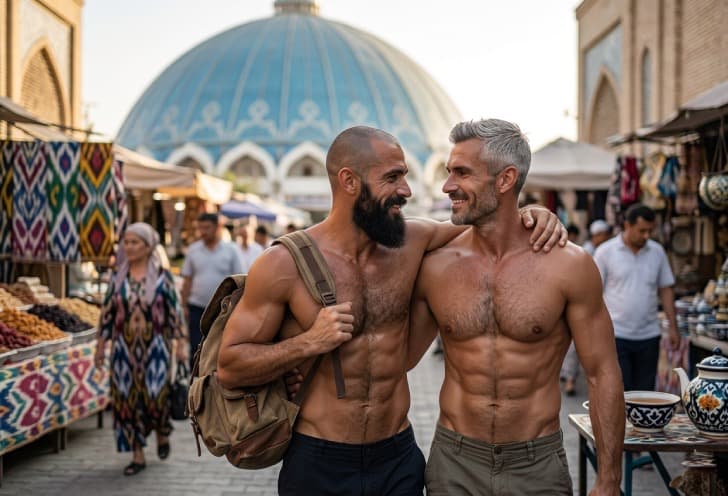
Tradition often carries more weight than modern human rights in the eyes of the general populace. Ancient customs regarding masculinity are passed down from one generation to the next without any question. You see these patterns in the way men greet each other and spend their time in the tea houses. Deviating from these norms invites unwanted attention and potential hostility from strangers in the street. History is a heavy cloak that everyone is expected to wear without any alteration or personal flair.
Find private ways to practice your faith without involving judgmental institutions or people. Personal spirituality does not require the approval of a vocal and biased cleric or neighbor.
Avoid debating sensitive topics with individuals who hold rigid religious views on morality. Silence is a safer path than engaging in an argument that you are not able to win.
Identify historical figures or local legends that hint at a more diverse past in the region. Knowledge of a broader history helps you feel connected to the land in a new and different way.
Observe the social cues of the local mosque to avoid standing out from the crowd. Integration into the fabric of life requires a certain level of performance and quiet camouflage.
Build a small network of religious progressives who offer a different perspective on the faith. Change often starts with quiet conversations behind closed doors and away from the pulpit of the mosque.
Digital Safety and the Use of Apps
Grindr and other dating apps are the primary resources for meeting people in Uzbekistan today. Filters and VPNs are often needed to access these platforms without state interference or monitoring. You see many blank profiles or photos that do not show a clear face of the user. Anonymity is the currency of the digital realm for every gay man in the city of Tashkent. Safety is never guaranteed even when a person seems genuine in their initial messages to you.
Blackmailers frequently use dating apps to target unsuspecting men for financial gain and extortion. Scammers set up fake profiles and lure victims to private locations for a setup with a group of thugs. You must verify the identity of a person before you agree to a physical meeting in a private space. Police officers sometimes use these apps to entrap individuals and make easy arrests for Article 120. Caution is the only thing that stands between you and a very dangerous situation on the internet.
Cybersecurity is a topic that you must master to protect your private life from prying eyes. Encrypted apps like Telegram are popular because they give self-destructing messages and secret chats for the user. You should never store sensitive photos on a cloud service that is linked to your real identity or name. Hackers and state actors look for any way to expose the local underground scene to the public. Digital footprints are a trail of breadcrumbs that lead right to your front door if you are not careful.
Use a dedicated phone for your dating apps to keep your life separate and secure. Privacy is easier to maintain when your personal data is not on the same device as your apps.
Meet new people in public places like parks or busy shopping malls for the first time. Safety in numbers reduces the risk of being targeted by a group of criminals or extortionists.
Tell a trusted friend where you are going before you meet a stranger from an app. Check-in times ensure that someone knows if you have encountered a problem or a threat during the night.
Verify the phone number of a person through social media or search engines if possible. Legitimate people usually have a digital history that you are able to cross-reference for your own safety.
Set your location settings to a general area rather than a specific building or street. Precision is a danger when you are trying to stay hidden from the eyes of the state and the police.

The Underground Social Scene in Tashkent
Tashkent has a small and very hidden scene for those who know where to look in the city. Private parties in rented apartments or suburban villas are the most common gatherings for the community. You only get an invitation through a chain of trusted friends and acquaintances in the local network. Security is tight at these events to prevent any unwanted visitors or police raids from happening. Music and conversation flow freely once the doors are locked and the curtains are drawn tight.
Word of mouth is the only way to find out about a safe space to hang out with friends. You learn which cafes are friendly and which ones should be avoided at all costs during the week. Certain parks have reputations as cruising spots, but they are also high-risk areas for any individual. Each location has its own set of unwritten rules that you must learn quickly to survive. Survival in this scene requires a sharp wit and a very quiet tongue when you are in public.
Alliances between different marginalized groups sometimes form in these private spaces away from the crowd. You meet people from all walks of life who are united by their need for secrecy and safety. Class and status matter less when everyone is facing the same level of societal rejection and legal risk. Friendships formed in the underground are often much deeper than those made in the light of day. Connections of trust are forged in the mutual experience of living life on the edge of the law.
Keep the location of a party secret even from your closest family members and friends. Leakage of information leads to a raid that puts everyone in the room at risk of arrest.
Watch the behavior of the host to gauge the safety of a new venue or house. Professional hosts have protocols for dealing with neighbors or curious passersby during a secret event.
Avoid bringing strangers to an established safe space without prior approval from the group. Trust must be earned over time before a new person is admitted to the inner circle of the scene.
Leave the area quietly to avoid drawing attention to the house or the apartment building. Neighbors often report unusual activity to the local police out of boredom or a sense of duty.
Carry a plausible excuse for being in a certain neighborhood at a late hour of the night. Consistency in your story prevents suspicion if you are stopped by a patrol car on your way home.
Healthcare Access and Mental Wellness
Medical professionals in the state system often hold the same biases as the general public in Uzbekistan. You perhaps fear that a doctor will report your orientation to the authorities or your parents without your consent. Seeking treatment for sexual health is a nerve-wracking experience for most gay men in the country today. Private clinics give more discretion but come with a much higher price tag for their services and tests. Trusting a stranger with your health is a gamble that you take with every visit to a hospital.
Mental health services are limited and often lack a basic awareness of LGBTQ issues and needs. Therapists might suggest that your feelings are a phase or a medical condition to be cured through prayer. You need to find a counselor who works with international organizations for a better outcome for your mind. Depression and isolation are common problems that require a professional and empathetic ear to resolve. Finding a safe person to talk to is a long and difficult search in this conservative environment.
NGOs and international groups give some level of support for the local population in the capital city. These organizations operate under intense scrutiny from the government and are often harassed by the police. You should look for groups that focus on human rights or HIV prevention for help and advice. They give testing and counseling in a way that respects your privacy and your dignity as a man. Support is available if you know which doors to knock on in the quiet streets of Tashkent.
Search for clinics that are recommended by other members of the local gay scene. Peer reviews are the most reliable way to find a doctor who will not judge your lifestyle.
Prepare a list of questions to ask a doctor to test their level of bias or hate. Reactions to neutral questions help you decide if a person is safe to talk to about your health.
Use online therapy platforms that connect you with professionals outside of the country. Distance gives a layer of safety and anonymity that local services are not able to offer you.
Request copies of your medical records to ensure no sensitive information is recorded by the staff. Oversight of your own data prevents future leaks to employers or state agencies during a background check.
Contact international human rights groups if you face discrimination in a medical setting. Documentation of abuses helps these groups lobby for better protections for all citizens in the future.

Gay Couple Lost in Uzbekistan
Professional Life and Career Stability
Workplaces in Uzbekistan are generally conservative and require a high level of conformity from every employee. You must be careful about how you dress and how you speak with your colleagues during the day. Any hint of a non-traditional lifestyle leads to gossip and potential termination of your contract at the office. Bosses often favor employees who have families and traditional home lives over single men who stay out late. Career advancement depends on your ability to play the part of a conventional citizen for the boss.
Discrimination in the hiring process is common but very difficult to prove in a local court of law. Employers look at your social media profiles and your personal associations before they make a deal with you. You should keep your online presence strictly professional and avoid any political or social activism in public. Coworkers might become suspicious if you never mention a girlfriend or a wife during the lunch breaks. Maintaining a facade of normalcy is a full-time job in itself for many gay men in the country.
Economic independence is the best defense against social pressure and family control in your life. You are less likely to be forced into a marriage if you have your own place and a good salary. Some industries are more open than others, but none are truly safe for a gay man in the city. You should strive to become indispensable to your company to protect your position from office politics. Success gives a shield that makes it harder for people to attack your character or your personal life.
Keep your personal life and your professional life in separate compartments at all times. Boundaries prevent coworkers from sticking their noses into things that do not concern them or their work.
Update your privacy settings on all professional networking sites regularly to stay safe. Control over your public image is a key part of maintaining your career stability in a small market.
Develop a network of professional allies who value your work and your skills above all else. Competence is a shield that protects you from many forms of office politics and personal bias.
Avoid joining in on conversations that involve disparaging remarks about others in the office. Neutrality keeps you out of the line of fire when social tensions rise among your coworkers.
Save a portion of your income for an emergency fund in case of a sudden job loss. Financial security gives you the freedom to move if your situation becomes untenable at your current company.
Interactions with Law Enforcement and Extortion
Police patrols are a common sight in the streets of Tashkent and other major cities in the region. You must always carry your identification and be ready to answer questions about your business in the area. Officers often target young men who appear to be out late or in unusual locations for the time. Being gay makes you a prime target for extortion or physical abuse in a local jail cell or station. Knowledge of your rights is your only defense against a badge and a uniform in the street.
Shakedowns are a reality for many men who are caught in compromising positions by the authorities. Guards will demand money in exchange for not telling your family or your employer about your arrest. You are in a vulnerable position where the law is stacked against your very existence as a man. Documentation of these events is rare because victims are too afraid to come forward to the public. Dealing with the police requires a calm head and a very polite demeanor at all times of the day.
Interrogation techniques are designed to make you name other people in your social circle and scene. You must be prepared to resist pressure to inform on your friends and your partners in the underground. Legal representation is often denied during the initial hours of a police detention or arrest in the city. You should have a plan for who to call if you find yourself in the back of a patrol car. Preparation is the only thing that keeps a bad situation from becoming a total disaster for your life.
Record the name and rank of any officer who stops you for questioning in the street. Information is a resource that you are able to use later if you need to file a complaint.
Remain polite and cooperative to avoid escalating a tense situation with the police or guards. Aggression only gives an officer a reason to use force or make a formal arrest for a crime.
Avoid carrying any items that are seen as evidence of a non-traditional lifestyle or habit. Minimalism in your pockets reduces the risk of being searched and finding something sensitive or illegal.
Keep a lawyer’s phone number memorized in case your phone is confiscated by the guards. Memory is the only storage device that the police are not able to easily take from you.
Tell the truth about your location and your destination to avoid sounding suspicious to the patrol. Simple stories are easier to remember and harder for an investigator to poke holes in during a talk.
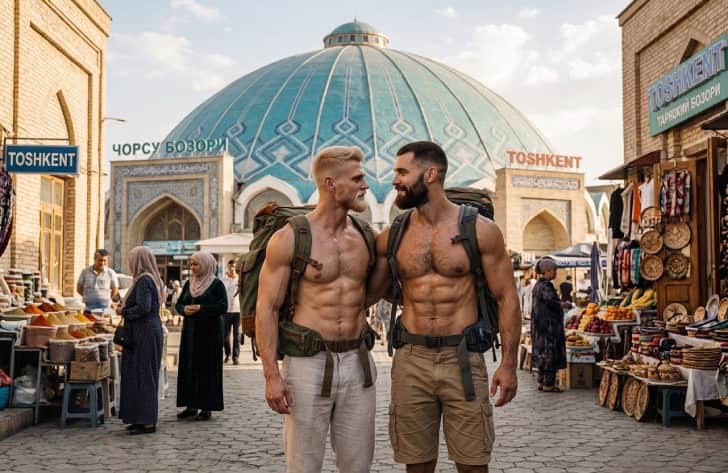
Media Perception and Public Image
Local television and newspapers often portray LGBTQ individuals as a threat to national values and morals. You see stories that link modern lifestyles with foreign influence and social decay in the capital city. Media outlets are largely state-controlled and follow a strict pro-government line in every report they publish. The constant stream of negativity shapes the public perception of your identity and your life as a man. You live in a world where the news cycle is an enemy to your peace of mind.
Foreign media and websites are sometimes blocked to prevent the spread of liberal ideas among the youth. You need a VPN to access unbiased information about world events and human rights in the region. Censorship is a resource used to keep the population focused on a very narrow set of ideals and rules. You find that the internet is the only place where you are able to see a different version of reality. Knowledge of the outside world helps you realize that your situation is not universal or permanent.
Social media influencers who speak out on sensitive topics often face severe legal consequences for their actions. You see people being shamed or arrested for posting content that challenges the status quo in the country. Public discourse is limited to topics that are approved by the censors in the capital city of Tashkent. You must be careful about what you like or share on your own social media feeds every day. Every click is a potential signal to those who are watching the digital environment for any sign of dissent.
Follow international news organizations for a broader perspective on global human rights issues. Diversity of information helps you stay grounded when local media is purely negative and biased against you.
Use encrypted browsers to hide your search history from local internet providers and the state. Privacy is a right that you must actively defend with the right software and habits on your phone.
Avoid commenting on controversial posts that draw the attention of the authorities or the police. Anonymity is your best friend when you are interacting with sensitive content online in a closed state.
Support independent journalists who work to bring the truth to the local population in the region. Truth is a rare commodity that deserves your attention and your quiet support in the shadows.
Critique the messages you see in local media to avoid internalizing the hate and the shame. Mental clarity is needed to separate state propaganda from your own personal reality and truth as a man.
International Travel and the Dream of Exit
Leaving the country is a dream for many gay men who seek a life of total freedom. You look at neighboring states and European nations as places of potential refuge and peace for your heart. Travel gives a temporary escape from the suffocating social pressures of your home city in the mountains. You see how people live in places where being gay is not a crime or a source of shame. These experiences give you a glimpse of a different future for yourself and your partner in the world.
Visas are difficult to obtain for citizens of Uzbekistan, especially for those without much money or status. You face long interviews at embassies where you must prove your ties to your homeland and your family. Moving abroad requires a level of planning and resources that many people simply do not have in the village. You should focus on education or work skills that are in high demand in other countries in the West. Migration is a path that requires a lot of grit and a very clear vision for your life.
Returning home after a trip abroad is often a bittersweet experience for the traveler in the city. You carry the memories of freedom back into a world of secrecy and hidden identities in the street. The contrast between your two lives leads to a sense of deep frustration and sadness in your soul. You must find a way to integrate your experiences into your life without causing trouble for your family. Travel is a gift that also carries a heavy burden of knowledge and perspective for the individual.
Apply for educational programs in countries with strong human rights protections for all citizens. Studying abroad is a common way to gain a foothold in a more open society in the future.
Keep your travel plans private until you have all your documents in order and ready. Secrecy prevents family or state interference in your attempts to leave the country for a new life.
Build a network of international friends who can give advice and support for your move. Connections in other countries are a lifeline when you are planning a major life change in the future.
Learn a new language to increase your chances of finding work in a foreign city or state. Skills are the currency that you use to buy your freedom in a new land and culture.
Store your international documents in a safe and secure location at all times of the day. Passports and visas are the most valuable items you own when you are planning an exit.
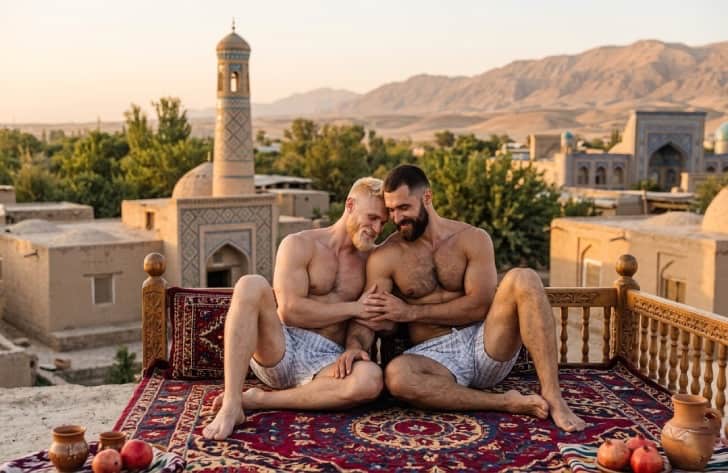
The Psychological Cost of Secrecy
Living a lie for decades takes a massive toll on your mental and physical health as a man. You are always on guard, watching for any slip of the tongue or a wrong look in the street. Stress from hiding your true self leads to chronic health issues and a lot of anxiety in the heart. You feel like a stranger in your own skin when you are around the people you love. The constant pressure is a heavy weight that you carry every single day of your life.
Isolation is the result of not being able to share your life with your family and your friends. You sit at dinner tables where the conversation is a minefield of potential exposure and social shame. Every holiday is a reminder of the distance between your public face and your private heart in the village. You wonder if people would still love you if they knew the truth about your orientation and life. A doubt is a poison that slowly kills the spirit and the mind over a long period.
Resilience is a skill that you develop out of necessity in this harsh and judgmental environment. You find happiness in small moments of connection and secret smiles in the bustling streets of the city. Your strength is built on the fact that you continue to exist in a world that denies you. You learn to find beauty in the shadows where the state and the police cannot reach you. Your heart is a fortress that you have built to protect your most precious secrets and desires.
Practice mindfulness to keep your stress levels under control during difficult times in the city. Mental focus helps you stay calm when the world around you feels overwhelming and dark for you.
Seek out a trusted friend who knows your secret and can give a listening ear to you. Shared burdens are easier to carry than those you keep entirely to yourself in the silence of night.
Write in a private journal to process your feelings and your daily experiences in the country. Putting words on paper helps you make sense of a world that often feels chaotic and cruel.
Set aside time for activities that make you feel like your true and honest self at home. Personal hobbies give a sanctuary where you can drop the mask for a short while each day.
Remind yourself of your own worth and your right to a happy and full life as a man. Self-validation is a potent resource in a society that tries to diminish your value and your heart.
Historical Context and the Soviet Heritage
Laws against sodomy in Uzbekistan are a direct inheritance from the Soviet Union's legal system of the past. Joseph Stalin introduced these penalties in the 1930s as a way to control the population and the people. You are living with the consequences of a political regime that ended decades ago in the region. The history explains why the current government is so hesitant to change the existing laws and the rules. The past is a tether that keeps the present from moving into a new era of freedom.
Imperial Russian influence also shaped the way Central Asia viewed gender and sexuality in the ancient silk road cities. Ancient local customs were often more fluid before the arrival of strict colonial legal codes from the north. You can find traces of a different past in the poetry and the art of the region for centuries. The knowledge helps you realize that the current situation is a relatively recent development in the long history. Comprehending the history of your land gives you a sense of perspective and belonging in the world.
Post-independence leaders have used traditionalism to forge a new national identity for the country of Uzbekistan. They reject anything they perceive as a Western imposition on their cultural values and social norms in the street. You are caught in the crossfire of a geopolitical battle over moral and social standards in the region. The struggle is played out in the courts and the media at the expense of your rights. Nationalism is a potent force that often excludes those who do not fit the mold of the ideal citizen.
Read academic books on the history of Central Asian sexuality and gender roles in the past. Education gives you the facts to challenge the narrative of a monolithic and rigid past in the land.
Visit museums and libraries to find hidden stories of diversity in your own culture and art. History is full of surprises that the state often tries to bury or ignore completely in the schools.
Discuss the historical roots of the penal code with legal scholars and students in the capital. Awareness of the origin of a law is the first step toward advocating for its removal in time.
Identify the ways that colonial influence changed the social fabric of the entire region for the people.Decolonization involves reclaiming the diverse traditions that were lost to foreign legal codes and the Soviet rule.
Recognize that the current laws are a political choice rather than an ancient truth of the land. Realization of this fact helps you see the potential for future change and reform in the city.

Social Standing and the Concept of Honor
Honor is the currency of social life in the communities of Uzbekistan and the surrounding nations. A man’s reputation is linked to his ability to follow the rules of the society and the state. You live with the knowledge that one mistake is able to destroy the status of your entire family. Social standing is more important than personal happiness for many people in the villages and the towns. You must protect your honor as if it were your life in the eyes of the public.
Shame is the primary tool used by the community to enforce conformity and obedience among the youth. Families will go to great lengths to hide any perceived flaw in their children or their relatives. You see people who are forced into lives they do not want just to avoid the sting of gossip. Honor is a heavy burden that limits your choices and your freedom to be yourself in the light. Public perception is a judge that never sleeps and never forgets a mistake or a rumor.
Dignity is something that you must find within yourself despite the judgment of the world around you. You are able to maintain your self-respect even when you are living a life of total secrecy and silence. Honor should be about your integrity as a person rather than the opinions of your neighbors or the state. Your value is not defined by a legal code or a traditional expectation of how you should live. Strength is found in the ability to carry your truth with dignity and grace in the shadows.
Define honor for yourself based on your own values and your own personal integrity as a man. Personal standards are more reliable than the shifting opinions of a judgmental and rigid society in the city.
Protect your reputation by being selective about the information you share with others in the street. Silence is a resource that keeps you safe from those who wish to use your life against you.
Focus on building a life that reflects your true character and your own personal goals in life. Success and kindness are ways to earn respect that have nothing to do with your orientation or heart.
Recognize that shame is a social construct used to control your behavior and your mind at home. Mental freedom starts with the realization that you do not have to accept the shame of others.
Maintain your dignity by treating yourself and others with respect and compassion every day of your life.Kindness is a way to prove your worth in a world that often tries to take it away.
Regional Variations Between Urban and Rural Life
Life in the capital city of Tashkent is vastly different from life in the remote provinces and the villages. You find a higher level of anonymity when you are surrounded by millions of people in a metropolitan area. Smaller towns maintain a very tight social control where everyone knows the business of their neighbors and friends. Gossip travels fast in these rural areas and leaves very little room for a private life of any kind. You must be more vigilant when you visit relatives in the countryside to avoid any suspicion or unwanted attention.
Urban centers give access to modern technology and a more diverse range of international influences and ideas. You are able to find small pockets of like-minded individuals who gather in secret locations across the city of Tashkent. Rural communities rely on ancient traditions that do not account for the existence of non-traditional identities or lifestyles. Men in the provinces often face even more pressure to marry early and start a family in line with local norms. Your survival in the village depends on your ability to perform the role of a traditional son without any mistakes.
Regional differences in the enforcement of Article 120 also exist between the various provinces and the capital city. Police in smaller cities are often more aggressive in their pursuit of anyone who stands out from the crowd. You find that the local authorities have fewer cases to deal with and more time to focus on moral policing. Tashkent gives a level of distraction that is simply not present in the quiet streets of a mountain village. Every move you make in a rural setting is watched by a dozen pairs of curious and judgmental eyes.
Research the local reputation of a city before you decide to move there for work or study. Information from other people helps you avoid the most conservative and dangerous areas of the country for you.
Maintain a conservative appearance when you are traveling outside of the major urban centers in the region.Blending into the local environment is the best way to avoid being targeted by the regional police patrols.
Limit your use of dating apps when you are in a small town or a remote village of the country. GPS technology is able to pinpoint your location and make you an easy target for local shakedowns or raids.
Build a network of contacts in different regions to stay informed about the local climate and risks.Knowledge of the national situation helps you plan your movements with a higher level of safety and care.
Keep your travel plans vague when you are talking to curious strangers in a rural setting or village. Privacy is a shield that prevents people from sticking their noses into your personal business and your life.

Secret Languages and the Use of Slang
Underground circles in Uzbekistan have developed their own secret languages and codes to stay safe from the state. You use particular words and phrases to identify other people without alerting the general public or the police. Slang is a way to communicate your desires and your plans in a world of constant surveillance and monitoring. These codes are passed down through the community and change over time to maintain their secrecy and safety. Language is a resource that you use to build a sense of belonging and mutual protection in the shadows.
Slang terms often borrow from other languages or use metaphors to hide their true meaning from the uninitiated. You learn the dialect of the scene as a way to prove your membership and your trustworthiness to others. Using the wrong word in the wrong place is able to lead to suspicion and potential exposure to the enemy. Proficiency in this secret language is a requirement for anyone who wishes to navigate the local underground social scene. Every conversation is a dance of hints and hidden meanings that only the insiders comprehend.
Digital slang is also a key part of the online dating world in the cities of Central Asia today. You use emojis and acronyms to signal your interests and your boundaries on the dating apps and the chats. These symbols are a quick way to filter through potential matches without having to say too much in a message. Authorities are always trying to keep up with the latest codes, so the language must evolve constantly to survive. Your ability to speak the code is a vital part of your survival and your success in the scene.
Learn the local slang terms for meeting places and activities to stay safe and informed in the city. Knowledge of the code helps you communicate with others without drawing the attention of the general public.
Be careful when you are using secret language in front of individuals who are not part of the scene. A slip of the tongue is able to lead to unwanted questions and potential danger for you and your friends.
Update your knowledge of digital codes and emojis regularly to stay current with the latest trends. The online world moves fast, and you must stay one step ahead of the censors and the police.
Use metaphors and indirect language when you are talking on a recorded phone line or a chat. Privacy is never guaranteed on a public network, so you must always assume that someone is listening to you.
Ask trusted friends for guidance if you are unsure about the meaning of a particular slang term or code.Clear communication is the key to safety and trust within the local underground community of gay men.
Marriages of Convenience and Double Lives
Many gay men in Uzbekistan choose to enter into marriages of convenience to satisfy their families and society. You find a partner who is in a similar situation and agree to live a life of mutual support and secrecy. A marriage gives the perfect cover for your private life and protects you from the pressure of the community. You are able to maintain your professional status and your family honor while still being true to yourself. Such an arrangement requires a high level of trust and a very clear agreement between the two parties.
Living a double life is a constant performance that requires a lot of mental and emotional energy each day. You are one person at home with your wife and children and another person when you are with your friends. The mask never comes off in public, and you must always be ready to play your role for the crowd. Every social event is a stage where you must perform the part of the happy husband and the father. This duality is a heavy burden that many men carry for the duration of their entire lives in the city.
Successful marriages of convenience are built on a foundation of mutual respect and shared goals for the future. You work together to create a stable home and a believable facade for the outside world to see. Children often become a central part of these families and add another layer of complexity to the situation. You find that the love you have for your partner in this arrangement is a different but valid form of connection. Resilience is what allows you to thrive in a life that is split between the light and the dark.
Find a partner who shares your values and your vision for a marriage of convenience in the city.Compatibility is the key to a long-term arrangement that works for both of you and your families.
Establish clear boundaries and rules for your private lives before you decide to get married. Honesty between the two of you is the only way to prevent misunderstandings and conflict in the future.
Build a believable story for your relationship to share with your friends and your relatives. Consistency in your public face helps you avoid suspicion and gossip from the neighbors and the community.
Seek out the advice of others who have successfully lived in a marriage of convenience for years. Wisdom from the experienced members of the scene is a valuable resource for your own life and path.
Keep your private life strictly separate from your home life to protect your family and your partner.Discretion is the most important rule for anyone who is living a double life in a conservative society.
Silent Resistance and the Power of Existence
Resistance in Uzbekistan is not about public protests or political movements in the streets of the capital city. You resist the system simply by continuing to exist and to love in a world that tries to erase you. Every time you meet a friend or a partner, you are committing an act of quiet defiance against the state. Your strength is found in your refusal to let the laws and the traditions dictate the contents of your heart. Silence is a form of protection, but it is also a space where you are able to be free.
Silent resistance involves creating your own world within the borders of a country that rejects your identity and heart. You build networks of support and safety that operate outside of the reach of the authorities and the police. These connections are the foundation for a future where you are able to live without fear of the law or the crowd. Every small act of kindness and solidarity within the community is a win against the forces of exclusion. Your life is a testament to the fact that the human spirit is able to survive even the most rigid systems.
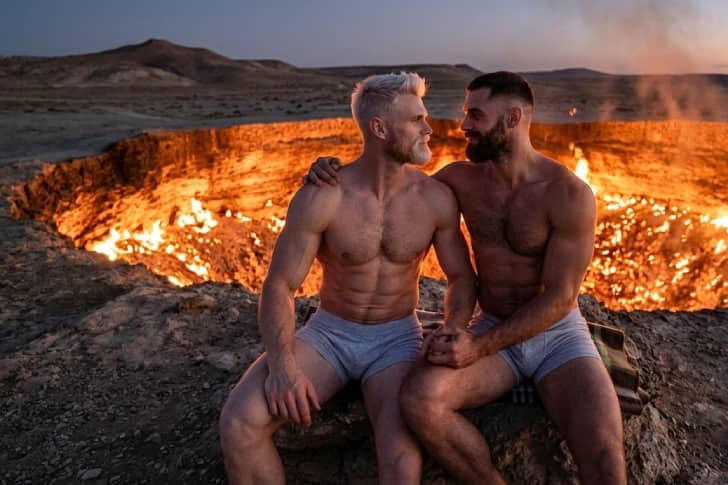
Uzbekistan to Turkmenistan
Persistence is the hallmark of the local gay population in this challenging and beautiful Central Asian nation of the sun. You continue to build lives and seek happiness despite the hurdles that are placed in your path every day. Your stories are being written in the shadows, but they are no less valid or true than those in the light. The future belongs to those who are brave enough to hold onto their hearts in the face of silence. You are a pioneer in a land that is still finding its way toward a more open and inclusive world.
Focus on your own personal growth and your own happiness as a form of quiet resistance to the state. A life well-lived is the best way to prove that the laws against you are wrong and outdated.
Support the members of your community in their own struggles and their own paths to safety and peace.Solidarity is the only way to build a movement that is able to withstand the pressure of the world.
Maintain your hope for a better future even when the present moment feels dark and heavy for you.Optimism is a potent resource for anyone who is fighting for their right to exist and to love in secret.
Educate yourself on the global struggle for human rights to feel connected to a larger movement of people.Knowledge helps you realize that you are part of a broad and diverse history of resistance and strength.
Keep your vision of a free and open Uzbekistan close to your heart as you walk the road of life. Dreams are the seeds of future change, and they deserve your attention and your care every single day.
Generational Shifts and the Hope for Change
Generational shifts are slowly starting to alter the way young people in Uzbekistan view the world around them today. You see a new wave of students who have grown up with the internet and global connections at their fingertips. Members of this generation are more likely to question the rigid traditions that have dominated the lives of their parents. Change is not coming overnight, but the seeds of a more open society are being planted every day in the cities. You are part of a transition that is moving the country toward a more inclusive and modern future for all.
Education and exposure to different cultures are breaking down the walls of ignorance and hate in the urban centers of the land. You hear younger voices in the capital city who speak about human rights and individual freedoms with more confidence. Authorities find it harder to control the flow of information in a world where everyone has a smartphone in their pocket. Progress is a slow crawl, but it is moving in a direction that favors the heart over the law of the past. Your resilience today is the foundation for the freedom of the men who will come after you in time.
History shows that no system of exclusion or oppression is able to last forever in the face of persistent and quiet truth. You find hope in the fact that other countries in the region have started to modernize their legal codes and social norms. Central Asia is a place of deep traditions, but it is also a place that has always known how to adapt. The path ahead is full of hurdles, but the destination is a world where you are able to live without fear. Stay strong and keep your vision of a better life close to your heart as you walk this road.
Connect with the younger generation to share your experiences and your wisdom for survival in the scene.Mentorship is a way to ensure that the knowledge of the past is not lost to the future of the movement.
Support initiatives that promote education and critical thinking among the youth of the country and the city.Knowledge is the ultimate enemy of prejudice and a key resource for a more open and free society for all.
Stay optimistic about the potential for future legal reforms and social changes in the region of Central Asia.Hope is the fuel that keeps you moving forward when the present moment feels dark and heavy in the village.
Document your own story as a record for the people who will look back on this time of secrecy. History is written by those who are brave enough to tell their truth in the face of a cold silence.
Maintain a network of supportive allies who believe in the cause of human rights for all citizens of the land.Strength in numbers is the only way to achieve lasting change in a system that resists the light.
Ali Feruz's Flight from Uzbekistan

Ali Feruz (Khuderbi Nurmatov)
Ali Feruz, real name Khudoberdi Nurmatov, bolted from Uzbekistan back in 2008 after security forces grabbed him and worked him over hard. Agents tortured him for days, trying to force him into snitching on friends with certain religious ties. He refused their demands flat out, so they ramped up the pressure until he broke free. Uzbekistan's grip on dissent crushes anyone who steps out of line, especially guys like him who won't bend.
He bounced to Kyrgyzstan first, then Kazakhstan, scraping by while applying for refugee status through the UN. Russia became his next stop in 2011, figuring the bigger country might offer cover. Moscow let him settle in, but asylum applications kept getting shot down repeatedly. Life stayed precarious without solid papers.
Openly gay in a place where that's criminalized, he knew return meant prison or worse. Reports from rights groups painted clear pictures of beatings and disappearances back home. He pushed forward anyway, building a new routine far from the threats.
- Dodge recruitment by Uzbek security services. Agents corner you alone, demanding info on acquaintances. Hold firm and deny everything they ask. Slip away at the first chance and cross borders quick.
- Cross into neighboring countries without drawing heat. Borders swarm with checks, so travel light and blend in with locals. Use back routes suggested by trusted contacts. Settle low-key in a new city.
- File UN refugee claims from a safer spot. Gather proof of past torture like medical notes or witness statements. Submit applications through offices in Kyrgyzstan or Kazakhstan. Wait out decisions while laying low.
- Head to Russia for longer-term cover. Train rides stretch long, but arrive without fanfare. Link up with migrant networks for initial housing. Start job hunts in big cities like Moscow.
Ali Feruz's Stand in Russia and Escape to Safety
Ali Feruz landed work at Novaya Gazeta, reporting on migrant struggles, hate crimes, and LGBTQ issues that hit close to home. His multilingual skills let him interview Central Asian workers directly, uncovering raw stories others missed. Cops nabbed him in 2017 near the office for paper violations, leading straight to deportation orders. Courts pushed to send him back to Uzbekistan despite the obvious dangers.
The European Court of Human Rights stepped in fast, blocking the move while reviewing his case. Detention dragged on for months in harsh conditions, with bruises from rough handling. Supporters rallied hard, and eventually rulings allowed exit to a third country. He boarded a flight to Germany in 2018, finally breathing freer air.
Germany granted him residency on humanitarian grounds, letting him rebuild without constant fear. He continued activism, linking journalists across regions to spotlight abuses. The ordeal highlighted risks for guys fleeing similar setups in Central Asia.
- Report sensitive stories for Novaya Gazeta. Sources trust you because you speak their languages fluently. Dig into migrant exploitation cases quietly. Publish pieces that expose truths without naming risks.
- Fight deportation through international courts. Lawyers file urgent appeals to Strasbourg for injunctions. Gather evidence of torture threats back home. Wait out reviews while supporters pressure locally.
- Endure detention center stays without breaking. Guards watch close, so build small routines for mental strength. Connect with visitors for outside news. Document any abuse for future claims.
- Secure exit to Germany with Red Cross help. Travel documents replace lost passports through aid orgs. Visas come via humanitarian channels. Land in Frankfurt and start settling procedures.
Love Uzbekistan T-Shirt
Available all sizes for men, women and youth. Black or Navy from Amazon.
 Uzbekistan Tshirts
We earn a commission if you click this link and make a purchase at no additional cost to you.

Uzbekistan LGBTQ+ tshirt (example)
Being Gay In Uzbekistan
Uzbekistan remains a land of contradictions for gay men who walk through a system of laws and traditions. You face the constant threat of Article 120 while dealing with the heavy expectations of your family. Silence and secrecy are the resources you use to protect your life and your livelihood in the city.
Digital spaces give a temporary refuge, but they also carry their own set of distinct and dangerous risks. Strength is found in the small circles that form in the shadows away from the eyes of the state. Your path is one of incredible resilience and a quiet, persistent hope for a better future.
Change is slow in this corner of Central Asia, but it is not an impossible dream to hold. You are the living proof that love survives and even thrives in the most difficult conditions. Stay vigilant, stay connected, and never lose sight of humanity.
Homophobia is often attached to religious beliefs and that’s the reason why I never want to travel to Muslim countries. I’ve done a bit of research myself about Ali Feruz…is he really gay? Some sites refer to him as a gay activist but I can’t find anything that says what he actually do. Maybe he’s just pretending to be gay?
Hi Zak, thanks for your comment. According to Novaya Gazeta (linked in the post above) Ali is an influential journalist. It doesn’t mention about his sexuality nor about his work to support LGBTQ communities, but other papers seem to do. In the past he’s reported on violation of human rights, migrant issues and also the gay community in Russia. No one can determine anyone else’s sexuality, but Uzbekistan clearly wants him back to punish him for something that he shouldn’t be punished for. I hope you agree that he should be transferred to somewhere safe. Thanks for your visit!
I don’t want to travel to these countries, ever. There are are few things in life that one nation cannot share with another. Homophobia, racism, religions…
Hi, thanks for your comment. I know Uzbekistan is a beautiful country but I also know now that I’d never want to live there even if I had a chance (e.g. residents visa!). Like you say, people have different lives and there are things that we cannot agree with. However I strongly believe that people in these countries should be educated more about discriminations such as homophobia. They are provided with technologies such as internet, while they’re still forced to stay in the enclosed community, not being given the right information, that’s wrong in my opinion.
To be honest I’m weary of anything that Russian government does, things like the recent poison incident in United Kingdom…I assume you know since you live in the UK… What may be happening behind the closed door in that big country is pretty scary. And the surrounding countries including “Stans”…Uzbekistan is supposed to be a beautiful country but like you say, I’d rather not go there to risk my own life because of my sexuality. It’s helpless. Yet Putin is seen as the strongest leader in the country which implies the nations are brainwashed through media propaganda. I don’t know about this guy Ali Feruz and wish him the safe position and freedom.
I hear that Peter Tachell has been arrested in Russia protesting LGBT.
I first went to Russia in 2002 and saw the hell. The police was everywhere following me and checking up on my passport, tickets and all sorts of stuff, because of it I didn’t enjoy 1/2 of my sightseeing. Never again. I visited Uzbekistan however only a few years ago and loved it. But I was there purely for sightseeing. If I was promoting something such as gay campaigns or whatever I’m sure the story would have been different.