

Okay, let's jump right into this wild ride where those pesky welding glitches morph into sizzling setups for two guys getting close. Think about porosity, cracks, and all those little mishaps in metal joining - they spark fresh twists on intimacy that keep things electric between partners. Guys often overlook how a flaw in a weld mirrors a surprise in the bedroom, yet here we flip that script to craft moments that sizzle with energy.
Cracks become pathways to deeper connections, while lack of fusion turns into a tease that builds anticipation. Undercuts? They evolve into edges that heighten every touch.Slag inclusions shift to hidden gems that reveal themselves slowly. Overlaps layer on the fun, adding depth to each encounter.
Excessive convexity or concavity? Those shape the rhythm, making every move count. Spatter? It scatters sparks that ignite the scene.
We transform these into setups where two dudes explore without holding back, turning what seems broken into pure heat.

Porosity Play
Pockets of gas trapped in a weld create porosity, much like bubbles that pop up unexpectedly during a heated session. Those voids weaken the structure, but in our twist, they become spots for light, airy teases that keep the air charged. Partners find ways to poke at these "bubbles" with fingers or toys, turning a defect into a game of chase. The randomness of porosity mimics unpredictable kisses or nibbles that land where least expected. We see how this flaw invites a playful hunt for sensitive zones.
Imperfections like porosity often stem from moisture or dirt, yet here they inspire clean, slick surfaces for sliding actions. Guys use lubricants to mimic the gas escape, creating slippery paths that enhance every glide. The visual of scattered pores translates to dotted patterns on skin with markers or bites. Strength loss in welds pushes for gentler holds, so lovers opt for soft grips that build tension slowly. This setup ensures the "bubbles" burst at just the right moment.
Welders avoid porosity by shielding properly, but we borrow that idea for protective gear in play, like harnesses that frame the body. The defect's cluster nature suggests grouping touches in bunches for amplified effect. Materials prone to porosity, like aluminum, remind us of lightweight props that add variety. Heat input control in welding parallels pacing the buildup to avoid rushing. Partners experiment with temperatures, using ice or warmth to echo the gas entrapment feel.
- Start with a porous tease by tracing imaginary bubbles on your partner's chest with feather-light fingers.Follow up with quick pecks that mimic gas pops, keeping the mood light and surprising. Switch to a toy that vibrates intermittently to simulate the void's unpredictability. End the sequence by blowing gently on the skin to evoke escaping air. Repeat in different areas to cover the whole "weld zone."
- Get slick oils to represent moisture causing porosity, applying them in dotted patterns. Rub them in circles that grow wider, building a slippery base for hands to explore. Use the oil's sheen to highlight muscle contours under dim lights. Pause to let the sensation settle before diving deeper. Layer on more if the slide feels too dry.
- Opt for clustered nibbles that echo pore groupings, focusing on one spot then scattering to nearby areas.Bite softly at first, then increase pressure to "burst" the bubble. Move from neck to shoulders in a random path. Alternate with licks to soothe the skin. Build to a full-body scan for complete coverage.
- Employ lightweight cuffs or straps to mimic aluminum's porosity-prone nature, securing wrists loosely.Tug gently to test the hold, adding a pull-and-release dynamic. Position arms overhead to expose the torso fully. Whisper commands to heighten the restraint feel. Release one at a time for gradual freedom.
- Control the heat with alternating warm breaths and cool air from a fan, replicating gas entrapment. Direct the warmth to erogenous zones first, then cool them down suddenly. Watch reactions to gauge intensity. Adjust based on shivers or moans. Cycle through multiple times for sustained buildup.
Cracks and Rifts

Cracks form from stress or cooling too fast in welds, splitting the metal apart like a sudden divide. In our scenario, these become invitations to bridge the gap with targeted pressure. Lovers press together to "seal" the crack, using bodies to mimic the repair process. The hot or cold nature of cracks inspires temperature play that contrasts sensations. We turn the fracture into a line to follow with tongues or hands.
Rapid cooling causes cold cracks, so we counter with slow warm-ups that prevent abrupt ends. Hydrogen presence in welds parallels lubricants that ease the slide across the "rift." The lengthwise split suggests linear strokes that trace the body's contours. Partners align to close the divide, creating friction that heats up the area. This method turns a weakness into a focal point for intensity.
Hot cracks happen during solidification, much like moments that harden too quickly in intimacy. We soften them with extended foreplay that melts the tension away. The defect's depth calls for probing actions that explore inward. Materials like steel prone to cracking remind us of sturdy builds that handle rougher play. Lovers reinforce the "weld" with overlapping caresses that layer security.
- Trace the crack line down your partner's back with a single finger, applying varying pressure. Follow with a palm to smooth it over, simulating a seal. Add kisses along the path for added warmth. Pause at the base to linger. Reverse the direction for a second pass.
- Use ice cubes to represent cold cracks, dragging them slowly across skin to create chills. Counter with warm hands immediately after to "repair" the rift. Focus on thighs or arms for accessible areas. Monitor for goosebumps as a sign to proceed. Alternate sides for even distribution.
- Apply lubricants in a thin line to mimic hydrogen-induced cracks, then rub to spread evenly. Glide fingers through the slick path, increasing speed gradually. Concentrate on curves where friction builds naturally. Wipe excess for a clean finish. Reapply if needed for longer sessions.
- Position bodies to bridge the imaginary crack, pressing chests together firmly. Rock side to side to enhance contact. Whisper encouragements to maintain the hold. Adjust angles for better fit. Hold for counts of ten before easing off.
- Extend touches with feathers or silk to soften hot crack effects, brushing lightly at first. Build to firmer strokes as comfort grows. Target sensitive spots like inner elbows. Vary patterns from straight lines to zigzags. Conclude with a full embrace to solidify.
Lack of Fusion Fun

Lack of fusion occurs when weld metal doesn't blend fully with the base, leaving a separation. Here, that gap becomes a space for tantalizing delays that heighten desire. Partners work to "melt" the divide with persistent rubs or grinds. The incomplete penetration suggests shallow starts that deepen over time. We use this to craft a progression from tease to full merge.
Low heat input causes this issue, so we amp up the warmth with body heat or candles. Improper joint prep mirrors rushed setups, encouraging careful positioning first. The defect's location at the root inspires focus on base areas like hips or lower back. Lovers align edges precisely to ensure eventual union. This turns separation into a buildup phase.
Wrong technique in welding parallels mismatched rhythms, so sync movements to overcome. The visual of unfused layers suggests stacking poses that layer closeness. Materials with different melting points remind us of varying sensitivities to touch. Partners adjust pressures to match responses. The result creates a seamless flow from start to finish.
- Begin with shallow grazes along the "unfused" edge of your partner's side, using fingertips. Gradually press harder to encourage blending. Circle around the area to warm it up. Listen for breaths that signal readiness. Push inward once the gap feels closed.
- Heat the zone with warm oils massaged in deeply, countering low input effects. Spread evenly to cover the separation fully. Use palms for broad coverage. Knead gently to mimic melting. Allow time for absorption before advancing.
- Position legs intertwined to represent joint prep, aligning knees and thighs closely. Shift weights to test the hold. Add hip rolls for dynamic fusion. Hold steady during peaks. Disengage slowly to prolong the tease.
- Sync breaths with touches to avoid technique mismatches, inhaling together before each stroke. Exhale on contact for rhythmic flow. Focus on chest or abdomen for central points. Adjust speeds based on cues. Maintain eye contact for better harmony.
- Stack hands on top of each other over the gap, pressing down in layers. Rotate wrists to add twist. Target lower regions for root emphasis. Vary intensities from light to firm. Lift off one layer at a time for reversal.
Undercut Edges
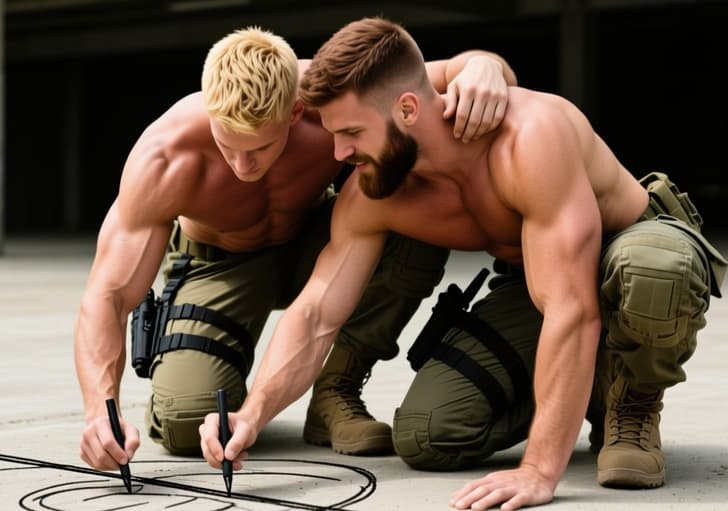
Undercut happens as a groove melts into the base metal at the toe, creating a notch. In our flip, this notch becomes a ridge to ride or explore with precision. Partners use the "groove" for guided paths that channel movements. Excessive current or speed in welding inspires fast-paced actions that match the defect's cause. We transform the dip into a contour that adds texture.
The melted groove suggests indentations pressed into skin with thumbs or tools. Base metal weakening parallels vulnerable spots that require careful handling. The toe location focuses on endpoints like feet or hands in play. Lovers fill the undercut with fillers like lotions for smooth transitions. This method elevates the flaw to a feature.
Visual inspection of undercuts reminds us of close-up views that intensify scrutiny. We borrow that for magnified touches under lights. The defect's sharpness calls for blunted edges in reality, using rounded objects. Partners trace the imaginary notch repeatedly to build familiarity. The outcome shifts weakness to a highlight.
- Guide your finger along the undercut groove on your partner's arm, following its curve. Apply light pressure to deepen the sensation. Follow with a tongue trace for wetness. Pause at ends to emphasize toes. Repeat with varying speeds.
- Press thumbs into skin to create temporary notches, then soothe with circular rubs. Use lotion to fill the dips smoothly. Concentrate on calves or forearms. Watch for relaxation signs. Alternate between creating and erasing.
- Illuminate the area with a flashlight for visual emphasis, highlighting contours. Move the light slowly to cast shadows. Touch shadowed spots first. Adjust angles for different views. Dim gradually to transition out.
- Employ rounded beads or balls to roll over the "sharp" edges, blunting them. Roll back and forth in lines. Target wrists or ankles for endpoint focus. Increase size for broader coverage. Store them warm for added effect.
- Fill imagined undercuts with flavored gels, spreading thickly. Lick off in patterns that follow the groove. Focus on taste variations. Clean up with wipes afterward. Experiment with consistencies for diversity.
Slag Inclusion Surprises

Slag inclusions trap non-metallic bits in the weld, like hidden debris. Here, those bits become secret elements introduced mid-session for twists. Partners "clean" them out with sweeps or picks, turning cleanup into foreplay. Poor inter-pass cleaning in welding suggests layered reveals that unfold gradually. We use the inclusion to add unexpected textures.
The trapped slag mimics buried toys or accessories that surface during action. Multi-pass welds parallel multiple rounds where inclusions appear anew. The defect's solidity calls for firm presses to dislodge. Lovers incorporate brushes or cloths for the cleaning mimic. This elevates debris to delightful interruptions.
Visual of slag specs inspires speckled patterns with temporary tattoos. We borrow the idea for dotted surprises on bodies. The inclusion's resistance reminds us of stubborn spots that require persistence. Partners alternate between revealing and concealing for ongoing intrigue. The final clean slate sets up for repeats.
- Sweep your hand across your partner's torso to "dislodge" imaginary slag, using broad strokes. Follow with pinpoint picks using nails. Introduce a soft brush for finer work. Focus on abs or pecs. End with a full wipe-down.
- Hide small beads under clothing to represent trapped inclusions, revealing them one by one. Roll them over skin once exposed. Place in pockets or folds. Vary sizes for different feels. Collect them at the end.
- Apply speckled powders in patterns, then blow or lick them off gradually. Start with light dusting for subtlety. Concentrate on shoulders or back. Use edible types for taste. Shake excess before starting.
- Press firmly on stubborn areas to mimic slag resistance, then release suddenly. Repeat in sequences of three. Target hips or thighs. Gauge pressure by responses. Follow with massages to relax.
- Layer cloths or scarves over body parts, peeling them back to uncover "inclusions." Tug edges slowly for tease. Wrap loosely at first. Unravel in spirals. Reuse for multiple layers.
Overlap Layers

Overlap flows weld metal onto base without fusion, creating excess buildup. In our take, this buildup stacks sensations for compounded effects. Partners add layers of touches or props that accumulate intensity. The unfused flow suggests fluid motions that pour over edges. We turn the excess into a cascade of builds.
The defect's protrusion calls for raised areas emphasized with mounds of lube or cushions. Base coverage without blend parallels surface-level starts that deepen. The overlap's thickness inspires thick applications of creams. Lovers smooth the layers eventually for unity. This creates a progression from pile-on to merge.
Visual of overlapping beads reminds us of chained links in chains or ropes. We use that for linked actions that connect body parts. The defect's redundancy suggests repeated motifs for reinforcement. Partners vary the overlap directions for complexity. The result forms a textured landscape to navigate.
- Pour warm oil in overlapping streams down your partner's spine, letting it pool. Spread with hands in crossing patterns. Add more streams for thickness. Watch drips for natural paths. Absorb excess with towels.
- Stack pillows under hips to create raised overlaps, adjusting for height. Rock against them for friction. Shift positions to test layers. Remove one at a time later. Fluff for comfort.
- Link wrists with soft ropes in overlapping loops, tugging to tighten. Twist the ropes for added texture. Focus on secure but loose holds. Untie in reverse order. Experiment with colors for visual appeal.
- Repeat strokes in the same spot with increasing firmness to build overlap. Start light, then layer heavier. Target arms and/or legs. Count layers aloud if desired. Ease off gradually.
- Apply creams in thick bands that overlap at edges, rubbing to blend partially. Use scented types for aroma. Concentrate on chest areas. Layer three to five times. Wipe clean post-session.
Convexity Curves

Excessive convexity bulges the weld bead outward, like a hump. Here, the bulge becomes a peak to climb or ride in motions. Partners accentuate curves with arched poses that mirror the shape. The overfill suggests abundant applications of stimulants. We transform the hump into a focal hill for ascents.
The defect's height calls for elevated positions that lift parts upward. Weld profile control parallels body contouring with hands. The convexity's roundness inspires circular grinds. Lovers flatten the "peak" with pressures over time. This shifts excess to purposeful prominence.
Visual of convex beads reminds us of domed accessories like plugs. We incorporate them for internal or external curves. The defect's acceptance limits suggest boundaries pushed gently. Partners alternate between peaking and valleying for contrast. The outcome rounds out the experience.
- Arch your partner's back to create a convex curve, supporting with arms. Grind against the arch slowly. Adjust height with pillows underneath. Hold the pose for builds. Release to flat for rest.
- Apply mounds of foam or gel to mimic overfill, shaping into humps. Press down to flatten gradually. Place on buttocks or back. Sculpt with fingers. Remove remnants carefully.
- Use domed toys to trace body curves, rolling them over skin. Start at low points, ascending to peaks. Focus on belly or thighs. Vary speeds for rhythm. Store cool or warm.
- Push boundaries with extended holds on the curve, counting seconds. Release at peaks of tension. Target flexible areas like necks. Monitor for comfort cues. Repeat with variations.
- Alternate grinds with flat palms to contrast convexity, circling first then pressing. Begin slow, accelerating. Concentrate on sides or flanks. Switch directions midway. Conclude with light taps.
Concavity Dips
Excessive concavity sinks the weld bead inward, forming a depression. In our spin, the dip becomes a valley to fill or explore deeply. Partners pour into the "sink" with fluids or insertions that occupy space. The underfill suggests sparse starts that accumulate. We use the hollow to craft receptacles for intensity.
The defect's depth calls for probing actions that reach bottom. Weld fill control parallels volume adjustments in applications. The concavity's scoop shape inspires cupping holds. Lovers overflow the dip eventually for spillover fun. This turns shortage to an inviting void.
Visual of concave profiles reminds us of scooped areas with spoons or hands. We borrow that for carving motions on bodies. The defect's limits suggest measured fills to avoid excess. Partners vary the dip's width with spreads. The result fills the gap completely.
- Cup your hand over the concave dip on your partner's stomach, filling with warm water drops. Let it pool, then sip or lick away. Adjust cup size for fit. Watch for spills. Refill multiple times.
- Probe the "depth" with fingers curled inward, starting shallow. Increase insertion gradually. Focus on natural hollows like collarbones. Twist slightly for added feel. Withdraw slowly.
- Scoop skin with palms to emphasize concavity, pulling gently. Release to let it snap back. Target cheeks or glutes. Repeat in sets of five. Soothe with kisses after.
- Spread limbs to widen the imaginary dip, then close to narrow. Move in and out of positions. Concentrate on inner thighs. Hold wide for counts. Transition smoothly.
- Overflow with lotions poured into the hollow, letting it run over edges. Rub the excess around. Use thick formulas for staying power. Clean spills with cloths. Experiment with volumes.

Raw
A Pheromone Infused Cologne - with Pheromones for Men
Alcohol Free, Paraben Free, Chemical Free.
With Bergamot, Elemi, Sichuan Pepper, Pink Pepper, Geranium, Vetiver, Lavender, Patchouli, and Ambroxan.
We earn a commission if you click this link and make a purchase at no additional cost to you.
Spatter Sparks
Spatter ejects molten droplets, scattering them around the weld. Here, the scatters become flung sensations like splashes or pinches. Partners mimic the ejection with flicks or tosses that land randomly. High current or unstable arc inspires charged, erratic play. We turn the mess into a shower of stimuli.
The defect's droplets suggest bead-like applications that dot the landscape. Weld area cleanup parallels post-spatter tidies with wipes. The spatter's heat reminds us of warmed elements introduced suddenly. Lovers collect the "droplets" in games of retrieval. This scatters energy across the scene.
Visual of spattered surfaces inspires polka-dot patterns with markers. We use that for targeted spots that guide actions. The defect's adhesion calls for sticky substances that cling. Partners vary the spatter density for coverage. The final sweep unifies the chaos.
- Flick water droplets onto your partner's skin to replicate spatter, aiming randomly. Follow with chases to catch them. Use a spray bottle for finer mist. Target exposed areas like arms. Dry off with breaths.
- Apply sticky dots with honey or adhesives, placing erratically. Peel them off one by one. Focus on torso for central play. Vary sizes from small to large. Clean residues thoroughly.
- Warm small stones or beads before scattering them lightly over body. Pick them up with lips or fingers. Place on cool skin for contrast. Roll them around first. Gather in a pile afterward.
- Mark polka-dots with washable pens, connecting them later with lines. Draw in clusters for density. Concentrate on legs or back. Erase with wet cloths. Redraw for rounds two.
- Increase "current" with faster flicks using feathers dipped in oils. Scatter widely then narrow focus. Aim for sensitive zones. Adjust force based on reactions. Conclude with full-body rubs.
Hey, we've spun those welding glitches into a whole arsenal of steamy twists for two guys locking in close. From porosity's bubbly chases to spatter's wild scatters, each flaw flips into a setup that amps up the heat without missing a beat. Lovers discover fresh angles in cracks or dips, turning metal mishaps into body blueprints that keep nights electric.
Overlaps and convexities add layers or peaks that stack the fun, while undercuts and inclusions hide surprises worth uncovering. The key lies in experimenting with these ideas, adapting them to fit the vibe between partners. Slag and fusion gaps teach patience in builds, leading to payoffs that hit hard. Concavity invites fills that satisfy deeply, and every imperfection proves a spark for creativity.
We end with a nod to how these transformations keep things fresh, ensuring no session feels welded shut. Partners walk away with memories that fuse tighter than any perfect joint.
