

ook at your midsection in the mirror and notice how that firm padding feels compared to the skin on your arm. Most men carry a hard belly that does not jiggle much when they move around. That stiffness indicates a buildup of deep-seated mass tucked behind your abdominal wall. Your organs literally swim in this substance as it crowds your internal cavity. Every guy wants to look better, but the stakes here involve your basic survival.
Doctors focus on this specific area because it acts like a toxic chemical factory inside your torso. Your heart and liver face constant pressure from these nearby storage deposits. Men naturally accumulate this type of weight due to hormonal shifts and lifestyle habits. Life gets busy, yet your internal health dictates how much time you actually have left. Knowledge about your internal state serves as the first step toward a longer life.
Defining the Hidden Internal Layer
Your body stores two distinct types of padding throughout your frame. Subcutaneous layers sit directly under your skin and provide a soft cushion. Visceral deposits hide much deeper within your abdominal cavity where they surround your organs. Most guys assume all weight is the same, but that logic is flawed. Internal storage behaves differently because it remains metabolically active every single hour. Your belly stays firm because the abdominal wall pushes against this internal pressure.
Men often develop a protruding gut while their arms and legs stay relatively thin. A large waistline suggests your body prioritizes storing energy around your vital systems. Genetic factors play a role in where your frame places its extra reserves. Older age usually accelerates this process as your metabolism slows down significantly. You might feel fine today, but your organs are struggling for space. Constant compression makes your heart work much harder just to circulate blood.
Proximity to the portal vein makes this internal padding particularly dangerous for your health. Your liver receives blood directly from this abdominal region through that large vessel. Toxic substances and free fatty acids dump straight into your hepatic system without any filter. Your body treats these inputs like a constant emergency that never ends. Chronic inflammation starts here and spreads to every other part of your frame. Long-term exposure to these chemicals leads to serious systemic damage over time.
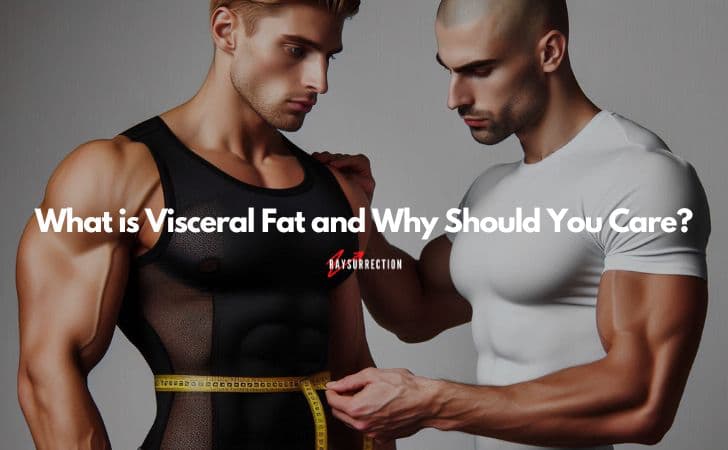
Check your waist measurement at the level of your navel. A circumference exceeding forty inches indicates a high-risk scenario for most adult males.
Observe the firmness of your midsection when you stand up straight. Hard bellies suggest that your padding sits behind the muscle wall rather than on top of it.
Track how your dress shirts fit around your torso compared to your shoulders. Buttons that strain at the stomach while the chest stays loose signal an increase in internal storage.
The Liver and Portal Vein Connection
Your liver functions as the primary processing plant for everything in your system. Abdominal padding sits right next to the portal vein which feeds this organ. Fat cells in this region release a steady stream of lipids directly into that vein. Your liver becomes overwhelmed by this sudden influx of raw materials. Processing these extra fatty acids forces the organ to neglect its other duties. You end up with a sluggish system that cannot detoxify your blood efficiently.
Excess lipids eventually start to build up inside the liver tissue itself. Doctors refer to this condition as non-alcoholic fatty liver disease in many cases. Your liver begins to look like the padding that surrounds it on the outside. High levels of internal storage make it impossible for the organ to manage glucose. Blood sugar levels spike because your primary regulator is literally clogged with grease. Men frequently ignore the fatigue that stems from this internal metabolic traffic jam.
Cholesterol production goes haywire when your liver stays under constant fatty bombardment. Your system starts producing more bad cholesterol while your good levels drop off. Plaque begins to form in your arteries as a direct result of this liver dysfunction. Your risk for a sudden cardiac event climbs as the internal padding grows. Most guys think the danger is just about how they look in a swimsuit. Real danger lies in the silent damage occurring inside your vascular network.
Look for yellowing in the whites of your eyes during the morning. Discoloration often points to a liver that is struggling to handle its current metabolic load.
Notice if you feel a dull ache in the upper right side of your torso. Physical pressure in that area can mean your liver is enlarged due to internal storage.
Monitor your blood panels for elevated liver enzymes and high triglycerides. Numbers outside the normal range confirm that your internal padding is affecting your organ function.
Inflammation and Secreted Cytokines
Visceral padding does not just sit there like a lump of inert fuel. It functions as a massive gland that secretes various biological signals into your system. These signals include inflammatory proteins called cytokines that trigger your immune system. Your body stays in a state of constant high alert for no reason. Chronic low-grade inflammation wears down your tissues and your blood vessels. Men with large bellies often suffer from mysterious aches and pains throughout their joints.
Cytokines like interleukin-6 travel through your bloodstream to reach your brain and heart. These chemicals tell your system to stay in a defensive, stressed-out mode. Your recovery from physical exercise takes much longer when inflammation stays high. Muscle soreness lingers for days because your repair mechanisms are busy fighting ghost threats. Your immune system becomes less capable of handling actual viruses or bacterial infections. Most guys don't realize their belly is literally making them sicker every day.
Arterial walls become irritated and sticky when these inflammatory markers stay elevated. This stickiness makes it easier for debris to catch and form dangerous blockages. Your blood pressure rises as your vessels lose their natural flexibility over time. High-pressure environments cause micro-tears in your veins that lead to more inflammation. A cycle of damage and poor repair continues until something major finally breaks. Your internal padding acts as the primary fuel for this destructive fire.
Check your skin for red patches or sudden flare-ups of irritation. Systemic inflammation often shows up on the surface of your body as a warning.
Record how many days you need to recover after a heavy lifting session. Prolonged soreness indicates that your body is struggling with high levels of inflammatory cytokines.
Ask your doctor for a C-reactive protein test during your next checkup. High results in this lab work prove that your internal storage is causing widespread irritation.

Insulin Resistance Realities
Insulin acts as a key that lets sugar enter your cells for energy. Excess internal padding interferes with the way these keys work in your system. Your cells become deaf to the signal that insulin is trying to send them. Blood sugar remains high while your pancreas pumps out even more insulin to compensate. High levels of this hormone tell your body to store even more abdominal padding. You find yourself stuck in a loop where the fat protects itself.
Muscle tissue loses its ability to soak up glucose efficiently in this environment. Your workouts feel harder because your muscles are literally starving for fuel. Energy crashes become common after you consume a large amount of carbohydrates or sugar. You feel sleepy and drained instead of fueled up for the rest of the day. Most men mistake this for natural aging or just a long day at work. The truth involves a broken metabolic switch caused by your midsection mass.
Type 2 diabetes becomes a very real threat as insulin resistance worsens over months. Your pancreas eventually burns out from trying to keep up with the demand. Nerve damage and vision problems can start long before a formal diagnosis occurs. Men often lose their sensitivity in their feet or hands due to poor circulation. Internal padding makes your body a hostile environment for your own nervous system. Solving the belly issue is the only way to restore your metabolic health.
Pay attention to frequent thirst or a constant need to use the bathroom. Excessive sugar in the blood forces your kidneys to work overtime to flush it out.
Notice if you experience blurred vision after eating a heavy meal. Spikes in blood sugar change the shape of the lens in your eye temporarily.
Check for dark, velvety patches of skin around your neck or armpits. Skin changes known as acanthosis nigricans are a visible sign of high insulin levels.
Sleep Quality and Oxygen Intake
Heavy internal padding pushes upward against your diaphragm when you lie down. This pressure reduces the amount of space your lungs have to expand fully. You start taking shallower breaths while you sleep throughout the night. Oxygen levels in your blood drop because you are not getting enough air. Your brain wakes you up briefly to force a gasp for more oxygen. Most men don't remember these tiny awakenings, but they ruin your rest.
Obstructive sleep apnea is incredibly common among men with significant visceral storage. You might snore loudly or stop breathing for several seconds at a time. Your heart rate spikes every time your body panics from a lack of air. This nocturnal stress prevents you from entering the deep stages of restorative sleep. You wake up feeling like you haven't slept at all despite being in bed for hours. Chronic exhaustion makes it even harder to stay active during the daylight hours.
Sleep deprivation further increases your hunger hormones while lowering your willpower. Your body craves quick energy in the form of sugar to make up for the fatigue. You end up eating more and moving less because you are simply too tired. This pattern adds more padding to your midsection, which further ruins your sleep. Breaking this cycle requires a direct hit to the internal mass causing the pressure. Better sleep starts with reducing the weight that sits on your lungs.
Record your snoring using a mobile app to check for irregular patterns. Choking or gasping sounds during the night are major indicators of blocked airways.
Observe your energy levels within the first hour of waking up. Feeling groggy after a full night of rest suggests your sleep quality is very poor.
Ask a partner if they notice you stopping your breath while you sleep. External observation is often the most reliable way to catch sleep apnea early.

Stress and Cortisol Cycles
Modern life keeps most men in a state of low-level mental pressure. Your body responds to stress by releasing a hormone called cortisol from your glands. Cortisol's main job involves mobilizing energy for a fight or flight response. Unfortunately, this hormone also tells your body to store padding in the belly area. Evolution designed this mechanism to protect your organs during times of high danger. Today, your desk job and traffic jams trigger this ancient survival mode.
High cortisol levels make it very difficult to lose weight in the midsection. You might exercise regularly but still see no change in your waistline. Stress makes your body hold onto every calorie as a safety precaution. Your system prioritizes internal storage because it is a quick source of fuel. Constant mental strain keeps your internal chemistry in a pro-storage state indefinitely. Most guys try to out-work a high-stress lifestyle with more intense exercise.
Cortisol also breaks down muscle tissue to provide quick glucose for your system. You lose your hard-earned gains while your belly continues to expand over time. This loss of muscle slows down your overall metabolic rate significantly. You end up with a softer physique and less strength than you had before. Managing your mental state is just as vital as moving your body. Lowering your stress levels helps flip the switch from storage to burning.
Practice five minutes of deep breathing when you feel your heart racing. Lowering your respiratory rate sends a signal to your brain to stop producing cortisol.
Set a hard cutoff time for work-related emails and phone calls. Disconnecting allows your nervous system to exit the high-stress fight or flight mode.
Walk in a natural environment like a park for twenty minutes daily. Exposure to green spaces has been proven to lower circulating stress hormones in men.
Alcohol and Metabolic Waste
Drinking alcohol puts a temporary halt on your body’s ability to burn fat. Your liver treats ethanol as a toxin that must be cleared out immediately. Everything else, including the processing of lipids, goes on the back burner. Calories from your drinks and your meals get funneled straight into storage. This is why the classic beer gut is a very real physiological phenomenon. Men who drink regularly often have the highest levels of internal padding.
Alcohol also lowers your testosterone levels by increasing the conversion to estrogen. You lose the hormonal advantage that helps you stay lean and muscular. Your body starts to store weight in a more feminine pattern around the hips and chest. Lower testosterone also means less motivation and energy for physical activity. The temporary relaxation of a drink comes at a high metabolic cost. Most guys don't see the link between their evening habit and their expanding waist.
Liquid calories are very easy to overconsume because they don't make you feel full. You can easily drink several hundred calories without noticing any change in your appetite. These sugars hit your bloodstream quickly and trigger a massive insulin spike. Your system has no choice but to store that energy as deep-seated visceral mass. Reducing your intake is one of the fastest ways to shrink your midsection. Your liver will thank you for the break from processing liquid toxins.
Limit your consumption to two drinks or fewer on any given night. Keeping the volume low prevents your liver from becoming completely overwhelmed.
Choose clear spirits with club soda instead of heavy beers or sugary mixers. Lowering the sugar content reduces the insulin spike associated with drinking.
Designate at least four days a week as completely alcohol-free days. Giving your liver regular breaks allows it to catch up on processing stored lipids.
Test Your Testosterone

We earn a commission if you click this link and make a purchase at no additional cost to you.
Bone Density and Structural Integrity
Excessive internal mass actually changes the way your skeleton carries your weight. Your lower back takes a lot of strain as your center of gravity shifts forward. This physical pull creates chronic pain in your lumbar spine and hips. Men often develop a slouch or an arched back to compensate for the belly. Your posture suffers and your joints wear out much faster than they should. Looking older often starts with the way your frame carries its internal load.
Inflammatory chemicals from your visceral mass also attack your bone density. High levels of cytokines interfere with the cells that build new bone tissue. You might think a big frame means strong bones, but the opposite is true. Internal padding makes your skeleton more brittle and prone to fractures. This is a hidden danger that most men never consider until an injury occurs. Maintaining a lean midsection protects your structural integrity as you get older.
Weak bones lead to a decrease in physical activity over the long term. You stop moving as much because your joints and back always hurt. This lack of movement allows even more padding to accumulate around your organs. Your mobility becomes limited and your quality of life drops significantly. Strength training helps, but you must address the chemical cause of bone loss. Reducing internal inflammation is key to keeping your frame solid and functional.
Stand against a flat wall to check your spinal alignment periodically. Ensuring your head and shoulders touch the surface helps identify a forward-leaning posture.
Incorporate weight-bearing exercises like squats into your weekly routine. Putting stress on your bones tells your body to keep them dense and strong.
Monitor your height during your annual physical exams for any shrinkage. Losing height can be a sign of spinal compression or bone density loss.
Heart Strain and Pressure
Your heart is a pump that must push blood through miles of vascular tubing. Extra mass in your midsection adds more tubing and more resistance to that pump. Every pound of internal padding requires your heart to work harder with every beat. This constant workload leads to a thicker, less efficient heart muscle over time. Your resting heart rate climbs as your cardiovascular system struggles to keep up. High blood pressure becomes a persistent issue that damages your kidneys and brain.
Visceral mass also secretes chemicals that cause your blood vessels to constrict. Narrower pipes mean the pump has to push even harder to get fluid through. You end up with hypertension that is very difficult to manage with just medication. The physical pressure of the belly also constricts the large veins returning to the heart. Your circulation slows down and your extremities might feel cold or numb. Most guys ignore high blood pressure until it causes a major health crisis.

The Biology of the Heart Rate
Heart disease remains the leading cause of death for men in many countries. Internal padding is one of the most reliable predictors of a future heart attack. It changes your blood chemistry in ways that promote clotting and arterial blockage. Your heart needs a clear path and a manageable workload to stay healthy. Shrinking your waistline is the best gift you can give to your cardiovascular system. You will feel more energetic when your pump doesn't have to fight your belly.
Check your blood pressure at home using a reliable digital cuff. Knowing your numbers daily helps you see how stress and activity affect your heart.
Monitor your resting heart rate using a smartwatch or a manual pulse check. A lower resting rate usually indicates a more efficient and less stressed heart.
Take the stairs whenever possible to give your heart a brief workout. Short bursts of activity help strengthen the cardiac muscle and improve your circulation.
Brain Health and Cognitive Decline
Inflammation from your midsection doesn't stop at your neck; it reaches your brain. These inflammatory markers can cross the blood-brain barrier and cause irritation. You might experience brain fog or a lack of focus throughout your workday. Chronic inflammation is linked to a higher risk of cognitive decline in older men. Your memory stays sharper when your internal chemistry remains clean and balanced. Protecting your waistline is actually a strategy for protecting your mind.
Insulin resistance in the body often leads to insulin resistance in the brain. Your brain cells need glucose to function, but they can't get it if the signals are broken. This lack of fuel causes neurons to wither and die off prematurely over time. You might find it harder to learn new skills or remember important details. Men with high levels of internal padding score lower on memory tests on average. Your mental edge depends on your metabolic health more than you realize.
Sleep apnea caused by a large gut also starves your brain of vital oxygen. Tiny strokes can occur when oxygen levels drop too low during the night. These small incidents add up to significant brain damage over many years of poor sleep. You lose your mental clarity and your emotional stability when your brain is stressed. Staying lean helps ensure that your head gets the air and fuel it needs. A healthy body supports a sharp, high-performing mind for decades to come.
Engage in daily puzzles or reading to keep your neural pathways active. Challenging your brain helps build resilience against the effects of systemic inflammation.
Note any frequent instances of forgetfulness or difficulty concentrating. Tracking these moments can help you see a pattern related to your energy levels.
Avoid scrolling on your phone right before you go to sleep. Reducing blue light exposure helps your brain enter a deeper state of recovery.
Testosterone and Estrogen Shift
Male bodies rely on testosterone to maintain muscle mass and bone density. Visceral padding contains an enzyme called aromatase that changes your hormones. This enzyme converts your masculine testosterone into feminine estrogen right in the fat cells. The more padding you have, the more of your primary hormone you lose. You end up with a hormonal profile that makes you feel soft and unmotivated. This shift also makes it much easier for your body to store even more fat.
Low testosterone leads to a decrease in sex drive and physical performance. You might feel a loss of your competitive edge or a general sense of apathy. Your muscles shrink even if you are still lifting weights at the gym. It becomes a downward spiral where low hormones lead to more fat and vice versa. Many men turn to replacement therapy without addressing the root cause in their bellies. Cleaning up your internal storage can often restore your natural hormone levels.
High estrogen in men can also lead to the development of breast tissue. This condition is often embarrassing and causes a further loss of self-confidence. You might also notice that you carry more weight in your hips and thighs. This feminine storage pattern is a direct result of the aromatase in your belly fat. Reclaiming your masculinity requires you to burn off that internal chemical factory. Your body will naturally return to a more masculine state once the estrogen source is gone.

Watch for changes in your mood, such as increased irritability or sadness. Hormonal imbalances often manifest as emotional shifts before they show up physically.
Measure your strength in the gym to see if your lifts are declining. A sudden drop in power can be a sign that your testosterone levels are falling.
Check for any unusual tenderness or swelling in your chest area. Physical changes in breast tissue are a clear sign of high estrogen levels in men.
Muscle Sparing and Atrophy
Muscle tissue is your body’s primary engine for burning energy and staying lean. Internal padding secretes chemicals that actually tell your body to break down muscle. You lose your metabolic engine while your storage tanks continue to grow larger. This process is called sarcopenic obesity, where you are both fat and weak. Men with this condition have a very hard time losing weight because they have no muscle. Your strength is your best defense against the accumulation of internal mass.
Losing muscle also makes your joints more vulnerable to injury and chronic pain. Muscles act as shock absorbers that protect your knees, hips, and lower back. Without them, your skeleton takes the full brunt of every movement you make. You become more fragile and less likely to engage in the exercise you need. This inactivity leads to a further increase in your abdominal storage over time. Keeping your muscle mass is a requirement for staying mobile and healthy as you age.
Strength training sends a signal to your body to prioritize muscle over fat storage. It helps counteract the destructive signals coming from your internal padding. You don't need to be a bodybuilder to see the metabolic benefits of lifting. Even a moderate amount of muscle helps regulate your blood sugar and insulin. Your body becomes more efficient at using the energy you consume throughout the day. Focus on building your frame to push back against the internal weight.
Perform full-body movements like lunges or push-ups three times a week. Compound exercises use more muscle groups and trigger a better hormonal response.
Track your body fat percentage rather than just your total weight. Knowing your ratio of muscle to fat gives a better picture of your health.
Aim for at least thirty grams of protein during every major meal. High protein intake provides the building blocks your body needs to maintain its muscle.
Energy Levels and Mitochondrial Health
Mitochondria are the tiny power plants inside your cells that produce all your energy. High levels of internal padding create oxidative stress that damages these power plants. Your cells become less efficient at turning fuel into the energy you need to move. You feel tired and sluggish even when you haven't done anything physical. This cellular fatigue makes every task feel like a major chore that you want to avoid. Your motivation disappears when your cells are struggling to produce basic power.

Damaged mitochondria also produce more waste products that further irritate your system. This creates a cycle of cellular damage that accelerates the aging process in your body. You might look and feel much older than your actual chronological age. Men with healthy mitochondria have much more stamina and resilience in their daily lives. They can handle long workdays and intense workouts without feeling completely wiped out. Improving your cellular health starts with reducing the toxic load from your belly.
Consistent movement helps stimulate the production of new, healthy mitochondria in your muscles. You literally build more power plants when you challenge your body to move more. This increase in energy makes it easier to stay active and burn off internal storage. You will feel a natural boost in your focus and your physical drive over time. Your body is designed to be a high-performance machine, not a storage unit. Restoring your energy levels requires a clean internal environment for your cells.
Take a brisk ten-minute walk after your largest meal of the day. Light activity helps your mitochondria process glucose before it gets sent to storage.
Expose your body to cold temperatures like a quick cold shower. Cold stress triggers a process that creates more efficient energy-producing cells.
Avoid snacking late at night to give your cells time to repair. Fasting for twelve hours overnight allows your body to clean out damaged cellular components.
Posture and Spinal Alignment
Carrying extra weight in the front pulls your pelvis into a forward tilt. This misalignment creates a permanent arch in your lower back that causes pain. Your abdominal muscles become stretched out and weak because they are not being used. This lack of core support makes your spine even more vulnerable to slipped discs. Men with large guts often walk with a heavy, plodding gait that ruins their joints. Your posture tells the story of how your body is struggling with its internal load.
A forward-tilted pelvis also makes your belly look even larger than it actually is. Your internal organs spill forward because your core is not holding them in place. Correcting your posture can often take inches off your waistline immediately. Strengthening your glutes and hamstrings helps pull your pelvis back into a neutral position. You will stand taller and feel more confident when your spine is properly aligned. Good posture is a sign of a strong, healthy body that is in control.
Poor alignment also restricts your breathing by compressing your ribcage and lungs. You cannot take full, deep breaths when your torso is collapsed forward. This lack of oxygen further contributes to your fatigue and low energy levels. Standing up straight allows your internal organs to sit in their proper positions. You will feel a sense of lightness and ease when your frame is balanced. Fix your posture to help your body manage the weight it is carrying.
Check your side profile in a mirror to see if your belt tilts down. A downward-sloping belt line indicates that your pelvis is tilting forward too much.
Squeeze your glutes while you are standing in line or waiting. Engaging your butt muscles helps pull your pelvis back into a healthy, neutral alignment.
Imagine a string pulling the top of your head toward the ceiling. This mental cue helps you lengthen your spine and open up your chest area.
Longevity and Biological Age
Your biological age is a measure of how well your body is functioning internally. High levels of visceral padding can make a forty-year-old man look like a sixty-year-old. It accelerates the wear and tear on your organs, vessels, and even your DNA. You are essentially aging faster than the calendar says you should be. Reducing this internal mass is the most effective way to slow down the clock. You can actually reverse some of the damage and feel younger in a few months.
Men who maintain a lean midsection live significantly longer on average. They have a much lower risk of the chronic diseases that kill most guys early. Your quality of life in your later years depends on the choices you make today. You want to be the guy who is still active and mobile in his seventies and eighties. Internal padding is a heavy anchor that drags down your future potential for health. Cut the anchor now so you can enjoy a long and vibrant life.
Longevity is not just about living longer; it is about living better for longer. You want to have the energy to play with your grandkids and travel the world. Chronic illness makes your later years a struggle instead of a reward for your hard work. Taking care of your belly is an investment in your future self that pays off every day. You have the power to change your trajectory by addressing your internal storage. Start today so you can enjoy the fruits of your labor for many years.
Calculate your waist-to-height ratio to get a sense of your biological risk. Your waist should be less than half of your total height in inches.
Schedule regular checkups to monitor your internal health markers over time. Keeping track of your data helps you stay accountable and catch issues early.
Find a physical activity that you actually enjoy doing every single week. Consistency is much more important than intensity when it comes to long-term health.
Activity over Sedentary Habits
Sitting for long periods is one of the primary drivers of internal fat accumulation. Your body shuts down its fat-burning enzymes when you stay still for hours. Most men spend the majority of their day sitting at a desk or in a car. This lack of movement tells your system that it doesn't need to burn any energy. You end up storing everything you consume because your muscles are completely idle. Breaking up long bouts of sitting is a simple but vital habit for your health.
Standing up and moving around every hour helps keep your metabolism active. It triggers your muscles to soak up excess glucose from your bloodstream. You don't need a gym session to make a difference in your internal chemistry. Small, frequent movements throughout the day add up to a significant energy burn. Men who move more have much better insulin sensitivity and lower inflammation levels. Make it a point to never stay in one position for more than sixty minutes.
Physical activity also helps manage your stress levels and improves your mood. It provides a natural outlet for the tension that builds up during a busy day. You will sleep better and have more energy when you make movement a priority. Your body was built for action and engagement with the physical world. Reclaiming your health requires you to step away from the chair and get moving. Your belly will shrink as your activity levels rise over the coming weeks.
Use a standing desk or a high counter for part of your workday. Changing your position frequently keeps your muscles engaged and your metabolism running.
Take all your phone calls while walking around the office or outside. Adding movement to your routine tasks is an easy way to boost your daily steps.
Park your car at the far end of the lot to force a longer walk. Small challenges to your sedentary habits build a lifestyle of constant, healthy activity.

Nicotinamide Riboside for Anti-Aging
Supports good metabolism | cardiovascular | brain health | muslce building. A variety of supplements and creams available.
We earn a commission if you click this link and make a purchase at no additional cost to you.
What is Visceral Fat and Why Should You Care?
Most men ignore the slow expansion of their waistline until a doctor brings it up. You might think a little extra padding is just a normal part of being a man. The truth is that internal storage is a silent threat to your longevity and your daily energy. It changes your hormones, ruins your sleep, and puts a massive strain on your heart. You have seen how it affects every system from your brain down to your bones.
Taking action now prevents a lifetime of chronic illness and physical limitations later. You deserve to feel strong, sharp, and capable in your own body every single day. Start by measuring your waist and making small changes to your daily movement patterns. Your future self will be grateful that you decided to take your internal health seriously today.
This is the foundation of a long, high-quality life that you can actually enjoy. Focus on the internal, and the external will naturally follow.
