

Men charge into freezing water because it delivers a brutal wake-up call to the body and mind. The shock from ice-cold waves hits hard and forces you to dig deep for control. You step out stronger, with a clear head and a body that's fired up. These plunges happen all over, from big organized events to quiet solo spots in the wilderness.
Guys do it year after year because the feeling afterward beats anything else. Roots go back to old-school traditions where cold water toughened people up for harsh winters. Today, the setup includes timers, safety crews, and spots picked for maximum cold. You keep gear light so nothing gets in the way of the raw hit. Smart recovery keeps you from crashing hard later.
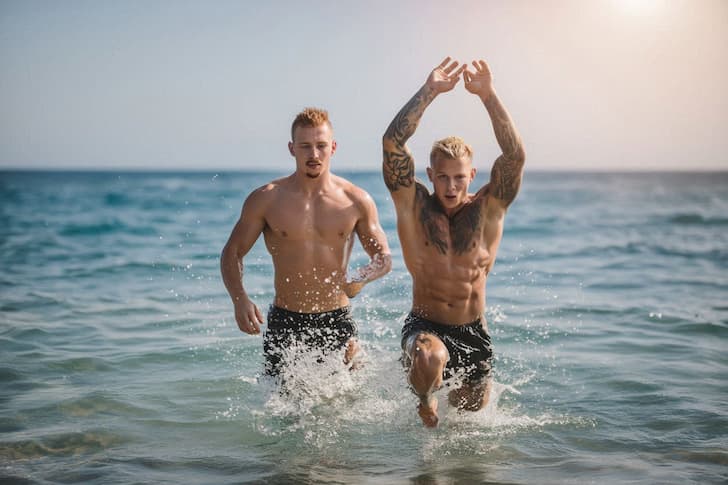
Veterans pass down tricks that make each dip count more. New tech tracks how your body handles the freeze. Dangers exist if you push too far without listening to warnings. Payoffs grow bigger the longer you stick with it. Build-up work lets you stay in longer and feel less pain. Top locations around the world give different flavors of the same fight.
What Sets Polar Plunges Apart
Polar plunges throw you straight into water that's usually under 40 degrees, and that cold attacks everything at once. Your whole body locks up for a second, and you have to fight the urge to jump right back out. Guys line up on the edge, count down together, and then hit the water without thinking twice. The whole thing lasts seconds for some, but those seconds feel like forever.
Most plunges happen in open water like lakes or the ocean, not heated pools, so the cold stays consistent and unforgiving. Crowds show up for the big ones, yelling and pushing each other forward before the rush. Solo guys pick quiet mornings when nobody else is around to interrupt the focus. Either way, the cold doesn't care who's watching - it treats everyone the same.
The gasp reflex kicks in hard when your face hits the water, and controlling that breath separates the ones who finish from the ones who panic. After the initial slam, numbness spreads fast through your arms and legs. You climb out shaking, but the blood starts pumping again almost right away. That shift from freeze to fire in your veins sticks with you all day.
- Cold water slams your system like nothing else. You drop in up to your neck and feel the freeze grab hold instantly. Breath comes short at first, but you force it steady while counting seconds. Muscles tighten up hard, yet you stay put until the timer hits. The climb out leaves you buzzing with energy that lasts.
- Events pack crowds charging the shore. You stand shoulder to shoulder with hundreds of others waiting for the signal. Everybody runs forward at once and crashes through the waves together. Noise from cheers drowns out the cold for a moment. Walking back up the beach afterward feels like winning a fight.
- Solo dips hit remote spots for pure isolation. You drive out early to a frozen lake with no one around for miles. Silence wraps everything as you strip down and step in alone. The only sound comes from your breath and the water moving. Finishing one by yourself builds quiet confidence that carries over.
- Charity ties add stakes to the leap. You sign up knowing the money goes to a solid cause that needs help. Pressure builds because backing out means letting the cause down too. Jumping in cold water suddenly carries extra weight on your shoulders. Crossing the finish line raises both money and your own respect.
Gear Essentials for the Dive
You keep the kit simple because extra stuff just slows you down and softens the hit. Most guys go in wearing nothing but swim trunks so the cold reaches every inch of skin. Shoes protect your feet from rocks or ice on the way in and out. A thick towel and dry clothes wait right at the edge for when you finish.
Some pick neoprene for longer stays, but plenty skip it to feel the full force. Boots with good grip stop you from sliding on slick surfaces near the water. Goggles keep salt or chunks of ice out of your eyes during the swim. A warm hat goes on fast the second you step out to trap heat in your head.
Bags hold everything in one spot so you don't waste time hunting for socks afterward. Hot coffee or tea sits ready in a thermos to warm you from the inside. A simple watch times how long you stay under without guessing. Gloves come along only if the air temperature drops way below freezing.
- Bare essentials strip it down to basics. You walk to the water in trunks and nothing else on your skin. The freeze bites everywhere at once with no protection in the way. Numbness spreads quick, but the rush afterward hits stronger. Dry clothes stack up close so you cover up fast.
- Neoprene suits extend your time in the freeze. You pull on a thin layer that traps a bit of warmth against your body. Swimming feels easier because the suit helps you float and move. Material holds up to scratches from ice or rocks over many dips. Time in the water stretches without turning dangerous.
- Grip shoes prevent slips on entry. You lace up boots that bite into mud, snow, or icy edges without sliding. Steps stay sure even when the ground turns treacherous near the shore. Kicking them off right after exiting keeps your feet from staying wet. Traction makes the whole process feel safer from start to finish.
- Recovery bags pack hot drinks and clothes. You stash warm layers and a full thermos in one easy-to-grab bag. Steam pours out when you twist the cap open after climbing out. Clothes go on quick because everything stays organized inside. Warm liquid down the hatch starts the inside thaw right away.
Training Builds Your Cold Tolerance
You start small and work up so the full plunge doesn't knock you flat on the first try. Cold showers every morning get your body used to the sudden drop in temperature. Each week you turn the knob a little farther toward ice-cold and stay under longer. Steady work like that turns the shock into something you handle without flinching.
Breathing drills teach you to keep air moving even when the cold tries to lock your chest. Walking outside in shorts during winter forces skin to adapt to low temps over time. Logging each session shows clear progress in how long you last. Rest between hard days keeps you from burning out too soon.
Cardio mixed with cold exposure pushes your heart to handle both stresses together. Food choices fuel the extra work your body does to stay warm. Sleep matters more because recovery happens while you rest. Milestones mark when you're ready for the real open-water test.
- Showers start the grind at home. You hop in and flip the water to cold for ten seconds the first day. Each morning adds more time until you stand under full blast for minutes. Skin stops stinging as much after a couple weeks of daily hits. Tolerance climbs steady when you never skip a session.
- Breath work anchors you in the moment. You practice slow inhales and long exhales before stepping near any cold water. Patterns stay calm even when the freeze tightens your chest on contact. Daily reps build muscle memory for the real plunge. Control over air flow turns panic into steady rhythm.
- Walks expose skin to winter air. You head out in light clothes when the temperature sits below freezing. Wind hits bare legs and arms until the body learns to manage the chill. Distance grows longer as comfort in the cold improves. Routes pick up hills to raise the effort level.
- Timers push boundaries safely. You set a clock for each cold session and stick to the limit no matter what. Records written down show weekly gains in seconds or minutes. Adjustments come easy when numbers prove what's working. Limits move forward only after hitting the current mark clean.
Physical Effects on Your Body
Blood vessels clamp down tight the second cold water covers you, sending warmth to your core where it counts most. Heart rate jumps up fast to keep everything moving under the stress. Endorphins pour in once the worst shock passes and create a natural lift. Swelling in sore joints often drops after regular cold hits.
Norepinephrine levels climb and keep you alert long after you dry off. Calorie burn stays higher for hours because your body works overtime to rewarm. Immune cells get a wake-up call from the controlled stress of each dip. Skin pulls tighter and feels firmer from the constant contraction and release.
Normal temperature returns in stages if you handle the exit right. Fuel from food helps rebuild what the cold took out of your system. Sleep comes deeper because the body spent real energy fighting the freeze. Repeated exposure changes how you handle cold for months afterward.
- Vessels narrow to preserve core heat. Blood pulls back from hands and feet to protect organs first. Fingers and toes go numb while your chest stays warmer longer. Flow rushes outward again the moment you start moving on shore. Warm flush spreads through limbs as circulation opens back up.
- Endorphins hit like a natural high. Brain chemicals flood in to blunt the sharp edge of the cold. Mood shifts upward fast once the shaking stops and warmth returns. Lift lasts through the day without any crash afterward. Feeling matches the buzz from a hard lift session.
- Metabolism fires up calorie burn. Body temperature drops, so systems crank harder to bring it back. Extra energy gets pulled from stores to fuel the recovery process. Burn rate stays elevated even while you sit around later. Fat loss picks up pace with regular cold work.
- Immune cells activate from the stress. Short bursts of cold trigger defenses to stand ready against invaders. Response strengthens over weeks of consistent plunges. Recovery between sessions lets the system build without overload. Overall resistance improves against everyday bugs.
Mental Edge from the Plunge
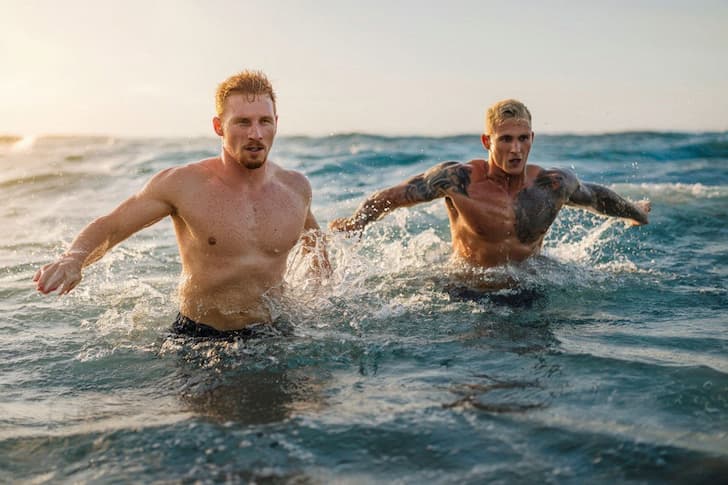
Everything else fades away when the cold demands your full attention right now. Thoughts narrow down to breath, count, and staying in control. Winning that small fight builds belief that you handle bigger ones too. Daily hassles feel smaller after facing something that intense.
Routine of regular dips locks in discipline that spills into other areas. Fear of discomfort shrinks each time you step in anyway. Clear thinking shows up stronger in the hours after a good plunge. Drive to push limits grows from seeing proof you already did.
Mindset tricks help you stay put when instinct screams to get out. Positive words repeated silently keep the focus forward. Notes after each session highlight what worked and what needs work. Growth adds up from stacking small wins over time.
- Pressure forges unbreakable concentration. Cold strips away distractions until only the moment exists. Mind locks onto breath pattern while everything else disappears. Skill carries over to work or problems needing sharp focus. Noise from the outside world loses its grip.
- Confidence surges after each victory. You prove to yourself that discomfort doesn't break you anymore. Self-doubt quiets down because actions back up the talk now. Gains show up when tough choices come around later. Belief in your own word strengthens with every dip.
- Discipline roots in the routine. You set a schedule for cold work and follow it no excuses. Habit forms from showing up even on days you feel off. Control spreads to food, sleep, and training choices. Life runs smoother when the routine holds firm.
- Clarity washes over post-dip. Fog lifts from the mind once the body settles after the shock. Decisions come easier with the extra mental space cleared out. Ideas surface sharp and ready to act on right away. Focus stays dialed in for hours afterward.
Prime Locations for the Challenge
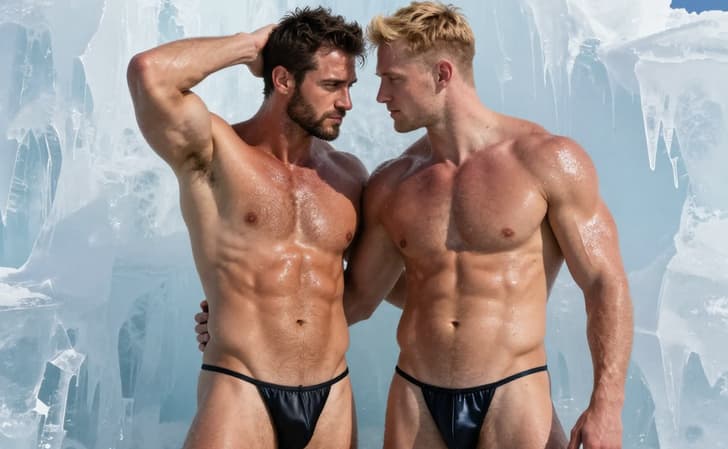
Icy Location
Frozen lakes up north give you flat, deep water that's perfectly still and brutally cold. Ocean spots bring waves and salt that add extra sting to the mix. Rivers move fast and force you to fight current along with temperature. City pools fill with ice for events when open water stays too far away.
Scouting ahead makes sure the bottom stays safe and entry points work easy. Weather reports tell you when conditions hit peak cold without danger. Local rules decide if you need permits or crews standing by. Ground around the water affects how you get in and out clean.
World-famous sites pull guys from everywhere to test the same water. Home regions offer spots close enough for regular hits. Winter months open the best windows before ice gets too thick. Travel plans cover gear transport and backup options.
- Lakes freeze solid for deep submersion. You walk out onto thick ice and cut a hole big enough to drop through. Water stays calm with no waves to throw you around. Depth lets you sink fully without touching bottom too soon. Shore sits close for quick exit when time's up.
- Bays crash with ocean power. You time the run to match incoming waves for maximum impact. Salt water bites skin harder than fresh on every surface. Views stretch wide open while you fight the cold and tide. Pull of the ocean tests strength along with tolerance.
- Rivers flow to test balance. You pick sections moving fast enough to demand real swimming effort. Current pushes against every stroke while cold works at the same time. Banks stay near for grabbing hold if legs give out. Extra fight builds full-body endurance quick.
- Pools control variables for beginners. You dump truckloads of ice to drop temperature right where you want. Walls and steps make entry and exit smooth no matter what. Crews watch close and pull anyone who needs help fast. Warm showers wait feet away for instant recovery.
Recovery Tactics After the Dip

You pile on dry layers the second feet hit solid ground to trap any heat left. Light movement gets blood flowing back to cold limbs without overdoing it. Warm fluids replace what the cold pulled out of your system fast. Watching pulse and color tells you when things return to normal.
Insulation works best when clothes stay loose and breathable at first. Food heavy in carbs and protein refills energy stores quick. Rest later lets the body finish repairs started right after exit. Methods change depending on how long you stayed in.
Follow-up walks keep stiffness from settling into muscles. Stretching opens up tight spots that locked during the freeze. Writing down how recovery felt guides changes next time. Tweaks make each comeback smoother than the last.
- Warmth wraps you in layers fast. You step out dripping and pull on thick fleece over wet skin right away. Hat and gloves go on next to stop heat escaping the head and hands. Dry socks warm feet that went numb minutes earlier. Body temperature climbs steady under the cover.
- Movement kickstarts circulation. You pace back and forth on shore to pump blood outward again. Arms swing wide to shake off the last of the chill. Pace stays easy so lungs don't work too hard yet. Tingling returns to fingers as flow picks up.
- Hydration quenches the internal thirst. You grab the thermos and sip hot liquid slow to avoid shock. Fluids fill the gap left from heavy breathing in the cold. Electrolytes mixed in speed the return to normal balance. Warmth spreads from stomach outward with each swallow.
- Nutrition loads carbs for quick fuel. You eat simple food that digests fast and raises core temperature. Protein helps muscles recover from the hard contraction. Timing keeps the meal close so energy hits when needed most. Full tank sets you up strong for the rest of the day.
Advanced Techniques to Level Up
You hold position longer once basic dips feel too easy to push growth. Swimming full laps adds work while the cold tries to slow you down. Breath patterns shift to keep oxygen steady during extended time. Partner work practices pulling someone out if things go wrong.
Weights tied on keep you from floating up when trying to stay deep. Timers track exact minutes to beat personal records clean. Conditions get picked harsher on purpose to raise the bar. Steps forward happen slow to avoid injury.
Review sessions break down what held you back last time. Fixes target weak spots spotted in the numbers or feel. Targets set clear marks for the next big push. Mastery builds from chasing small improvements every round.
- Holds stretch minutes in the ice. You sink in and stay put while counting slow breaths the whole time. Body relaxes into the numb stage instead of fighting it. Minutes add up as comfort in stillness grows. Record times climb when the mind stops rushing exit.
- Laps propel you through frozen waters. You kick off and swim steady strokes across marked distance. Cold drags at every pull but you keep form tight anyway. Turns at each end build rhythm despite the slow down. Endurance doubles from mixing motion with freeze.
- Breath patterns anchor the dive. You alternate deep holds with quick recovery bursts underwater. Control keeps heart rate from spiking out of range. Patterns practiced dry transfer perfect when the real cold hits. Air management opens doors to longer stays.
- Weights sink you deeper for focus. You strap on light load to fight natural float and stay low. Position holds steady against the pull to surface early. Strength builds from resisting both cold and added drag. Depth work sharpens mental lock under pressure.

Raw
A Pheromone Infused Cologne - with Pheromones for Men
Alcohol Free, Paraben Free, Chemical Free.
With Bergamot, Elemi, Sichuan Pepper, Pink Pepper, Geranium, Vetiver, Lavender, Patchouli, and Ambroxan.
We earn a commission if you click this link and make a purchase at no additional cost to you.
Guys walk away from polar plunges carrying a hard-earned edge that changes how they attack everything else. The freeze burns away excuses and leaves only what you bring to the fight. Ties form fast with others who stood in the same water, but the deepest wins come alone. Rewards stack higher the more you commit to the work. Dangers stay real and demand straight respect every single time.
Build-up and gear keep improving as you chase tougher tests. Spots across the globe wait with fresh cold ready to throw at you. Recovery gets dialed in tight for faster comebacks. Mind shifts lock in new limits you never thought possible.
Body adapts and grows tougher layer by layer. Events bring the noise and shared charge. Advanced moves open doors to levels most never touch. Polar plunges prove what you're made of when the water drops below freezing. Step up, take the hit, and own what comes next.
