

Middle age alters your body in ways that you notice every single morning when looking in the glass mirror. Gray hairs and stiff joints arrive without any warning, but your internal parts alter much faster than your skin. Inner tissues require serious daily care as birthdays pile up right now.
Internal organs contain smooth muscles that require routine upkeep just like your thick biceps do. Your heart, bladder, and blood vessels rely on healthy cells to pump fluid around. Weakness inside creates severe trouble that nobody wants to handle during prime autumn years. Regular activities keep your body moving nicely.
You want to stay strong from the inside out so you feel wonderful at weekend circuit parties. Simple lifestyle choices keep your internal machinery functioning at peak performance for many decades. Let us inspect the exact physical methods to protect your happy inner muscular strength starting right away here today.

Cardiovascular Workouts Boost Your Heart Muscle
Your heart relies on strong muscular walls to keep oxygenated blood flowing smoothly through your veins during long active nights out on the town. Regular aerobic movement makes the cardiac walls thicker and highly resilient against the normal wear that comes with aging. You will notice much better stamina when you walk up steep hills or chase after your energetic pets around the yard. Lazy days cause the deep cardiac tissue to grow sluggish and soft over the passing years. Active living prevents that internal sluggishness from ruining your daily stamina and leaving you completely exhausted before dinner time.
Brisk walks around the neighborhood give you an effortless path toward achieving better physical stamina without hurting your ankles. Heavy sweating helps flush out old cellular waste while making the main pump exert real physical effort for a change. You feel much younger when the entire vascular system gets a proper workout multiple times every single week. Sluggish veins expand and contract much better when you elevate the inner heart rate on a regular basis. Small adjustments in your daily routine ensure the deep internal tissues remain highly elastic as you grow older.
Gym memberships remain completely optional because simple bodyweight movements perform the exact same physical task perfectly well at home. Consistent effort yields excellent results for your internal organs without requiring any expensive personal trainer fees or fancy gear. Your internal tubes stay wide open when you practice continuous movement for at least thirty minutes every single day. Sluggish blood flow disappears completely when you commit to regular fast-paced outdoor strolls down the street. Every bit of physical effort creates a healthier inner system that protects your long-term health as a middle-aged guy.
- Walk at a rapid pace around the local park for thirty minutes every afternoon. Fast steps help elevate the inner pulse naturally without causing pain.
- Climb the office stairs instead of riding the slow elevator cabins every morning. Internal muscles get a fantastic workout from steady vertical motion.
- Pedal a bicycle through the city streets on sunny weekend mornings. Your blood vessels will expand nicely to accommodate the increased fluid movement.
- Swim a few laps in the public pool during your lunch break. Water resistance creates an excellent way to test your internal endurance safely.
Pelvic Floor Exercises Protect Your Inner Base
Your lower pelvic floor contains a web of muscles that support your bladder and lower bowels. Age tends to weaken that hidden hammock, which causes annoying leaks when you laugh or cough. You strengthen those internal tissues by practicing simple squeeze movements throughout the day. Proper tightening of the pelvic base feels exactly like stopping your urine flow mid-stream. Regular repetitions protect your bladder control and keep your sex life fully functional.

Prolonged sitting at an office desk for eight hours weakens the lower pelvic structure over time. Weak pelvic muscles cause frequent bathroom trips during movie nights with your friends. You avoid bladder issues by dedicating five minutes to quiet contractions while relaxing on the couch. Nobody else will notice when you perform those hidden contractions during your morning commute. Consistent contractions keep the internal support structure tight and firm against gravity.
Strong lower organs ensure that you feel confident during intimate moments with your partner. Pelvic health shields you from common prostate-related discomforts that happen as birthdays accumulate. You gain full control over your lower functions by making contractions a daily habit. Simple muscle holds require zero gym equipment and work perfectly while you watch television. Your internal wellness depends directly on keeping that lower muscular wall in great shape.
- Squeeze the lower pelvic floor muscles tightly for five seconds while sitting at red lights. Relaxation should follow each contraction for an equal amount of time.
- Hold the internal base muscles firmly while you brush your teeth every morning. Repetition helps build great stamina in that hidden area without extra effort.
- Contract the lower muscles while lifting heavy objects around your garage. Extra support protects your bladder from sudden pressure changes.
- Perform ten rapid pulses before you roll out of bed each day. Quick movements wake up the nerve pathways and keep things responsive.
Deep Breathing Strengthens Your Diaphragm Muscle
Your diaphragm serves as a major internal muscle that controls your lung expansion. Shallow chest breathing leaves that large muscle weak and underutilized during stressful work hours. You will breathe much easier when you train your belly to expand fully with every breath. Deep inhalations force the diaphragm to flatten out and pull oxygen deep into your lower lungs. Strong respiratory tissues protect you from getting winded during basic physical tasks.
Poor breathing habits reduce oxygen delivery to your deep internal organs every day. Air needs to reach the lowest parts of your torso to stimulate internal smooth muscles properly. You will lower your resting heart rate by practicing slow rhythmic belly expansions regularly. Weak breathing muscles cause slouching because your inner core lacks proper pneumatic support. Expansion of the lower ribs ensures that your internal systems receive plenty of fresh air.
Dedicated breathing practice helps clear out stale air that builds up in your chest. Internal organs thrive when you supply them with a steady stream of rich oxygen. You improve your core stability through focused respiratory training sessions in the evening. Better oxygenation keeps your blood pressure stable and relieves tension inside your blood vessels. Daily focus on your diaphragm transforms how your body handles physical exertion.
- Place a hand on your stomach to feel the expansion during deep inhalation. Belly movement ensures that the diaphragm is doing the heavy work.
- Inhale slowly through your nose for a count of four seconds. Gentle retention of the air helps expand the lower lung structures safely.
- Exhale fully through pursed lips to empty the lungs completely. Complete deflation forces the diaphragm to contract through its full range.
- Practice deep belly expansions while lying flat on your back before sleep. Flat positioning allows the respiratory muscles to move without fighting poor posture.

Resistance Training Stimulates Vascular Smooth Muscle
Blood vessels contain a layer of smooth muscle that controls your overall blood pressure. Weight training forces those vascular walls to flex and adapt to sudden pressure changes. You keep your arteries flexible when you test your muscles with resistance movements. Stiff blood vessels cause high blood pressure, which strains your heart over the years. Consistent lifting ensures that your internal pipes stay youthful and responsive to movement.
Bodyweight squats push fluid through your lower body and stimulate vascular smooth tissue. Strong contractions squeeze the veins, which helps push blood back up to your heart. You avoid sluggish circulation by performing basic strength routines twice every single week. Inactive lifestyles allow the vascular smooth muscles to waste away from lack of use. Regular exertion keeps the entire circulatory network elastic and ready for action.
Heavy objects are not required since light resistance creates plenty of internal stimulation. Muscular fitness keeps your internal circulation running at an optimal pace all day. You will feel an immediate surge of warmth as your internal pathways open wide. Healthy arteries prevent long-term cardiovascular issues that frequently slow down middle-aged men. Outer strength directly supports your inner plumbing by maintaining excellent vessel elasticity.
- Perform twenty deep air squats every morning before you enter the shower. Continuous leg movement forces the large blood vessels to dilate quickly.
- Push against a sturdy wall with your arms for thirty seconds straight. Isometric pressure forces the upper body arteries to flex their smooth muscular walls.
- Squeeze a rubber stress ball tightly while sitting at your office desk. Hand contractions improve vascular responsiveness throughout your lower arms.
- Lift light dumbbells or water jugs while watching the evening news broadcast. Repetitive motions stimulate blood flow to protect internal tissue health.
Quality Sleep Repairs Internal Organ Tissues
Deep sleep acts as the primary recovery period for your hard-working internal systems. Your heart rate drops noticeably during the night to allow tissue repair to happen. You give your smooth muscles time to rebuild when you secure eight hours of rest. Poor sleep keeps the body in a stressed state that wears down internal organs. Chronic exhaustion ruins the cellular recovery process that maintains healthy inner tissues.
Internal organs require downtime to heal from the daily stress of middle-aged life. Your stomach and intestines relax their muscular walls fully during deep slumber cycles. You will experience better digestion when you maintain a consistent bedtime routine every night. Late nights disrupt the natural rhythm that governs your internal smooth muscle recovery. Solid rest ensures that your inner plumbing functions perfectly when you wake up.

Dark rooms promote the release of recovery hormones that mend internal cellular damage. Your blood vessels relax completely when you fall into a deep peaceful sleep. You protect your heart from high blood pressure by prioritizing rest over late nightlife. Quiet evenings prepare the nervous system to transition into deep restorative healing states. Muscular rejuvenation inside your organs depends on the quality of your nightly rest.
- Turn off all electronic screens one hour before you plan to sleep. Dark environments encourage the brain to produce natural sleep hormones.
- Keep your bedroom completely cool and dark throughout the entire night. Lower temperatures help the internal organs rest without overheating.
- Go to bed at the exact same time every single day. Consistency stabilizes the biological clock to maximize deep tissue restoration.
- Avoid loud noises or stressful conversations late in the evening hours. Calm surroundings allow the heart muscle to slow down gently.
Stress Reduction Relaxes Internal Smooth Muscles
Chronic stress causes internal smooth muscles to spasm and tighten up uncomfortably. Your gut wall reacts directly to mental tension by cramping or slowing down digestion. You will reduce internal tension by taking short breaks during your hectic workday. High anxiety floods your body with adrenaline that speeds up your heart excessively. Relaxation techniques soothe the nervous system to restore peace to your inside parts.
Silent meditation helps lower the constant background noise that stresses your internal organs. Your blood vessels dilate beautifully when you let go of daily mental worries. You protect your stomach lining from painful ulcers by remaining calm under pressure. Constant worrying keeps your internal smooth muscles taut and completely unable to rest. Brief moments of stillness allow the inner systems to reset their basic functions.
Quiet hobbies give your brain a break from the constant rush of middle-age duties. Internal relaxation improves blood flow to every major organ inside your midsection. You will notice fewer stomach aches when you manage your daily stress levels. Calm minds encourage healthy smooth muscle contractions throughout the digestive tract area. Mental peace directly influences how smoothly your internal machinery operates every single day.
- Sit quietly in a comfortable chair for ten minutes every afternoon. Silent reflection drops your pulse rate and relaxes cramped internal organs.
- Listen to soft ambient music when you feel overwhelmed by work. Auditory relaxation signals the heart muscle to beat at a slower rate.
- Spend time in quiet nature spots away from heavy city traffic. Green spaces lower stress hormones to protect your internal smooth tissue.
- Unwind with a warm bath at the end of a long day. External heat helps soothe the internal systems and relaxes tight blood vessels.

Correct Posture Creates Space for Internal Organs
Bad posture in your chair compresses the stomach and intestines into a tight ball. Such compression prevents the smooth muscles of the gut from contracting naturally. You will experience better digestion by simply sitting up straight at your desk. Good alignment allows your internal organs to remain in their proper physical positions. Extended periods of poor posture crowd your lungs and limit your diaphragm movement.
Elevated stance gives your heart and lungs ample room to function at their best. Internal organs require a spacious cavity to pump and shift without restriction. You maintain proper spacing by keeping your shoulders rolled back and down. Weak core muscles allow the torso to collapse forward over the passing years. Proper physical alignment reduces the daily strain on your internal support tissues.
Ergonomic chairs help keep your spine straight while you work on computers. Your internal organs remain uncompressed when your spine maintains its natural curve. You prevent digestive blockages by avoiding the habit of slouching after big events. Strong back muscles support the front of your body where organs sit. Small posture checks throughout the day pay massive dividends for your internal health.
- Adjust your computer monitor so it sits directly at eye level. Correct height prevents your neck from bending forward and compressing your chest.
- Set a timer to remind your body to stand up every hour. Frequent movement breaks prevent your internal organs from staying squished all day.
- Keep both feet flat on the floor while sitting down. Equal weight distribution helps align the pelvis to support the lower organs.
- Walk with your chin up and shoulders relaxed back. Proud posture creates maximum space inside your torso for healthy organ function.
Strategic Hydration Supports Smooth Muscle Function
Dehydration makes your internal smooth muscles stiff and prone to painful cramping. Your kidneys and bladder rely on plentiful fluids to flush out waste products. You ensure smooth intestinal movement by drinking enough water during the daytime hours. Dry tissues struggle to contract properly, which slows down your entire internal system. Plentiful fluid intake keeps the blood thin so your heart pumps effortlessly.
Water acts as the primary fluid that keeps internal tissues sliding smoothly. Your blood vessels stay elastic and wide when you stay fully hydrated always. You will avoid sudden drops in blood pressure by sipping water continuously. Morning dehydration strains the heart muscle because the blood becomes too thick. Regular fluid intake maintains the perfect volume needed for smooth muscular performance.
Clean fluids help transport oxygen directly to your deep internal organ cells. Your urinary tract smooth muscles contract much better when fully flushed out. You prevent internal sluggishness by carrying a water bottle everywhere you go. Inadequate fluid levels cause internal friction and slow down your metabolic rate. Proper hydration remains a simple way to protect your internal organs from wear.

- Drink a large glass of pure water immediately after waking up. Early fluids rehydrate internal organs after a long night of sleep.
- Sip water steadily during your intense gym workouts or long walks. Continuous hydration keeps your blood vessels pliable under physical stress.
- Carry a reusable water bottle during your daily errands around town. Easy access ensures that you never leave your internal tissues dry.
- Choose pure water instead of sugary manufactured sodas or energy drinks. Clean fluids create the best environment for smooth muscle performance.
Core Stability Holds Your Internal Organs Secure
Your deep abdominal muscles form a protective wall around your internal organs. Weak core muscles allow the stomach and intestines to sag downward uncomfortably. You create excellent internal support by strengthening the deep transverse abdominis muscle. Strong core walls hold everything in place so organs function without extra pressure. Regular core training acts like an internal corset that keeps you feeling tight.
Static holds like planks test your deep abdominal muscles without hurting your back. Your internal organs receive excellent protection when your midsection stays completely stable. You protect your lower back and intestines by developing a firm core wall. Flabby midsections cause internal organs to shift forward, which alters proper digestion. Consistent core activation shields your inner machinery from sudden jars and bumps.
Simple balance exercises force the deep abdominal muscles to contract naturally and stay firm. Your digestive organs operate much better when supported by a strong abdominal wall. You will feel lighter and more agile once your core muscle becomes strong. Lazy core habits allow internal posture to decline, which compresses your inner parts. Active core maintenance ensures that your internal organ muscles stay perfectly aligned.
- Hold a standard forearm plank for thirty seconds every single day. A tight midsection reinforces the wall that shields your internal organs.
- Pull your belly button toward your spine while standing in line. Subtle muscle engagement builds excellent muscle tone in your deep core.
- Balance on one leg while waiting for your morning coffee to brew. Unstable positions force the deep stomach muscles to fire up automatically.
- Perform gentle bird-dog exercises on a soft mat every evening. Opposite arm and leg extensions strengthen the rear support for your organs.

Torso Twists Stimulate Intestinal Smooth Muscle
Intestinal walls rely on smooth muscle contractions to move waste through your body. Gentle twisting movements massage those internal tubes to prevent sluggishness and bloating. You promote regular bowel movements by stretching your torso out every single morning. Stiff midsections restrict natural gut motility, which causes discomfort after long sedentary days. Daily stretching keeps the smooth tissue around your abdomen flexible and fully responsive.
Yoga-style twists squeeze the abdominal cavity to refresh internal blood flow nicely. Your digestive smooth muscles contract better when they receive fresh oxygenated blood supply. You eliminate gas and bloating by spending a few minutes stretching your sides. Sedentary behavior leaves the gut smooth muscles weak and completely inactive for hours. Targeted torso movements act as a manual massage for your hidden internal plumbing.
Simple side bends open up the rib cage to allow better organ movement. Your internal tract needs movement from external sources to stay fully active. You maintain excellent gut health by adding daily stretching routines to your schedule. Tight abdominal tissues restrict the natural expansion that happens during normal digestion. Gentle physical care ensures that your intestinal smooth muscles work without painful blockages.
- Twist your torso gently from side to side while seated in a chair. Rotational movement stimulates the smooth muscles of your digestive tract directly.
- Reach your arms high above your head to stretch the abdominal wall. Upward reaching pulls the torso open to give your intestines room.
- Bend sideways at the waist to stretch your oblique muscles every afternoon. Side flexibility prevents compression along the edges of your internal organs.
- Lie on your back and pull your knees toward your chest gently. Compression and release help pump blood into the deep abdominal tissues.
Low-Impact Walking Aids Internal Muscle Mobility
Casual walking after a long day keeps your internal systems moving steadily. Your blood vessels flex rhythmically as your legs make contact with the ground. You prevent blood pooling in your lower extremities by keeping your body active. Stagnant blood flow strains the heart and weakens vascular smooth muscle over time. Gentle steps create a steady rhythm that supports your inner physical wellness.
Intestinal smooth muscles respond beautifully to the gentle vibration of regular walking. Your heart maintains a safe steady pace that encourages optimal tissue oxygenation. You will feel less full or bloated after a brief evening stroll. Inactivity causes the smooth muscles of your gut to become completely paralyzed. Regular walking habits ensure that your internal systems remain active and healthy.

Outdoor paths give you fresh air while you tone your internal machinery. Your blood circulation improves without the high stress of intense lifting routines. You achieve great inner fitness through simple daily strolls around your block. Sluggish organ function quickly vanishes when you commit to a daily walking routine. Every single step keeps the internal smooth muscles working exactly as they should.
- Stroll around your block for fifteen minutes after finishing your activities. Light movement helps your stomach muscles process things much faster.
- Walk to the local market instead of driving your car short distances. Extra steps stimulate your vascular system without requiring a gym outfit.
- Meet your friends for a walking date in the local botanical gardens. Social strolls keep your heart pumping at a healthy restorative rate.
- Choose the long route when walking your dog around the neighborhood. Added distance helps maintain excellent smooth muscle tone in your blood vessels.
Heat Therapy Relaxes Vascular Smooth Muscle Walls
Warm environments cause your blood vessels to open wide and relax completely. Your vascular smooth muscles flex beautifully when exposed to safe therapeutic heat. You lower your systemic blood pressure by spending time in a warm sauna. Cold stiff arteries relax under the influence of regular warm baths or saunas. Greater blood flow delivers rich nutrients to every single internal organ.
Heavy sweating in a sauna relieves the workload on your heart muscle. Your internal organs receive a massive surge of fresh oxygenated blood supply. You speed up the removal of cellular waste by utilizing heat therapy. Stressed blood vessels soften up immediately when you enjoy a hot soak. Relaxation spreads from your skin deep into your internal smooth muscle layers.
Safe heat exposure mimics mild exercise by elevating your resting heart rate. Your cardiovascular smooth muscles get a passive workout while you simply sit. You improve your overall circulation without putting stress on your sore joints. Tense internal systems calm down rapidly under the influence of soothing warmth. Regular heat sessions maintain the elasticity of your deep vascular smooth tissues.
- Sit in a dry sauna for fifteen minutes twice a week. Intense warmth forces your blood vessels to expand and flex their walls.
- Soak in a hot bathtub at the end of a stressful week. Warm water relaxes the deep smooth muscles surrounding your digestive tract.
- Wrap a warm heating pad around your lower abdominal area during evenings. Direct heat increases local blood flow to support sluggish internal organs.
- Visit a local bathhouse to enjoy steam rooms with your close friends. Group relaxation helps lower stress hormones to protect your internal organs.
Electric Pulse Machines
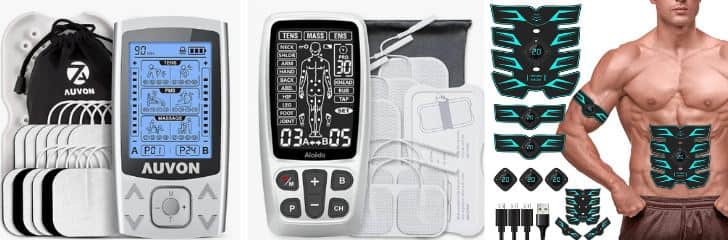
We earn a commission if you click this link and make a purchase at no additional cost to you.
Boosting Muscle Health in Internal Organs
Proper care of your internal organ muscles ensures that you remain healthy during middle age. Your heart, bladder, and blood vessels need regular physical attention to stay elastic. Simple adjustments to your daily routine keep your inner tissues strong and fully functioning for many years ahead starting right away now.
You avoid complex medical issues by focusing on basic breathing, posture, and light movement. Hidden parts of your body require the exact same dedication as your external chest or arms. Consistent habits protect your quality of life so you remain vibrant and full of energy always during your bright future.
Let us make internal health a standard part of your regular everyday wellness routine. Small steps add up to major improvements inside your beautiful middle aged frame. Your fantastic body will thank you for giving those hidden smooth tissues the care they truly deserve starting right here today old friend.