

Finding the right balance in an open relationship takes honesty, trust, and clear boundaries. For gay couples, creating ground rules helps keep the connection strong and prevents misunderstandings. Many people are drawn to open relationships for the sense of freedom and exploration. However, what keeps these agreements successful is structure and respect.
From my experience, open relationships of any kind run smoother when both partners understand what they want, talk openly, and check in often about how things are going. It’s easy for feelings to get mixed up or for either person to act on assumptions that can cause problems later. I’ve learned that rules are less about controlling or restricting and more about protecting the relationship and making sure everyone feels valued.
Open relationships don't automatically mean more freedom without work; rather, creating the right environment needs continual conversation and emotional investment. If you and your partner share goals, communication styles, and a clear sense of security, you can actually grow closer together while opening your connection. Arriving at this kind of understanding takes intention, patience, and genuine care.

If you and your partner are thinking about opening up, or if you’re already in an open relationship and want to make it feel safer for both of you, keep reading. I’m sharing rules that cover the basics, from emotional boundaries to health and scheduling quality time together.
1. Decide How Much Detail to Share (Disclosure)
Being on the same page about how much information to share about outside encounters makes a big difference. Some couples prefer to know every single detail, from what happened and who it was with, to how the interaction made their partner feel.
Others find that too much information causes stress, so they choose to keep it minimal—maybe just saying, "I had a hookup," so both are informed but not overloaded. Sit down and talk honestly about what level feels comfortable for you both.
This is something that could switch up over time, so checking in about it every now and then is really important. Make sure this agreement feels fair and safe for both people. Some partners might want updates after encounters, while others only want to check in weekly and talk about overall feelings. Whatever you choose, be clear about your needs and be open to adjusting.
2. Practice Safer Sex, and Agree on What That Means
Your health and your partner’s health go together, so discussing safer sex guidelines is nonnegotiable. Agree on details like whether condoms are required with outside partners and if using PrEP (pre-exposure prophylaxis) is expected in your relationship.
Decide if certain types of sex (like oral or anal) get treated differently and whether either partner is expected to check for STD results from new people. Regular sexual health screenings together can be a helpful habit as well. Trust comes from knowing neither of you is making risky choices without the other's knowledge. If you’re not sure where to start, look up the most current safe sex guidelines through reliable sources like the CDC or local LGBTQ+ health clinics.
You might even want to decide on how you’ll talk about sexual health with new partners, and agree to get tested at least every three to six months. Some couples take it a step further by documenting test dates and sharing results, building an environment of transparency where everyone feels physically safe and respected.
3. Clarify Emotional Boundaries

For some gay couples, outside encounters are strictly physical. For others, there might be openness to dating, repeat hookups, or even emotional connections with new people. Talking about these boundaries clears up confusion. If you and your partner are strictly monogamous emotionally, outside relationships are limited to sex, and things like dates, sleepovers, or deep conversations stay within your primary relationship.
If you’re both open to polyamory, agree what this means: is it just sex with others, or are emotional and romantic feelings OK too? Relationships can stumble when the emotional line isn’t clear, so checking in and updating these agreements is key. Don’t assume your partner knows exactly what you feel—spelling out your comfort zones makes navigating this aspect much easier and avoids resentment.
Some couples draw a firm line against falling in love with others, while others are comfortable with emotional attachment as long as everyone feels heard and secure. Write down your emotional boundary agreements so you both can reference them easily.
4. Discuss “Veto” Power
Sometimes, one partner may feel uncomfortable with a specific outside partner. This could be due to past conflicts, gut feelings, or noticing changes in the relationship dynamic. Having "veto power" means either of you can ask the other to pause or stop seeing a particular person if something feels off. Since this puts a lot of trust in your partner, talk about under what circumstances this can be invoked and how you’ll both handle these conversations.
Agreeing in advance on how to handle veto situations can prevent resentment or confusion down the line. Outline how you’ll bring up concerns, and agree to respect each other's feelings even if you don't completely agree with their reasoning. Having guidelines for what happens after a veto—maybe scheduling a special night together or reconnecting emotionally—can help bridge any emotional gaps.

5. Set Boundaries Around Place and People
Decide if there are situations or people that are off limits, like mutual friends, coworkers, or exes. Some couples prefer to keep outside encounters physically separate from their home life, agreeing that no outside partners come to their shared house or bed. Others are OK with occasional visitors but may only allow this when both partners are present or only while one partner is away.
Setting these limits can make everyone feel more secure and clarifies what feels respectful. Some couples find it helpful to create a physical list of off-limits people and revisit it periodically.
You might also want to agree about dating apps or online connections—should both partners share accounts, or keep things separate? Thinking through these details in advance saves stress later on.
6. Agree on Overnight Stays
Decide whether overnight stays with outside partners are on the table. Some couples find that sleepovers cross a line, while others don’t mind as long as there’s transparency.
Maybe hookups or dates wrap up before morning, or maybe you agree to certain nights being reserved just for the two of you. Talk about how you’ll feel coming home after either person has spent the night out, and be honest about emotions that might come up.
If you do allow overnight stays, maybe set guidelines for checking in before and after, or even agree on a quick debrief over coffee the next day. Putting structure around sleepovers can relieve a lot of emotional uncertainty.
7. Tackle Jealousy Together

Tackle Jealousy Together
Jealousy shows up sooner or later for most people, even if they thought it wouldn’t. I try to treat jealousy as a signal. It usually points to something important that I might want to talk through or adjust with my partner. When jealousy appears, it helps to talk about it directly, without blame or shame.
Healthy ways to handle jealousy include staying honest about your feelings, steering clear of comparisons, and remembering that your own connection is unique.
Checking in with your partner about why you chose each other can calm nerves and help both people feel wanted and secure. You might find particular tactics like writing down jealous feelings, meditating, or even talking with a queer-friendly therapist useful. Jealousy isn't a problem itself; it's unresolved feelings that become an issue, so face them head-on and support each other.
8. Practice Reaffirming Your Commitment
Open relationships last longer when both partners take regular steps to show care and commitment. This can mean small daily gestures of affection or big things like planning a special date, writing a note, or simply saying “I love you” often. Reinforcing your emotional bond can make outside connections feel less threatening.
Reminding your partner of your commitment, even during ordinary days, gives you both more confidence in your relationship. You might try creating rituals—like sharing coffee together every morning or ending the day with a check-in. These habits help you both feel prioritized despite busy schedules or new partners in the picture.
9. Schedule Time Just for Each Other

Schedule Time Just for Each Other
When there are outside partners in the mix, setting aside dedicated couple time becomes even more important. Planning one-on-one dates or evenings with “no phones, no interruptions” helps maintain emotional and sexual intimacy.
Try putting these times in the calendar and treating them as non-negotiable. This ensures that both people feel prioritized and have space to reconnect away from outside distractions. Some couples create weekly date nights, while others set aside one weekend a month for just the two of them. Ultimately, what matters is making your quality time together a regular event, not just something that happens when everything else is done.
10. Protect Your Sexual Relationship
Even in an open relationship, a satisfying sex life with your main partner is essential. Schedule sex if you need to, or try something new together occasionally to keep things exciting. Having strong physical intimacy with your partner stops resentments from building up and makes sure that neither person feels like only outside relationships are fun or adventurous.
You could experiment with new kinks, different locations, or even schedule sexy time the same week as outside dates to reinforce your bond. Talking openly about desires, fantasies, and what you want with your partner can lead to more fulfilling experiences and build trust.
11. Show Regular Appreciation
Continue giving your partner attention and compliments—even small gestures like cooking dinner, leaving a silly message, or noticing something new about them can make a huge difference. Your partner should feel like they’re still the center of your affection, even if other people are in the picture.
When I focus on the things I appreciate about my partner and voice them regularly, it keeps our connection secure and minimizes insecurity. Make a point to find fresh things to appreciate and say them out loud—over time, this habit can actually insulate your relationship from everyday negativity and keeps romance alive.

12. Address Conflict Directly and Respectfully
Disagreements and bad feelings sometimes crop up in open relationships, just like in any other. When problems show up, talk about them as soon as possible instead of letting resentment simmer. Use “I feel” statements, listen as much as you talk, and separate the issue from the person.
If you need extra help, consider checking in with a queerfriendly relationship therapist or counselor who understands open dynamics. Good conflict resolution skills are relationship maintenance, preventing small issues from turning into big arguments. If you have repeated hang ups that you can’t fix together, don’t hesitate to team up with outside support.
Extra Tips for Setting Gay Open Relationship Rules
When making or updating your rules, write them down so both people can revisit them when questions come up. Being clear about expectations removes most of the stress and secondguessing. I like to keep a document handy so we can both review and update it when needed, just in case emotions run high or we forget the details of what we agreed on.
Stay flexible. As your relationship evolves, your rules might change too. Make time for regular checkins, maybe every couple of months, to see if anything needs to switch up. This openness helps prevent resentment and proves that both people are invested in staying close. Be open about what’s working and talk about what isn’t, so the rules reflect your changing needs and comfort levels. Encourage honest feedback instead of waiting for misunderstandings or hard feelings to pop up.
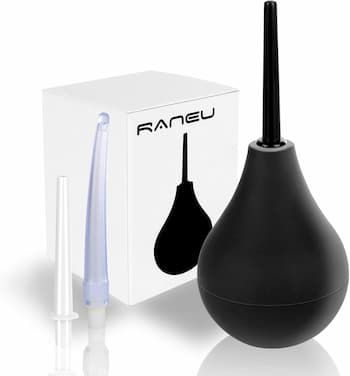
RANEU Enema Bulb Silicone Anal Douche Enema Kit
- Reusable, non-toxic, and odorless green device. It's a perfect douche.
- The douche kit includes three nozzles. These can be used with most lubricants for anal cleansing.
- To clean, separate the nozzle from the bulb. Rinse it with warm water or soap, then dry all components with a clean cloth.
We earn a commission if you click this link and make a purchase at no additional cost to you.
Communication is the foundation. If an arrangement ever feels out of date or unfair, bring it up and don’t wait too long. The goal isn't to have perfect rules forever, but to have rules that reflect where you are now and what you both want. For more guidance, resources like The Center for Sexual Pleasure and Health or psychology professionals who understand non-monogamy can help. Don’t hesitate to read articles, check out relevant books, or even attend community discussions to learn how others make it work.
Another tip: Understand that learning to be secure in an open relationship might take some time. You may find that things that didn’t bother you at first start to feel stressful or that comfort zones shift as you and your partner have new experiences. Talk through your expectations regularly, and offer each other patience and kindness as you both grow.
12 Gay Open Relationship Rules - Final Thoughts
Open relationships work when both people commit to honesty, communication, and putting each other first, even as you explore new connections. Set clear rules and checking in often, then you can enjoy the freedom of an open relationship while keeping your core partnership strong and healthy. I'm sure you know that what works for one couple may not work for another, so stay tuned to your own needs and your partner's feelings.
If you keep the conversation going and stay flexible, you can build a fulfilling, longlasting partnership that grows along with you both.
