

Pop music grabbed my heart when I was seven years old, and honestly, it never let go. Some kids grew up with classical symphonies or jazz records spinning in the background, but my childhood soundtrack was pure, unadulterated pop - the kind that made you want to move, sing, and feel everything all at once.
That connection hasn't faded with age; if anything, it's grown stronger, deeper, and more meaningful as I've gotten older. People often dismiss pop music as shallow or manufactured, but they miss the point entirely. Pop has been my constant companion through breakups, celebrations, late-night drives, and quiet mornings. The melodies, hooks, and lyrics have shaped how I see the world and process my emotions in ways that feel almost sacred.
My First Pop Memory Still Gives Me Chills
That first encounter with pop music happened in my aunt's car on a summer road trip. She had the radio cranked up, and suddenly this song came on that made everything feel electric. My whole body responded before my brain even registered what was happening. The chorus hit, and I found myself singing along to words I'd never heard before, completely swept up in the moment. From that second onward, I knew pop music would be different from anything else in my life.
You know how certain smells can transport you back to childhood? Pop music works the same way for me, except it's even more visceral. Songs from my youth still trigger the exact feelings I had when I first heard them. The happiness, the confusion, the excitement - it all comes rushing back in three-and-a-half-minute packages. My brain has filed away hundreds of these sonic memories, each one linked to a specific moment, person, or feeling.
Music became my secret language during those awkward teenage years when expressing yourself felt impossible. Pop songs said everything I couldn't articulate on my own. They gave me permission to feel big emotions without apologizing for them. The artists I loved became like friends who understood exactly what I was going through, even though we'd never met.
The songs that hooked me early:
- Whitney Houston's voice on "I Wanna Dance with Somebody" made me understand what vocal perfection sounded like. Her control, her range, her ability to make every note feel effortless yet intentional - it set a standard in my mind for what great singing could be.
- Michael Jackson's "Beat It" showed me that pop could be rebellious and mainstream at the same time. The guitar solo, the attitude, the production - everything about that track felt massive and unapologetic.
- Madonna's "Like a Prayer" taught me that pop music could spark controversy and conversation. She wasn't afraid to push boundaries, and that boldness made me pay attention in ways other music hadn't.
- Prince's "When Doves Cry" proved that weird could be wildly popular. The lack of a bassline, the unusual production choices, the raw emotion - it all worked despite breaking conventional rules.
Radio Became My Best Friend Growing Up
Radio was magical when I was young, before streaming services made every song instantly available. You had to wait for your favorites to play, sitting by the stereo with your finger on the record button. That anticipation made each song feel more precious somehow. The DJ's voice between tracks became familiar, almost comforting. Radio created a sense of shared experience - knowing that thousands of other people in your city were hearing the same songs at the same moment.
My mornings started with radio pop hits blasting while I got ready for school. Those songs energized me in ways that coffee would later do as an adult. The right song could transform a terrible mood into something manageable, maybe even good. Bad days felt less heavy when you had a three-minute escape waiting for you. The DJs seemed to know exactly what we needed to hear, spinning tracks that matched the collective mood.
Chart countdowns on weekend mornings became sacred rituals in my house. I'd grab a notebook and write down the top ten, tracking which songs moved up or down. Arguments with friends about which songs deserved higher rankings could get surprisingly heated. We treated those charts like they were the most serious thing in the world. Looking back, that dedication seems silly, but it taught me to care deeply about the things I loved.
Radio moments that shaped my pop education:
- Staying up past bedtime to catch the late-night request shows where people dedicated songs to their crushes.The vulnerability in those dedications made pop music feel even more personal and meaningful to my adolescent heart.
- Recording my favorite songs onto cassette tapes, carefully timing the record button to avoid capturing the DJ's voice. You learned patience and precision, skills that translated to other areas of life in unexpected ways.
- Hearing a song for the first time and immediately calling friends to ask if they'd caught it too. Those conversations built connections and gave us something to bond over at school the next day.
- Local radio stations running special "throwback hours" where they'd play hits from five or ten years earlier.Nostalgia hit differently as a teenager, and those blocks reminded me how quickly time moved.
Kitchen Disco
Live Concerts Changed Everything for Me
My first pop concert happened when I was fourteen, and nothing could have prepared me for that experience. Seeing an artist I'd only known through speakers suddenly standing fifty feet away felt surreal. The energy in the arena was unlike anything I'd felt before. Thousands of people singing the same words, moving to the same beat, feeling the same emotions - it created this temporary family. You stopped being an individual and became part of something bigger.
The production value of pop concerts always blew my mind. Elaborate stage designs, costume changes, dancers, pyrotechnics - pop artists understood spectacle in ways other genres didn't always embrace. They weren't just playing songs; they were creating full sensory experiences. Every element was choreographed and intentional, designed to make you feel transported. The attention to detail showed how seriously these artists took their craft.
After concerts, my voice would be hoarse from singing along, my ears would ring for hours, and my feet would ache from standing and moving. Yet I'd already be planning which concert to attend next. That post-show high was addictive. You'd replay moments from the performance over and over in your mind for days. Friends who went with you would text constantly, reliving the best parts together.
Concert experiences that left marks on my soul:
- Witnessing Janet Jackson's "Rhythm Nation" tour and realizing pop could deliver social commentary through music and movement. Her precision, her message, her commitment to the performance made me respect pop as an art form even more.
- Crying during a ballad section when the entire arena held up lighters, creating this sea of flickering lights.That moment of collective emotion and vulnerability showed me how pop music could unite strangers instantly.
- Meeting other superfans in the merch line and bonding over our favorite deep cuts. Those connections sometimes turned into real friendships that lasted beyond the concert venue.
- Watching an artist perform acoustic versions of their hits, stripping away production to reveal the songwriting underneath. You appreciated the craft differently when all the bells and whistles disappeared.
Pop Lyrics Spoke My Feelings Better Than I Could
Pop music gets criticized for simple, repetitive lyrics, but that simplicity is part of its genius. Sometimes you need someone to say "I love you" or "I'm hurting" in the most direct way possible. Overthinking emotions can make them harder to process. Pop lyrics cut through the noise and give you permission to feel without intellectualizing everything. The best pop songs capture universal feelings in ways that feel both fresh and familiar.
My journals from high school are filled with pop lyrics scrawled in the margins. Those lines helped me make sense of confusing relationships and shifting friendships. When I couldn't find my own words, I'd borrow them from Britney, Christina, or NSYNC. They became my emotional vocabulary. Teachers probably thought I was being dramatic when I'd quote songs in my creative writing assignments, but I was just using the language that made sense to me.
Pop songwriters have this gift for distilling complicated emotions into perfect phrases. They make it look easy, but crafting a hook that sticks in your brain for decades takes real skill. The best lyrics feel like they were written specifically for you, even though millions of others relate to them too. That's the magic - making something universal feel personal.
Lyrics that became my personal mantras:
- "I'm a survivor, I'm not gonna give up" from Destiny's Child taught me resilience during my messiest breakup. Beyoncé's delivery made those words feel like armor I could wear when facing hard situations.
- "Everybody hurts sometimes" from Christina Aguilera reminded me that pain was normal and temporary.The validation in that simple statement helped me through periods when I felt isolated in my struggles.
- "Shake it off" became my actual strategy for dealing with criticism and rejection. Taylor Swift's advice to not internalize negativity changed how I handled conflict and disappointment.
- "You're beautiful, no matter what they say" gave me confidence when I desperately needed it. Christina Aguilera's "Beautiful" arrived exactly when my self-esteem was at its lowest point during college.
Dancing Al Fresco
Pop Music Videos Were Mini Movies I Studied
MTV was my film school, teaching me about visual storytelling through three-minute music videos. Directors treated these videos like short films, creating narratives, developing characters, and building worlds. The best videos enhanced the songs rather than just illustrating them. You'd watch the same video dozens of times, catching new details with each viewing. Fashion, choreography, cinematography - pop videos influenced popular culture in ways that extended far beyond music.
My friends and I would recreate music videos in my backyard, assigning roles and practicing choreography. We'd rewind and play the same sections over and over, trying to nail specific moves. Those performances were terrible, but they taught us teamwork and creativity. We learned camera angles and editing styles without realizing we were learning anything. Pop videos were our first exposure to concepts like storyboarding and visual metaphors.
Video premieres became events worth staying home for. Networks would hype up big releases for weeks, building anticipation to fever pitch. You'd call friends during commercial breaks to discuss what you'd just seen. The next day at school, everyone would be talking about the same video. Shared cultural moments like that feel rarer now, which makes me appreciate that era even more.
Videos that changed how I saw pop music:
- Watching "Thriller" for the first time and realizing music videos could be horror films, spectacles, and social commentaries simultaneously. The production value and ambition set a new standard for what the medium could achieve.
- Madonna's "Vogue" taught me about voguing, ballroom culture, and Old Hollywood glamour all in one package. She used her platform to shine light on underground art forms and bring them mainstream.
- Missy Elliott's videos bent reality and showed that female rappers could be weird, experimental, and commercially successful. Her fish-eye lens shots and avant-garde aesthetics proved pop could be truly innovative.
- OK Go's treadmill video for "Here It Goes Again" demonstrated that creativity and concept could matter more than budget. Their DIY mindset inspired me to think outside conventional boxes.
Pop Evolved But My Love Stayed Constant
Each decade brought new sounds, styles, and stars, but my devotion never wavered. The synthpop of the 80s gave way to the hip-hop-influenced pop of the 90s, which morphed into the electronic-tinged pop of the 2000s. Every evolution brought something fresh to love. Some purists complain about pop changing too much, but that constant reinvention is what keeps it alive. Genres that refuse to evolve become museum pieces rather than living art forms.
My playlists became time capsules, documenting different eras of my life through the pop hits of those moments. Looking back through old playlists is like reading a diary. The songs I played on repeat during college are different from my high school favorites, which differ from my current rotation. Each playlist tells a story about who I was and what I was going through. Music streaming services now show you exactly how many times you've played each track, and those numbers reveal more about you than you might expect.
Critics love to declare pop music dead or predict its demise, but they've been wrong every single time. Pop adapts, absorbs influences from other genres, and keeps finding new audiences. Today's pop incorporates elements of trap, reggaeton, indie rock, and K-pop. That willingness to borrow and blend is why pop remains relevant. The best pop artists are musical chameleons, shifting with the times while maintaining their core identity.
How pop's evolution kept me hooked:
- Auto-Tune went from controversial effect to standard production technique, changing how vocals sounded across the entire industry. Artists like T-Pain and later Travis Scott made it an artistic choice rather than just pitch correction.
- EDM drops became standard pop song structures, replacing traditional guitar solos and bridge sections. The build-up and drop format changed how pop songs created tension and release.
- Streaming playlists replaced radio as the primary discovery mechanism, democratizing which songs became hits. Bedroom producers could suddenly compete with major label artists if their song caught on.
- Global influences started shaping Western pop as artists from Latin America, Korea, and Africa broke through language barriers. My playlist now includes songs in languages I don't speak but emotionally understand completely.
Pop Stars Became My Style Icons
Pop artists didn't just make music; they created entire aesthetic movements. Their fashion choices influenced what showed up in mall stores six months later. As a kid with limited style sense, I looked to pop stars for guidance on what was cool. Their bold choices gave me permission to experiment with my own look. You'd see an outfit in a music video and immediately want to replicate it. Friends and I would hit thrift stores, trying to piece together approximations of our favorite artists' styles.
Hair was huge - literally and figuratively. Pop stars had these gravity-defying styles that required entire cans of hairspray to maintain. My bathroom mirror saw countless attempts to recreate those looks before school. Most attempts failed spectacularly, but that didn't stop me from trying again the next week. The confidence pop stars projected made you believe you could pull off anything if you just committed to it fully.
Fashion risks that would seem ridiculous in everyday life somehow worked on pop stars. They wore things that shouldn't have made sense but became iconic anyway. That fearlessness taught me that style rules were meant to be broken. Your clothes could be an extension of your personality rather than just functional covering. Pop stars showed that reinventing your image was not only acceptable but expected.
Style moments that influenced my wardrobe:
- Gwen Stefani's platinum hair and red lips became my signature look for an entire year of college. The contrast felt edgy and feminine simultaneously, matching how I wanted to present myself.
- Justin Timberlake's all-denim outfit at the 2001 AMAs with Britney was terrible, but it showed that even pop stars make questionable choices. That realization was oddly comforting and made them feel more human.
- Lady Gaga's meat dress proved that fashion could be performance art and social statement. Her willingness to shock and provoke made me braver in my own self-expression.
- Rihanna's constant reinventions taught me that your style should evolve as you do. Staying in one aesthetic lane for too long felt stagnant after watching her transformations.
Pop Helped Me Through My Darkest Times
When depression hit during my twenties, pop music became a lifeline. The upbeat tempos and major keys gave my brain something to hold onto when everything felt heavy. Sad songs validated my feelings while happy songs reminded me that other emotional states existed. Music therapy is a real thing, but I practiced it informally for years before learning the term. Creating playlists for different moods helped me process emotions I couldn't verbalize.
Breakups would have been unbearable without pop's extensive catalog of heartbreak songs. Every emotion - anger, sadness, regret, relief - had a song that perfectly captured it. You could wallow in sad songs until you felt ready for empowerment anthems. The progression from Adele to Beyoncé marked emotional recovery in measurable ways. Friends knew where you were in the healing process based on which songs you were posting on social media.
Anxiety found relief in familiar pop songs. When my mind was racing with worry, putting on headphones and playing well-known tracks helped ground me in the present moment. The predictability of songs I'd heard hundreds of times was comforting rather than boring. You knew exactly when the chorus would hit, when the bridge would arrive, how the song would end. That structure provided stability when internal chaos felt overwhelming.
Pop songs that got me through rough patches:
- Listening to "Fighter" by Christina Aguilera on repeat after getting fired helped me reframe rejection as redirection. Her defiant energy made me feel stronger than I actually was in that moment.
- Kelly Clarkson's "Stronger" became my workout soundtrack and general life anthem during a particularly difficult year. The song's message seeped into my psyche through sheer repetition.
- Playing Carly Rae Jepsen's entire catalog during a depressive episode because the pure happiness in her music felt like medicine. Her unironic enthusiasm was contagious even when feeling good felt unreachable.
- Ariana Grande's "thank u, next" helped me process a toxic relationship and move forward with gratitude instead of bitterness. Her mature perspective on past relationships shifted how I viewed my own romantic history.
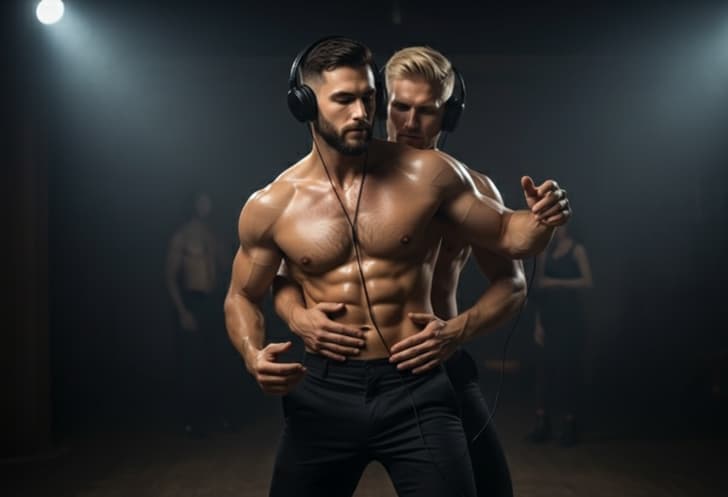
Pop Concerts Became Social Rituals I Protected
Concert nights require planning and preparation that rivals wedding planning. You coordinate outfits with friends, map out arrival times, debate whether to eat before or after the show. The anticipation builds for weeks, sometimes months. Social media fills with countdown posts as the date gets closer. You make playlists of the artist's discography to prepare, memorizing lyrics to songs you might not know as well. The ritual is half the fun.
Pre-concert meetups with friends became as memorable as the concerts themselves. You'd gather at someone's apartment, blast the artist's music while getting ready, take hundreds of photos. The energy and excitement in those rooms was electric. Everyone would share predictions about which songs would be performed and debate what the setlist might include. By the time you left for the venue, you were already on an emotional high.
Post-concert depression is real. The day after a show, you'd wake up exhausted but fulfilled, immediately wanting to relive the entire experience. You'd scroll through photos and videos on your phone, each one triggering a specific memory. Group chats would explode with messages about favorite moments. That communal processing extended the experience for days. Already, you'd be checking if the artist had announced additional tour dates.
Concert traditions my friend group developed:
- Creating matching t-shirts for big concerts so we could find each other in crowds and feel like a unified squad. The DIY designs often incorporated inside jokes and references only our group understood.
- Arriving at venues hours early to grab spots near the stage, treating the wait time as part of the experience.Those hours of standing and chatting with fellow fans deepened our appreciation for the artist.
- Recording one song each to preserve the memory, then putting phones away for the rest of the show. Striking that balance between documenting and living in the moment took discipline but felt right.
- Grabbing late-night food after concerts to decompress and relive the best moments while they were fresh.The exhausted, exhilarated conversations over fries and milkshakes became core memories themselves.
Pop's Guilty Pleasure Label Never Made Sense to Me
People apologize before admitting they love pop music, prefacing their taste with "guilty pleasure" disclaimers. That phrase irritates me. Why feel guilty for loving something that brings you happiness? The music snobs who look down on pop are missing out on pure, uncomplicated pleasure. Not every song needs to be a complex meditation on existence. Sometimes you just want something catchy that makes you want to move.
Defending pop music to indie rock fans became exhausting, so I stopped trying. Their arguments about artistic integrity felt hollow when their favorite bands were playing the same three chords on repeat. Good songwriting is good songwriting, regardless of genre. Pop's commercial success doesn't invalidate its artistic merit. The Beatles were a pop band. Elvis was pop. Rock and roll was considered vapid teenage music when it first emerged.
My refusal to feel shame about my pop love became a form of rebellion. Owning your taste without apology is surprisingly radical in music circles. You encounter so much pressure to like the "right" things, the cool things, the obscure things. Screw that. Life's too short to pretend you don't love what you love. My pop music appreciation is as valid as anyone's jazz or classical or indie preferences.
Responses I perfected for pop music critics:
- "Max Martin has written more hit songs than your favorite underground band has recorded total tracks, and songwriting skill deserves respect." His contributions to pop's evolution are undeniable regardless of your genre preferences.
- "Pop music's accessibility is a feature, not a bug - making art that connects with millions of people requires real talent." The difficulty of creating something universally appealing gets overlooked by critics focused on complexity.
- "Your favorite critically acclaimed album probably has pop elements if you listen closely enough - genre boundaries are more porous than you think." Most alternative bands incorporate pop hooks whether they admit it or not.
- "Emotional honesty exists in three-minute pop songs just as much as in forty-minute prog rock epics."Length and complexity don't correlate with depth or sincerity in any meaningful way.
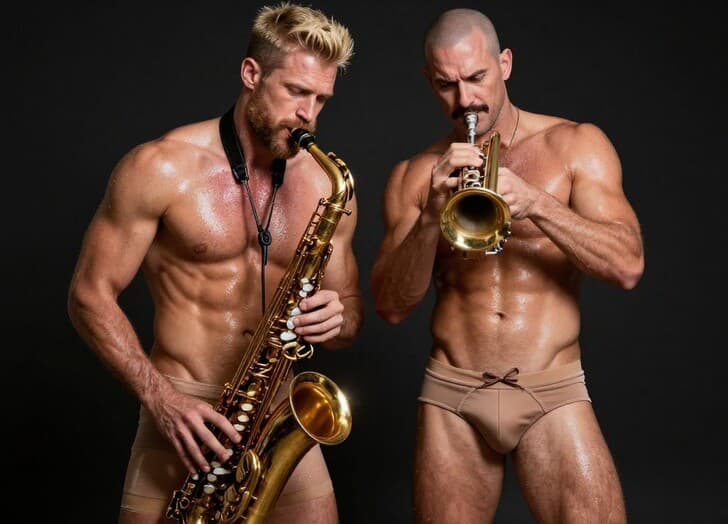
Pop Introduced Me to Production Techniques
My fascination with how pop songs were made led me down a rabbit hole of production videos and studio footage. Learning about layering, compression, EQ, and effects changed how I listened to music. You start hearing the individual elements rather than just the finished product. The vocals, the bass line, the synths, the drums - each component became distinct. That analytical listening enhanced rather than diminished my enjoyment.
Producers became as interesting to me as the artists themselves. Guys like Timbaland, Pharrell, and Diplo shaped the sound of entire eras. Their signatures were as recognizable as the singers' voices. Following producers across different projects showed how much they contributed to an artist's sound. A great producer could elevate good vocals into something transcendent. The collaboration between artist and producer is where magic happens.
Home recording technology made production accessible to regular people like me. You didn't need a million-dollar studio to experiment with making beats and laying down vocals. Software like GarageBand and FL Studio democratized music creation. My amateur attempts at production taught me to appreciate professional work even more. The amount of detail and decision-making in every second of a pop song is staggering when you try to replicate it.
Production elements that fascinate me:
- Max Martin's signature technique of having the chorus start the song, hooking listeners immediately before verses even begin. His structural innovations changed pop songwriting conventions across the industry.
- Layered vocal harmonies that create depth and texture, making choruses feel bigger than life when done correctly. The stack of voices transforms a simple melody into something emotionally overwhelming.
- Strategic use of silence and space in arrangements, knowing when to strip things back for emotional impact.Pop producers understand that sometimes less really is more despite the genre's reputation for excess.
- Pitch correction used as a creative effect rather than just fixing off-key notes, creating distinctive vocal textures. The artistic application of Auto-Tune opened up new sonic possibilities for vocalists.
Building Playlists Became My Creative Outlet
Playlist creation is an underrated art form. Sequencing songs, considering tempo changes, building emotional arcs - it requires real thought and care. The perfect playlist flows naturally from one track to the next, telling a story without words. You're curating an experience for yourself or whoever you share it with. The order matters as much as the song selection.
My phone contains hundreds of playlists for different scenarios. Workout playlists need high energy tracks that match running cadence. Road trip playlists require singalong choruses and varied tempos to prevent monotony. Sad playlists need carefully calibrated emotional progression from wallowing to healing. Each playlist serves a function in my life. Friends request them for their own situations, which feels like the highest compliment.
Sharing playlists became my love language. When I made someone a playlist, I was giving them a piece of myself. The songs I chose revealed what I thought they needed to hear or what I wanted them to know about me. Receiving playlists from others felt equally intimate. You could learn so much about a person from the songs they selected and how they arranged them. Playlists became mixtapes for the digital age.
Playlists that define my collection:
- "Morning Energy" starts with gentle wake-up songs and gradually builds to high-tempo tracks that jumpstart motivation. The progression mirrors my natural energy curve as coffee kicks in and the day begins.
- "Late Night Drives" features moody mid-tempo pop that makes empty highways feel cinematic and contemplative. Windows down, volume up, city lights blurring - the playlist enhances that feeling perfectly.
- "Confidence Boost" contains nothing but empowerment anthems for days when self-doubt threatens to win.Every track reinforces messages about strength, worthiness, and resilience that I sometimes need to hear externally.
- "Pop Perfection" includes what I consider flawless pop songs - perfect production, lyrics, melodies, and performances. The bar for inclusion is high, and the list grows slowly as new songs prove themselves worthy.
Pop Music United Me With Strangers Worldwide
Online fan spaces showed me that my love for pop music was shared by millions globally. Forums, Twitter, Reddit - these platforms connected fans across continents. You could have in-depth conversations about B-sides and album cuts with someone on the other side of the world. Geographic distance became irrelevant when you shared passion for the same artist. Those connections felt as real as friendships formed in person.
Fan projects organized through social media showcased collective creativity and dedication. Fans would coordinate streaming parties to boost their favorite artist's chart positions. They'd organize flash mobs, create elaborate fan art, and fundraise for charity in their idol's name. The organizational skills and devotion were impressive. Being part of something bigger than yourself created a sense of belonging that extended beyond the music itself.
Concert meetups with online friends made internet relationships tangible. You'd recognize usernames on name tags and feel instant familiarity despite never meeting face-to-face before. The shared history of online interactions translated smoothly into real-world connections. Some of my closest friendships started in pop music comment sections. Our initial bond over music expanded into deeper relationships that covered all aspects of life.
Online fan experiences that expanded my world:
- Joining a Beyoncé fan forum where users analyzed every lyric, move, and outfit choice with academic rigor.The depth of analysis rivaled university literature courses I'd taken.
- Participating in charity fundraisers organized by Taylor Swift fans, raising thousands for causes she supported. Fandom channeled into activism created positive real-world impact beyond music appreciation.
- Trading concert recordings with international fans to hear shows I couldn't attend in person. The generosity of strangers sharing bootlegs connected me to performances happening continents away.
- Creating inside jokes and memes with online fan groups that made scrolling social media genuinely fun. The humor and creativity in those spaces brought daily entertainment and laughter.
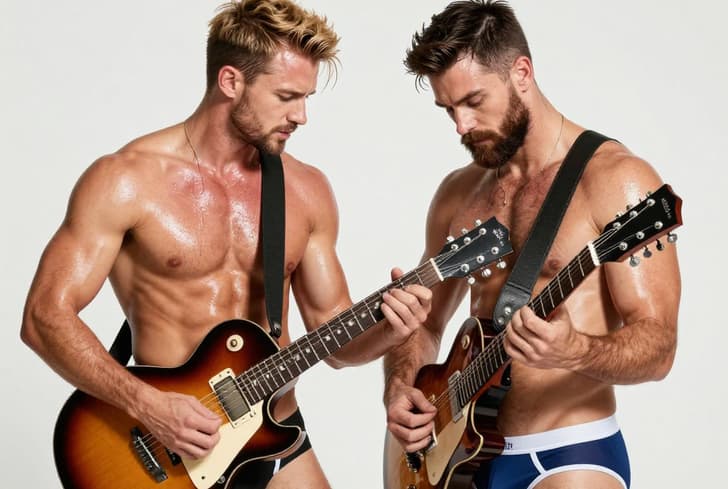
Pop's Impact on My Life Runs Deeper Than Entertainment
Pop music shaped my values and worldview in subtle but meaningful ways. The messages in songs about self-acceptance, perseverance, and love influenced how I approached relationships and challenges. Artists who spoke openly about mental health made me more comfortable discussing my own struggles. Songs about social justice issues educated me on topics I hadn't previously considered. Entertainment and education aren't mutually exclusive.
My career path was indirectly influenced by pop music. The marketing strategies, brand building, and audience engagement tactics I observed from following pop stars informed my professional work. Pop artists are essentially running businesses while creating art. Their success requires understanding trends, connecting with audiences, and adapting to changing landscapes. Those lessons translated to my own work in unexpected ways.
Pop taught me that reinvention is not only possible but necessary for growth. Artists who stayed relevant across decades did so by evolving while maintaining their core identity. That balance between change and consistency is something I try to replicate in my personal life. You can honor your past while moving toward something new. Growth doesn't mean abandoning who you were; it means becoming a fuller version of yourself.
Life lessons pop music taught me:
- Lady Gaga's message about accepting yourself gave me permission to stop conforming to others' expectations of normalcy. Her "Born This Way" era coincided with me finally being honest about my sexuality with family and friends.
- Watching Britney Spears' public struggles and eventual comeback taught me about resilience and the cost of fame. Her story humanized celebrities and made me more critical of tabloid culture's cruelty.
- Lizzo's body positivity anthems helped dismantle years of internalized criticism and shame. Her unapologetic confidence modeled a relationship with my body I'd never considered possible.
- BTS breaking language barriers to dominate Western charts showed me that artificial limitations often crumble when talent meets determination. Their global success expanded my understanding of what's achievable despite institutional barriers.
Pop Music Helped Me Find Myself
Coming out as gay in my early twenties happened alongside my deepening connection with certain pop artists. The timing wasn't coincidental. Pop music has always had a special relationship with the LGBTQ+ world, and finding that connection felt like coming home. Artists who were openly supportive or who were themselves queer gave me language and courage I desperately needed. Their visibility made my own path feel less terrifying.
Pride parades and gay clubs introduced me to pop music in entirely new contexts. Hearing Lady Gaga, Britney, or Cher in a room full of queer people singing along created this overwhelming sense of belonging. The songs took on additional layers of meaning in those spaces. Pop anthems became our anthems, soundtracking our resistance, our celebration, our existence. You understood why certain artists became icons in the queer world once you experienced their music in those settings.
Queer relationships and heartbreaks got the same pop soundtrack treatment as my straight friends' experiences, but somehow the songs hit differently. When you've spent years hiding parts of yourself, finally being able to openly wallow in heartbreak songs or celebrate new love with romantic pop tracks feels revolutionary. Pop music validated my emotions at a time when the world often didn't. The music said my feelings mattered, my experiences counted, my love was real.
Pop moments that shaped my queer identity:
- Hearing "Born This Way" for the first time and feeling seen in ways mainstream music rarely made me feel.Lady Gaga's explicit inclusion of queer people in her message arrived exactly when I needed to hear it.
- Attending my first Pride with friends while "Firework" by Katy Perry played, and feeling the lyrics resonate on multiple levels. The metaphor of showing your true colors took on personal significance that day.
- Finding Troye Sivan's music and finally hearing openly gay experiences reflected in modern pop. His honesty about queer desire and relationships filled a gap I didn't fully realize existed.
- Watching Sam Smith accept a Grammy and dedicate it to the LGBTQ+ fans who related to their heartbreak songs. Representation in mainstream pop spaces reminded me how far we'd come.
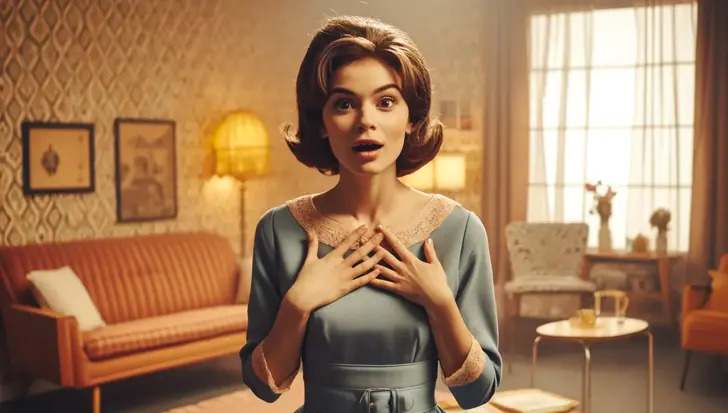
Pop Connected Me to Chosen Family
The concept of chosen family is huge in queer culture, and pop music became the glue that bonded my chosen family together. Mutual friends became brothers through shared obsessions with Beyoncé albums and Madonna tours. Group chats devoted entirely to dissecting new releases created daily connection points. Pop music gave us a shared language, a common reference point, and endless things to debate and discuss.
House parties with friends always featured pop playlists that everyone knew by heart. The best nights ended with all of us belting out "Toxic" or "Since U Been Gone" at three in the morning. Those moments of pure, uninhibited performance with people who loved you felt sacred. You could be completely yourself, dramatic and emotional and free. Pop music soundtracked some of my most treasured memories with the people who became my family.
Concerts attended with chosen family hit differently than shows with casual friends. You had years of context and inside jokes woven into the experience. References to previous shows, shared reactions to specific songs, the unspoken understanding of what this music meant to all of you - it created deeper layers of meaning. Looking around and seeing your people, all experiencing the same artist together, felt like validation of the life you'd built.
Pop traditions with my chosen family:
- Annual Beyoncé album listening parties where we gather, press play simultaneously, and text our reactions track by track. The ritual has been happening for over a decade now, regardless of where we live.
- Karaoke nights where we exclusively perform pop diva songs with complete sincerity and zero irony. The performances get increasingly theatrical as the night progresses and inhibitions fade.
- Secret Santa gift exchanges that always include at least one pop music-related present - concert tickets, vinyl records, or artist merchandise. Our shared obsession makes gift-giving easier and more personal.
- Group pilgrimages to Las Vegas residencies, treating them like religious experiences requiring proper planning and devotion. Seeing Britney, Gaga, or Adele perform in Vegas became bucket list items we checked off together.
My Pop Music Love Refuses to Fade
Friends joke that I'm stuck in my teenage years because I still get excited about new pop releases. They've moved on to more "mature" music preferences, whatever that means. Meanwhile, I'm still buying concert tickets, learning new TikTok moves set to pop songs, and arguing about Grammy nominations. Age hasn't dulled my enthusiasm one bit. If anything, I appreciate pop music more now because I understand how rare it is to maintain lifelong passion for anything.
My younger queer friends appreciate that I bridge generational pop eras. They ask me about 90s and early 2000s pop, while I ask them to explain current TikTok trends and new artists they love. That exchange keeps me connected to evolving pop culture while giving me opportunities to share history and context. Music becomes the medium through which we connect across age differences. The conversation continues, just with new voices and fresh perspectives.
Pop music will probably soundtrack the rest of my life just as it has the first half. My taste will continue evolving as the genre does, absorbing new influences and styles. Future pop fans will look back at my era the way I look back at the 80s and 90s. That continuity and progression is part of what makes pop music special. Each generation gets their own version, but the core appeal remains constant.
Current pop habits I maintain:
- Setting alarms for midnight releases of highly anticipated albums so I can listen immediately. The excitement of fresh music dropping never gets old no matter how many releases I've experienced.
- Following pop music journalists and critics to stay informed about new artists and industry trends. My media diet includes as much music journalism as actual news because both feel equally relevant.
- Attending at least three major pop concerts annually despite the increasingly ridiculous ticket prices. Live music remains worth the financial sacrifice because the memories outlast the money spent.
- Defending pop music in online arguments even though I know I'll never convince the haters. Some battles are worth fighting even when victory is impossible.
We earn a commission if you click any of these links and make a purchase at no additional cost to you.
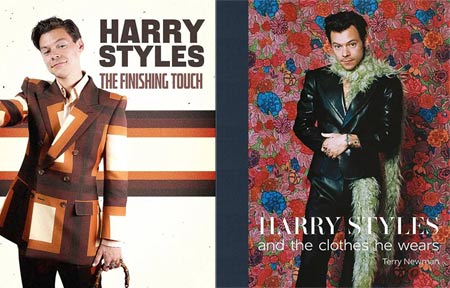
Harry Styles on Amazon
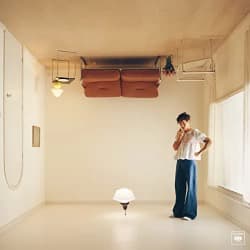
Harry’s House
[2022- Harry Styles]
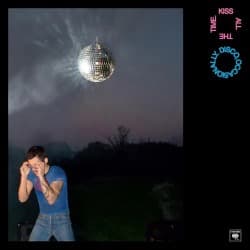
Kiss All The Time. Disco, Occasionally
[2026 - Harry Styles]
Forever Changed by Pop's Soundtrack
Pop music gave me a language for emotions I couldn't otherwise express. Songs became markers for memories, turning abstract feelings into tangible moments I could revisit. Every major life event has a soundtrack, and mine is overwhelmingly pop. The music connected me with people I'd never have met otherwise, creating friendships that transcended geographic and cultural boundaries. Pop taught me that happiness doesn't need justification, that pleasure is valuable in itself, and that what moves you matters more than what others think should move you.
Critics will keep dismissing pop as disposable or manufactured, and I'll keep ignoring them. My relationship with pop music is too personal and too meaningful to be diminished by arbitrary genre hierarchies. The songs that shaped me, comforted me, and celebrated with me weren't just entertainment - they were survival tools, teachers, and companions. Pop music met me exactly where I was at every stage of life and gave me exactly what I needed. That's not shallow or manufactured; that's transformative art doing what art is supposed to do.
Looking back at decades of pop obsession fills me with gratitude rather than embarrassment. The time, money, and emotional energy I've invested in following artists, attending concerts, and curating playlists wasn't wasted - it was essential. Pop music made me who I am. The melodies, hooks, and beats are woven into my DNA at this point. So yeah, pops, I love you. Always have, always will. Thanks for everything.
