

Gay men have played a strong role in shaping pop culture, often moving far beyond stereotypes and redefining what’s possible in music, fashion, film, art, and even digital spaces. My own experience as part of this community has shown me firsthand just how much cultural influence often goes unrecognized or gets reduced to overused tropes.
Being part of the LGBTQ+ community comes with challenges, but it also fuels creative energy and offers new perspectives to mainstream culture. When I look at the podcasts I listen to, the designers whose clothes I admire, and even the new slang I hear in movies and on social media, it’s clear to me that gay men have a big impact, not just within the gay community, but on the world stage.
I want to share seven ways gay men are changing pop culture, breaking free from stereotypes and building a creative legacy that goes far beyond expectations.
1. Creating New Norms in Music
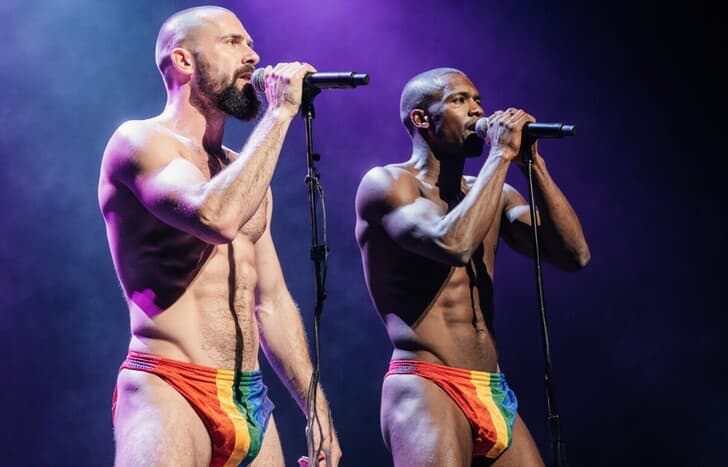
Music history is full of contributions from gay men, shaping genres and opening minds through authenticity. Elton John, George Michael, Frank Ocean, Lil Nas X, and Sam Smith are just some of the musicians who have changed the way the world hears pop, R&B, and even hip hop.
By telling real stories about love, heartbreak, and identity, these artists connect with people everywhere. I often hear from friends that a song by a gay artist helped them feel understood or inspired. Their visibility breaks down barriers. When a song like "Montero (Call Me By Your Name)" hits number one, it shows that openness about sexuality isn’t a barrier to mainstream success. It also proves that gay artists influence sound, style, and subject matter far beyond their own communities.
How Gay Musicians Shape Pop Culture
- Introducing new lyrical themes about acceptance, pride, and self-discovery
- Blending genres and challenging expectations about what “mainstream” music is supposed to sound like
- Serving as role models for young people who may not see themselves represented elsewhere
I see this impact every time a new artist comes out, or a song about gay love plays on the radio. It sends a message that there’s room for everyone’s voice in pop music.
Beyond pop, gay men have transformed dance and club music. Legends such as Sylvester paved the way for house, disco, and electronic acts. Their flair and unique storytelling shaped everything from nightlife to Coachella lineups. In progressive rock and alternative genres, artists who are openly gay have also started conversations about masculinity and vulnerability in their lyrics. All told, the reach of these musicians is felt in playlists and concert halls around the world, continuing to push music forward for every listener.
2. Leading Fashion and Style Trends
Fashion is one of the most visible places where gay men shake things up. It’s not just about being flamboyant or bold, though those looks have their place. Designers like Tom Ford, Marc Jacobs, Alexander McQueen, and Christian Siriano changed the way people see masculinity, luxury, and personal style.
I notice subtle influences, from genderfluid silhouettes on the runway to the rise of “androgynous” everyday looks in major retailers. These trends often start with creative ideas within gay communities and then spread out. I’ve also seen grooming trends, makeup products marketed to men, and bold patterns make their way to the mainstream thanks in part to their early adoption by gay icons.
Key Contributions
- Popularizing unisex and nonbinary fashion
- Promoting self-expression without strict gender rules
- Bringing fresh perspectives to traditional fashion houses
I find that the best thing about this influence is how it encourages people everywhere to try new looks, be less self-conscious, and support designers who value diversity.
Going further, the presence of gay men in modeling and styling has helped make fashion marketing more inclusive. It’s now common to see campaigns with queer couples or models. Even fashion weeks in major cities regularly shine a light on LGBTQ+ designers, giving new energy to the industry. This broadens acceptance and proves fashion is for everyone, no matter their background or identity.
3. Pushing Boundaries in Television and Film
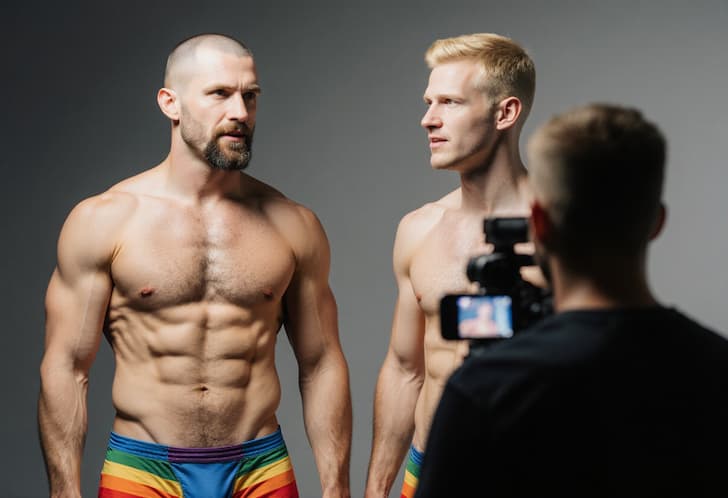
Gay men are making TV and movies more real and more inclusive. Instead of playing only comic relief or background characters, they’re writing, directing, and starring in major productions. Shows like "Pose" and "Queer as Folk" offer complex, three-dimensional gay characters, while openly gay creators like Ryan Murphy and others are behind some of the most talked-about series and films.
When I watch shows produced by or starring gay men, I see characters that reflect real lives. Sometimes they’re messy, sometimes funny, but always human. This visibility helps break apart harmful stereotypes and opens up conversations about what it means to be gay or queer.
Real Changes in Storytelling
- Building authentic gay characters who are more than just their sexuality
- Highlighting intersectional experiences, including race, gender identity, and class
- Increasing the number of gay creators at the helm of major productions
These changes make stories richer and more relatable for everyone, not just members of the LGBTQ+ community.
The success of openly gay actors has also helped turn the tide. Oscar winners and critically acclaimed performances show that gay men can play any role, from romantic leads to superheroes. Audiences benefit from a wider range of performances that reflect the reality of modern life. Plus, writers’ rooms and directing teams with LGBTQ+ voices are breaking new ground on what’s possible in storytelling—moving hearts and minds on and off screen.
4. Reinventing Language and Slang
Much of today’s pop culture slang started within gay and queer communities. Words like “shade,” “read,” “slay,” and “yas queen” went from subcultures to mainstream internet lingo, thanks in part to shows like "RuPaul’s Drag Race" and viral social media moments.
I use these words myself, and it’s wild to see them appear in commercials or hear people who aren’t LGBTQ+ quoting them. Gay men, especially within Black and Latinx drag and ballroom scenes, have given the wider world new ways to express humor, confidence, and community. The mainstream adoption of this slang helps broaden language and builds new forms of connection across different backgrounds.
How Slang Spreads
- Social media amplifies trends at lightning speed
- TV shows and influencers introduce new words to wider audiences
- Culture switches up as language encourages acceptance and playfulness
I find it encouraging when words meant to build people up cross over into everyday language, making all kinds of conversations more fun and inclusive.
It goes even further: social media platforms have built entire communities around these expressions. TikTok, YouTube, and Instagram are overflowing with references, memes, and remixes based on queer slang. Younger generations especially pick up on these words and phrases, sparking further creativity and blending cultures. It’s not just about fun—sometimes, the language brings comfort or pride to someone who finally sees themselves reflected in the words around them.
5. Sparking Activism and Social Change
Gay men often use their platforms to speak out for equality, not just for the LGBTQ+ community but for many marginalized groups. Activists like Harvey Milk, Larry Kramer, and current voices like Billy Porter, Jonathan Van Ness, and others prove that pop culture influence can go hand in hand with fighting for justice.
I’ve participated in Pride marches, supported HIV/AIDS awareness campaigns, and seen firsthand how creative activism works. Music, art, and performance become powerful tools to reach wide audiences and rally support. When celebrities join these causes, they draw in people who might not otherwise listen, making social change more visible and urgent.
Examples of Gay Men Driving Activism
- Creating movements through TV, music, and digital platforms
- Helping advance same-sex marriage laws and anti-discrimination protections
- Supporting efforts for mental health, racial justice, and HIV/AIDS research
I see activism as a bridge connecting pop culture influence with real changes in society, often in ways that are artistic, bold, and hopeful.
Gay men have also helped establish key organizations, put together marches, and write powerful speeches. Solidarity between LGBTQ+ activists and allies continues to spread the word about wider issues—immigration, police reform, disability rights, and environmental causes. Their creative talents mean protests and awareness campaigns often involve music, visual arts, and performances that leave a lasting mark on supporters and lawmakers alike.
6. Shaping the Digital and Social Media Landscape
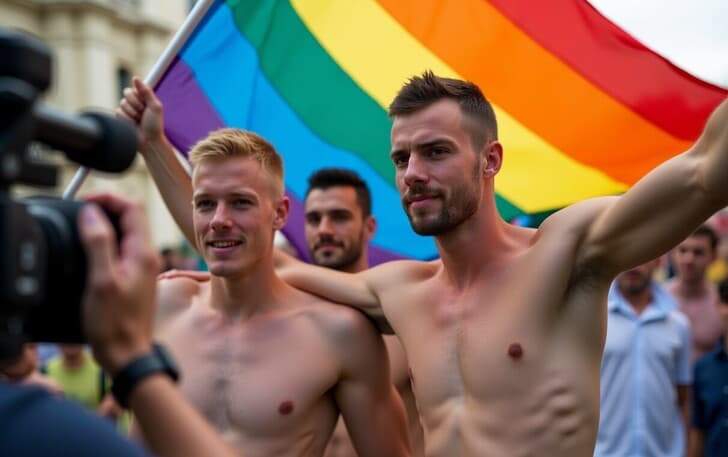
Gay men have changed the way people connect and share online, especially through platforms like TikTok, Instagram, and YouTube. Influencers such as Tyler Oakley, Troye Sivan, and Matt Bernstein entertain, educate, and challenge norms, sometimes reaching millions of followers with a single post.
I follow a number of queer content creators who use their platforms not just for entertainment, but also to talk about mental health, body positivity, and coming-out experiences. They create tightnet online communities that offer safe spaces, resources, and genuine connection, even for people who might feel isolated in their offline lives.
The Impact of Online Influence
- Providing representation for young people exploring their identity
- Offering educational content about sexuality, health, and history
- Normalizing conversations about difficult topics
For me, social media is where I’ve found some of my strongest support and inspiration, thanks to the openness and creativity that so many gay men bring to these platforms.
Social media has also allowed people from all corners of the world to connect. Online campaigns make it easy for someone in a less accepting place to find hope, learn about LGBTQ+ history, and safely join conversations. Viral trends and hashtags celebrate queer achievements and visibility. This digital presence helps set the bar and gives a boost to the next generation of creators—showing that your voice and story matter no matter where you live.
7. Inspiring Change in Sports and Fitness
Sports isn’t always seen as the most welcoming space for gay men, but that has been changing. Out athletes like Gus Kenworthy, Tom Daley, and Carl Nassib prove that success is possible no matter your sexuality. Beyond high-profile athletes, there are countless local leagues, fitness groups, and online communities that welcome everyone.
When I play in inclusive sports leagues or take part in LGBTQ+ fitness events, I notice how these environments work to break down old myths about what gay men “should” or “shouldn’t” be interested in. Leadership, teamwork, and athletic ability are celebrated without old biases, inspiring more people to participate in sports and push for fairness in athletics at all levels.
Changes in the Sports World
- Spotlighting out athletes across every type of sport
- Promoting inclusive policies by teams, leagues, and organizations
- Supporting grassroots movements for equality and participation
Being part of these changes, even on a small scale, reminds me how much room there is to grow and how sports can become a place where everyone finds acceptance.
Organizations like the Gay Games and LGBTQ+ sports clubs help set the stage for bigger conversations about diversity in athletics. These spaces allow athletes to compete without fear of discrimination, forming lifelong friendships and proving talent knows no boundaries. Each year, more coaches, fans, and athletes join conversations about respect and inclusion, showing that sports truly can be a place where everyone belongs.
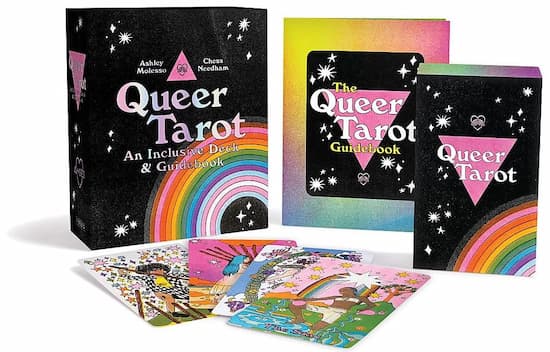
The Queer Tarot: An Inclusive Deck and Guidebook
Tarot deck and guidebook set for LGBTQ+, created by queer and trans artist team Ash + Chess.
We earn a commission if you click this link and make a purchase at no additional cost to you.
Final Thoughts
Gay men have helped build pop culture in ways that go way beyond old stereotypes. Through music, fashion, media, activism, digital spaces, and sports, the contributions are everywhere, and always growing. Sharing my own experiences and watching others do the same has taught me that cultural influence isn’t about fitting a mold. It’s about being honest and creative while supporting others to do the same.
I hope these seven ways make it clear just how much is possible when people are free to be themselves. Every day, a new boundary gets moved, a new voice is heard, and a new connection is made. If you look around, you’ll spot these influences in your favorite songs, what you see on TV, or even the way you talk. Pop culture is always changing—and it’s better for everyone when all voices are welcome.