

Digital mailboxes usually resemble a cluttered closet full of bills and unwanted advertisements for items you never bought. Small moments of genuine connection often get lost in the sea of noise that defines our modern existence. Physical mail takes effort that most people lack when the clock is ticking toward a heavy deadline. Free e-cards bridge the gap between complete silence and the labor of finding a stamp.
A simple link contains more weight than a thousand text messages sent in a hurry. You find that a pixelated cat doing a backflip conveys a mood better than any formal letter. Electronic greetings serve as a digital handshake in a world where we rarely touch hands. People appreciate the flicker of a screen that says a name they recognize. Your inbox deserves a break from the monotonous grind of work-related threads and notifications. Let us look at the strange world of online greetings that cost nothing but a click.
The Psychology of the Inbox Ping
Dopamine hits your brain when a new message notification appears on your phone screen. Curiosity drives you to tap the link despite the risk of a spam trap. Personal names stand out against the background of corporate logos and legal disclaimers. Digital cards act as a sudden spark in an otherwise dull afternoon of spreadsheets. You feel a sense of relevance when someone takes the time to select a particular visual for you.
Humans crave the feeling of being seen by peers and family members. Most digital interactions feel hollow because they lack the weight of a thoughtful choice. Selection of a card shows that you paused your own life to think about another person. Sincerity survives even when it is transmitted through a fiber-optic cable across the ocean. Recipients often keep the tab open for days as a small reminder of a social connection.
Silence creates a vacuum that doubt usually fills with negative assumptions and fears. Break that silence with very little energy when a website handles the heavy lifting. You maintain a presence in the minds of others without writing a novel. Small gestures prevent the slow decay of distant acquaintances and old friendships. Electronic mail becomes a vessel for a sentiment that words alone often fail to carry.
Send a card on a Tuesday for no reason at all to surprise a friend. Your friend will likely appreciate the randomness of the gesture more than a scheduled holiday greeting.
Pick a card with a joke that only your brother would find funny. You prove that you remember the internal jokes that make your family history distinct.
Add a sentence about a memory you both have from five years ago. Personal details turn a generic template into a piece of digital history that feels real.
Use the scheduled send feature to arrive exactly at midnight for a birthday. You look like a dedicated friend while you are actually fast asleep in your own bed.
Select a minimalist design to show that you appreciate a clean aesthetic. Visual choices speak volumes about your own personality and the way you view the recipient.
Low-Fidelity Art as a Modern Language
Visuals communicate much faster than the written word in a high-speed world. Small animations capture the eye and hold the attention for a few fleeting seconds. Aesthetics on free websites range from professional illustrations to crude drawings that have a certain charm. You choose a style that reflects the nature of your relationship with the person on the other end. Pixel art and flat icons create a mood that feels modern yet comfortably nostalgic for the early internet days.
Creativity flourishes when you have thousands of templates to browse at your leisure. Every color choice and font style contributes to the message you wish to send. You are able to find a card for every possible mood without spending a single penny. Artistic expression is democratized when anyone with a browser has the ability to send a masterpiece. Graphic designers across the globe contribute to these libraries to keep the options fresh and interesting.
Simplicity often wins over complex designs that take too long to load on a mobile device. You want the recipient to see the message immediately without waiting for a heavy file to download. Flashy effects distract from the core sentiment you are trying to transmit. Clean lines and bright colors make the card easy to read on a small screen. Your choice of imagery tells a story before the text even enters the frame.
Choose a GIF that repeats a funny motion to make the recipient laugh out loud. Humor is a universal way to bridge the distance between two people who haven't spoken in months.
Match the color of the card to the favorite shade of the person you love. Subtle details like color preference show that you pay attention to the small things in life.
Look for hand-drawn styles if you want to convey a sense of warmth. Rough edges feel more human than the cold precision of computer-generated vectors.
Opt for a vintage look to remind an older relative of the paper cards of the past. Nostalgia acts as a bridge between the digital present and the physical history of your family.
Select a card with a blank space so your words remain the center of attention. Focus on the message rather than the flashy decorations surrounding the text.
The Social Etiquette of the Click-Through
Response times dictate the flow of social standing in our hyper-connected society. You feel a flutter of anxiety when you send a link and wait for the "opened" status. Digital manners suggest that a card should be acknowledged with at least a brief reply. Electronic greetings remove the pressure of a long conversation while still maintaining a link. You avoid the awkwardness of a phone call by using a visual medium instead.
Timing is everything when you want to make an impact on a busy person. Early morning sends often get buried under the mountain of work emails. Late evening arrivals feel more personal and relaxed as the world slows down. You are able to control the narrative of your interaction by picking the perfect moment. Social norms are shifting to accept these digital tokens as valid forms of appreciation.
Repetition of the same card to different people is a risky move that could backfire. You should treat each send as a separate act of curation for a specific individual. Discovery of a duplicated message ruins the illusion of personal effort. Honesty in your selection process creates a stronger sense of connection. Your reputation as a thoughtful friend depends on the variety of your digital output.
Check the spelling of the recipient's name twice before hitting the send button. Errors in a name suggest a lack of care that undermines the entire point of the greeting.
Wait a few days after a big event to send a "thinking of you" card. Your message will stand out more when the initial flurry of attention has faded away.
Avoid sending group cards unless the occasion specifically calls for a collective voice. Individual messages feel much more tailored to the person receiving them.
Write a subject line that sounds like a human rather than a robot or an ad. Personal touches in the email header increase the chances that your link will be opened.
Keep your message brief and punchy to respect the time of the reader. People appreciate a sentiment that they are able to digest in under thirty seconds.
Seasonal Panic and the Digital Solution
Holidays often arrive faster than your ability to visit the post office for supplies. Stress builds up when you realize that a physical card will not arrive on time. Free e-cards offer a safety net for the disorganized but well-meaning individual. You bypass the long lines and the rising costs of stamps with a few clicks. Instant delivery ensures that your holiday wishes arrive before the day is over.
Last-minute solutions do not have to feel cheap or rushed if you choose wisely. You find high-quality designs that look just as good as the ones in the store. Digital libraries categorize cards by event to help you find what you need in seconds. Pressure to be perfect disappears when you have a thousand backups at your fingertips. You are able to handle an entire list of relatives in the time it takes to brew a cup of tea.
Tradition evolves to meet the needs of a mobile and global population. Family members living in different time zones receive your greetings simultaneously. You save trees and reduce waste by opting for a paperless alternative. Modern celebrations rely on these digital shortcuts to keep the spirit alive. Your laptop becomes a portal to a world of endless festive options.
Browse the holiday section a week early to pick the best designs before the rush. Early bird selection gives you more time to write thoughtful notes for each person.
Set up a reminder on your phone to send cards on the morning of a major holiday. Organization prevents the guilt of forgetting a sibling or a close friend during a busy season.
Look for cards that include a music clip to add a festive atmosphere to the screen. Sound adds an extra layer of sensory experience to a flat digital image.
Verify that the website works on both desktop and mobile browsers. Accessibility ensures that your elderly aunt is able to see the card as easily as your tech-savvy cousin.
Save your favorite templates in a folder to use them again next year. Efficiency helps you maintain traditions without starting from scratch every single time.
Nostalgia in a Flat Interface
Memory triggers are often hidden in the visual styles of old-school internet sites. You remember the excitement of the first time you received an electronic greeting in the late nineties. Modern sites often pay homage to these simpler times with retro graphics and fonts. Skeuomorphic designs remind you of the physical world of paper and envelopes. You feel a connection to the past while using the technology of the future.
History of a friendship is often archived in the sent folder of your email account. You are able to look back at years of greetings and see how your tastes have changed. Digital artifacts serve as a timeline of your social interactions over the decades. Restoration of old connections happens when you send a card that references a shared past. Your screen becomes a window into a different era of your life.
Simple interfaces allow the content to shine without unnecessary bells and whistles. You do not need a high-end computer to enjoy the sentiment behind a digital card. Accessibility is a key feature of the free e-card movement across the globe. Everyone is able to participate in the exchange of kindness regardless of their hardware. Your hardware might be new, but the feelings remain timeless and ancient.
Search for a card that looks like a 1950s postcard for a classic feel. Retro styles evoke a sense of permanence and history that modern designs often lack.
Mention a specific year in your message to ground the card in a real memory. Temporal markers help the recipient visualize the era you are talking about.
Use a font that looks like a typewriter to give the message a formal touch. Typography influences the way a person hears your voice in their head while they read.
Find a card with a traditional floral pattern to mimic the style of a physical stationary set. Classic motifs provide a sense of comfort and familiarity to the viewer.
Keep the background music simple to avoid overwhelming the nostalgic mood. Subtle sounds are more effective at evoking a memory than loud or complex tracks.
Reviewing the Archive of Old Words
Storage of digital sentiments requires no physical space in your home or office. You are able to save thousands of messages without cluttering your desk or your drawers. Search functions allow you to find a specific word or date in seconds. Archiving your sent cards creates a diary of your social efforts and successes. You see the evolution of your own personality through the lens of what you chose to send.
Loss of physical mail is a common tragedy during a move or a fire. Digital backups ensure that your words stay safe in the cloud for years to come. You are able to revisit a message from a deceased relative and feel their presence again. Technology preserves the ghost of a conversation in a way that paper cannot manage. Your inbox is a graveyard of good intentions and beautiful memories.
Deletion is a choice that gives you control over your digital footprint and history. You are able to remove the traces of relationships that no longer serve your happiness. Privacy matters when you are sharing personal thoughts and feelings online. Curation of your digital past is a form of self-care in a world that forgets nothing. Your ability to edit your history is a secret strength of the electronic medium.
Print out your favorite digital cards to keep a physical copy in a scrapbook. Tangible versions of digital art create a hybrid memory that bridges two different worlds.
Organize your inbox into folders based on the person who sent the greeting. Categorization makes it easier to track your relationships over a long period of time.
Take a screenshot of a card before the link expires to keep it forever. Screen captures are a quick way to preserve a fleeting moment of digital kindness.
Check the expiration date of the card link to ensure you don't lose the content. Many free sites only host the card for thirty days before deleting it from the server.
Reply to an old card to restart a conversation that died out months ago. Reviving a thread shows that you still value the connection and the person.
Unexpected Humor as a Social Lubricant
Laughter breaks the ice in a way that a thousand polite sentences could never achieve. You find that a witty card does the work of an apology or a reconciliation. Sarcasm and irony are difficult to convey in a text but easy in a visual. Digital greetings provide a safe space for humor that might be misinterpreted in person. You use the joke as a shield and a bridge simultaneously.
Comedy is a subjective experience that depends on the shared history of two people. You are able to send a "bad" card on purpose to make a friend roll their eyes. Irony is a staple of the internet and the free e-card market specifically. Low-budget animations often become funnier because of their lack of polish and high-end production. Your sense of humor is a signature that you leave on every digital interaction.
Pranks and gags are easier to pull off when you have a library of funny templates. You are able to send a fake "congratulations" for something mundane like waking up on time. Playfulness keeps a relationship fresh and prevents it from becoming a chore. Humorous cards show that you don't take yourself too seriously in a world of ego. Your friends will appreciate the levity in a sea of serious news and work updates.
Pick a card with a talking animal to deliver a ridiculous message. Talking pets are a classic trope that rarely fails to get a smile from a tired friend.
Send a card for a fake holiday like "International Pizza Day" to be silly. Inventing reasons to connect makes you a more interesting person to know.
Use a card with a pun to show off your love of wordplay and wit. Puns are a quick way to demonstrate intelligence while being completely absurd.
Select a card that mocks the concept of e-cards themselves for an ironic twist. Meta-humor is popular among younger generations who appreciate self-aware jokes.
Match a funny card with a very serious and heartfelt personal message. Contrast creates a memorable experience that the recipient will talk about later.
Privacy and the Ghost of Data Tracking
Information is the currency of the internet, even on sites that claim to be free. You should be aware of what happens to your email address when you sign up. Tracking cookies follow your movements across the web after you leave the site. Privacy policies are long and boring, but they contain the rules of the game. You are the product when the service costs nothing to use in the real world.
Identity theft is a risk that you must manage when entering personal details online. Use a secondary email address to keep your main inbox safe from potential spam. Encryption is a key feature to look for if you are sending sensitive information. You should trust your instincts if a site looks suspicious or asks for too much. Safety is your own responsibility in the wild west of the digital frontier.
Adware often hitches a ride on free services to pay for the hosting costs of the site. You see banners and pop-ups that try to sell you things you do not need. Blocking these ads can improve your experience but might hurt the site owner. Balance your need for privacy with your desire for a free and easy service. Your digital health depends on your ability to spot a bad deal from a mile away.
Read the fine print before you agree to share your contact list with a site. Automated invites can annoy your friends and make you look like a spammer.
Check for a padlock icon in the browser bar to ensure the site is secure. Security certificates protect your data from being intercepted by hackers on the network.
Opt out of marketing emails as soon as you send your first card. Unsubscribing keeps your inbox clean and prevents you from being distracted by sales.
Use a VPN to hide your location from the tracking scripts on the page. Anonymity is a powerful way to stay safe while browsing the open web for cards.
Avoid putting your home address or phone number in the text of the card. Keep the message limited to things that would not be useful to a stranger.
Customization Without a Design Degree
Tools for editing on free sites are designed for the average person with no skills. You are able to change the colors and fonts with a simple slider or a menu. Personalization happens when you upload your own photo into a digital frame. Logic dictates that a card with your face on it is harder to ignore than a generic one. You become the creator of your own digital media without opening a complex program.
Layouts are pre-arranged to ensure that your card looks good regardless of your choices. You do not need to worry about white space or alignment when a computer does it. Templates act as a starting point for your own imagination to take over the screen. Variety in font selection allows you to set the tone from formal to casual. Your ability to customize a card makes it feel more like a gift and less like a link.
Feedback from the interface helps you avoid mistakes like overlapping text or bad colors. You see a preview of exactly what the recipient will see on their end of the connection. Mistakes are easy to fix before you commit to the final send button on the page. Confidence grows as you realize how easy it is to make something that looks professional. Your creative side gets a workout without the frustration of learning a new trade.
Upload a photo of a shared pet to make the card feel like a family message. Pets are a neutral and happy topic that everyone enjoys seeing in their inbox.
Change the background color to match the theme of the specific occasion. Blue for a cold winter day or yellow for a sunny birthday makes a difference.
Experiment with different font weights to emphasize certain words in your note. Bolding a name or a date helps the reader find the most important part of the message.
Add a digital sticker to the corner of the card for a bit of extra flair. Stickers are a fun way to add a layer of personality without much effort.
Use a photo of a place you both visited to trigger a specific memory. Visual reminders of travel or shared experiences are very effective at building links.
The Irony of Mass-Produced Sentiments
Originality is hard to find in a database used by millions of people every single day. You might find that your card is the same one your friend received yesterday. Clichés fill the text boxes of many free templates because they are easy to write. You must work harder to find a card that feels genuine and fresh to the viewer. Irony lies in the fact that we use mass-media to express our most private feelings.
Saturation of the market means that you have to be a better curator than the average user. You filter through the junk to find the one design that actually means something real. Quality varies wildly between different websites and their different artists and styles. You are a scout looking for a diamond in a field of glass and plastic. Your taste is the only thing that separates your message from a mountain of spam.
Humanity survives in the margins where you add your own voice to the machine. A template is just a skeleton that you dress with your own particular style of speech. You breathe life into a static image by adding a detail that only you would know. Technology provides the platform, but you provide the soul of the interaction. Your card is a collaboration between a programmer you never met and your own heart.
Rewrite the default text entirely to avoid sounding like a Hallmark commercial. Your own voice is much more valuable than a professional writer's polished rhymes.
Look for cards on page ten of the search results to find less common designs. Digging a little deeper ensures that your card won't be the same as everyone else's.
Combine two different ideas in your message to create a unique perspective. Mixing humor with a deep thought makes the message more complex and interesting.
Choose a card that is slightly off-topic to show that you aren't just following a script. An autumn-themed card for a spring birthday shows a deliberate and quirky choice.
Mention a book or a movie that the recipient likes to show you know them. Referencing pop culture adds a layer of personalization that a template cannot provide.
Timing Your Digital Arrival
Geography no longer dictates the speed of your social life or your family links. You send a card from a train in London to a phone in Tokyo in a heartbeat. Time zones are the only remaining hurdle in the way of instant gratification and news. You should consider the local time of the person who will receive the notification. Sending a card at three in the morning might wake someone up if their phone is on.
Schedules allow you to be a better friend without having a better memory than you do. You are able to set up a year's worth of cards in a single afternoon of work. Automation handles the delivery while you are busy with the tasks of your daily life. You never have to apologize for a late birthday wish again if you plan ahead. Your future self will thank you for being so organized and thoughtful today.
Spontaneity is the opposite of a schedule but carries its own special weight and power. A card sent because of a sudden thought feels more "real" than a scheduled one. You catch people off guard with a message that has no specific occasion or reason. Random acts of digital kindness are the best way to keep a relationship vibrant and alive. Your ability to act on a whim is a sign of a healthy and active mind.
Check the time zone of your friend before you hit the final send button. Respecting someone's sleep schedule is a subtle form of politeness in the digital age.
Use the "send later" feature for holidays that happen while you are on vacation. Planning ahead ensures that you don't disappear from the social map during your break.
Send a "good luck" card an hour before a friend has a big job interview. Real-time support shows that you are thinking about them when it matters most.
Avoid sending too many cards in a short period to prevent being seen as a nuisance. Moderation is key to making sure each message retains its value and impact.
Follow up a digital card with a text message to confirm they received the link. Sometimes email filters swallow e-cards, so a quick check is a good idea.
Animation as a Substitute for Presence
Movement on a screen mimics the life that we often lack in text-based communication. You see a virtual candle flicker and it feels a little bit like a real one. Animated characters act out the emotions that you are unable to show in person. Motion captures the human eye and holds it longer than a still image ever could. You use these small movies to bridge the physical gap between your house and theirs.
Soundscapes add a second dimension to the visual experience of a digital greeting card. You hear the rustle of leaves or the pop of a champagne bottle in your ears. Audio triggers memories and emotions that a silent picture would miss entirely. You should be careful with sound, as it can be annoying in a quiet office environment. Your choice of music sets the emotional stage for the words that follow the animation.
Video cards are the next step in the evolution of the free e-card industry today. You are able to record yourself speaking and embed it into a digital frame for others. Seeing a face and hearing a voice is the closest thing to being there in person. Technology shrinks the world until your best friend is just a click away from you. Your presence is felt even when your body is miles away in a different city or country.
Select a card with a loading animation that builds anticipation for the message. Suspense makes the final reveal of the text more satisfying for the reader.
Choose a subtle animation like falling snow for a peaceful and calm effect. High-speed movement can be stressful, but slow motion is often very relaxing to watch.
Check the volume of the audio clip before you send it to an unsuspecting friend. You don't want to startle someone with a loud song in the middle of a quiet day.
Look for interactive cards where the user has to click to open the envelope. Interaction makes the recipient feel like an active participant in the greeting process.
Use a video card for major milestones like an engagement or a new baby. Moving images capture the excitement of a big life change better than a still photo.
Reviewing the Archive of Old Memories
Reflecting on the digital trail you leave behind is a sobering and interesting exercise for anyone. You see the names of people who were once central to your life but have now faded. Electronic cards act as a sort of ledger for your social life over the years. You are able to trace the rise and fall of your relationships through your sent items. Your history is written in pixels and stored on a server in a cold room.
Maintenance of your digital archive is a task that few people take seriously in the modern era. You should delete the things that no longer bring you any value or positive thoughts. Keeping every single link forever creates a mess that is hard to manage or enjoy. Curation of your past is a way to make room for the new people you will meet. Your digital space reflects your mental state and your current priorities in life.
Recovery of a lost message can be a powerful emotional experience for a person in mourning. You find an old card from a grandparent and hear their voice in the written words again. Digital eternity is a strange concept that we are still trying to figure out together. Information stays alive as long as there is a server to host it and a person to look. Your legacy is partly made of the small things you sent to others while you were here.
Save the text of particularly meaningful cards in a separate document for safety. Servers go down and companies go out of business, so backups are key for history.
Look at your sent folder once a year to see who you have neglected lately. A quick review helps you identify friendships that need a little bit more attention.
Delete cards from people you no longer talk to to clear your mental clutter. Letting go of the past is easier when you don't have a digital reminder of it.
Share a screenshot of an old card with a friend to spark a new conversation. Recalling a shared moment from years ago is a great way to strengthen a link.
Note the dates of your most active sending periods to see your social patterns. You might find that you are much more social in the winter than in the summer.
The Hidden Economy of Free Websites
Nothing is truly free in a world that requires electricity and hardware to function properly. You pay for your cards with your attention and your data and your time online. Websites use your traffic to attract advertisers who want to sell you their products. Understanding this system helps you use it without being manipulated by the machine. You are a participant in a global market of sentiment and information every day.
Developers work behind the scenes to keep the code running smoothly for your convenience. You benefit from their hard work every time a card arrives in an inbox on time. Servers require constant cooling and maintenance to handle the millions of requests they receive. The "free" price tag is a marketing choice made to build a large user base quickly. You should appreciate the infrastructure that allows you to send kindness for no cost.
Competition between sites keeps the quality high and the features growing for the users. You have thousands of options because different companies want your clicks and your data. Innovation in the e-card space happens because of the desire to be the best and the most used. You are the judge of which site wins the battle for the most popular digital greeting. Your choice of platform matters more than you think in the long run of the internet.
Support sites that have fewer intrusive ads by using them more often than others. Rewarding good behavior with your traffic helps improve the quality of the web.
Consider a small donation to a truly free site that doesn't track your data. Some non-profit sites exist solely to help people connect without a profit motive.
Read the "About Us" page to see who is actually running the website you use. Knowing the source of the service helps you decide if they align with your values.
Avoid clicking on the "recommended" links that lead to third-party sales sites. Stay focused on your goal of sending a card rather than being distracted by ads.
Tell your friends about a high-quality site that doesn't ask for a credit card. Word-of-mouth is the best way to help good services grow and stay alive online.
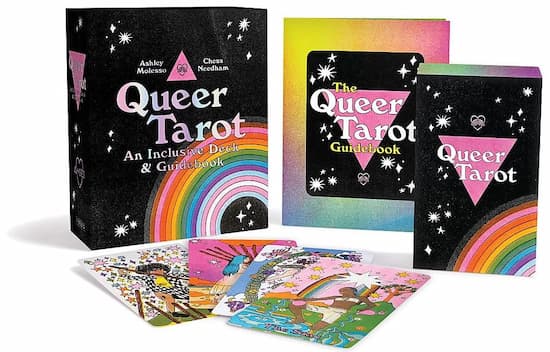
The Queer Tarot: An Inclusive Deck and Guidebook
Tarot deck and guidebook set for LGBTQ+, created by queer and trans artist team Ash + Chess.
We earn a commission if you click this link and make a purchase at no additional cost to you.
Future Proofing Your Digital Sentiments
Technology changes at a pace that makes yesterday's files unreadable to tomorrow's computers. You might find that the card you sent today won't open in five years because of a code change. Planning for the future means using formats that are likely to stay around for a while. JPGs and GIFs are standard for a reason and will probably survive the next decade. Your digital legacy depends on the stability of the formats you choose to use.
Evolution of communication will likely lead to more immersive and three-dimensional greetings. You might one day send a holographic card that appears in the middle of a room. Virtual reality will change the way we think about "sending" a message to another person. The core desire to be seen and appreciated will remain the same throughout history. Your ability to adapt to new systems will keep your social links strong and vibrant.
Simplicity is the best defense against the rapid obsolescence of digital technology and hardware. A plain text message with a simple image is more likely to survive than a complex app. You should value the message more than the medium in which it is currently delivered. Sincerity is a universal language that doesn't need a specific operating system to function. Your heart is the most important part of any card you will ever send to another.
Keep a list of your most important messages in a physical notebook just in case. Paper is still the most reliable way to store information for more than a century.
Update your email address on your favorite sites if you change your service provider. Losing access to your account means losing access to your history of sent cards.
Try new technologies as they emerge to stay ahead of the social curve. Being an early adopter allows you to define the etiquette of the future for others.
Avoid using "bleeding-edge" features that require a specific piece of hardware to see. You want your message to be accessible to everyone, not just people with the newest phone.
Focus on the words you write as they are the only part that is truly yours. Imagery is a gift from the artist, but the sentiment comes directly from your mind.
Free Greeting ECards Site
The world of free e-cards is a strange and beautiful corner of the digital universe that we often take for granted. You have the ability to reach across the globe and touch someone's life with a simple click and a laugh.
These pixelated tokens are more than just data; they are the modern equivalents of the letters and cards that have kept humanity connected for centuries. We live in an era where kindness is free and instant, yet we often forget to use the systems at our disposal. Your inbox can be a source of frustration or a gallery of love and friendship depending on how you use it.
Take a moment today to send a link to someone who isn't expecting to hear from you. You might find that a small animation is exactly what they needed to get through a difficult afternoon. The future of connection is in your hands, and it starts with a single, thoughtful choice.

I think you send paper cards because it’s a tradition and it’s easy to do. Also you hand-write. Digital card doesn’t feel like human. You want to make sure it’s not done by the robot and it’s done by the human manually somewhere in your gift.
if I have to send a greeting card digitally maybe I’ll also call the person and say I sent it. When I communicate with somebody I make sure it’s not all digital.
Thanks Nicholas, that’s a good point paper greeting cards being handwritten. It would be hard to allow users to ‘handwrite’ digitally… Each user would have to have a facility for that in today’s technology. Thanks for your contribution!
It’s so brave of you to start a service like that for free. I guess you are looking for corporate supporters yes?
Sending a paper greeting card is actually easier for me because I can just pop over to a card store on the way home or whenever. There’s a joy to pick up the cards and compare with my hands.
If I had to send a card digitally perhaps I would like a bigger space to write in (more number of letters allowed) some digital cards allow up to like 200 letters that is pathetic. Oh and emoji enabled.
Good luck, good job.
Hey Ray, I like sending ecards, my REAL problem is that as you say, there are so many card companies and not one of them stand out from the crowd. 1-2-3 Cards is probably famous but only because it’s been there for years.
You know what, I’d like an ecard site that supports LGBT more than ever 🙂
Look forward to your progress, Ray.
Martin
Hi Martin, thanks for your opinion, I appreciate it. Yes there are many ecard sites, and some of them support LGBTQ community and offer many same-sex relationship ecards for free. It’s still a planning stage but I’m sure the site will be fully LGBTQ friendly. Thanks Martin for your visit!