

Actions create the bedrock of lasting partnerships. When someone shows up consistently - not just during the highlight reel moments, but through mundane Tuesday mornings and difficult conversations - that speaks volumes. The man who remembers your coffee order after three months says more than a thousand "I love yous." His hands speak fluency in the language of care when he fixes the squeaky door hinge without mentioning it, or when he texts you during your stressful work presentations just to say he's thinking of you.
Reliability becomes the quiet hero of long-term relationships. Your partner doesn't need to be perfect, but he needs to be predictable in his commitment to showing up. This means following through on promises, both big and small. If he says he'll pick up groceries, the groceries appear. If he commits to a difficult conversation, he doesn't dodge it when the moment arrives. These seemingly simple acts build a foundation of trust that allows vulnerability to flourish.
The most profound gestures often happen when no one is watching. How does he treat service workers? Does he speak kindly about your friends when you're not around? Does he handle stress with grace or does he lash out at whoever is nearby? These private moments reveal character more accurately than public declarations of love ever could. A man's true nature emerges not in the spotlight, but in the shadows where he thinks nobody is keeping score.

Besides money, what does a good man provide in a marriage?

2 weeks. No internet. Unlimited food. Yes or No?
Consistency Over Grand Gestures
Daily choices matter more than Valentine's Day extravaganzas. Small acts of consideration - taking out the trash without being asked, listening without offering solutions, defending your partner when they're not in the room - these build trust brick by brick. The Instagram-worthy moments grab attention, but the unremarkable Tuesday afternoon when he brings you soup while you're sick creates the real intimacy. These micro-investments compound over time like interest in a savings account.
Romance lives in routine more than in surprise weekend getaways. The way he makes space for your morning ritual, how he adjusts his schedule to accommodate your therapy appointments, or the fact that he always lets you have the last piece of pizza - these patterns create safety. Your nervous system learns to relax because it knows what to expect. Predictability in kindness allows both people to lower their guards and show up authentically.
Consistency also means showing up with the same energy regardless of external circumstances. Bad days at work don't become permission to treat your partner poorly. Stress doesn't excuse emotional unavailability. The strongest relationships are built by people who maintain their standards for how they treat each other even when life gets complicated. This doesn't mean being fake or suppressing genuine emotions - it means taking responsibility for how those emotions affect the person you've chosen to share your life with.
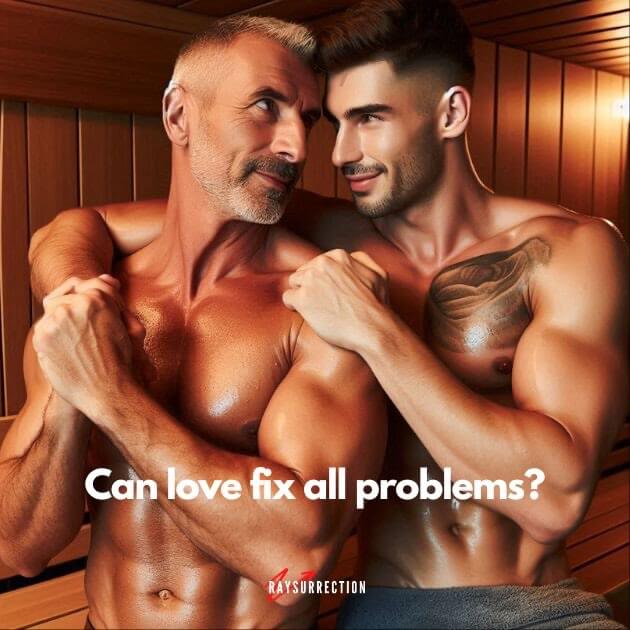
Can love fix all problems?

Be whoever makes sense today.
Emotional Labor Distribution
Both partners need to carry the mental load of the relationship. Planning dates, remembering anniversaries, checking in with each other's families, scheduling difficult conversations - when one person handles all the emotional architecture, resentment grows. The person doing all the heavy lifting starts feeling like a parent rather than a partner, while the other person remains oblivious to how much work goes into maintaining their shared life.
Emotional labor includes the invisible work of managing feelings - yours, your partner's, and those of everyone in your social circle. This means remembering that his mother gets anxious around holidays and proactively addressing it. This means noticing when your partner seems overwhelmed and creating space for him to decompress without having to ask for it. This means being the one who initiates difficult conversations about money, future plans, or relationship issues instead of waiting for problems to explode.
The distribution doesn't need to be perfectly equal, but it needs to be conscious. Maybe one person is naturally better at remembering social obligations while the other excels at financial planning. The key is recognizing these different forms of labor and appreciating them equally. Both people should feel like active participants in creating their shared life rather than one person doing the work while the other person benefits from it.

Love.s the best kind of positive.

Do you prefer giving or receiving love?
Conflict as Connection
Arguments aren't relationship killers; avoiding them is. Two people who never disagree either don't know each other well or one person has completely surrendered their voice. Healthy friction creates intimacy when handled with respect. The goal isn't to win fights, but to understand each other better through them. Every disagreement becomes a chance to learn something new about your partner's values, fears, or perspectives.
Productive conflict requires both people to stay curious about each other's experience rather than getting defensive about their own position. This means asking questions like "Help me understand why this matters so much to you" instead of immediately explaining why the other person is wrong. It means taking breaks when emotions get too heated and returning to the conversation when both people can listen again. It means fighting about the specific issue at hand rather than dragging up every past grievance.
The repair process after arguments often creates more intimacy than smooth sailing ever could. When two people can hurt each other, take responsibility, forgive, and move forward stronger than before, they build confidence in their ability to weather future storms. Each successfully resolved conflict becomes evidence that the relationship can handle whatever comes next. This creates a cycle where both people feel safer being honest about their needs and concerns because they trust the relationship to survive disagreement.

Do you still have or have you ever had a landline?

If you could go to Mars tomorrow would you?
Individual Identity Preservation
The strongest couples maintain separate interests, friendships, and dreams. Codependency masquerades as romance, but losing yourself in another person creates an unstable foundation. You both need stories to tell each other at dinner. When two people merge completely, they lose the mystery and growth that keeps relationships interesting. Individual pursuits create space for personal development that ultimately benefits the partnership.
Separate friendships provide perspective and support that no single person should be expected to provide. Your partner doesn't need to be your therapist, your adventure buddy, your intellectual equal in every area, and your social coordinator all rolled into one. Having friends who knew you before the relationship and friends who share interests your partner doesn't care about keeps you connected to different aspects of yourself. These relationships also provide reality checks and support during rough patches in your romantic relationship.
Personal goals and dreams give both people something to work toward beyond the relationship itself. This might mean career ambitions, creative projects, fitness goals, or learning new skills. When both people are growing and changing as individuals, they bring fresh energy and perspectives back to their shared life. Stagnation kills relationships faster than conflict ever will, so maintaining individual momentum becomes a gift to the partnership.
Essential Oils Set - Chosen For You
We earn a commission if you click this link and make a purchase at no additional cost to you.
Financial Transparency
Money conversations reveal values, fears, and priorities. Partners who hide spending, debt, or financial goals from each other build walls instead of bridges. Complete honesty about money creates space for shared decision-making. Financial secrets create distance because they require ongoing deception, and they often explode at the worst possible moments. Better to have uncomfortable conversations early than devastating discoveries later.
Different money styles don't have to be relationship killers if both people are honest about them. Maybe one person is a natural saver while the other tends to spend impulsively. Maybe one person grew up with financial security while the other learned to hoard resources out of fear. These differences become problems only when they're hidden or when one person tries to control the other's relationship with money without discussion.
Financial planning becomes a form of intimacy when both people participate honestly. This means sharing credit scores, debt loads, income levels, and spending habits without shame or judgment. It means making major financial decisions together and agreeing on systems for handling day-to-day expenses. It means having regular check-ins about money so small issues don't become big problems. When both people feel heard and respected in financial decisions, money becomes a tool for building the life they want together rather than a source of conflict.

In your arms, I exhale

Love is love, is love.
Physical Affection Beyond Sexuality
Touch maintains connection between intimate moments. Hand-holding while watching TV, back rubs after long days, hugs that last a few seconds longer than necessary - these gestures communicate safety and belonging. Physical affection throughout the day creates a baseline of connection that makes more intimate moments feel natural rather than transactional. Non-sexual touch builds trust and comfort that benefits every aspect of the relationship.
Different people have different touch languages, and learning your partner's preferences becomes an act of love. Some people crave frequent casual contact while others prefer fewer but more intentional moments of physical connection. Some people find back rubs relaxing while others feel energized by playful wrestling. Paying attention to how your partner responds to different types of touch and adjusting accordingly shows care and consideration.
Physical comfort during difficult times speaks louder than words ever could. The hand on a shoulder during a tough conversation, the hug that lingers when someone is stressed, the way you position your body to create a safe space for your partner to fall apart - these moments build deep trust. Your body becomes a source of comfort and safety for your partner, just as his becomes for you. This physical partnership creates resilience that helps both people weather life's storms.

Love is madness with no cure.

Stop editing your instincts.
Shared Responsibility Without Scorekeeping
Partnerships thrive when both people contribute without constantly tallying who did what. The goal isn't perfect equality in every task, but mutual investment in the relationship's success. Scorekeeping creates resentment because it turns partnership into competition. Instead, both people should focus on contributing generously without keeping track of who's winning. This doesn't mean being a pushover - it means trusting that your partner is also invested in making things work.
Different people have different strengths and preferences when it comes to household management and relationship maintenance. Maybe one person loves cooking while the other prefers cleaning. Maybe one person is great at planning adventures while the other excels at creating cozy nights at home. The key is recognizing and appreciating these different contributions rather than expecting identical input from both people.
Mutual investment shows up in countless small ways throughout each day. Both people should be looking for ways to make the other person's life easier and more pleasant. This might mean starting coffee in the morning, filling up the car with gas, picking up dry cleaning, or handling a phone call the other person dreads making. When both people are actively looking for ways to contribute, the relationship feels like a partnership rather than a burden.

Name a song TITLE that includes the word NIGHT.

Write any word that starts with E and ends with A.
Growth Permission
People change over decades. The person you marry at 25 won't be identical at 45, and that's healthy. Supporting each other's evolution rather than trying to freeze someone in place creates room for the relationship to mature. Change becomes threatening only when people try to prevent it or when they change in ways that fundamentally alter the relationship agreement. Normal human development should be celebrated and accommodated, not resisted.
Supporting your partner's growth sometimes means accepting that they're outgrowing old patterns or interests that you associated with their identity. Maybe the shy person becomes more confident and social. Maybe the party animal develops an interest in quiet hobbies. Maybe career priorities shift or spiritual beliefs evolve. These changes can feel scary because they challenge your assumptions about who your partner is, but they're also signs of a healthy person continuing to develop.
Growth permission also means allowing yourself to change and trusting that your partner will love the person you're becoming. This requires honest communication about shifts in your interests, values, or goals. It means not hiding personal development out of fear that your partner won't accept the new version of you. Strong relationships create safe spaces for both people to explore who they're becoming rather than forcing them to remain static to avoid rocking the boat.

Write a happy story using only 3 words.

Whats the first word you see?

Whats your unspoken love rule?

What Are You? I am ___.
Repair Over Perfection
Every couple hurts each other sometimes. The magic happens in the repair - genuine apologies, changed behavior, and patience during the rebuilding process. Perfect people don't exist, but people who take responsibility for their mistakes do. The strongest relationships aren't built by people who never mess up, but by people who know how to clean up their messes effectively and learn from them.
Genuine repair requires three elements: acknowledgment of the harm caused, genuine remorse for the impact, and changed behavior going forward. Surface-level apologies that skip any of these steps don't create real healing. The person who caused harm needs to understand how their actions affected their partner without getting defensive or making excuses. They need to feel genuine regret for causing pain. And most importantly, they need to change their behavior to prevent similar harm in the future.
Forgiveness becomes possible when repair is genuine and consistent. The hurt person doesn't need to pretend the harm didn't happen or that they're instantly over it. They do need to see evidence that their partner takes the harm seriously and is committed to doing better. This process takes time and patience from both people, but it creates deeper trust than relationships that never face any challenges. Each successful repair cycle proves that the relationship can survive mistakes and come back stronger.

Whats the best discovery you've ever made?

Forever grateful for your love.
Legacy Building
Strong partnerships create something bigger than themselves - whether that's children, shared creative projects, or positive impact on their social circle. Having a common vision for what you're building together gives meaning to the daily work of loving someone well. This shared purpose helps both people stay motivated during difficult periods because they're working toward something that matters to both of them.
Legacy doesn't have to be grand or public. Maybe you're creating a home that feels like a sanctuary for yourselves and your loved ones. Maybe you're building financial security that will allow you to be generous with others. Maybe you're modeling healthy relationship dynamics for friends who grew up without good examples. Maybe you're raising children who will go into the world with secure attachment and strong values. The specific legacy matters less than the fact that you're intentionally creating something meaningful together.
Working toward shared goals creates intimacy because it requires ongoing communication, compromise, and collaboration. You have to regularly check in about whether you're still heading in the same direction. You have to make decisions together about how to allocate time, money, and energy toward your common vision. You have to support each other through setbacks and celebrate progress together. This ongoing partnership in service of something bigger than yourselves creates a bond that transcends the ups and downs of daily life.
