

Takoyaki, a beloved Japanese street food, is traditionally a savory ball-shaped snack filled with octopus, cooked in a special molded pan. Its crispy exterior, soft interior, and umami-packed toppings make it a favorite at festivals and food stalls. However, for vegetarians or those looking to reduce animal product consumption, the classic octopus filling poses a challenge.
This vegetarian takoyaki recipe replaces octopus with plant-based ingredients while preserving the dish’s iconic texture and flavor profile. By using ingredients like mushrooms, konjac, or tofu, we create a delicious alternative that’s just as satisfying. This guide provides a detailed recipe, tips for success, and answers to common questions, ensuring you can enjoy this Japanese delicacy at home, meat-free.
This recipe is designed for home cooks, whether you’re a takoyaki novice or a seasoned chef. We’ll cover everything from equipment to ingredient substitutions, making it accessible and customizable. Expect a cooking adventure that yields crispy, golden takoyaki balls bursting with savory goodness, all while staying true to vegetarian principles. Let’s dive into the recipe, explore the ingredients, and learn how to craft this delightful dish!

Ingredients
To make vegetarian takoyaki, you’ll need ingredients for the batter, filling, and toppings. The following list is designed for approximately 20–24 takoyaki balls, serving 4–6 people as a snack or appetizer. Adjust quantities as needed.
Batter
All-purpose flour: 1 cup (120g) – Forms the base of the batter, providing structure.
Cornstarch: 2 tablespoons (15g) – Adds crispiness to the exterior.
Baking powder: 1/2 teaspoon – Helps achieve a light, airy texture.
Dashi stock (vegetarian): 2 cups (480ml) – Use kombu (kelp) or shiitake mushroom dashi for umami flavor. Homemade or store-bought works.
Soy sauce: 1 tablespoon – Enhances savory notes.
Egg: 1 large (or substitute with 1/4 cup silken tofu for vegan) – Binds the batter and adds richness.
Salt: 1/4 teaspoon – Balances flavors.
Water: 1/4 cup (60ml) – Adjusts batter consistency if needed.
Filling
Shiitake mushrooms: 1 cup (100g), finely diced – Mimics the chewy texture of octopus and adds umami.
Konjac root (optional): 1/2 cup (80g), finely diced – Provides a slightly chewy, meat-like texture. Can be found in Asian markets.
Firm tofu: 1/2 cup (100g), crumbled or diced – Adds protein and a soft texture.
Green onions: 1/4 cup (25g), finely chopped – Adds freshness and crunch.
Pickled red ginger (beni shoga): 2 tablespoons, finely chopped – Brings a tangy, spicy kick.
Tempura scraps (tenkasu): 1/4 cup – Adds crunch and flavor. Use vegetarian tempura scraps or crushed rice crackers.
Toppings
Takoyaki sauce: 1/4 cup – A tangy, sweet, and savory sauce, similar to Worcestershire but vegetarian (check labels or make your own).
Japanese mayonnaise: 1/4 cup – Use vegan mayo for a fully plant-based option.
Aonori (dried seaweed flakes): 1 tablespoon – Adds an oceanic flavor.
Katsuobushi (optional, skip for vegetarian): Traditionally used for smoky flavor, but omit or replace with nori flakes for vegetarian.
Extra green onions: 1 tablespoon, finely chopped – For garnish.
Equipment
Takoyaki pan: A specialized pan with hemispherical molds. Electric or stovetop versions work.
Oil brush or spray: For greasing the pan.
Skewers or chopsticks: For flipping takoyaki balls.
Mixing bowls: For batter and fillings.
Measuring cups and spoons: For precision.
Ladle or squeeze bottle: For pouring batter.

Recipe Instructions
Making vegetarian takoyaki requires precision and patience, especially when shaping the balls. Follow these steps for perfect results.
Step 1: Prepare the Vegetarian Dashi
Make kombu dashi: Soak 1 piece (4x4 inches) of kombu in 2.5 cups of water for 30 minutes. Heat gently until just before boiling, then remove kombu. Alternatively, use shiitake dashi by soaking 4–5 dried shiitake mushrooms in warm water for 1 hour, then strain.
Cool the dashi: Let it reach room temperature to avoid cooking the egg (or tofu) when mixing the batter.
Add soy sauce: Stir in 1 tablespoon of soy sauce for extra flavor.
Step 2: Prepare the Batter
Combine dry ingredients: In a large bowl, whisk together 1 cup flour, 2 tablespoons cornstarch, 1/2 teaspoon baking powder, and 1/4 teaspoon salt.
Add wet ingredients: In a separate bowl, whisk the egg (or silken tofu) with 2 cups of cooled dashi. Gradually pour into the dry ingredients, whisking until smooth.
Adjust consistency: The batter should be thin, like crepe batter. Add up to 1/4 cup water if too thick. Let it rest for 15 minutes to relax the gluten.
Step 3: Prepare the Fillings
Shiitake mushrooms: Sauté diced shiitake in 1 teaspoon of oil over medium heat for 5 minutes until tender. Set aside.
Konjac (if using): Boil diced konjac for 2–3 minutes to remove any odor, then drain and pat dry.
Tofu: Crumble or dice tofu into small pieces. Optionally, press tofu to remove excess water for a firmer texture.
Chop green onions and pickled ginger: Ensure pieces are small to fit inside takoyaki balls.
Prepare tempura scraps: If using homemade, crush vegetarian tempura into small bits.
Step 4: Cook the Takoyaki
Heat the takoyaki pan: Preheat over medium heat. Brush or spray each mold generously with oil to prevent sticking.
Pour batter: Fill each mold to the brim with batter using a ladle or squeeze bottle. It’s okay if it overflows slightly.
Add fillings: Sprinkle shiitake, konjac, tofu, green onions, pickled ginger, and tempura scraps into each mold. Distribute evenly but don’t overfill.
Cook the first side: Let the batter cook for 2–3 minutes until the edges set and the bottom is golden.
Flip the takoyaki: Use skewers or chopsticks to turn each ball 90 degrees, tucking in excess batter to form a sphere. Add more batter if needed to fill gaps. Continue rotating every 1–2 minutes until fully round and golden brown (about 8–10 minutes total).
Check doneness: The exterior should be crispy and golden, with a soft, custardy interior. Remove from the pan.
Step 5: Serve
Plate the takoyaki: Arrange balls on a serving plate.
Add toppings: Drizzle with takoyaki sauce and mayonnaise in a crisscross pattern. Sprinkle with aonori and extra green onions. Skip katsuobushi for vegetarian.
Serve immediately: Takoyaki is best enjoyed hot.
Tips for Success
Practice flipping: Flipping takoyaki takes practice. Use two skewers for better control and don’t worry if the first batch isn’t perfectly round.
Control heat: Too high, and the outside burns before the inside cooks; too low, and the balls won’t crisp. Medium heat is ideal.
Customize fillings: Experiment with other vegetables like diced carrots, cabbage, or edamame for variety.
Make it vegan: Use silken tofu instead of egg and vegan mayo. Ensure takoyaki sauce is vegetarian (some contain fish-derived ingredients).
Batch cooking: Cook in batches if your pan is small. Keep finished takoyaki warm in a 200°F (93°C) oven.
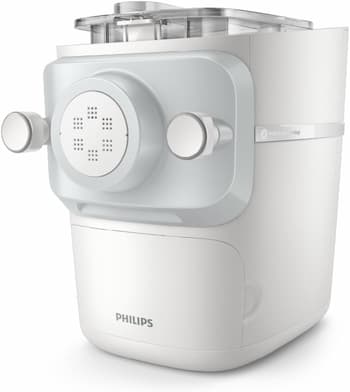
Philips 7000 Series Pasta Maker
ProExtrude Technology, Versatile Mixing Ability, 8 Shaping Discs, Perfect Dough, Easy Clean, Up to 8 Portions, White (HR2660/03)
We earn a commission if you click these images and make a purchase at no additional cost to you.
FAQ
Can I make takoyaki without a takoyaki pan?
While a takoyaki pan is ideal, you can use a muffin tin in the oven or a cake pop maker as a substitute. However, the texture may differ, and shaping will be harder. For best results, invest in a takoyaki pan, available online or at Asian markets.
What can I use instead of vegetarian dashi?
If kombu or shiitake dashi isn’t available, use vegetable broth with a splash of soy sauce and a pinch of MSG for umami. Avoid fish-based dashi to keep it vegetarian.
How do I store leftover takoyaki?
Store cooked takoyaki in an airtight container in the fridge for up to 2 days. Reheat in a 350°F (175°C) oven or air fryer for 5–7 minutes to restore crispiness. Avoid microwaving, as it makes them soggy.
Can I freeze takoyaki?
Yes, freeze cooked takoyaki (without toppings) in a single layer on a baking sheet, then transfer to a freezer bag for up to 1 month. Reheat in an oven at 375°F (190°C) for 10–12 minutes.
Why is my takoyaki not crispy?
Ensure the pan is well-oiled and preheated. A thin batter and sufficient cooking time (8–10 minutes) are key. Too much filling can also make the balls dense rather than crispy.
Is takoyaki gluten-free?
Traditional takoyaki isn’t gluten-free due to the flour. For a gluten-free version, use rice flour or a gluten-free flour blend, but note that the texture may be slightly denser.
Conclusion
Vegetarian takoyaki is a fantastic way to enjoy a Japanese classic without compromising on flavor or texture. By swapping octopus for ingredients like shiitake mushrooms, konjac, or tofu, you create a dish that’s just as satisfying as the original. The crispy exterior, soft interior, and umami-packed toppings make it a crowd-pleaser for vegetarians and omnivores alike. With a takoyaki pan and a bit of practice, you can master this recipe and impress your friends and family with a homemade street food experience.
This recipe is versatile, allowing for endless variations in fillings and toppings to suit your taste. Whether you’re hosting a party or craving a savory snack, vegetarian takoyaki delivers. So, fire up your takoyaki pan, gather your ingredients, and enjoy the process of creating these delightful, plant-based bites
