

The 1980s gay scene burned bright against a tough backdrop. Fresh off the 1970s liberation push, gay people carved out spaces to live, love, and fight in cities like New York, London, and beyond. AIDS hit like a wrecking ball, and prejudice still stung, but the community created bars, art, and activism that defined a decade of resilience. Here’s the full scoop on what made it so powerful.
Nightlife: Pulse of the Community
Walk into a gay bar in the '80s, and you’d feel alive. San Francisco’s Castro had spots like The Stud or Alfie’s, where guys in tight jeans, leather jackets, or neon tanks swayed to Whitney Houston or New Order. London’s Heaven club was a beast - huge, sweaty, with drag queens and club kids owning the floor. These bars let you drop the mask - you could flirt, dance, or just be with your people.
AIDS changed the vibe. By the mid-'80s, bars doubled as community hubs. You’d see donation jars for hospital bills, flyers for safe-sex talks, and bartenders checking in on regulars. People danced harder, knowing life was fragile. Every night was a middle finger to fear - a chance to live loud, connect deeply, and hold tight to joy in a world that could turn dark fast.
AIDS Crisis: Heartbreak and Hustle
AIDS tore through the community. In 1981, doctors flagged a strange illness hitting gay men. By 1985, it was a full-blown epidemic, killing thousands. Governments moved like molasses - Reagan barely acknowledged it, and Thatcher’s UK wasn’t much better. Stigma made it worse - some hospitals refused patients, and families turned their backs. The gay community didn’t wait for saviors. Groups like New York’s Gay Men’s Health Crisis sprang up, offering care and info. ACT UP hit the streets, chaining themselves to government buildings, demanding drug trials and dignity.
The crisis reshaped everything. Bars hosted memorials one night, fundraisers the next. You’d dance with a friend, then hear they were gone a month later. The pain was raw, but so was the response - people nursed the sick, shared meals, and built networks to survive. It showed the community’s heart - unbreakable, even when it was breaking.
Activism: Fighting for Survival
The '80s turned gay folks into warriors. AIDS lit a fire, and groups like ACT UP didn’t mess around. Their “Silence = Death” posters were a battle cry, and stunts like the 1988 FDA protest forced the world to listen, speeding up drug approvals. The 1987 March on Washington for Lesbian and Gay Rights brought 500,000 people together, a massive show of strength. The AIDS Quilt, unveiled that year, was a quiet but devastating tribute - thousands of panels, each one a life cut short.
Across the pond, the UK’s Section 28 banned “promoting” homosexuality in schools, sparking fury. Activists like Peter Tatchell and groups like Stonewall fought back, rallying at pride marches and picket lines. Lesbians led the charge too, demanding visibility. The community didn’t just hope for change - they made it happen, one loud, proud step at a time.
Fashion and Culture: Owning the Spotlight
Fashion in the '80s was a statement. Guys rocked leather vests, mesh shirts, or preppy polos, while lesbians leaned into flannel, buzzcuts, or bold makeup. Drag queens were legends - sequined gowns, sky-high wigs, and attitude for days. RuPaul started out in Atlanta’s clubs, blending camp with rebellion.
Pop culture started to shift. Boy George’s glittery vibe ruled MTV, and bands like Pet Shop Boys dropped queer-coded hits like “West End Girls.” Films like Parting Glances (1986) showed gay life with depth, while lesbian zines like On Our Backs gave women a voice. Gay newspapers like Bay Area Reporter were lifelines, sharing news, gossip, and rally calls. Every outfit, song, or story was a way to say, “We’re here, and we’re fabulous.”
Underground Networks: Quiet Strength
Not everyone had a gay mecca nearby. In small towns or conservative countries, the scene stayed low-key but fierce. People found each other through coded ads in local papers or whispers about secret parties. Lesbians built their own spaces - bars like New York’s Cubbyhole or bookstores like London’s Sisterwrite. In rural areas, a basement gathering could be the only place to be yourself.
Even in cities, safety wasn’t guaranteed. Cops raided bars, and hate crimes hit hard. So, folks got creative - private clubs, cruising spots in parks, or house parties kept the community tight. These networks thrived on trust, offering a lifeline when coming out could cost you your job, family, or worse. No spotlight, just solid bonds.
Global Reach: Queer Life Everywhere
The scene stretched far beyond the West. Amsterdam’s DOK club was a wild, inclusive party, pulling in crowds from across Europe. Mexico City’s Zona Rosa had gay bars despite a macho culture. Tokyo’s Shinjuku Ni-chome packed dozens of tiny bars, some discreet, some bold. Every place had its own flavor - quiet in Japan, defiant in Brazil - but the core was the same: a hunger for connection.
AIDS hit globally, often with less support than in the West. In Africa, where being gay was taboo, secret networks still formed. From Sydney to São Paulo, people built communities in clubs, cafes, or hidden corners. The global scene proved pride and love don’t stop at borders - they just find a way.
Art and Performance: Telling the Truth
Art was a megaphone. Keith Haring’s murals shouted queer pride, with bright colors and bold lines. Theater groups like Split Britches tackled gay and lesbian stories with sharp wit. Drag shows mixed camp with politics - performers like Marsha P. Johnson used the stage to demand justice. New York’s Pyramid Club was a hotbed for experimental art, where drag met punk and poetry.
Music carried the soul. Frankie Knuckles spun house tracks in Chicago’s Warehouse, creating a sound that became a queer anthem. Lesbian artists like Tracy Chapman brought raw emotion to small venues. Art gave the community a way to process grief, celebrate identity, and push back against a world that wanted them quiet. Every performance was a rebellion.
Tech and Media: Linking the Community
Tech started rewiring the scene. Early computers and bulletin board systems (BBS) let people connect online, especially in tech hubs like San Francisco. You could chat anonymously, swap stories, or find a meetup. It was slow and clunky, but for someone in a small town, it was a game-changer.
Mainstream media dragged its feet - TV shows like Hill Street Blues had gay characters, but often as clichés. Gay-run media filled the gap. Magazines like OutWeek covered AIDS, politics, and parties with no filter. Cable access shows in some cities let queer folks tell their own stories, from dating shows to activist rants. These tools knit the community closer, spreading ideas and events across cities and continents.
Lesbian Spaces: Building Their Own World
Lesbians in the '80s created a scene with its own fire. Bars like San Francisco’s Maud’s or London’s The Bell were havens where women could dance, flirt, or talk politics. Feminist bookstores like Toronto’s Women’s Bookstore hosted readings and rallies, doubling as community hubs. Groups like the Combahee River Collective centered Black lesbian voices, tackling racism and homophobia head-on.
The lesbian scene often flew under the radar - gay male spaces got more press - but it was fierce. Punk bands like Tribe 8 rocked dive bars, while poets like Audre Lorde lit up literary nights. These spaces showed the community’s diversity, with women carving out their own path, loud and unapologetic.
The Queer Tarot: An Inclusive Deck and Guidebook
Tarot deck and guidebook set for LGBTQ+, created by queer and trans artist team Ash + Chess.
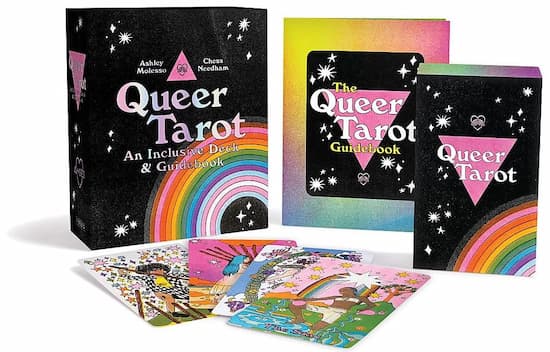
We earn a commission if you click this link and make a purchase at no additional cost to you.
Legacy: Shaping What’s Next
The '80s built the future. AIDS activism forced governments to act, laying the groundwork for better healthcare and later wins like marriage equality. Clubs kept evolving - New York’s Sound Factory carried the torch into the '90s, mixing house music with queer energy. Gay visibility in media grew, paving the way for shows like Ellen.
The real power was in the people. The '80s taught the gay community to fight like hell, love fiercely, and build family when the world turned away. From sweaty clubs to protest lines to quiet meetups, the decade showed what it means to stand tall, no matter the odds. The lessons and spirit of the '80s still echo, pushing the fight forward.
That’s the 1980s gay scene - raw, bold, and full of heart. It was a time of dancing through pain, fighting for every inch, and finding joy in the chaos. Clubs, art, protests, hidden networks - they all built a community that refused to fade. Thanks for diving in with me! What part of this hits you the hardest? Let’s talk!
