

Rainbow art hits different than regular painting - you're dealing with pure color energy that demands respect and skill. Most guys think rainbows are just kid stuff, but they're dead wrong.
The spectrum represents some of the most demanding color work you'll ever tackle, requiring serious technical chops and an eye for subtle transitions that separate amateur dabblers from real artists. When you nail a perfect rainbow gradient, you've proven you know color theory at a level that most painters never reach.
Traditional Painting Methods
Oil and acrylic paints give you the muscle you need for serious rainbow work, each with its own personality and demands. Oils stay wet long enough to really work those color transitions, letting you blend like a boss without rushing.
Acrylics dry fast and punish mistakes, but they reward quick, confident brushwork with colors that stay true and bright. Watercolors separate the men from the boys - one wrong move and your perfect gradient turns into a muddy mess that screams amateur hour.

Digital Art Methods
Digital platforms give you superpowers that traditional media just cannot match, letting you create effects that would take hours with paint in seconds with pixels. Programs like Photoshop and Procreate put gradient functions at your fingertips that create mathematically perfect color transitions. Layer modes let you simulate light behavior and atmospheric effects that would test even master painters. The best part - you experiment without wasting expensive paint or ruining hours of careful work with one bad brushstroke.
Gradient Control
Gradient functions become your best friend for creating foundation rainbow work that's technically perfect every time. Build custom gradients using exact color values instead of eyeballing transitions that look off when printed or displayed. Linear gradients work for straight, architectural rainbow designs, while radial gradients create natural arched formations that feel organic and believable.
Adjust opacity and color stops to create bands of varying intensity that mimic how real rainbows fade at the edges while maintaining strong central colors. Save successful gradient combinations as presets for future projects instead of rebuilding them from scratch each time. HSB color mode gives you more intuitive control than RGB when working with spectrum progressions.
Blending Mode Magic
Blending modes unlock effects that traditional painters dream about but cannot easily achieve. Screen mode makes your rainbow colors glow against dark backgrounds like they're generating their own light. Overlay intensifies colors without losing underlying detail, perfect for laying rainbow effects over textured backgrounds or photographic elements.
Color Dodge creates brilliant highlights where rainbow light hits water droplets or reflective surfaces, adding realistic sparkle and shine. Multiply darkens areas naturally, creating realistic shadow effects where rainbows fade into storm clouds or atmospheric haze. Linear Light pushes contrast to extremes that create dramatic, almost electric rainbow effects.
Custom Brush Creation
Custom brushes let you create atmospheric effects that sell the illusion of natural rainbow phenomena. Design particle brushes that scatter color in random patterns, mimicking how water droplets break up rainbow light in real atmospheric conditions. Texture brushes add surface variation that prevents flat, digital-looking gradients that scream "computer generated."
Opacity variation within single brush strokes creates natural irregularity that feels organic rather than mechanical. Build libraries of custom brushes for different atmospheric conditions - misty, stormy, clear sky variations that match your compositional needs. Dual brush settings combine textures for complex atmospheric effects.
Vector Precision
Vector programs like Illustrator excel at graphic rainbow designs that scale perfectly for any application. Vector gradients maintain crisp edges whether you're designing business cards or billboard advertisements. Mesh gradients give you multiple control points for complex color transitions that follow irregular shapes and forms.
Transparency effects let you layer multiple rainbow elements without color contamination, building complex scenes with overlapping light sources. The mathematical precision of vectors suits logo work and branding applications where color accuracy across different media matters most. Live Paint functions speed up color application in geometric rainbow designs.

Mixed Media Combinations
Mixing different materials takes rainbow art to places that single mediums just cannot reach, creating textures and effects that grab attention and hold it. Pastels over charcoal create moody atmospheric effects that traditional painting struggles to match. Collage elements bring unexpected colors and textures that add conceptual depth beyond pretty color displays. Experimental techniques using household materials often produce the most striking and original results that separate your work from standard rainbow art.
Pastel and Charcoal Drama
Pastel and charcoal combinations create drama that makes viewers stop and stare. Establish your storm clouds and dark sky areas with compressed charcoal, building up rich, velvety blacks that make color pop dramatically. Soft pastels glide over charcoal smoothly, creating luminous bands that seem to generate their own light against the dark background.
Oil pastels resist charcoal particles, giving you sharp color edges where you need definition and precision. Work fixative between layers to prevent smudging, but avoid over-fixing which kills the spontaneous energy that makes pastel work exciting. Blending stumps push charcoal into paper tooth while pastels sit on top, creating interesting layered effects.
Collage Integration
Collage techniques bring unexpected elements that transform rainbow art from decoration into commentary. Magazine pages give ready-made color sources that you cut and arrange into spectrum order, creating statements about media saturation and artificial color in modern life. Fabric scraps add tactile qualities - silk catches light differently than cotton, creating subtle shimmer effects that change with viewing angle.
Metallic foils and reflective materials bounce light back at viewers, adding movement and sparkle that static paint cannot match. Layering different paper textures within color bands creates subtle variation that adds visual interest without disrupting overall color flow. Gel medium adheres most materials permanently while maintaining transparency for layered effects.
Watercolor and Ink Partnerships
Watercolor and ink partnerships create precision with spontaneity that gets the best of both worlds. Use permanent ink to establish crisp boundaries that contain watercolor washes without bleeding, giving you control over where colors stop and start. Water-soluble inks dissolve partially when touched by wet watercolor, creating organic edge effects that feel natural rather than mechanical.
Masking tape creates sharp divisions for graphic interpretations while maintaining watercolor's characteristic transparency and flow. Add ink details after watercolor dries completely to avoid color contamination that muddies your carefully mixed hues. Dip pens give you line variation that technical pens cannot match for organic rainbow details.
Experimental Material Effects
Experimental techniques using common materials often produce the most striking and original effects. Salt crystals sprinkled on wet watercolor create organic patterns that suggest ice crystals breaking light into spectrum colors. Rubbing alcohol dropped into wet paint blooms into organic shapes that mimic atmospheric moisture and light scattering effects.
Plastic wrap pressed into wet paint creates textural patterns when removed after drying, adding surface interest that catches light differently across the painted surface. Wax resist preserves white areas while letting color flow around them, creating natural highlight effects that feel effortless and organic. Sponges dabbed in paint create cloud textures that complement rainbow formations perfectly.

Abstract Rainbow Work
Abstract rainbow work frees you from copying nature and lets you explore what spectrum colors do when pushed to their limits. Geometric methods strip rainbow concepts down to pure color relationships and spatial arrangements that create visual tension and release.
Expressionistic work uses rainbow colors as raw emotional fuel rather than pretty atmospheric decoration. Contemporary artists push rainbow themes into conceptual territory that examines cultural meanings and social associations with spectrum imagery.
Geometric Color Relationships
Geometric abstractions focus on the mathematical beauty hidden within spectrum color relationships. Hard-edge techniques create razor-sharp divisions between colors that let each hue sing at full intensity without muddy transitions. Constructivist arrangements treat colors like building blocks, stacking and arranging them in architectural compositions that examine structural relationships between different parts of the spectrum.
Op art applications use rainbow progressions to create visual movement that activates viewers rather than keeping them passive, making colors seem to pulse and shift with slight changes in viewing position. Minimalist interpretations reduce rainbow concepts to their essence, often using only two or three spectrum colors in carefully calculated proportions. Tape creates perfect edges that separate color fields cleanly.
Expressionistic Color Energy
Expressionistic methods use rainbow colors as emotional ammunition rather than pretty decoration. Gestural brushwork carries spectrum colors across large canvases in energetic sweeps that convey raw energy and movement. Push color intensity beyond natural limits - supersaturated hues create psychological responses that transcend simple color recognition and hit viewers at gut level.
Heavy impasto texture adds physical relief that interacts with gallery lighting, creating shadows and highlights that change throughout the day. Compositional drama places rainbow elements in direct conflict with dark areas or complementary colors, creating visual tension that demands attention. Palette knives push paint around with authority that brushes cannot match for bold color statements.
Color Field Immersion
Color field painting uses spectrum hues to create immersive environments that surround and envelope viewers. Large areas of subtly shifting color create meditation spaces where viewers lose themselves in pure chromatic experience without distraction. Soft transitions between colors suggest natural atmospheric blending without depicting specific weather or landscape elements.
Scale becomes critical for maximum impact - wall-sized paintings create physical and psychological responses that smaller works cannot achieve. Subtle texture variations within single color areas add visual interest while maintaining the overall contemplative quality that makes color field work successful. Spray techniques create seamless color transitions across large surfaces.
Contemporary Conceptual Work
Contemporary conceptual work examines the cultural baggage that rainbow imagery carries in modern society. Installation pieces use spectrum colors to address social and political themes, transforming public spaces with colored light and environmental interventions. Photographic projects document rainbow appearances in urban settings, contrasting natural phenomena with artificial city environments and questioning our relationship with nature.
Performance work includes rainbow themes through costume, lighting, and movement, creating temporary experiences that exist only in memory and documentation. Digital projections map spectrum colors onto building surfaces, transforming familiar architectural spaces through the application of colored light. LED strips and programmable lighting systems create interactive rainbow installations that respond to viewer movement.
Landscape Integration

Rainbow landscapes combine natural phenomena with environmental settings to create stories about weather, light, and the cycles that govern natural systems. Realistic methods study the actual meteorological conditions that produce rainbow displays, incorporating accurate atmospheric perspective and believable lighting conditions.
Stylized interpretations use rainbow elements as compositional devices within broader landscape themes rather than focusing solely on the spectrum effect. Urban rainbow scenes capture natural light phenomena within city environments, creating interesting contrasts between natural beauty and artificial surroundings.
Meteorological Accuracy
Meteorologically accurate rainbow placement requires knowing the physics behind natural spectrum displays. Position your light source behind the observer at the correct angle - between 40-42 degrees above the horizon for primary rainbow formation. Rain or water droplets must occupy the area directly opposite the sun's position, creating the necessary conditions for light refraction and internal reflection within water particles.
Secondary rainbows appear at wider angles with reversed color order, adding complexity and authenticity to your atmospheric scenes. Weather patterns and cloud formations give believable context that supports rainbow appearances rather than making them look artificially placed. Study actual rainbow photographs to see how they interact with different sky conditions and terrain features.
Atmospheric Perspective Rules
Atmospheric perspective creates convincing depth that makes rainbow landscapes feel expansive and real. Foreground elements maintain sharp detail and full color saturation, anchoring compositions and giving scale references that help viewers judge rainbow size and distance. Middle ground areas show reduced contrast and slightly cooler color temperatures, suggesting the atmospheric haze that naturally occurs at moderate distances.
Background elements fade to blue-gray tones that push spatial depth while creating neutral backdrops that make rainbow colors appear more vibrant through contrast. Rainbow intensity should vary with distance - closer portions appear brilliant while distant sections fade naturally into atmospheric conditions. Aerial perspective affects rainbow visibility just like it affects mountains and buildings.
Storm Cloud Theater
Storm cloud drama creates theatrical contrast that makes rainbow appearances feel significant and memorable. Dark storm clouds create dramatic backdrops that make spectrum colors appear luminous and striking through simple contrast effects. Lightning elements add temporal drama, suggesting the active weather systems that produce both electrical activity and the water droplets necessary for rainbow formation.
Varying cloud densities create different lighting conditions across your composition, with bright breaks allowing rainbow formation while maintaining stormy atmospheric conditions. Visible rain shafts show active precipitation that makes rainbow displays possible while adding movement and energy to otherwise static landscape compositions. Cumulonimbus formations give the most dramatic rainbow contexts.
Urban Rainbow Context
Urban rainbow integration explores how natural phenomena interact with contemporary city environments. Glass building surfaces reflect and refract rainbow colors, creating secondary spectrum effects that multiply and complicate the primary rainbow display. Public fountains and water features create controlled environments where rainbow formation occurs predictably within urban settings throughout sunny days.
Street lighting and commercial signage contrast with natural rainbow colors, creating visual commentary on the relationship between artificial and natural light sources. Architectural elements frame rainbow views naturally, using urban geometry to compose and contain natural spectrum displays within human-scaled environments. Pollution and smog affect rainbow visibility and color saturation in realistic urban scenes.
Studio Setup and Materials
Professional rainbow work demands specific materials and workspace organization that supports color-intensive painting without compromise. Lighting becomes absolutely critical when working with spectrum colors - inconsistent light sources will throw off your color perception and ruin hours of careful mixing work. Color organization systems prevent contamination between pure hues while keeping frequently used colors accessible during long painting sessions. Quality materials cost more upfront but save money and frustration over time by performing consistently and maintaining color integrity.
Lighting Requirements
Consistent north-facing window light gives stable color temperature that doesn't shift dramatically throughout working hours. Position your easel perpendicular to windows to maximize even illumination while minimizing glare that interferes with color perception and causes eye strain. Add supplemental LED panels rated at 5000K color temperature to match daylight conditions when natural light becomes insufficient during evening work sessions.
Adjustable track lighting gives you precise control over light direction and intensity for detail work and critical color matching decisions. Eliminate shadows cast by your hand or devices during painting by positioning lights from multiple angles rather than relying on single overhead sources. Color-corrected bulbs cost more but prevent the color shifts that ruin careful color mixing work.
Professional Pigment Selection
Professional pigments ensure color purity and permanence that cheap student-grade materials cannot match. Cadmium reds and yellows give the most intense, cleanest warm spectrum colors available in traditional media, justifying their higher cost through superior performance and longevity. Ultramarine and phthalocyanine blues offer different temperature characteristics - ultramarine reads warmer while phthalo blue tends distinctly cooler, giving you options for different atmospheric conditions.
Quinacridone violets maintain intensity far better than traditional purple mixtures while resisting the fading that destroys gallery pieces under strong lighting conditions. Quality earth tones like raw umber and burnt sienna create neutral mixing colors that modify spectrum hues without contaminating their basic character. Single-pigment colors mix cleaner than multi-pigment convenience colors.
Color Organization Systems
Organized color mixing prevents contamination disasters that turn pure spectrum colors into muddy messes. Dedicate separate mixing knives to each primary color family to prevent cross-contamination that destroys subsequent color mixtures before you even start painting. Glass or ceramic palettes clean more thoroughly than disposable paper alternatives, maintaining color purity between painting sessions and preventing unwanted color shifts.
Document successful color recipes with written notes or photographs that let you recreate exact mixtures consistently across multiple painting sessions. Use separate water containers for warm and cool color families to prevent temperature shifts that subtly alter mixed colors in watercolor and acrylic work. Label everything - memory fails when you're trying to recreate that perfect orange-red transition weeks later.
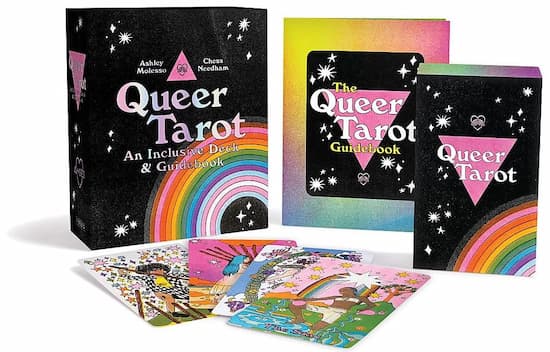
The Queer Tarot: An Inclusive Deck and Guidebook
Tarot deck and guidebook set for LGBTQ+, created by queer and trans artist team Ash + Chess.
We earn a commission if you click this link and make a purchase at no additional cost to you.
Storage Solutions
Smart storage solutions protect expensive materials while maintaining easy access during active painting periods. Airtight containers prevent oil paint skin formation and acrylic drying between sessions, preserving costly pigments that would otherwise require replacement frequently. Refrigerate acrylic paints during hot weather or extended painting sessions to slow drying time and extend working periods significantly.
Palette paper systems with plastic covers allow pre-mixed colors to be saved overnight without waste or contamination, letting you resume work exactly where you left off. Proper brush cleaning stations with correct solvents and quality soap maintain performance while preventing color contamination that ruins carefully mixed hues. Invest in quality storage - it pays for itself by preserving expensive materials.
Rainbow art pushes your color skills harder than almost any other subject, demanding technical precision while rewarding bold creative decisions that separate memorable work from forgettable decoration. The spectrum's natural progression gives you a framework for exploring advanced color relationships, atmospheric effects, and light behavior that applies across all artistic media and subjects. Mastering rainbow work builds color confidence that shows up in everything else you paint - portraits, landscapes, abstracts - because you've learned to see and control subtle color relationships that most artists never notice.
When you nail a perfect rainbow gradient, you've proven you know color at a professional level that opens doors to serious artistic opportunities. Rainbow work teaches you that color has rules, but those rules exist to be pushed and broken by artists who know them completely. The physics behind natural rainbows creates a foundation, but your artistic vision determines how you interpret and present that foundation to viewers who may never have really looked at spectrum colors before. Every successful rainbow painting becomes a color lesson for viewers while demonstrating your mastery of one of art's most fundamental elements.
