

Men often treat rest like a dirty word or a sign of weakness. Your body views things differently when you hit the mattress after a long day. Muscle growth happens while you sleep, not while you lift heavy weights in the gym. Sleep acts as the main drive for hormonal repair and cognitive sharpness. You will find that missing out on quality rest ruins your testosterone levels within a single week.
Brain fog clears up only when your head stays on the pillow for a full cycle. Every minute of deep rest counts toward your ability to perform at your peak tomorrow. Focus on the science of recovery instead of just grinding through the fatigue. You deserve a system that actually fixes the damage from your daily grind. Rest is the fuel for your next victory in the office or on the field.
Biological Mechanics of Male Rest
Cellular repair happens at a rapid pace once your eyes close for the night. Your endocrine system kicks into high gear to pump out growth hormone during deep cycles. Growth hormone helps fix micro-tears in your muscle fibers after a strenuous workout. You will lose these gains if you cut your sleep short to scroll on your phone. Proper rest ensures your metabolic rate stays high enough to keep body fat low.
Testosterone production reaches its peak during the early hours of your morning rest. Lower levels of this hormone make you feel sluggish and irritable throughout the day. You should prioritize the first four hours of sleep for physical recovery needs. Your nervous system reboots itself to handle the stress of the coming day. Recovery is a physical requirement for anyone who wants to maintain a strong physique.
Blood flow increases to your muscles during the non-REM stages of the night. Oxygen and nutrients reach the tissues that need them most during this quiet time. You will notice less soreness when you give your body time to heal properly. High-intensity training demands an equal amount of high-quality downtime to be useful. Your performance will suffer if you ignore the biological clock inside your brain.
Check your resting heart rate every morning to see if you recovered well. A higher number usually means you need more rest before your next gym session.
Track the duration of your deep sleep cycles using a wearable device. Deep sleep is the time when your body fixes physical damage and builds muscle.
Maintain a steady wake time to keep your hormones in a steady rhythm. Irregular schedules confuse your body and lower your overall energy levels.
Cool your bedroom temperature to sixty-five degrees for better sleep quality. Cold environments help your core temperature drop fast so you fall asleep quickly.
Avoid heavy meals two hours before you plan to lay down for the night. Digestion takes energy away from the repair processes your body needs to perform.

The Performance Killer: Why Sleep Recharges You
Sleep fixes your body after tough days and sharpens your mind for what's next. Skip it, and you feel weak, slow, and pissed off easily. Guys need seven to nine hours to rebuild muscles and stay alert. Studies prove short sleep wrecks your strength and mood quick.
Long-term sleep shortages build up and hit your health hard. You lose focus, gain weight easier, and get sick more often. Recovery means giving your body time to heal from stress or lifts. Simple fixes like steady bedtimes turn weak sleep into solid rest.
Most men ignore tired signals until they crash. That habit kills your edge over time. Building better patterns keeps you charged and ready. Persistence with these changes delivers results you feel right away.
Sleep isn't optional if you want to perform at your peak. It regulates hormones that control energy and drive. Without enough, testosterone drops, making gains tougher. Prioritize it like your workouts to stay dominant.
Your brain processes the day's crap during deep sleep stages. Dreams sort memories, and REM phases boost creativity. Skimping disrupts that, leaving you foggy. Full cycles keep you sharp for decisions and action.
Physical repair happens mostly at night. Muscles grow stronger while you rest. Injuries heal faster with consistent hours. Treat sleep as training time to maximize your body's potential.
- Set a strict bedtime to train your body clock. Pick 10 PM and stick to it daily. Turn off lights and settle in. After days, you fall asleep faster.
- Ditch coffee after noon to prevent jitters at night. Switch to water or decaf drinks later. Your system clears caffeine slow. You sleep sounder without it.
- Work out in the morning to tire yourself properly. Lift weights or run for 45 minutes early. Energy burns off by evening. Nights become easier for rest.
- Snack on nuts before bed for steady energy release. Grab almonds around 9 PM. They keep blood sugar even. No crashes wake you up.
- Dim room lights early to signal wind-down. Use low bulbs from 8 PM on. Eyes adjust and melatonin rises. Sleep hits quicker.
The Evening Wind-Down: Building a Routine for Deeper Sleep

Evenings set up how well you crash at night. Rushing to bed keeps your head racing with thoughts. A routine slows everything down and preps your body. Start with basic steps to make it automatic.
Screens blast blue light that tricks your brain into daytime mode. Cut them off early for natural drowsiness. Quiet activities replace the noise. Habits like these make sleep deeper and longer.
Men often skip wind-downs and pay for it with toss-and-turn nights. A solid routine fixes that mess. It doesn't take hours - just consistent moves. Results show up in how refreshed you feel mornings.
Stress from the day lingers if you don't shake it. Light reading or music eases that tension. Your mind quiets without force. Deeper phases of sleep follow naturally.
Routines anchor your nights and build momentum. They create a buffer from daily grind. Body learns to expect rest. Mornings start stronger as a result.
Over time, these habits rewire your sleep patterns. You avoid the cycle of bad nights. Energy sustains through the day. Performance in everything improves.
- Shut down electronics an hour before bed. Plug in your phone across the room at 9 PM. Read a magazine instead. Eyes tire out naturally.
- Hit the shower with warm water to melt stress. Step in for ten minutes around 9:30 PM. Let steam relax tight muscles. Towel off feeling loose.
- Sip caffeine-free tea to warm up inside. Brew chamomile at 9 PM in a mug. Drink slow while sitting quiet. It soothes your gut.
- Do easy stretches to unknot your back. Reach for toes or twist sides for five minutes. Breathe deep through each. Body feels ready for bed.
- Plan your next day quick to offload thoughts. Jot tasks on paper before lights out. Takes three minutes max. Mind clears for sleep.
Are You Getting Enough? The Science of Sleep Deprivation

Short sleep messes with your whole system fast. Research links it to weaker muscles and slower reactions. Less than seven hours spikes stress hormones. Your body struggles to recover properly.
Ongoing deprivation stacks problems like fog and irritability. It weakens defenses against illness. Reflexes dull, raising accident risks. Full rest reverses these effects over time.
Guys in their prime need solid sleep to maintain drive. Studies show testosterone plummets with bad nights. Gains from the gym fade. Science pushes for consistent hours to stay potent.
Brain scans reveal how sleep loss shrinks focus areas. Memory slips and decisions worsen. Chronic cases link to bigger health issues. Prioritizing rest protects long-term sharpness.
Hormone shifts from poor sleep affect appetite control. You crave junk and pack on pounds. Energy crashes mid-day. Steady sleep stabilizes all that.
Recovery science emphasizes cycles of deep and light phases. Each serves repair or refresh functions. Disruptions fragment them. Optimal sleep strings them together seamlessly.
- Log your sleep hours to track shortages. Use a notebook nightly for a month. Note wake-ups and total time. Spot weak spots quick.
- Take short naps to catch up on lost rest. Limit to 20 minutes afternoon. Set an alarm to avoid grogginess. It boosts alertness fast.
- Steer clear of late meals to aid digestion. Finish eating by 8 PM with light food. Heavy stuff stirs your stomach. Nights stay peaceful.
- Cool your room temp for science-backed comfort. Aim for 65 degrees with a thermostat. Heat wakes you sweating. Consistent cool promotes depth.
- Block afternoon slumps with sunlight exposure. Step outside for 15 minutes post-lunch. Natural light resets your rhythm. Evenings align better.
Wake Up Rested: Optimizing Your Bedroom Environment
Your room directly impacts sleep quality. Clutter and light create distractions that keep you alert. A clean, dark space invites deep rest. Tweaks here pay off huge.
Noise from outside or devices interrupts cycles. Silence or soft sounds mask them. Temp too high causes discomfort. Cool air keeps you under covers longer.
Men turn bedrooms into multi-use spots and suffer for it. Dedicate it to sleep only. Small investments like blinds transform it. Mornings feel energized instead of drained.
Air quality matters for uninterrupted breathing. Dust or stuffiness triggers wakes. Ventilation clears that out. A proper setup minimizes tosses.
Mattress support aligns your spine right. Pillows cradle your head. Sheets breathe to avoid sweat. All combine for comfort.
Overhauls aren't needed - start with basics. Darkness cues melatonin release. Quiet lets your mind shut off. Optimized spaces deliver premium rest.
- Hang blackout curtains to kill morning light. Secure them tight over windows. No gaps let rays in. You sleep past dawn easy.
- Pick a mattress that fits your build. Test firm ones in stores for back support. Swap every eight years. Comfort leads to longer hours.
- Add a white noise machine for steady hum. Set to rain sounds at low volume. It drowns traffic or neighbors. Focus shifts to rest.
- Declutter surfaces to calm your space. Remove junk from nightstands nightly. Empty floors promote peace. Mind settles faster.
- Ventilate with a fan for fresh air flow. Run it on low speed overnight. Circulates without chill. Breathing stays even.
Bedroom Environment and Air Quality
Fresh air improves the quality of your rest by lowering carbon dioxide levels. High levels of CO2 in a closed room make you feel groggy the next morning. You should keep a window cracked or use a high-quality air purifier near your bed. Clean air reduces inflammation in your lungs and helps you breathe deeply all night. Your brain functions better when it receives a steady supply of fresh oxygen.
Noise pollution keeps your mind in a state of high alert while you sleep. Abrupt sounds like sirens or barking dogs trigger a stress response in your body. You will wake up feeling exhausted if your brain never truly relaxes due to noise. White noise machines or fans create a steady sound that masks outside disruptions. Silence is often the best medicine for a brain that works hard all day.
Mattress quality dictates the alignment of your spine and the health of your joints. Old beds lose their support and cause pain in your lower back or shoulders. You should invest in a surface that keeps your body in a neutral position. Medium-firm mattresses usually provide the best balance for most men with active lifestyles. Your bed should be a sanctuary where your body feels completely weightless and supported.
Check the age of your pillows to ensure they still offer support. Flat pillows strain your neck and prevent you from reaching a deep sleep state.
Run an air purifier to remove dust and allergens from your sleeping area. Breathing clean air reduces the chance of snoring or waking up with a stuffy nose.
Wash your sheets every week to keep your sleeping environment fresh and clean. Clean bedding feels better on your skin and helps you relax more quickly.
Set a white noise machine to a low volume to block out street noise. Constant sounds help your brain ignore the sudden bangs or thumps from outside.
Replace your mattress every eight years to maintain proper spinal support and comfort. Support is a key factor in how your body feels when you wake up.

Circadian Rhythms and Light Exposure
Light tells your brain exactly when to wake up and when to feel tired. Your pineal gland stops producing melatonin the moment blue light hits your retinas in the morning. Natural sunlight helps set your internal clock for the rest of the twenty-four hour period. You should seek out bright sun within thirty minutes of opening your eyes. Morning light exposure improves your mood and sharpens your focus for the entire day.
Blue light from screens mimics the sun and confuses your brain at night. Your body thinks it is noon when you look at a bright phone in bed. Melatonin levels drop sharply when you use electronic devices after the sun goes down. You will struggle to reach deep sleep if your brain thinks the day just started. Red light filters or amber glasses help mitigate the damage from late-night screen use.
Total darkness is a requirement for a truly restful night in your bedroom. Small lights from chargers or alarm clocks will disrupt your sleep cycles significantly. Blackout curtains block the street lamps that keep your brain in a state of alert. You will stay in the deeper stages of rest for longer periods in a dark room. Your eyes sense light even through closed lids during the late stages of the night.
Step outside for ten minutes right after you wake up each morning. Direct sunlight is much more effective than artificial lights for setting your clock.
Use dim orange lights in your home after the sun sets for the day. Warm colors tell your brain that it is time to wind down and rest.
Place your phone in another room an hour before you go to sleep. Physical distance from your screen prevents the temptation to scroll through social media feeds.
Install blackout shades to remove every bit of light from your sleeping space. Complete darkness helps your brain enter the most restorative phases of the night.
Wear an eye mask if you cannot control the light in your current room. Soft fabric masks provide a simple way to shield your eyes from stray beams.
Nutritional Support for Deep Recovery
Food acts as the raw material for every repair process in your body. Magnesium helps your muscles relax and lowers your overall stress levels before bed. You will find that a lack of minerals makes your legs twitch during the night. Zinc supports the production of hormones that keep your body functioning at a high level. Your diet should include plenty of leafy greens and clean proteins to support healing.
Sugar spikes your insulin and will wake you up in the middle of the night. High blood sugar prevents the release of growth hormone during your first sleep cycle. You should avoid sweets or heavy carbs late in the evening to stay asleep. Stable glucose levels result in a more peaceful and uninterrupted night of rest. Protein snacks like Greek yogurt or cottage cheese provide steady amino acids for muscle fix.
Hydration plays a massive role in how well your brain clears out waste products. Dehydration causes headaches and makes your sleep feel shallow and unrefreshing. You should drink most of your water during the daylight hours to avoid bathroom trips. Small sips of water in the evening keep your mouth from getting dry and scratchy. Your cells need fluid to transport the nutrients required for physical repair work.
Eat a small portion of protein before you head to your bed. Amino acids provide the building blocks your muscles need to repair during the night.
Take a magnesium supplement if you struggle with restless legs or muscle cramps. Minerals help calm your nervous system so you can drift off without much effort.
Avoid caffeine after noon to ensure it leaves your system before bedtime. Stimulants stay in your blood for many hours and block your sleep signals.
Include healthy fats like avocado or nuts in your final meal of the day. Fats provide long-lasting energy that keeps you from waking up due to hunger.
Drink a cup of herbal tea like chamomile to signal the end of the day. Warm liquids help your body relax and prepare for a deep state of rest.
Electric Pulse Machines
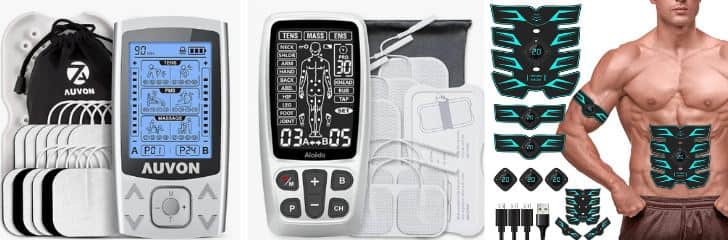
We earn a commission if you click this link and make a purchase at no additional cost to you.
Sex (or Solo Sessions) for Better Sleep
Sex before bed drops your stress and induces drowsiness. Orgasms flood your system with relaxing chemicals. Solo sessions deliver the same release alone. Regular practice makes nights more restful.
Partners heighten the connection and mutual unwind. Control in solo time suits your rhythm. Both paths ease tension built from the day. They fit into routines seamlessly.
Post-climax, your body enters a chill state. Oxytocin surges to promote bonding or calm. Heart rate slows naturally. Sleep follows without effort.
Frequency depends on your needs and energy. Evening slots work best for wind-down. No pressure - keep it enjoyable. Benefits compound with repetition.
Men use this method to combat insomnia spikes. It overrides racing thoughts. Physical exhaustion aids the drop-off. Mornings arrive with renewed vigor.
Science ties ejaculations to better rest patterns. Hormones regulate after release. Disruptions decrease over time. Integrate it for optimal recovery.
- Focus on steady rhythm during sessions. Build intensity gradual for stronger finish. Tension melts away post-peak. You crash deeper after.
- Apply lube generously for friction-free action. It heightens sensitivity without pulls. Sessions end quicker if desired. Cleanup stays minimal.
- Experiment with positions that relax you most. Switch between favorites for variety. Each brings unique release. Body adapts to preferences.
- Time sessions for 20 minutes pre-bed. Start relaxed in dim light. Pace yourself to avoid rush. Satisfaction leads to instant drowsiness.
- Follow with hydration to replenish fluids. Drink water right after. It prevents dry mouth wakes. Nights remain unbroken.
Mental Reset and Stress Management
Stress keeps your cortisol levels high when they should be at their lowest. High cortisol blocks the production of sleep hormones and keeps you wide awake. You should find a way to dump your thoughts onto paper before laying down. A brain full of worries will never enter the deep stages of recovery. Peace of mind is just as fundamental as physical comfort for a good night.
Breathing exercises calm the vagus nerve and slow your racing heart rate down. Slow exhales tell your nervous system that you are safe and ready to rest. You will feel a sense of calm wash over you after just five minutes of focus. Focused breathing lowers your blood pressure and prepares your muscles for a night of repair. Your mind needs a signal to transition from work mode to rest mode.

A physical book helps your eyes relax and your thoughts to wander slowly. Paper books do not emit the harsh light that screens do at night. You should avoid thrillers or work-related texts that keep your brain too active. Fiction allows your mind to detach from the stresses of your daily life. Your evening routine should be a slow descent into a state of total relaxation.
Write a list of your tasks for tomorrow to clear your head. Putting your worries on paper stops your brain from looping through them all night.
Practice a simple breathing pattern like four counts in and four counts out. Rhythmic breathing acts as a natural sedative for a stressed and tired mind.
Listen to soft music or a calm podcast to distract your racing thoughts. Sound can act as an anchor that keeps your mind from drifting toward stress.
Meditate for ten minutes to detach from the events of your busy day. Quiet time helps you observe your thoughts without getting caught up in them.
Keep a gratitude journal to focus on the positive wins from your day. Positive thoughts help lower your stress levels and improve your overall sleep quality.
Core Temperature and Sleep Success
Human bodies need to drop their internal temperature to initiate a sleep cycle. Heat traps your brain in a shallow state of rest that leaves you tired. You should aim for a room that feels slightly chilly to the touch. Cold air helps your body dump heat through your hands and your feet. Your sleep will be much more efficient when you stay cool through the night.
Warm baths before bed actually help cool your core down in the long run. Hot water draws blood to the surface of your skin where it can cool off. You will feel a natural dip in temperature as soon as you step out of the tub. That dip signals to your brain that it is time to start the sleep process. Warmth on the skin acts as a gateway to a colder and deeper rest.
Breathable fabrics in your bedding and pajamas prevent you from overheating during the night. Cotton or linen sheets allow air to flow around your body while you sleep. Synthetic materials trap sweat and heat, which causes you to wake up in a panic. You should choose natural fibers that wick moisture away from your skin. Staying dry is a major factor in staying asleep until the morning sun rises.
Take a lukewarm shower thirty minutes before you plan to go to bed. Water helps regulate your temperature and prepares your skin for the cooling process.
Open a window if the night air is cooler than your indoor temperature. Natural breezes provide a steady flow of fresh and cold air for your room.
Use a cooling pad or a specialized mattress topper to manage your heat. Technology will help you stay at the perfect temperature without a loud air conditioner.
Sleep with your feet outside the covers to dump excess body heat quickly. Extremities act as radiators that help your core reach the ideal sleeping temperature.
Choose lightweight pajamas made of natural fibers like silk or high-quality cotton. Natural fabrics allow your skin to breathe and prevent uncomfortable night sweats.
Supplemental Aids for Deeper Rest
Natural compounds help bridge the gap between a busy life and a restful night. Tart cherry juice contains natural melatonin that helps you fall asleep faster in the evening. You will notice that your muscles feel less sore after a glass of this juice. Ashwagandha lowers your cortisol and helps your body handle the stresses of the day. Your recovery plan should include these simple and natural additions to your routine.
L-theanine is an amino acid found in green tea that promotes a calm focus. It helps quiet the mental chatter that keeps many men awake at night. You should look for a supplement that combines it with other relaxing herbs. Such natural options supply a gentle nudge toward sleep without the grogginess of pills. Your brain will appreciate the help in slowing down after a high-pressure workday.
Glycine is another amino acid that helps lower your core body temperature at night. It also supports the creation of collagen which fixes your joints and skin. You will find that three grams before bed improves your sleep quality significantly. Stable sleep patterns result in better brain health and a longer life span for men. Your supplement shelf should focus on these high-utility items for maximum recovery.
Mix a small amount of tart cherry juice with water before your bed. Natural melatonin sources are often better than synthetic versions for your body's rhythm.
Add ashwagandha to your evening routine to lower your daily stress levels. Lower cortisol makes it much easier for your body to enter a repair state.
Try a small dose of glycine to help your body cool down for sleep. Cold core temperatures are a physical trigger for the start of your rest.
Use L-theanine to quiet a racing mind if you think about work too much. Relaxed thoughts are a prerequisite for a night of deep and healing sleep.
Check with a doctor before adding new supplements to your daily health plan. Professional advice ensures you are taking the right items for your particular needs.

Exercise Timing and Recovery Needs
Heavy lifting sessions late at night will interfere with your ability to drift off. Your core temperature stays high for hours after a vigorous workout in the gym. Adrenaline and cortisol flood your system and keep your brain in a state of high alert. You should finish your hardest training at least four hours before you plan to sleep. Early morning or afternoon workouts align better with your body's natural clock.
Light yoga or stretching in the evening helps release the tension in your tight muscles. Flowing movements tell your nervous system that the hard work for today is done. You will find that a few minutes of mobility work prevents morning stiffness and pain. Gentle activity increases blood flow to your tissues without spiking your heart rate too high. Your body needs a physical signal that it is time to switch from action to repair.
A slow walk after dinner helps your digestion and clear your mind of any remaining stress. Low-intensity movement lowers your blood sugar levels after a meal. You should keep these walks short and relaxed to avoid waking up your system. Fresh air and light movement act as a bridge between your active day and quiet night. Your recovery starts the moment you stop pushing yourself to the absolute limit.
Schedule your heavy leg days or cardio sessions for the morning hours. Morning exercise boosts your energy and helps you sleep better once the night falls.
Perform five minutes of static stretching right before you get into your bed. Lengthening your muscles helps your body relax and prepares you for a still night.
Take a slow walk around the block after you finish your evening meal. Low-impact movement aids your digestion and calms your mind for the rest of the night.
Avoid high-intensity intervals if you only have time to train late at night. Intense bursts of energy keep your brain wired and your body too hot for sleep.
Listen to your body when it feels too tired for a planned workout session. Rest is often more valuable for your long-term gains than a forced gym visit.
Hormonal Balance and Male Vitality
Sleep deprivation acts as a direct hit to your testosterone and growth hormone levels. A lack of rest increases the production of sex hormone binding globulin in your blood. That process leaves you with less free testosterone to build muscle and burn body fat. You will feel a drop in your drive and your physical strength without enough sleep. Your masculinity depends on your ability to rest as hard as you work every day.
Ghrelin and leptin are the hormones that control your hunger and your feelings of fullness. Poor sleep spikes your ghrelin levels and makes you crave junk food and sugary snacks. You will find it much harder to stick to a clean diet when you are tired. Leptin levels drop which means you never feel satisfied after you eat a meal. Your weight loss efforts are tied directly to the number of hours you spend in bed.
Insulin sensitivity improves when you give your body a chance to rest and reset itself. High-quality sleep helps your cells process glucose more effectively for energy and muscle repair. You will see a reduction in inflammation throughout your entire body after a good night. Chronic lack of rest results in insulin resistance and a higher risk of metabolic issues. Your health is a long-term game that you win by being consistent with your downtime.
Aim for at least seven hours of sleep to keep your testosterone high. Consistent rest is the most natural way to boost your hormone levels for free.
Notice how your hunger levels change after a night of very poor rest. Awareness of these hormonal shifts helps you make better food choices during the day.
Prioritize rest during periods of high stress to protect your hormonal health. Sleep acts as a shield that prevents stress from damaging your body's internal balance.
Get a blood test to check your hormone levels if you feel tired constantly. Data from a doctor will show you if your sleep habits need a major change.
Focus on the quality of your sleep as much as the total duration of it. Deep rest is where the most central hormonal repairs happen for your male body.
Brain Health and Mental Performance
Sleep is the time when your brain flushes out the toxins that build up during the day. The glymphatic system opens up and clears away waste products like beta-amyloid proteins. High levels of these toxins are linked to memory loss and poor cognitive health later in life. You will think more clearly and make better decisions after a full night of rest. Your mental edge is a direct result of how well you allow your brain to recover.

Memory consolidation happens while you are dreaming in the REM stage of your sleep. Your brain sorts through the information you learned and stores the useful bits for later. You will find it harder to learn new skills or remember names without enough REM rest. Lack of sleep makes you react slowly to the challenges that come your way at work. Your intelligence is a resource that you must protect with a strict and solid sleep schedule.
Emotional stability is another gain of getting a proper amount of rest every single night. You will handle stress and difficult people with much more grace when you are well-rested. Tired brains are more likely to snap or feel overwhelmed by small and simple tasks. Your relationships and your professional life will improve when you are not constantly on edge. Peace of mind starts with a brain that has had enough time to shut down and reboot.
- Solve your most difficult problems after you have had a good night of sleep. Rested brains find solutions that a tired mind would simply overlook or ignore.
- Avoid making major life decisions when you are suffering from a lack of rest. Fatigue clouds your judgment and makes you prone to making very impulsive choices.
- Pay attention to your reaction times when you are driving or working out. Slower movements are a clear sign that your brain needs more recovery time today.
- Use a notebook to capture the ideas that come to you right after you wake. Morning thoughts are often the most creative because your brain has been refreshed.
- Limit your intake of alcohol to ensure you reach the REM stage of sleep. Booze blocks the dream state and prevents your brain from processing your daily memories.
Sticking To The Routine While Traveling
Jet lag throws your internal clock into a state of total chaos and confusion. Your body expects the sun to rise at one time while the world shows you another. You should adjust your schedule to the new time zone as soon as you step on the plane. Hydration and sunlight are your best friends when you are moving across the globe. You will feel much better if you stay awake until the sun sets in your new location.
Hotel rooms often have thin walls and bright lights that will ruin your recovery plan. You should bring your own eye mask and earplugs to create a portable sleep sanctuary. Requesting a room away from the elevators or the ice machines will save your night. You will find that a familiar scent or a small travel pillow helps you relax in a new place. Your sleep routine should be a constant factor no matter where you are in the world.
Business trips often involve late dinners and plenty of drinks with colleagues or clients. You should try to stick to your normal bed time as much as humanly possible. Skipping the final round of drinks will pay off when you have a big meeting the next day. You will have more energy than everyone else in the room if you prioritize your rest. Your success in new places depends on your ability to stay sharp and well-rested.
- Set your watch to the new time zone the moment you start your travel. Mental preparation helps your body adjust to the new rhythm of the day and night.
- Drink twice as much water as usual when you are flying on a long trip. Planes are very dry environments that will dehydrate your brain and your body quickly.
- Take a short walk in the sun once you arrive at your destination. Sunlight helps reset your internal clock to the local time of your new surroundings.
- Bring a small bottle of lavender oil to make your hotel room feel like home. Familiar smells trigger a relaxation response in your brain and help you fall asleep.
- Avoid heavy meals right before you board a flight or go to bed in a hotel. Light food is easier on your system and helps you stay comfortable during your travel.
Building a Lifetime of Better Rest
Consistency is the most vital factor in a recovery plan that actually works for you. You should aim to wake up at the same time every single day of the week. Even on weekends, a steady schedule keeps your hormones in a healthy and predictable state. You will find that you no longer need an alarm clock after a few months of this habit. Your body loves a routine and will reward you with more energy and better focus.
Small changes in your daily life add up to a massive improvement in your health over time. You should focus on one or two new habits until they feel like a natural part of your day. Trying to change everything at once usually results in failure and a return to old ways. You will see the gains of better sleep in your mirror and in your bank account. Your future self will be much stronger and wiser because of the choices you make today.
Recovery is a skill that you must practice with the same intensity as your gym workouts. You should treat your bedroom like a high-performance lab for your physical and mental health. Invest in the best assets and the best environment that you can afford for your rest. You will find that the return on this investment is much higher than anything else you buy. Your life is a marathon and you need a solid rest plan to win the race.
- Review your sleep data every month to see where you can make improvements. Seeing the numbers helps you stay motivated to keep up with your healthy habits.
- Talk to your partner about your sleep needs to ensure you both get good rest. A clear understanding of your routine helps prevent disruptions and builds a better home life.
- Set a recurring alarm on your phone to remind you to start your wind-down. Notifications act as a cue to stop working and begin the transition to a restful night.
- Read a book about the science of sleep to stay informed on the latest research. Knowledge gives you the reasons why these habits are so needed for your long-term health.
- Reward yourself for sticking to your sleep schedule for thirty days in a row. Positive reinforcement helps turn these new actions into a permanent part of your life.

Crystals and Healing Stones Set
7 authentic raw chakra stones
7 tumbled crystals
7 mini tumbled crystals
1 rose quartz crystal ball
1 chakra necklace
1 chakra bracelet
1 rose quartz pendulum
1 selenite charging plate
1 clear quartz point
3 velet bags
50g natural colorful stones assorted
1 electronic starters guide.
We earn a commission if you click this link and make a purchase at no additional cost to you.
Advanced Strategies for Elite Recovery
Red light therapy is a modern way to stimulate cellular repair and lower inflammation in your body. Sitting in front of a red light panel for ten minutes will boost your mitochondrial health. You will find that your skin looks better and your muscles heal faster with regular use. Such technology mimics the healing rays of the sun without the damaging UV light. Your evening routine will feel like a high-end spa session with this addition.
Mouth taping is a simple trick that forces you to breathe through your nose while you sleep. Nasal breathing increases oxygen uptake and helps prevent snoring and sleep apnea issues. You will wake up with a moist mouth and a much clearer head in the morning. Particular tape designed for skin is safe and easy to use for this particular purpose. Your sleep quality will take a massive leap forward once you master this quiet habit.
Weighted blankets supply a sense of security and help lower your heart rate during the night. The gentle pressure stimulates the production of serotonin which makes you feel calm and happy. You will find that you toss and turn much less under a blanket that is heavy. Most men find that a blanket weighing around fifteen pounds is the perfect amount for comfort. Your nervous system will thank you for the extra feeling of safety and grounding.
Try mouth taping for three nights to see if your energy levels improve. Breathing through your nose is the most natural and efficient way to oxygenate your body.
Use a red light device while you read your book before you go to sleep. Light therapy is a quiet and easy way to support your physical recovery and health.
Invest in a high-quality weighted blanket that matches your body weight and size. Pressure therapy is a proven way to lower stress and improve the depth of your rest.
Look into a smart bed that tracks your heart rate and your breathing patterns. Data from your bed will show you exactly how your body reacts to different daily stresses.
Experiment with earplugs or a customized sound machine for total silence or focus. Blocking out the world is sometimes the best way to find the peace you need to rest.
Sleep recovery keeps you dominant in every arena. These strategies from routines to room hacks and releases build unbreakable habits. Pick a few like dimming lights or steady bedtimes to start strong. Over time, you'll own your rest and crush days with full power.
