

Authentic Italian Risotto with Asparagus and Parmesan Cheese
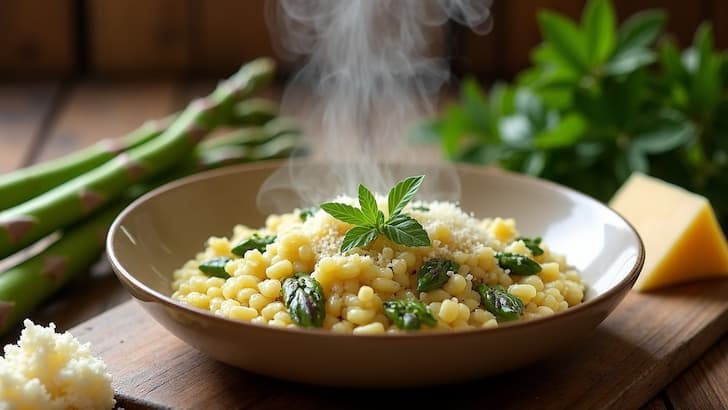
There is something comforting about the creamy texture and gentle flavors of a classic Italian risotto. This recipe for risotto with asparagus and parmesan cheese is one I keep coming back to in my kitchen. The combination of tender asparagus, fragrant Italian rice, and rich parmesan cheese creates a meal that feels fancy enough for a special occasion, but is easy enough for a cozy weeknight dinner.
I find real joy in making risotto, partly because it asks me to slow down and pay attention. Unlike many other rice dishes, risotto rewards patience and care. The process is easy, but the results are deeply satisfying. Every spoonful brings a little taste of Italy to my table, and I’m excited to share all the details so you can enjoy it too. Let’s get into the ins and outs of crafting this Italian favorite, learn a bit about its roots, and check out handy tips for getting the recipe just right every time.
What Makes This Risotto Special
- No special equipment needed. All you need is a sturdy pot and a wooden spoon.
- Seasonal and fresh. Asparagus is at its best in spring, but you can enjoy this dish any time you stumble upon goodquality spears.
- Creamy without cream. Arborio rice naturally thickens the risotto, so you get a rich, creamy bite with no heavy cream added.
- Vegetarianfriendly. This recipe uses no meat, and the depth of flavor comes mainly from vegetables and cheese.
Ingredients
Here’s everything I use for my favorite asparagus and parmesan risotto:
- 1 1/2 cups Arborio rice (shortgrain rice is key)
- 1 pound fresh asparagus (green and firm, with tight tips)
- 1 small yellow onion, finely chopped
- 2 tablespoons olive oil
- 2 tablespoons unsalted butter
- 1/2 cup dry white wine
- 4 to 5 cups vegetable broth (kept warm)
- 2/3 cup freshly grated parmesan cheese, plus extra for serving
- Salt and freshly ground black pepper to taste
- Lemon zest (optional, for brightness)
StepbyStep Cooking Instructions
1. Prepare the Asparagus
Rinse the asparagus spears, then snap off the woody ends. Cut the spears into 1inch pieces, keeping the tips separate from the stalks. Blanch the asparagus tips in boiling water for 2 minutes, then move them to a bowl of cold water. Drain them and set aside. This helps keep them bright green and perfectly tender for the end.
2. Get the Broth Hot
Pour your vegetable broth into a saucepan and keep it over very low heat. Adding warm broth helps the rice absorb liquid evenly and cook gently.
3. Sauté Onion and Asparagus Stalks
Warm the olive oil and half the butter in a large, heavybottomed pot over medium heat. Add the onion and sauté until soft and translucent, around 4-5 minutes. Stir in the chopped asparagus stalks. Cook for another 2-3 minutes until they turn brighter green.
4. Toast the Rice
Add the Arborio rice to the onion and asparagus stalks. Stir to coat the rice in oil and butter. Gently toast the grains for about 1-2 minutes, until they look slightly translucent around the edges. This gets the rice ready to absorb all the flavors.
5. Deglaze with Wine
Pour in the white wine and cook, stirring, until most of it has evaporated. The wine gives a mild tang that balances the richness of cheese and butter coming later.
6. Add Broth Gradually
With a ladle, add the warm broth one scoop at a time. Stir often and wait until most of the liquid is soaked up before adding the next ladleful. This takes about 18 to 20 minutes. The risotto becomes creamy and tender, but the rice should still have a gentle bite in the center.
7. Finish with Asparagus Tips and Cheese
When the rice is nearly ready (after around 17 or 18 minutes), stir in the reserved asparagus tips and the rest of the butter. Take the pot off the heat and fold in the parmesan cheese. Taste and add salt, pepper, and lemon zest if you like. The lemon zest gives a subtle, fresh twist that works well with asparagus.
8. Serve Right Away
Risotto tastes best when hot and creamy, so serve it right after cooking. Spoon it into shallow bowls and top with more parmesan cheese. For a richer bite, swirl in a last dab of butter just before serving.

Recipe Tips and Variations
- If you want extra green flavor, puree half of the blanched asparagus stalks with a little broth and stir them in before adding cheese.
- Try using pecorino cheese for a sharper taste or a sprinkle of fresh chives for a pop of color.
- I sometimes toss in garden peas with the asparagus for a sweeter, springtime risotto.
- Leftover risotto can be cooled, shaped into patties, and panfried the next day for a tasty snack, called "risotto al salto" in Italy.
- Use lowsodium broth to control the saltiness; parmesan can be pretty salty already.
If you want even more ways to make this your own, here are a few extra suggestions. Stir in roasted mushrooms for an earthier flavor, add a pinch of saffron for golden color and depth, or include a handful of fresh basil or mint for a bright herbal punch. If you're after a heartier meal, serve your risotto with a simple salad or rustic Italian bread. Risotto also pairs beautifully with grilled lemon chicken or panseared fish on the side. Don’t be afraid to mix in some variety—the method stays the same, even if you switch up the addins.
Frequently Asked Questions
Q: Can I make risotto without wine?
Yes, white wine is traditional, but if you’d rather not use it, just add a splash of extra vegetable broth and squeeze in some lemon juice at the end for brightness.
Q: What if I can’t find Arborio rice?
While Arborio is classic, Carnaroli or Vialone Nano rice work well for risotto. Regular longgrain rice won’t give the same creamy texture. Try to use Italian shortgrain rice for best results.
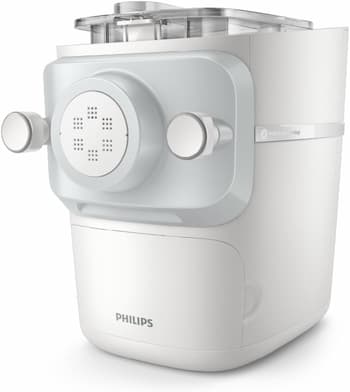
Philips 7000 Series Pasta Maker
ProExtrude Technology, Versatile Mixing Ability, 8 Shaping Discs, Perfect Dough, Easy Clean, Up to 8 Portions, White (HR2660/03)
We earn a commission if you click these images and make a purchase at no additional cost to you.
Q: How do I know when risotto is done?
The best way is to taste it. The grains should be plump and creamy, but with a gentle bite at the center. When spooned onto a plate, a good risotto will slowly spread—if it sits like a mound, add more broth to loosen it just before serving.
Q: Can I make this dish vegan?
You can skip the butter and go with olive oil. Instead of parmesan, use a vegan hard cheese or nutritional yeast. Check that your broth contains no animal products, and adjust seasoning to your taste.
Q: How do I store and reheat leftovers?
Risotto is best fresh, but you can chill leftovers in an airtight container for up to three days. To reheat, add a splash of broth or water in a saucepan over low heat and stir gently until creamy again. Extra liquid helps because cold risotto will thicken in the fridge.
Share Your Risotto Experience!
If you make this classic asparagus risotto, I hope you find it as satisfying as I do. I’d enjoy hearing what little twists you added. Whether you’re cooking for yourself or sharing with friends and family, risotto has a special way of bringing people together at the table. Enjoy every creamy, cheesy spoonful—and don’t hesitate to track down new toppings or addins to make it your own. Happy cooking!
