

Normative male alexithymia describes the struggle many men face in identifying and expressing emotions due to societal pressures rooted in traditional expectations of manhood. Coined by Ronald Levant in 1992, this term captures a pattern where men suppress feelings to align with norms of toughness and stoicism. Roughly 10% of men experience this trait at a level that disrupts relationships, mental health, or daily life. This article lays out what it is, why it happens, how it affects you, and steps to tackle it with clear, actionable strategies.
Society trains men from a young age to prioritize logic and control over emotional expression, creating a disconnect that can feel like second nature. Studies show men are twice as likely as women to exhibit alexithymia, often because vulnerability is discouraged early on. This suppression can strain personal connections, stress management, and even physical health. By diving into its causes, effects, and solutions, you’ll see how to reclaim emotional clarity and live better.
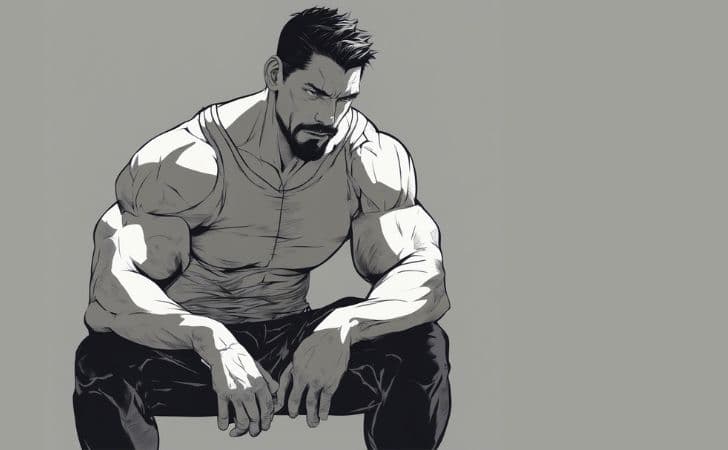
What Is Normative Male Alexithymia?
Normative male alexithymia refers to difficulty recognizing and verbalizing emotions, particularly among men shaped by cultural norms. The term, from Greek roots meaning “no words for emotions,” highlights a gap between feeling and articulating. It’s not a clinical disorder but a measurable trait that varies in intensity. Research ties it to societal expectations that push men to hide vulnerability.
This pattern often shows up as a block between what you feel and what you can say. You might sense something intense but struggle to name it or share it with others. Cultural pressures to stay strong or composed, reinforced by upbringing and media, drive this disconnect. Over time, it becomes a habit that limits emotional connection and self-awareness.
Your heart pounds during a tense moment, but you can’t name the emotion.
The physical signs - racing pulse, clenched fists - hit hard, but labeling it as anger or fear feels impossible. This gap between body and mind defines alexithymia and frustrates those expecting you to open up.
You end up dodging emotional talks to avoid the struggle. With practice, you can learn to bridge this gap.
Describing a bad day feels like hitting a brick wall.
You can list the events - a rough meeting, a missed deadline - but the feelings behind them stay locked away. This focus on facts over emotions can leave friends or partners feeling disconnected.
The issue lies in finding words, not in caring less. Regular reflection can help you unlock those words.
Sadness or fear gets buried under silence or anger.
A personal loss might cut deep, but you clam up or snap instead of admitting the pain. Society often rewards men for hiding “weak” emotions, so you learn to mask them early. This can make you seem distant, even when you’re hurting inside. Opening up, even slightly, can shift how others see you.
Reflection on emotions feels like a foreign concept.
Your mind leans toward practical tasks - fixing a car, planning a project - rather than dwelling on feelings. Daydreaming about personal desires or processing a breakup doesn’t come naturally. This outward focus can limit self-awareness and emotional depth. Simple exercises like journaling can help you tune in.

Why Does It Happen?
Social norms shape normative male alexithymia, starting in childhood and carrying into adulthood. Boys are often taught to suppress emotions like sadness or fear to prove their toughness. Ronald Levant’s research highlights socialization as the primary driver, with cultural expectations creating emotional barriers. These pressures build a mindset where expressing feelings feels unnatural.
The roots lie in how society defines manhood from an early age. Boys hear messages that vulnerability signals weakness, while stoicism or anger signals strength. Social learning theory explains how you mimic the men around you - fathers, peers, or media figures - who model emotional restraint. Over time, this creates a reflex to bury emotions rather than express them.
Childhood lessons like “boys don’t cry” stick with you.
A fall or failure might have brought shame if you showed tears, so you learned to hide them. Now, sadness feels like a forbidden emotion, even in private moments. This reflex can block deeper connections with others. Small steps like private journaling can loosen this grip.
Your father or brother modeled emotional restraint.
Growing up, you saw them handle stress by staying quiet or focusing on tasks, not feelings. This taught you to bury emotions and prioritize action, like solving a problem instead of discussing it.
The pattern feels normal but limits emotional openness. Talking to a trusted friend can break this cycle.
Media heroes glorify the stoic, tough-guy image.
Action films and sports icons portray men who stay calm under pressure, rarely showing vulnerability. You absorb this ideal, aiming to keep your cool no matter the situation. This makes admitting emotional struggles harder.
Recognizing these influences helps you push back against them.
Schoolyard teasing punished emotional openness.
A moment of weakness, like crying over a loss, might have drawn mockery from peers. You learned to lock away vulnerable feelings to avoid ridicule. As an adult, this instinct keeps you guarded, even in safe relationships. Practicing small, honest talks can ease this habit.

How It Affects Your Life
Normative male alexithymia impacts relationships, mental health, and physical well-being in tangible ways. Studies, like Levant and Karakis (2012), link it to lower relationship satisfaction and greater fear of intimacy. The inability to express emotions can make you seem distant or uncaring, even when you feel deeply. This section explores how it shapes your daily life and long-term health.
The effects extend beyond external relationships to your inner world. Without clear emotional awareness, stress builds up unprocessed, and decision-making suffers. You might feel stuck in conflicts or disconnected from loved ones without knowing why. Over time, this can lead to frustration, burnout, or even physical health issues like high blood pressure.
Relationships strain when you can’t verbalize emotions.
Your partner might ask how you feel, but you draw a blank, leaving them frustrated. This gap creates distance, even if you’re fully committed. The tension stems from miscommunication, not a lack of care.
Learning to name feelings can close this divide.
Stress piles up without an emotional outlet.
A tough day might leave you tense, but you can’t pinpoint or express the feeling. This bottling-up process amplifies stress, making you irritable or withdrawn. Releasing emotions through words or action can prevent this buildup.
Simple habits like journaling can help you process.
Decision-making falters without emotional clarity.
A big choice, like changing jobs, feels murky if you can’t tap into your feelings. Alexithymia clouds your gut instincts, so you lean too hard on logic. This can lead to choices that don’t align with your deeper needs.
Practicing self-reflection can sharpen your instincts.
Physical health suffers from suppressed emotions.
Chronic stress from unprocessed feelings can raise cortisol, causing headaches or fatigue. Studies link alexithymia to higher rates of heart issues in men. Releasing emotions through talk or activity can ease this strain.
Daily mindfulness can reduce this physical toll.
How to Tackle It
Addressing normative male alexithymia takes deliberate effort to reconnect with your emotions and express them clearly. It’s a gradual process, not a quick fix, but small steps can build emotional fluency. Research points to techniques like journaling, therapy, and mindfulness as effective ways to break the pattern. This section provides practical steps to get started.
You don’t need to change who you are to make progress. Consistent, small actions can rewire how you handle emotions over time. The key is sticking with it and pushing past discomfort. With practice, you can strengthen your ability to connect with yourself and others.
Journaling builds your ability to name emotions.
Write down what happened in your day and how it made you feel, even if it’s just a sentence. At first, labeling emotions might feel tough, but daily practice sharpens your clarity. Use prompts like “What got under my skin today?” to kickstart the process. This private habit helps you unlock your inner world.
Therapy offers a structured way to explore feelings.
A therapist familiar with men’s issues can guide you through identifying and verbalizing emotions. Sessions provide a judgment-free zone to practice, which is key for beginners.
Cognitive behavioral therapy (CBT) has shown results for alexithymia. Regular sessions build skills you can use daily.
Mindfulness exercises anchor you in the present.
Deep breathing or body scans help you notice physical sensations tied to emotions. Spend five minutes daily focusing on your breath and checking in with your body. This builds awareness of feelings you might otherwise ignore.
Apps like Headspace can walk you through the basics.
Talking to a trusted friend breaks the emotional silence.
Pick someone you respect and share one feeling, like frustration or worry, in a casual conversation. Start small, like mentioning a rough day, and notice how it feels to open up. The goal is to practice verbalizing without fear of judgment.
These talks get easier and deeper with time.

Crystals and Healing Stones Set
7 authentic raw chakra stones
7 tumbled crystals
7 mini tumbled crystals
1 rose quartz crystal ball
1 chakra necklace
1 chakra bracelet
1 rose quartz pendulum
1 selenite charging plate
1 clear quartz point
3 velet bags
50g natural colorful stones assorted
1 electronic starters guide.
We earn a commission if you click this link and make a purchase at no additional cost to you.
Normative Male Alexithymia: Breaking the Emotional Block
Normative male alexithymia stems from societal pressures that discourage men from expressing emotions, creating barriers to connection and clarity. It affects relationships, mental health, and physical well-being, but it’s not a permanent state. With tools like journaling, therapy, mindfulness, and honest conversations, you can rebuild your emotional fluency. The process takes effort, but the results are worth it.
Breaking this pattern strengthens your ability to handle life’s challenges with confidence. Every step forward builds stronger connections with others and a clearer sense of yourself. Start small, keep at it, and you’ll find emotions become less of a mystery. You’ve got this - take it one day at a time.
