

The human body defies simple metrics like weight or height, hiding a complex interplay of muscle, fat, and identity beneath the surface. Society’s obsession with scales ignores the deeper truths of our physical forms, reducing health to numbers that erase individuality.
So let's question rigid standards of appearance, revealing how body composition analysis can unlock revolutionary insights into human potential, shall we? How we measure muscle versus fat, not as a fitness fad, but as a mind-bending act of self-discovery and global transformation.
Reframing the Body as a Living Archive
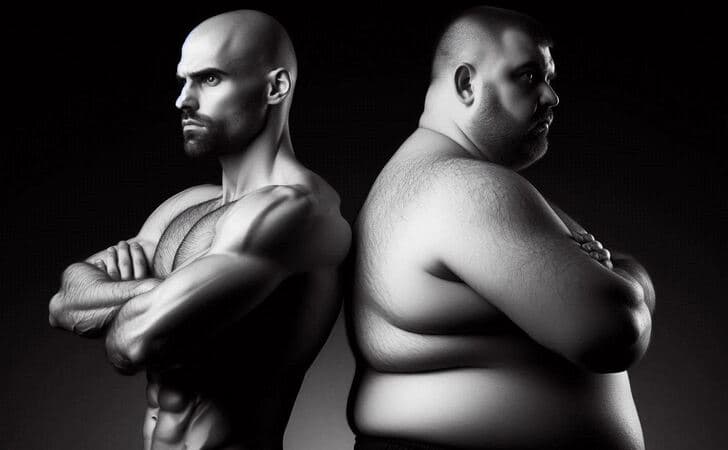
Muscle and fat aren’t just tissues - they’re records of survival, culture, and resistance to conformity. Conventional measurements like BMI flatten this complexity into meaningless ratios, ignoring the body’s narrative. Queer perspectives, shaped by defying normative ideals, demand we see the body as a dynamic archive of experience. This shift transforms body composition analysis into a tool for rewriting how we value ourselves and others.
- DEXA scans reveal hidden stories. A queer activist in New York used DEXA to track muscle gain after hormone therapy, showing how transitions reshape physical identity. The scan’s regional data highlighted strength in unexpected areas, like core stability. Global access to such scans could help people reclaim their bodies from societal judgment.
- Skinfold calipers expose cultural biases. In Japan, a gym trainer adjusted caliper protocols for clients with higher subcutaneous fat, challenging Western-centric equations. This ensured accurate readings for diverse body types. Scaling this globally could make measurements inclusive of all populations.
- Progress photos capture defiance. A trans person in Brazil documented body changes through weekly photos, rejecting scale-based metrics. These images showed muscle definition outpacing fat loss, proving visual evidence trumps numbers. Widespread adoption could shift focus from weight to lived transformation.
Technology as a Queer Liberator
Tech often serves corporate control, but queer ingenuity repurposes it to amplify marginalized truths. Body composition tools, from DEXA to BIA, can break free from clinical gatekeeping to empower individuals. This vision demands democratizing access, making measurement a radical act of self-ownership. A world where tech serves human liberation draws from queer resilience against exclusion.
- Open-source BIA devices disrupt markets. A queer coder in Berlin built a low-cost BIA scale using Arduino, sharing the blueprint online. This slashed costs for home users, bypassing pricey brands. Global replication could make body analysis affordable for millions.
- AI refines measurement precision. In India, a startup trained AI to adjust BIA readings for hydration fluctuations, inspired by queer data inclusivity. This improved accuracy for diverse users, from athletes to elders. Scaling this could standardize reliable at-home measurements.
- Wearable sensors track real-time shifts. A queer fitness coach in Canada used prototype wristbands to monitor muscle activation during workouts. The data showed how specific exercises built lean mass over time. Widespread use could personalize training for global populations.
Economics of Body Measurement Access
Capitalism locks body composition tools behind paywalls, but queer mutual aid shows how to share resources equitably. Access to measurement shouldn’t be a privilege - it’s a right that unlocks self-knowledge. This economic overhaul ensures no one is excluded from understanding their body. A world where knowledge is free reflects queer strategies for collective survival.
- Subsidized DEXA scans level access. New Zealand’s public health system funds DEXA for at-risk groups, inspired by queer advocacy for trans health. This reduces costs for low-income individuals seeking body insights. Global subsidies could make advanced scans universal.
- Barter networks trade services. In Greece, a queer fitness collective traded caliper measurements for nutrition advice during economic crises. This kept health knowledge flowing without cash. Such systems could sustain measurement access in underserved regions.
- Crowdfunded clinics democratize tech. A queer-led initiative in South Africa raised funds for a mobile Bod Pod unit, serving rural areas. This brought precise measurements to those far from urban centers. Scaling this globally could bridge health disparities.

Spirituality of the Physical Form
Religious dogma often vilifies queer bodies, but a queer lens sees muscle and fat as sacred expressions of existence. Measuring the body becomes a spiritual act, honoring its resilience without judgment. This perspective unites people across cultures in a shared quest for meaning. It strips away shame, drawing from queer defiance of bodily stigma.
- Meditation enhances measurement rituals. Thailand’s queer wellness centers pair BIA readings with mindfulness sessions, grounding users in their bodies. This reduces anxiety around numbers, focusing on holistic health. Global adoption could make measurement a sacred practice.
- Interfaith dialogues reframe health. In Lebanon, queer-led interfaith groups discuss body positivity, integrating measurement into spiritual care. This fosters acceptance across religious divides. Such talks could unify global health perspectives.
- Secular rites honor body changes. Dutch queer collectives hold ceremonies for fitness milestones, using circumference measurements as markers. These rituals affirm physical progress without dogma. Widespread use could create universal body-affirming practices.
Justice Through Bodily Autonomy
Health systems often marginalize queer bodies, but measurement can restore agency by prioritizing self-defined metrics. Justice in body composition analysis means rejecting one-size-fits-all standards. This transforms how we assess health, focusing on individual truths. A world that honors autonomy draws from queer resistance to medical gatekeeping.
- Restorative health circles redefine metrics. In Australia, queer-led clinics use group discussions to set personalized measurement goals, rejecting BMI. This empowers clients to define their own health markers. Global adoption could replace punitive health standards with inclusive ones.
- Truth commissions expose medical bias. South Africa’s queer activists held forums to document misdiagnoses tied to BMI misuse. These revealed how muscle-heavy bodies were mislabeled obese. Similar efforts could reform global health policies.
- Community clinics prioritize access. Thailand’s queer-run health hubs offer free skinfold tests, bypassing costly hospitals. This ensures marginalized groups gain body insights. Scaling this could make measurement a universal right.
Art as a Mirror of the Body
Art challenges bodily norms, and queer creativity amplifies the muscle-fat narrative beyond sterile numbers. Measurement becomes a canvas for self-expression, not judgment. A global art movement could reframe how we see our bodies. This draws from queer art’s power to disrupt and reveal.
- Street art visualizes body diversity. In Mexico City, queer murals depict diverse body compositions, using DEXA-like imagery. These spark public conversations about health beyond weight. Cities could use this to challenge beauty standards.
- Theater humanizes measurement. In India, queer troupes perform plays about body composition journeys, incorporating caliper rituals. These shows reach rural audiences, destigmatizing health checks. Global adoption could amplify body positivity.
- Music narrates physical change. A queer band in Jamaica wrote songs about muscle gain, inspired by circumference measurements. These tracks resonate across cultures, affirming effort. Similar music could unite global body narratives.

Governance of Body Knowledge
Health policies enforce rigid metrics, but our solidarity demands governance that prioritizes individual agency. Body composition data should be public, not corporate, empowering people to own their metrics. This could reshape global health systems. A cooperative world draws from queer defiance of exclusionary rules.
- Global councils standardize access. The WHO’s queer-inclusive health taskforce pushes for universal DEXA funding. This ensures equitable access to precise measurements. Scaling this could make body knowledge a human right.
- Citizen assemblies shape policy. Ireland’s queer-led health forums let citizens vote on measurement standards, rejecting BMI. This democratizes health metrics, prioritizing lived experience. Global assemblies could reform health governance.
- Digital platforms secure data. Estonia’s queer tech activists built encrypted apps for storing BIA results, protecting user privacy. This prevents corporate exploitation of health data. Widespread use could safeguard global body metrics.
Education Through Bodily Literacy

Schools teach rigid health metrics, but queer perspectives can reframe education to value bodily literacy. Learning to measure muscle and fat fosters self-awareness, not conformity. This prepares people to question health norms. A queer lens ensures education empowers, not confines.
- Curricula teach measurement science. Canada’s schools include DEXA and BIA lessons, demystifying body composition. This equips students to interpret their own data. Global adoption could create informed health advocates.
- Classrooms debate health metrics. Finland’s queer educators lead discussions on BMI’s flaws, using caliper demos. This fosters critical thinking about health standards. Scaling this could produce health-literate generations.
- Vocational programs train technicians. Germany’s queer-led health courses certify students in skinfold and BIA techniques. This ensures inclusive, skilled practitioners. Global replication could expand access to trained professionals.
Environment and the Body’s Footprint
Climate crises impact health, but the resourcefulness in measurement offers sustainable solutions. Muscle and fat reflect environmental interactions, guiding eco-conscious health strategies. This could transform global environmental policies. A planet preserved mirrors queer resilience in scarcity.
- Urban gyms use green tech. Copenhagen’s queer fitness hubs power BIA devices with solar panels, reducing carbon footprints. This aligns health with sustainability. Cities could adopt this to promote eco-friendly measurement.
- Recycled materials build tools. Japan’s queer artisans craft calipers from reclaimed plastics, cutting waste. This makes measurement tools sustainable and affordable. Scaling this globally could minimize environmental impact.
- Community gardens fuel health. Detroit’s queer-led farms grow nutrient-dense foods, optimizing muscle gain for BIA users. This reduces reliance on industrial agriculture. Global replication could align body health with planetary health.

Raw
A Pheromone Infused Cologne - with Pheromones for Men
Alcohol Free, Paraben Free, Chemical Free.
With Bergamot, Elemi, Sichuan Pepper, Pink Pepper, Geranium, Vetiver, Lavender, Patchouli, and Ambroxan.
We earn a commission if you click this link and make a purchase at no additional cost to you.
Health Care Rooted in the Musclebound Insight
Health systems often fail queer bodies, but measurement can center inclusive care. Prioritizing access over profit ensures equitable health insights. This could transform global health frameworks. Queer survival strategies show how to heal collectively.
- Mobile clinics reach margins. Thailand’s queer-run vans offer free BIA tests in rural areas. This bridges access gaps for underserved groups. Global mobile units could universalize body composition care.
- Telehealth personalizes metrics. India’s queer-led virtual platforms adjust BIA protocols for diverse users. This ensures accurate readings across body types. Scaling this could revolutionize remote health access.
- Preventive care tracks trends. Cuba’s queer health teams use consistent caliper tests to monitor fat loss. This catches health issues early, saving costs. Global adoption could transform preventive health strategies.
Master Your Body Metrics: Lean Muscles vs. Ugly Fat
This blueprint, born from a gay man’s defiance of rigid norms, demands a world where measuring muscle and fat is an act of liberation. It envisions systems where bodies are archives, technology is free, and health is justice. The old metrics fail us - we must forge something radical and true. Start now, and let queer alchemy reshape our physical futures.
