

People frequently hear the expression regarding a future kingdom during regular conversations about history or literature. Ancient texts contain numerous references to a complete renewal of our world. Men look for signs of peace when society feels chaotic and messy. Writers use symbols to describe a state of total perfection.
Everyday language adopts historic phrases to express a desire for ultimate justice and order. You observe people searching for meaning in tracks from classic albums or poetry. Historical records show that human desire for a better realm remains completely steady across centuries. Cultural expressions shift but the search stays identical.
Clear interpretations clarify the deep context behind these popular cultural idioms today. You will discover many layers of meaning behind the words when you look past the surface. Exploration of these themes gives you a fresh perspective on art and personal hope. Final answers require an examination of multiple sources.
The Cultural Impact of the Phrase
Historical changes turn spiritual sayings into common expressions that regular people select for daily use. You notice this linguistic shift when secular books utilize phrases from ancient religious ceremonies. Authors find that religious terminology carries a high amount of emotional weight. Everyday speakers repeat these catchphrases until the original theology disappears completely from mind. Society values words that create a vivid picture of absolute finality.
Political speech frequently borrows dramatic phrases to emphasize the urgency of a legislative vote. Leaders declare that a bad policy will send the nation into total ruin. You hear commentators use the idiom to describe a complete blowout during a sports match. Media outlets spread the phrasing across news articles to attract reader attention. Popular culture absorbs the heavy terminology until it loses its strict scriptural definitions.
Conversations between friends utilize the terminology to talk about finishing a massive project. You tell your coworkers that you will work until everything is completed perfectly. Hard labor requires a vocabulary that matches the physical effort you expend. People like to use extreme terms when they describe everyday exhaustion. You find that ancient idioms fit these moments of intense work remarkably well.
Listen to television commentators during intense political debates to spot historical idioms. Commentators frequently utilize dramatic religious language to make a point about a candidate losing an election.
Read news reports about major athletic games to observe the secular shift. Journalists love to use severe phrases when a team suffers a total defeat on the field.
Notice your own speech habits when you talk about extreme exhaustion after a long workday. People naturally select heavy phrases to emphasize how tired they feel.
What Does "Kingdom Come" Even Mean?
So, what does "Kingdom Come" actually mean? The phrase refers to the idea of God’s reign or rule coming to earth. It’s often used in religious contexts, but even if you’re not super religious, there’s something really interesting about the idea. It’s about bringing something better into the world—a sense of peace, justice, or order that feels right.
Think about it like this: In the prayer, it’s a request for things on earth to be as they are in heaven. That means wanting a world that’s free from the mess, where things make sense, and where people treat each other fairly. It doesn’t mean everything is perfect, but there’s a vision of things getting better.
- When you see someone doing the right thing, even when it’s hard, it feels like a little piece of "Kingdom Come."
- Standing up for what’s right, even when nobody’s watching, feels like part of this idea.
- When things fall into place and people work together without selfishness, that’s another piece of this puzzle.
It’s not some far-off idea; it’s something that happens little by little, in everyday moments. That’s what makes it feel real, not just some abstract thought.
Electric Pulse Machines

We earn a commission if you click this link and make a purchase at no additional cost to you.
Living Like the Kingdom Is Already Here
One thing people talk about with "Kingdom Come" is living as though the kingdom is already here. Now, that might sound a bit odd at first, but it’s pretty straightforward once you think about it. It’s not just waiting for some magical future—it’s about acting like the world you want is already here.
Imagine if people started treating each other with kindness, patience, and respect today, instead of waiting for a better world to come along. If you live like the kingdom has already arrived, you're not waiting around for someone else to fix things.
- Choosing to be kind, even when others are rude.
- Doing the right thing, even if it’s inconvenient or goes unnoticed.
- Helping someone out without expecting anything in return.
Living like the kingdom is already here isn’t easy, but it’s possible in the small choices we make every day. It's a shift in thinking. Instead of looking around and wishing things were better, you start acting like they are. The more people live this way, the more things start to change for real.
The Upside-Down Kingdom
What makes this whole "Kingdom Come" concept even more interesting is that it flips the usual way of thinking on its head. The kingdom isn’t about power, money, or fame. It’s often called the "upside-down kingdom" because it values things that the world usually doesn’t.
In most places, success means climbing to the top, being in control, and having more than others. But in this kingdom, the ones who serve are the greatest. It’s about lifting others up, rather than stepping over them. That’s a pretty wild idea when you compare it to how things usually go.
- Helping others when you have nothing to gain from it.
- Valuing people for who they are, not what they can do for you.
- Choosing humility over pride, even when the world says that’s weak.
The upside-down kingdom asks you to rethink what really matters. It's not about how much you achieve or how far you get ahead; it’s more about how you treat the people around you and how you carry yourself when no one’s watching. That’s what makes it such a refreshing perspective.
Finding Kingdom Moments in Everyday Life

If you look closely, there are small moments in life that reflect "Kingdom Come." These aren’t grand gestures or big events; they’re usually the quiet moments where someone makes a choice that reflects this idea of a better world. The cool thing is, these moments are everywhere—you just have to notice them.
Think about those times when people show unexpected kindness or when you see someone doing the right thing, even though it’s not easy. Those are glimpses of the kingdom in action. They might not change the world overnight, but they show how things could be.
- A stranger paying for someone’s groceries when they’ve come up short.
- A friend who checks in on you just because they know you’ve had a rough day.
- Someone standing up for someone else, even when there’s nothing in it for them.
These moments aren’t huge, but they matter. It’s the small things that add up, and that’s what starts to create a real sense of "Kingdom Come" in everyday life. It’s not about waiting for something massive to happen; it’s about noticing and being part of these little moments that reflect a better way of living.
The Future and the Now
Here’s another part of the conversation that’s kind of cool. People often think of "Kingdom Come" as something that’s only going to happen in the future. But there’s this whole idea that the kingdom is already here, just not fully revealed yet. It’s like a glimpse of what’s to come, but also something that’s already happening in small ways.
So, the kingdom is both future and present. It’s already started, but it’s not completely here yet. That’s why there’s this tension of seeing good things happen now, but also knowing there’s more to come. You’re living in the "now," but you’re also looking forward to a time when things will be even better.
- Seeing progress in the world but knowing there’s still work to be done.
- Experiencing moments of peace but knowing they’re just a taste of something greater.
- Watching as people choose love over hate and realizing that’s a small picture of what the kingdom is all about.
This "now and not yet" idea keeps things moving forward. You’re not just waiting around for things to change, but you’re also hopeful for a future where the kingdom is fully realized. It’s a mix of being content with the progress that’s already happening while looking forward to more.
We earn a commission if you click any of these links and make a purchase at no additional cost to you.
Harry Styles on Amazon


Harry’s House
[2022- Harry Styles]
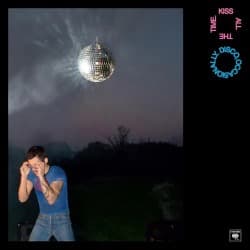
Kiss All The Time. Disco, Occasionally
[2026 - Harry Styles]
"Kingdom Come" by David Bowie
"Kingdom Come" is a song by David Bowie from his 1980 album, "Scary Monsters (and Super Creeps)." This track stands out as it is a cover of a song originally written and performed by Tom Verlaine, the frontman of the band Television. Bowie’s version brings his unique style and interpretation to the original piece.
Themes and Lyrics
The lyrics of "Kingdom Come" reflect feelings of frustration, longing, and the struggle to find one's place in the world. It talks about searching for meaning and dealing with the obstacles that life throws in the way. Let’s delve into some key themes and lyrics to better understand the song.
Frustration and Despair
The song opens with lines that express a deep sense of frustration:
"Well I walk in the pouring rain / And I hear a voice, it’s calling."
These lines suggest a sense of wandering and searching, perhaps for answers or a sense of direction. The pouring rain can be seen as a metaphor for challenging times or emotional turmoil.
Search for Meaning
A recurring theme in the song is the search for meaning or a better place, which could be referred to as the "kingdom come":
"Yes, I keep walking, walking, walking / 'Til kingdom come."
This phrase "’Til kingdom come" implies a relentless journey, continuing until a state of fulfillment or peace is achieved. It suggests perseverance despite not knowing when or if the destination will be reached.
Struggles and Obstacles
The song also touches on the struggles and obstacles faced along the way:
"A cry for help, a hint of anesthesia / The sound from broken homes."
These lines highlight the difficulties and the sense of numbness that can come from facing continual hardships. The reference to "broken homes" evokes a sense of dysfunction and pain, adding to the overall feeling of struggle.
Musical Style and Bowie’s Interpretation
Bowie’s version of "Kingdom Come" features a more intense and dramatic musical arrangement compared to the original by Tom Verlaine. Bowie infuses the song with his characteristic sound, which includes a powerful vocal delivery and a dynamic rock influence.
Production and Arrangement
The production on "Scary Monsters (and Super Creeps)" has a clean, polished sound with a sharp edge, which is evident in "Kingdom Come." The guitar work, driving rhythm, and layered vocals create a rich and engaging listening experience. Bowie’s arrangement brings a fresh energy to the song, making it distinct from Verlaine’s more stripped-down version.
Vocal Performance
Bowie’s vocal performance adds a layer of intensity and emotion to the song. His delivery conveys the frustration and yearning described in the lyrics, making the listener feel the weight of the song’s themes. Bowie’s unique voice and style turn "Kingdom Come" into a powerful and compelling track.
Context within the Album
"Scary Monsters (and Super Creeps)" is an album that explores themes of fear, uncertainty, and the search for identity. "Kingdom Come" fits well within this context, as it deals with the internal and external struggles of seeking a better life or state of being. The album as a whole reflects Bowie’s ability to blend introspective lyrics with innovative music, and "Kingdom Come" is a strong example of this blend.
Legacy and Reception
While "Kingdom Come" may not be as widely known as some of Bowie’s other songs, it has been appreciated by fans for its depth and Bowie’s unique take on Verlaine’s work. It showcases Bowie’s talent for interpreting and transforming songs, adding his personal touch to create something new and impactful.
In summary, "Kingdom Come" by David Bowie is about frustration, searching for meaning, and dealing with life's challenges. Bowie’s powerful musical style and vocal performance bring these themes to life, making the song a memorable part of the "Scary Monsters (and Super Creeps)" album.

Theological Roots in Ancient Literature
Ancient scrolls from early Mediterranean civilizations contain detailed descriptions of a final era where justice completely replaces human corruption and political tyranny. You discover these fragile manuscripts when you study the history of early religious movements that developed near the Dead Sea centuries ago. Scribes spent their entire lives carefully copying prophecies about a final realm that would completely outlast and replace earthly empires like Rome or Babylon. Readers find that these old records express a deep dissatisfaction with contemporary regional governors who collected unfair taxes from poor citizens. Writers looked toward a sudden divine intervention to correct the deep institutional wrongs of their troubled agrarian society.
Scholars examine these dusty parchment fragments to trace how the vocabulary of finality and total judgment developed across multiple centuries of conflict. You see a clear pattern of symbolic phrasing that regular people utilized during times of heavy military occupation and intense personal suffering. Foreign rule often triggered a massive wave of underground literature focused on ultimate liberation from cruel foreign monarchs. People found immense comfort in reading text that promised a complete and total reversal of their current painful social status. Ancestors passed down these stories around winter fires to maintain hope during long generations of institutional slavery and cultural erasure.
Historical interpretation requires a clear knowledge of the regional politics and economic droughts that shaped early theological prose. You notice that ancient authors utilized vivid imagery like falling stars and blazing mountains to represent major structural changes in local governance. Readers should look at the broad historical context before drawing any quick conclusions about the literal meaning of these ancient words. Every scroll reflects the deep-seated fears of a civilization dealing with constant border wars and sudden agricultural failure. You gain a far better perspective on the idiom by studying its early literary foundations in ancient libraries.
Examine ancient translation notes to see how old words shifted in meaning across separate translation eras. Translators frequently selected words that matched the political pressures of their own royal courts.
Read historical commentary on early apocalyptic writing to grasp the intense social pressure behind the texts. Authors wrote under severe censorship, which forced them to hide their true political messages under layered spiritual codes.
Track the references to kings and crowns in early century prose from the region. Focus on political structures helps you see why people desired a new celestial government instead of their current leaders.
Secular Philosophy and Utopian Ideals
Philosophers frequently try to design a perfect society without relying on any religious dogmas or spiritual promises of an afterlife. You read about these secular visions in classic political texts written during the height of the European Renaissance. Thinkers argued that human reason possesses the absolute power to build an orderly realm right here on the physical earth. Authors drafted detailed blueprints of cities where crime, greed, and poverty disappeared entirely through smart legislation and fair distribution. Citizens in these theoretical locations worked together for the common good of the entire state rather than pursuing personal wealth.
Intellectual history shows that utopian dreams often mirror the specific failures and corruptions of contemporary ruling governments. You see philosophers reacting against unfair tax codes, crooked judges, and pointless royal wars inside their private journals and public essays. Legal updates were viewed as the primary method for establishing lasting peace among regular citizens who felt cheated by kings. Men believed that proper education from childhood would eliminate the selfish traits that ruined earlier great civilizations across Europe. You discover a rich tradition of secular hope that runs completely parallel to the spiritual visions found in scripture.
Debates about basic human nature determine how philosophers structure their ideal versions of a perfectly run state. You find that some writers demand strict central authority to maintain absolute peace and protect citizens from their own worst impulses. Other authors place their complete trust in total personal freedom and the natural goodness of the uneducated working classes. Readers notice a common thread of wanting a definitive destination where human struggle ends and harmony becomes permanent. You realize that the desire for an ideal realm belongs to all human thought regardless of religious background.
Study the classic text written by Thomas More regarding a fictional ideal island nation. Writers during that era used imaginary settings to critique the corruption of European monarchs without getting executed for treason.
Analyze the legal codes of historical communes to see political philosophy in action. Participants tried to eliminate personal property entirely to establish total equality among all group members in daily life.
Compare secular political manifestos with old spiritual descriptions of paradise to spot similarities. You will notice identical desires for a world free from institutional unfairness, poverty, and hereditary privilege.
Cinematic Depictions of Total Destruction
Filmmakers love to show the end of civilization through massive summer blockbusters that fill movie theaters around the globe. You watch as expensive special effects destroy familiar cities to create a blank canvas for intense survival stories on screen. Directors use the familiar idiom to signify a point of no return for their main characters during catastrophic events. Viewers feel a sudden thrill when they observe the absolute collapse of normal societal structures and corporate infrastructure. Characters carry the massive responsibility to rebuild their lives from scratch after the old world vanishes entirely into dust.
Post-apocalyptic cinema explores how ordinary humans behave when all laws, police forces, and utility grids disappear in an instant. You observe dark scenarios where survival requires either extreme selfishness or a tight cooperation with total strangers. Cinema acts as a reliable mirror for contemporary anxieties regarding global warfare, viral diseases, and sudden environmental collapse. People use these fictional stories to process their deepest subconscious fears about the fragility of our current global systems. You see a bleak environment where the desperate struggle for basic supplies replaces all normal career pursuits and social activities.
Hollywood often delivers a highly hopeful message at the ultimate conclusion of these highly destructive stories. You watch characters establish a new settlement based on fairness, mutual protection, and a respect for human dignity. Writers suggest that the total destruction of a corrupt old system allows a far better world to emerge naturally. Viewers leave the theater feeling relieved that humanity possesses the internal resilience required to survive almost any global catastrophe. You realize that cinema uses total ruin to talk about a fresh beginning for human society.
Watch classic science-fiction movies to see how directors visualize an empty planet. Visual choices like overgrown highways and silent cities show the complete halt of industrial civilization.
Pay attention to the musical score during scenes of total societal collapse. Composers use heavy brass instruments and deep drums to emphasize the finality of a falling empire on screen.
Analyze the dialogue of the main villain to find references to absolute structural renewal. Antagonists frequently believe that total destruction is required to fix the persistent mistakes of current human society.
Comic Books and Graphic Novel Masterpieces
Graphic novels utilize the theme of a final reckoning to challenge traditional ideas about comic book superheroes and justice. You discover stories where aging heroes must return to public life to fight a new generation of reckless and violent vigilantes. Artists use detailed panels and dark color palettes to show a world teetering on the edge of total moral chaos. Readers see familiar characters struggling with their past choices, physical decline, and deep institutional failures across the nation. The narrative forces you to think about the long-term consequences of unchecked power inside a democratic society.
Incredible painted artwork displays a dark future where traditional heroes look outdated, helpless, and isolated against rising global threats. You see a deep examination of justice when old rules fail to protect regular citizens from random street violence. Writers construct complex plots where a final battle determines the fate of the entire planet and its superpowered defenders. Characters debate the ethics of total retirement versus the continuous duty to protect innocent people from harm. You watch as a classic fictional universe faces its own version of a final judgment day under bright neon lights.
Publishers find that adult readers respond incredibly well to mature storylines that feature high stakes and permanent character changes. You notice that graphic fiction often addresses contemporary political themes through the clever disguise of costumed heroes and fictional cities. The conclusion of a major comic series often sets up a completely new status quo for the surviving characters. Fans discuss these literary arcs for many decades because the stories push the boundaries of the illustrated medium. You realize that comic books are able to handle deep philosophical concepts with great success and emotional weight.
Look at the painted artwork in famous miniseries from the late twentieth century. Artists utilized realistic illustration styles to make the superhero conflict look like an ancient mythological war between gods.
Follow the character arc of the main hero as he leaves his quiet retirement village. Older protagonists bring a sense of weariness and wisdom to a world filled with chaotic and unguided threats.
Read the background dialogue of regular citizens inside the crowded comic panels. Public opinion inside the story reflects the social fear of living through an unregulated superhero apocalypse.

Classical Poetry and Epic Literary Works
Poets across history have used the imagery of falling kingdoms to comment on the temporary nature of human power and glory. You read ancient verses that describe ruined stone statues buried deep inside lonely desert sands away from modern roads. Authors find that rhyme and meter help convey the heavy sadness of a collapsed civilization that once ruled the world. Readers feel a necessary sense of humility when they realize that even the greatest empires disappear completely over time. Literature preserves these historic warnings to remind current leaders about the great dangers of excessive pride and military expansion.
Epic poems often center on a grand conflict between celestial forces and rebellious spirits who refuse to submit to authority. You follow complex narratives where the ultimate prize is total control over the minds and destinies of all humanity. Writers use elevated language to describe the creation, management, and destruction of massive heavenly realms beyond our sight. Characters speak in long, dramatic monologues about duty, betrayal, and the endless search for a perfect truth. You find that ancient verse contains the exact same anxieties about chaos that people experience in our current era.
Romantic poets looked toward a future renewal where nature would completely reclaim the land from smoke-belching industrial factories. You observe a deep longing for a simpler world free from the deafening noise of industrial machinery and urban crowding. Writers used metaphors of a coming paradise to inspire actual political changes and democratic reforms in their home countries. Readers discover that poetic visions often precede actual social updates and legislative breakthroughs by many separate decades. You gain a deep appreciation for language when you see how poetry shapes human hope across generations.
Analyze the metaphors in nineteenth-century verse regarding fallen monarchs and broken thrones. Poets used ancient names to disguise their criticisms of living rulers without facing immediate prison sentences.
Read epic texts that describe a battle in the heavens between light and darkness. Severe imagery helps you comprehend how older generations conceptualized final spiritual battles before the invention of modern science.
Notice the use of natural elements like winter storms and roaring oceans in classic poetry. Authors linked human political ruin to the unstoppable and uncaring forces of the physical earth.
Musical Adaptations Beyond Rock Music
Classical composers spent entire centuries writing massive choral pieces that describe the terrifying arrival of a divine sovereign judge. You hear the immense power of a full orchestra combined with hundreds of trained voices singing in perfect unison. Conductors utilize heavy percussion and silver trumpets to represent the thunderous split of the heavens during the final days. Listeners feel a physical chill when the brass section announces the total end of the current material world. Music carries these complex theological themes directly into the ears of secular listeners who never step inside a church.
Gospel traditions rely heavily on historic songs that promise a much better life after the struggles of earth conclude. You notice a joyful rhythm that replaces the fear of judgment with the happy anticipation of eternal peace. Singers use their voices to lift the heavy spirits of people facing severe discrimination, poverty, and systemic unfairness. Lyrics focus on a physical location where tears stop falling and justice reigns over the land forever. You find that musical expression delivers a critical survival mechanism for oppressed groups throughout human history.
Folk musicians adapt old hymns to tell stories about regular people searching for a fair deal from corporate bosses. You hear acoustic guitars accompany simple verses about a coming day of complete institutional accountability and social renewal. Writers use the familiar idiom to warn corrupt landlords that their earthly power will eventually vanish into nothing. Listeners connect with the simple melodies that carry heavy messages of labor rights and political reform across the nation. You realize that music serves as an active vehicle for the preservation of historic ideals and popular resistance.
Listen to a live performance of a classical requiem mass to experience the vocal drama. Composers used specific musical keys to evoke extreme fear or peaceful hope regarding the final judgment day.
Study the lyrics of early spiritual songs sung in fields during the nineteenth century. Enslaved people used coded language about a coming kingdom to plan actual physical escapes to free states.
Track the use of traditional pipe organs inside old stone church buildings. Deep bass frequencies create a physical vibration that matches the grand scale of the written spiritual text.
The Psychology of Hope and Personal Endurance
Mental strength requires a steady belief that current hardships will eventually yield to a much better situation in life. You observe this psychological mechanism when people face chronic medical conditions or long periods of unexpected financial unemployment. Persons rely on a vision of a peaceful future realm to endure daily pain and institutional neglect without quitting. Psychologists find that a forward-looking mindset prevents despair from freezing human action and daily productivity entirely. You maintain your focus during dark times by believing that your current struggle has a definitive end date.
Belief in a final resolution helps human minds process the absolute unfairness of sudden personal tragedies and losses. You see people searching for a hidden logic behind terrible accidents or the premature passing of a loved one. Human brains naturally look for patterns of order inside a chaotic series of random and uncaring events. You find that a framework of ultimate justice delivers deep comfort when current legal systems fail completely. Peace of mind returns when you accept that some major rewards happen far in the future beyond your current sight.
Expectations about the final destination determine how much energy you invest in your current daily tasks and chores. You work much harder when you believe that a magnificent reward waits for you at the finish line. Disbelief in a better tomorrow causes people to drop their tools and stop trying to improve their neighborhoods. Optimism acts as a required fuel for long-term projects that demand many years of quiet dedication and sacrifice. You discover that personal endurance links directly to your personal view of ultimate destinations and future resolutions.
Keep a detailed daily journal to record your thoughts about future personal milestones. Focusing on a positive destination helps your brain handle the boring parts of a regular routine.
Speak to a professional counselor when current news events feel completely overwhelming. Expert guidance helps you rebuild a sense of order when your mental world feels chaotic.
Read detailed biographies of historical figures who survived long years of wrongful exile. Survivors always maintained a steady belief that a day of complete justice would eventually arrive for them.
Sociological Experiments and Intentional Communities
Historical groups have repeatedly tried to build a perfect enclave far away from regular crowded cities and corrupt laws. You discover records of people moving into isolated forests to escape the noise of commercial industrial society completely. Leaders drafted strict rules to eliminate personal competition and promote total cooperation among all active members. Participants pooled their resources to ensure that nobody suffered from starvation, poverty, or medical neglect during winter. Everyone worked the fields together to sustain the new settlement without relying on outside trade or government assistance.
Sociologists study these historical enclaves to see why perfect social systems often collapse after a few years of operation. You notice that internal disagreements about leadership and rules usually cause the initial cracks in a group. Human nature introduces small amounts of jealousy and laziness into even the most carefully planned cooperative societies. Rules become oppressive when leaders try to force total compliance on every person inside the compound. You learn that building a flawless realm requires much more than just good intentions and high ideals.
Lessons from these historic communal failures help current urban planners design better cooperative spaces in our towns today. You see a shift toward smaller, more practical residential adjustments rather than a total isolation from regular society. People find that mutual support works best when members retain their personal freedom and private property rights. Real progress happens when a small group focuses on clear daily tasks instead of chasing abstract perfection. You realize that a better world is built through small choices rather than massive top-down social engineering.
Research the history of nineteenth-century farming communes in upstate New York. Many groups tried to establish a literal paradise on earth through agriculture and communal labor rules.
Analyze the eventual breakdown of group dynamics in isolated social experiments. Extreme isolation frequently heightens paranoia and leads to a complete loss of trust among the participants.
Visit an active cooperative house to see how regular citizens manage resources. Small adjustments to daily living show that cooperative ideals are possible without moving to the wilderness.
Linguistic Evolution of Biblical Metaphors
Languages alter the original meaning of old idioms as phrases travel across geographic borders and separate generations. You find that expressions from ancient literature lose their strict spiritual contexts when adopted by different language groups. Secular speech patterns absorb religious metaphors because the descriptive imagery remains incredibly vivid, memorable, and dramatic. Everyday speakers use severe terms without knowing anything about the historical theology behind the specific words. You observe this linguistic phenomenon in every major dialect spoken around the globe today.
Scholars and lexicographers trace how phrases shift from strict spiritual definitions to casual street slang over time. You notice that terms for final judgment day often become simple words for total physical destruction during a fight. Writers select these historic idioms to add immediate gravity to regular news headlines or fiction book titles. Public familiarity makes the old terminology a successful shortcut for communicating high stakes to a broad group. You see the strength of old literature when ancient phrases survive into the current internet age intact.
Conversations in corporate offices utilize old scriptural language to talk about deadlines or sudden executive firings. You hear a manager state that a project failure will bring a final reckoning for the entire department. Employees know the phrase means a sudden loss of employment rather than a celestial event involving angels. Metaphors evolve because humans always require strong words to describe highly stressful situations in their daily lives. You gain a far better command of language by studying where your daily slang terms originated historically.
Look up the earliest recorded use of specific idioms in English dictionaries. Old definitions show a strict connection to scripture that has faded in regular conversation today.
Compare how different languages translate idioms regarding the end of the world. Every culture selects metaphors that match the geography, weather, and climate of their home region.
Notice the frequency of religious terms inside regular weekend sports commentary. Analysts use finality phrases to describe a definitive victory over an opposing team on the field.

Artistic Representations in Renaissance Masterpieces
Painters during the fourteenth century used plaster and gold leaf to visualize the arrival of a divine kingdom. You stand in old cathedrals and look up at massive frescoes covering the high ceilings above you. Artists spent long years arranging figures of angels, saints, and historical villains in grand visual compositions. Viewers see a clear separation between the chaotic lower world and the perfect order displayed in the heavens. Visual storytelling allowed illiterate citizens to learn complex theological narratives without reading a single page of text.
Patrons commissioned these expensive artworks to show their personal devotion and secure their place in the afterlife. You notice that wealthy merchants often had their own faces painted into the holy scenes as observers. Art functioned as a reliable bridge between earthly wealth and spiritual aspirations during that historic era. Painters utilized bright blues and deep reds to make the celestial realm look magnificent and expensive. You discover a wealth of historical information by looking closely at the clothing styles featured in the art.
Restoration experts work carefully to preserve the delicate pigments from damage caused by humidity and candle smoke. You observe how centuries of thick candle soot can dim the original brilliance of a painted masterpiece. Clean surfaces reveal the incredible skill of creators who worked under highly difficult physical conditions on high scaffolding. Society protects these historic sites to keep a physical link to ancient artistic visions of perfection. You realize that the desire for a perfect world inspired some of the greatest art in human history.
Visit a local art museum to study paintings of historical celestial courts. Artists used strict geometric symmetry to convey a sense of perfect celestial order and balance.
Examine the facial expressions of figures painted in old judgment day scenes. Creators showed intense emotions like terror and peace to emphasize the weight of the final decision.
Notice the use of gold leaf to represent divine light in medieval wood panels. Shiny metals created a glowing effect under candlelight that made the spiritual realm feel totally real.
Comparative Mythology and the End of Eras
Cultures around the earth possess distinct stories about a final battle that clears away a corrupt old world. You find similar themes of total renewal in Norse legends, Egyptian records, and Asian folklore collections. Writers across history describe a cycle where chaos eventually forces a complete reboot of all material creation. Warriors in these tales fight bravely to establish an unshakeable realm of absolute peace, justice, and order. You see that human storytelling always returns to the concept of a fresh start after a disaster.
Mythologists compare these ancient legends to find common patterns in human psychological development across history. You notice a universal fear of unchecked natural forces like floods, fires, and earthquakes in old texts. Peoples created stories to give a deeper meaning to terrifying shifts in local climate or regional geography. A coming kingdom represents the ultimate triumph of order over the wild randomness of the physical environment. You discover that our ancestors held identical fears about the sudden collapse of their advanced civilizations.
Current research shows that mythological structures continue to influence current films, books, and digital fiction games. You recognize the classic battle archetypes when you watch popular cinematic trilogies in current movie theaters today. Authors copy ancient narrative arcs because these formulas satisfy a deep human need for final resolution. The final victory of good over evil delivers a sense of emotional completeness to the viewer. You realize that ancient myths remain alive inside our contemporary entertainment choices throughout life.
Read the ancient poetic descriptions of the Norse final battle scenario carefully. Warriors believed that a brand new green earth would emerge from the ocean after the fire.
Compare the roles of trickster figures in separate global mythology collections. Troublesome characters usually trigger the chain of events that leads to the collapse of the gods.
Notice how common flood stories appear in completely separate ancient cultures. Separate civilizations used the imagery of deep water to explain a total cleansing of human society.
Historical Dynasties and the Fate of Monarchies
Royal families across Europe and Asia believed that their kingdoms would endure forever through hereditary power lines. You study the rise and fall of grand dynasties in regular history textbooks at school. Emperors built massive walls and castles to protect their borders from foreign invasion and internal rebellion. Royal courts created elaborate rituals to project an image of absolute permanence and power to the public. History proves that even the most secure regimes eventually collapse due to economic change or war.
Citizens frequently welcomed the end of a long dynasty because royal families became incredibly corrupt and uncaring. You read about peasant revolts that tore down palace walls during times of extreme resource scarcity and high taxation. New leaders promised to establish an era of fairness and justice for the working classes immediately. People celebrated the fall of monarchs as a chance to build a better society from scratch. You notice that political revolutions often borrow the language of a coming paradise to inspire citizens.
Ruined palaces serve as quiet monuments to the temporary nature of human political ambitions today. You walk through empty throne rooms that once held the power of life and death over millions. Tourists take pictures of broken crowns and faded portraits inside national museums every single day. The collapse of an empire allows new forms of democratic governance to grow in the region. You realize that the end of an earthly kingdom is often necessary for social progress.
Visit historical castle ruins to observe how nature reclaims stone structures over centuries. Overgrown ivy and crumbling walls show that material empires cannot resist the passage of time.
Read accounts of the French revolution to see how fast a monarchy can fall. Royal authority vanished in a matter of weeks when regular citizens demanded total institutional reform.
Study the artifacts left behind by ancient dynasties inside archaeological exhibits. Broken pottery and jewelry remind you that material wealth outlasts the rulers who owned it.
Educational Frameworks and the Transmission of Old Lore
Schools and universities carry the responsibility of passing ancient literature down to younger generations of students. You attend history lectures to learn how old metaphors shaped the laws and cultures of the world. Professors assign classic texts to help minds comprehend the long evolution of human thought across centuries. Academic institutions preserve fragile scrolls and books inside climate-controlled libraries for future research projects. Students discover that old idioms remain relevant to contemporary debates about social order and justice.
Curriculum designers select specific historical narratives to teach basic moral values and civic duties to children. You see a clear preference for stories that emphasize honesty, courage, and respect for law. Fables from older civilizations use extreme scenarios to illustrate the consequences of greed and pride clearly. Young minds learn that a functioning society requires cooperation and mutual support among all citizens. You find that educational frameworks build a bridge between ancient wisdom and current social behavior.
Digital learning platforms expand access to historical lore for people living in remote regions around the globe. You watch educational videos and read articles on your phone during your daily commute. Technology allows ancient texts to reach a much broader group of learners than ever before. Online discussions enable students from separate cultures to share their interpretations of old phrases. You realize that education keeps historic ideals alive in the minds of the public.
Review university course catalogs to find classes dedicated to classical mythology and lore. Specialized education helps you see the deep roots of common phrases used in news today.
Download digital copies of historic books to build your own private library. Access to primary sources allows you to verify historical facts without relying on summaries.
Participate in online study groups to discuss the meaning of ancient text. Interacting with peers from different backgrounds gives you a broader perspective on old idioms.
Legal Foundations and the Codification of Absolute Rules
Lawmakers across history have tried to draft unshakeable codes that would govern human behavior perfectly for generations. You find these legal systems when you study the history of constitutional law in democratic nations. Authors spent decades refining definitions to ensure that justice applied equally to every single citizen. Statutes were written on stone pillars or heavy parchment to project authority and permanent power. Society relies on these written frameworks to maintain peace and prevent a descent into total chaos.
Judicial systems adapt old legal language to resolve contemporary disputes inside current courts today. You watch lawyers argue about the original intent of constitutional phrases drafted centuries ago by founders. Interpretation requires a close look at the historical context surrounding the passage of a law. Judges carry the heavy duty to protect basic human rights from political overreach and temporary moods. You see that legal stability delivers a sense of security to the entire population.
International treaties mimic the old ideal of a global realm unified under a single set of fair rules. You see nations signing agreements to prevent warfare and protect the environment for future generations. Diplomats work tirelessly to establish a code of conduct that all governments agree to follow under law. Progress happens slowly when separate countries try to align their national legal interests perfectly. You realize that international law represents a secular attempt to build a peaceful global order.
Read the text of old constitutional amendments to see how legal rights evolved. Clear language protects citizens from sudden shifts in political power across successive governments.
Analyze the structure of international court systems handling global disputes. Jurists use established legal precedents to resolve conflicts between separate countries without resorting to military action.
Notice the heavy terminology used inside official legislative documents on television. Formal phrasing reinforces the authority and finality of laws passed by elected representatives.
Digital Culture and the Survival of Historic Expressions Online
Internet forums and social media websites supply a new platform for the survival of ancient metaphors. You see people using old scriptural phrases in viral memes and short text posts daily. Digital creators adapt historic imagery to comment on current political events or corporate scandals online. Users repeat these catchy idioms until they trend worldwide across separate digital spaces. Language evolves rapidly when millions of people interact inside the virtual environment every single hour.
Online databases preserve historic manuscripts and rare books for anyone with an internet connection to read. You download digital copies of ancient scrolls without visiting an expensive museum or university library. Technology democratizes knowledge by removing the physical barriers that once kept lore hidden away from the public. Researchers utilize search engines to track how a specific phrase spread through literature across centuries. You find that digital preservation protects our collective linguistic history from accidental physical destruction.
Virtual discussion groups allow fans of classic rock and literature to analyze deep song lyrics together. You read lengthy comment threads dedicated to interpreting tracks from the late twentieth century. Users debate the hidden meanings and historical contexts behind every single verse written by popular songwriters. Digital interactions keep old art relevant to younger generations who discover classic albums through streaming apps. You realize that the internet acts as a massive library that keeps ancient expressions alive today.
Search for historic idioms on social media to see how younger generations use them. Users often blend old phrases with contemporary slang to create humorous commentary on daily life.
Visit digital archives containing scans of original vinyl record booklets online. Reading early production notes helps you see the exact lyrics and credits for classic musical tracks.
Join an online reading group dedicated to the analysis of epic poetry. Interacting with readers from separate countries gives you a much broader view of historical metaphors.
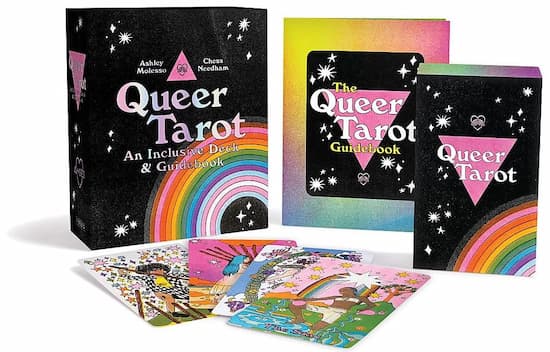
The Queer Tarot: An Inclusive Deck and Guidebook
Tarot deck and guidebook set for LGBTQ+, created by queer and trans artist team Ash + Chess.
We earn a commission if you click this link and make a purchase at no additional cost to you.
Kingdom Come
Ultimate answers regarding historic idioms require an exploration of art, faith, and philosophy. You find that phrases like a future kingdom connect people across separate centuries and cultures. Human history demonstrates a steady search for an orderly world free from institutional decay. Society preserves these old terms for everyday communication.
Literary works and musical tracks show how a single idiom travels through different creative fields. You notice that artists adapt scriptural concepts to fit the secular anxieties of their own generations. Progress happens when you investigate the deep origins behind the common words you repeat daily. Language preserves historic thoughts.
Future generations will undoubtedly continue to utilize these memorable metaphors to describe their absolute limits. You possess the capability to find deep inspiration inside old poetry and cinematic stories today. Final conclusions remind you that a hope for an excellent future state remains part of humanity. People value lasting definitions.