

Casual sex in the gay community can be a healthy way to connect, experiment, and explore attraction. Many people enjoy no strings attached encounters, and there’s no single right way to experience intimacy. But sometimes, patterns with sex can switch up from casual fun into something more concerning. If you find your sexual behavior starting to feel out of control or it’s having a negative effect on daily life, it’s worth checking in with yourself about what’s really happening.
I’ve known plenty of men who started out hooked on the excitement of casual sex, only to realize later that it came with unexpected consequences. Recognizing hidden red flags early can help you make choices that actually fit your needs; physically, emotionally, and even socially. If you’re not sure where the line is between enjoyment and compulsion, you’re definitely not alone. Here, I’m sharing the 7 red flags I watch for, based on direct experience and stories I’ve heard from friends, clients, and community groups.
If any of these points ring true for you, it might be time to ask if what started as casual fun is turning into a pattern that deserves more attention. Taking a look at these signs can spark changes that help you get back to enjoying connections on your own terms.
1. Sex Has Become an Escape from Stress
I often hear guys mention how sex helps with boredom, loneliness, or anxiety. That’s not a problem by itself. But when cruising or hooking up becomes the only reliable way to deal with negative feelings, it’s a sign that sex is doing more than just providing pleasure or social connection. If you find yourself seeking sex every time you’re stressed, upset, or have something tough on your mind, it can indicate you’re using sex to avoid those emotions instead of facing them.
Why This Matters
- You might find that problems never get solved because you’re always chasing a distraction.
- This pattern makes it harder to cope with emotions in healthy ways.
- The stress relief from sex is usually short lived, so the urge comes back stronger.
Over time, relying on sex as an emotional escape can disconnect you from learning new ways to handle stress or tough feelings. Consider whether you reach for your phone or check dating apps whenever emotions get uncomfortable. That pattern may signal a deeper need for tools or support in managing life's ups and downs.
2. Increased Secrecy and Hiding Habits
Open, honest hookups are totally possible, but secretiveness is different. If you notice yourself hiding Grindr or hookup app usage, lying to friends or partners, or going to great lengths to keep these activities out of sight, it’s usually a sign that something deeper is going on. When someone starts to feel shame or embarrassment about their sexual choices, it often points to behavior that doesn’t align with their own values or comfort level.
What Secrecy Can Look Like
- Deleting texts or clearing browser history frequently
- Lying about where you’ve been or who you were with
- Skipping responsibilities to cover up time spent hooking up
This secrecy can create a wedge between you and people who care about your well being. If you're finding yourself making up stories or working extra hard to hide your activities, it's worth asking why and what it means for your peace of mind.

3. Failed Attempts to Cut Back
One of the biggest signs that casual sex might be turning into an addiction is trying to reduce or stop, only to fall back into old patterns. Maybe you’ve promised yourself to take a break for a week, only to find yourself searching for a hookup the very next day. These failed attempts can lead to a cycle of guilt, shame, and even more compulsive behavior.
How to Notice This Pattern
- Setting rules for yourself (“I’ll only do this on weekends”) but breaking them often
- Feeling embarrassed or disappointed after you go back on your plans
- Even when you want to stop, feeling unable to resist the urge
This struggle can become frustrating and start to sap your confidence. If you notice repeated slips or can't seem to stick to your own guidelines, that's a clear sign the pull of these habits may be running the show.
4. Sex Starts to Affect Work, Social Life, or Health
I’ve seen casual sex have real consequences for people’s lives when things get out of hand. Missing work because of late nights, showing up tired or distracted, or losing interest in hobbies are all ways that sex addiction can show up. Sometimes physical health can take a hit, especially if safe sex practices aren’t always followed. You might also notice friendships fade because you’re consistently ditching plans for last minute hookups.
Signs That Sex is Interfering
- Skipping work, school, or important appointments
- Letting personal hygiene, nutrition, or sleep slip
- Losing interest in relationships or activities you once enjoyed
- Frequent STI scares or risky behavior
If casual sex starts chipping away at your well being, priorities, or personal care, that's a cue to reflect on your habits and make some adjustments. Even small shifts in patterns can help restore balance and bring back a sense of stability in your daily life.

5. Needing More Extreme or Risky Behaviors
What started as a few fun hookups can sometimes escalate. Some people feel the need to chase bigger and riskier experiences to get the same buzz. This might look like more anonymous encounters, public sex, group scenarios, or pushing past personal boundaries. It’s common to start craving the adrenaline or novelty, even when you know you might regret it later.
Escalation Looks Like
- Trying more dangerous locations or unsafe situations
- Pushing for rougher or more intense experiences
- Tolerating unwanted activities just for the thrill of something new
This cycle of pushing limits can quickly grow from harmless fun to a risky road you didn't plan to walk down. If you catch yourself chasing higher highs or breaking your own safety rules, it's smart to take a step back and think about what you're truly seeking from these encounters.
6. Feeling Empty After Sex
Physical pleasure is usually the goal with casual sex, but if you notice you feel disappointed, empty, or even depressed after, it’s a really important signal. Many people notice this letdown only after the excitement fades. If the cycle is hook up, feel a brief high, then crash emotionally, it’s worth taking note.
What This Might Look Like
- Sort of regretting or feeling ashamed after an encounter
- Feeling more lonely or disconnected than before you had sex
- Only feeling “alive” during the planning or fantasy part
It's normal to want connection and excitement, but when the aftermath of sex leaves you feeling lower than before, listen to that feeling. Sometimes it points to unmet needs beyond just sexual release: maybe craving real intimacy, connection, or support that goes deeper.

Feeling Empty After Sex
7. Ignoring Personal Boundaries
I’ve seen a lot of people cross lines they set for themselves, especially when compulsive patterns take over. Maybe you promised yourself not to have sex without protection, or you agreed on boundaries in an open relationship but found yourself slipping. When the drive for sex overpowers your personal ethics or the promises you’ve made, it’s a key sign of addictive tendencies at play.
Examples of Broken Boundaries
- Having unprotected sex despite risks
- Going outside of relationship agreements
- Meeting strangers without telling anyone for safety
If you keep crossing over your own boundaries, or if you can't remember exactly what your limits are anymore, that's worth pausing and assessing. It's possible to get back to a place where your actions are in tune with your values and safety.
If You See These Red Flags: What Next?
If you recognize some of these patterns in yourself, it helps to know this is a common experience and support is available. Many LGBTQ+ organizations, therapists, and recovery communities make it easy to talk openly about sex and addiction without judgment. I recommend doing a little honest self reflection and, if you feel ready, talking to someone you trust about what you’re experiencing.
Why It Matters
- Ignoring these signs can lead to more stress, health problems, or loneliness over time
- Small changes, like setting clearer boundaries, finding support, or learning new coping skills, can make a huge difference
- Reaching out does not mean you have to give up sex entirely. It’s about moving toward a more balanced, satisfying life
If you’re interested in reading more about sex addiction and mental health, you may want to check out support groups dedicated to LGBTQ+ wellness, where sharing stories and tips is welcomed.
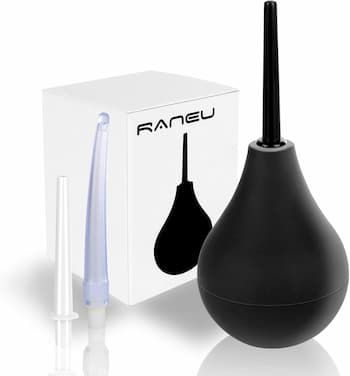
RANEU Enema Bulb Silicone Anal Douche Enema Kit
- Reusable, non-toxic, and odorless green device. It's a perfect douche.
- The douche kit includes three nozzles. These can be used with most lubricants for anal cleansing.
- To clean, separate the nozzle from the bulb. Rinse it with warm water or soap, then dry all components with a clean cloth.
We earn a commission if you click this link and make a purchase at no additional cost to you.
Finding Your Balance with Sex
Not everyone who enjoys casual sex has a problem, and there’s no official “line” you must cross for behavior to count as addictive. But if sex becomes your only way to feel better, if it’s causing real life problems, or if you feel like you just can’t stop, checking in with yourself is really important. I’ve found that taking a step back—even for just a little while—can give you the space to make choices that fit your values and help you feel connected to yourself and others.
Your experience matters. Only you know what feels healthy or harmful for you. Noticing red flags is the first step toward making decisions that work in your real life. If you want support, reaching out is a sign of strength, not weakness. Building a support network, being open to counseling, or even simply having a trusted friend to talk with can give you a huge boost as you figure out a path that's healthy and authentic for you.
Everyone deserves to feel good and secure in their sexuality. Checking in with yourself, and asking for help when needed, are both important parts of making sure that casual sex adds value to your life, instead of taking away from it. Self honesty and connection can help you find a sense of balance—on your terms.
