

If you’ve ever watched a live Michael Jackson performance or a dance battle, you’ve probably seen the moonwalk and thought, “How do they do that?” The moonwalk is one of the most well-known dance moves and looks harder than it actually is to learn, right? I remember wanting to learn it because it looked cool and everyone wanted to know the trick behind it. The good news is, with a little patience and practice, even beginners can moonwalk at home.
Sometimes people think they aren’t "natural" dancers or they don’t have the right shoes or floor. In reality, anyone can pick up the basics of the moonwalk by breaking it into manageable steps. The key is to practice in small chunks, know what shoes and surfaces work best, and keep expectations realistic when you’re starting out.
Okay, I will outline beginner-friendly steps to help you moonwalk easily. I’ll share my personal tips for getting started, troubleshooting common challenges, and building confidence in your moves. Ready for that smooth glide? Here’s what I recommend for a simple start with the moonwalk. Let's jump into the details and get moving!

Step 1: Know What the Moonwalk Really Is
The moonwalk gives the illusion of gliding backwards while you appear to walk forwards. The trick is all about footwork and timing, as you probably guessed it. One foot slides backward while the other stays flat, creating that smooth movement everyone recognizes. Getting a sense of what you're aiming for really helps when you start practicing each movement.
Break Down the Key Parts of the Moonwalk:
- Weight shifting: Most of your weight will be on your front (flat) foot while your back (tiptoed) foot glides.
- Smooth slide: Your back foot needs to slide back smoothly, while the front foot stays planted until you switch.
- Switching legs: After the back foot slides, you shift weight and swap roles between your feet for the next step.
This is the foundation. Before trying to go fast, focus on slow, controlled movements to really get the feeling right. Practice facing a mirror and observe the movement, which helps you spot your form and make it smoother over time.
Step 2: Choose the Best Shoes and Surface
I learned this lesson early on. Your shoes and the floor make a huge difference for beginners. You’ll want shoes with soles that aren’t too grippy, like sneakers with flat, smooth bottoms or loafers. Avoid shoes with lots of tread or sticky rubber, since when shoes are too grippy, your feet won’t glide properly.
As for your floor, a smooth surface like tile, polished wood, or even linoleum works well. Avoid extra slick floors (like wet surfaces), because those are harder to control and could be unsafe. Carpets make sliding almost impossible and frustrate most beginners.
My Go-To Setup:
- Smooth sneakers or socks (on safe wood or tile)
- Polished hardwood floor or vinyl
- Plenty of room to move backward freely
Getting your environment right is very important so you don’t struggle with sticky shoes or floors that won’t cooperate. If you have a yoga mat or rug, fold it and set it aside for your practice sessions.
Step 3: Learn the Starting Position
Start by standing with your feet together, positioned side by side. Pick which foot you want to move first (usually your dominant foot). Lift your non-dominant heel so you’re on the ball of that foot, and keep your other foot flat on the ground.
Set Up Your Stance:
- Flat foot points forward.
- Other foot raised on the ball (heel up).
- Balanced posture, arms relaxed at your sides for balance.
This position sets you up for your first slide and helps everything feel stable as you start moving. Taking a few deep breaths and focusing on your balance helps you prepare effectively for your first attempt.
Step 4: Practice the Basic Glide Movement
This is where the moonwalk starts to come together. From your starting stance, keep most of your weight on the front, flat foot. Quietly slide your raised foot backward, keeping the ball and toes in contact with the floor. Don’t rush. Go as slow as you need to feel comfortable with the sliding motion.
Helpful Pointers:
- Focus on a steady glide instead of speed.
- The sliding foot stays as flat as possible the whole time.
- Don’t look down at your feet too much. Practice in a mirror if you can to build muscle memory.
Practice this single glide movement several times. You'll be able to spot areas to improve each time, and it helps you get your bearings. Once it feels natural on one side, you’re ready to switch to the other foot for the next move.

Step 5: Master the ‘Swap’ and Repeat Steps
When the sliding foot reaches the end of its comfortable range, you need to switch roles between your feet. The sliding (back) foot lowers flat to the floor, while you raise the heel of your other foot. Now, the newly flat foot supports your weight and the raised heel is ready to glide backward for the next "step."
Getting this swap right is crucial for that endless gliding moonwalk look. I found it helpful to pause and slow down the foot switch, making sure my timing was even and my upper body stayed stable. It's worth spending extra time on this step, as it's the secret behind the fluid illusion that impresses everyone.
Try This Repeat:
- Start: Left foot flat, right foot on toes, right slides back.
- Swap: Right foot lowers flat, left heel pops up.
- Left slides back, repeat again with a smooth rhythm.
The more you repeat the swap and slide, the more natural it feels. Try doing four or five steps in a row once you get comfortable with each one. Make it a mini challenge to increase your step count with each practice session.
Step 6: Add Upper Body and Arm Movements
With the basic feet pattern down, start paying attention to the rest of your body. Many beginners focus only on their feet and look stiff above the waist. For a convincing moonwalk, your upper body should stay steady and relaxed. Arms should hang comfortably, sometimes copying a slow walk by gently swinging with each foot movement.
Pro Tips for Natural Movement:
- Keep your shoulders relaxed.
- Don’t lock your knees. Slight bends give a smoother look.
- If you’re confident, add a little sway to your shoulders for extra rhythm.
Watching yourself in a mirror really helps at this stage. You might feel awkward at first, but small tweaks in your upper body make a big difference in the final look. Try shooting a short video clip to review later and spot subtle things you can change for the better.
Step 7: Common Beginner Mistakes and How I Fixed Them
I made all sorts of mistakes when first learning the moonwalk. Here’s what tripped me up, and how I handled it:
- Sticking or jerky slides: Usually caused by shoes or floors that aren’t smooth enough. Swapping out shoes or cleaning the floor helped a lot.
- Bouncing up and down: I had a habit of raising my head with each step instead of gliding smoothly. Watching video tutorials and practicing in front of a mirror showed me how subtle the movement should be.
- Focusing only on feet: Ignoring posture made everything look awkward. Once I paid attention to my arms and shoulders, the whole move looked much better.
It’s totally normal to feel uncoordinated when you’re just starting. Over time, a little adjustment here and there and consistent repetition will give you steady improvement.
Electric Pulse Machines
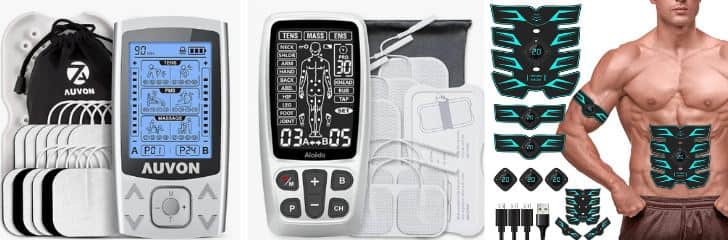
We earn a commission if you click this link and make a purchase at no additional cost to you.
Practice Tips for Getting Smoother Faster
Even a few minutes a day helps you improve rapidly. I usually practiced during TV commercials or while waiting around at home. Starting slow and building up speed gradually is the best way forward. Recording myself on my phone also helped me see what needed work and gave me the motivation to keep going each day.
Ideas for Practice Sessions:
- Set up for 5-10 minutes in front of a mirror each day.
- Break down the move—just feet for a few minutes, then add arms.
- Record and watch back to spot improvements, then try again.
Progress might feel slow at first, but after a few days, you’ll notice a difference in your glide and confidence. Invite a friend or family member to watch and offer feedback, as outside perspective can often spot things you might miss.
Frequently Asked Questions for Moonwalk Beginners
Do I need special shoes to moonwalk?
Most people find that simple sneakers with smooth soles or socks work well. The idea is to avoid too much grip so your feet can slide. Try a few different options at home to see what glides best on your floor.
Why can’t I glide smoothly?
If you’re sticking or getting stuck, check your shoes and floor for friction. Another reason might be too much pressure or weight on your sliding foot. Keep most weight on your flat foot and slide with lighter pressure. Also, stay relaxed to let the movement become natural.
How long does it take to learn the moonwalk?
Most beginners can get the basics down in about 30-45 minutes of focused practice. To get really smooth, it usually takes a few days or weeks of regular, short sessions. Don’t worry if it doesn’t look perfect right away; everyone gets better with each try. With some extra practice and patience, you can achieve next-level cool results that stand out on any dance floor.

My Simple Action Plan for Beginners
If you want to learn the moonwalk easily, start here:
- Set up your practice area with a smooth floor and comfy shoes (or socks).
- Break down the move into slow, single slides and switches.
- Gradually connect moves and add arm movement for realism.
- Practice in short sessions and watch yourself in a mirror or on video.
Trying to moonwalk can be a fun way to impress friends or just enjoy music at home. Start slow, be patient, and don’t get discouraged if you don’t glide across the floor right away. The most important thing is to keep practicing, make small improvements, and enjoy the feeling when it finally clicks. Stick with it, and you’ll surprise yourself with how quickly you can create that iconic illusion. Wrapping up, remember that everyone improves with consistent effort, and you can step up your moonwalk anytime you put in a little practice!
