

Nature contains spectacular secrets that regular human individuals often overlook during their busy daily routines.Wildlife across our planet exhibits magnificent behaviors that surprise even seasoned biological researchers who study outdoor life. You will discover remarkable traits belonging to beautiful creatures from every distant corner of the globe in this compilation.
Animals develop strange survival methods to stay alive in harsh environments like frozen arctic plains or deep oceans.Some creatures alter their internal body structures while others rely on excellent teamwork to secure daily food or protect young offspring. Your personal appreciation for global wildlife will expand as you read about various biological developments.
Strange survival mechanisms show up in wild species you would never expect to possess such special abilities.Preparation meets constant opportunity in the wilderness, forcing fauna to adapt in ways that look like genuine science fiction. You are about to view Earth's incredible inhabitants through an entirely fresh and exciting lens right now.
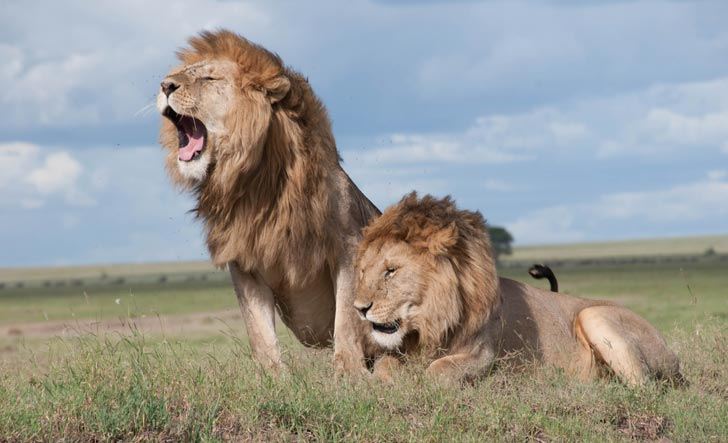
Lions
Did you know the lion's prides - living in groups, the family-like structure - is quite unique in the cat world?
And here's something else: lions are the laziest of the big cats. They spend 16 to 20 hours a day just chilling and resting. That's a lot of downtime!
Another quirky fact about lions is their vocalization. They have a mighty roar that can be heard up to 8 kilometers away. But it's not just for show. Roaring is a way of communicating, helping to strengthen social bonds within the pride and mark their territory. It's like their way of saying, "Hey, we're here, and this is our spot."
Lions are apex predators, meaning they sit at the top of the food chain in their habitats. They typically hunt large herbivores like zebras or antelopes, but will also scavenge from other predators if necessary.
They have excellent eyesight during both day and night time thanks to a reflective layer behind their retina called the tapetum lucidum. This enables them to spot prey up to five times better than humans can.
Another fascinating aspect of lion behavior is how they show affection towards each other through grooming, nuzzling and head rubbing. This strengthens social bonds within the pride and creates a sense of unity among its members.
Despite being considered kings of the jungle, lions face many threats such as habitat loss, poaching and trophy hunting. We really must protect these magnificent creatures so we can continue to admire them for generations to come.
Penguins
Penguins are undoubtedly one of the most fascinating creatures on Earth. These flightless birds are found in the Southern Hemisphere, with the majority of species living in Antarctica. Despite their lack of ability to fly, penguins have evolved some incredible adaptations that allow them to survive and thrive in harsh climates.
One of these adaptations is their unique feathers. Penguins have a thick layer of feathers that protects them from cold temperatures and helps reduce drag when swimming underwater. In fact, penguin feathers are so effective at keeping water out that scientists have studied them to develop better wetsuits for humans!
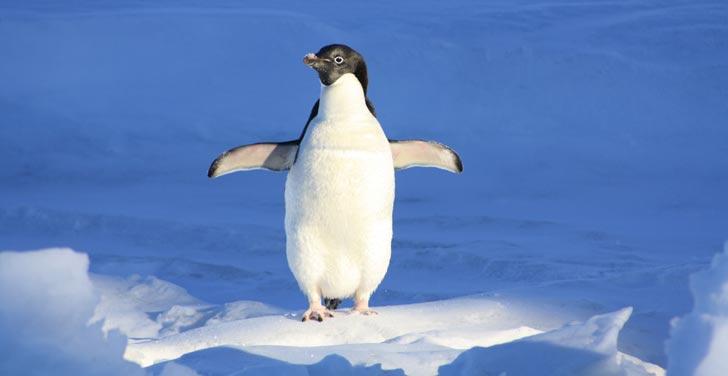
Another interesting fact about penguins is their distinctive waddle when they walk on land. This cute movement actually serves an important purpose - it helps conserve energy by allowing penguins to move quickly without using too much muscle power.
Penguins also exhibit fascinating social behaviors. They form breeding pairs and mate for life, often returning to the same nesting site year after year. Many species even share parenting duties equally between both parents, taking turns incubating eggs and feeding chicks.
Emperor Penguins can dive deeper than 500 meters and hold their breath for more than 20 minutes. That's like diving into the deep end of the pool and chilling there for the length of an entire TV show episode.
Did You Know?
- Bats are the only mammals capable of sustained flight.
- Goats have rectangular pupils.
- Sharks have been around longer than trees.
- Bees can recognize human faces.
- A group of owls is called a parliament.
- Hummingbirds are the only birds that can fly backwards.
- Dragonflies have a 95% hunting success rate, making them one of the most efficient predators.
- Rats laugh when tickled.
- Cats have a specialized collarbone that allows them to always land on their feet.
- A group of crows is known as a murder.
- Sloths can take up to a month to completely digest a single leaf.
- Koalas have fingerprints that are almost indistinguishable from humans'.
- Mantis shrimp can punch with the force of a bullet.
- Camels have three eyelids to protect themselves from blowing sand.
- Ants can lift up to 50 times their own body weight.
Bears
When we talk about bears, the first things that might pop into your head are their size, their strength, and maybe even their ability to hibernate. But there's so much more to these creatures than meets the eye. Let's dive into some of the lesser-known, pretty cool facts about them.
Bears Are Super Skilled Climbers
Ever seen a bear climb a tree? It's not just the little ones that can shimmy up a trunk; adult bears are pretty good at it too. Black bears, especially, make climbing look easy. They've got strong, curved claws that give them an excellent grip, allowing them to go up high to escape threats or snag a meal.
They Have a Sweet Tooth
Bears love their snacks, and they're not just about salmon and berries. These guys have a serious sweet tooth. They can sniff out honeycombs from miles away and go to great lengths to get a taste, even if it means getting stung by a bunch of angry bees. It's like their version of braving the candy aisle.
Hibernation Isn't Just Sleep
Hibernation is one of the most fascinating aspects of bear life. It's not like they're just sleeping; their bodies undergo a whole transformation. Their heart rate slows down, and they don't eat, drink, pee, or poop for months. They live off their fat reserves, and somehow, they don't even lose muscle mass. How cool is that?
The Polar Bear's Fur Is Transparent and Hollow
The polar bear's fur is transparent and hollow. #WildLifeFacts #PolarBears
Polar bears live in some seriously cold environments, but they've got staying warm down to a science. Their fur is actually transparent and hollow, it traps the sun's rays and warms the bear, kind of like a natural solar panel. And their skin? It's black, absorbing heat to keep them toasty.
They're Amazing Swimmers
When you think of polar bears, you might not picture them as aquatic animals. But these guys are incredible swimmers. They can cover miles in icy water with ease, thanks to their large, paddle-like paws. Some have been spotted swimming hundreds of miles from land. They’re like the marathon swimmers of the animal world.
Not Just Carnivores
Sure, polar bears are known for chowing down on seals, but their diet can be pretty diverse. When seals are hard to come by, they'll munch on anything they can find, including birds, eggs, and even vegetation. They have to stay flexible with their menu options up in the Arctic, really.
Wolves
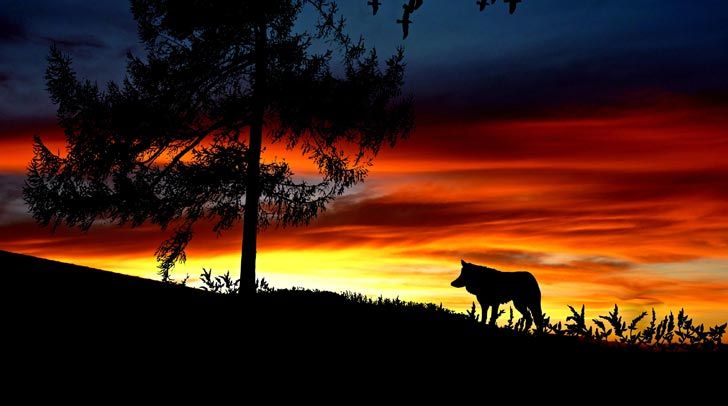
Wolves are often portrayed as the villains in fairy tales, but in reality, they are incredibly interesting and complex animals. They have some traits and behaviors that are truly unique and show how complex their social structures are.
Wolves Have Babysitters
Yes, you read that right. In a wolf pack, not everyone goes out to hunt. Some wolves stay behind to look after the pups. This babysitting job is crucial for the pack's survival, ensuring that the little ones are protected and taught the ways of the wolf while the adults are away.
Their Howls Are Personal
Wolf howls are not just eerie sounds in the night; they're a form of communication. Each wolf has a unique howl that can be recognized by others in their pack. They use howls to keep the group together, warn of danger, or even just to check in. It's like their own personal calling card.
They're Not Always "Alpha" and "Omega"
The idea of the "alpha" wolf ruling the pack with an iron paw is a bit outdated. Recent studies show that wolf packs are more like families. The so-called alphas are actually just the parents or the leaders, and there's less fighting for dominance than you might think. Cooperation is key in their world.

Sharks
Sharks have a bit of a rep for being the bad guys of the sea, thanks to movies and myths. But there’s so much more to these fascinating creatures than meets the eye. Let’s dive into some of the quirky and less known facts about sharks.
Sharks Are Old... Really Old
Sharks have been around for about 400 million years. That means they were cruising the oceans even before dinosaurs roamed the earth. Through all that time, they’ve become incredibly adapted to life in the water, surviving five mass extinctions. Talk about being survivors!
Not All Sharks Are Big and Scary
When we hear "shark," we often think of great whites or hammerheads. But did you know there are over 500 species of sharks? Some are as small as your hand, like the dwarf lantern shark. Not all of them are the fearsome predators we often imagine.
Sharks Have Special Skin
Shark skin is really something else. It’s covered in tiny, tooth-like structures called denticles. This makes their skin super tough and reduces drag in the water, letting them swim fast and quietly. Touch a shark from head to tail, and it feels smooth. Go the other way, and it’s rough. It’s like natural waterproof sandpaper.
They’re Not the Mindless Eating Machines
Contrary to popular belief, sharks aren’t just out there looking for their next meal 24/7. They’re actually quite strategic about what and when they eat. Some species even display signs of social behavior and curiosity. Sharks are a lot more complex than we give them credit for.
Platypus
The platypus puzzles researchers who try to categorize unusual creatures in the wild world. Nature combined features from ducks, beavers, and otters to form a highly unusual semi-aquatic creature. Males possess sharp venomous spurs on their hind legs that block potential threats during territorial disputes. Females lay soft eggs instead of giving birth to live young like typical mammals. Scientists categorized the creature as a monotreme due to these reproductive traits.
Electroreceptors located on their rubbery bills help them find food beneath murky river beds. Eyes and ears close completely when the creature submerges to seek underwater prey. Deep mud ensures safety where they dig intricate burrows for resting and raising offspring. Muddy rivers across eastern Australia shelter these nocturnal mammals from large aerial predators. They use their webbed front feet as oars while the back feet function as rudders during aquatic movement.
Thick waterproof fur keeps their skin dry even after spending hours in chilly streams. Fat storage occurs inside their flat tails to sustain them when food supplies drop during winter months. Parents secrete milk through specialized sweat glands on their bellies because they lack standard nipples. Young platypuses utilize small temporary teeth to break out of their leathery eggshells during hatching. Adults lack teeth entirely, relying on gravel collected from river bottoms to grind up hard-shelled prey.
You will observe the bill detecting tiny electrical currents if you watch a platypus hunt. The creature sweeps its head from side to side along the river bottom. Small shrimp emit tiny electrical signals that reveal their exact locations instantly.
You should avoid handling a male platypus during the spring breeding season. Their ankles contain sharp spurs connected to venom glands that cause intense pain. Naturalists exercise extreme caution around creeks to avoid accidental encounters with angry males.
You could search for hollow logs near riverbanks to locate their nesting areas. Females construct long tunnels filled with wet leaves to maintain high humidity levels for eggs. Dry air would harm the soft shells before incubation finishes.
You notice how the animal uses its tail as a storage unit for energy reserves. Starvation rarely threatens them because their body fat concentrates heavily in that wide structure. Harsh winters become manageable when they consume these stored fat layers.

Capybara
The capybara holds the title of the largest rodent living anywhere on Earth. Massive bodies allow them to thrive in wetlands across South America where water protects them from land predators. Groups consisting of twenty or thirty individuals congregate near riverbanks to socialize and graze on grasses. Dominant males defend territories using scent glands located on their noses to mark trees. Vocalizations like whistles and barks echo through swamps when members alert the group to lurking caimans.
Webbed feet give an advantage when they swim through swift currents or deep marshes. Eyes, ears, and nostrils sit high on their heads so they remain above water during swimming sessions. Dense vegetation yields nutritious meals for these herbivores who consume several pounds of plants daily. Autocoprophagy assists their digestion by letting them re-ingest food to extract maximum nutrients from tough grasses. Sharp incisor teeth grow continuously throughout their lives to counteract wear from chewing bark.
Predators like jaguars and anacondas constantly threaten these gentle giants near muddy watering holes. They submerge completely for up to five minutes to evade danger when hunters approach. Birds frequently rest on their backs to consume ticks and insects that plague their coarse fur. Young pups rely on communal nursing where multiple mothers feed any hungry baby in the group. Safety increases when multiple adults monitor the horizon while the rest of the herd sleeps.
You will witness capybaras swimming alongside ducks and turtles if you visit Venezuelan wetlands. Their friendly demeanor allows various bird species to use their bodies as floating perches. Peaceful coexistence defines their interactions with smaller creatures in the ecosystem.
You need to look for high nostrils when searching for a submerged capybara. The animal hides its bulky body beneath the surface to stay cool during hot afternoons. Muddy water obscures everything except their sensory organs.
You notice how their teeth remain sharp from constant gnawing on hard river reeds. Left unchecked, their incisors would grow too long and prevent proper feeding. Constant gnawing serves a dual purpose by feeding them and trimming enamel.
You hear loud clicking noises when a herd communicates across a wide swamp. Adults use sound to keep track of wandering youngsters who stroll into tall weeds. Group safety relies heavily on these vocal cues.
Did You Know?
- Wombats produce cube-shaped poop.
- Starfish can regenerate their entire body from a single arm.
- Jellyfish are made up of about 95% water.
- Parrotfish sleep in a bubble made of their own mucus to protect against predators.
- The tongue of a blue whale is as heavy as an adult elephant.
- Goldfish have a memory span of three months, contrary to the myth of just a few seconds.
- Sea otters hold hands while sleeping to keep from drifting apart.
- Electric eels can produce electric shocks of up to 600 volts to stun prey or defend themselves.
- Pigeons can do math at a similar level to monkeys.
- Cheetahs can accelerate from 0 to 60 mph in just three seconds.
- Crocodiles can live up to 100 years.
- A group of flamingos is called a flamboyance.
- Spiders can fly for miles using electricity in the Earth's atmosphere.
- Albatrosses can sleep while flying.
- Narwhals use their long tusks for sensory perception, not for fighting.
Komodo Dragon
The Komodo dragon reigns as the heaviest and largest living lizard on our planet. Arid Indonesian islands give the perfect environment for these massive apex predators to hunt. Keen senses allow them to detect carrion from several miles away using their yellow forked tongues. Sharp claws help them dig deep burrows where they seek shelter from intense midday heat. Juvenile dragons spend their early years in trees to avoid becoming food for larger adults.
Venom glands located in their lower jaws deliver toxins that prevent prey blood from clotting. Bitten animals weaken rapidly as blood pressure drops, allowing the dragon to follow them patiently. Deer, pigs, and even water buffalo fall victim to their coordinated ambush strategies along game trails. Flexible skull bones enable these reptiles to swallow massive chunks of meat in single gulps. Digestion takes several days, after which they regurgitate pellets composed of hair, feathers, and bones.
Parthenogenesis allows female Komodo dragons to produce viable eggs without mating with a male. Isolated populations use this reproductive method to maintain numbers when mates are scarce on small islands. Thick scales reinforced with tiny bones create natural armor that protects them during territorial combat. Dominant males wrestle upright on their hind legs to secure access to nesting sites and food. Conservation efforts protect their remaining habitats from human encroachment and illegal poaching activities.
You are able to track a dragon's movement by observing its flicking yellow tongue. Air particles cling to the tissue before entering an organ in the roof of the mouth. Chemical signals tell the reptile exactly where a wounded animal collapsed.
You should step away if you see a dragon charging at high speed. Reptiles of this size sprint surprisingly fast over short distances on flat ground. Speed allows them to surprise unsuspecting deer resting near watering holes.
You observe how young dragons roll in fecal matter to deter hungry adults. Cannibalism happens frequently among these giant lizards when food supplies dwindle. A foul odor prevents the older dragons from viewing the juveniles as a meal.
You find deep burrows along hillsides where these cold-blooded creatures sleep. Earth walls insulate their bodies against the chilly night air of the tropical islands. Morning sun exposure becomes necessary later to raise their internal temperature.
Honey Badger
The honey badger earned a reputation as one of the most fearless mammals alive. Thick loose skin protects them from the sharp teeth of lions and venomous snake bites. Bee hives attract them despite furious stings from thousands of insects defending their sweet honey. Strong claws allow these carnivores to dig into hard clay soils to unearth burrowing prey. Small rodents, scorpions, and venomous cobras form the bulk of their varied wilderness diet.
Reversible skin allows the animal to turn around inside its own hide when grabbed by a predator. They escape from a tight grip easily because they twist and bite their attacker instantly. Ferocious counterattacks often convince larger hunters to abandon the fight and seek easier meals elsewhere. Intelligence enables them to use tools like stones and logs to escape from enclosures. Glands near their tails secrete a pungent odor that acts as a secondary defense mechanism.
Solitary habits mean adults travel vast distances alone across African savannas to find sustenance. Cubs stay with their mothers for over a year to learn complex foraging techniques. Thick skulls protect their brains when heavy stones fall during subterranean digging adventures. Immunity to certain types of snake venom allows them to survive bites that kill normal mammals. Adaptability keeps their populations stable despite human expansion into traditional honey badger territories.
You will notice a honey badger ignoring venomous cobra bites while devouring its prey. Toxin levels that would slaughter humans merely cause the mammal to fall into a deep sleep. Recovery happens within hours, allowing the animal to finish its meal.
You should watch how their front claws shatter hard clay within seconds. Hard packed earth yields quickly to their specialized digging adaptations during foraging trips. Subterranean rodents stand little chance against such relentless excavation.
You see the mammal cooperate with a bird called the honeyguide to find hives. The feathered scout gives vocal directions while the mammal tears open the heavy beehive. Nutritional gains occur when the bird eats the remaining wax after the badger finishes.
You hear a deep rattling roar when a badger encounters an aggressive leopard. Auditory warnings combine with released scent markers to create an intimidating presence. Most predators decide that a confrontation requires too much effort for little reward.
Meerkat
Meerkats belong to the mongoose family and live in organized underground groups. Harsh desert environments like the Kalahari require strict cooperation for small mammals to survive. Burrows ensure shelter from scorching daytime heat and freezing temperatures after the sun sets. Alpha pairs lead these packs, directing daily movements across arid plains to find insects. Insects require immense concentration to unearth, leaving individuals vulnerable to sudden aerial attacks from large eagles.
Sentinels stand upright on their hind legs to scan the sky for predators. Guard duty rotates among adults throughout the day to ensure everyone gets time to eat. Distinct alarm calls tell the group if a threat approaches from land or air. Scorpions form a favorite snack because meerkats possess natural immunity to their venomous stings. Dark patches around their eyes absorb glaring sunlight so they spot hawks against bright skies.
Pups remain deep inside tunnels under the care of dedicated babysitters while parents hunt. Older helpers teach juveniles how to handle dangerous prey like spiders and centipedes safely. Social grooming strengthens relationships among pack members and removes desert dust from their fur. Underground networks contain multiple emergency exit holes to help them evade subterranean snakes. Cooperation keeps the entire family unit safe from the many dangers of the African plains.
You will hear a sharp bark that causes the entire group to vanish instantly. Sentinels emit particular vocalizations when a hawk appears on the distant horizon. Tunnels ensure immediate safety before the bird of prey descends.
You notice dark rings around their eyes acting like natural sunglasses during midday. Bright desert glare fails to blind them while they monitor high clouds for danger. Visual acuity remains sharp under the harsh African sun.
You see adults bite off the stingers of scorpions before feeding youngsters. Safe hunting practices require careful instruction to protect vulnerable pups from internal injuries. Experience teaches the juveniles how to master these dangerous insects over time.
You find the group sunbathing together outside their burrows every morning. Cold desert nights lower their body temperatures considerably before dawn arrives. Solar warmth restores their energy levels so they begin foraging efficiently.
Hippopotamus
The hippopotamus ranks as one of the largest land mammals on our planet. Sub-Saharan rivers and lakes ensure the necessary aquatic environment for these massive herbivores. Daytime hours involve resting in cool water to prevent their sensitive skin from drying out. Secretions from specialized glands create a pink substance that acts as natural sunscreen and antibiotic. Massive jaws easily snap wooden boats in half when territorial disputes arise in waterways.
Nightfall triggers their departure from water to graze on short inland grasses for hours. Trails formed by their heavy footsteps carve deep paths through riverbank vegetation over time. Solitary feeding habits mean individuals scatter across pastures rather than grazing in tight herds. Digestion relies on a complex stomach structure that breaks down tough plant cellulose efficiently. Adults consume up to eighty pounds of vegetation each night to sustain their bulk.
Submerged hippos walk along river bottoms rather than swimming like typical aquatic creatures. Buoyant bodies allow them to move gracefully through water despite weighing several thousand pounds. Dominant males defend stretches of river using loud grunts and wide yawns to intimidate rivals. Mothers fiercely protect their single calves from crocodiles and aggressive bachelor bulls lurking nearby. Conservation issues involve habitat loss as human farms encroach upon traditional river systems.
You will see a pinkish fluid coating their skin during hot days. Glands produce this distinctive secretion to shield their hairless bodies from solar radiation. Bacteria fail to infect wounds due to the fluid's strong medicinal properties.
You should avoid walking along riverbanks after the sun goes down. Hippos leave the safety of the water to forage for food in the dark. Surprise encounters often trigger aggressive defensive behavior from these giant mammals.
You observe hippos sinking to the riverbed and walking effortlessly instead of swimming. Heavy bone structures counteract natural buoyancy to keep them grounded on the mud. A quick push off the bottom allows them to rise for air periodically.
You hear booming grunts that travel across the water for long distances. Vocal signals establish territory without requiring physical combat between massive bulls every time. Submissive males lower their heads to show respect to the dominant leader.
Peregrine Falcon
The peregrine falcon holds the record as the fastest creature in the animal kingdom. Specialized hunting dives called stoops allow them to reach speeds over two hundred miles per hour. High altitudes give the perfect vantage point for these raptors to spot flying prey. Pointed wings reduce aerodynamic drag during high-speed descents toward unsuspecting pigeons or ducks. Nostril tubercles redirect rushing air away from their lungs so they breathe normally during dives.
Keen eyesight enables falcons to spot small birds from a distance of several miles. Nictitating membranes cover their eyes during a stoop to clear debris and maintain vision. Rocky cliffs serve as traditional nesting sites called scrapes where females lay their mottled eggs. Urban skyscrapers mimic these natural cliffs, leading many falcons to nest in large cities worldwide. Abundant city bird populations ensure a steady food supply for growing falcon chicks each spring.
Parents cooperate to feed their hungry offspring by capturing food and passing it mid-air. Young fledglings practice hunting skills by chasing each other through the sky for weeks. Migration routes cover thousands of miles, taking some birds from the Arctic to South America. Global recovery occurred after pesticide bans allowed eggshells to regain their natural strength and thickness. Protective laws ensure these magnificent aerial predators continue to thrive across global skies today.
You will witness a falcon folding its wings tightly to begin a dive. Gravity accelerates the raptor to astonishing speeds within a matter of seconds. Impact from their sharp talons stuns prey instantly in mid-air.
You are able to spot peregrine nests on skyscraper ledges in major metropolitan areas. Artificial structures yield excellent substitutes for high mountain cliffs away from ground predators. Pigeons serve as an abundant food source for the nesting pairs.
You notice a clear third eyelid sweeping across the bird's eye during flight. Specialized membranes clear away dirt particles without blocking the falcon's view of its target. Moisture remains balanced even when rushing wind dries the outer eyeball.
You hear high pitched screeching when adults return to the nest with food. Hungry chicks vocalize loudly to demand their share of the captured meal. Parental birds divide the meat carefully to ensure every offspring survives.
Did You Know?
- Kangaroos can't walk backwards.
- Octopuses have three hearts and blue blood.
- Turtles can breathe through their butts.
- Giraffes have the same number of vertebrae in their necks as humans: seven.
- Sea cucumbers defend themselves by ejecting their internal organs at predators.
- Dolphins sleep with one eye open.
- Snails can sleep for up to three years.
- Frogs can freeze without dying and thaw back with the warmth.
- Butterflies taste with their feet.
- Cows have best friends and get stressed when separated from them.
- Penguins can drink sea water because they have a gland that filters out the salt.
- Elephants are the only mammals that can't jump.
- Flamingos bend their legs at the ankle, not the knee.
- Pigs can't look up into the sky easily because of the anatomy of their necks.
- Ostriches have the largest eyes of any land animal.
Tasmanian Devil
The Tasmanian devil ranks as the largest carnivorous marsupial left in the world. Isolated island habitats in Tasmania protect these nocturnal scavengers from continental competition. Strong jaws generate immense crushing pressure to shatter thick bones of dead animals. Fur color remains primarily black with a distinct white stripe across the chest area. Scent glands located near their tails release a foul odor when stress levels rise during confrontations.
Carrion forms the majority of their diet, though they hunt small lizards and birds occasionally. Communal feeding sessions involve loud screeching noises that echo across the forest at night. Dominant animals secure the best pieces of meat through aggressive displays and physical posturing. Fat storage occurs within their tails, indicating the overall health of individual marsupials. Short stocky legs facilitate movement through dense undergrowth rather than high-speed chases on open ground.
Females give birth to dozens of tiny undeveloped joeys after a brief pregnancy. Evolution forces intense competition because only four nipples exist inside the mother's pouch. Lucky young remain attached to the milk supply for several months before emerging. Facial tumor disease severely threatened their wild numbers over recent decades. Conservation programs create disease-free sanctuaries to ensure the long-term survival of the species.
You will hear bloodcurdling screams when devils fight over a carcass. Communal eating habits require vocal enforcement of the social hierarchy around food. Smaller individuals wait patiently until larger adults finish devouring the meat.
You notice their ears turning bright red when the animal becomes agitated. Increased blood flow creates a vivid color change during fights or intense foraging. Internal temperature rises during these stressful moments in the dark forest.
You see the marsupial devour an entire carcass including fur and bones. Strong teeth crush tough skeletal structures to ensure no nutrients go to waste. Such scavenging behaviors clean the ecosystem by removing decaying matter from the environment.
You are able to find their dens inside hollow logs or old wombat burrows. Dry leaves create a comfortable bed where they rest during bright daylight hours. Nightfall triggers their emergence to start the nightly search for food.
Beaver
The beaver stands out as a remarkable engineer within freshwater ecosystems. Semicircular tails act as rudders when they swim through deep forest ponds. Orange enamel reinforces their front incisor teeth to prevent breakage while chewing solid wood. Mud and sticks form the foundation of their elaborate dome-shaped lodges. Lodges feature underwater entrances to keep predators like wolves or wolverines away from vulnerable kits.
Dams constructed by these rodents alter water flow to create large wetland environments. New ponds yield safety for the beaver family and encourage diverse plant growth. Webbed hind feet generate propulsion while small front paws manipulate twigs with high dexterity. Clear membranes protect their eyes underwater, allowing them to work effectively in darkness. Winter food supplies consist of edible branches anchored into the cold mud below the ice.
Alarm signals involve slapping their flat tails against the water surface with great force. Nearby family members dive immediately into deep water when they hear the loud pop. Castoreum from specialized glands marks territorial boundaries along the muddy edges of ponds. Monogamous pairs remain together for life, sharing the duties of lodge maintenance and kit rearing. Human trappers historically targeted their thick waterproof fur, causing severe population declines centuries ago.
You will notice a beaver's front teeth growing continuously throughout its lifespan. Constant gnawing against hard aspen bark wears down the enamel naturally over time. Safety requires this continuous growth to prevent the teeth from becoming useless stubs.
You hear a loud cannonball sound when a beaver detects your presence near the pond. Tail slapping warns the entire colony to seek shelter beneath the water surface. Safety increases when everyone hides inside the submerged lodge entrances.
You find a massive wood pile anchored near the lodge before winter arrives. Cold temperatures freeze the pond surface, locking them away from fresh land plants. Bark from these stored branches sustains the family until spring thaws the ice.
You see wetland plants flourishing around the borders of a beaver pond. Flooded areas generate ideal conditions for waterfowl, frogs, and various aquatic insects. Environmental changes enrich the local ecosystem by creating new habitats.
Pangolin
The pangolin represents the only mammal covered in hard keratin scales. Overlapping plates create a defensive shield against predators across African and Asian woodlands. A tight ball configuration protects their soft underbellies from sharp teeth and claws. Strong claws enable these solitary creatures to rip open rock-hard termite mounds easily. Long sticky tongues extend further than their body length to collect thousands of insects daily.
Adults lack teeth entirely, relying on swallowed pebbles to grind food inside their stomachs. Nocturnal schedules keep them hidden from large diurnal predators like eagles and humans. Large scent glands release a foul liquid to deter attackers when physical armor is insufficient. Tree-dwelling species utilize prehensile tails to grasp branches while foraging for ants high above the ground. Ground species prefer deep burrows where they sleep and raise their single offspring in safety.
Mothers carry young pups on their tails until the juveniles learn to forage independently. Threats from illegal poaching severely impact their survival rates due to high demand for scales. Traditional medicine myths drive this illicit trade despite international bans protecting all species. Conservation groups work tirelessly to rescue captured animals and restore their natural forest habitats. Public awareness helps dismantle smuggling networks that target these gentle toothless mammals.
You will observe a pangolin walking on its hind legs to protect its front claws. Curved digging implements remain sharp when kept off the rough ground during travel. Efficiency in tearing open ant nests relies on maintaining these sharp tools.
You see a lion walk away frustrated after encountering a rolled-up pangolin. Keratin scales withstand heavy bite pressure from the largest African cats without breaking. Defense mechanisms rely entirely on this impenetrable outer armor.
You notice specialized muscles closing their nostrils and ears during feeding sessions. Swarming ants fail to enter the pangolin's body while it raids the nest. Protection ensures comfort during long meals inside dusty dirt mounds.
You are able to find small stones inside a pangolin's stomach during biological examinations. Gizzard-like organs use the gravel to crush hard insect exoskeletons because teeth are absent. Digestion depends on this mechanical grinding process to extract nutrients.
Echidna
The echidna exists as another strange egg-laying mammal native to the Australian continent. Sharp spines cover their sturdy bodies to discourage hungry dingoes and large birds of prey. Tapered snouts allow them to probe deep leaf litter for hidden termites and ants. Strong claws enable these creatures to break open decaying logs with minimal physical effort. Scientists group them with the platypus under the rare biological classification of monotremes.
Egg development concludes inside a temporary pouch that the female develops during the breeding cycle. Tiny hairless puggles remain inside the secure skin fold to nurse on leaked milk. Specialized patches on the mother's abdomen secrete nourishment since true nipples are completely absent. Low body temperatures allow these reptiles-like mammals to conserve energy in harsh conditions. Hibernation-like states become necessary when wildfire or extreme cold depletes their insect food sources.
Long sticky tongues dart out rapidly to harvest hundreds of ants every minute. Adults lack teeth entirely, using hard keratin pads inside their mouths to crush insects before swallowing. Solitary routines mean individuals wander through woodlands without interacting with others except during mating. Defensive maneuvers involve burrowing straight down into loose soil until only sharp spines remain visible. Long lifespans allow these ancient creatures to inhabit ecosystems for several decades in the wild.
You will notice an echidna rolling into a prickly ball when threatened on hard rock. Sharp quills point outward in every direction to create an painful barrier for any attacker. Most predators abandon the hunt after receiving a few sharp punctures to their paws.
You see a line of males forming a train behind a single female during breeding season. Such courting rituals involve multiple suitors following the female through the forest for weeks. Determination defines their slow pursuit until the female decides to select a partner.
You find deep excavations at the base of termite mounds indicating recent echidna activity. Heavy claws shatter the concrete-like structures built by insects within a short timeframe. Feeding sessions conclude when the mammal satisfies its appetite.
You are able to observe their backward-facing hind feet assisting in vertical digging maneuvers. Soil flies outward rapidly as the animal sinks straight down into the earth for protection. Safety arrives when the soft underbelly becomes completely hidden below ground level.
Archerfish
The archerfish populates mangrove swamps and brackish estuaries across the Indo-Pacific region. Aquatic life fails to limit their hunting capabilities to creatures beneath the water surface. Specialized mouth structures allow these fish to shoot strong streams of water at land insects. Targets resting on overhanging branches get knocked directly into the water within split seconds. Keen eyesight helps them calculate the exact position of prey despite visual distortion from refraction.
Grooves along the roof of their mouths form a natural gun barrel when the tongue presses upward. Sudden gill compressions force water out with incredible velocity to strike small targets accurately. Distances up to several feet present no obstacle to their highly accurate aquatic artillery. Competitors within the school watch closely to steal falling insects before the shooter reacts. Speed determines survival in these competitive mangrove environments where food vanishes instantly.
Short jumps out of the water serve as an alternative hunting method when branches hang low. Young archerfish practice their shooting skills in groups to refine their accuracy over time. Group dynamics force individuals to learn quickly or face starvation due to faster schoolmates. Insects form the primary source of protein alongside small crustaceans floating near the surface. Conservation of coastal mangroves remains necessary to protect their rich feeding grounds from destruction.
You will watch an archerfish extinguish a flame by shooting a precise stream of water. Captive individuals demonstrate this ability when researchers place lights above their aquarium tanks. Natural instincts compel them to strike any glowing object that resembles a firefly.
You notice how the fish accounts for light refraction at the water boundary instantly. Visual adjustments happen automatically before the stream leaves their specialized mouth structures. Success rates remain high because their brains calculate the true geometric position of prey.
You see younger fish missing their targets frequently during early hunting attempts. Such learning happens through observation and continuous practice within the juvenile school. Skill development requires several months before accuracy matches adult standards.
You find archerfish swimming near the surface where overhanging trees block the direct sunlight. Shaded areas yield excellent hunting zones filled with beetles, spiders, and flies. Food abundance makes these particular coastal zones highly populated.
Did You Know?
- Axolotls can regenerate not just their limbs but also their heart and other vital organs.
- Squirrels plant thousands of new trees each year by forgetting where they put their acorns.
- Moose have very poor vision. Some believe they might even be legally blind.
- Chameleons change color not just for camouflage but also to communicate their mood.
- Ravens can mimic human speech and other sounds.
- The mantis shrimp has the most complex eyes in the animal kingdom and can see polarized light.
- A snail can grow back a new eye if it loses one.
- Octopuses lay 56,000 eggs at a time.
- Gorillas can catch human colds and other illnesses.
- Lobsters have a decentralized nervous system that makes it hard to tell if they feel pain.
- Honeybees can flap their wings 200 times per second.
- Ducks have three eyelids.
- The pistol shrimp can snap its claw so fast it creates a bubble hot as the sun for a split second.
- Killer whales are actually dolphins.
- Tardigrades (water bears) can survive in extreme environments, including space.
Okapi
The okapi inhabits the dense canopy of the Ituri Rainforest in Central Africa. Solitary lifestyles keep these reclusive mammals hidden from human observers and large forest predators. Striped hindquarters mimic sunlight filtering through thick vegetation, serving as excellent natural camouflage. Scientists discovered the species relatively late due to their expert hiding capabilities in deep jungles. Relatives include giraffes, which share a similar elongated neck structure and dark prehensile tongue.
Velvety fur sheds heavy tropical rain to keep their skin dry and healthy. Large ears rotate independently to detect faint sounds of approaching leopards or human hunters. Charcoal bodies blend seamlessly into the deep shadows cast by massive rainforest trees. Diet consists of forest leaves, fungi, and charcoal collected from scorched logs after storms. Necessary minerals come from clay beds found along riverbanks where individuals gather under darkness.
Mothers communicate with their calves using low frequency infrasound inaudible to humans. Silent signals protect vulnerable youngsters from revealing their locations to roaming predators. Calves remain in hidden nests for several weeks while mothers forage for nutritious vegetation nearby. Scent glands on their hooves leave chemical markers to establish territorial claims along forest paths. Conservation efforts face major obstacles due to civil unrest and illegal mining inside nature reserves.
You will observe an okapi using its long black tongue to clean its own eyelids. Elongated appendages extend up to fourteen inches to strip leaves from high branches easily. Daily grooming routines rely on this versatile muscular tool for maintenance.
You notice zebra-like stripes on their hind legs acting as a visual beacon for calves. Young animals follow the distinct patterns through the dim understory of the African rainforest. Camouflage coordinates with social signaling to protect the family unit.
You hear absolutely nothing when an okapi communicates with its newborn offspring. Infrasonic vocalizations bypass the hearing range of leopards and other dangerous forest hunters. Safety increases when communication remains completely hidden from predators.
You find secret paths carved through dense jungle brush where okapis walk daily. Hoof secretions leave a greasy substance that marks the trail with individual scent indicators. Territory management happens without requiring vocal declarations in the quiet wilderness.
Cuttlefish
The cuttlefish roams coastal waters where it displays mastery over marine camouflage. Internal shells called cuttlebones control buoyancy through precise regulation of gas and liquid levels. Specialized skin cells called chromatophores alter color patterns within a fraction of a second. Texturing modules allow their skin to mimic rough rocks or smooth ocean sand perfectly. Predators remain blind to their presence until the mollusk moves or attacks prey.
Keen intelligence helps these cephalopods solve complex navigation puzzles and escape standard traps. W-shaped eyes provide excellent vision in low light environments found near the ocean floor. Hunting strategies involve shooting two long tentacles forward to grasp unsuspecting shrimp or crabs. Venomous saliva paralyzes prey instantly, allowing their sharp beaks to tear through hard shells. Camouflage shifts from passive concealment to aggressive pulsing patterns during active courtship displays.
Jet propulsion allows cuttlefish to escape danger by expelling water from specialized siphons. Ink clouds blind attackers and distort their sense of smell during high-speed getaways. Brief lifespans mean individuals reproduce once before their natural life cycle concludes entirely. Females attach grape-like clusters of dark eggs to underwater structures for protection. Short generation times help their populations adjust rapidly to changing marine temperatures worldwide.
You will witness a cuttlefish changing its skin color to match a checkerboard pattern. Laboratory experiments demonstrate their flawless replication of complex artificial backgrounds within seconds. Neural control enables this rapid adaptation across various aquatic environments.
You notice a rhythmic pulsing wave of color moving across their bodies during a hunt. Hypnotic displays stun prey by distracting them before the hidden tentacles strike. Success depends on confusing the target's visual defenses completely.
You see male cuttlefish mimicking female coloration to sneak past larger rivals. Deceptive practices allow smaller individuals to mate without triggering aggressive territorial fights. Clever strategies overcome physical size disadvantages in the marine world.
You find lightweight cuttlebones washed up on beaches after ocean storms occur. Porous structures reveal the complex internal buoyancy system used by living cephalopods. Bird owners collect these chalky items to enrich their pets' daily diets.

We earn a commission if you click this link and make a purchase at no additional cost to you.
Fascinating Facts about the World's Most Amazing Wildlife Species: Conclusion
Our planet shelters countless extraordinary wild animals that display incredible survival traits far beyond standard human expectations. Each species contributes meaningfully to the complex web of global life by maintaining natural balances in their respective wilderness habitats. Investigation into these lesser-known biological facts encourages thoughtful individuals to look more closely at nature's hidden wonders.
Preservation of global wildlife remains an urgent and serious responsibility for modern civil societies around the globe today. Rapid habitat loss and illegal hunting threaten numerous vulnerable species with permanent extinction unless protective measures expand quickly. Your personal actions and heightened environmental awareness help shield vulnerable fauna from disappearing forever from the wild.
Education paves the bright way toward a sustainable future where humans and wild animals coexist in harmony. Widespread distribution of remarkable wildlife knowledge inspires future generations to deeply respect and protect our natural environment. You now possess a much deeper appreciation for the magnificent diverse creatures that share our global home.