

This diamond-shaped area, located between the scrotum and anus, is a complex intersection of muscles, nerves, and connective tissues integral to various bodily functions. Despite its modest size, it supports urinary, sexual, and digestive processes, making it a key focus for health and wellness. The male perineum is often overlooked, yet its care is essential for overall physical well-being. This article explores its anatomy, functions, clinical considerations, maintenance strategies, and specific considerations for sexual health and exercise, offering practical insights to promote awareness and health.
Anatomy of the Perineum
This region serves as a structural and functional bridge between pelvic organs and external genitalia. It divides into two triangles - the urogenital triangle anteriorly and the anal triangle posteriorly - by an imaginary line connecting the ischial tuberosities. Layers of fascia, muscles, and nerves support pelvic organs and facilitate critical bodily functions. Knowledge of its anatomy clarifies its contributions to health and potential vulnerabilities.

- The perineal body anchors multiple muscles. This fibrous mass connects the urogenital and anal triangles, stabilizing the pelvic floor. Muscles like the bulbospongiosus and external anal sphincter converge here, supporting erection and continence. Trauma to this area can impair these functions.
- The urogenital triangle contains erectile tissues and the urethra. This anterior portion includes the bulb of the penis and the urethra’s passage through the perineal membrane. It facilitates penile erection and urination through coordinated blood flow and muscle contractions. Weakness in this area may lead to urinary leakage.
- The anal triangle houses the anal sphincter and nerves. The external anal sphincter controls defecation by contracting or relaxing. Nerves like the pudendal nerve innervate this region, ensuring sensory and motor functions. Injury here can result in fecal incontinence or pain.
- Blood vessels and nerves densely populate the perineum. The pudendal artery and nerve supply blood and sensation to the perineal muscles and skin. These structures are critical for sexual function and pelvic stability. Conditions like pudendal nerve irritation can cause chronic pain or numbness.
Functions of the Perineum
This area contributes to multiple physiological processes essential for daily life. It supports the pelvic floor, aids in sexual activity, and regulates urinary and fecal continence. Its muscles and nerves work together to maintain structural integrity and coordinate complex movements. Dysfunction here can impact quality of life, highlighting the need for care.
- Pelvic floor support stabilizes internal organs. The perineal muscles, including the levator ani, form a sling that holds the bladder, prostate, and rectum in place. This support prevents organ prolapse and maintains proper alignment. Weak pelvic floor muscles can lead to issues like bladder descent.
- Sexual function depends on perineal muscle coordination. The bulbospongiosus and ischiocavernosus muscles facilitate blood flow to the penis during erection. These muscles also contribute to ejaculation through rhythmic contractions. Weakness or injury may result in erectile dysfunction or reduced sensation.
- Urinary continence relies on perineal muscle strength. The external urethral sphincter, located in the urogenital triangle, controls urine flow from the bladder. Proper muscle tone prevents involuntary leakage during physical activity. Pelvic floor exercises can strengthen this area to improve control.
- Fecal continence is maintained by the anal sphincter. The external anal sphincter contracts to prevent unintended bowel movements. Its coordination with the internal sphincter ensures proper defecation timing. Damage from surgery or trauma can compromise this control, leading to incontinence.

Clinical Considerations for the Perineum
This region is susceptible to various medical conditions that can affect its function and overall health. Trauma, infections, or nerve compression can lead to pain, dysfunction, or long-term complications. Medical professionals often assess this area during routine exams or when diagnosing pelvic disorders. Awareness of these conditions helps men seek timely care and maintain optimal health.
- Perineal trauma can occur during physical activities or accidents. Falls, bicycle injuries, or surgical procedures may damage tissues or nerves in this region. Such injuries can cause pain, swelling, or impaired sexual function. Prompt medical evaluation is necessary to prevent long-term complications.
- Pudendal nerve irritation causes chronic pelvic pain. Compression or inflammation of the pudendal nerve can result in burning or stabbing sensations. This condition, often linked to prolonged sitting or cycling, may also affect sexual function. Physical therapy or nerve blocks can alleviate symptoms.
- Perineal infections require prompt treatment. Bacterial or fungal infections can cause discomfort, redness, or swelling in this area. Poor hygiene or compromised immune function increases infection risk. Antifungal creams or antibiotics are often prescribed to resolve these issues.
- Prostate-related issues may manifest in the perineum. Conditions like prostatitis or benign prostatic hyperplasia can cause referred pain to this region. These disorders often involve inflammation or enlargement of the prostate gland. Medical imaging and urological consultation help diagnose and manage these conditions.
Maintaining Perineal Health
Proactive steps to strengthen muscles, prevent injury, and address discomfort early are key to perineal health. Regular exercise, proper hygiene, and awareness of potential risks contribute to long-term wellness. Men can adopt simple habits to support this region and enhance overall pelvic function. Consulting healthcare providers for persistent issues ensures timely intervention and care.
- Pelvic floor exercises strengthen perineal muscles. Kegel exercises, involving contracting and relaxing the pelvic floor, improve muscle tone. These exercises enhance urinary and fecal continence while supporting sexual function. A physical therapist can guide proper technique for optimal results.
- Proper hygiene prevents infections and irritation. Daily cleaning with mild soap and water reduces the risk of bacterial or fungal growth. Drying the area thoroughly prevents moisture-related issues like jock itch. Avoiding harsh chemicals or tight clothing minimizes skin irritation.
- Ergonomic adjustments reduce perineal pressure. Using padded seats or taking breaks during prolonged sitting or cycling protects this region. These changes alleviate nerve compression and improve blood flow. Specialized bicycle seats with cutouts can further reduce pressure.
- Regular medical checkups detect issues early. Routine urological exams can identify abnormalities in the perineum or related structures. Early detection of conditions like prostatitis or nerve dysfunction improves treatment outcomes. Men should report persistent pain or changes to their doctor promptly.
Perineal Contributions to Sexual Health
This region influences erection, ejaculation, and overall sensation in male sexual health. Its muscles and nerves drive the physiological processes that enable sex. Dysfunction here can affect intimacy and quality of life, making care essential. Strengthening and protecting this area can enhance sexual function and satisfaction.
- Perineal stimulation enhances sexual sensation. Gentle pressure or massage of this area can increase arousal due to its dense nerve endings. This region, sometimes called the “male G-spot,” is sensitive to touch. Partners can explore it consensually to enhance intimacy.
- Strong perineal muscles improve erectile function. The bulbospongiosus and ischiocavernosus muscles trap blood in the penis during erection. Regular pelvic floor exercises strengthen these muscles, improving erection quality. This practice can also reduce the risk of erectile dysfunction over time.
- Ejaculation relies on perineal muscle contractions. The bulbospongiosus muscle contracts rhythmically to expel semen during ejaculation. Weak or uncoordinated muscles may lead to weaker ejaculations or discomfort. Pelvic floor training can optimize this function for better control.
- Perineal health supports post-sexual recovery. Proper blood flow and muscle relaxation in this area aid recovery after sexual activity. Stretching or gentle massage can reduce tension. This practice promotes comfort and prevents post-activity soreness.

Perineal Considerations in Sports and Fitness
This area is particularly relevant for men engaging in sports or fitnessing involving sitting or strenuous movements. Activities like cycling, horseback riding, or weightlifting can place pressure on this region. Proper techniques and protective measures help prevent discomfort or injury. Incorporating perineal care into fitness routines supports long-term athletic performance.
- Cycling requires specialized equipment to protect the perineum. Padded shorts or seats with cutouts reduce pressure on nerves and blood vessels. These adaptations improve comfort during long rides. Adjusting bike fit also minimizes strain on the pelvic floor.
- Weightlifting benefits from pelvic floor engagement. Activating perineal muscles during heavy lifts stabilizes the pelvic region and prevents injury. Proper breathing techniques further support this stability. Training with a coach ensures correct form to protect this area.
- Stretching routines alleviate perineal tension. Incorporating hip and pelvic stretches, like lunges or butterfly poses, improves flexibility in this region. These movements enhance blood flow and reduce muscle tightness. Regular stretching can prevent discomfort during intense workouts.
- Rest periods prevent overuse injuries. Taking breaks during prolonged activities like running or rowing reduces perineal strain. Alternating activities also minimizes repetitive pressure on the region. This approach promotes recovery and maintains perineal health.
Perineal Considerations for Gay Sex
This region plays a notable part in sex among gay men, particularly in anal intercourse and related practices. Its anatomical features, including nerve density and muscle flexibility, contribute to comfort and pleasure during intimate encounters. Proper preparation and care can enhance experiences while minimizing discomfort or injury. Open communication and informed practices are key to ensuring positive outcomes in this context.
- Perineal massage can enhance comfort during anal intercourse. Gentle stimulation of this area relaxes the pelvic floor muscles, easing penetration. This practice increases blood flow and reduces tension in the anal sphincter. Using lubricant and starting slowly ensures a comfortable experience.
- Strong pelvic floor muscles support anal sex. Exercises like Kegels strengthen the external anal sphincter, improving control and relaxation. This muscle strength enhances comfort during receptive roles and aids recovery post-activity. Regular practice can also reduce the risk of strain or discomfort.
- Hygiene practices are critical for safe anal play. Thorough cleaning of the perineal and anal areas with mild soap reduces infection risks. Enemas or douching, when done safely, can further ensure cleanliness. Consulting healthcare providers about safe practices promotes health and confidence.
- Communication with partners ensures mutual comfort. Discussing preferences, boundaries, and pacing fosters a relaxed and enjoyable experience. Using adequate lubrication and checking in during performance prevents perineal strain. This approach builds trust and enhances overall satisfaction.
Exercising the Perineum for Enhanced Pleasure
Targeted exercises can strengthen the perineal muscles, leading to heightened sexual pleasure and improved control. These workouts focus on the pelvic floor, enhancing blood flow and muscle responsiveness. Regular practice can amplify sensation and support overall sexual health. Incorporating these exercises into a daily routine is straightforward and yields noticeable benefits over time.
- Kegel exercises boost perineal muscle strength for better pleasure. Contracting and holding the pelvic floor muscles for 5-10 seconds, then releasing, improves tone. This strengthens the bulbospongiosus muscle, enhancing erection and ejaculation intensity. Practicing 10-15 repetitions daily can lead to noticeable improvements.
- Reverse Kegels enhance muscle relaxation and control. Slowly relaxing the pelvic floor muscles after a contraction promotes flexibility. This technique improves comfort during sex by reducing tension. Performing 10 repetitions daily complements standard Kegel exercises.
- Squatting exercises improve pelvic blood flow. Deep squats engage the pelvic floor and perineal muscles, increasing circulation. This enhanced blood flow heightens sensitivity and supports stronger erections. Performing 2-3 sets of 10 squats daily can enhance sexual response.
- Perineal breathing techniques synchronize muscle and breath control. Inhaling deeply while relaxing the pelvic floor, then exhaling while contracting, improves muscle awareness. This practice enhances control during sex, heightening pleasure. Practicing for 5 minutes daily can refine this coordination.
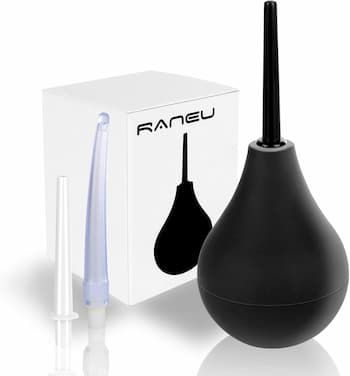
RANEU Enema Bulb Silicone Anal Douche Enema Kit
- Reusable, non-toxic, and odorless green device. It's a perfect douche.
- The douche kit includes three nozzles. These can be used with most lubricants for anal cleansing.
- To clean, separate the nozzle from the bulb. Rinse it with warm water or soap, then dry all components with a clean cloth.
We earn a commission if you click this link and make a purchase at no additional cost to you.
Cultural and Psychological Perspectives on the Perineum
This region carries cultural and psychological implications that influence how men perceive and care for it. Societal taboos or lack of awareness may discourage open discussion about its health. Education and dialogue can normalize attention to this area, reducing stigma. These perspectives encourage men to prioritize perineal care without hesitation.
- Education reduces stigma around perineal health. Learning about this region’s functions through reliable sources fosters comfort in addressing related issues. Men may feel more confident discussing symptoms with healthcare providers. Workshops or online resources can provide accessible information.
- Cultural attitudes influence perineal care practices. In some cultures, discussing pelvic health is considered private, limiting awareness. Open conversations in educational settings can normalize these topics. This shift encourages men to seek care without embarrassment.
- Psychological comfort enhances perineal health management. Men who feel at ease with their bodies are more likely to perform pelvic floor exercises or seek medical advice. Positive body image supports proactive health habits. Counseling or support groups can reinforce this mindset.
- Media representation shapes perineal awareness. Positive portrayals of male health in media can encourage men to prioritize perineal care. Campaigns focusing on pelvic health reduce misconceptions and promote action. This visibility empowers men to address perineal concerns openly.
Final Thoughts on the Perineum
This small yet vital region influences multiple aspects of health, from sexual function to pelvic stability. Its intricate anatomy and diverse functions highlight the need for awareness and proactive care. By adopting habits like pelvic floor exercises, proper hygiene, and ergonomic adjustments, men can maintain perineal health and prevent complications. Prioritizing this often-overlooked area fosters overall wellness and enhances quality of life.

I never realized how much the perineum impacts overall health, especially for sexual function and fitness.
The detailed breakdown of anatomy and practical tips like Kegel exercises are super helpful.
I appreciate the focus on gay men's health too – it feels inclusive and relevant.
Your clear explanations and actionable advice make this a must-read for anyone looking to improve their wellness.
Thanks for shedding light on such an overlooked topic!
I'm already incorporating pelvic floor exercises into my routine and noticing a difference. Keep up the amazing work!
Thanks Jake for your enthusiasm! I’m thrilled you found the article helpful and inclusive. It’s great to hear you’re already seeing benefits from pelvic floor exercises. Your support motivates me to keep spreading awareness about men’s health. Stay tuned for more insights, and keep prioritizing your wellness!
The anatomical details are dense and hard to follow for non-medical readers. You emphasize Kegels and hygiene but barely address real-world challenges like accessing specialists for perineal issues.
The gay sex section feels tacked on, lacking depth or nuance. It’s disappointing that you didn’t simplify the content or provide more practical resources for navigating stigma around pelvic health. I expected a more relatable and comprehensive guide, not a textbook-style lecture. I hope future posts are more engaging and user-friendly for everyday readers.
I appreciate your honest feedback. I’ll aim to simplify complex terms and include more practical resources in future posts. The gay sex section was meant to be concise but I hear your call for depth. Thanks for pushing me to make content more relatable and accessible.
Maximo Ray, your article on the male perineum is eye-opening. I hadn’t considered how this small area affects so many aspects of health, from sexual function to fitness. The cultural perspective section really resonated, highlighting how stigma can prevent men from seeking care.
Your practical tips, like ergonomic adjustments and perineal breathing, are thoughtful and easy to apply. I also appreciate the emphasis on open communication for gay men’s health – it’s a step toward normalizing these conversations.
Thank you for this well-researched piece. It’s inspired me to prioritize my pelvic health with confidence.
Thanks Mr Kwong, I’m glad the article resonated, especially on cultural stigma and practical tips. Your reflection on normalizing these conversations means a lot. Keep prioritizing your pelvic health, and I’m grateful for your support in spreading awareness about this vital topic!