

5 Korean Recipes for Vegetarians to Bring Flavor to Your Table
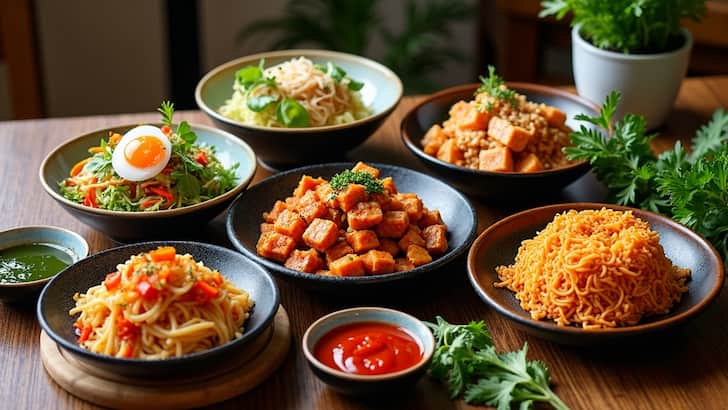
The flavors of Korean cuisine always create a bold and lively atmosphere in my kitchen. Even though many traditional dishes use meat or seafood, I’ve found plenty of vegetarian recipes that are easy to make at home and don’t sacrifice taste. Over the years, I’ve shared these favorites with friends and family, showing just how satisfying a plant-based Korean meal can be. Each recipe is deeply rooted in classic flavors and ingredients, making it easy for anyone to enjoy comforting food, even without animal products.
Korean vegetarian recipes have a lot to offer, with their spicy sauces, crisp vegetables, and rice or noodle bases. Whether you’re new to Korean cooking or want to enjoy more meatfree options, these recipes help add variety and nutrition to your weeknight dinners or special meals.
Reasons to Try Vegetarian Korean Cooking
- No fancy ingredients needed. Most recipes use vegetables, tofu, and pantry staples, so you don’t need specialty products.
- Spicy, tangy, and umami flavors. Bold sauces and fresh seasonings create memorable meals every time.
- Easy to adapt. You can swap in your favorite veggies or add more protein with tofu or mushrooms.
- Great for sharing. Korean vegetarian dishes are perfect for family dinners or friendly get-togethers.
Popular Vegetarian Ingredients in Korean Cooking
I find that Korean vegetarian recipes focus on quality vegetables, fermented condiments, and soybased proteins. If you’re new to Korean grocery shopping, here are the staples I always keep on hand:
- Shortgrain white rice or brown rice
- Firm tofu or soft tofu (for soups and stews)
- Kimchi (look for vegan versions without shrimp or fish sauce)
- Gochujang (Korean red pepper paste); check for vegan labels
- Gochugaru (Korean red chili flakes)
- Soy sauce
- Sesame oil and sesame seeds
- Scallions, garlic, and ginger
- Daikon radish, cucumber, carrots, spinach, zucchini, mushrooms, and napa cabbage
- Seaweed (such as gim or dashima/kelp)
1. Bibimbap (Mixed Rice Bowl)
Bibimbap is one of my favorite Korean dishes because it packs color, flavor, and nutrition into a single bowl. The vegetarian version uses a mix of sautéed or steamed vegetables arranged on rice, often topped with a fried egg for those who eat eggs. For a fully vegan bowl, I skip the egg and add extra tofu or mushrooms for protein. The gochujang sauce ties it all together.
Ingredients for Vegetarian Bibimbap
- 2 cups cooked shortgrain rice
- 1 small zucchini, julienned
- 1 carrot, julienned
- 2 cups spinach
- 1 cup mushrooms, sliced (shiitake or button)
- 1 cup bean sprouts
- Firm tofu, cubed and panfried (optional)
- 1 tablespoon sesame oil
- Salt and pepper to taste
- Gochujang sauce (2 tablespoons gochujang, 1 tablespoon sesame oil, 1 tablespoon maple syrup, 1 teaspoon vinegar)
- Sesame seeds and sliced scallions, for garnish
How I Make It
- Prepare all the vegetables by quickly sautéing or blanching each one and seasoning lightly with sesame oil and salt. I like to keep each veggie separate both for looks and to let each taste shine.
- Arrange the cooked rice in a large bowl. Neatly place small portions of each vegetable, tofu, or mushrooms on top, keeping them divided by color and type.
- Add a generous spoonful of gochujang sauce in the middle, sprinkle with sesame seeds and scallions, and mix well before eating.
Bibimbap is one of those bowls you can easily make your own. If you happen to have other veggies in the fridge—like bell peppers, blanched broccoli, or radish—you can swap those in for even more variety. The key is to give each ingredient a chance to stand out while letting the punchy gochujang sauce bring everything together.
2. Kimchi Jeon (Kimchi Pancakes)
Kimchi jeon is a savory pancake that uses kimchi as its star ingredient, making it perfect for a quick meal or snack. I always check that my kimchi is vegan, or I make my own to be sure. A crispy edge and spicy, tangy flavor make this pancake one of my goto comfort foods. Kimchi jeon is also a great way to use leftover or very sour kimchi. I love serving it as a side or appetizer at gatherings; it never lasts long on the plate.
Ingredients
- 1 cup chopped vegan kimchi (with some juice)
- 1/2 cup allpurpose flour
- 1/4 cup rice flour (optional, for crispiness)
- 1/2 cup water
- 2 scallions, chopped
- 1 tablespoon gochujang (optional, for extra heat)
- Vegetable oil, for frying
How I Make It
- Mix flours, water, and gochujang in a large bowl to form a smooth batter. Stir in chopped kimchi and scallions.
- Heat a bit of oil in a nonstick pan. Pour in batter to form a thin, even layer. Cook over medium heat until both sides are crisp and golden brown, about 34 minutes per side.
- Slice and serve hot, often with a dipping sauce made of soy sauce, vinegar, and sesame oil.
Kimchi pancakes are best when served right off the pan, while they're still crispy. You can also add other vegetables like shredded carrots or onions for more color and texture. If you like your pancakes extra crisp, make them thinner and use a little more oil for frying.
3. Dubu Jorim (Braised Spicy Tofu)
I love dubu jorim because it proves how tasty tofu can be. Tofu slices are simmered in a spicy, savory sauce until they soak up every bit of flavor. I serve this both hot and cold, and it’s just as good either way. This dish is especially nice as part of a Korean meal spread, alongside rice and vegetable side dishes.
Ingredients
- 1 block firm tofu, pressed and sliced
- 2 tablespoons soy sauce
- 1 tablespoon gochugaru
- 1 tablespoon maple syrup or sugar
- 1 tablespoon sesame oil
- 2 garlic cloves, minced
- 1/4 cup water
- Chopped scallions and sesame seeds, for garnish
How I Make It
- Pat the tofu dry and cut into slices, about 1/2 inch thick. Heat sesame oil in a skillet and fry tofu slices until light brown on both sides.
- Mix soy sauce, gochugaru, maple syrup, water, and garlic to make the braising sauce.
- Pour sauce over the tofu. Let simmer on low heat for 1015 minutes, spooning sauce over the tofu to help it soak up more flavor.
- Garnish with scallions and sesame seeds before serving.
Dubu jorim is a big hit for packed lunches too. It keeps well in the fridge and carries flavor even when served cold. The spicy kick from gochugaru makes plain tofu completely craveworthy, and you’ll start wanting to make this recipe on repeat.

4. Japchae (Sweet Potato Glass Noodles)
Japchae is a noodle stirfry made from sweet potato starch noodles, called dangmyeon. This dish has a chewy, springy texture and a naturally sweet flavor from the noodles and sauce. I use plenty of colorful vegetables, and sometimes I add panfried tofu for more protein. You can play with different veggies; for example, steamed broccoli or snap peas work nicely too. Japchae is festive enough for holiday gatherings but simple enough for a weeknight meal.
Ingredients
- 8 ounces sweet potato noodles (dangmyeon)
- 1 carrot, julienned
- 1/2 small onion, thinly sliced
- 4 shiitake mushrooms, sliced
- 1 small red bell pepper, sliced
- 2 cups spinach
- 2 tablespoons soy sauce
- 1 tablespoon sesame oil
- 1 tablespoon sugar or maple syrup
- 1 garlic clove, minced
- Tofu, panfried and added (optional)
- Sesame seeds for garnish
How I Make It
- Cook sweet potato noodles according to package directions. Rinse in cold water and set aside.
- Stirfry each vegetable quickly, seasoning lightly with salt, and transfer to a plate.
- Mix soy sauce, sesame oil, sugar, and garlic to make the sauce. Combine noodles, vegetables, and tofu with the sauce, toss well, and garnish with sesame seeds.
Japchae is a dish that’s fun to make with kids or a friend; everyone can help prep the veggies. Leftovers taste fantastic and are great for packed lunches or a cold noodle salad the next day. You can easily scale the recipe up for potlucks or crowdpleasing dinners.
5. Kimchi Bokkeumbap (Kimchi Fried Rice)
Kimchi bokkeumbap is a simple fried rice dish that uses leftover rice and kimchi. This is my favorite lazyday meal, as it turns pantry staples into a comforting, onepan dish with incredible flavor. I sometimes add vegetables like peas or carrots for even more crunch and interest. Kimchi fried rice is an excellent base for improvising with whatever you have in the fridge; you can add chopped greens, bell peppers, or a little corn for a touch of sweetness.
Ingredients
- 2 cups cooked, slightly dry rice (dayold works best)
- 1 cup chopped vegan kimchi
- 1/2 onion, diced
- 1/2 cup peas or diced carrots
- 1 tablespoon gochujang
- 1 tablespoon soy sauce
- 1 tablespoon sesame oil
- Scallions and sesame seeds, for garnish
- Fried tofu cubes (optional)
How I Make It
- Sauté onion and vegetables in a bit of oil until softened. Add chopped kimchi and cook for a few more minutes.
- Stir in rice, gochujang, and soy sauce. Stirfry everything together until wellmixed and heated through.
- Add sesame oil, then top with scallions and sesame seeds. Serve hot, with tofu on the side if you like.
Kimchi fried rice is the ultimate comfort food for busy days. If you want to make it even more filling, you can always crack a fried egg on top (if not vegan) or add extra panfried tofu. This is a fantastic dish to try for meal prepping or transforming leftover rice into something that feels fresh.
Extra Tips for Success
- Use dayold rice for fried rice to avoid a sticky texture.
- If you’re new to gochujang or gochugaru, start with a smaller amount and add more to taste.
- Try swapping tofu with mushrooms or tempeh if you want a change in texture or flavor.
- Many sauces are naturally vegan, but doublecheck labels for fish sauce or anchovy extracts, especially in kimchi and gochujang.
- Sesame oil is best added at the end for pure, nutty aroma.
- Explore adding Korean pickles or banchan as sides to round out your vegetarian meal spread.
- Freezing leftover rice makes for easy weeknight kimchi fried rice; just thaw and use as needed.

Philips 7000 Series Pasta Maker
ProExtrude Technology, Versatile Mixing Ability, 8 Shaping Discs, Perfect Dough, Easy Clean, Up to 8 Portions, White (HR2660/03)
We earn a commission if you click these images and make a purchase at no additional cost to you.
Common Questions About Vegetarian Korean Recipes
Q: Can I find vegan kimchi easily?
A: Many storebought kimchi brands include fish sauce or small shrimp, but several brands now offer vegan options. I also make kimchi at home using sea salt and omitting animal products for a truly plantbased flavor.
Q: Are these recipes glutenfree?
A: Most of these dishes can be made glutenfree by using tamari instead of soy sauce and doublechecking packaged ingredients. Always verify labels, especially for sauces.
Q: Can I make these recipes in advance?
A: Yes. Many vegetarian Korean dishes taste even better after a few hours or overnight, as the flavors continue to mingle. Japchae and braised tofu keep well in the fridge and can be reheated or enjoyed cold.
Q: What can I serve with these dishes?
A: I like to add traditional side dishes (banchan), such as cucumber salad, steamed broccoli, or pickled radish for a complete meal. A bowl of miso soup or clear vegetable broth also pairs nicely. Try kimchi pancakes as an appetizer or roasted sweet potatoes as a sweet side.
Try These Recipes for a Taste of Korea
I’m always happy to share these vegetarian Korean recipes with friends who want simple, flavorful meals that fit a plantbased diet. Feel free to put your own twist on the dishes or swap vegetables for what’s in season. I hope your kitchen fills with new aromas and that you find as much joy in these recipes as I do. If you have any questions or want to share your own favorite Koreaninspired ideas, I’d love to hear from you. Enjoy every flavorful bite—and happy cooking!
