

Nuts and seeds are more than just tasty snacks. They’re powerhouses of nutrition packed with good fats, protein, vitamins, and minerals. These tiny foods make a big difference in supporting a balanced diet, and I’ve found that including a variety of them helps me feel healthier and more energized throughout the day.
If you’re looking for natural, nutrient-rich ways to give a boost to your daily meals or snacks, you’re in the right place. I often add nuts and seeds to yogurt, salads, and even casseroles for an easy nutritional upgrade. In this article, I’ll share 20 nuts and seeds I turn to for their nutritional value, highlight what makes each one unique, and explain how they can help support your health.
Let’s take a look at the nuts and seeds I think you’ll really like, along with simple ways to add them to your routine.
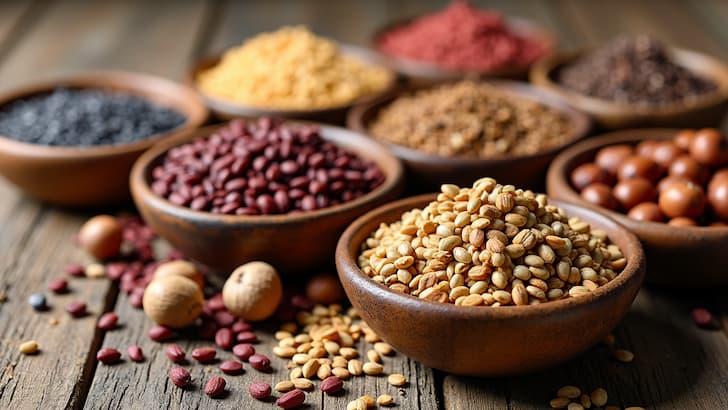
1. Almonds: A Top Choice for Vitamin E and Fiber
Almonds are one of my go-to snacks for a reason. They are high in vitamin E, which works as an antioxidant to help protect your cells. You also get a good dose of fiber and plantbased protein. I find almonds easy to add to oatmeal, trail mix, or just eat by the handful. Plus, they’re a great choice if you want to support heart health.
Benefits:
- Good source of healthy fats
- Help lower LDL cholesterol
- Rich in magnesium for energy and muscle health
2. Walnuts: Plenty of Omega-3 Fats
Walnuts stand out for their high level of ALA, a plantbased omega-3 fat that supports heart and brain health. I like to sprinkle them on salads or add them to baked goods for a satisfying crunch.
Benefits:
- May help lower inflammation
- Support good cholesterol balance
- Contain antioxidants to fight cell damage
3. Cashews: Creamy Texture, Lots of Nutrients
With their buttery texture, cashews are one of my favorites for snacking or blending into dairyfree sauces. They’re rich in copper, magnesium, and iron, which support energy, immune health, and proper nerve function.
Benefits:
- Contain heartfriendly fats
- Support bone and nerve health
- Easy to blend into dips or creamy sauces
4. Brazil Nuts: Selenium Superstars
Brazil nuts are known for being packed with selenium, which acts as an antioxidant and helps your immune system. Just one or two a day meet your daily needs. I keep Brazil nuts in the pantry and use them as a topping for smoothie bowls.
Benefits:
- Support thyroid health
- Good source of healthy fats
- Give a boost to immunity with selenium
5. Pecans: AntioxidantRich and HeartFriendly
Pecans bring a sweet, rich flavor to snacks and desserts. I use them in homemade granola, but they’re also perfect for pies and salads. Pecans are high in antioxidants and can support heart health when eaten as part of a balanced diet.
Benefits:
- Help manage cholesterol
- Contain vitamin E and manganese
- Add crunch and flavor to dishes
6. Pistachios: Packed with Lutein and Protein
Pistachios are an easy snack when I want something both crunchy and satisfying. They’re rich in lutein, which is important for eye health, along with plenty of protein and potassium. I often eat them plain, but they can also be chopped over yogurt or salad.
Benefits:
- Provide plant protein
- Support healthy vision
- Good for blood sugar management
7. Hazelnuts: The Vitamin E Nut
Hazelnuts have a unique taste and are especially high in vitamin E. I like adding chopped hazelnuts to baked goods or pairing them with dark chocolate for an extra treat.
Benefits:
- Support heart and skin health
- Add flavor and texture to snacks
- Contain folate and manganese

8. Macadamia Nuts: Rich in Healthy Monounsaturated Fats
Macadamia nuts are known for their buttery texture. They’re high in monounsaturated fats, which support heart health. I eat them straight from the bag or use them for homemade nut butter.
Benefits:
- Help keep cholesterol in check
- Contain thiamine and manganese
- Delicious in sweet or savory recipes
9. Pine Nuts: Tasty and High in Magnesium
Pine nuts are best known as an ingredient in pesto. They are high in magnesium and healthy fats. I use them to top roasted vegetables or salads for extra flavor and nutrients.
Benefits:
- Support energy production
- Contain vitamin K and zinc
- Add nutty flavor to many dishes
10. Peanuts: Affordable and ProteinPacked
Even though peanuts are technically legumes, I find them just as useful as tree nuts. They offer plenty of protein and niacin, which helps your body process energy. Peanut butter is a staple in my kitchen for smoothies and sandwiches.
Benefits:
- Support energy and brain health
- Affordable and widely available
- Good source of biotin
11. Chia Seeds: Tiny Seeds Full of Fiber and Omega-3s
Chia seeds have a lot to offer in a tiny package. They’re loaded with fiber, plantbased omega-3 fats, and calcium. I usually stir them into oatmeal or yogurt, or make chia pudding for breakfast.
Benefits:
- Great for digestion
- Support bone health
- Seeds swell in liquid for thick sauces or puddings
12. Flaxseeds: Rich in Fiber and Lignans
Flaxseeds are ground before eating for better digestion and nutrient absorption. They’re high in fiber and lignans, which may support hormonal balance and heart health. I sprinkle ground flaxseed on cereal or add it to baking recipes.
Benefits:
- Good for digestive health
- Boost omega-3 intake
- Easy addition to smoothies and baked goods
13. Pumpkin Seeds: Loaded With Magnesium and Zinc
Pumpkin seeds (pepitas) are crunchy and delicious. They’re high in magnesium, zinc, and iron, which are great for immune support and energy levels. I use them in homemade trail mix or as a topping for soups.
Benefits:
- Support immune function
- Contain healthy fats
- Boost protein in snacks
14. Sunflower Seeds: An Easy Way to Get Vitamin E
Sunflower seeds are a snack I turn to when I want a boost in vitamin E and selenium. They also provide folate and magnesium. I like them on salads or mixed into granola bars.
Benefits:
- Support skin and heart health
- Offer plantbased protein
- Inexpensive and readily available
15. Sesame Seeds: Plenty of Calcium in a Tiny Seed
Sesame seeds are famous for their role in tahini and bagels. These small seeds pack a punch when it comes to calcium and iron. Toasted sesame seeds make a flavorful topping for stirfry or rice.
Benefits:
- Support bone health
- High in lignans for antioxidants
- Versatile in cooking
16. Hemp Seeds: Excellent Source of Protein and Omega-6
Hemp seeds taste nutty and have a soft crunch. They’re one of the richest plant sources of protein and contain a balanced amount of omega-6 and omega-3 fatty acids. I mix hemp seeds into smoothies or sprinkle them over cereal for extra nutrition.
Benefits:
- Boost protein intake
- Contain essential fatty acids
- Add texture to recipes
17. Poppy Seeds: Small but Nutritious
Poppy seeds add a nice crunch and mild flavor to breads and muffins. They’re high in fiber, calcium, and iron, helping to support bone and blood health.
Benefits:
- Add fiber and minerals to recipes
- Good for baking
- Contains some antioxidants
18. Quinoa: The Seed That's a Pseudograin
Quinoa is often called a grain, but it’s technically a seed. I use it as a base for grain bowls or salads. It provides all nine essential amino acids, making it a complete plant protein.
Benefits:
- Glutenfree and easy to digest
- Supports muscle repair and growth
- High in fiber and iron
19. Cacao Nibs: NutrientDense and Chocolatey
Cacao nibs are small pieces of raw cacao beans. They offer a rich, chocolatey flavor along with magnesium, iron, and antioxidants. I sprinkle them on oatmeal or yogurt for a crunchy treat without added sugar.
Benefits:
- Support mood with natural compounds
- Good source of magnesium
- Rich in antioxidants
20. Watermelon Seeds: A Crunchy Source of Zinc and Protein
Roasted watermelon seeds are a unique snack that’s starting to become more popular. They contain protein, zinc, and magnesium. I like to eat them roasted for a savory, crunchy treat.
Benefits:
- Support immune health with zinc
- Contain protein and healthy fats
- Fun alternative to traditional seeds

Law of Attraction Planner
- Aims to enhance mental, physical, and social aspects using the law of attraction
- Contains 248 pages with weekly and monthly overviews, journaling, and habit tracking
- Provides tools like mind maps and vision boards for setting and achieving goals
- Offers an 8-step system to reduce stress and procrastination.
We earn a commission if you click this link and make a purchase at no additional cost to you.
Simple Tips for Including Nuts and Seeds in Your Daily Diet
Adding a range of nuts and seeds to your diet doesn't have to be complicated. I’ve found a few simple habits make a difference. For instance, keeping a jar of mixed nuts at home or at work means I always have a quick, healthy snack within reach. I also like to portion out nuts into small containers for grab-and-go ease. Roasting seeds at home with a touch of spices lets you control flavors and cuts down on unnecessary additives. Swapping croutons for seeds on salad is another way to get more nutrients with extra crunch. Mixing nut butters into sauces or dressings also brings creamy depth while boosting nutritional value. Nuts and seeds even work in savory main dishes: crust fish or chicken with finely chopped nuts for a healthful, crispy exterior.
- Keep a mix of raw nuts or seeds handy for snacks.
- Add a tablespoon of seeds to oatmeal or smoothies.
- Try nut butters as a spread for fruit or whole grain bread.
- Top salads and cooked vegetables with chopped nuts for crunch.
- Experiment with homemade energy bars or trail mix.
If you have allergies, always choose varieties that work for you. Moderate portions and variety are really important because nuts and seeds are caloriedense but offer a big nutrient punch in small amounts.
Why Variety Matters When Choosing Nuts and Seeds
Each nut and seed brings something special to the table. By switching up your choices, you get a better mix of healthy fats, protein, antioxidants, and fiber. This supports your heart, brain, and digestive health in the long run. When shopping, look for unsalted, raw, or dryroasted options to avoid extra sodium and oils.
I enjoy stumbling upon new nuts and seeds and finding creative ways to add them to meals. It’s a simple step that keeps eating interesting and supports better health. Try making themed snack mixes, such as sweet-spicy or Mediterranean-inspired, with a mix of different nuts and seeds. If you’re curious, track down less typical options at health food stores—for example, sacha inchi seeds or pili nuts offer unique flavors and nutrition for those who want to mix things up.
Final Thoughts
Choosing a mix of nuts and seeds is one of my favorite ways to give an overall nutritional boost to my meals. They fit easily into so many types of meals and snacks, and I always feel good knowing I’m getting important nutrients in each bite. Which nut or seed do you enjoy most, or is there one on this list you’re curious to try? Feel free to share your thoughts or questions below. No matter what you choose, embracing a colorful, crunchy mix can help make healthy eating enjoyable.
