

Artificial intelligence has taken the art of creating online personas to another level. Fake profiles used to be easy to spot, but now AI can generate identities that look shockingly real. As I check out different technology tools each week, I’m seeing more evidence of how quickly these algorithms learn, adapt, and improve at building trust. Sometimes, it’s for the wrong reasons, which makes spotting scams even harder.
If you’re curious about how scammers use AI to craft flawless fake personas, you’re not alone. This technology is affecting social media, online dating, and even job platforms. I know how easy it is to get fooled, especially when everything looks and sounds legit. By understanding the ways AI operates today, I feel more alert and better able to catch red flags in my digital life.
This article covers the 10 main ways AI helps build what seems like the “perfect” fake profile, with clear examples and tips for spotting trouble before you connect or share personal information.
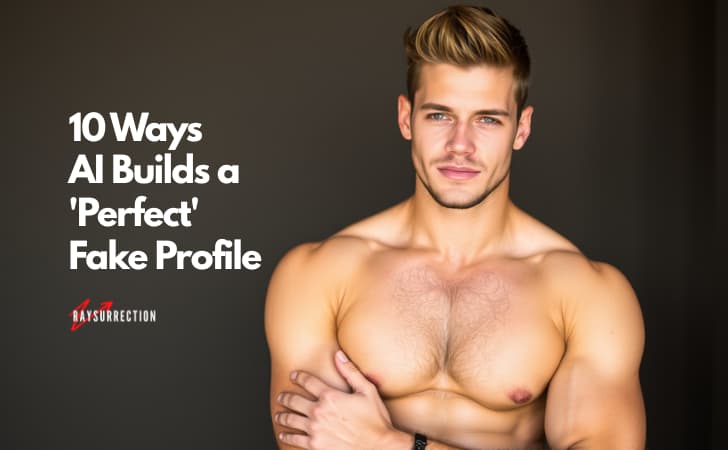
1. Generating Hyperrealistic Profile Photos
AI tools like StyleGAN can produce photos that look just like pictures of real people. These images skip odd distortions or clues, such as mismatched eyes or strange backgrounds. Because these algorithms keep improving, the pictures are rarely distorted. The photos made by AI are unique, never appearing with a reverse image search since they’re generated right then and there.
When I come across a new profile with an eye-catching image, it makes me pause, even for platforms I trust. Sometimes, the faces are attractive but generic, giving off a sense of trust or friendliness that’s clearly designed. I’d suggest using browser tools for reverse image searches, but that only helps if the image is recycled. If the photo is new, only details in the background, lighting, or minor oddities give away its artificial origin.
Quick Signs to Look For:
- Backgrounds that melt into the person or show inconsistent lighting.
- Earrings, glasses, or hair that appear unfinished or slightly warped.
- Facial features that look just a bit too symmetrical or flawless.
2. Writing Flawless Bios and Descriptions
AI language models can produce bios, professional summaries, and “about me” sections that sound natural and convincing. These bios use shared interests, local references, and even humor. By mixing together different tones and details, AI can match the language style common to real people in a specific region or age group.
I’ve seen bios with quirky facts and detailed background stories that clearly aim to catch your attention. When I get involved with these profiles, the language often stays polite, warm, and clean of grammar mistakes. This really adds to the illusion of a genuine person.
How AI Builds Plausible Details:
- Scans for popular hobbies, interests, and slang terms by region.
- Avoids copy-paste errors that used to expose fakes.
- Places just enough specific detail to seem lifelike but not enough to check.
3. Creating a Web of Activity Across Platforms

AI can crosspost and update fake accounts on different platforms to make them look like real users. These bots grow old X accounts, start LinkedIn profiles, sign up for Facebook, and comment on public forums using details that match across all sites. By keeping dates, work histories, and photos consistent, the fake persona appears well-established.
I’ve followed the trail of some suspicious accounts and noticed how they like, share, and comment just enough to clear authenticity checks. Their coordinated actions make it hard to know who’s legit even on sites you visit daily.
Examples of Activity AI Can Simulate:
- Leaving friendly comments on forums or news sites.
- Sharing articles relevant to the persona’s supposed job or city.
- Building friend or follower lists with similar accounts for credibility.
4. Adapting Language to Sound Region Specific
Modern AI chatbots pay close attention to regional dialects and slang, switching their words to fit each audience. When I interact with AI-generated profiles, I often find subtle nods to local sports, food, or weather—small things that help lower my guard. For example, if a profile claims to be from New York, it might talk about favorite bagel shops. If it lists Paris, the vocabulary may slip in some French-English terms.
By tweaking their use of idioms and cultural notes, these fake profiles pass quick authenticity checks. Sometimes, I still catch clues like a phrase used oddly or an odd mismatch, but it’s getting harder to spot as AI improves.
5. Personalizing Interests

AI systems gather public data and trending topics to build a realistic list of interests for each fake profile. In the past, fakes just said they liked “travel” or “music,” which sounded generic. Now, AI lists favorite podcasts, books, and vacation spots that fit the target audience.
I’ve watched AI-generated accounts join online groups—like niche Facebook communities—and take part in event discussions. They use tailored hashtags and share music or book recommendations popular with real users in the same age group.
Personalization in Action:
- Spotify or Goodreads accounts with believable playlists or reading lists.
- Check-ins at local attractions or restaurants.
- Posts about current events popular in the persona’s region.
6. Building a Network of "Friends"
AI can quickly create networks by building dozens or hundreds of surrounding fake accounts. These friends interact naturally, support content, and sometimes refer to inside jokes or group chats.
When I look over friends or follower lists of these profiles, I sometimes notice a pattern: accounts with generic names, follower counts that climb fast, or similar-looking profile photos. The interactions and crosslikes give a sense of community that even real users find hard to gather, especially for new accounts.
7. Simulating RealTime Interactions
AI chatbots can reply fast to messages, using casual conversation or a bit of slang to make you feel like you’re actually chatting with a person. On platforms with instant messaging, these bots match your style. If you’re formal, the bot is formal. If you keep it playful, so do they. This helps build trust and rapport.
In my experience, the responses can feel just a bit too tidy or quick, and long conversations start to show a lack of deeper details. For short or simple chats, though, bots fit right in and pass most quick tests.
8. Mirroring Popular Careers and Achievements

To look credible, AI fakes often pick careers that are respected but not easy to verify. They might claim to be in digital marketing, freelance writing, or consulting—fields where job details are often private. AI can generate realistic work histories, awards, and even links to personal websites or portfolios.
LinkedIn is a common spot for these profiles, since a strong summary, a great photo, and plenty of connections look legit. I’ve seen AI-generated CVs and project samples, formatted to grab attention but light on details. If anyone digs deeper, the company names might be too vague, or the websites are full of well-written but generic content.
Tips to Spot Fakes:
- Ask for details about employers or projects you can actually look up.
- Check for repeated language or similar skills across several profiles.
9. Learning Fast From Interactions
One thing that’s really eye-catching, and a bit unsettling, is how AI adapts after every chat. When someone checks a detail or asks hard questions, the system can reword, add new context, or adjust its story enough to sound true. This makes the fake feel responsive and more human, especially if you’re not searching for flaws.
I’ve spotted this with profiles that change their main interests or bios right after I message them. These fast edits and smooth pivots work to keep your interest and lower suspicion.
10. Covering Tracks with Privacy Tricks
The most advanced fake profiles use privacy tools such as VPNs or fake geolocation, making their online presence appear local. Their locations, time zones, and schedule of posts all match where they say they live.
For instance, if a profile claims to be from London, their posts come in at UK morning times, the spelling sticks to British English, and device information lines up with the location. I always double-check for things like abrupt changes in language or activity times if a profile seems suspicious.
We earn a commission if you click any of these links and make a purchase at no additional cost to you.

Harry’s House

Harry Styles Goods on Amazon
Key Takeaways on AI-Generated Profiles
AI-generated fake profiles are more slick than ever. They blend flawless visuals, believable backstories, and networks of activity to fool even the careful users. I’ve learned it’s smart to be extra careful with friend requests, job offers, and direct messages from profiles you don’t know. Small moves, like reading old posts, checking out shared connections, and asking simple questions can help you avoid problems. For more tips about online safety and scams, the Federal Trade Commission provides the latest information at consumer.ftc.gov.
Technology is always changing, and bad actors evolve with it. Stay curious, keep asking questions, and share what you learn. By helping each other, we can all surf the web a bit more safely.
