

Men encounter many health risks as the decades pass, but one small gland occupies more mental space than almost any other organ. You possess a prostate that sits quietly beneath your bladder, yet its influence over your daily comfort remains immense.
Cancer in this region appears so frequently that many doctors view it as a near-inevitability for those who live long enough. Biological factors and lifestyle choices collide to create a perfect storm for cellular irregularities. You may feel confused by the sheer volume of data regarding prevention and risk management. Men who have sex with men often experience a more interactive relationship with this part of their anatomy.
You deserve clear answers about why cells fail and how your habits dictate your long-term wellness. A deep look into the mechanics of your pelvis will reveal why staying active is a necessity. Knowledge of these internal systems helps you make better choices for your future self.

The Basic Blueprint of Your Pelvis
Your prostate acts as a central hub for various bodily fluids and reproductive functions. Muscle tissue within the gland contracts to facilitate the movement of life-sustaining chemicals. Small tubes pass through the center of this organ to allow for the exit of waste and semen. You rely on this tiny structure to maintain the health of your urinary system as well.Pressure on the surrounding nerves creates the signals that the brain interprets as physical readiness.
Nature placed this gland in a very accessible location for those interested in internal exploration. Nerves surrounding the tissue are highly sensitive to external and internal touch. You experience heightened sensations because of the proximity to the rectal wall. Blood flow increases to this area when you are aroused or physically active. Proper circulation maintains the integrity of the cells and prevents the buildup of stagnant waste.
Glandular health depends on the constant flow of secretions and blood through the tissues. You potentially notice that things feel better when the system is used regularly. Stagnation occurs when the fluids remain trapped inside the small ducts for too long. Waste products from cellular metabolism need a way to exit the body efficiently. You are the owner of a complex machine that requires regular maintenance to function at its peak.
- Verify your pelvic health by visiting a medical professional for an annual checkup. Regular monitoring ensures that any changes in the size or shape of the gland are caught early.
- Keep a record of your bathroom habits to identify any sudden shifts in frequency. Changes in how often you go often signal that the tissue is pressing against the urethra.
- Ask your doctor about the PSA test to get a baseline reading of your protein levels. High numbers in the blood often indicate that the gland is under stress or fighting an infection.
- Stay hydrated to ensure that your body has enough fluid to flush out the system. Water is the primary vehicle for moving waste out of your pelvic organs.
Gay Sex and Prostate Stimulation
Gay men often have a more direct awareness of the prostate due to the nature of their sexual encounters. Reaching the gland through the rectal wall is a common way to achieve intense pleasure. You find that direct pressure stimulates the nerves that are otherwise hidden deep inside the body. Sex toys and partner play often focus on this "male G-spot" for a reason. Pleasure and health are linked because stimulation encourages the movement of fluids.
Blood rushes to the pelvis during these activities to support the increased nerve activity. You notice that the tissue becomes firmer and more engorged when it is being engaged. Muscles in the pelvic floor get a workout when you are participating in penetrative acts. Regular activity helps keep the muscular structures around the gland strong and resilient.You gain from the natural massage that occurs during certain types of sexual intimacy.
Communication between your brain and your reproductive organs stays sharp with frequent use. You maintain a better connection to your internal sensations when you explore this area regularly. Risk of total stagnation decreases when the gland is squeezed and released through muscular contraction. Every encounter acts as a form of internal exercise for the glandular tissue. You are able to monitor the health of the area simply by paying attention to how it feels.
- Communicate with your partner about the level of pressure that feels comfortable for you. Everyone has a different threshold for stimulation and safety in the bedroom.
- Use plenty of high-quality lubricant to prevent irritation of the sensitive rectal lining. Friction could cause small tears that lead to inflammation in the surrounding pelvic tissues.
- Listen to your body if you feel any sharp pain or unusual discomfort during play. Pain is the primary signal that you need to slow down or change your position.
- Explore your own anatomy with solo play to learn what feels best for your body. Self-knowledge allows you to guide a partner toward the most rewarding and healthy experiences.

The Reality of Sexual Dry Spells
Long periods of abstinence could lead to a buildup of old fluids within the prostatic ducts. You may find that the gland feels heavy or congested after weeks of inactivity. Prostatic fluid is meant to be expelled to make room for fresh secretions. Stale proteins and minerals could crystallize if they sit in the dark for too long. You should consider the impact of a sedentary sexual life on your internal hardware.
Cells within the gland continue to produce fluid even when you are not releasing it. You experience a gradual increase in pressure that could lead to dull aches in the groin. Inactivity tells the body that the demand for fresh cells is currently low. Lowered turnover of cells could lead to a state of biological boredom where things start to malfunction. You want to keep the production line moving to ensure that everything remains fresh.
Dry spells often correlate with a decrease in local blood circulation to the pelvic floor. You lose the help of the natural flushing that occurs during a powerful climax. Sluggish blood flow means that oxygen and nutrients are not reaching the tissue as quickly. Toxins from the environment or diet linger longer when the system is not being cleared. You need to find ways to keep the area active even if a partner is not present.
Practice regular self-release to keep the prostatic fluids moving through the ducts. Frequent expulsion is associated with a lower risk of certain cellular abnormalities later in life.
Perform Kegel exercises to strengthen the muscles that support the prostate gland. Stronger muscles facilitate a more complete clearing of the system during release.
Walk or jog to increase the overall circulation of blood to your lower body. Physical movement prevents the pooling of blood and fluids in the pelvic cavity.
Stretch your hip flexors and pelvic floor to relieve the tension of inactivity. Loose muscles allow for better fluid transport and a more comfortable feeling in the groin.
Cellular Chaos and Inactivity
Messed up cells are often the result of a system that has become too stagnant. You see a similar effect in a pond where the water stops flowing and algae takes over. Prostatic cells thrive when they are forced to regenerate and perform their duties. Inactivity allows for the accumulation of mutated cells that should have been flushed out. You are essentially giving the bad cells a chance to settle in and multiply.
Oxidative stress builds up in the tissue when the metabolic waste products remain trapped. You may find that inflammation becomes a chronic issue in a gland that never gets a workout. Chronic inflammation is a known precursor to the development of cancerous growths. Mutations happen more frequently when the environment is acidic and low in oxygen. You must maintain a high-frequency cycle of renewal to keep the mutations at bay.
Biological signals for cell death, or apoptosis, could become muffled in an unused organ. You want the old or damaged cells to die off so that new ones can take their place. Failure of this process leads to a pileup of "zombie cells" that do not function correctly. These dysfunctional cells interfere with the healthy ones and could trigger a chain reaction. You are the manager of a cellular city that needs constant renovation to stay safe.
Eat a diet high in antioxidants to combat the oxidative stress in your cells. Berries and leafy greens help neutralize the harmful molecules that damage DNA.
Avoid excessive intake of processed meats that are linked to increased inflammation. Chemicals in these foods could travel through the blood and irritate the sensitive prostate tissue.
Reduce your exposure to environmental toxins found in some plastics and pesticides. Some of these chemicals mimic hormones and confuse the growth signals in your gland.
Sleep enough to allow your body to perform the necessary repairs at night. Melatonin and other hormones help regulate the life cycle of your internal cells.

The Truth About Enemas
Enemas are often used for hygiene, but their impact on the prostate is a topic of debate. You may wonder if flushing the colon helps remove the pressure on the nearby gland. A clean rectum does reduce the amount of bacteria present near the prostatic wall. Some men report a feeling of lightness and reduced tension after a gentle water flush. You should look at the proximity of these organs to perceive the potential connection.
Bacteria from the digestive tract could sometimes migrate into the prostate and cause infection. You find that a clean environment minimizes the risk of prostatitis or chronic inflammation. Prostatitis is a painful condition that makes the gland swell and become tender. Keeping the neighboring area clear may prevent these unwanted invaders from making a home in your pelvis. You should proceed with caution to avoid irritating the delicate tissues of the colon.
Overusing enemas could disrupt the natural balance of good bacteria in your gut. You want to maintain a healthy microbiome to support your overall immune system. High-pressure water could also cause micro-tears that lead to more inflammation, not less. Gentle methods are always better than harsh chemical solutions or high-pressure systems. You are able to use this method as a hygiene preference without making it a daily medical necessity.
Use lukewarm distilled water for any internal flushing to avoid introducing new germs. Tap water could contain minerals or chemicals that irritate the sensitive internal lining.
Limit the frequency of enemas to prevent the loss of protective mucus in the colon. Your body needs a certain amount of natural lubrication to function correctly and stay healthy.
Sanitize any equipment you use to ensure that you are not re-introducing old bacteria. Cross-contamination is a common source of pelvic infections that affect the prostate.
Consult with a health expert if you plan on making enemas a regular part of your routine. Expert advice ensures that you are not doing more harm than good to your internal balance.
Hormones as the Driving Force
Testosterone is the primary fuel that keeps the prostate growing throughout your life. You have a body that responds to these chemical messengers by expanding the glandular tissue. Dihydrotestosterone, or DHT, is a more potent version that targets the prostate cells in a particular way. High levels of these hormones could lead to Benign Prostatic Hyperplasia, which is a non-cancerous growth. You are living with a biological blueprint that favors growth over stability.
Balance between estrogen and testosterone shifts as you get older and your body changes. You possibly notice that your weight and muscle mass affect your hormonal profile. Adipose tissue, or fat, could convert testosterone into estrogen, which complicates the growth signals. Fluctuations in these levels could send the wrong messages to the cells in your pelvis. You need to keep your hormones within a healthy range to prevent runaway growth.
Medical treatments for prostate issues often focus on blocking these hormonal signals entirely. You find that reducing DHT could shrink the gland and relieve the pressure on the urethra. Some men worry about the side effects of lowering their testosterone for medical reasons. Libido and energy levels are closely tied to these same chemicals that drive the prostate. You must weigh the risks and rewards of any hormonal intervention with your doctor.
Maintain a healthy weight to prevent the overproduction of estrogen in your body. Lower body fat levels help keep your testosterone in a more favorable balance for prostate health.
Check your hormone levels through blood work if you feel unusual fatigue or low drive. Knowledge of your baseline helps you identify when things are starting to shift.
Avoid using anabolic steroids which could cause the prostate to grow at an alarming rate. Artificial hormones often bypass the natural checks and balances of your endocrine system.
Incorporate strength training to support the natural production of healthy testosterone. Muscle growth helps regulate the way your body uses and processes hormonal signals.

Why Age is the Biggest Factor
Statistics show that the longer you live, the more likely you are to develop prostate issues. You have a system that was not necessarily designed to last for eighty or ninety years. Mutations accumulate slowly over decades until they reach a tipping point. Every time a cell divides, there is a tiny chance that a mistake will occur in the DNA. You are essentially playing a game of numbers with your own cellular biology.
Repair mechanisms in your body start to slow down as the calendar pages turn. You find that your cells are not as quick to fix the errors that lead to cancer. Accumulation of environmental damage also takes a toll on the integrity of your organs.Decades of exposure to pollution and processed foods leave a mark on your internal health. You must be more diligent about your habits as you move into your middle years.
Screening becomes a part of life for most men once they cross the threshold of fifty. You should realize that many prostate cancers grow so slowly that they never cause harm. Doctors sometimes refer to this as "dying with" prostate cancer rather than "dying from" it. Low-grade tumors possibly just need to be monitored rather than treated aggressively. You are able to live a long and full life even with a diagnosis if the situation is handled correctly.
Schedule a digital rectal exam to allow a doctor to feel for any hard bumps. Physical palpation is still one of the most reliable ways to find abnormalities early.
Read up on the latest screening guidelines to see what is recommended for your age group. Medical advice changes as new studies provide better data on the risks of over-treatment.
Discuss your family history with your relatives to see if prostate cancer runs in your bloodline. Genetic factors could shift the timeline for when you should start getting serious about testing.
Focus on quality of life rather than just survival numbers when making medical decisions. Sometimes the side effects of surgery are worse than the slow-growing disease itself.
The Role of Dietary Choices
Food acts as the raw material for every cell and hormone in your entire body. You are able to either feed the growth of healthy tissue or the expansion of rogue cells. Sugar and highly refined carbs trigger insulin spikes that could stimulate cell division. High-fat diets have been linked to a greater risk of aggressive prostate cancer in some studies. You should think about your plate as a prescription for your future pelvic health.
Plant-based nutrients provide the chemicals needed to shield your DNA from damage. You find that cruciferous vegetables like broccoli contain compounds that help detoxify the body. Omega-3 fatty acids found in fish help reduce the chronic inflammation in your gland. Green tea contains polyphenols that have been shown to slow down the growth of tumor cells. You have the ability to change your internal environment with every meal you eat.
Excessive dairy intake has been a point of concern for many prostate researchers. You may want to limit your consumption of milk and cheese to see how your body responds. High levels of calcium and certain proteins in dairy possibly influence the growth of prostate tissue. Moderation is the best policy when you are dealing with foods that have a mixed reputation. You should aim for a balanced diet that prioritizes whole foods over processed junk.
Add more colorful vegetables to your dinner to increase your intake of phytonutrients. Different colors represent different protective chemicals that your cells need to stay healthy.
Switch from red meat to beans or lentils a few times a week to lower your saturated fat. Plant proteins provide the building blocks of life without the inflammatory baggage of beef.
Drink a cup of green tea every morning to flood your system with protective antioxidants. Small daily habits add up to a defense against cellular malfunctions over time.
Choose whole grains over white bread to keep your blood sugar and insulin levels stable. Low-glycemic foods prevent the hormonal surges that could drive the growth of prostate tissue.
Physical Activity and Blood Flow
Exercise is a necessity for maintaining a healthy prostate as you get older. You need to keep the blood moving to ensure that the pelvic organs are well-oxygenated. Sedentary lifestyles lead to the pooling of blood and a lack of fresh nutrients in the groin. Sitting for long hours puts direct pressure on the gland and could lead to discomfort. You should find ways to stand up and move throughout your workday.
Aerobic exercise helps regulate the hormones that drive the growth of prostate cells. You find that men who are active have better hormonal profiles and lower inflammation. Sweating helps your body rid itself of toxins that possibly otherwise settle in your tissues. Improved circulation also helps your immune system find and destroy mutated cells more efficiently. You are giving your body the strength it needs to defend itself through movement.
Pelvic floor exercises can be done anywhere without anyone else knowing. You squeeze the muscles as if you are trying to stop the flow of urine and then release. Strengthening these internal muscles provides better support for the prostate and the bladder. Regular contractions help massage the gland and keep the fluids from becoming stagnant. You will notice a difference in your pelvic comfort and your sexual function with consistency.
Take a five-minute walk every hour if you work at a desk to keep your blood flowing. Short bursts of movement prevent the stagnation that occurs during long periods of sitting.
Join a local sports team or gym to make your exercise routine more social and fun. Consistency is much easier to achieve when you have a group of people to support you.
Try yoga or Pilates to improve your flexibility and the strength of your core muscles. Better posture and a strong core take the pressure off your internal pelvic organs.
Track your daily steps with a phone or watch to ensure you are meeting your activity goals. Small goals are the foundation of a lifestyle that supports long-term health and wellness.
Environmental Influences and Toxins
Chemicals in the world around you could have a surprising impact on your internal organs. You encounter endocrine disruptors in plastic bottles, receipts, and some personal care products. These substances could mimic the effects of hormones like estrogen or testosterone in your body. False signals could cause the prostate to grow or develop cellular mutations at the wrong time. You must be aware of the invisible threats that exist in your modern home.
Air pollution and heavy metals could also settle in the tissues of the prostate over time. You find that cadmium and lead are particularly harmful to the health of the male reproductive system. Living in a highly industrial area potentially increases your risk of developing chronic pelvic issues. Your body tries to filter these toxins out, but the prostate could act as a sponge for some of them. You should look for ways to reduce your exposure to harsh chemicals whenever possible.
Water quality is another factor that you should consider for your long-term health. You potentially drink trace amounts of pharmaceuticals or pesticides from the local supply. Filtering your water could help remove the impurities that interfere with your cellular function. Pure water is the best way to support your kidneys and your pelvic organs. You want to give your cells the cleanest possible environment to thrive and repair.
Use glass or stainless steel containers for your food and water to avoid plastic chemicals. BPA and phthalates could leach into your food and disrupt your hormonal balance.
Wash your hands after handling thermal paper receipts to reduce your exposure to bisphenols. Your skin is able to absorb these chemicals and send them into your bloodstream quickly.
Choose organic produce whenever your budget allows to avoid the residue of toxic pesticides. Lowering your chemical load helps your liver and your prostate function more effectively.
Install a high-quality water filter in your kitchen to remove the contaminants from your tap. Clean water is the foundation of a healthy body and a well-functioning reproductive system.
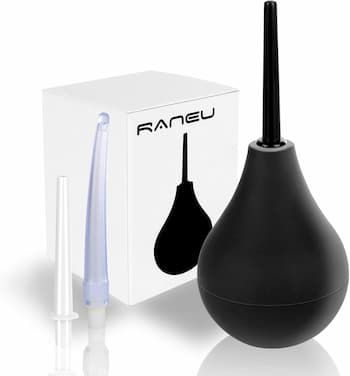
RANEU Enema Bulb Silicone Anal Douche Enema Kit
- Reusable, non-toxic, and odorless green device. It's a perfect douche.
- The douche kit includes three nozzles. These can be used with most lubricants for anal cleansing.
- To clean, separate the nozzle from the bulb. Rinse it with warm water or soap, then dry all components with a clean cloth.
We earn a commission if you click this link and make a purchase at no additional cost to you.
The Psychology of Prostate Health
Anxiety and stress could manifest as physical tension in the muscles of the pelvic floor. You may find that you clench your groin when you are feeling overwhelmed or fearful. Chronic tension restricts blood flow and could lead to a condition called chronic pelvic pain syndrome. This syndrome often mimics the symptoms of a prostate infection without any actual bacteria present. You need to address your mental state to ensure your physical comfort.
Fear of cancer could also prevent men from seeking the medical care they need. You potentially avoid the doctor because you do not want to hear bad news about your health. Ignoring a problem does not make it go away and usually makes it much worse. Early detection provides you with the most options for a successful and healthy outcome. You should view your medical team as partners in your long-term wellness plan.
Sexual confidence is often tied to the health of the prostate and the surrounding nerves. You may feel frustrated if changes in the gland affect your ability to perform or feel pleasure. Open communication with your partner could help alleviate the stress associated with these changes. Most issues are treatable or manageable with the right interventions and patience. You are more than just your physical parts and your value remains high regardless of your health.
Practice deep breathing exercises to relax the muscles in your lower abdomen and pelvis. Mindful breathing sends signals to your nervous system to let go of physical tension.
Talk to a counselor or therapist if you are struggling with health-related anxiety or fear. Professional support helps you process your emotions and make better decisions for your future.
Join a support group for men with similar health concerns to share experiences and advice. Hearing from others who have walked a similar path is able to be incredibly comforting.
Focus on the things you are able to control rather than worrying about the things you cannot. Action-oriented thinking reduces the feeling of helplessness and helps you stay motivated.
Inflammation and the Silent Threat
Inflammation is the body's natural response to injury or infection, but it could become a problem. You find that chronic low-grade inflammation acts like a slow fire burning inside your prostate. This state of constant irritation damages the DNA of the cells and encourages them to mutate. Many experts believe that long-term inflammation is the root cause of many prostate cancers. You should look for ways to cool down the internal environment of your pelvis.
Bacterial infections that are not fully cleared could lead to a state of permanent inflammation. You potentially do not even realize that a low-level infection is present in your system. Prostatitis could linger for months or years if it is not treated with the correct antibiotics. Each flare-up causes more scarring and damage to the delicate glandular tissue. You must be proactive about finishing any medical treatments your doctor prescribes.
Dietary triggers like trans fats and excessive alcohol could also fuel the inflammatory process. You see the effects of these choices in your joints, your heart, and your prostate. Reducing the inflammatory foods in your diet could lead to a significant improvement in your pelvic health. Replacing them with cooling options like ginger and turmeric is a smart move. You are in charge of the chemical balance that determines how much inflammation exists in your body.
Take a high-quality turmeric supplement to help lower the inflammation levels in your tissues. Curcumin is a natural compound that has been studied for its ability to fight cancer.
Avoid excessive alcohol consumption which could irritate the bladder and the prostate gland. Dehydration and toxins from alcohol put a strain on all of your pelvic organs.
Ensure that any urinary tract infections are treated promptly and completely by a doctor. Quick action prevents the bacteria from traveling up the urethra and into the prostate tissue.
Incorporate fatty fish like salmon into your diet at least twice a week. These healthy fats are necessary for maintaining the integrity of your cellular membranes.
The Mystery of Benign Growth
Almost every man will experience some degree of prostate enlargement as he gets older. You call this condition Benign Prostatic Hyperplasia, or BPH for short. It is not cancer, but the symptoms could be just as disruptive to your daily life. You potentially find yourself waking up several times a night to use the bathroom. The gland grows inward and squeezes the tube that carries urine out of the bladder.
Genetics play a massive role in how large your prostate will grow over the years. You are able to look at the men in your family to get a sense of what your future holds. Some men have very large glands but experience very few symptoms or problems. Others have only a small amount of growth but find the pressure to be unbearable. You are a unique individual with an exact set of biological responses to aging.
Treatments for an enlarged prostate range from simple lifestyle changes to surgery. You potentially find that avoiding caffeine in the evening is enough to improve your sleep. Medications could relax the muscles in the gland or shrink the tissue over several months. In more severe cases, a doctor is able to remove the part of the prostate that is blocking the flow. You have many options for managing this common part of the male experience.
Limit your fluid intake in the two hours before you go to bed at night. Reducing the volume in your bladder helps you get more restful and uninterrupted sleep.
Avoid cold and sinus medications that could tighten the muscles around the prostate. Some over-the-counter drugs make it much harder to start the flow of urine.
Try "double voiding" by waiting a minute after you finish urinating and then trying again. This technique helps ensure that your bladder is completely empty before you leave the bathroom.
Discuss the use of saw palmetto or other herbal supplements with your healthcare provider. Some natural remedies have been shown to help with the symptoms of an enlarged prostate.
Modern Myths and Medical Facts
Many people believe that frequent sex or masturbation increases the risk of prostate cancer. You should know that the scientific evidence actually suggests the exact opposite is true. Research indicates that regular release helps clear out the potential carcinogens from the gland. Men who have twenty-one or more releases per month show a lower risk of developing tumors. You are able to feel good about staying sexually active as a form of preventative medicine.
Another common myth is that a high PSA score always means that you have cancer. You find that many things could cause your PSA levels to rise temporarily. A recent bike ride, a prostate infection, or even recent sexual activity could shift the numbers. PSA is a sign of stress or activity in the gland, not a definitive diagnosis of disease. You should always follow up a high reading with more detailed testing.
Some men think that prostate cancer is always a death sentence that requires immediate surgery. You must realize that many versions of this disease are extremely slow-moving and non-aggressive. Active surveillance is a common strategy where doctors watch the tumor without active treatment. This approach avoids the side effects of surgery and radiation while keeping you safe. You should take the time to gather all the facts before making any big decisions.
Educate yourself on the difference between aggressive and indolent prostate cancer types. Not all tumors are the same and the treatment should match the severity of the threat.
Ask for a second opinion if you are unsure about the recommendations of your first doctor. Different specialists potentially have different views on the best way to manage your health.
Wait at least forty-eight hours after sexual activity before you go in for a PSA blood test. Giving the gland time to settle ensures that your results are as accurate as possible.
Ignore the sensational headlines that try to scare you with incomplete medical data. Reliable information comes from peer-reviewed studies and experienced medical professionals.
Future Frontiers in Prevention
Medical science is constantly finding new ways to protect the health of the prostate. You potentially soon have access to vaccines that help your immune system fight off early cancer cells. Genetic testing is becoming more sophisticated and is able to identify your risks with greater precision. New drugs are being developed that could prevent the growth of the gland without the old side effects. You are living in an era where the future of pelvic health looks very promising.
Precision medicine allows doctors to create a plan that is particular to your exact DNA. You will gain from treatments that are designed for your body rather than a generic model. Artificial intelligence is being used to read scans and biopsies with incredible accuracy. This technology helps find the smallest changes before they turn into major health problems. You should stay optimistic about the things that will be available to you in the coming years.
Preventative lifestyle choices will always be the most powerful way to stay healthy. You have the ability to influence your future every single day with your habits. Science confirms that what you eat, how you move, and how you think all matter immensely. Staying informed and proactive is the best gift you are able to give to your older self. You are the primary guardian of your own well-being and your actions have a real impact.
Stay updated on the latest medical breakthroughs by following reputable health news sources. Knowledge of new options allows you to have more productive conversations with your doctor.
Participate in clinical trials if you want to help advance the science of prostate health. Volunteers are necessary for testing the new treatments that will save lives in the future.
Encourage the men in your life to talk openly about their pelvic health and screenings. Breaking the silence helps reduce the stigma and ensures that everyone gets the care they need.
Maintain a positive outlook on your health and your ability to live a long and full life. A healthy mind supports a healthy body and helps you handle any challenges that come your way.
Knowledge of prostate health requires a blend of scientific facts and personal awareness. You possess a particular biological system that demands regular attention and care to function at its best. Cancer remains common because of the natural aging process and the hormonal environment of the male body.
You are able to take control of your risk factors by staying active and choosing a diet rich in protective nutrients. Men who explore their anatomy and maintain regular sexual release often find a better connection to their overall wellness.
Prevention is a lifelong commitment that starts with the small choices you make every morning. You deserve to live without the constant fear of what is happening inside your pelvis. Trust in the power of a healthy lifestyle and the advancements of modern medicine. Your prostate is a part of your identity and your pleasure, so treat it with respect. Future generations will gain from the knowledge you find and share today.
