

Men often find themselves drawn to small boxes filled with sharp objects and paracord without a clear explanation for the habit. Small gadgets that click together or glow in the dark feel like a biological requirement for your daily peace of mind. Your brain seeks a state where every possible failure of the modern world has a physical solution tucked away in a pocket.
Every man has felt that tiny spark of excitement when a new waterproof matchbox arrives in the mail. Maybe your garage has a shelf dedicated to nylon bags and titanium implements that never see the light of day. People ask why you need a glass-breaker in a suburban office park. Modernity creates a sense of helplessness that only a well-organized pouch of gear seems to fix. You look at a roll of duct tape and see a thousand solutions. Your gear acts as a safety net for a world that feels increasingly fragile.
The Evolution of Preparedness
Biological drives often push you toward hoarding items that ensure your survival in the wild. Your ancestors survived because they kept a sharp stone and a dry piece of wood nearby at all times. Modern comfort tries to convince you that these items are relics of the past. You know better because you see how quickly a storm or a power failure changes the rules of the city. A small kit represents your refusal to let the environment dictate your fate.
Ancient instincts remain active even when you sit behind a desk for eight hours a day, reminding you that civilization is a thin layer of protection over a much harsher world. You feel a subtle itch to be ready for an event that disrupts the status quo. Preparation acts as a buffer between you and the chaos of an unpredictable planet. Every piece of equipment in your bag serves as a promise to yourself that you will not be a victim. You value the weight of your gear because it grounds you in reality.
Competence is a trait that men strive to achieve through the mastery of their physical belongings. You want to be the person who has a solution when everyone else is staring at their phones in confusion. Reliability is the only standard that matters when you select a new light source or a blade. Your kit is a physical manifestation of your independence from the systems of the state. You take pride in the fact that you require nothing from others to stay safe.
Stash a fire-starter in your car even if you live in a city. Fire remains the ultimate signal for help if your phone battery dies during a breakdown.
Keep a folding blade in your pocket for daily utility and emergency use. Sharp edges are a fundamental requirement for human survival throughout history.
Carry a high-decibel whistle to alert rescuers across long distances. Sound travels further than a human voice when you are tired or injured.
The History of Survival Kits
The history of survival kits can be traced back to ancient times when people would carry essential tools and resources with them during long journeys. However, the modern concept of a survival kit is said to have originated during World War II when soldiers were given survival equipment that included basic supplies for food, water, shelter, and medical needs.
After the war ended, the idea of carrying a survival kit became popular among civilians who desired to be prepared in case of natural disasters or other emergencies. In the 1960s and 70s, the civil defense movement further popularized this trend by encouraging families to build their own fallout shelters stocked with emergency supplies.
Today's survival kits are much more advanced than those used in previous eras. They often contain high-tech gear such as GPS devices, solar-powered chargers, and water purification tablets. Additionally, they may include items specific to certain scenarios such as a snakebite kit for hiking trips or a fire starter for camping excursions.
The evolution of survival kits shows how humans have always sought ways to prepare themselves for unforeseen circumstances. As technology continues to advance and new threats emerge on our planet each day - from climate change-induced natural disasters to pandemics - it's likely that these kits will only become more sophisticated in years ahead.
The Modern Survival Kit
Survival kits have come a long way since the first ones were created. Today, modern survival kits are designed to be lightweight, highly portable and packed with everything you need for short-term emergencies.
Some of the items that are commonly included in modern survival kits include water purification tablets, emergency food rations, shelter materials (such as tarps or tents), fire starters, multitools and first aid supplies. These items are carefully selected based on their usefulness in a variety of different scenarios.
One notable feature of modern survival kits is their compact size. Many are small enough to fit into a backpack or even your pocket! This makes them ideal for outdoor enthusiasts who want to be prepared for any situation without carrying around bulky equipment.
In addition to being useful in wilderness settings, modern survival kits also have practical applications in urban environments. For example, they may contain items such as respirator masks and hand sanitizer that can help protect against airborne illnesses during pandemics like COVID-19.
The evolution of the survival kit has resulted in an incredibly versatile tool that can provide peace of mind and potentially save lives in emergency situations.
Why Are Men So Obsessed with Survival Kits?
Men have always been fascinated by the idea of being self-sufficient and prepared for any situation. This is why survival kits have become a popular obsession among them. The thought of having all the necessary tools and equipment to survive in extreme conditions is empowering.
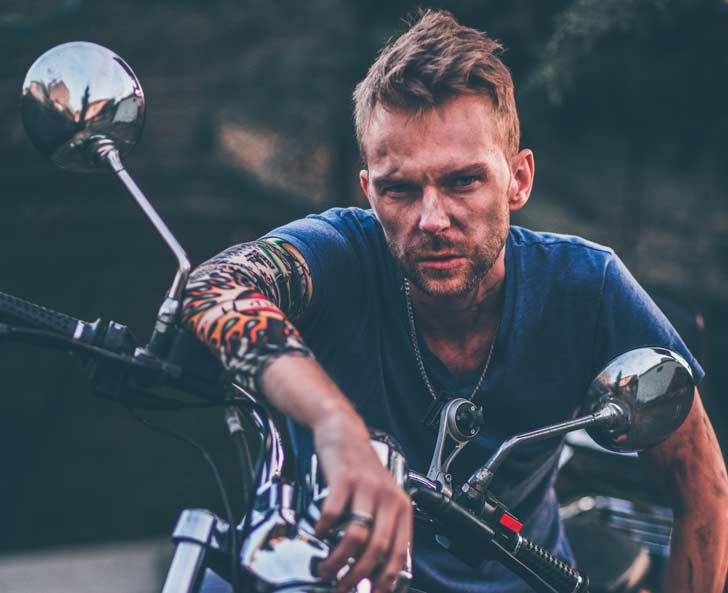
Survival kits are not only practical but also provide a sense of security, especially during uncertain times. Men feel the need to be able to protect themselves and their loved ones from harm, which they believe can be achieved through proper preparation.
Moreover, many men see building a survival kit as a way to challenge themselves mentally and physically. It requires research, planning, and critical thinking skills. They enjoy learning new things about survival techniques, natural resources, and how to improvise when traditional methods fail.
In addition, owning a survival kit allows men to connect with nature on a deeper level. It enables them to explore different terrains while feeling confident in their abilities to handle adverse situations confidently.
The obsession with survival kits among men goes beyond just being prepared for emergencies; it provides an opportunity for personal growth and empowerment while connecting with nature at its rawest form.
Tactical Nylon Logic
MOLLE webbing represents a language of organization that speaks to your need for order and readiness. You love the idea that you could add or subtract pouches based on the requirements of the day. Every strap and buckle should offer a chance to customize your setup for maximum efficiency. Nylon density and stitching patterns should be topics of intense research before you buy a new pack. Efficiency looks like a bag where every item has a dedicated, hook-and-loop home.
Standardization allows you to swap components between different kits without a second thought. You find comfort in the knowledge that your med kit fits perfectly onto your hiking pack or your trunk organizer. Quality materials like Cordura or Ballistic Nylon give you a sense of permanence in a disposable world. Zippers that never snag feel like a small victory against poor manufacturing and low-quality standards. Your gear should outlast you if you treat it with the respect it deserves.
Organization reduces the mental load when a crisis actually occurs in your life. You do not want to dig through a messy pile of junk when your hand is bleeding or the rain is pouring. Muscle memory develops as you practice pulling items from the same spot every time you train. Knowledge of your equipment makes you faster and more decisive in the field. Your kit becomes an extension of your hands through repetitive training and careful layout.
Attach a tourniquet to the outside of your bag for immediate access. Speed saves lives when a major artery is involved in a freak accident.
Use color-coded pouches to separate your medical gear from your direction-finding implements. Visual cues help you find the right item when adrenaline is pumping through your veins.
Thread paracord through your zipper pulls to make them easier to grab with gloves. Small adjustments make a huge difference in cold or wet conditions.
The Science of Light and Lumens
Flashlights represent the first line of defense against the encroaching dark that hides potential threats. You prioritize high-lumen outputs that will temporarily blind an adversary or illuminate a distant trail. Modern LED technology permits a palm-sized device to throw light further than car headlamps of the past decade. Battery choice dictates the reliability of your beam when the grid goes dark during a winter storm. Aluminum housings yield the necessary heat dissipation to keep the high-powered chips from melting during extended use.
Beam patterns vary from wide floods for close-range work to tight throwers for long-distance spotting. You analyze the candela rating to determine how well the light pierces through smoke or heavy rain. Interfaces should be simple enough to operate while your hands shake from cold or fear. Strobe modes serve as a tactical distraction if you find yourself in a confrontation. Reliability remains the top metric when you select a light for your pocket or your bag.
Charging options deliver a level of versatility that old incandescent bulbs never matched. You look for lights that take standard AA cells or high-capacity lithium-ion batteries. Magnetic tail caps permit you to stick the light to a car hood while you change a flat tire. Waterproof seals ensure the device functions even after a drop into a deep puddle. Light gives you a sense of control over an environment that would otherwise be hostile.
Keep a backup light on your keychain for unexpected power outages. Small lights ensure you never have to move through a dark building without a guide.
Choose a light with a deep-carry clip to keep it secure in your pocket. Loss of your primary light source during a scramble is a mistake you only make once.
Verify the lumen output on a dark night before you trust the box's claims. Real-world performance often differs from the marketing materials found online.
Metallurgy and the Edge
Knives require a knowledge of metallurgy and edge geometry that borders on a science. You care about the difference between stainless steel and high-carbon variants. Sharpening a blade becomes a meditative act that prepares you for future tasks. A dull knife is a dangerous liability that you refuse to tolerate in your rotation. Precision matters when you are carving a notch or cutting through a seatbelt.
Steel hardness determines how long your edge will stay sharp under heavy use. You look for a proportion between toughness and the ease of sharpening in the field. Folding mechanisms should be smooth and lock into place with a reassuring click. Pocket clips allow you to carry the blade without it sinking to the bottom of your pocket. Every cut you make should feel deliberate and controlled.
Fixed blades offer a level of strength that no folding knife will ever match. You want a full-tang construction where the steel runs through the entire handle. Such a design ensures the knife will not snap when you are prying or splitting wood. Sheaths should hold the blade securely while allowing for a quick draw. Your blade is the most ancient implement in your entire collection.
Choose a blade steel like S30V or D2 for a long-lasting edge. High-quality steel requires less maintenance during a long trip in the woods.
Keep a small ceramic rod in your kit to touch up the edge on the go. Maintenance prevents a minor dullness from becoming a major problem.
Practice cutting different materials like rope and leather to know your blade's limits. Knowledge of your gear is just as necessary as the gear itself.
Thermal Defense Layers
Weatherproof shells and thermal blankets act as a portable fortress against the elements. You look for heat-reflective coatings that trap ninety percent of your body warmth. Hypothermia is a silent killer that does not care about your fitness level. Rain should bounce off your gear like water off a duck's back. Modern fabrics allow you to stay dry while moisture escapes from your skin.
Space remains a premium when you are building a kit for your car or your back. You want items that fold, collapse, or nest inside each other to save room. Titanium pots and cups weigh almost nothing but withstand extreme heat. Compact designs allow you to carry more utility without the bulk of traditional camping gear. Every ounce counts when you have to walk ten miles because your transmission failed.
Gore-Tex and Ripstop nylon deliver a level of durability that cotton will not match. You avoid materials that stay wet and heavy after a light drizzle. Synthetic fibers dry quickly and resist abrasions from rocks or thorns. Strength-to-weight ratios are the main factor in your selection process. Your clothing is just another layer of your survival system.
Pack an emergency bivy bag instead of a cheap Mylar sheet. Durability ensures the bag does not shred into pieces when the wind starts to howl.
Treat your outer layers with a water-repellent spray every season. Maintenance keeps your gear performing at its peak level for years.
Use dry bags to keep your electronics and spare socks safe from submersion. Air stays trapped inside the bag and acts as a floatation device in a river.
Analog Direction Finding
Global positioning devices are great until the battery dies or the satellites are blocked by heavy cover. You trust a physical compass because it relies on the magnetic field of the planet itself. Analog skills supply a backup that never needs a software update. Maps tell a story of the land that a tiny screen will never fully capture. You learn to read contour lines to find the easiest path through a valley.
Pace counting beads help you track how far you have traveled in the dark. You know exactly how many steps it takes to cover a hundred meters on flat ground. Precision in movement prevents you from walking in circles when visibility is low. Finding your way is a puzzle that you solve with a ruler and a pencil. Confidence grows when you can pinpoint your exact location on a blank sheet of paper.
Landmarks and celestial bodies yield clues that the average person never notices. You watch the sun and the stars to maintain a general sense of direction. Natural direction-finding turns a simple walk into an exercise in observation. Moss on trees or the direction of the wind provides hints about North and South. You feel more connected to the earth when you stop relying on a blue dot on a screen.
Learn how to calculate declination for your area. Maps show true North but your compass points to magnetic North.
Store your paper maps in a waterproof case to prevent them from turning into mush. Wet paper is useless when you need to find a trail head in a storm.
Carry a small magnifying glass to read the fine print on a topographical map. Details like swamp symbols or cliff edges are easy to miss with the naked eye.
Medical Trauma Preparedness
Medical supplies in your kit focus on stopping a leak or fixing a break. You carry chest seals and pressure bandages because accidents happen in the blink of an eye. Knowledge of how to use these items is more valuable than the items themselves. You take a class on stop-the-bleed techniques to ensure you are ready for a real emergency. Preparation in this area is a moral obligation to your family and friends.
Antibiotic ointments and sterile gauze handle the small stuff before it becomes a major problem. You know that a small cut will lead to a fever if it is not cleaned properly. Gloves protect you from pathogens when you are helping a stranger on the side of the road. Cleanliness is a luxury that you have to pack for yourself. Your medical pouch is the most likely part of your kit to actually see use.
Pain management and basic medication keep you moving when you want to stop. You pack anti-inflammatory pills to deal with a twisted ankle or a nagging headache. Comfort is not the goal, but staying functional is a requirement. Small kits should include tweezers for splinters and shears for cutting through thick denim. You act as your own first responder until professional help arrives.
Check the expiration dates on your medication every six months. Chemicals lose their potency over time and shall not work when you need them.
Keep a pair of trauma shears in an easy-to-reach spot. Clothing gets in the way when you need to see the source of an injury.
Practice applying a tourniquet on yourself with your non-dominant hand. Stress makes simple tasks difficult so you need to rely on muscle memory.
Adhesives and Repair Methods
Duct tape and zip ties will fix almost any physical object in a pinch. You carry a small roll wrapped around a lighter or a pen to save space. Plastic ties hold a car bumper in place or secure a loose strap on a backpack. Ingenuity is the most valuable part of your survival kit. You look at a broken hinge and see a chance to use your supplies.
Lubricants and cleaning kits keep your mechanical implements from rusting or seizing up. You know that metal on metal creates friction that eventually leads to failure. A drop of oil in the right place makes a folding knife snap open like new. Maintenance is a habit that you perform every Sunday afternoon. You take pride in gear that looks used but remains in perfect working order.
Super glue and epoxy resins create permanent bonds in minutes. You will fix a hole in a boot or a crack in a plastic water bottle with the right adhesive. Chemistry is just another gadget in your arsenal against the entropy of the world. Repairs in the field require a mix of patience and the right chemical compounds. Your kit allows you to be the guy who fixes the gear instead of throwing it away.
Carry a small selection of different sized zip ties for various repairs. Large ties are strong but small ones fit through tiny eyelets or holes.
Wrap several layers of Gorilla tape around your water bottle. Tape stays sticky and ready for use without taking up extra room in your pockets.
Keep a multi-bit screwdriver with several sizes of Torx and Phillips heads. Modern electronics and gear use a variety of fasteners that a standard blade will not turn.
Signaling and Rescue Ops
Signal mirrors will reflect sunlight for miles to get the attention of a pilot or a search party. You practice aiming the flash by looking through the center hole at your target. Light moves faster and further than any other form of communication. A simple piece of glass becomes a powerful beacon in the right hands. You understand that being seen is just as necessary as staying warm.
Rescue lasers and strobes supply a high-visibility marker during the night. You look for waterproof housings that will survive a drop onto a rocky shore. Flashing lights indicate a human presence that shall not be mistaken for a star or a campfire. Batteries should be fresh and checked regularly to ensure the circuit is ready. You want a signal that cuts through the darkness like a knife.
Orange smoke or bright flags create a visual contrast against a green forest or white snow. You carry a small signal panel that folds up into the size of a wallet. Contrast is the key to getting noticed from the air. Pilots look for straight lines and bright colors that do not appear in nature. Your kit should include a way to say "I am here" without saying a word.
Carry a high-decibel whistle that works even when it is wet. Pealess designs do not have a ball that will freeze or get stuck with dirt.
Keep a signal mirror in a protective sleeve to avoid scratches. Scratched surfaces diffuse the light and make your signal much weaker.
Use a laser pointer to signal rescue teams in thick brush or timber. Lasers create a solid line of light that is easy to follow back to its source.
Defensive Gear Choices
Situational awareness is the first layer of defense that you carry everywhere. You watch the exits and note the people around you without looking paranoid. Prevention is better than a physical confrontation in any scenario. Your brain is the most complex piece of gear in your entire setup. You learn to recognize the signs of trouble before the first punch is thrown.
Pepper spray and tactical pens supply a non-lethal way to protect your space. You want options that allow you to escape a bad situation without permanent harm to anyone. A sturdy pen will break glass or strike a pressure point if you are cornered. Training with these implements makes you feel more confident in your daily life. You value the ability to defend yourself without looking like a soldier.
Heavy-duty flashlights will disorient an attacker with a high-frequency strobe. You use the light to gain a few seconds of time to run or find cover. Self-defense is about making yourself a difficult target for anyone looking for trouble. Proportions in your gear ensure you are prepared for a variety of threats. You carry these items hoping you never have a reason to use them.
Carry a tactical pen that uses standard ink refills so you actually use it. An implement is only useful if it is in your hand when you need it.
Practice drawing your pepper spray from your pocket until it becomes a single motion. Hesitation during a threat will result in the implement being used against you.
Buy a flashlight with a strike bezel for added utility in a close-quarters struggle. Hardened edges turn a simple tube of aluminum into a serious defensive item.
Night Vision Capabilities
Night vision devices allow you to see in total darkness by amplifying existing light. You study the difference between digital sensors and traditional phosphor tubes. Views of the woods at night reveal a world that is hidden from everyone else. Modern technology gives you an advantage in finding your way and security. You feel like a predator rather than prey when you can see in the dark.
Thermal imaging detects heat signatures instead of reflecting light. You will find a lost dog or a hidden person by looking for their infrared glow. Clouds and smoke do not block a thermal sensor like they block standard cameras. Advanced equipment is expensive but supplies a level of awareness that is unmatched. You value the ability to see through the camouflage of the natural world.
Headlamps keep your hands free while you work on a task in the dark. You look for models with a red-light mode to avoid attracting bugs or ruining your night vision. Elastic bands should be comfortable enough for hours of continuous wear. Lighting your workspace is necessary for any repair or medical task. Your headlamp is the most practical light in your entire kit.
Choose a headlamp with a tilt feature to aim the beam exactly where you need it. Moving your whole head to see your hands is tiring and inefficient.
Keep your night vision devices in a padded case to protect the lenses. Optics are sensitive to shocks and will lose their alignment if dropped.
Use a red filter on your flashlight when reading maps at night. Red light is less likely to be seen from a distance by others.
Psychological Resilience
Psychological resilience is the foundation that holds your physical gear together. You know that a person with a positive attitude lasts longer than a pessimist with a heavy bag. Stress management keeps your heart rate down when things go wrong. You practice breathing exercises to stay calm during a simulated crisis. Knowledge of your own limits is a key part of your preparation.
Small comforts like a family photo or a favorite pen keep your spirits high. You realize that morale is a resource that needs to be managed like water or heat. Hope is a fuel that keeps your legs moving when you are exhausted. You find strength in the thought of returning home to your loved ones. Survival is a mental game that starts long before you leave the house.
Discipline allows you to follow your plan even when you are scared or cold. You stick to your routines to maintain a sense of normalcy in a chaotic environment. Every small task completed is a victory over the situation. You learn to accept the discomfort as a sign that you are still in the fight. Your kit is a physical reminder that you are a survivor by choice.
Write a list of your reasons for staying safe and keep it in your wallet. Reminders of your family give you a reason to keep pushing through the pain.
Practice a "ten-second rule" before making any big decisions under pressure. Brief pauses prevent panicked mistakes that will make a situation much worse.
Keep a small tactile item like a piece of high-quality cord to fiddle with. Tactile objects help ground your mind when your thoughts start to race.
Hydration Gear and Filtration
Water is the most heavy and necessary part of your survival gear. You look for filtration systems that remove bacteria and protozoa from a stream or a pond. Dehydration leads to poor decision-making and physical collapse within hours. You carry a stainless-steel bottle because it will be used to boil water over a fire. Clean water is a luxury that you shall not take for granted in the wild.
Reservoirs allow you to drink while you are walking without stopping to grab a bottle. You check the hoses and valves for leaks before every trip. Water purification tablets serve as a lightweight backup to your primary filter. You learn how to find water by following animal tracks or looking for green vegetation. Staying hydrated is a full-time job when you are off the grid.
Storage containers should be durable enough to survive a fall onto hard ground. You avoid thin plastic bottles that will crack or leak in your bag. Collapsible containers save space when they are empty but hold a gallon when full. Knowledge of local water sources is just as necessary as carrying the water itself. Your hydration system is the engine that keeps your body running.
Filter your water even if it looks crystal clear in a mountain stream. Microscopic parasites will ruin your health for weeks after a single drink.
Keep a small amount of bleach in an eye-dropper bottle as a last-resort purifier. Two drops will make a quart of clear water safe to drink after thirty minutes.
Carry a metal cup that fits over the bottom of your water bottle. Multipurpose items save space and give you a way to cook or melt snow.
Fire Creation Strategies
Fire supplies warmth, light, and a way to signal for help in the dark. You carry multiple ways to start a flame, from lighters to ferrocerium rods. Matches should be waterproof and kept in a sealed container. You practice starting a fire in the wind and the rain to test your skills. Heat is a requirement for drying your clothes and boosting your morale.
Tinder should be kept in a dry pocket so it is ready for immediate use. You look for natural materials like birch bark or fatwood that burn even when wet. Cotton balls soaked in petroleum jelly are a classic and reliable fire-starter. You learn how to build different types of fires for different needs, like a long-burning log cabin style. Control over fire is what separated humans from the rest of the animal kingdom.
Stoves allow you to generate heat without building a large and visible campfire. You choose between gas canisters or wood-burning models based on your environment. Efficiency in fuel consumption is a major factor in your gear selection. You want a stove that boils water in minutes while using very little wood. Fire is a dangerous servant that you must manage with care and respect.
Carry a small magnifying lens as a backup fire-starter on sunny days. Solar ignition is a free and infinite source of heat if you have the right lens.
Keep a piece of charred cloth in a tin to catch a spark easily. Char cloth turns a tiny spark into a glowing ember that will start a larger fire.
Practice the "one-match challenge" to improve your fire-building skills. Reliance on a single match forces you to prepare your wood and tinder perfectly.
Flashlights From Amazon

We earn a commission if you click this link and make a purchase at no additional cost to you.
Gear Maintenance Rituals
Checks on your gear ensure that every item is ready for immediate use. You pull everything out of your bag once a month to inspect for wear and tear. Batteries get replaced and blades get sharpened during this routine. You find peace in the act of cleaning and organizing your equipment. Maintenance is a form of respect for the gadgets that will save your life.
Upgrades to your kit happen as you learn more about your needs and the environment. You swap out heavy items for lighter versions or add new technology as it becomes available. Tests of your gear in the backyard are better than testing it in a real emergency. You want to know exactly how a piece of equipment works before you need it. Evolution of your kit reflects your growth as a prepared individual.
Information shared with others helps them become more self-reliant and safe. You do not brag about your gear, but you are ready to explain why a certain item is necessary. Help for a friend building their first car kit is a rewarding experience. Preparation is a mindset that you carry with you every day of your life. Your kit is never truly finished because there is always something new to learn.
Vacuum-seal your spare clothes to keep them dry and compress their size. Removal of the air makes a bulky sweater fit into a tiny space in your bag.
Apply a thin coat of oil to your carbon steel blades to prevent rust. Humidity in the air will ruin a high-quality edge in just a few days.
Update your emergency contact list and keep a printed copy in your kit. Digital contacts are useless if your phone is dead or broken.
Communication Without Networks
Radio signals allow you to listen to news and emergency broadcasts when the internet is down. You prefer a hand-crank or solar-powered receiver so you are not dependent on batteries. Hearing a voice from a hundred miles away yields a sense of connection to the rest of the world. Shortwave frequencies reach across oceans and continents under the right atmospheric conditions. You learn the basic codes and channels used by emergency responders in your area.
Amateur radio operators often serve as the only link between isolated groups during a disaster. You shall consider getting a license to operate a more powerful transmitter yourself. Skills in basic electronics permit you to fix a broken antenna or a loose wire. Communication is a force-multiplier for all your other survival efforts. You want the ability to call for help even if the local cell towers are offline.
Signal flags and Morse code are ancient methods that still work in a modern crisis. You practice using a flashlight to blink out a distress signal to a passing aircraft. Visual communication is limited by line-of-sight but requires no electricity at all. Knowledge of these systems makes you a more versatile and capable individual. You see the world as a network of potential links that you can exploit.
Keep a list of local emergency frequencies written inside your radio's battery cover. Memory will fail you during a crisis so paper remains your most reliable storage.
Use a high-gain antenna to increase the range of your handheld radio. Factory antennas are often too small to reach distant repeaters or stations.
Practice with your radio once a month to ensure you remember the menu settings. Digital radios are complex and require regular use to stay familiar.
Redundancy Principles
Redundancy ensures that a single failure will not end your ability to survive. You follow the rule that "one is none and two is one" when it comes to critical gear. Primary, secondary, and tertiary systems protect you against accidents and equipment loss. A backup for your fire-starter or your water filter is a mandatory addition to your bag. You balance the weight of extra gear against the risk of going without it.
Layers of protection apply to your clothing and your shelter as well as your gadgets. You wear a base layer that wicks moisture even if your outer shell is breached. Redundant power sources like solar panels and spare batteries keep your electronics running indefinitely. You look for ways to use one item for multiple tasks to reduce the total number of things you carry. Efficiency is found in the overlap of your different survival systems.
Safety nets are built into your plan through the use of different routes and meeting points. You tell someone where you are going and when you expect to return before every trip. Redundancy in information is just as necessary as redundancy in physical objects. You carry a paper map because you know that electronics are prone to failure. Reliability is a result of planning for the worst-case scenario.
Carry three different ways to start a fire in every kit. Matches will get wet and lighters will run out of fuel in the field.
Pack a small backup flashlight that uses the same battery as your primary light. Compatibility reduces the number of spare cells you need to carry.
Use a lanyard to secure your knife to your belt or your bag. Dropping your primary blade into a dark canyon is a mistake you will never recover from.
Small-Scale Logistics
Logistics is the science of moving the right gear to the right place at the right time. You view your kit as a mobile supply chain that must be managed with precision. Every cubic inch of space in your bag is a valuable resource that you shall not waste. Weight distribution affects your speed and your endurance on a long hike. You pack the heaviest items close to your back and high up in the pack.
Modular pouches permit you to grab exactly what you need without unpacking the entire bag. You categorize your gear into modules like medical, fire, shelter, and direction-finding. Speed in deployment is the main metric for a successful logistics system. You practice packing and unpacking until you can do it in the dark. Proper organization turns a pile of junk into a functional survival system.
Inventory management keeps your supplies fresh and ready for use at a moment's notice. You track your consumption of fuel and medical supplies during every training exercise. Re-stocking is a mandatory part of your post-trip routine before the bag goes back on the shelf. You treat your gear with the same seriousness as a military quartermaster. Reliability starts with a clean and well-ordered inventory.
Use compression sacks to reduce the volume of your sleeping bag and clothes. Saving space allows you to carry more survival supplies or water for the trip.
Label every pouch with a permanent marker to identify its contents quickly. Stress makes you forget which black bag holds the bandages and which holds the matches.
Weigh your bag on a luggage scale to ensure it is within your carrying capacity. Ounces lead to pounds and pounds lead to pain on a long walk.
Material Science in Gear
Material science dictates the performance and the lifespan of every item in your collection. You look for advanced polymers and alloys that offer the best strength-to-weight ratios. Carbon fiber and titanium are the gold standards for lightweight and durable gear. You understand how different materials react to extreme cold or high heat. Knowledge of physics helps you select the best apparatus for the job.
Abrasion resistance is a key factor when choosing a fabric for your backpack or your pants. High-quality fabric will slide over jagged rocks without tearing or fraying. Tensile strength determines how much weight a cord or a strap will hold before it snaps. You study the denier rating of nylon to gauge the thickness and the durability of the weave. Quality materials are the foundation of a reliable survival kit.
Chemical stability ensures that your gear will not degrade while sitting in a hot car or a damp basement. You avoid cheap plastics that become brittle over time and break when you need them. Corrosion resistance is necessary for any metal item that will be exposed to rain or salt water. You invest in high-quality gear because you know that failure is not an option. Performance is the only thing that matters when your life is on the line.
Choose titanium cookware because it will not leach chemicals into your water. Metal fatigue is less of a concern with titanium compared to cheap aluminum.
Look for gear with a high ultraviolet resistance rating to prevent sun damage. Sunlight will weaken nylon and plastic over several months of outdoor use.
Use a silicone-based lubricant to protect your rubber seals and gaskets. Maintenance keeps your waterproof containers airtight and ready for submersion.
Environmental Protection Tactics
Environmental protection focuses on keeping your body at a stable temperature in any weather. You view your clothing as the first layer of your shelter system. Base layers should move sweat away from your skin to prevent chilling during a rest stop. Mid-layers trap air to provide insulation against the cold winds. Outer shells protect you from the wind and the rain while allowing your body to breathe.
Sunlight and wind are just as dangerous as the rain and the snow in many environments. You carry a wide-brimmed hat and polarized glasses to protect your eyes and your skin. Sunburn leads to dehydration and exhaustion much faster than you realize. Wind-chill factors will drop your body temperature even on a sunny day. Preparation means having a solution for every climate you shall encounter.
Insects and local wildlife present their own set of challenges to your safety and comfort. You pack a head net and bug spray to keep the mosquitoes and ticks at bay. Knowledge of the local flora and fauna helps you avoid dangerous plants or animals. You learn how to store your gear so it does not attract curious creatures during the night. Respect for the environment is the first step toward surviving within it.
Wear wool socks because they still provide warmth even when they are wet. Cotton socks will trap moisture and lead to blisters and cold feet.
Carry a lightweight tarp to create a quick windbreak or a sunshade. Versatility in your shelter system allows you to adapt to changing weather.
Use a buff or a scarf to protect your neck and face from the sun. Multipurpose fabrics take up very little room but offer a lot of protection.
Urban Survival Skills
Urban survival requires a different set of skills and implements than the wilderness. You focus on items that will help you escape a building or find a way home through a city. Pry bars and bolt cutters become just as necessary as a knife or a fire-starter. You look for gear that is discreet and does not draw unwanted attention in a crowd. Adaptation is the key to surviving in a man-made environment.
Power and water are the first systems to fail during a major city-wide crisis. You carry a sillcock key to access water from commercial buildings and outdoor taps. Portable chargers and solar panels keep your phone and your flashlight ready for use. You learn the layout of the subway and the back alleys to avoid the main roads. Knowledge of your city is a powerful implement in your survival arsenal.
Personal security is a top priority when the normal rules of society are suspended. You carry defensive gear that is legal in your area and practice using it regularly. Situational awareness helps you spot potential threats before they become a problem. You have a plan for meeting your family at a safe location outside the city center. Readiness gives you the confidence to move through a chaotic environment with purpose.
Keep a pair of heavy-duty work gloves in your urban survival kit. Broken glass and jagged metal are everywhere in a city after a disaster.
Carry a small pry bar to open stuck doors or windows in an emergency. Leverage is more effective than raw strength when you are trapped.
Store a list of emergency codes for situations where digital systems are offline. Hard copies of information remain functional when the power is gone.
Weight Management Physics
Weight management is a constant battle between your desire for more gear and your physical limits. You understand that every ounce you carry will feel like a pound after ten miles of walking. Gravity is a relentless enemy that drains your energy and slows your progress. You look for the lightest version of every item that still meets your standards for reliability. Proper weight distribution in your load prevents back pain and keeps you stable on uneven ground.
Energy conservation is the goal of a lightweight and well-organized survival kit. You prioritize items that serve multiple purposes to reduce the total number of things you carry. A titanium spork and a metal cup are better than a full set of silverware and a plastic bowl. You trim excess straps and packaging from your gear to save even more weight. Every small reduction adds up to a more manageable and mobile system.
Physical fitness is the most fundamental piece of gear that you will ever possess. You train with your full pack to ensure your body is ready for the stress of a long walk. Strengthening your core and your legs allows you to carry more gear with less effort. You learn to move efficiently and rest regularly to preserve your stamina. Your body is the engine that moves your gear to safety.
Weigh your gear on a kitchen scale to find the heaviest items in your bag. Numbers do not lie and will show you where you can save the most weight.
Replace heavy steel items with titanium or aluminum versions whenever possible. Saving a few ounces on every item will drop the total weight of your bag significantly.
Pack your heaviest items close to your center of gravity for better stability. Proper load distribution makes a heavy pack feel much lighter on your shoulders.
Movement and Mobility
Mobility is the ability to move quickly and safely through a variety of terrains and environments. You choose footwear that supplies support and traction while remaining comfortable for long walks. Boots should be broken in before you trust them with your life in a crisis. Ankle support and waterproof linings are required features for any survival footwear. You move with purpose and avoid unnecessary risks that could lead to injury.
Pathfinding is a skill that combines map reading with an understanding of the terrain. You learn to find the easiest route through a forest or over a mountain range. Avoiding steep climbs and thick brush preserves your energy and keeps you on schedule. You use your compass and your map to maintain a straight line even in dense cover. Mobility is a result of planning your movement as much as it is about your physical fitness.
Stealth and discretion allow you to move through an area without being noticed by others. You choose gear that is neutral in color and does not rattle or clink while you walk. Moving slowly and quietly gives you time to observe your surroundings and spot potential threats. You avoid skylining yourself on ridges and stay in the shadows whenever possible. Silence is a form of protection that costs nothing but requires a lot of discipline.
Wear high-quality wool socks to prevent blisters and hot spots during a long walk. Foot care is a top priority for anyone who needs to stay mobile.
Practice walking with your pack at night to get used to moving in low light. Shadows and obstacles look different when you are tired and the sun is down.
Carry a set of trekking poles to reduce the stress on your knees and ankles. Poles provide extra stability when you are crossing streams or walking on loose rocks.
Redundancy in Survival Skills
Skills are the only part of your survival kit that you shall never lose or break in the field. You spend time practicing basic tasks like fire-starting and water filtration until they are second nature. Knowledge of how to build a shelter or find your way without a compass is a permanent asset. You seek out experts and read books to expand your understanding of the natural world. Mastery of your skills makes you a more confident and capable individual.
Training should be realistic and conducted in a variety of weather conditions and environments. You go out in the rain and the cold to test your gear and your resolve. Simulated emergencies help you identify gaps in your preparation and your knowledge. You learn to stay calm and think clearly when things are not going according to plan. Experience is the best teacher when it comes to surviving in a hostile world.
Mentorship and sharing your knowledge with others strengthens the entire group of prepared individuals. You teach your family and your friends the basics of first aid and emergency planning. Building a network of capable people is a force-multiplier for your own survival efforts. You learn from the mistakes of others and share your own successes to help everyone improve. Readiness is a collective effort that starts with the individual.
Take a wilderness first aid class to learn how to handle medical emergencies. Professional training is much more required than watching videos or reading books.
Practice starting a fire with a ferrocerium rod until you can do it in one strike. Speed and reliability are necessary when you are cold and your hands are shaking.
Learn the names and properties of the most common plants in your area. Nature supplies a pharmacy and a variety of materials if you know where to look.
The Benefits of Having a Survival Kit
Having a survival kit can offer numerous benefits, especially in emergency situations. Whether you're exploring the great outdoors or facing an unexpected natural disaster, having a well-stocked survival kit can mean the difference between life and death.
The benefits of having a survival kit are;
- It helps to ensure your basic needs are met. A typical survival kit will contain items such as food, water, shelter, first aid supplies and communication devices. This means that even if you find yourself stranded in a remote location with no access to essential resources, you'll still have what you need to survive until help arrives.
- It provides peace of mind. When you know that you have everything necessary to get through an emergency situation safely and comfortably, fear and anxiety are less likely to take hold. This mental preparedness can be just as important as physical preparation when faced with challenging circumstances.
- Building your own survival kit can also be an enjoyable and rewarding experience. Taking the time to carefully consider each item on your list allows for introspection about which skills could come in handy during emergencies - such as navigation or fire-building - which promotes self-sufficiency long-term.
Having a well-made Survival Kit not only makes one feel more prepared but also helps them anticipate any future disasters they may encounter while making sure their basic needs are met so they stay safe until help arrives!
How to Build Your Own Survival Kit
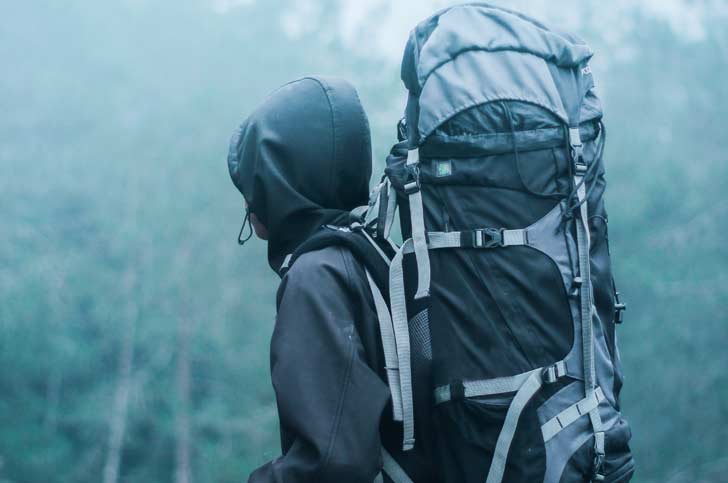
Building your own survival kit can be a valuable and personalized way to prepare for emergencies or outdoor adventures. Here are some steps to help you create your own survival kit:
- Assess your needs: Consider the specific situations you may encounter. Are you preparing for outdoor activities like hiking or camping? Or are you focused on preparing for emergencies? Understanding your needs will help you determine what items to include in your survival kit.
- Choose a container: Select a sturdy and waterproof container to hold your survival kit. Options include a backpack, a durable plastic box, or a waterproof dry bag. Make sure it's large enough to fit all the necessary items.
- Essential tools and supplies: Here are some fundamental items to consider including in your survival kit:
- Water: Carry a water bottle or water purification tablets to ensure access to safe drinking water.
- Food: Pack non-perishable food items like energy bars, dehydrated meals, or canned food. Don't forget a manual can opener if needed.
- Shelter: Include a lightweight emergency shelter such as a compact tent, tarp, or emergency blanket.
- Fire: Carry multiple fire-starting tools like waterproof matches, lighters, or a fire starter kit. Include tinder such as cotton balls or fire-starting cubes.
- Navigation: A compass and a detailed map of the area are crucial for finding your way.
- Lighting: Pack a headlamp or flashlight with extra batteries. Consider including glow sticks or a portable lantern.
- First aid: Assemble a basic first aid kit with adhesive bandages, antiseptic wipes, gauze pads, medical tape, pain relievers, and any necessary personal medications.
- Multi-tool: A versatile tool like a Swiss Army knife or a multi-tool can be invaluable in various situations.
- Communication: Include a whistle or signaling mirror to attract attention, and consider a hand-crank or solar-powered radio for receiving emergency broadcasts.
- Personalize your kit: Think about your unique needs and circumstances. If you have specific medical conditions, add relevant supplies such as prescription medications or allergy medication. Consider including additional items like a personal hygiene kit, extra clothing, a compact camping stove, extra cash, a water filtration system, or a portable charger for electronic devices.
- Regularly update and maintain your kit: Check your survival kit periodically to ensure everything is in working order and replace expired items or those that show signs of wear. Update your kit based on any changes in your needs or the environment.
- Knowledge and training: Remember that having the right gear is important, but it's equally crucial to develop the skills and knowledge to use them effectively. Take the time to learn basic survival skills, first aid techniques, and navigation skills. Consider taking wilderness or emergency preparedness courses to enhance your abilities.
Building a survival kit is a personal process, and the contents may vary based on your specific needs and circumstances. Consider the environment you'll be in, the potential risks you may face, and the duration of your intended activities.
Why Are Men Obsessed with Survival Kits?
The obsession that men have with survival kits is not only understandable but also practical. It's important to be prepared for any emergency or situation and having a survival kit can make all the difference. With advancements in technology and materials, building your own custom kit has never been easier. Remember to take into consideration your specific needs and environment when assembling your kit.
Survival kits are more than just collections of objects for most men who value readiness. Gear collections represent a deep-seated desire to remain a capable actor in an increasingly automated world. You find meaning in the weight of a perfectly weighted knife and the clarity of a high-lumen beam. Preparation is a silent promise to yourself and those you care about that you will remain standing when things go wrong. Your obsession with gear is actually an obsession with autonomy and physical competence. You refuse to be a helpless bystander in your own life. Every buckle, strap, and spark-plug is a brick in the wall you build against chaos. You take pride in being the man who has the answer tucked away in his pocket. Readiness is not a hobby but a fundamental way of living that honors your history and secures your future. You are ready for whatever happens next.
Whether you're an avid outdoorsman, weekend warrior, or just want peace of mind in case of an emergency, a well-stocked survival kit is a must-have item. So why not start building yours today? You never know when it may come in handy!
