

Introduction: The Importance of Police Style
Police style has undergone significant changes throughout history, from early uniforms to the tactical gear used by law enforcement today. The evolution of police style has not only affected the appearance of police officers but has also had an impact on how they perform their duties. This article will delve into the history of police style, exploring its significance, the transition to modern police uniforms, the emergence of tactical gear, and the controversies and benefits surrounding it.
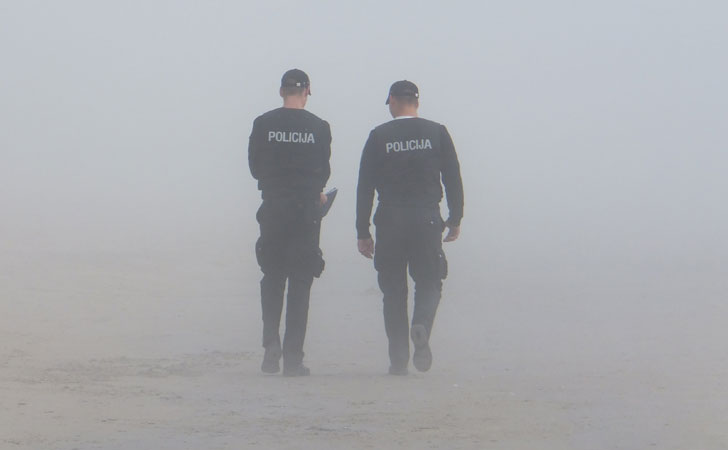
Early Police Uniforms and Their Significance
Early police uniforms were primarily designed to distinguish police officers from civilians and to instill a sense of authority and respect. These uniforms were typically made of wool and included a badge, hat, and coat. The uniform’s color varied from location to location, with blue, black, and brown being the most common. The significance of early police uniforms was to create a recognizable and authoritative presence that would deter crime and provide reassurance to the public.
The Transition to Modern Police Uniforms
During the 20th century, police uniforms underwent significant changes. The traditional wool fabrics were replaced with more comfortable and durable materials such as polyester and nylon. Police departments began to incorporate new colors, including green, beige, and gray, to blend in with urban environments. The design of the uniform also evolved, becoming more practical, with pockets for equipment and reflective materials for visibility.
The Emergence of Tactical Gear in Law Enforcement
In recent years, the use of tactical gear by law enforcement has become increasingly common. Tactical gear includes equipment such as body armor, helmets, and weapons designed for high-risk situations. The use of tactical gear has been influenced by the rise in violent crime and terrorism, as well as advancements in technology and materials.
The Benefits and Controversies Surrounding Tactical Gear
The use of tactical gear has its benefits, including increased officer safety and effectiveness in high-risk situations. However, there are also controversies surrounding its use, including concerns about militarization and the potential for excessive force. The use of tactical gear must be balanced with the need to maintain a positive relationship between law enforcement and the community they serve.
The Future of Police Style: Trends and Predictions
The future of police style is likely to be influenced by advancements in technology and materials, as well as changing societal attitudes towards law enforcement. Some predictions include the use of smart fabrics that can monitor vital signs and the adoption of more sustainable and eco-friendly materials.
Conclusion: The Role of Police Style in Law Enforcement Today
The evolution of police style has played a significant role in law enforcement, from early uniforms to tactical gear. The importance of police style lies not only in its practicality but also in its ability to convey authority and respect. As the future of police style continues to evolve, it is essential to balance the benefits and controversies surrounding it and maintain a positive relationship between law enforcement and the community they serve.
