

Paella de Verduras (Vegetable Paella) – A Vibrant Spanish Recipe Full of Flavor
I always find that the right meal can turn an ordinary evening into something memorable. For me, paella de verduras—Spanish vegetable paella—offers not just bold flavors, but also a burst of color and a sense of celebration at the table. I love how it’s both hearty and light, rich with vegetables, and naturally plantbased. Making this dish reminds me that good food doesn’t have to rely on fancy ingredients or complicated techniques. With fresh produce, a bit of patience, and a willingness to experiment, you can put together a meal your guests will remember.
One of my favorite occasions to make this paella is when friends come over, regardless of whether they eat vegetarian or not. There’s something so inviting about a big pan of rice cooked slowly while everyone gathers around in the kitchen and the wonderful smell of smoked paprika with a hint of saffron fills the room. Each bite is filled with a mix of textures and a gentle warmth from the spices. This recipe shines as a way to use seasonal vegetables, so it’s easy to adapt based on what’s fresh at your local market. Sometimes I'll throw in asparagus in the spring or mushrooms in the fall.
Not only is paella visually eye-catching, but it’s also a dish that makes people pause and look forward to the meal ahead. It’s especially fun to set the finished pan on the table and let everyone serve themselves, bringing a sense of community and joy to any meal.
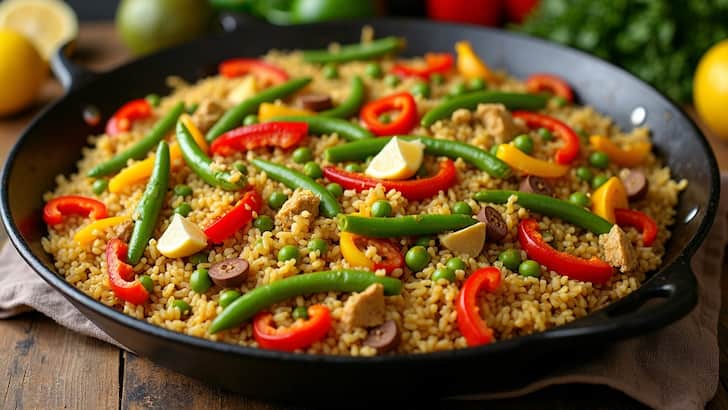
What Makes Vegetable Paella Really Special
- Straightforward to Prepare. All you need is a wide pan and a stove. Stirring and layering flavors does most of the work for you.
- Loaded with Flavor. Saffron, smoked paprika, and garlic blend with tomatoes and fresh vegetables for a rich, comforting taste.
- Completely Plantbased. There’s no need to add animal products. The veggies and spices make it deeply satisfying.
- Flexible and Adaptable. You can swap in your favorite seasonal vegetables or use what you already have at home.
- Perfect for Sharing. This dish makes enough for a group and always looks beautiful in the center of the table.
Ingredients for Paella de Verduras
When I want to make this dish, I start by choosing a good selection of fresh, seasonal vegetables. Here’s what I usually include, but feel free to check out what’s available at your local market and adjust as you like:
- 2 cups paella rice (like Bomba or Calasparra; you can substitute arborio if needed)
- 4 cups vegetable broth (homemade or quality storebought)
- 1 large onion, chopped
- 1 red bell pepper, sliced into thick strips
- 1 yellow bell pepper, sliced into thick strips
- 1 zucchini, sliced into halfmoons
- 1 cup green beans, trimmed and cut into thirds
- 1 large ripe tomato, finely chopped
- 3 cloves garlic, minced
- 1/4 cup green peas (frozen peas work just fine)
- 1 (14-ounce) can artichoke hearts (quarter them and drain well)
- 3 tablespoons extravirgin olive oil
- 1 teaspoon smoked paprika
- Pinch of saffron threads, soaked in 2 tablespoons warm water
- Salt and freshly ground black pepper, to taste
- Lemon wedges for serving
How to Make Vegetable Paella: Step-by-Step
Get Ready
I set all my ingredients out so nothing gets missed. I use a paella pan for the best texture, but a wide, shallow skillet works well too. It’s important to have everything chopped before heating the pan, since the recipe comes together in layers. If you'd like, get your favorite drink ready and turn on some Spanish music to really set the mood in the kitchen.
Sauté the Base
I heat the olive oil over medium heat. Once it’s warm, I add the onion and garlic, stirring often for about 4-5 minutes. When the onion softens, I drop in the red and yellow bell peppers. I keep stirring until they start to become a little tender and sweet, about another 5 minutes. Next up, I add the zucchini and green beans, mixing everything together for a few minutes so the vegetables begin to soften but keep their color and bite.
Add Tomatoes and Spices
Now I make a space in the middle of the pan and add the chopped tomato. While it cooks down, I sprinkle the smoked paprika, salt, and pepper over everything. I pour the saffron water over the mix and let it simmer for a minute, giving the saffron time to bloom and the flavors to meld. The aroma at this stage always makes me impatient for dinner to be ready.
Stir in the Rice
I pour in the paella rice, gently stirring for a couple of minutes so every grain gets coated with the seasoned oil and vegetables. This helps the rice soak up the spices and keeps the texture just right. If you’re tempted to skip this step, don’t—it really does make a noticeable difference later.
Add Broth and Simmer
I slowly pour in the warmed vegetable broth, making sure the liquid covers the rice evenly but doesn’t float on top. I give the pan a gentle shake to settle the grains, then add the peas and artichoke hearts. From here, I drop the heat and resist the urge to stir so the rice cooks evenly and forms a flavorful, golden crust on the bottom, known as the socarrat.
I let the paella cook, uncovered, for around 18-22 minutes, checking for doneness. If the liquid cooks off before the rice is fully tender, I splash in a bit of hot water or more broth for the last few minutes to finish cooking. Sometimes I rotate the pan for even heat if my burner is uneven, letting the entire dish get that delicious bottom crust.
Rest and Serve
Once the rice is just cooked through and most of the liquid has been absorbed, I remove the pan from the heat and drape it loosely with a clean kitchen towel. I let it rest for 5-10 minutes so the flavors mix together and the steam finishes the rice. This brief rest helps make every bite moist and flavorful.
When ready to serve, I set lemon wedges on the table and encourage everyone to squeeze a bit over their portion. The acidity gives a lively pop to the dish and brightens the vegetables.
Tips for the Best Vegetable Paella
- If I can’t get true paella rice, shortgrain rice like arborio is the next best choice. Long grain or basmati won’t provide the creamy texture and crust that make paella so appealing.
- Homemade vegetable broth adds deeper flavor, but storebought can work well, too. Just check the seasoning and make sure it’s not too salty.
- I always soak the saffron threads in warm water before using them. This helps release their color and aroma even if you don’t have many threads on hand.
- Get creative with seasonal veggies. Asparagus, mushrooms, or fresh fava beans taste great in spring. Toss them in at the correct stage so they cook through but keep their freshness.
- Once you add the broth, avoid stirring. This step allows the rice to develop a golden crust on the bottom, an iconic touch you’ll want in every paella.
Frequently Asked Questions
Q: Can I make this paella ahead of time?
I usually find vegetable paella tastes best fresh, but leftovers are delicious for lunch the next day. If I need to make it ahead, I leave it slightly undercooked, then gently finish it on the stove with a splash of broth just before serving. This way, the rice doesn’t go mushy, and the flavors stay bright.
Q: Does saffron make a big difference?
I strongly believe saffron gives a unique earthy aroma and a lovely yellow hue. If I can’t track it down or it’s too pricey, a pinch of turmeric lends color, but the flavor will be different and a bit milder.
Q: Can I add other proteins like beans or tofu?
Yes, and I encourage it! White beans or chickpeas add plantbased protein and make the dish even more filling. I toss in canned beans (rinsed and drained) with the artichokes toward the end so they get warm but not mushy. Tofu cubes, especially if you brown them ahead, also boost the protein and absorb flavor well.
Q: Is a paella pan required?
A paella pan gives the best results because it promotes even cooking, but a wide, shallow sauté pan or castiron skillet works in a pinch. The main thing is to use a pan with a lot of surface area so the rice cooks evenly and you can still get that crispy bottom layer people love.

Philips 7000 Series Pasta Maker
ProExtrude Technology, Versatile Mixing Ability, 8 Shaping Discs, Perfect Dough, Easy Clean, Up to 8 Portions, White (HR2660/03)
We earn a commission if you click these images and make a purchase at no additional cost to you.
Share Your Paella Experience
This vegetable paella always feels like a celebration at my table, both for how it looks and how it tastes. If you give this recipe a try or put your own twist on it, I’d really like to hear how it goes for you. Cooking is more than just following a recipe—it's about sharing, making adjustments, and having fun in the kitchen with others. Enjoy every bite and bring some Spanish sunshine into your day!
