

The concept of nuclear survival often sits in the back of our minds like a dark shadow. Most people prefer to look away from this possibility because the scale of destruction feels too massive to comprehend. Preparation acts as an antidote to the paralyzing fear that comes from the unknown.
This guide aims to strip away the Hollywood myths and replace them with actionable protocols for a worst-case scenario. You need to know exactly how physics and biology interact during a radiological event to stay alive. Panic serves as the enemy of survival, while knowledge functions as your strongest shield.
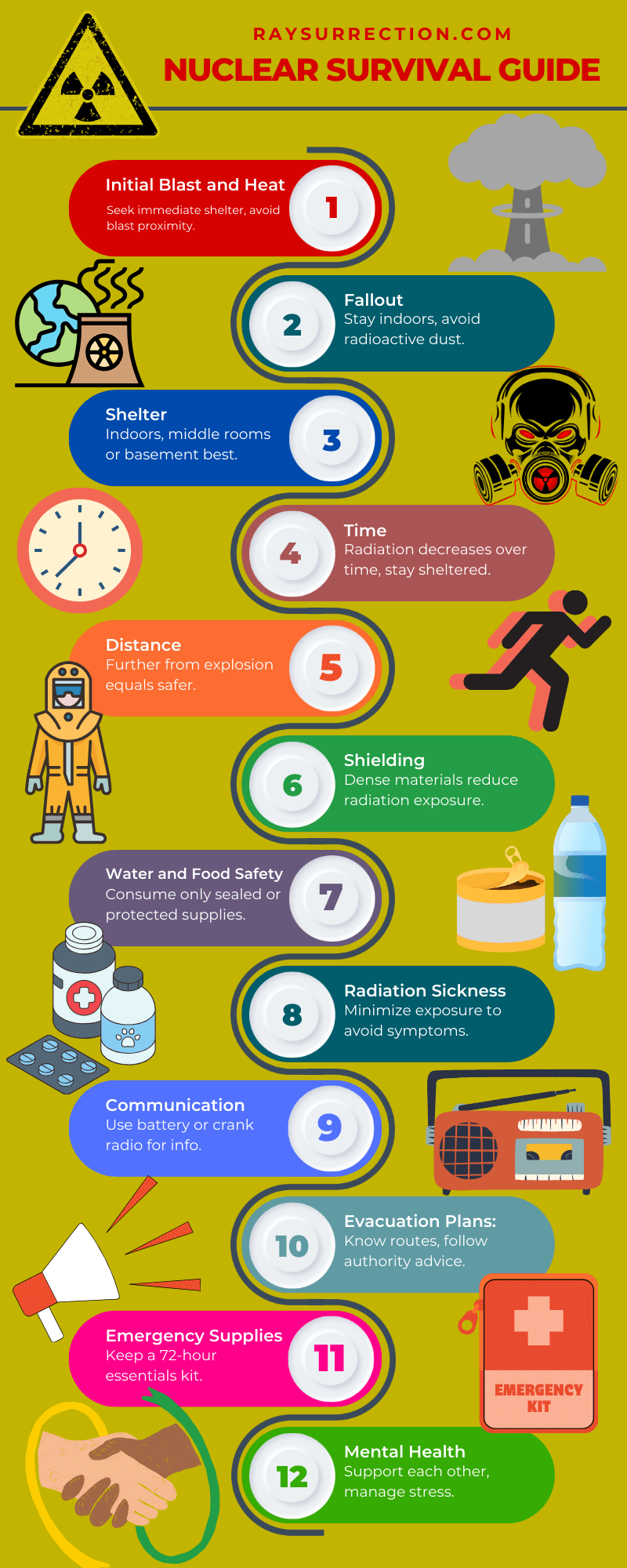
Share this image on your site:
1. Initial Blast and Heat
The moment of detonation creates a flash so bright that it blinds anyone looking directly at it. This thermal pulse moves faster than the speed of sound and ignites flammable materials instantly. You must drop to the ground immediately to minimize your profile against the searing heat. Cover your skin to prevent thermal burns that occur before the shockwave even arrives. Your survival in these first few seconds depends entirely on your reflexes and your location.
The shockwave follows the flash and hits with the force of a solid wall of compressed air. Buildings crumble and glass turns into deadly shrapnel that flies through the air at high velocities. Stay away from windows and glass partitions to avoid being flayed by debris. Pressure waves cause internal injuries that are not always immediately obvious amidst the chaos. Structural integrity becomes the primary concern as the blast wave radiates outward from ground zero.
Shadows act as a macabre indicator of the intensity of the thermal radiation. Objects or buildings that block the line of sight to the fireball create a safe zone from the initial heat. You should seek the geometric center of any structure if you are caught indoors during the event. Basements give the best protection against both the heat and the crushing pressure of the air. Survival relies on putting mass and geometry between your body and the explosion point.
- Drop flat on your stomach with your hands clasped behind your head to protect your neck. This position prevents the blast wave from tossing you and protects your arteries.
- Keep your mouth slightly open to equalize the pressure in your ears. A closed jaw increases the risk of your eardrums bursting from the sudden atmospheric change.
- Roll under a sturdy table or desk if you are inside a building. Furniture creates a small buffer against falling ceiling tiles or collapsing light fixtures.
- Turn your face away from the light source instantly to save your retinas. The initial flash causes permanent blindness which renders you helpless for the subsequent evacuation.
2. Fallout
Radioactive debris is sucked up into the mushroom cloud and then falls back to earth as dust or ash. This material emits ionizing radiation that destroys cells and damages DNA upon contact or ingestion. Winds carry these particles far beyond the blast zone, which spreads the danger to areas that remained physically intact. You are unable to see, smell, or taste the radiation, which makes it an invisible and treacherous adversary. Fallout typically begins to arrive within twenty minutes to an hour after the initial explosion.
The color of the cloud or the direction of the wind serves as your only immediate warning system. Rain creates "hot spots" where the radioactive material washes out of the air and concentrates on the ground. You must assume that any visible dust or grit outside contains dangerous isotopes. Entry points to your shelter must remain sealed to prevent this dust from drifting inside. Hygiene becomes a matter of life and death rather than simple cleanliness.
Radiation from fallout decays over time, but the first twenty - four hours are the most lethal. The particles emit gamma rays that penetrate walls and roofs like X - rays. Your safety depends on minimizing the total dose you receive during this high - intensity period. Sheltering in place allows the outside environment to cool down radiologically before you attempt to move. Patience acts as a primary survival skill when the air itself feels poisonous.
- Remove your outer layer of clothing before entering your safe zone. Discarding the top layer eliminates nearly ninety percent of the radioactive dust on your person.
- Seal all vents, fireplace dampers, and cracks in windows with heavy tape. Airtight seals prevent the invisible radioactive dust from infiltrating your breathing air.
- Wipe your eyelids and eyelashes with a damp cloth to remove settled particles. Small grains of fallout dust cause severe damage if they remain near sensitive mucous membranes.
- Listen to the weather report to track the direction of the prevailing winds. Knowledge of wind patterns helps you predict when the fallout plume will arrive at your location.
3. Shelter
The particular location you choose to wait out the event determines your total radiation dose. Wood and drywall yield very little resistance to the high - energy gamma rays emitted by fallout. You need dense materials like concrete, brick, or packed earth to absorb the energy. A basement corner surrounded by earth provides a high protection factor compared to an upper floor. Every inch of material between you and the outside world counts as a shield.
Multi-story buildings possess a "core" safety zone in the middle floors. The roof collects fallout dust, and the ground collects it as well, so the center is safest. You should stay away from the external walls and the roof line to maximize distance. Internal hallways typically yield better protection than rooms with windows or exterior facings. Your goal is to put as much building mass as possible around your body.
Expedient shelters are able to be constructed inside a home if a basement is not available to you. You are able to stack furniture, books, and mattresses to create a dense fort in the center of a room. This "inner shelter" adds a layer of protection that drastically cuts down radiation exposure. Even a few inches of paper or wood absorbs some of the harmful energy. Creativity in the use of household items turns a living room into a viable bunker.
- Stack books and magazines against the walls of your inner shelter area. Dense paper absorbs radiation better than light wood or hollow drywall structures.
- Move to the center of the basement rather than leaning against the walls. Soil outside the walls blocks radiation, but the center maximizes distance from ground deposits.
- Drag a mattress over a sturdy table to create a localized cave. This setup protects you from falling debris while adding a layer of mass overhead.
- Stay inside for at least twenty - four hours before attempting to check the outside. The intensity of radiation drops significantly after the first full day passes.

4. Time
The physics of radioactive decay work in your favor if you are able to just wait it out. Isotopes created in a nuclear blast are highly unstable and break down at a rapid pace. The "seven - ten" rule provides a mathematical baseline for calculating safety levels over time. A dose rate of 1000 roentgens per hour drops to 100 roentgens after just seven hours. Time acts as the most functional decontamination agent available to you.
Impatience results in unnecessary exposure that causes long - term health issues. You may feel the urge to run or check on others, but remaining in place is safer. The radiation levels after two days are a fraction of what they were in the first hour. Patience allows the short - lived isotopes to burn themselves out completely. Your clock becomes a critical instrument for survival management.
Long - term radiation lingers, but the acute lethality fades quickly. You must calculate your movements based on how many hours have passed since the detonation. Forty - nine hours after the blast, the radiation levels drop to one percent of the initial value. This mathematical certainty gives you a concrete schedule for when to emerge. Survival requires the discipline to sit still while the physics do the work.
- Mark the exact time of the explosion on a wall or piece of paper. An accurate timeline helps you calculate the decay rate using the seven - ten rule.
- Wait a full seven hours before leaving your shelter for any brief emergency. Radiation levels drop by ninety percent in this initial window of time.
- Stay sheltered for forty - nine hours to see a ninety - nine percent reduction. Two days of isolation grants you a significantly safer environment for evacuation.
- Sleep in shifts to ensure someone is always tracking the passage of time. Failure to track hours results in premature exposure to the dangerous outside environment.
5. Distance
The inverse square law dictates that doubling your distance from a source reduces radiation by a factor of four. Moving away from the blast zone or the fallout plume increases your odds of survival exponentially. You must identify the likely targets in your region to know where the danger originates. Distance buys you time to react and lowers the intensity of the exposure you face. Every mile you put between yourself and the epicenter acts as a buffer.
Fallout patterns depend on the wind, but distance from the center line of the plume is key. Crosswind evacuation is the strategy of moving perpendicular to the direction the wind blows. You should not try to outrun the wind but rather step out of its path. A few miles to the east or west makes the difference between lethal and survivable doses. Geography and weather maps become tactical guides for movement.
Urban centers usually face higher risks due to the concentration of strategic targets. Rural areas generally possess a natural buffer simply due to the lack of priority targets. If you live in a city, your plan must involve gaining distance as quickly as possible. Traffic and chaos will block roads, so distance may need to be gained on foot. Your location relative to the target determines your immediate strategy.
- Travel perpendicular to the wind direction to escape the fallout path. Moving sideways out of the plume is faster than trying to outrun it downwind.
- Identify potential targets like military bases or large transportation hubs near you. Knowledge of ground zero helps you calculate the safest direction for retreat.
- Use a bicycle to gain distance if the roads are gridlocked with cars. Two wheels provide mobility around stalled traffic and debris on the roads.
- Consult a topographic map to find natural barriers that block radiation. Hills and valleys shield you from the direct line of sight of the blast.
Electric Pulse Machines
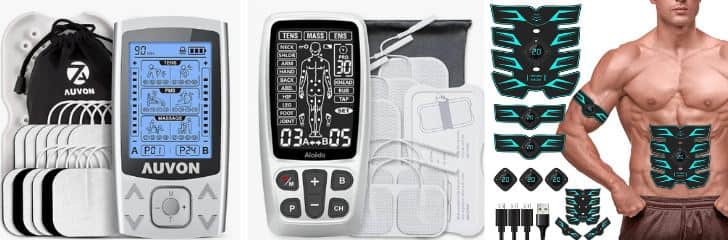
We earn a commission if you click this link and make a purchase at no additional cost to you.
6. Shielding
Mass is the only thing that stops gamma rays and neutrons from tearing through your body. Lead is the gold standard, but concrete, steel, and earth are more practical and available. You need to know the "halving thickness" of various common materials to build a good fort. Approximately four inches of concrete will cut the radiation dose you receive in half. Layering materials increases the protection factor exponentially.
Water serves as a surprisingly strong shield against neutron radiation. Stacking jugs of water around your sleeping area creates hydration storage and radiation protection simultaneously. Books, wood, and even tightly packed clothes absorb some of the energy. You must utilize everything in your immediate vicinity to build a cocoon. The goal is to place as many atoms as possible between you and the dust.
Vehicles generally yield poor shielding because the metal is too thin and glass creates zero protection. A car may protect you from alpha particles, but gamma rays pass right through the door panels. You are better off inside a building or a ditch than sitting in a vehicle. Earth remains the most accessible and functional shield for most people. Excavation of a trench or using a basement leverages the planet itself as your armor.
- Pack dirt into pillowcases to create makeshift sandbags for your windows. Soil is a dense material that absorbs radiation and blocks line - of - sight.
- Line your shelter walls with full bookshelves to add mass. Paper is dense and acts as a surprisingly good barrier against radioactive waves.
- Park a car over a ditch and crawl underneath for emergency protection. The engine block and metal frame offer a roof while the earth protects your sides.
- Use concrete blocks to seal off windows or basement openings. Concrete yields high density protection that stops most gamma radiation in its tracks.

7. Water and Food Safety
Radioactive dust settles on open water sources and crops, which turns them into internal hazards. Ingesting an alpha particle is far more dangerous than having it sit on your skin. You must rely solely on sealed containers that were protected before the fallout arrived. Canned goods, bottled water, and food in the refrigerator remain safe to eat. The container itself may be dusty, so you must clean it before opening.
Water from the tap is likely unsafe due to contamination of the municipal supply or pipe breaks. Your toilet tank and hot water heater contain gallons of drinkable water that is protected. You should shut off the main water valve to prevent contaminated water from entering the house system. Boiling water does not remove radioactive isotopes, so filtration is not a cure - all. Physical separation from the dust is the only guarantee of safety.
Hunger strikes quickly, but eating contaminated food causes internal radiation burns. You should ration your safe supplies to make them last as long as possible. Livestock and wild game will likely carry high loads of radiation in their muscle tissue. Avoiding fresh produce from the garden is mandatory until the soil is tested. Your pantry and sealed goods become your only reliable food source.
- Wipe the outside of any can or bottle with a damp cloth. Cleaning the container prevents fallout dust from falling into the food when you open it.
- Drain the water from your hot water heater for a clean supply. This tank holds forty to fifty gallons of safe water that is already inside your home.
- Avoid eating any fruits or vegetables from your garden after the blast. Surface contamination and root uptake make fresh produce dangerous to consume.
- Use a siphon to extract water from the back of your toilet tank. The tank water is clean and potable unlike the water in the bowl.
8. Radiation Sickness
Acute Radiation Syndrome occurs when the body receives a high dose of penetrating radiation in a short time. The first signs usually involve nausea, vomiting, and diarrhea within minutes or days. Damage to the bone marrow causes a drop in blood cell counts and immune failure. You must treat the symptoms aggressively because the body needs energy to repair the cellular damage. Infection becomes the primary killer as the immune system collapses.
Recovery depends on the dose received and the supportive care provided during the critical phase. Potassium iodide pills protect the thyroid but do nothing for the rest of the body. You must focus on hydration and rest to give the body a fighting chance. Burns from beta particles on the skin require cleaning and covering to prevent sepsis. The body possesses a remarkable ability to heal if given the right resources.
Monitoring symptoms helps you triage who needs the most rest and resources. A quick onset of vomiting suggests a higher dose than if symptoms appear days later. You should keep the affected person warm and hydrated to reduce shock. Isolation of the sick person is not necessary as they are not radioactive themselves. Care involves managing pain and preventing secondary infections.
- Drink fluids with electrolytes to replace what is lost through vomiting. Dehydration accelerates the decline of the body's systems during radiation sickness.
- Clean any open wounds immediately and cover them with sterile bandages. A compromised immune system makes even small cuts a lethal infection risk.
- Take potassium iodide only if directed to protect your thyroid gland. This specific medication blocks radioactive iodine but yields no protection against other isotopes.
- Rest as much as possible to allow your body to focus on repair. Cellular regeneration requires massive amounts of energy that physical activity would waste.

9. Communication
The electromagnetic pulse from a nuclear detonation often fries delicate electronics and grid systems. Cell towers, internet routers, and standard power lines will likely fail instantly. You need analog technology to receive news from the outside world. A simple AM / FM radio becomes your lifeline to government broadcasts and weather reports. Information about fallout plumes and relief efforts is worth its weight in gold.
Pre-arranged communication plans with family prevent panic before the event. You should agree on a central meeting point or a physical message drop location. Digital networks will be overloaded or destroyed, so voice calls will not connect. Text messages sometimes get through when voice calls fail due to lower bandwidth requirements. Old methods like signal mirrors or whistles work for local signaling.
Isolation breeds fear, and hearing a human voice delivers a psychological anchor. Shortwave radios allow you to listen to broadcasts from unaffected regions or countries. You should conserve batteries by only listening at the top of the hour. Transmitting on a radio draws attention to your location, so listening is safer. Information flow helps you make rational decisions about evacuation.
- Wrap your radio in aluminum foil to protect it from the EMP. A Faraday cage effect shields the circuits from the initial electromagnetic surge.
- Keep a list of local emergency broadcast frequencies in your wallet. Memorizing or writing down stations ensures you are able to tune in quickly without searching.
- Agree on a physical location to leave notes for family members. Designated spots like a specific park bench allow for asynchronous communication without technology.
- Use a whistle to signal for help instead of shouting to save air. Whistles carry sound further and require less physical exertion than yelling.
10. Evacuation Plans
Remaining in place is the rule for the fallout phase, but leaving becomes necessary eventually. You need to know multiple routes out of your area that avoid major highways. Bridges and tunnels act as choke points that will likely be impassable. Pre - planning involves scouting back roads and alternative paths on physical maps. Relying on GPS is a mistake when satellites and power grids are down.
The timing of your departure is just as critical as the route you choose. Authorities will issue instructions on when the radiation levels are low enough for movement. You may have to leave your home forever, so pack light and fast. Vehicles may not work, so your plan must include a walking option. Mobility equals survival when the local resources are depleted or contaminated.
Destination planning ensures you are not just running away but running toward safety. You should identify locations upwind or in rural areas with natural water sources. Friends or family in distant cities serve as good rally points. Public shelters will be crowded and under - resourced, so they are a last resort. Having a concrete goal prevents aimless wandering in a hostile environment.
- Mark three different routes out of your city on a paper map. Visualizing alternatives prevents panic when the main road is inevitably blocked.
- Keep a "bug-out bag" near the door for immediate departure. Rapid evacuation requires having your supplies ready to grab in seconds.
- Scout for pedestrian bridges or rail lines that bypass road traffic. Walking routes often remain open even when cars are gridlocked on the highway.
- Designate a specific meeting point outside the danger zone for family. A pre - arranged rally point ensures you are able to reunite even without phone communication.
Flashlights From Amazon

We earn a commission if you click this link and make a purchase at no additional cost to you.
11. Emergency Supplies
Stockpiling allows you to survive the period where infrastructure is nonexistent. You need a minimum of one gallon of water per person per day. High - calorie foods that require no cooking are best for these situations. Canned meats, peanut butter, and crackers supply energy without wasting fuel. The goal is to sustain life without relying on external support systems.
Medical supplies are just as valuable as food in a post - disaster world. You need bandages, antiseptics, and a supply of any prescription medications you take. Hygiene items like wet wipes and trash bags help prevent disease in close quarters. A manual can opener is a small device that determines if you eat or starve. Redundancy in your kit ensures that a lost item is not a catastrophe.
Light and power sources help maintain a sense of normalcy in the dark. Flashlights with LED bulbs last longer and use less energy than old models. You should store extra batteries in a cool, dry place to preserve their charge. A solar charger acts as a renewable source for small devices if the sun is visible. Preparation converts a crisis into a manageable situation.
- Store a manual can opener to access your food supply. Electric openers are useless when the power grid fails or batteries die.
- Pack a supply of heavy - duty trash bags for waste disposal. Hygiene management prevents the spread of disease inside your shelter.
- Keep copies of your identification and insurance papers in a waterproof bag. Documentation proves your identity and ownership when order is eventually restored.
- Include a deck of cards or a book to combat boredom. Mental stimulation helps reduce stress during long periods of waiting in a shelter.
12. Mental Health
The shock of a nuclear event causes trauma that paralyzes logical thinking. You will face fear, grief, and uncertainty on a scale that is hard to process. Acknowledging these feelings is the first step in managing the stress. Panic is contagious, but so is calm and purposeful behavior. Your mind needs a job to do to keep it from spiraling.
Routine establishes a sense of control in a chaotic environment. You should create a schedule for eating, sleeping, and checking radiation levels. Assigning tasks to each person in the group gives them a sense of purpose. Assistance given to others is a powerful way to alleviate your own anxiety. Structure delivers a mental guardrail against the abyss of despair.
Connection with others keeps the human spirit alive during dark times. You must talk about the situation honestly but maintain a focus on solutions. Recalled memories help reinforce the group identity and boost morale. Hope is a psychological fuel that is just as necessary as water. Survival of the event physically is only half the battle; you must survive it mentally too.
- Assign specific roles like "cook" or "timekeeper" to everyone. Purposeful work prevents the mind from dwelling on the horror of the situation.
- Maintain a regular sleep schedule to regulate your mood and energy. Exhaustion amplifies fear and reduces your ability to make rational decisions.
- Talk about your fears openly to process the trauma. Vocalizing emotions reduces their power and builds connection with your group.
- Focus on small, achievable targets like cleaning a specific area. Completion of small tasks supplies a dopamine hit and a sense of progress.
Survival favors the prepared mind over the panicked one. The terrifying nature of nuclear weapons does not guarantee a hopeless outcome for those who are ready. Knowledge of the "seven - ten" rule and the physics of shielding transforms a nightmare scenario into a solvable problem. You have the ability to protect yourself and your family by applying these principles with discipline. The world may change in an instant, but human resilience remains a constant force. Preparation is not an act of fear, but an act of love for your future self. Stay calm, stay inside, and stay alive.
I think we all talked about nuclear fallouts back in 1970’s and 1980’s. Then Soviet-US cold war ended and we stopped talking about it. Still a possibility maybe an attack from countries that are unexpected… Syria, Libya, Iran…who knows.