

Men often neglect their vision until the world becomes a blurry mess of pixels and shadows. You use your eyes for every task from reading a menu to driving a heavy truck across the country. Small changes in your clarity often signal deeper issues within your internal biological systems.
Visual health requires beyond a simple pair of glasses from a drugstore rack. You possess a complex set of lenses and nerves that process light at incredible speeds. Neglect of the retina or cornea results in permanent loss of your favorite hobbies. Your eyes act as windows to your overall physical well-being and deserve your full attention.
Life puts a massive strain on your sight with screens and artificial lighting. You should learn the mechanics of how your eyes function to keep them sharp. Care of your sight ensures you remain independent and active for years. Knowledge of these systems helps you make better choices for your future. You will see the world clearly if you follow these steps.

The Mechanics of Male Vision
Men possess a set of eyes that work harder than most people realize during a standard day. You rely on your sight to decode the world around you from the moment you wake up. Small details in your vision often reveal clues about the state of your internal health. A lack of clarity signals that your system needs a particular kind of maintenance. You should treat your optical hardware with the same respect you give to your favorite vehicle.
Evolutionary history suggests that your eyes are tuned for motion and distance. You find that your depth perception excels when you are outdoors or playing high-speed sports. Hormones like testosterone affect the way the brain interprets visual signals from the retina. Nerves in the back of the eye carry massive amounts of data to your visual cortex every second. You gain from a system that is built for action and spatial awareness.
Structure of the eyeball itself varies slightly based on your genetic background and age. You have a lens that focuses light and a retina that captures the resulting image. Fluid pressure inside the eye keeps the whole structure from collapsing or bulging. Oxygen reaches the tissues through a thin film of tears and the surrounding air. You need to keep these parts in perfect alignment to see the world with total precision.
- Schedule an appointment with an eye doctor to check your internal pressure levels. Regular testing ensures that you avoid the silent damage caused by high ocular tension.
- Eat foods rich in Vitamin A to support the health of your retina. Carrots and spinach contain the chemicals your eyes use to process light in dark rooms.
- Keep your workspace bright to prevent the muscles around your eyes from getting tired. Good lighting helps you focus on your tasks without causing a headache by the end of the day.
- Wash your hands often to avoid moving bacteria from your fingers to your eyelids. Clean habits prevent infections that cause redness and blurry vision over time.
The Digital Strain on Modern Eyes
Screens dominate your daily life and force your eyes to work in a way they never did before. You spend hours looking at light-emitting diodes that sit only inches from your face. Constant focus on a near object causes the ciliary muscles to lock into a tight position. Fatigue sets in when you forget to blink while reading long articles or spreadsheets. You notice that your vision feels grainy or slow to adjust after a long day at the office.
Blue light from your phone reaches the back of the eye with more intensity than sunlight. Your brain interprets this light as a signal to stay awake and alert. Sleep cycles suffer when you check your messages right before you close your eyes for the night. Long-term exposure to these wavelengths potentially damages the sensitive cells in your macula. You should use software filters to shift your screen to a warmer color during the evening.
Glare from overhead lights or windows creates a distracting haze on your monitor. You find that your eyes have to work double time to see past these reflections. Position of the screen affects the angle of your neck and the comfort of your gaze. Small adjustments to your desk setup often resolve the tension you feel in your forehead. You will find that a well-placed light source makes a huge difference in your visual comfort.
- Lower the brightness of your devices to match the light levels in your room. High contrast between your screen and your surroundings causes ocular stress and fatigue.
- Use a matte screen protector to eliminate the reflections from your windows. Reduction of glare helps you see your work clearly without needing to squint all afternoon.
- Blink deliberately every few minutes to keep your eyes moist and happy. Lubrication is the key to preventing the scratchy feeling that comes from staring at a monitor.
- Apply the twenty-twenty-twenty rule to give your focusing muscles a much-needed break. Looking twenty feet away for twenty seconds every twenty minutes resets your internal lenses.

Nutrition for Long-Term Clarity
Fuel for your eyes comes directly from the nutrients you consume at every meal. You need a variety of vitamins to keep the tissues of the eye strong and resilient. Vitamin C supports the health of the blood vessels that supply the retina. Zinc helps transport Vitamin A from your liver to the ocular tissues where it is needed most. You should prioritize whole foods to ensure you get the full range of biological support.
Lutein and zeaxanthin act as internal filters that protect your eyes from high-energy light. You find these strong antioxidants in dark leafy greens like kale and collard greens. Eggs also contain these compounds in a form that your body absorbs with great ease. Daily consumption of these foods builds up a protective layer in the macula over time. You gain a natural defense against the degradation that comes with the passing years.
Omega-3 fatty acids are fundamental for the production of high-quality tears. You find that your eyes feel less dry when you eat oily fish like mackerel or sardines. Walnuts and flaxseeds give a plant-based version of these necessary and helpful fats. Dry eye syndrome often results from a diet that lacks these lubricating chemicals. You will notice a difference in your comfort when you stay hydrated and eat well.
Add a serving of berries to your breakfast to boost your antioxidant intake. Anthocyanins in blue and purple fruits help protect the delicate cells in your ocular system.
Snack on almonds to get a healthy dose of Vitamin E for your eyes. Vitamin E acts as a shield against the molecules that damage healthy tissue over time.
Drink plenty of water to maintain the fluid levels inside your eyeballs. Hydration is the simplest way to support the internal pressure and the moisture on the surface.
Choose colorful vegetables like peppers and squash to get a mix of nutrients. Different colors represent the various chemicals that your eyes use to stay healthy and functional.
Sun Protection and UV Hazards
Sunlight carries ultraviolet radiation that burns the surface of the eye just like skin. You risk developing cataracts or macular issues if you ignore the strength of the sun. Photokeratitis is a painful condition that feels like having sand in your eyes after a day at the beach. Reflected light from water or white pavement increases the dose of UV rays you receive. You should wear protective eyewear every time you step outside for an extended period.
Polarized lenses are a favorite among men who spend time driving or on the water. You will see clearly through the surface of the lake without the distracting glare of the sun. Horizontal light waves are blocked by the special filter inside the high-quality lenses. Contrast improves and colors look more vivid when you eliminate the haze of reflected light. You should look for glasses that give 100 percent protection from UVA and UVB rays.
Frames that wrap around your face give the best defense against light entering from the side. You protect the thin skin around your eyelids as well as the internal eyeball itself. Hats with wide brims provide an additional layer of shade for your face and eyes. Dark lenses are not a guarantee that the glasses are blocking the most harmful rays. You must verify the safety rating of any pair of sunglasses before you trust them with your sight.
Keep a pair of sunglasses in your vehicle for every daytime drive. Having them nearby ensures that you never have to squint against the sun while on the road.
Wear shades even on cloudy days to block the invisible UV radiation. Clouds do not stop the harmful rays that cause long-term damage to your ocular tissues.
Select lenses with a brown or gray tint to maintain natural color perception. Neutral colors help you see the world accurately while still protecting your vision from the bright sun.
Inspect your sunglasses for scratches that let light leak through to your eyes. Damaged lenses are less useful and often cause strain when you try to focus through them.
Physical Impacts of High Blood Pressure

High blood pressure affects every part of your circulatory system including the small vessels in your eyes. You find that hypertension causes the arteries to thicken and restrict the flow of oxygen. Damage to these delicate structures results in blurry vision or a sudden loss of sight. Doctors call this hypertensive retinopathy and it is a sign that your whole body is under stress. You should monitor your blood pressure numbers to protect your ocular health.
Restriction of the blood vessels prevents the retina from receiving the nutrients it needs to function. You will notice that your vision becomes dim or distorted if the pressure stays high for too long. Edema of the optic nerve occurs when the fluid cannot drain properly from the back of the eye. Permanent scarring results in blind spots that no pair of glasses will fix. You need to maintain a healthy weight and exercise regularly to keep your pipes clear.
Ocular strokes happen when a blood clot blocks the main artery or vein in your eye. You experience a painless but total loss of vision in one eye in an instant. Medical intervention is required within hours to prevent the death of the retinal cells. Risk of such events increases if you have high cholesterol or a history of heart disease. You should visit your primary physician to discuss your cardiovascular risk profile.
Exercise for thirty minutes a day to improve your heart and eye health. Strong cardiovascular function ensures a steady supply of blood to your optic nerves.
Limit your intake of salt to help manage your blood pressure naturally. Lower sodium levels prevent the fluid retention that puts pressure on your internal organs.
Ask your doctor about the health of your retinal vessels during your exam. Optometrists see the first signs of high blood pressure long before other symptoms appear.
Follow a heart-healthy diet rich in fruits and vegetables to support your veins. Nutrients that help your heart also protect the small capillaries in your eyes from damage.
The Struggle with Aging Lenses
Presbyopia is a change in your vision that happens to almost every man after the age of forty. You find that reading small text or looking at your phone becomes increasingly difficult. The natural lens inside your eye loses its flexibility and cannot change shape as easily. Focus shifts from near objects to a blurry mess as the internal muscles struggle. You should expect this shift as a standard part of the human experience.
Prescription glasses or progressive lenses supply the extra focusing power that your eyes now lack. You will find that these devices make your daily tasks much more comfortable. Different strengths of lenses are needed for your computer and your handheld books. Bright light is needed for your older eyes to process the details of the page. You gain a lot of clarity by simply admitting that your eyes need a little help.
Cataracts involve a slow clouding of the lens that happens over many years of life. You notice that colors look dull and night driving becomes a scary ordeal. Surgery to replace the old lens with a clear plastic one is a routine procedure. Results are often immediate and allow you to see the world with fresh clarity. You should talk to your surgeon about the different types of replacement lenses available.
Use a magnifying glass for small tasks like threading a needle or reading a map. Devices help you see the fine details without putting undue stress on your ocular muscles.
Increase the font size on your electronic tablets to make reading easier. Modern interfaces allow you to adjust the text to a size that fits your visual needs.
Wear a hat with a brim to reduce the glare that bothers older eyes. Physical shade helps you see clearly in bright environments where your lenses struggle to cope.
Schedule an annual checkup once you pass the age of fifty to monitor for cataracts. Early tracking ensures that you know exactly when it is time for a medical intervention.

Smoking and Ocular Degradation
Tobacco smoke contains thousands of chemicals that are toxic to the delicate tissues of the eye. You increase your risk of macular degeneration by double if you are a regular smoker. Toxins from the smoke enter the bloodstream and damage the blood vessels in the retina. Inflammation becomes a chronic problem that interferes with the natural repair processes of your eyes. You should consider the long-term impact on your sight when you reach for a cigarette.
Dry eye symptoms are much more severe in men who smoke or live with smokers. You find that the smoke irritates the surface of the eye and breaks down the tear film. Constant irritation results in redness, itching, and a feeling of grit under the eyelids. Smoke also contributes to the early development of cataracts by increasing oxidative stress. You will notice an improvement in your eye comfort shortly after you quit the habit.
Secondhand smoke is just as dangerous for the people who live in your home. You expose your family to the same risks of vision loss and ocular irritation. Heavy metals like cadmium and copper accumulate in the lens of the eye over time. These minerals block the flow of nutrients and lead to a permanent loss of transparency. You need to keep your environment clean and smoke-free to protect your visual future.
Seek professional help or support groups if you are struggling to quit smoking. Assistance from experts increases your chances of success and protects your health for years to come.
Avoid social settings where heavy smoke is present to protect your eyes. Fresh air is necessary for maintaining the health of your ocular surface and your lungs.
Use lubricating eye drops to soothe irritation caused by environmental pollutants. Artificial tears help wash away the chemicals that settle on the surface of your eyes.
Wash your face and eyelids after being in a smoky or dusty environment. Cleaning the area around your eyes prevents the long-term buildup of harmful toxins.
Sleep and Visual Recovery
Sleep is the time when your body performs the most intensive repairs on your ocular system. You need at least seven hours of rest to allow the surface of the eye to rehydrate. Lack of sleep results in eye spasms, also known as myokymia, which are incredibly annoying. Blood vessels in the eye become dilated and red when you are chronically exhausted. You should prioritize your sleep as a fundamental part of your vision care routine.
Melatonin production is linked to the light signals received by your eyes during the day. You find that your internal clock depends on a clear distinction between light and dark. Exposure to bright lights at night confuses the brain and prevents deep and restful sleep. Ocular tissues use the dark hours to flush out metabolic waste and refresh visual pigments. You gain a sharper focus and better reaction time when you are well-rested.
Dark circles and puffiness under the eyes are outward signs of internal stress. You notice that fluid pools in the thin skin around the eyes when you do not get enough rest. Chronic fatigue limits the ability of your immune system to fight off minor eye infections. Muscles that control your gaze and focus become sluggish after a long period of wakefulness. You will see the world with much more clarity after a night of deep and silent sleep.
Keep your bedroom as dark as possible to support your natural repair cycles. Blackout curtains are a great way to block out streetlights and early morning sun.
Turn off all digital screens at least one hour before you plan to sleep. Removing the blue light stimulus allows your brain to transition into a restful state naturally.
Maintain a consistent sleep schedule to regulate your internal biological rhythms. Regular habits help your body know exactly when to start the ocular repair process.
Sleep on your back to prevent fluid from pooling in the tissues around your eyes. Proper positioning helps reduce the morning puffiness that many men experience.

Deeper Sleep
Occupational Safety and DIY Protection
Workplace accidents are a leading cause of sudden and permanent vision loss in men. You might work in a trade that involves flying sparks, wood chips, or metal shards. Protective eyewear is a requirement that you should never ignore even for a quick task. Small particles can travel at high speeds and penetrate the eye in a split second. You must invest in high-quality safety gear that meets the latest impact standards.
Chemical splashes are a major threat in both industrial and home cleaning environments. You find that common items like bleach or battery acid cause severe chemical burns. Permanent blindness results from the destruction of the cornea and internal structures of the eye. Emergency eye wash stations should be easily accessible whenever you are working with liquids. You should wear sealed goggles to prevent any liquid from reaching your sensitive ocular tissue.
Home improvement projects often present unexpected hazards to your sight. You might be using a weed whacker or a power saw that kicks up dirt and debris. Standard glasses do not provide enough protection from objects coming from the side or below. Modern safety glasses come in many styles that are comfortable and look like regular sunglasses. You should make a habit of putting on your eye protection before you pick up any tool.
Verify the safety rating of your glasses to ensure they meet the Z87 standard. High-impact ratings are necessary for protecting your eyes from heavy or fast-moving objects.
Keep multiple pairs of safety glasses in your workshop, garage, and vehicle. Accessibility ensures that you always have a pair ready when a task arises suddenly.
Clean your safety gear regularly to maintain a clear and unobstructed view. Scratches or dirt on the lenses make it harder to see and increase the risk of accidents.
Instruct your children or coworkers on the importance of wearing eye protection. Setting a good example helps create a culture of safety that protects everyone in the area.
Hygiene and Contact Lens Management
Contact lens wearers face a higher risk of ocular infections if they neglect basic hygiene. You must wash your hands with soap and dry them completely before touching your lenses. Bacteria from the skin or tap water can cause devastating ulcers on the cornea. Daily cleaning of your lens case is just as fundamental as cleaning the lenses themselves. You should follow the exact schedule provided by your eye care professional for replacement.
Sleeping in contact lenses is a dangerous habit that starves the cornea of much-needed oxygen. You find that your eyes become red and painful when the tissue cannot breathe properly. Extended wear lenses are available but still require careful monitoring by a doctor. Chronic oxygen deprivation results in the growth of new blood vessels into the clear cornea. You will protect your long-term sight by giving your eyes a break from lenses every night.
Expired solutions or old lenses should be discarded without hesitation to avoid contamination. You risk introducing mold and fungi into your eyes if you use products past their date. Sharing contact lenses with another person is a recipe for a severe and contagious infection. Makeup and facial creams should be applied after your lenses are already in place. You need to be meticulous with your routine to enjoy the convenience of contact lenses safely.
Replace your contact lens case every three months to prevent bacterial colonies. New cases ensure that your storage environment remains clean and free of harmful germs.
Use only fresh saline solution to rinse your lenses before you put them in. Tap water contains minerals and microorganisms that should never come into contact with your eyes.
Carry a pair of backup glasses in case your contacts become uncomfortable. Giving your eyes a chance to rest is the best way to handle sudden irritation or dryness.
Visit your optometrist immediately if you experience persistent redness or pain. Early treatment of a lens-related infection prevents permanent damage to your visual clarity.
Diabetes and the Retinal Landscape
Diabetes affects the tiny blood vessels in the back of your eye with devastating precision. You find that high blood sugar levels cause the walls of these vessels to weaken and leak. Fluid and blood escape into the retina and cloud your vision with dark spots or "floaters." New blood vessels grow in response to the damage but they are fragile and bleed easily. You should keep your glucose levels within the range recommended by your medical team.
Retinopathy is often a silent disease that progresses without any pain or early warning signs. You will notice significant vision loss only after the damage has become quite extensive. Regular dilated eye exams are the only way to catch these changes in their early stages. Laser treatments and injections can help stabilize the vision and prevent further bleeding. You gain a huge advantage by being proactive about your blood sugar and your eye checks.
High glucose levels also increase your risk of developing glaucoma and early cataracts. You find that the fluid balance inside the eye is sensitive to the amount of sugar in your blood. Fluctuations in your vision throughout the day are often a sign that your diabetes is not well-controlled. Stability in your diet and medication is the foundation for a healthy set of eyes. You should view your eye doctor as a fundamental part of your diabetes management plan.
Monitor your blood sugar levels daily to identify any dangerous peaks or valleys. Stable numbers protect the delicate capillaries in your eyes from the stress of high glucose.
Schedule a dilated eye exam at least once a year to check your retinal health. Dilation allows the doctor to see the entire landscape of the eye and find hidden leaks.
Eat a low-glycemic diet to help maintain a steady level of insulin in your body. Whole grains and lean proteins prevent the sugar spikes that damage your vascular system.
Keep a record of any sudden changes in your vision to share with your doctor. Noticing new spots or blurred areas helps your medical team intervene before the damage spreads.
Professional Oversight and Monitoring
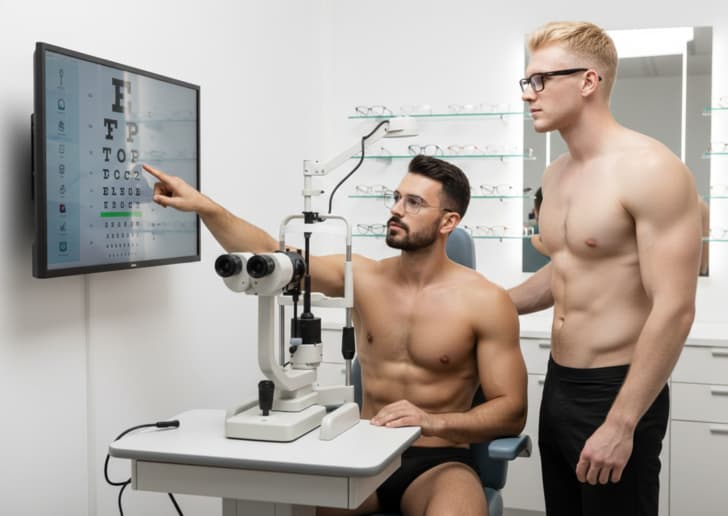
Regular eye exams are the best way to catch silent diseases before they steal your sight. You will experience a series of tests that check everything from your peripheral vision to your color perception. Doctors use special lights to look deep into the back of your eye at the optic nerve. Pressure tests ensure that you are not at risk for glaucoma, which has no early symptoms. You should make these appointments a priority in your busy schedule.
Optometrists and ophthalmologists provide the expertise needed to manage complex vision issues. You find that a professional evaluation is much more thorough than a simple vision screening. Modern technology allows for high-resolution images of your retina to track changes over time. Such records are fundamental for identifying the slow progression of conditions like macular degeneration. You need a medical partner who understands your history and your specific visual needs.
Preparing for your exam includes knowing your family history and any current health symptoms. You should bring a list of all your medications as some can affect your eye pressure or dryness. Asking questions about your results helps you understand the steps you need to take for your health. Professional guidance ensures that you are using the correct corrections for your lifestyle and work. You will feel much more confident about your future once you have a clean bill of optical health.
Write down any vision problems you have noticed before you head to the clinic. Detailed notes help the doctor focus on the specific areas that are causing you concern.
Bring your current glasses and contact lens information to your appointment. Comparing your old prescription to your new results shows how your eyes are changing over time.
Mention any history of eye disease in your family to help assess your risks. Genetic factors play a huge role in the development of many serious ocular conditions.
Request a copy of your retinal images to keep for your personal health records. Having your own data allows you to track your progress and share information with other specialists.

Raw
A Pheromone Infused Cologne - with Pheromones for Men
Alcohol Free, Paraben Free, Chemical Free.
With Bergamot, Elemi, Sichuan Pepper, Pink Pepper, Geranium, Vetiver, Lavender, Patchouli, and Ambroxan.
We earn a commission if you click this link and make a purchase at no additional cost to you.
Men’s Eye Health: Seeing the World Clearly
Visual health is a cornerstone of a productive and fulfilling life for every man. You possess the ability to protect your sight through a combination of lifestyle choices and medical care. Taking the time to wear safety glasses or eat a balanced diet pays dividends in your later years.
Modern challenges like blue light and environmental toxins require a proactive approach to your daily habits. You should never ignore small changes in your vision or the physical health of your eyes. Professional guidance and regular screenings ensure that you catch potential problems before they lead to permanent loss. Your eyes allow you to connect with the world and the people you care about most.
Keeping them sharp is a commitment to your independence and your future adventures. You are the owner of a miraculous visual system that deserves your respect and your effort. Seeing the world clearly is a gift you can preserve with the right knowledge.
