

The world flipped upside down when 1960 hit the calendar. People tossed old rules out the window and grabbed a whole new way of living. You lived through a decade where every single day felt like a shock to the system. Music got louder,hair grew longer, and the moon felt within reach for the first time. Governments shook while youngsters marched for rights that should have been there all along.
Space travel stopped being science fiction and became reality on your black and white television screen. Fashion choices broke every tradition your parents held dear. Colors popped like never before in houses and on street corners. Radical ideas moved from the fringes straight into the living room. You felt the shift in every conversation at the dinner table. Life transformed at a speed that left many heads spinning. History wrote itself in permanent ink during those ten wild years of constant noise and progress.
The Daily Vibe of a Changing Decade
Mornings started with the heavy clink of glass milk bottles on the front porch. You heard the newspaper hit the driveway while the sun barely peeked over the horizon. Every house smelled like burnt toast and strong coffee from a stovetop pot.People dressed up just to go to the store or run a quick errand. The neighborhood felt like a tight circle where everyone knew your name and business.
Children spent the whole day outside without a single parent in sight. You rode bikes until the streetlights flickered on as a signal to head home. Screens stayed dark during the day because only three channels existed for entertainment. Boredom felt like a normal part of life that forced you to be creative with your time. Neighbors talked over fences while they hung laundry out to dry in the breeze.
Telephones sat on a table and stayed connected to the wall with a curly cord. You shared a party line with the folks next door and hoped they weren't listening. Long-distance calls cost a fortune and only happened on very special occasions.News arrived once a day in a thick stack of paper delivered to your door. Life moved at a pace that allowed for long walks and quiet thoughts.
- Listen for the milkman's truck early in the morning hours.
- Check the porch for the morning edition of the local paper.
- Wait for the operator to connect your call to another town.
- Hang the wet clothes on the line using wooden pegs.
- Lock the front door only when you go to bed at night.
The Reality of Jim Crow and the Black Freedom Struggle
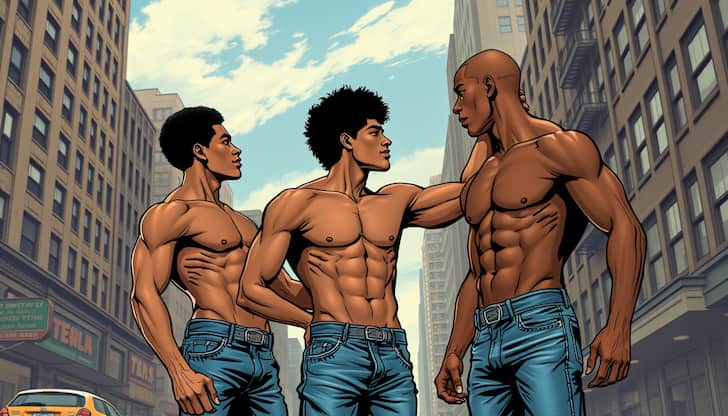
Life for Black Americans in the early 1960s involved navigating a minefield of legal and social traps. You faced specific laws in the South that dictated where you could eat, sleep, and even look. A simple act like making eye contact with a white person could result in a beating or worse. The system was designed to inflict daily humiliation and enforce a rigid hierarchy. Resistance required an iron will and the readiness to face physical harm.
The movement shifted gears as the decade progressed, moving from the courtroom to the streets. Young activists in organizations like SNCC grew tired of the slow pace of change. They went into the most dangerous counties in Mississippi and Alabama to register voters. These organizers slept in the homes of local farmers and faced constant threats from the Klan and local police. It was a grassroots war fought on back roads and in church basements.
By the late sixties, the philosophy of nonviolence began to lose its monopoly on the movement. Frustration with the lack of economic progress and continued police brutality birthed the Black Power movement. Cities like Oakland and Detroit became centers for a new type of militancy. You saw leather jackets and berets replace the Sunday suits of the earlier marches. The focus turned toward self-defense and controlling the institutions in Black neighborhoods.
Memorize the "Green Book" locations before you attempt any road trip. This guide listed the few hotels and restaurants that would actually serve Black travelers without trouble.
Carry bail money in your pocket whenever you attend a protest or demonstration. Arrests were a standard tactic used by police to break up even peaceful gatherings.
Don't try on clothes in a department store if you are in the Deep South. Many stores forbade Black customers from touching garments they did not intend to buy immediately.
Look for the union bug on printed flyers to ensure they were made by supportive labor. Organizing materials had to be printed secretly to avoid alerting hostile white business owners.
Kitchen Gadgets and Gelatin Wonders
The kitchen table looked like a science lab during the mid-sixties. You found every food item encased in a shaky layer of flavored gelatin. Salads contained vegetables, meats, and fruits all stuck together in a translucent mold. Dinner guests expected a colorful centerpiece that wobbled when the table shook. You ate savory mousses that defied the laws of traditional cooking.
New appliances filled the counter space with shiny chrome finishes. Electric knives sliced through Sunday roasts with a buzzing sound that startled the cat. You watched the percolator bubble as it brewed coffee strong enough to wake the dead. Pop-up toasters became the standard for every morning routine in the suburbs. Dishwashers started to appear in more homes to save you from soggy hands.
Convenience food changed the way you looked at a pantry. Tinned soups became the base for almost every hot dish you served. You opened a box and found a whole meal ready for the oven in minutes. TV dinners allowed you to eat while watching the news without any mess. Frozen peas stayed green and crisp long after the harvest ended.
Keep a steady supply of lime gelatin for every social gathering.
Plug in the electric percolator ten minutes before your guests arrive.
Stack colorful plastic containers in the cupboard to save space.
Slice the turkey with an electric blade for perfectly thin pieces.
Serve a shrimp cocktail in a chilled glass for a fancy touch.
The Chicano Movement and the Fields
Mexican Americans faced a brutal labor system that treated them as disposable machinery. Farm workers in California toiled for hours in the sun without access to toilets or water. You earned pennies for crates of grapes or lettuce while living in substandard company housing. The growers relied on the assumption that the workers were too powerless to organize. This exploitation was the foundation of the agricultural economy in the West.
Cesar Chavez and Dolores Huerta changed the equation by forming the United Farm Workers. They merged the struggle for labor rights with the broader fight for civil rights. You saw a massive boycott of grapes that stretched across the entire country. Strikes became a common tool to force growers to the negotiating table. The movement used marches and fasting to draw attention to the plight of the pickers.
Urban Chicano youth simultaneously launched their own rebellion known as the Walkouts. Students in East Los Angeles left their classrooms to protest discriminatory education practices. They demanded more Latino teachers and a curriculum that included their history. You witnessed a generation refusing to accept the vocational paths that the school system forced upon them. This was the birth of a distinct political identity known as Chicano.
Check the label on every crate of grapes you see in the grocery store. Supporting the boycott meant refusing to buy non-union produce regardless of the lower price.
Join a picket line outside your local supermarket to inform other shoppers. Direct pressure on retailers was the only way to make the growers feel the financial pain.
Walk out of your high school class at the designated time to protest the curriculum. These coordinated strikes shut down entire school districts to force the board to listen.
Wear a brown beret to signal your alignment with the militant wing of the movement. This uniform identified you as a protector of the neighborhood against police harassment.
The Neon Glow of Drive-In Theaters
Friday nights belonged to the massive screens under the open sky. You drove the family station wagon to the edge of town for a double feature. Speakers clipped onto the car window and hissed with static during the quiet scenes. Kids slept in the back while parents watched the latest monster movie. Pajamas were the standard outfit for the youngest viewers in the vehicle.
Snack bars stayed busy from the opening credits until the final fade out. You smelled popcorn and hot dogs wafting through the humid summer air. Lines stretched long for greasy fries and oversized sodas in waxed cups. Teenagers gathered near the concession stand to talk away from prying eyes. Intermission cartoons showed jumping snacks to tempt you back for seconds.
Privacy stayed high as you sat in your own metal bubble. You talked as loud as you wanted without disturbing the neighbors. Rain occasionally blurred the screen, but the windshield wipers kept the story moving. Cold nights required extra blankets and a working heater in the dashboard. Summer evenings felt infinite while stars twinkled above the flickering cinematic light.
Hang the heavy metal speaker on the driver-side window firmly.
Pack extra pillows in the trunk for the long double feature.
Visit the snack bar during the ten-minute intermission countdown.
Wipe the condensation off the glass to see the actors clearly.
Tune the radio dial if the car uses a wireless signal.
Backyard Bunkers and Nuclear Drills
Fear of the sky stayed at the back of every mind. You practiced duck and cover drills under wooden desks at school. Sirens wailed across the city on the first Tuesday of every month. Teachers told you to look away from the windows if a flash appeared. Posters on the walls showed the safest corners of the basement for shelter.
Neighbors dug deep holes in the lawn for private concrete rooms. You saw advertisements for fallout shelters in the back of popular magazines. Families stocked shelves with bottled water and tins of salted crackers. Radiation detectors became a hobby for the man of the house. Oxygen pumps and thick steel doors promised a chance at survival.
Civil defense films played on the screen during the afternoon broadcast. You learned the signs for radioactive areas and safe zones in town. Flashlights stayed by the bedside with a fresh set of batteries. Maps in the newspaper highlighted where the bombs would likely land. Anxiety simmered just below the surface of every peaceful suburban afternoon.
Store enough tinned peaches to last for at least two weeks.
Check the expiration dates on the emergency water jugs twice a year.
Keep a battery-operated radio in the center of the bunker.
Practice the crawl toward the hallway away from glass windows.
Label every box of supplies with a black marker for easy discovery.
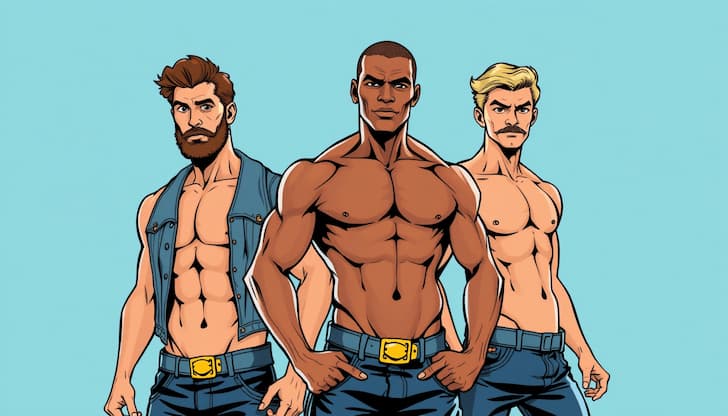
The "Lavender Scare" and the Closet
Being gay in the 1960s meant living a double life to avoid total ruin. The federal government actively hunted for homosexual employees to fire them under the guise of national security. You could lose your job, your apartment, and your family if your secret came out. People spoke in code and used subtle signals to find one another in public. The fear of exposure hung over every interaction like a heavy fog.
Police raids on gay bars were a routine occurrence in every major city. Officers would storm in, line patrons up, and check their identification. You faced arrest for "lewd conduct" or simply for not wearing enough articles of clothing that matched your gender. The newspapers would often publish the names of those arrested to ensure public shaming. Bars were often run by the Mafia because legitimate business owners would not touch a gay venue.
Psychiatry still classified homosexuality as a mental illness during this period. Families often committed their children to institutions for "curing" upon discovery. You heard horror stories of electroshock therapy and lobotomies used to fix what was considered a defect. The medical establishment acted as an enforcer of social norms rather than a source of healing. Survival meant staying hidden from doctors, bosses, and landlords.
- Keep your name out of any address book you find at a party or bar. Police often confiscated these books during raids to track down and interrogate other gay people.
- Wear at least three pieces of clothing associated with your biological sex. This rule helped you avoid arrest under cross-dressing laws that were strictly enforced.
- Refer to your partner as your "roommate" or "cousin" when talking to landlords. Housing discrimination was legal and landlords would evict you immediately upon suspicion.
- Memorize the layout of the bar and the location of the back exit. You needed a quick escape route the moment the lights flickered to signal a police raid.
The Transistor Revolution in Your Pocket
Music suddenly traveled with you wherever your feet wandered. You carried a small plastic box that pulled melodies out of the air. Earphones allowed for private listening while you walked down the street. Big wooden consoles in the parlor no longer held the monopoly on sound. Batteries replaced heavy power cords and allowed for true mobility.
Radio stations played the top hits twenty-four hours a day. You listened to fast-talking DJs who introduced the latest rock records. Static sometimes obscured the signal when you moved under a bridge. Small dials required a steady hand to find the perfect frequency. Teenagers huddled around the tiny speaker to hear the newest guitar riffs.
Portability changed the way you spent time at the beach or park. You leaned the radio against a cooler while the sun beat down. News updates reached your ears the moment the events happened. Late night broadcasts brought voices from distant cities into your bedroom. Small leather cases protected the delicate internal parts from scratches and dust.
Replace the nine-volt battery as soon as the sound fades.
Extend the metal antenna fully to catch the clearest signal.
Slide the radio into a jacket pocket for music on the move.
Twist the tuning knob slowly to avoid skipping the best station.
Connect a single earpiece to listen without waking the household.
Bold Prints and Synthetic Fabrics
Closets filled with colors that hurt the eyes in the best way. You wore polyester shirts that never needed a heavy iron. Polka dots and stripes clashed on purpose in every trendy outfit. Skirts moved higher up the leg as the decade progressed. Mod styles from London dictated what you bought at the local mall.
Plastic jewelry clinked on your wrists with every single movement. You chose oversized earrings that looked like geometric art pieces. Boots reached the knee and came in shiny white vinyl finishes. Men ditched the grey suits for velvet jackets and silk scarves. Hair stayed in place with massive amounts of sticky aerosol spray.
Patterns took inspiration from modern art and space travel themes. You saw swirls of orange and purple on dresses and neckties. Paper dresses became a temporary fad for the truly adventurous dresser. Zippers appeared in obvious places as a design choice rather than a secret. Fashion felt like a loud statement of independence from the previous generation.
Pick a dress with a hemline well above the knee area.
Match your shoes to the bright pattern of your headscarf.
Spray the beehive hairstyle until it feels hard to the touch.
Choose a necktie with at least three different neon colors.
Wear bell-bottom trousers that cover the tops of your shoes.
Electric Pulse Machines
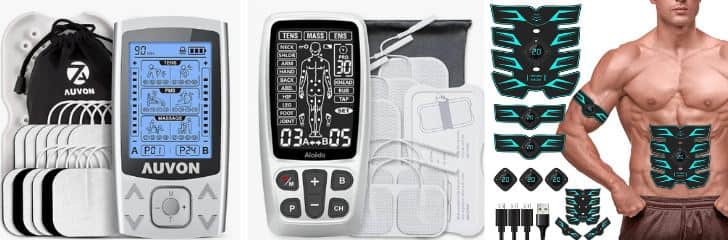
We earn a commission if you click this link and make a purchase at no additional cost to you.
The Asian American Awakening
The term "Asian American" was actually coined in the late 1960s to unite disparate ethnic groups. Previously, people identified only by their particular nationality or were grouped under derogatory slurs. You saw a political consciousness form that linked the struggle in America to anti-imperialist movements abroad. The Vietnam War played a massive role in radicalizing young Asian Americans. They saw the face of the "enemy" on the news and realized it looked like them.
Activism on college campuses became the primary engine for this new movement. Students at San Francisco State University and UC Berkeley formed the Third World Liberation Front. They demanded ethnic studies programs that told the truth about their history in America. You watched as they joined forces with Black and Latino groups to shut down campuses. The strike was the longest student strike in US history.
This era also saw a rejection of the "model minority" myth. Activists pointed out the poverty and discrimination that existed in Chinatowns and Manilatowns. You heard voices rising up to save neighborhoods like the International Hotel in San Francisco from demolition. The elderly Filipino and Chinese residents there became symbols of resilience. It was a fight for space and the right to exist in the city.
- Link arms with other students to form a human blockade around campus buildings. Physical disruption was necessary to force the administration to cancel classes and negotiate.
- Distribute flyers that explain the connection between the war and domestic racism. Educating your peers was the first step in building a coalition against the war.
- Attend community meetings at the International Hotel to support the tenants. Your physical presence helped deter the developers and police from executing evictions.
- Reject the term "Oriental" and correct anyone who uses it in conversation. claiming the term "Asian American" was a political act of self-definition.
Chrome Fenders and V8 Engines
Gasoline stayed cheap while engines grew larger and more aggressive. You felt the vibration of the road through the steering wheel. Muscle cars dominated the asphalt with long hoods and short trunks. Racing stripes decorated the metal skin of the fastest machines. Speed became the primary focus for every young driver on the road.
Gas stations offered full service with a smile and a window wash. You watched the attendant pump the fuel while you sat inside. Chrome bumpers reflected the sunlight and dazzled everyone you passed. Bench seats allowed three people to sit comfortably in the front row. Hood scoops promised more air for the hungry engine underneath.
Customization allowed you to make the vehicle your own creation. You added fuzzy dice to the mirror for a bit of luck. Chrome hubcaps polished to a mirror finish stood out on the street. Dual exhausts roared with a deep tone that announced your arrival. The road felt like freedom on four wheels during those summer nights.
Polish the chrome trim with a soft cloth every Sunday.
Shift the floor-mounted lever quickly to reach top speed faster.
Check the oil level before every long trip across the state.
Park the car under a tree to keep the vinyl seats cool.
Lower the windows to let the wind blow through your hair.
Native American Red Power
Native American Red Power
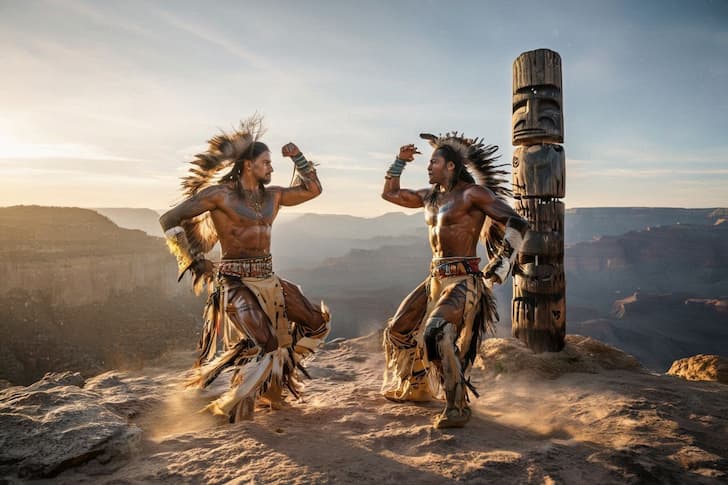
Native Americans lived under the oppressive policy of "termination" during the early 60s. The government tried to dismantle tribes and force assimilation by relocating people to cities. You saw thousands of Native people stranded in urban centers like Minneapolis and Oakland without support. This displacement unintentionally created hubs where activists from different tribes could meet and organize. The desperation of the situation fueled a new level of militancy.
The Occupation of Alcatraz in 1969 was the defining moment of this resurgence. Activists took over the abandoned prison island and claimed it by "right of discovery." You watched as they set up a school, a clinic, and a governing council on the rock. It was a brilliant piece of political theater that captured the world's attention. The occupation highlighted the broken treaties and the poverty on reservations.
The American Indian Movement (AIM) formed to address police brutality in Minneapolis. They created patrols to monitor police interactions with Native people. You saw them copy the tactics of the Black Panthers to protect their own neighborhoods. They focused on reclaiming cultural pride and spiritual practices that had been banned. The movement demanded sovereignty rather than just integration.
- Bring canned food and water to the supply boats heading for Alcatraz. The occupiers relied entirely on donated supplies to sustain the siege on the island.
- Tune your radio to "Radio Free Alcatraz" to hear the latest updates. Pirate radio broadcasts bypassed the mainstream media blackout to reach the public directly.
- Carry a camera to document police stops in your neighborhood. Photographic evidence was the only way to prove the harassment that was happening daily.
- Learn the specific treaty rights that apply to your tribe's land. Legal knowledge became a weapon to challenge government land seizures in court.
Plastic Curves in the Living Room
Furniture lost its sharp edges and took on rounded shapes. You sat in chairs shaped like eggs or giant tulip petals. Orange and avocado green became the kings of the color palette. Shag carpeting felt soft and strange under your bare feet. Wood paneling covered the walls to create a cozy subterranean feel.
Inflatable sofas offered a cheap way to furnish a new apartment. You blew air into clear plastic bubbles that served as seating. Lamps looked like lava flows or futuristic space station modules. Bean bag chairs sat low to the ground for casual lounging. Function followed form in ways that looked like a movie set.
Coffee tables used glass and steel to look modern and sleek. You placed heavy ashtrays on every flat surface for your guests. Geometric rugs defined different areas of the open floor plan. Stereos hid inside long wooden cabinets that looked like sideboards. Shelves held ceramic owls and strange sculptures from far away lands.
Vacuum the shag rug in different directions to keep it fluffy.
Place a lava lamp on a sturdy surface away from kids.
Wipe the plastic chair with a damp cloth to remove dust.
Arrange the modular sofa pieces into a large conversation circle.
Keep a coaster under every drink to protect the wood finish.
Grocery Aisles and Frozen Dinners
Supermarkets turned shopping into a brightly lit adventure every week. You pushed a metal cart through aisles filled with new brands. Bright boxes screamed for your attention with promises of easy meals. Cashiers rang up items on mechanical registers that went "cling". Paper bags held everything from milk bottles to fresh loaves of bread.
Cereal boxes featured colorful mascots that looked like Saturday morning cartoons. You found plastic toys buried deep inside the sugar-coated flakes. Instant mashed potatoes saved you hours of peeling and boiling over the stove. Powdered drink mixes turned plain water into a sugary red treat. Shopping felt like a modern luxury compared to the old corner store.
Meat counters displayed every cut wrapped in clear plastic film. You picked up a roast that stayed fresh for days in the fridge. Frozen food sections expanded to include pizza and international flavors. Bakeries filled the air with the scent of glazed donuts and pies. Weekly trips to the store became a social event for the neighborhood.
Clip coupons from the newspaper to save money at the till.
Stack the heavy tins at the bottom of the grocery bag.
Pick a cereal box with the best prize hidden inside.
Check the seal on the milk bottle before you buy it.
Bring a list to ensure you remember every necessary ingredient.
The Explosion at Stonewall
The simmering tension between the police and the gay population finally boiled over in 1969. The Stonewall Inn was a dive bar in Greenwich Village that served the most marginalized. You found drag queens, street kids, and trans women there because they were unwelcome elsewhere. When the police raided the bar on a hot June night, the patrons refused to scatter. They threw coins, bottles, and bricks at the officers.
This was not a polite picket line but a full-scale riot that lasted for days. The "sip-ins" of the past were replaced by angry crowds controlling the street. You saw the fear shift from the patrons to the police for the first time. The sheer shock of gay people fighting back broke the psychological hold of the closet. It was a chaotic release of years of pent-up rage.
New organizations formed immediately in the wake of the riots. The Gay Liberation Front rejected the assimilationist approach of the older homophile groups. You heard radical demands for a complete overhaul of society rather than just tolerance. They aligned themselves with other revolutionary movements of the time. The goal became "Gay Power" rather than just privacy.
- Throw your loose change at the police to mock their corruption. This symbolic act represented the payoffs that the police usually extorted from the bars.
- Form a kick line with others to push back against the police barricades. Using a stereotypical dance move as a combat tactic confused and humiliated the officers.
- Write "Gay Power" on the boarded-up windows of the village. Graffiti claimed the territory and signaled to others that the resistance was ongoing.
- Join the Gay Liberation Front meetings to plan the next disruption. These chaotic meetings were where the strategy for the modern movement was hammered out.
Lesbian Feminism and Separation
Lesbians faced a unique set of challenges within both the gay movement and the feminist movement. Gay men often ignored their issues, and the National Organization for Women labeled them a "Lavender Menace." You saw lesbians forming their own separatists groups to find a voice. They argued that sleeping with men was a collaboration with the patriarchy. This was a radical political stance that went beyond sexual orientation.
The Daughters of Bilitis had been organizing quietly since the 50s, but the 60s radicalized them. They published "The Ladder," a magazine that was a lifeline for isolated women. You read articles that assured you that you were not sick or evil. It was one of the few places where lesbian voices were printed without censorship. The magazine helped build a national network of women.
Tension with the mainstream feminist movement came to a head in 1970, but the roots were in the late 60s. Lesbians disrupted feminist conferences to demand their issues be heard. You watched as they took over the microphone to declare their presence. They forced the women's movement to confront its own internal homophobia. It was a messy but necessary conflict to broaden the scope of feminism.
- Subscribe to "The Ladder" using a discreet brown envelope. This publication was your only link to a national conversation about lesbian identity.
- Wear a "Lavender Menace" t-shirt to the next women's congress. Reclaiming the insult took the power away from those who tried to exclude you.
- Host a consciousness-raising group in your living room. These small gatherings allowed women to connect their personal struggles to political oppression.
- Refuse to take typing or secretarial roles in the mixed gay organizations. Lesbians demanded leadership positions rather than being relegated to support staff.
Intersectional Struggles
The 1960s highlighted the difficulty of living at the intersection of multiple oppressed identities. Bayard Rustin, the architect of the March on Washington, was kept in the background because he was gay. You saw how his sexuality was used as a weapon by opponents of the Civil Rights movement. Leaders feared that his presence would discredit the entire cause. He had to choose between his identity and his effectiveness.
Black gay people often felt alienated from both the Black Power movement and the white-dominated gay movement. White gay bars frequently discriminated against Black patrons by demanding multiple forms of ID. You found that the "brotherhood" of the gay world often stopped at the color line. Conversely, the Black movement often viewed homosexuality as a "white disease" or a weakness. Finding a space to be fully yourself was nearly impossible.
James Baldwin acted as a piercing voice that cut through these contradictions. His writing exposed the raw nerve of American racism and sexual repression. You read his essays to find a language for the pain of being an outsider within an outsider group. He refused to be categorized or silenced by any single movement. His existence proved that one could be both Black and queer and brilliant.
- Demand to see the manager if a bar asks you for three forms of ID. This discriminatory practice was a common tactic used to keep Black people out of white gay bars.
- Write letters to the Black Panther newspaper challenging their homophobia. Internal critique was the only way to push the revolutionary groups to be more inclusive.
- Read "Another Country" to see your complex reality reflected in literature. Baldwin's novels provided a psychological refuge for those who didn't fit into neat boxes.
- Create your own social club if the downtown bars refuse to serve you. House parties and private clubs became the sanctuary for Black gay life in segregated cities.
The Underground Press
Mainstream newspapers in the 1960s rarely covered minorities unless it was a crime story. You relied on the underground press to get the truth about protests and police violence. Papers like the "Los Angeles Free Press" or "The Berkeley Barb" published what the big dailies would not. These papers were often sold on street corners by volunteers. They created a counter-narrative that was vital for the movement.
The Black Panther Party newspaper was a prime example of this alternative media ecosystem. It combined revolutionary art with news about legal aid and food programs. You saw widely distributed images of police brutality that forced the public to pay attention. The paper was also a fundraising tool that kept the organization afloat. Distributing it was dangerous work that often led to arrest.
Gay publications like "The Advocate" started as local newsletters before growing into national magazines. They provided news about raids, court cases, and protests that you could find nowhere else. You also found ads for businesses that were safe to visit. These publications built a sense of national identity for scattered groups. They were the internet of their day.
- Volunteer to sell the underground paper on a busy street corner. Distribution was the bottleneck, and you risked harassment to get the news out.
- Submit your eyewitness account of a protest to the local alternative weekly. Citizen journalism was the only way to counter the official police reports.
- Hide your copy of the gay newsletter inside a mainstream newspaper. Reading this material in public could still get you fired or beaten in many places.
- Use the classifieds section to find roommates who share your politics. The back pages of these papers served as a safe network for finding housing and jobs.
Surveillance and Paranoia
The FBI under J. Edgar Hoover viewed all these groups as threats to national security. The COINTELPRO program was designed to infiltrate, disrupt, and destroy these organizations. You had to operate under the assumption that your phone was tapped and your mail was opened. Informants were planted in meetings to sow discord and paranoia. The government played a dirty game to neutralize dissent.
Black leaders were the primary targets of this surveillance state. The FBI sent a letter to Martin Luther King Jr. encouraging him to kill himself. You saw the police raid Panther headquarters based on intelligence provided by federal agents. The goal was to prevent the rise of a "black messiah." This pressure cooker environment caused many organizations to fracture from within.
Gay organizations were also monitored, though often for different reasons. The government kept lists of known homosexuals to track their movements. You knew that attending a meeting could land your name in a federal file. This surveillance was used to deny security clearances and government jobs. The paranoia was not a delusion; it was a rational response to reality.
- Hold your sensitive planning meetings in a moving car or a noisy park. These locations made it difficult for hidden microphones to pick up your conversation.
- Assume that the most aggressive person in the meeting might be an agent. Provocateurs often tried to push the group toward illegal acts to justify a crackdown.
- Destroy your meeting notes immediately after the session ends. Written records were dangerous evidence that could be used against the group in court.
- Check the wheel wells of your car for tracking devices. Physical surveillance was common for high-profile leaders of the movement.
Cultural Reclamation
The 1960s saw a massive shift in how marginalized groups defined themselves. The slogan "Black is Beautiful" was a rejection of white beauty standards. You saw afros and dashikis replace straightened hair and suits. This was a psychological revolution that had to happen before political liberation was possible. It was about decolonizing the mind.
Language became a battleground for dignity. The shift from "Negro" to "Black" was a deliberate choice to claim power. You heard Chicanos reclaiming their indigenous roots and rejecting the Spanish colonial heritage. Asian Americans rejected the passive stereotypes forced upon them. The words people used to describe themselves changed rapidly.
Gay culture also began to develop a unique aesthetic that was visible in the cities. Camp and drag were used as political weapons to mock gender norms. You saw a vibrant art scene emerge that celebrated the male body in a way that was previously forbidden. This cultural visibility was a prerequisite for political rights. We stepped out of the shadows and into the light.
- Stop straightening your hair and let it grow into a natural afro. Wearing your hair natural was a public declaration of pride in your African heritage.
- Learn a few phrases of Nahuatl to connect with your indigenous history. Reclaiming pre-colonial language helped break the mental chains of Spanish imperialism.
- Wear a button that says "Black is Beautiful" to work or school. Small visual symbols helped normalize the idea of Black pride in everyday spaces.
- Use the word "Black" instead of "Negro" in all your conversations. Changing your vocabulary forced others to acknowledge the new political reality.
The Anti-War Convergence
The Vietnam War acted as a unifying force that brought different minority groups together. Black soldiers were dying at disproportionate rates compared to white soldiers. You saw leaders like Muhammad Ali refuse the draft on the grounds that his enemy was not the Viet Cong. The war was framed as a colonial struggle that mirrored the oppression at home. This perspective shifted the focus from civil rights to human rights.
Draft resistance became a major form of protest for young men of all backgrounds. You watched as people burned their draft cards in public squares. Gay men were often exempted from the draft, but they still participated in the protests. The anti-war movement provided a training ground for activists who would later lead other movements. It was a master class in mass mobilization.
The exorbitant cost of the war drained resources from the "War on Poverty" programs. You saw the promise of the Great Society crumble as money went to bombs instead of schools. This economic reality brought poor whites, Blacks, and Latinos into a loose coalition. They realized that the war machine was the common enemy. The peace sign became the universal symbol of the generation.
- Refuse to step forward when your name is called at the induction center. This act of civil disobedience was a felony that could land you in federal prison.
- Distribute pamphlets detailing the casualty rates of minority soldiers. Data was a powerful tool to convince families that the war was consuming their children.
- Chant "No Viet Cong ever called me [slur]" at the rallies. This slogan perfectly encapsulated the connection between the war and domestic racism.
- Offer sanctuary to draft dodgers in your church or basement. protecting those who refused to fight was a moral obligation for the anti-war religious left.
Midnight Hosts and Variety Hours
Television screens stayed small but the personalities grew very large. You watched hosts in sharp suits tell jokes to a live audience. Musical guests performed their hits while cameras zoomed in close. Comedians used the stage to poke fun at the latest news stories. The glow of the tube kept you awake long after the sun set.
Variety shows offered a mix of magic, song, and slapstick humor. You saw acrobats follow opera singers in a strange but fun sequence. Families gathered on the sofa to catch the weekly big-name star. Sketch comedy started to push the boundaries of what you could say. Commercials used catchy jingles that stayed in your head for days.
Antennas on the roof needed a twist to fix the snowy picture. You adjusted the "rabbit ears" on top of the set for clarity. Westerns and spy thrillers dominated the prime time viewing slots. Color broadcasts began to replace the old black and white standard. Late night movies showed black and white classics from a previous age.
Turn the knob to channel four for the local news.
Adjust the vertical hold if the picture starts to roll.
Sit at least six feet away to protect your eyes.
Watch the monologue to hear the best jokes of the night.
Keep the volume low if the rest of the house sleeps.
Beatnik Rhythms and Paperbacks
Coffee houses stayed open late for poets and deep thinkers. You heard the rhythmic snap of fingers instead of loud applause. Smoke filled the air while someone read verses over a bass line. Black turtlenecks and berets became the uniform of the intellectual set. Ideas about society moved from these dark rooms into the light.
Paperback books made literature affordable for every single person. You bought novels at the pharmacy or the bus station kiosk. Covers used bold art to grab your eye on the spinning rack. Science fiction writers imagined worlds that felt both scary and exciting. Underground newspapers gave you the news the big papers ignored.
Typewriters clicked and clacked in tiny apartments across the city. You used carbon paper to make copies of your latest manifesto. Libraries stayed quiet but the shelves held revolutionary new thoughts. Literature felt like a quiet act of rebellion against the status quo. Words became the fuel for the changes happening in the streets.
Order a black coffee and sit near the back wall.
Keep a small notebook in your pocket for sudden ideas.
Read the latest bestseller from the rack at the drugstore.
Type your letters on a portable machine for a clean look.
Borrow a book from a friend to start a discussion.
High Skies and Golden Wings
Air travel became a glamorous event for the lucky few. You dressed in your best suit or dress for a flight. Metal trays held actual meals served with real silverware and glass. Flight attendants wore uniforms designed by the top fashion icons of the day. The cabin felt like a lounge in the clouds above the world.
Jet engines replaced propellers and cut travel times in half. You felt the surge of power as the plane left the runway. Airports looked like futuristic palaces with sweeping curves and glass walls. Overseas trips moved from being a dream to a realistic plan. Luggage sets came in hard shells of blue, red, or tan.
Cocktails flowed freely while the plane cruised at high altitudes. You chatted with the person in the next seat about your destination. Windows offered a view of the clouds that felt almost spiritual. Travel stayed expensive but offered a taste of the high life. Every arrival felt like a special occasion greeted with hugs and flowers.
Arrive at the terminal one hour before the scheduled departure.
Fasten the seat belt tight across your lap for takeoff.
Request a window seat to see the sunset from above.
Store your small carry-on bag under the seat in front.
Wait for the stairs to arrive before you exit the plane.
Plastic Playthings and Toy Bricks
Toys became more colorful and durable than ever before. You played with dolls that had their own houses and cars. Action figures allowed boys to play out adventures in the dirt. Interlocking plastic bricks let you build towers that reached the ceiling. Battery-powered robots walked across the floor with blinking red lights.
Board games brought the family together on rainy Sunday afternoons. You moved a plastic piece around a board to win a fortune. Mystery games required you to solve a crime with hidden clues. Simple loops of plastic became a fitness craze for every kid. Playtime felt like an explosion of imagination and bright primary colors.
Chemistry sets and telescopes encouraged a love for the stars above. You looked through a lens at the craters on the moon. Model kits required glue and a steady hand to finish the plane. Puzzles featured thousands of pieces that covered the dining room table. Childhood felt like a golden age of new inventions and fun.
Snap the plastic bricks together to form a sturdy base.
Roll the dice to see how many spaces you move.
Wind up the metal toy and watch it spin around.
Keep the small pieces in a box to avoid losing them.
Follow the instructions carefully to build the model car correctly.
Waves of Sound from the Sea
Pirate radio stations broadcasted from ships anchored in the ocean. You tuned in to hear the music the official stations banned. DJs played rock and roll records while the boat rocked on waves. Signals traveled across the water to reach millions of eager ears. The law tried to stop them but the music kept playing.
Youth culture found a voice on these illegal floating platforms. You felt a sense of excitement listening to the rebel broadcasters. Fans sent letters to the ships to request their favorite songs. Transmitters hummed with energy in the salty sea air every night. Radio stations changed the face of radio forever in the old world.
Governments struggled to shut down the offshore music revolution. You heard stories of daring escapes and high-seas adventures. Advertisements on these channels featured products for the younger crowd. Music became a way to connect with people across the entire country. The ocean gave a safe haven for the sound of the future.
Search the AM dial for the strongest offshore signal tonight.
Write a letter to your favorite DJ on the ship.
Record the broadcast onto a tape to listen later on.
Tell your friends about the new song you heard today.
Keep the volume down to avoid trouble with the parents.
Hair Spray Clouds and Beehives
Hairstyles reached new heights with the help of chemical sprays. You spent hours in front of the mirror with a comb. Teasing the hair created volume that looked like a structural marvel. Beehives sat tall and round on top of many heads. Men used grease to slick back their locks into a sharp point.
Salons became the center of gossip for women in the neighborhood. You sat under a giant chrome dryer while the rollers set. Magazines on the table showed the latest looks from movie stars. Hairpins held everything together through wind and rain and movement. A new hairstyle felt like a fast way to feel new.
Barber shops offered a quick trim and a straight-razor shave. You smelled the talcum powder and bay rum in the air. Sideburns grew longer as the end of the decade drew near. Natural styles began to replace the stiff looks of the early years. Grooming stayed a ritual that you performed with great care every day.
Backcomb the hair at the roots to gain maximum height.
Spray the finished look with a firm-hold aerosol product.
Remove the rollers only after the hair feels completely dry.
Use a fine-tooth comb to smooth the top layer down.
Visit the barber every three weeks for a clean neck.
Suburbia and the Picket Fence
New houses sprang up like mushrooms after a heavy rain storm. You lived in a neighborhood where every home looked quite similar. Lawns stayed green and trimmed to a perfect half-inch height. Cul-de-sacs provided a safe place for kids to ride their bikes. Neighbors waved from the porch as you drove home from work.
Garage doors opened to reveal the pride of the modern family. You stored garden tools and holiday decorations in the rafters above. Backyards featured charcoal grills and plastic chairs for summer cookouts. Fences defined the boundaries but neighbors still chatted over the top. Life in the outskirts felt quiet and safe for a growing family.
Mailboxes stood in a row at the end of the driveway. You waited for the postman to deliver letters and colorful catalogs. The commute to the city became a daily routine for many workers. School buses picked up groups of children on every street corner. The suburban dream felt like a reality for millions of people then.
Mow the grass on Saturday morning before the heat rises.
Paint the front door a bright color to stand out.
Plant flowers along the walkway to welcome your guests properly.
Clean the gutters before the autumn leaves start to fall.
Host a neighborhood barbecue to meet the people next door.
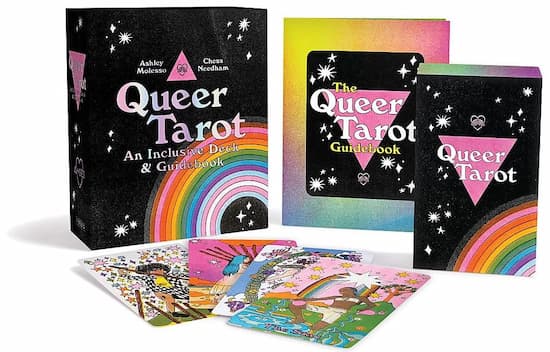
The Queer Tarot: An Inclusive Deck and Guidebook
Tarot deck and guidebook set for LGBTQ+, created by queer and trans artist team Ash + Chess.
We earn a commission if you click this link and make a purchase at no additional cost to you.
The Dust Settles
The 1960s did not end with a tidy resolution of these conflicts. The dust never really settled; it just changed composition. The legal victories of the Civil Rights Act and the Voting Rights Act were monumental, but the underlying economic disparity remained. The gay rights movement had just ignited its first real spark and had a long road ahead. The chaos of the decade was the sound of a society breaking its own bones to reset them properly.
You look back at this era not as a failure, but as a beginning. The groups that organized in the 60s created the template for every social movement that followed. They proved that power yields only to demand. The sacrifices made in the streets of Birmingham, the fields of Delano, and the bars of New York purchased the freedoms we use today. The work remains unfinished, but the foundation was poured in concrete during those turbulent years.