

Cold treats represent a fascinating study in dairy science and temperature control for anyone interested in the technical side of frozen confections. You often stand in front of a freezer case and wonder why one container costs twice as much as the neighbor on the shelf. Textures vary from icy crystals to buttery smooth ribbons that melt slowly on your tongue during a warm afternoon.
Scientific ratios of fat, sugar, and air determine the final mouthfeel of every spoonful you take from the bowl. You find that the nomenclature used in different countries often obscures the technical reality of the product inside the tub. Every culture has developed a method to freeze sweetened liquids into a dense or fluffy mass.
A quick look at the chemistry reveals how small changes in ingredients create massive shifts in the final experience. You deserve to know exactly what resides in your bowl before the first bite of the treat. Detailed comparisons help you make better choices during your next visit to the local shop.
"Ice Cream"
Technical Standards of Traditional Ice Cream
Traditional ice cream requires a high percentage of milkfat to reach its signature creamy consistency and rich flavor. Regulations in the United States mandate a minimum of ten percent fat for a product to carry this name legally in a commercial setting. Manufacturers often pump air into the mixture during the churning process to increase the total volume of the batch. Air bubbles prevent the mixture from becoming a solid block of frozen cream that is impossible to scoop or eat. You notice a lighter texture in premium versions that contain less air and more butterfat for your enjoyment.
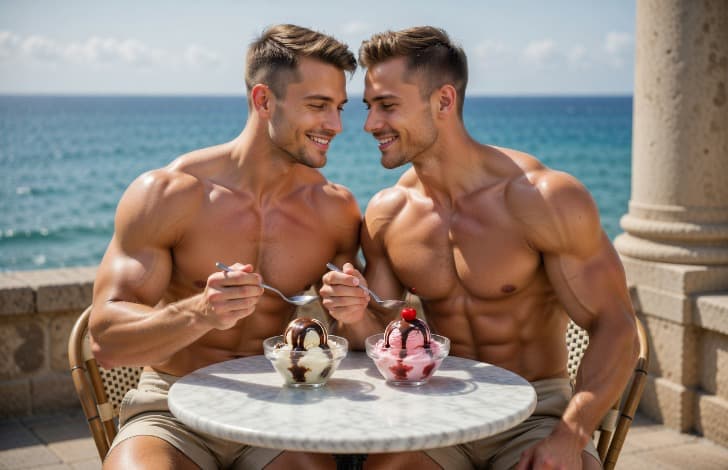
Standard production involves a process called overrun which refers to the air added during the freezing phase. Low-quality brands use a high overrun to save on costs and create a fluffy sensation in the mouth. You experience a colder sensation in your mouth when the fat content is lower because the water content is higher. High-quality varieties use egg yolks as an emulsifier to create a silky and heavy structure for the consumer. Protein molecules from the eggs help the fat and water stay together in a stable suspension during the freezing process.
Storage temperatures for ice cream usually stay around zero degrees Fahrenheit to maintain the desired hardness and stability. You struggle to scoop the product if the freezer is set too low for the specific fat ratio of the recipe. Crystal formation happens if the mixture melts slightly and then refreezes in a standard home appliance like your kitchen freezer. Such textures ruin the smoothness that defines a top-tier frozen dessert experience for you in the end. You find that the flavor perception is muted slightly by the extreme cold compared to other treats like gelato.
- Verify the butterfat percentage on the label to ensure you are getting a rich and dense product for your money. Labels often list total fat but the legal definition depends on the specific dairy solids present in the container you buy.
- Check the weight of the pint to determine how much air was whipped into the mixture during the churning process. Heavy containers indicate a lower overrun and a more intense flavor profile for your enjoyment as you eat the treat.
- Look for natural emulsifiers like egg yolks instead of synthetic gums to find a traditional texture in the cream. Ingredients like guar gum are common but they often leave a sticky film on the roof of your mouth after you finish.
"Gelato"
The Dense Art of Italian Gelato
Gelato comes from the Italian tradition of using more milk than cream in the base mixture for the dessert. Lower fat content allows the flavors to hit your taste buds with more intensity and clarity than high-fat options. You notice that the texture is much denser than standard ice cream due to the slow churn speed of the machine. Slow rotation prevents excess air from entering the mixture during the freezing phase of production in the shop. It results in a product that feels heavier and more substantial on your spoon as you take a bite.

Artisans serve gelato at a slightly warmer temperature than traditional hard-pack ice cream found in the grocery store. Warmth allows the silkiness of the milk to shine through without numbing your mouth completely during the meal. You perceive a wider range of flavor notes when the product is not frozen into a solid block of ice. Service temperatures usually hover around ten to fifteen degrees Fahrenheit in most specialty shops you visit. You find that the texture is pliable and soft enough to be sculpted with a flat spatula by the server.
Ingredients for gelato rarely include egg yolks unless the flavor profile specifically demands a custard base for the recipe. Pure fruit purees or nut pastes often provide the primary flavor in these Italian frozen desserts for the customer. You observe a matte finish on the surface of the product because it lacks the high grease content of heavy cream. Minimal air content means the flavors stay concentrated and do not get diluted by empty space in the mixture. You enjoy a lingering aftertaste that is cleaner than the film left by high-fat treats like American ice cream.
- Select a shop that uses metal tins with lids to preserve the temperature and texture of the gelato you buy.Open displays often lead to ice crystal formation and a loss of the signature silkiness you expect from a premium Italian treat.
- Look for muted colors in fruit flavors like pistachio or banana to ensure natural ingredients were used in the mix. Bright neon colors usually indicate artificial dyes and flavorings that distract from the quality of the dairy and the fruit.
- Ask for a spatula serving instead of a round scoop to experience the traditional Italian way of enjoying the gelato. Flat paddles press the product together to remove any remaining air and emphasize the dense structure that makes it famous.
"Parfait"
1. Frozen Custard Science of French Parfait
French parfait translates to perfect and refers to a frozen custard made with sugar syrup, eggs, and heavy cream. Chefs cook the egg yolks with sugar until they reach a thick and pale consistency before adding the fat. You find that this version is not churned in a machine like ice cream or gelato during the production. Still-freezing allows the mixture to maintain a mousse-like density that is incredibly rich and smooth on the tongue. You slice the final product like a cake rather than scooping it into a bowl for your guests.
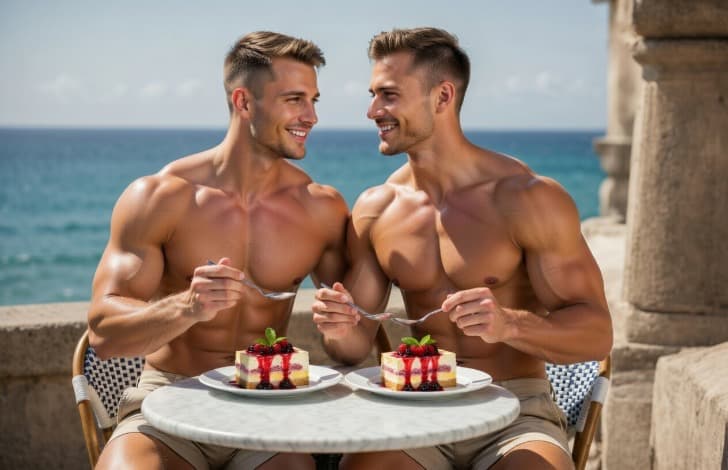
Traditional recipes rely on the aeration of the eggs and whipped cream to provide a soft bite without the use of air. You avoid the icy grit found in poorly made desserts because the sugar content is precisely calculated for the recipe. High fat levels ensure that the parfait remains creamy even without the movement of a mechanical churn in the kitchen. Many pastry shops add a layer of sponge cake or fruit at the bottom of the mold for texture. You appreciate the complex layering of textures that occurs in this classic European preparation when you eat it.
Service of a French parfait usually involves thin slices served on a chilled plate with a garnish of fruit or chocolate. You notice that it does not melt as quickly as churned treats because of the stable egg foam in the base. Every bite offers a concentrated burst of flavor that feels sophisticated and heavy on the palate for the consumer. Such desserts are common in high-end restaurants where the presentation is a priority for the pastry chef. You find that a small portion is enough to satisfy because of the intense richness of the frozen custard.
- Observe the cross-section of the slice to see the uniform distribution of air and fat in the parfait mixture.Small bubbles indicate a well-whipped egg foam that provides the necessary lightness for a perfect bite of the rich dessert.
- Check for the presence of a biscuit or cake base that adds a structural element to the frozen custard. Pastry chefs use these layers to contrast with the smooth cream and provide a different mouthfeel for the person eating it.
- Allow the slice to sit for a minute before eating to let the outer layer soften slightly for the best flavor.Softening releases the aromas of the vanilla or chocolate and makes the texture even more velvety as it melts.
2. Layered Presentations of American Parfait
American parfaits evolved into a layered dessert served in a tall glass called a parfait glass in most cafes. You see distinct layers of yogurt or ice cream alternating with granola and fresh berries in the tall vessel. Texture comes from the physical separation of ingredients rather than the freezing method of the base mixture itself. Most shops serve these for breakfast or as a light snack during the afternoon hours of the day. You find that the name has shifted from a specific frozen technique to a style of visual presentation.

Crunchy elements like toasted oats or nuts provide a contrast to the soft dairy layers in the glass for you. You might find honey or fruit syrups drizzled between the sections to add a focused sweetness to the treat. Presentation is key in this version because the visual appeal of the layers draws your eye to the glass. Spoons with long handles are necessary to reach the bottom of the narrow vessel without making a mess on your shirt. You enjoy the variety of textures that change with every vertical dip of your utensil into the colorful layers.
Modern variations often use chia pudding or cottage cheese to increase the protein content of the meal for the health-conscious. You notice that these are rarely frozen solid like the French version of the same name found in Europe. Portability makes them a popular choice for people who need a quick bite on the move during their busy schedule. Every layer offers a different flavor profile that you can mix or eat separately as you please during the meal. You find that the American style is much more versatile and adaptable to different dietary needs than the traditional custard.
- Look for a balance of textures with a mix of soft, crunchy, and juicy components in the tall glass. A good parfait should have a variety of sensations that prevent the experience from becoming boring or repetitive as you eat.
- Check the bottom of the glass to ensure the heaviest ingredients are not crushing the lighter ones at the base.Proper layering keeps the granola crisp and prevents the fruit from becoming a soggy mass at the bottom of the vessel.
- Choose a version with unsweetened yogurt to control the total sugar intake of your snack or meal in the morning. High-quality yogurt provides a tart contrast to the sweet berries and honey that you might find in the other layers.
3. Ornamental Heights of Japanese Parfait
Japanese parfaits are elaborate architectural feats that combine elements from several different dessert traditions into one glass. You see tall glasses filled with sponge cake, cornflakes, whipped cream, and scoops of flavored ice cream. Ornate decorations like sticks of chocolate, fresh fruit slices, and even small macarons sit on the very top for you. Such desserts are extremely popular in themed cafes and department store restaurants across the country for the local population. You find that the sheer size of the treat often requires two people to finish it during a single sitting.

Visual symmetry and color coordination play a huge role in the construction of these towering treats for the customer. You might find traditional Japanese ingredients like matcha jelly, mochi balls, or red bean paste hidden in the deep layers. Every component is meticulously placed to create a beautiful image that you want to photograph before you start eating. Textural variety is maximized by the use of gelatin, crunchy cereals, and soft creams all in one narrow glass. You experience a narrative of flavors as you work your way from the top to the bottom of the dessert.
Seasonal themes dictate the ingredients used in Japanese parfaits throughout the different months of the year for the shops. You see cherry blossoms in the spring and chestnuts or sweet potatoes during the autumn months of the year. Limited edition flavors keep customers returning to try the latest creation from the pastry chef in the city. Each cafe competes to have the most impressive and photogenic presentation in the local area to attract new visitors. You find that the Japanese style has turned the parfait into a complete sensory experience that goes beyond simple taste.
- Start eating from the top to prevent the decorations from falling over as the ice cream begins to melt.Balancing the various elements is a skill that you develop as you eat your way through the tall and complex glass.
- Look for hidden layers of jelly or pudding that add a cooling and slippery texture to the middle section.Discovering these surprise components is part of the fun of eating a complex Japanese-style dessert in a specialty cafe.
- Use the provided long spoon and perhaps a pair of tongs to handle the larger fruit pieces on the very top.Specialized tools help you navigate the tall vessel without spilling the contents on the table or your clean clothes.
"Sorbet"
Dairy-Free Intensity of Fruit Sorbet
Sorbet contains no dairy at all and consists entirely of fruit puree, sugar, and water in the base mixture. You find that the lack of fat results in a very clean and sharp flavor profile for the consumer. Intense fruit notes are the hallmark of a well-made sorbet that uses high-quality seasonal produce for the recipe. Churning is still necessary to prevent the mixture from turning into a solid block of ice during the freezing process. You notice that the texture is granular but should remain smooth enough to melt quickly on your tongue.
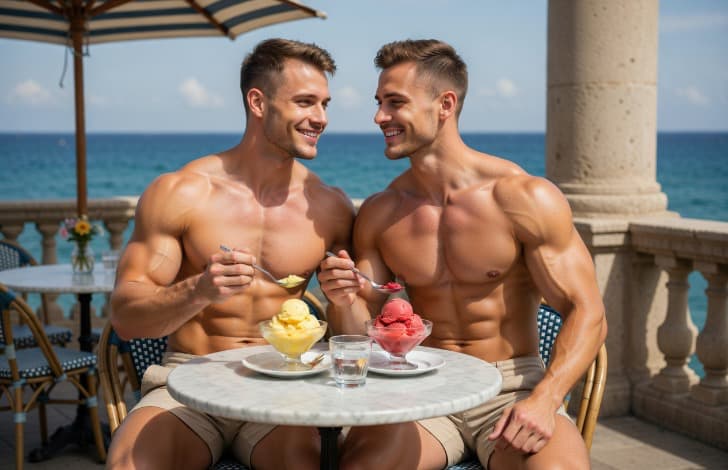
Chefs often use sorbet as a palate cleanser between courses in a long and formal meal at a restaurant. You find that the acidity of the fruit helps to wash away the oils from the previous dish on the menu. Sugar levels must be carefully managed to ensure the mixture does not become too sticky or too hard in the freezer. Alcohol is sometimes added to lower the freezing point and create a softer consistency for the scoop in the bowl. You enjoy the refreshing qualities of this treat on a hot day when dairy feels too heavy for your stomach.
Production of sorbet requires a high ratio of fruit solids to water to achieve a rich mouthfeel without the use of fat. You might see savory versions made from vegetables or herbs in modern experimental kitchens in the city today. Color comes naturally from the skins and flesh of the fruit used in the base mixture of the treat. Many people choose this option because it is naturally vegan and free of common allergens found in dairy products. You find that the simplicity of the ingredients allows the quality of the fruit to shine through clearly for everyone.
- Look for a fine crystal structure that indicates the sorbet was churned at a consistent and low temperature in the shop. Large ice crystals feel gritty and suggest that the product was melted and refrozen during the storage or transport process.
- Select flavors with a high natural pectin content like raspberry or mango for a smoother and creamier texture in the bowl. Pectin acts as a natural thickener that gives the sorbet a body that mimics the feel of dairy without the use of fat.
- Check for a vibrant and natural color that matches the fruit listed on the menu or the label of the container.Dull colors might indicate that the fruit was overprocessed or that low-quality concentrates were used instead of fresh fruit puree.
"Sherbet"
The Balanced Middle Ground
Sherbet sits in the middle ground between ice cream and sorbet because it contains a small amount of dairy in the mix. You find that the fat content is usually between one and two percent by weight in the final product you buy. Milk or buttermilk is added to the fruit base to provide a creamy finish that is lighter than standard ice cream. Most sherbets have a tangier flavor because of the high fruit acid content mixed with the dairy in the container. You notice a pastel color that is softer than the bold hues of a pure fruit sorbet in the display.
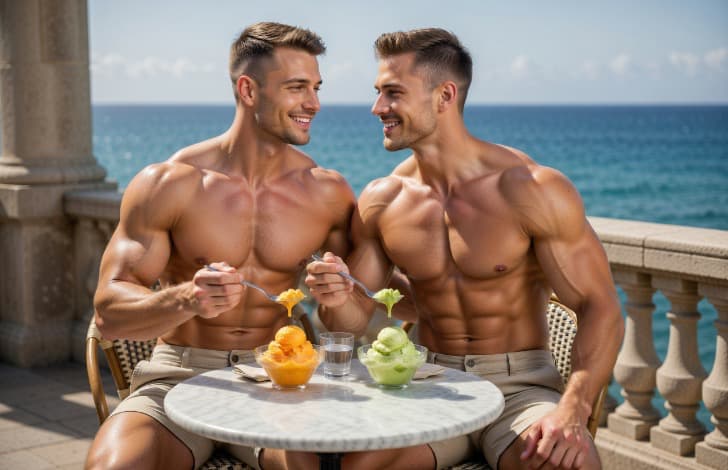
Regulations distinguish sherbet from ice cream based on the specific dairy solids and the total weight of the final treat. You experience a smoother texture than sorbet because the milk proteins help to bind the water and sugar during the freeze. Air content is typically higher in commercial sherbet to make it easy to scoop and eat quickly at home. Many classic versions combine several fruit flavors into a single container for a colorful variety of tastes for the consumer. You find that children often prefer this treat because of the sweet and mild flavor profile compared to rich dairy.
Stabilizers like gelatin or vegetable gums are frequently used to maintain the structure of the sherbet in the freezer at home. You might notice a slightly elastic quality to the scoop when you pull it from the container for your bowl. Citrus flavors like orange, lime, and lemon are the most common varieties found in grocery stores across the country. Every bite offers a balance of creamy dairy and refreshing fruit that is unique to this category of frozen treats. You find that sherbet is an excellent alternative when you want something more substantial than sorbet but lighter than cream.
- Check the label for the presence of buttermilk if you prefer a more complex and tangy flavor profile in your treat. Buttermilk adds a subtle depth that pairs perfectly with tart fruits like lime or raspberry in the frozen mixture.
- Look for a smooth and uniform surface without any visible separation of the fruit and the dairy components in the tub. High-quality sherbet remains a stable emulsion that does not weep or become watery as it sits in the bowl on the table.
- Observe the melting rate to see how the stabilizers are working to keep the structure intact for your enjoyment at home. A good sherbet should melt into a thick and creamy liquid rather than a thin and watery puddle after a few minutes.
Industrial Progress of Continuous Freezing
Continuous freezers represent the pinnacle of industrial production for large scale dairy operations around the world today. You see liquid mix enter one end of a long cylinder while a frozen product emerges from the other side. High pressure pumps force air into the mixture at precise intervals to control the final density of the batch for the brand. Scraper blades constantly remove the frozen layer from the inner walls to keep the ice crystals microscopic in size for smoothness. Rapid throughput ensures that the quality remains consistent across millions of gallons produced every year for the mass market.
Batch freezers are the preferred choice for smaller shops and artisanal producers who value control over speed in their kitchen. You add the base mixture to a large drum where a mechanical paddle turns the liquid slowly as it cools down. Every batch receives individual attention to ensure the flavor and texture meet the standards of the maker in the shop. Manual intervention allows for the addition of large pieces of fruit or nuts without crushing them in the mechanical machine. You notice a more handmade quality in products that come from these smaller and more focused machines during your visit.
Soft-serve machines operate on a different principle by keeping the mixture in a semi-frozen state at all times for the customer. You find that the product is dispensed directly from the machine into a cone or bowl for immediate consumption at the park. High air content and a warmer service temperature create the signature light and airy texture of this specific frozen treat. Stability is maintained by a constant cycle of freezing and thawing within the hopper of the dispenser in the shop. You enjoy the convenience and the smooth consistency that defines the soft-serve experience in many fast-food restaurants.
- Inspect the discharge port of a soft-serve machine to see how the air is integrated into the liquid dairy base.Proper calibration of the air pump is necessary to prevent the treat from becoming too heavy or too watery for the consumer.
- Compare the size of the scraper blades in different machines to see how they impact the smoothness of the finished product. Larger blades often result in a faster freeze and smaller ice crystals for a better mouthfeel on your tongue as you eat.
- Observe the speed of the paddle in a batch freezer to determine how much overrun is being created for the shop. Slow rotation is the secret to making a dense and heavy gelato that feels like a premium creation compared to commercial brands.
Philips 7000 Series Pasta Maker
ProExtrude Technology, Versatile Mixing Ability, 8 Shaping Discs, Perfect Dough, Easy Clean, Up to 8 Portions, White (HR2660/03)
We earn a commission if you click these images and make a purchase at no additional cost to you.
Stabilization Science and Texture Control
Guar gum and locust bean gum act as thickening agents that prevent the growth of large ice crystals over time in the container. You find these ingredients in almost every commercial brand that needs to survive the long trip from factory to your home. Moisture is trapped by these long-chain molecules to keep the texture smooth and consistent for your enjoyment throughout the week. Fluctuations in temperature during transport cause the ice to melt and refreeze in a cycle called heat shock for the product. Stabilizers protect the treat from becoming a block of hard ice during these inevitable changes in the storage environment.
Egg yolks contain a natural emulsifier called lecithin that binds the fat and water molecules together in the cold mix. You notice a richer and more custard-like finish in products that use eggs instead of synthetic alternatives in the recipe. Lecithin creates a stable network that holds the air bubbles in place and prevents the treat from collapsing in the bowl. High-end French-style confections rely heavily on the properties of the yolks to achieve their signature density and smooth mouthfeel. You perceive a velvet-like sensation on your palate when the emulsion is perfectly balanced and stable in the final product.
Carrageenan comes from seaweed and helps to prevent the separation of the dairy solids in the liquid base before freezing. You see this ingredient listed on labels to ensure the mixture stays uniform before it enters the freezing machine in the factory. It provides a slippery and smooth quality that many people associate with premium brands of frozen cream found in shops. Small amounts are enough to change the physical behavior of the liquid under extreme cold conditions during the production phase. You find that the science of stability is what allows the variety of textures available in the market for everyone today.
- Read the back of the carton to see which stabilizers were used to maintain the shelf life of the frozen treat.Natural options like pectin or gelatin are often preferred by those looking for a more traditional manufacturing process in their dairy.
- Notice the way the treat feels on the roof of your mouth to detect the presence of excessive vegetable gums. A sticky or tacky film often indicates that too much stabilizer was used to compensate for a low fat content in the recipe.
- Observe how the product behaves after sitting on the counter for ten minutes to see the strength of the emulsion. Stable products maintain their shape and do not turn into a puddle of water and fat immediately after leaving the cold freezer.
Historical Evolution of Frozen Delights
Ancient civilizations used snow brought down from the high mountains to chill their fruit juices and honey for the elite. You find that the earliest versions of these treats were more like crushed ice than the creamy dairy we have today. Marco Polo allegedly brought recipes for water ices back to Italy from his travels in the East during the medieval period. Royal courts in Europe turned these simple mixtures into status symbols that required massive amounts of ice and salt for production. You see the progression from a rare luxury for kings to a common delight for everyone in the modern age.
Industrial refrigeration changed the accessibility of frozen desserts for the general population during the nineteenth century in the West. You notice that the invention of the hand-cranked churn allowed families to make their own ice cream at home for celebrations. Technological advances in the twentieth century led to the creation of the continuous freezer for mass production in large factories. Large operations were then able to produce thousands of gallons of product every single day to meet the growing consumer demand. You benefit from these innovations every time you open your freezer to find a perfectly preserved pint of your favorite flavor.
Culture and geography played a major role in how these recipes developed in different parts of the world over the centuries. You see how tropical regions focused on fruit-based ices while colder climates leaned toward heavy cream and fat in their treats. Trade routes introduced new ingredients like vanilla, chocolate, and exotic spices to the master confectioners of the past in Europe. Every country added its own local twist based on the available livestock and the native fruits of the land for the people. You find that the history of these treats is as rich and complex as the flavors themselves in the modern market.
- Study the ancient Roman methods of mixing honey and fruit with mountain snow to see the true origin of sorbet. Ancient texts describe these early attempts at creating a cooling snack for the elite members of the empire during the summer.
- Research the impact of the salt-and-ice method on the speed of the freezing process in early mechanical machines. Salt lowers the freezing point of water and allows the mixture to get cold enough to turn the cream into a solid.
- Visit a museum dedicated to the history of dairy to see the evolution of the mechanical churn over the years.Early patents show the ingenuity of inventors who wanted to make the process of making ice cream easier and faster for everyone.
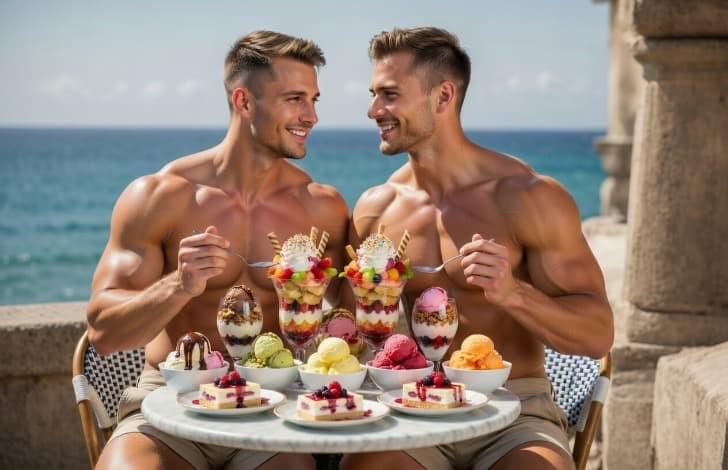
Molecular Science of Small Ice Crystals
Water molecules form hexagonal crystals when the temperature drops below the freezing point of the liquid mixture in the machine. You want these crystals to remain as small as possible to ensure a smooth and velvety mouthfeel on your tongue. Rapid agitation during the freezing process prevents the crystals from growing into large and jagged shapes that feel gritty for you. Sugar acts as an anti-freeze by lowering the freezing point of the water and keeping the mixture pliable in the container. You find that the balance between water, sugar, and fat is the most critical part of the entire chemical recipe.
Fat globules provide the structure and the richness that you associate with high-end frozen dairy products in the specialty shop. You observe how the fat coats the air bubbles and prevents them from escaping the mixture during the churn in the drum. Emulsifiers like lecithin found in egg yolks help the fat and water stay together in a stable and uniform suspension for you. Without these molecules, the water would separate and form large sheets of ice that ruin the delicate texture of the dairy. You appreciate the complex chemistry that happens inside the machine while the paddle is turning the liquid into a solid mass.
Air content determines the density and the intensity of the flavor in the final product you eat from the container. You find that a high overrun makes the treat feel warmer and fluffier because air is a poor conductor of heat for you. Dense products like gelato feel colder and more intense because there is more physical matter touching your taste buds during the bite. Manufacturers must calculate the exact amount of air to add to achieve the desired consistency for their specific brand in the market. You notice the difference in quality immediately when you compare a cheap supermarket brand to a dense artisanal creation from a shop.
- Use a microscope to look at the tiny air bubbles trapped inside a scoop of premium vanilla ice cream from the store. Small and uniform bubbles are the sign of a high-quality product that will feel smooth and creamy when it melts.
- Measure the temperature of your freezer at home to see how it affects the hardness and the scoopability of your treats. Home freezers are often set much colder than the ideal service temperature for gelato or soft-serve products in the shop.
- Experiment with different types of sugar to see how they change the freezing point and the sweetness of the dairy base. Glucose or honey can create a different texture than standard table sugar because of their molecular structure and water-binding abilities.
Regional Variations in Global Frozen Styles
Dondurma is a unique Turkish version of ice cream that uses salep and mastic to create a stretchy and chewy texture. You find that this treat is so thick and elastic that you can actually stretch it like dough in the street. Street vendors perform elaborate shows with the long metal paddles they use to work the dense and chewy mass for the tourists. Resistance to melting makes it a popular choice in the hot climate of the Middle East and the Mediterranean for everyone. You experience a chewiness that is completely different from any Western style of frozen dairy you have tried in the past.
Kulfi comes from the Indian subcontinent and is often described as a dense and un-churned version of traditional ice cream. You notice that the milk is boiled down for hours until it caramelizes and reduces into a thick and creamy liquid. Cardamom, saffron, and pistachios provide the traditional flavor notes for this heavy and satisfying dessert on a wooden stick for you. Because it is not whipped with air, the texture is much harder and more like a frozen fudge than a fluffy cloud. You enjoy the deep and complex flavors that come from the slow reduction of the dairy over an open flame in India.
Philadelphia style ice cream omits the eggs entirely and focuses on the pure flavor of the cream and the sugar for the consumer. You find that this version is much lighter and has a cleaner finish than the custard-based French style of ice cream. High-quality vanilla beans or fresh fruits are the stars of the show in this American tradition of dairy production in the city. Texture is achieved through the use of high-fat cream and a quick churn to keep the ice crystals small and uniform for you. You appreciate the simplicity of the ingredients that allow the natural sweetness of the milk to stand out on its own in the bowl.
- Visit a Turkish ice cream stall to witness the impressive performance of the vendors with their long metal paddles. Watching the dondurma being stretched and pulled is part of the cultural experience and shows the properties of the mastic in the treat.
- Try a kulfi pop at a local Indian restaurant to see how the lack of air changes the way the treat melts. You will find that it stays solid much longer than a standard ice cream bar and offers a much more intense dairy flavor.
- Compare a pint of Philadelphia style to a French custard version side-by-side to notice the difference in the richness for you. The lack of eggs in the Philadelphia version makes the colors brighter and the flavors more direct for your palate during the taste.
Temperature and the Perception of Complex Flavor
Cold temperatures numb the taste buds and make it harder for you to perceive the full range of sweetness and aroma. You find that a mixture that tastes perfectly sweet at room temperature will seem bland once it is frozen solid in the bowl. Manufacturers must add extra sugar and flavorings to compensate for this numbing effect of the cold on your mouth during the meal. A slight warming of the product before you eat it allows the flavors to open up and become more vibrant for you. You experience a more complex profile when you let your bowl sit on the counter for a few minutes before eating.
Fat acts as a carrier for many flavor molecules that are not soluble in water alone during the production phase of the treat. You notice that high-fat treats have a lingering aftertaste because the oils coat your tongue and hold the flavors in place. Low-fat sorbets offer a sharp and immediate burst of flavor that disappears quickly once you swallow the bite from the spoon. Every type of frozen treat uses a different strategy to deliver its signature taste to your brain via your senses in the mouth. You find that the mouthfeel and the flavor are inextricably linked through the physics of the melting process in your mouth.
Volatile aromatic compounds are released as the frozen treat melts and turns back into a liquid state on your warm tongue. You inhale these scents through the back of your throat in a process called retronasal olfaction while you are eating the dessert. Smells like vanilla or cocoa are just as important as the taste of sugar or salt in the overall experience for you. Harder and colder treats release these compounds more slowly than softer and warmer options like gelato or soft-serve in the glass. You find that the speed of the melt determines the rhythm and the intensity of the flavor delivery for your palate.
- Let a scoop of gelato sit at room temperature for five minutes to see how the flavor profile changes and matures. You will notice that the subtle notes of the nuts or fruit become much more apparent as the product softens and warms for you.
- Taste a bit of melted ice cream and compare it to the frozen version to see the difference in the perceived sweetness. The liquid state will likely taste much sweeter and more intense because your taste buds are not being numbed by the ice crystals.
- Hold a bite of sorbet on your tongue and breathe out through your nose to experience the full aromatic profile of the fruit. This technique allows you to catch the subtle floral or herbal notes that might otherwise be missed during a quick swallow of the treat.
The Role of Sweeteners in Freezing Point Depression
Sugar serves a dual purpose in frozen treats by providing the necessary sweetness and controlling the hardness of the final product. You find that increasing the sugar content lowers the freezing point of the mixture and keeps it from becoming a solid rock. Sucrose is the most common sweetener used, but professionals often blend different types of sugars to achieve a specific texture. Dextrose and glucose syrup prevent the sugar from crystallizing and keep the treat feeling smooth on your tongue as it melts. You notice that sorbets often require more sugar than dairy-based treats to maintain a scoopable consistency in the freezer.
Natural sweeteners like honey or maple syrup add their own unique flavor profiles while also affecting the physical structure of the cream. You might perceive a stickier or more elastic texture when these liquid sweeteners are used in place of granulated sugar. They bind with water molecules more effectively and help to prevent the formation of large ice crystals during the storage of the treat. Every sweetener has a different sweetening power and a different effect on the freezing point of the base mixture for you. You find that balancing these variables is a key part of the technical skill required for professional pastry chefs.
Low-sugar or sugar-free versions of frozen treats rely on sugar alcohols like erythritol or xylitol to mimic the properties of sucrose. You notice that these products often feel colder in the mouth because of the endothermic reaction that occurs when they dissolve. Bulking agents are necessary to replace the physical mass of the missing sugar and maintain the density of the scoop in your bowl. Without these additives, a sugar-free treat would be too hard to scoop and would lack the satisfying mouthfeel you expect. You find that the science of sweeteners is what makes modern dietary alternatives possible for everyone who wants a cold treat.
- Check the ingredient list for corn syrup or glucose to see how the manufacturer prevents sugar crystallization in the treat. These liquid sugars help to create a smooth and shiny finish that many people find appealing in a premium brand of ice cream.
- Observe the difference in hardness between a high-sugar sorbet and a low-sugar dairy treat in your home freezer. The sorbet will likely be softer and easier to scoop because the sugar concentration prevents the water from freezing into a solid block.
- Taste a sugar-free option and pay attention to the cooling sensation on your tongue as the treat begins to melt. This sensation is a hallmark of certain sugar substitutes and can change the way you perceive the other flavors in the mixture.
Inclusions and the Physics of Mix-Ins
Chocolate chips, nuts, and fruit swirls are known as inclusions and they add a new dimension of texture to the frozen base. You notice that these pieces must be carefully treated to ensure they do not become too hard or too soft in the freezer. Chocolate is often formulated with extra fat to prevent it from becoming a brittle and flavorless chunk of wax when frozen. Nuts are sometimes coated in sugar or oil to maintain their crunch and prevent them from absorbing moisture from the surrounding cream. You enjoy the surprise of a different texture as you navigate the smooth landscape of the scoop in your bowl.
Ribbons of caramel or fudge must remain fluid at temperatures well below the freezing point of water to be effective in the treat. You see that these swirls are formulated with high levels of sugar and stabilizers to prevent them from freezing solid during the storage. Proper distribution of these ripples requires specialized equipment that injects the liquid into the stream of frozen cream as it leaves the machine. Every bite should contain a balance of the base flavor and the concentrated burst of the swirl for your maximum enjoyment. You find that the presence of these inclusions can change the overall density and melting rate of the entire product.
Baked goods like brownie chunks or cookie dough pieces must be specially formulated to stay soft and chewy in the extreme cold. You find that these items often contain higher levels of fat and moisture than their standard room-temperature counterparts for your palate. They act as sponges that can absorb flavor from the surrounding dairy and create a more integrated taste profile for the treat. Large chunks provide a satisfying resistance to the bite that contrasts with the melting cream and the crunchy nuts or chips. You appreciate the engineering that goes into making sure every component of a complex pint performs perfectly at zero degrees.
- Dig through the pint with a spoon to see how evenly the inclusions are distributed throughout the volume of the container. A high-quality brand ensures that every scoop contains a fair share of the cookies, nuts, or swirls that were promised on the label.
- Bite into a chocolate chip from the frozen treat and notice how quickly it begins to melt and release its flavor for you. Better formulations use chocolate that melts at a lower temperature so you can actually taste the cocoa before the bite is gone.
- Observe the way a caramel swirl remains liquid even after several days in a very cold freezer at the back of the appliance. This fluidity is a sign of a well-engineered syrup that uses the physics of sugar concentration to its advantage for your benefit.
Ice Cream vs Gelato vs Sorbet vs Sherbet vs Parfait
Selecting the right frozen treat requires an awareness of the technical differences that separate ice cream from its many international cousins on the shelf. You are now equipped with the knowledge to distinguish between the dense silkiness of gelato and the airy fluff of a high-overrun commercial brand. Every category offers a unique profile of fat, sugar, and air that caters to different preferences and occasions in your life.
Whether you seek the intense fruit clarity of a sorbet or the elaborate layers of a Japanese-style parfait, the science remains the same. You see how temperature and chemistry work together to create a sensory experience that defines the modern world of cold confections. Take a moment to appreciate the centuries of innovation and the complex physics that reside within every single scoop you enjoy. Your next visit to the local shop will be a much more informed and rewarding experience because of these details.
